
.jpg)


76
30 min
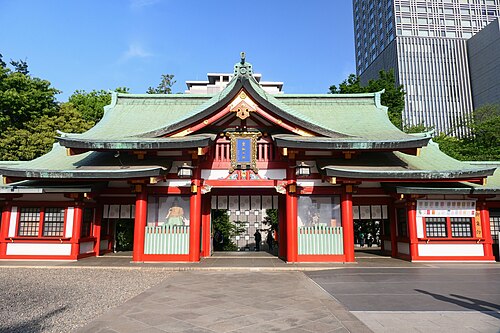
Hie Shrine
日枝神社
Hie Shrine is a Shinto shrine located in the Nagatacho district of central Tokyo, near the National Diet Building.
- High
- Place of worship
- Tokyo
Country guide
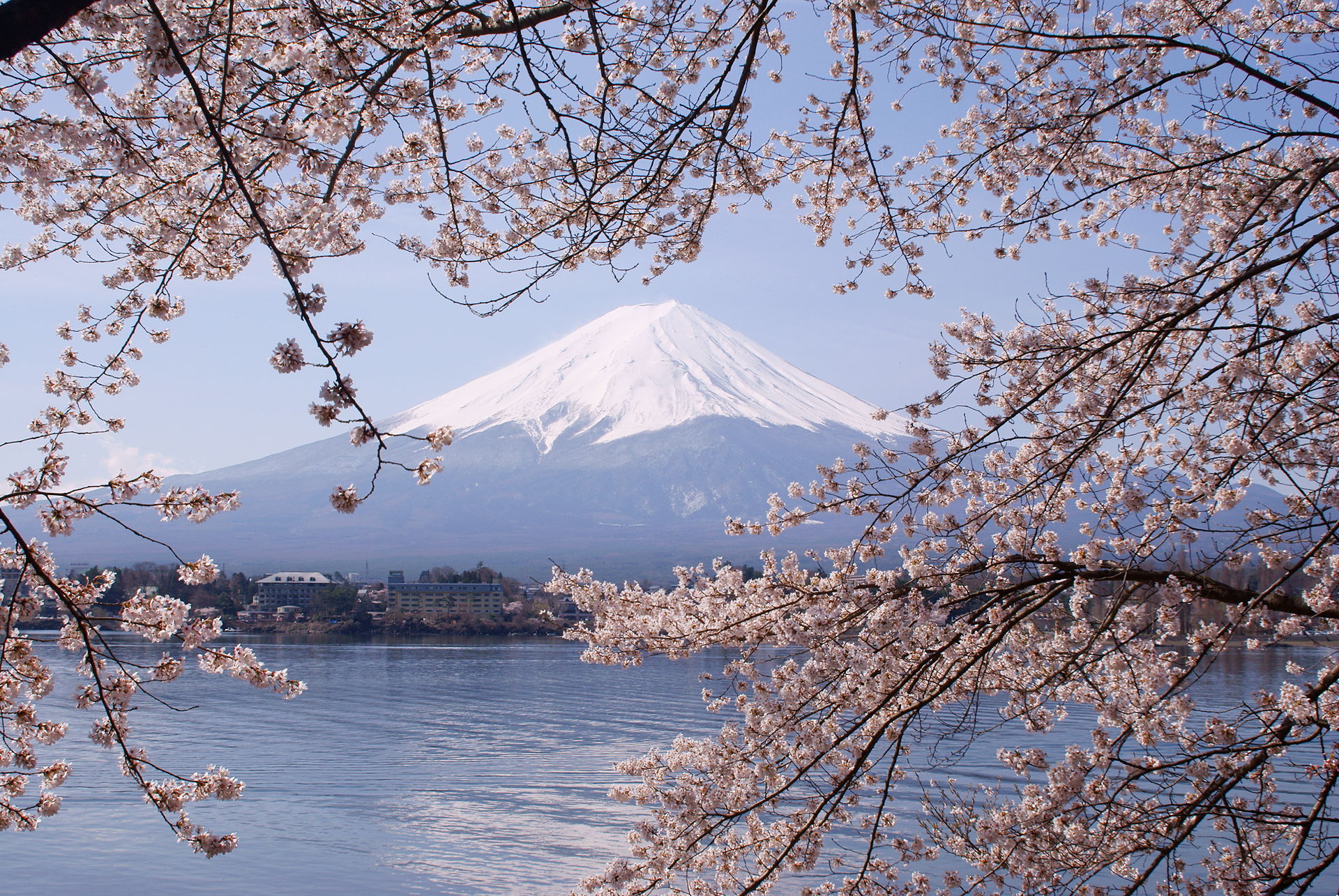
Around three quarters of Japan is mountain and forest, which pushes almost everyone onto the eastern coastal plains and makes the country far narrower in practi...
Photograph · Midori · CC BY 3.0
Reviewed by Elena Voss · Roavina Travel Editor
Around three quarters of Japan is mountain and forest, which pushes almost everyone onto the eastern coastal plains and makes the country far narrower in practice than 377,975 km2 suggests. Forty-seven prefectures, eight traditional regions and more than 14,000 smaller islands, and yet a first visit usually runs along a single rail corridor with Tokyo at one end and Kyoto and Osaka at the other. Tokyo is the capital and largest city of a country of almost 123 million people. Hokkaido in the north and Okinawa in the south are different climates rather than day trips, and both need their own week.
Checked 2026-08-25
Every city catalogued in this country so far, ranked by how much there is to see.
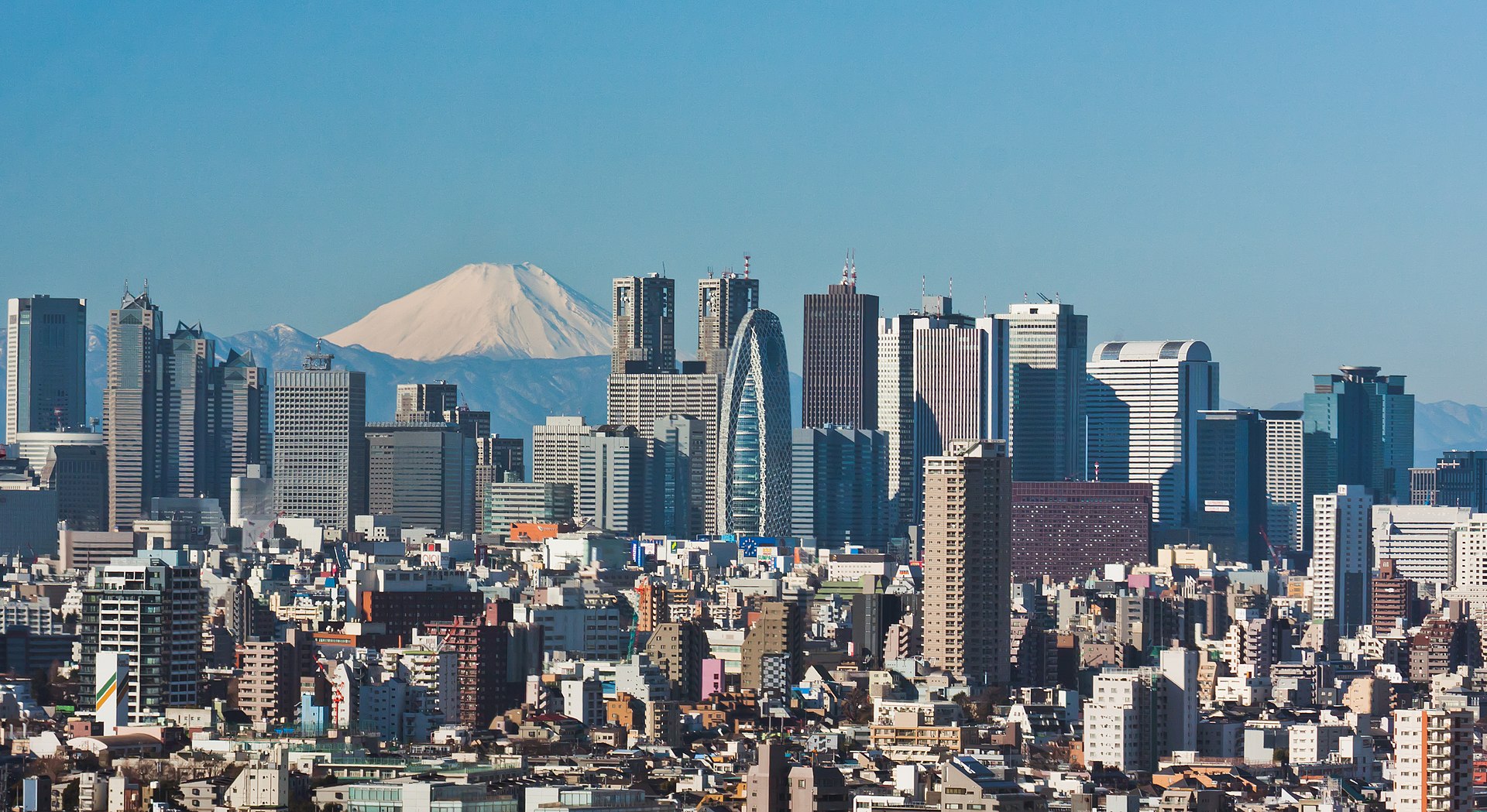
Photograph · Morio · CC BY-SA 3.0
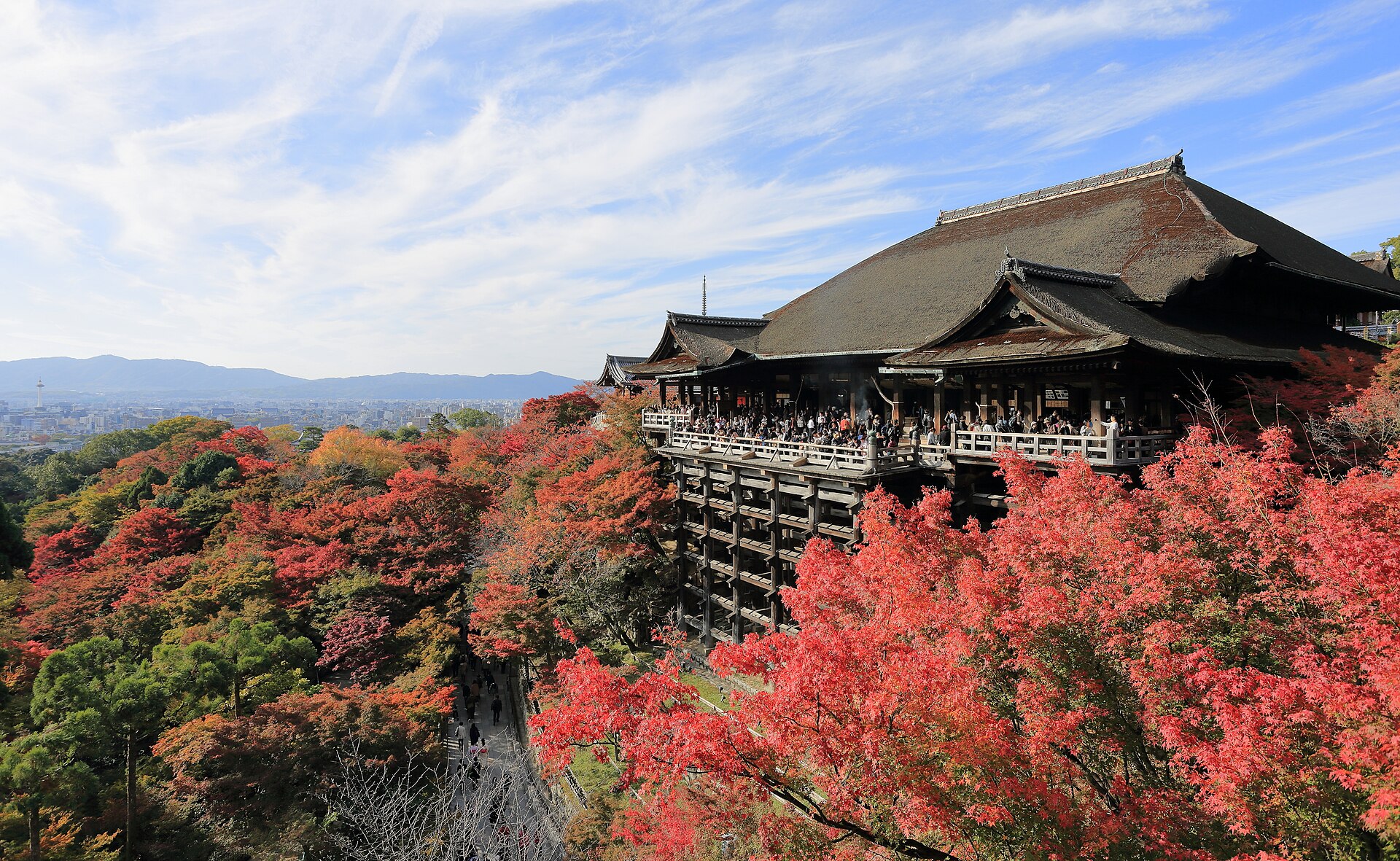
Photograph · Martin Falbisoner · CC BY-SA 4.0

Photograph · Martin Falbisoner · CC BY-SA 4.0
Ranked by importance — sitelinks, pageviews and heritage status, not editor preference.
212 places match
Category
Typical visit duration
Interests
日枝神社
Hie Shrine is a Shinto shrine located in the Nagatacho district of central Tokyo, near the National Diet Building.
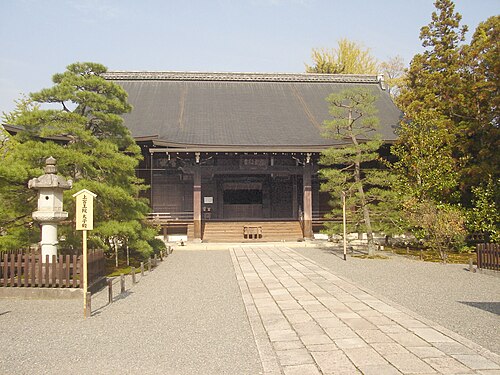
広隆寺
Koryu-ji is a Buddhist temple in Kyoto’s Ukyo Ward and a fitting stop for travellers interested in the city’s long religious and artistic tradition.
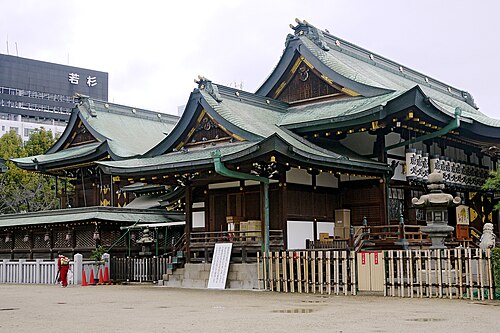
大阪天満宮
Osaka Tenmangu Shrine is a Shinto shrine in Osaka, Japan. It ranks among the city's principal historic shrines and serves as the focus of the Tenjin Matsuri, one of Japan's major summer festivals.

二年坂
Ninenzaka is a historic stone-paved street in Kyoto’s Higashiyama district, close to Kiyomizu-dera. The lane is one of the clearest places in Kyoto to experience a preserved traditional streetscape while still seeing an active commercial neighbourhood.
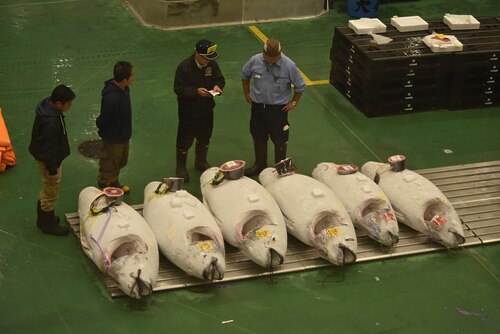
豊洲市場
Toyosu Market is Tokyo's principal wholesale fish and seafood market, successor to the historic Tsukiji Market. The facility relocated to the artificial island of Toyosu in October 2018.
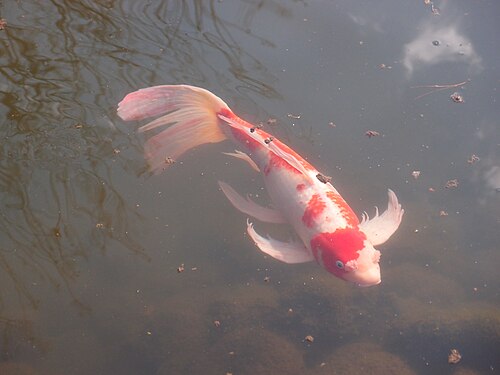
皇居東御苑
The Imperial Palace East Gardens form part of the grounds surrounding the Tokyo Imperial Palace, the primary residence of Japan's Imperial Family.
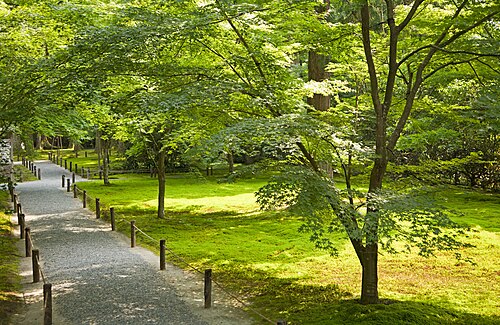
三千院
Sanzen-in is a Tendai Buddhist temple located in Ohara, a rural district northeast of central Kyoto. It serves as the head temple of the Tendai sect's monzeki tradition, where imperial family members historically served as abbots.
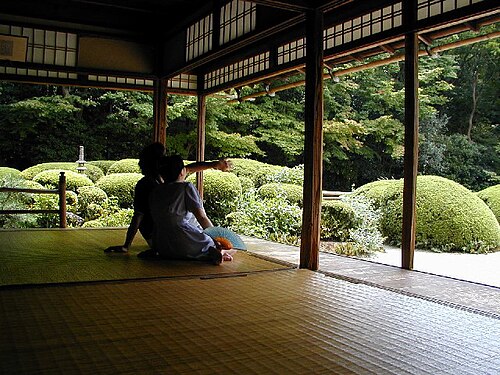
詩仙堂丈山寺
Shisen-do is a Soto Zen temple in Kyoto’s Sakyo Ward, founded during the Edo period and shaped by the sensibilities of its scholar-founder.
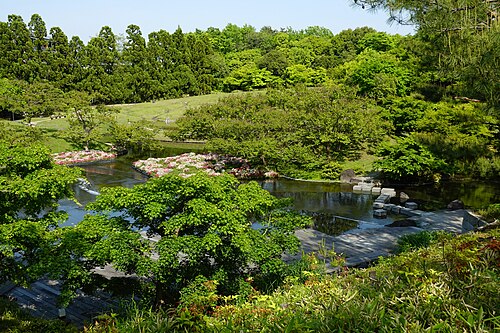
梅小路公園
Umekoji Park is a public park in Kyoto, Japan. The park occupies a significant riverside plot near the confluence of the Kamo and Katsura rivers in the western part of the city.

天保山大観覧車
Tempozan Ferris Wheel is a panoramic observation wheel situated in Osaka's bay area, within the Tempozan Harbor Village district.
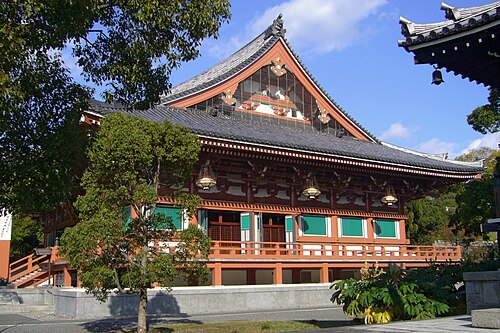
智積院
Chishaku-in is a Buddhist temple in Kyoto, Japan. It serves as the headquarters of the Shingon Buddhist Chizan sect. The temple occupies a significant position within Japanese religious architecture and cultural heritage.
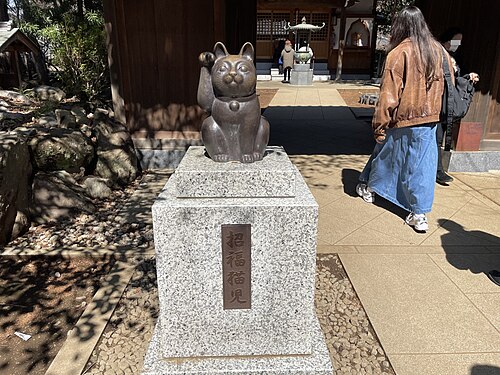
豪徳寺
Gotokuji Temple is a Buddhist temple in Tokyo’s Setagaya ward, known in Japanese as 豪徳寺. It is strongly associated with maneki-neko, the beckoning cat figurines linked with good fortune.
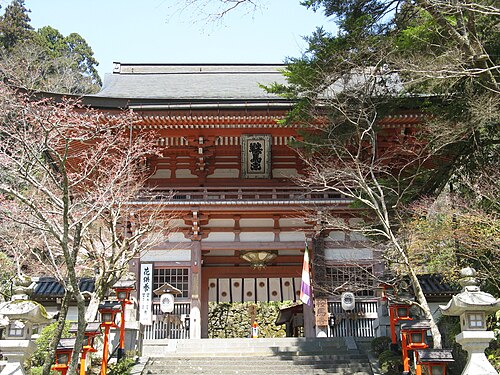
鞍馬寺
Kurama-dera is a Buddhist temple located in the mountains north of Kyoto city proper. It sits on Mount Kurama at a significant elevation above the surrounding valley.
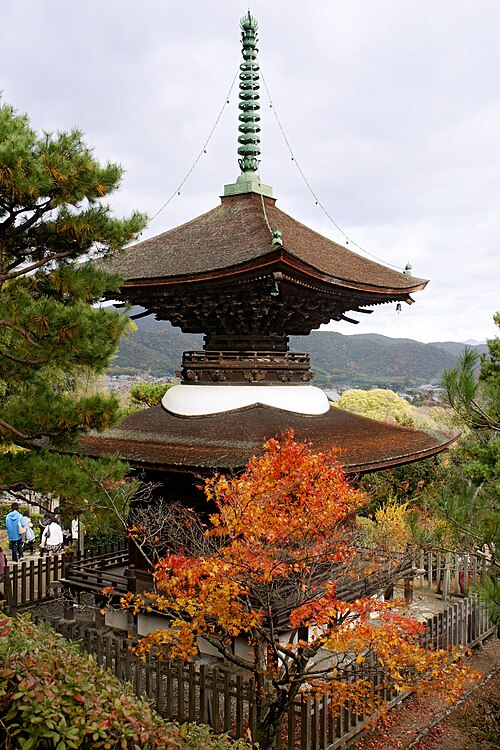
常寂光寺
Jojakko-ji is a Buddhist temple on the wooded slopes of Arashiyama in western Kyoto. Its buildings and paths follow the hillside, creating a visit that combines religious architecture, forest scenery and elevated views.
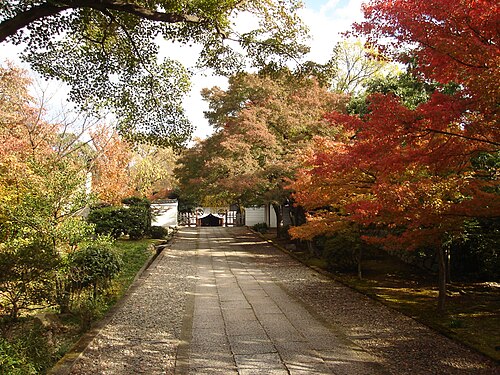
養源院
Yogen-in is a Buddhist temple located in Kyoto, Japan. The temple belongs to the Rinzai school of Zen Buddhism and is associated with the larger Daitoku-ji temple complex in the northern part of the city.
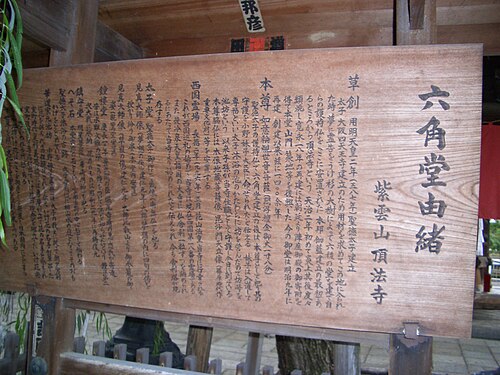
頂法寺
Rokkakudo, formally Chohoji, is a Buddhist temple in central Kyoto near the Karasuma and Sanjo streets. Its common name refers to the hexagonal form associated with the main hall: rokkaku means six angles.
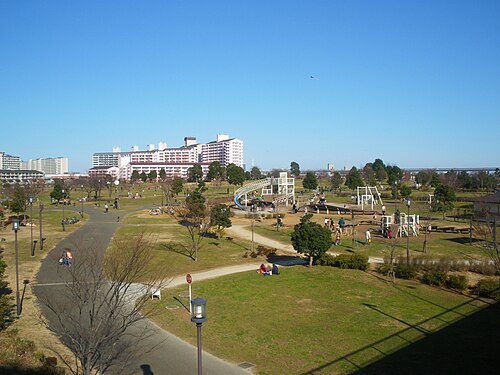
大島小松川公園
Ojima Komatsugawa Park is a public green space in Tokyo’s Koto Ward, known locally as 大島小松川公園. The park extends through the Ojima and Komatsugawa neighborhoods beside the Kyu-Yodo River water system.
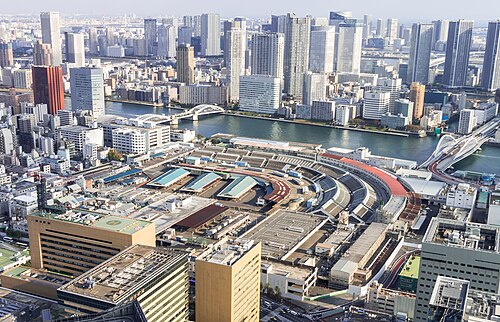
築地場外市場
Tsukiji Outer Market is a public commercial district adjacent to the former site of the Tsukiji wholesale fish market.
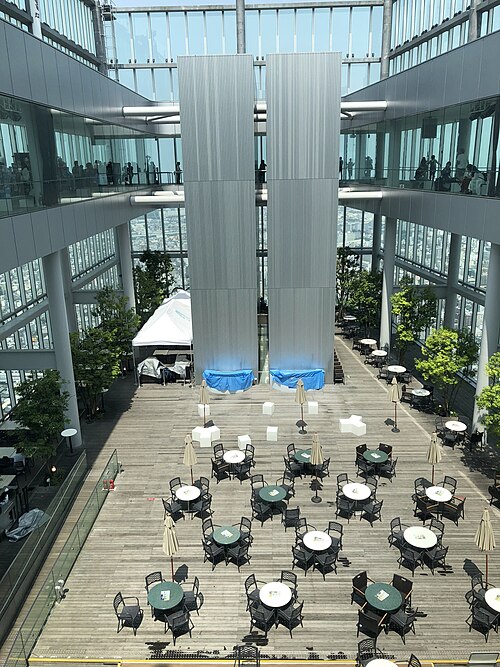
ハルカス300
Harukas 300 is an observation deck located at the summit of Abeno Harukas, a prominent skyscraper in Osaka. The facility occupies the building's top three floors, offering visitors elevated views across the Kansai region.
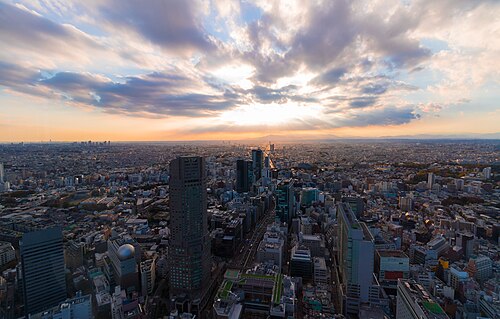
Shibuya Sky
Shibuya Sky is an observation facility in Shibuya, Tokyo, offering panoramic views of the metropolitan area. Located within the Shibuya Scramble Square complex, the attraction occupies upper floors of a prominent high-rise building.
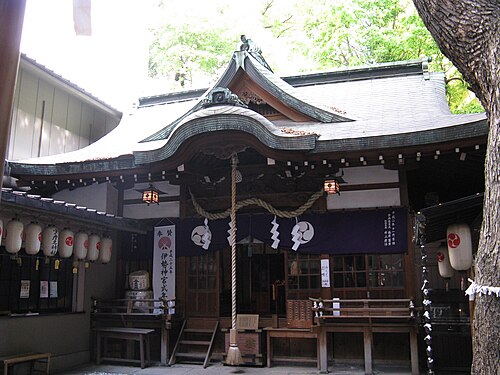
少彦名神社
Sukunahikona Shrine is a Shinto shrine in Osaka dedicated to Sukunahikona, a deity associated with medicine, healing, and brewing. The local name is 少彦名神社.
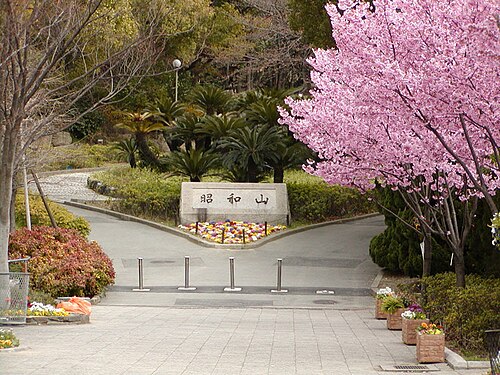
昭和山
Showazan, written 昭和山 in Japanese, is a visitor place in Osaka. It offers a different kind of stop from the city’s internationally famous commercial districts and landmark attractions.
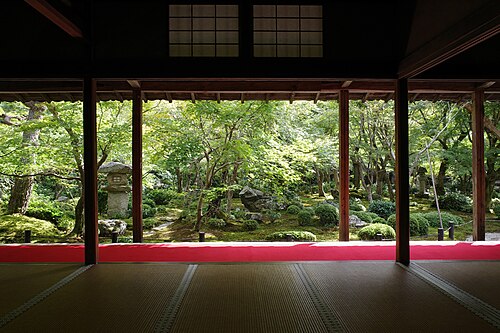
円光寺
Enko-ji is a Buddhist temple in Kyoto, Japan. The temple belongs to the Rinzai school of Zen Buddhism and holds historical significance in the city's religious landscape.
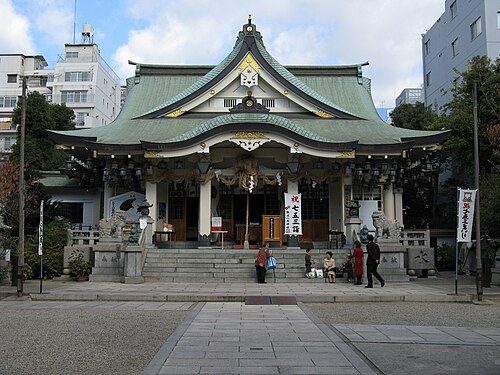
難波八坂神社
Namba Yasaka Shrine is a Shinto shrine located in the Namba district of Osaka, Japan. It is notable for its distinctive lion-head stage, which serves as the shrine's most recognizable feature.
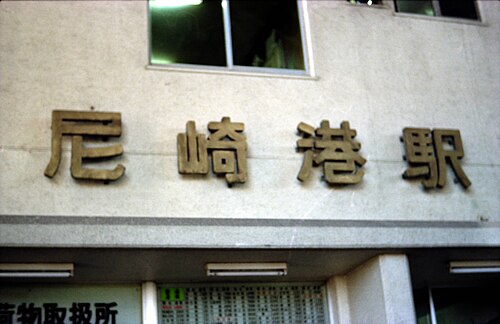
南城内緑地
Amagasakikō Station is a railway station in Amagasaki, Hyōgo Prefecture, within the wider Osaka metropolitan area. Its principal role is transport: passengers use it to move through a dense corridor linking residential, industrial, and urban districts.
Ten to fourteen days supports four or five days in Tokyo, three or four in Kyoto, and two or three in Osaka. Add Nara or Himeji only after those bases have enough time, and avoid turning every rail stop into a hotel change.
Japan's visa exemption or visa requirement depends on passport and travel purpose. Confirm the current rule through Japan's Ministry of Foreign Affairs or the embassy responsible for the traveller's residence.
The Tokaido Shinkansen links Tokyo, Kyoto, and Osaka, while local rail and buses cover city travel. An IC card simplifies many local journeys but does not replace every reserved long-distance ticket, and luggage forwarding can reduce friction between bases.
March to May and October to November are broad options for the main-island route, with blossom and autumn periods creating concentrated demand. Confirm regional weather and reservations for the exact cities rather than assuming one national season behaves uniformly.
Japan uses the yen (JPY). Electronic payment is common but not universal, so carry some yen for smaller businesses, ticket machines, or rural transport without assuming that one stored-value card works for every purchase.
Japan's emergency numbers are 110 for police and 119 for fire or ambulance. Type A sockets operate at 100 V, which is lower than in the other wave-A countries, and mains tap water is recorded as safe.