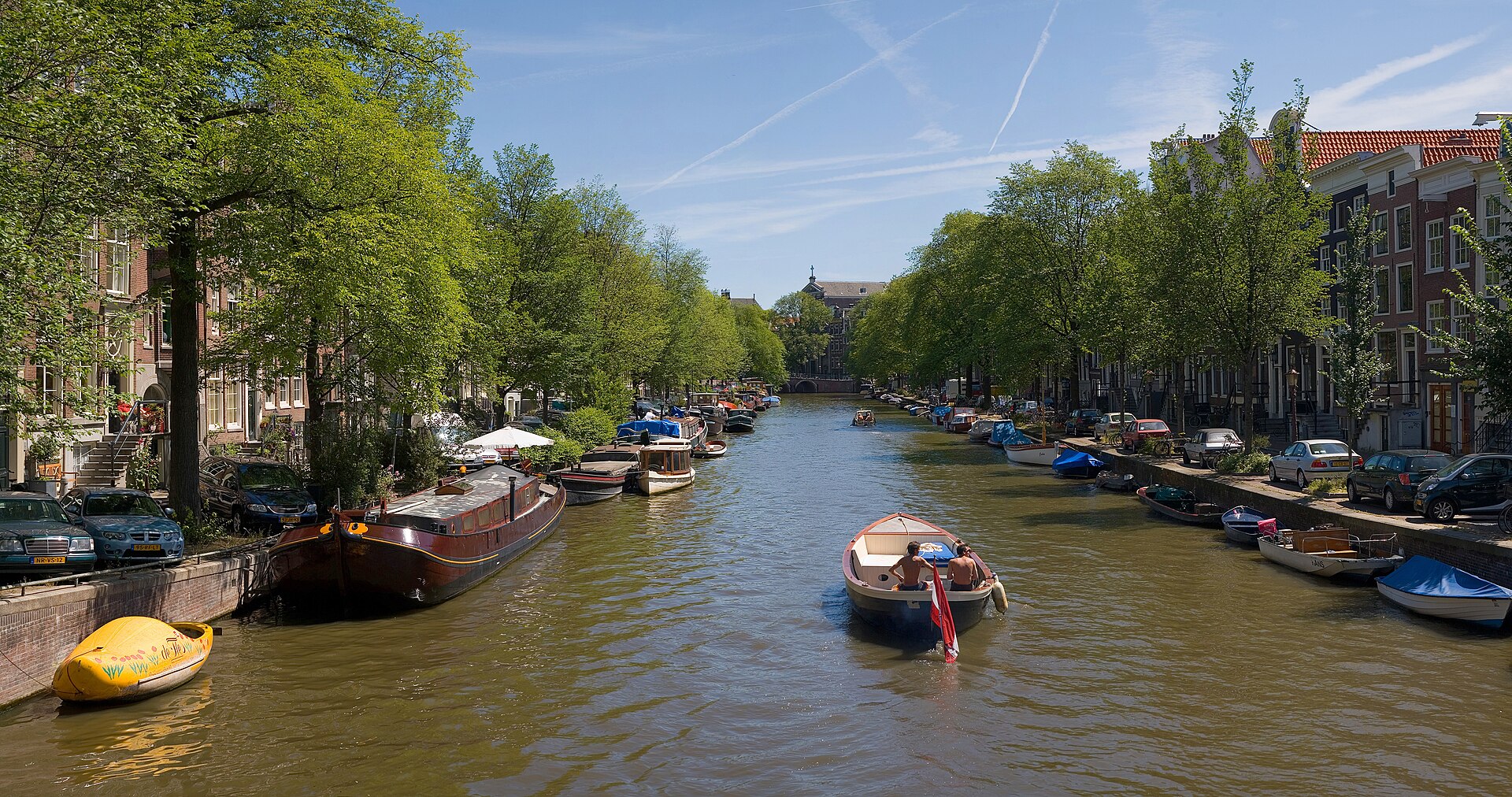
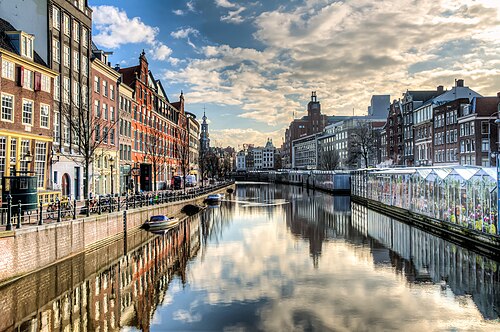
A photograph of Amsterdam

City guide · Netherlands

Amsterdam

Amsterdam is the constitutional capital of the Netherlands, organised around a historic centre of canals, bridges and narrow streets. The seventeenth-century ca...

Photograph · Diliff · CC BY 2.5

2,920 Places
Suggested stay
Not recorded
Getting around
Walk, tram, metro and ferry

Turn this list into a plan

Set your days, your pace and the hours you actually want to be out. The planner works around closing days and travel time, and leaves room to eat.

Plan Amsterdam

Reviewed by Elena Voss · Roavina Travel Editor

Amsterdam is the constitutional capital of the Netherlands, organised around a historic centre of canals, bridges and narrow streets. The seventeenth-century canal ring shapes the central visitor experience, while major museums cluster south around Museumplein and ferries connect Centraal Station with Amsterdam Noord. The city is compact but not confined to the old centre: Jordaan, De Pijp, Plantage, Westerpark, Oost and the redeveloped northern waterfront each work as distinct neighbourhood visits.

Checked 2026-08-26

Practical information

Language spoken
Dutch
National practical orientation; regional and minority languages may also be used
Dialling code
+31
International calling code; local area and mobile prefixes still apply
Currency
Euro (EUR)
Use the official local currency; card acceptance varies by place
Emergency number
112
Use only for an emergency; tourist assistance may use a separate number
Plug type
Type C and F · 230 V
Check that chargers support the recorded voltage before using an adapter
Tap water
Safe from the mains
Dutch public drinking water is regulated for direct consumption

Planning a visit

September · September averages a mild 19.2°C high in Amsterdam, while 84.4 mm of rain and shorter sunshine require flexible plans.

  1. January: viable with meaningful trade-offs
  2. February: viable with meaningful trade-offs
  3. March: good time to visit
  4. April: best time to visit
  5. May: best time to visit
  6. June: best time to visit
  7. July: good time to visit
  8. August: good time to visit
  9. September: good time to visit — current month
  10. October: viable with meaningful trade-offs
  11. November: viable with meaningful trade-offs
  12. December: viable with meaningful trade-offs

Sources

Top things to see

Ranked by importance — sitelinks, pageviews and heritage status, not editor preference.

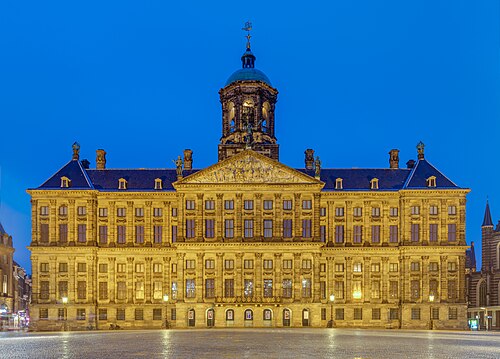
  1. Royal Palace of Amsterdam Royal Palace of Amsterdam
    02 1 hr 15 min

    Royal Palace of Amsterdam

    Koninklijk Paleis

    The Royal Palace Amsterdam stands on the west side of Dam Square, opposite the National Monument and beside the Nieuwe Kerk. It was not built as a palace.

    • Must see
    • Historic monument
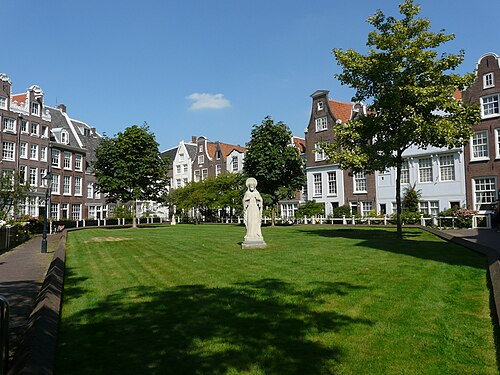
  2. Begijnhof Begijnhof
    03 45 min

    Begijnhof

    Begijnhof is a historic courtyard in central Amsterdam, one of the oldest inner courts in the city. The site originated as a beguinage, a community for religious women who lived together without taking monastic vows.

    • Must see
    • Historic monument
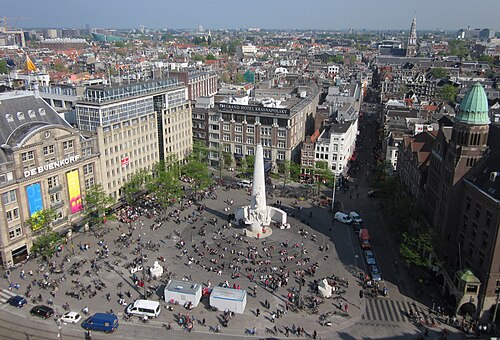
  3. Dam Square Dam Square
    04 45 min

    Dam Square

    Dam

    Dam Square, known locally as the Dam, is the central square of Amsterdam, Netherlands. It lies in the historical center of the city, approximately 750 meters south of Central Station.

    • Must see
    • Historic monument
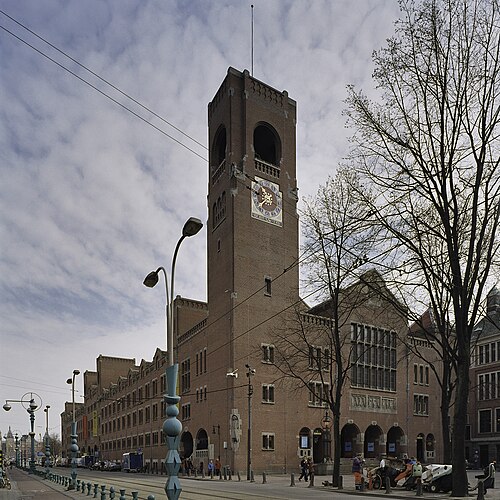
  4. Beurs van Berlage Beurs van Berlage
    05 45 min

    Beurs van Berlage

    Beurs van Berlage is a former exchange building on Damrak beside Beursplein in central Amsterdam. Hendrik Petrus Berlage designed it, and construction was completed in 1903.

    • Must see
    • Historic monument
  5. Magere Brug Magere Brug
    06 45 min

    Magere Brug

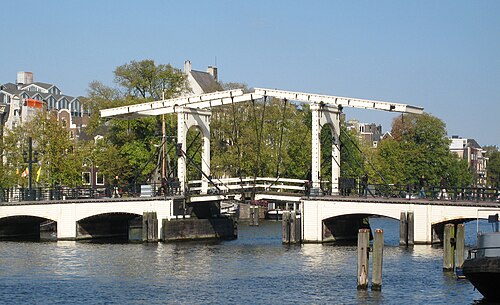
    Magere Brug is a working pedestrian and cyclist bridge across the Amstel in central Amsterdam, linking Kerkstraat on the west bank with Nieuwe Kerkstraat on the east.

    • Must see
    • Historic monument

Source: OpenStreetMap contributors, Wikidata ·

How the city is laid out

Start with Centrum around Dam Square and the medieval streets, then read the canal belt as widening arcs around it. Jordaan lies west of the Prinsengracht, while the Museum Quarter and De Pijp sit south of the central canals. Plantage and the eastern islands extend the cultural route eastward. Amsterdam Noord is across the IJ rather than across another canal and is reached from the Centraal Station waterfront. The municipality divides Amsterdam into seven districts plus the Weesp city area, but visitor neighbourhood names are usually more useful than administrative boundaries.

Checked 2026-08-26

Getting around

Walk through the central canals and use GVB trams, metros, buses and ferries for longer links. GVB accepts contactless check-in and check-out through OVpay as well as its own visitor tickets. Cycling is part of daily transport, but unfamiliar riders should not treat busy cycle lanes as a sightseeing attraction; public transport is the calmer first choice. Ferries are particularly useful for Amsterdam Noord, while trams connect the centre with Museumplein and surrounding neighbourhoods. Always check in and out with the same card or device.

Checked 2026-08-26

More city guides

Common questions

How many days should I spend in Amsterdam?

A fixed stay length is not recorded. Organise time around Centrum and the canal ring, the Museum Quarter, then one or more outer neighbourhoods such as Noord, De Pijp or Oost.

Where is Amsterdam's main sightseeing core?

Centrum and the canal ring form the main historic core. Jordaan lies to the west, Museumplein to the south, and Amsterdam Noord sits across the IJ from Centraal Station.

Can I use contactless payment on public transport?

GVB supports OVpay. Check in when boarding or entering the system and check out at the end using the same contactless card, phone or watch.

Do I need to cycle in Amsterdam?

No. Walking and GVB services cover the visitor city well. Cycling is practical for confident riders, but busy local cycle traffic makes it a poor default for an unfamiliar visitor.

How do I reach Amsterdam Noord?

Use the GVB ferries from the waterfront behind Centraal Station. Noord is across the IJ and should be planned as a separate neighbourhood cluster rather than part of a canal-ring walk.