Muziekgebouw aan 't IJ
Muziekgebouw
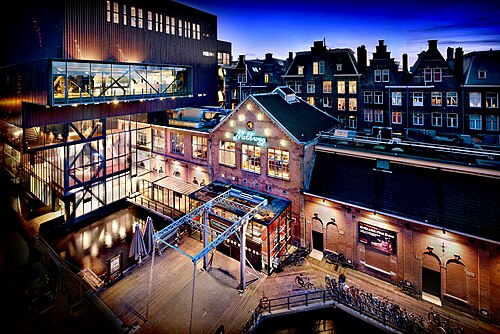
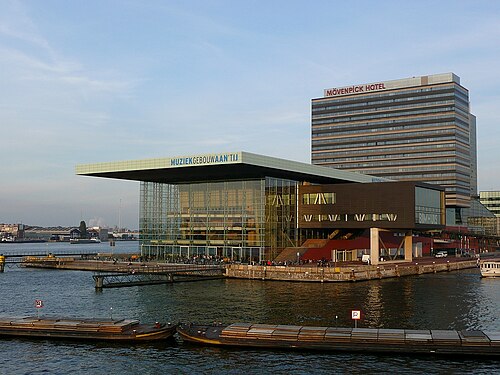
Muziekgebouw aan 't IJ is a purpose-built concert venue on Amsterdam’s IJ waterfront, known for contemporary classical music, jazz and adventurous new work.
- High
- Art and culture venue
- Amsterdam
Country guide
Twenty-six per cent of the Netherlands lies below sea level, and the polders holding that water back have been under construction since the fourteenth century....
Photograph · Michielverbeek · CC BY-SA 4.0
Reviewed by Elena Voss · Roavina Travel Editor
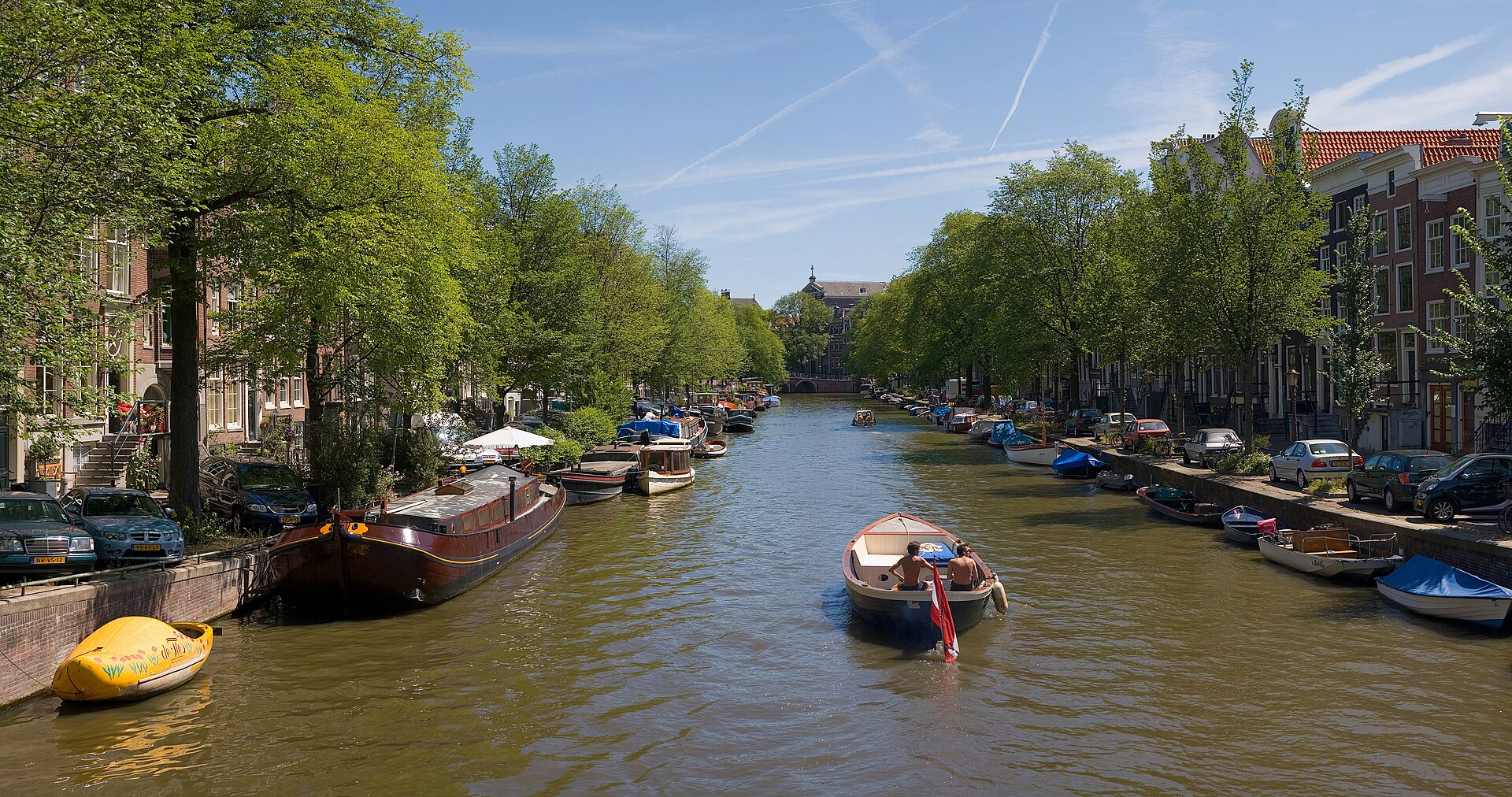
Twenty-six per cent of the Netherlands lies below sea level, and the polders holding that water back have been under construction since the fourteenth century. The 2026 census counted 18,130,208 people on 33,500 km2 of land, a density of 541 to the square kilometre, and that figure is what a visitor actually experiences: towns arriving one after another with worked farmland in between rather than open country. Twelve provinces sit in Europe. Three further special municipalities belong to the same country and are nowhere near it, out in the Caribbean.
Checked 2026-08-25
Every city catalogued in this country so far, ranked by how much there is to see.
Photograph · Diliff · CC BY 2.5
Seasonal closures come from recorded opening hours.
Ranked by importance — sitelinks, pageviews and heritage status, not editor preference.
99 places match
Category
Typical visit duration
Muziekgebouw
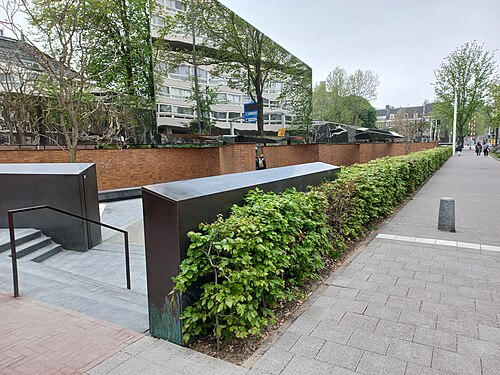
Muziekgebouw aan 't IJ is a purpose-built concert venue on Amsterdam’s IJ waterfront, known for contemporary classical music, jazz and adventurous new work.
Pathé
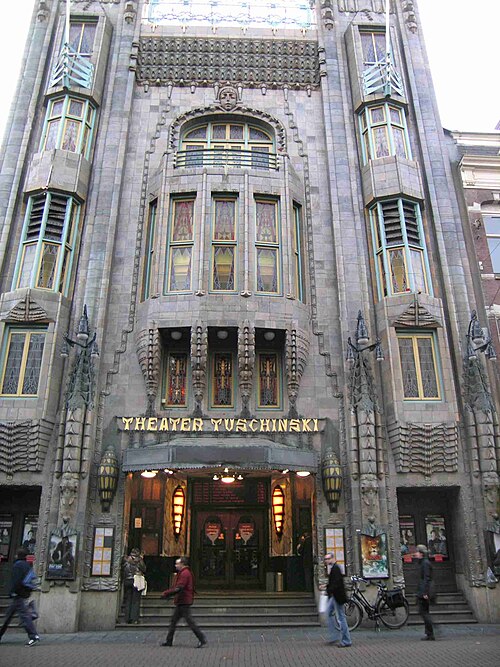
Tuschinski Theatre is a historic Amsterdam cinema that continues to operate as a Pathé venue. Built as a luxurious film theatre in the early twentieth century, it remains both an entertainment destination and an architectural landmark.
Melkweg is a prominent music venue and cultural centre in Amsterdam. The name translates to Milky Way in English. It occupies a former dairy factory, which accounts for its distinctive industrial character.
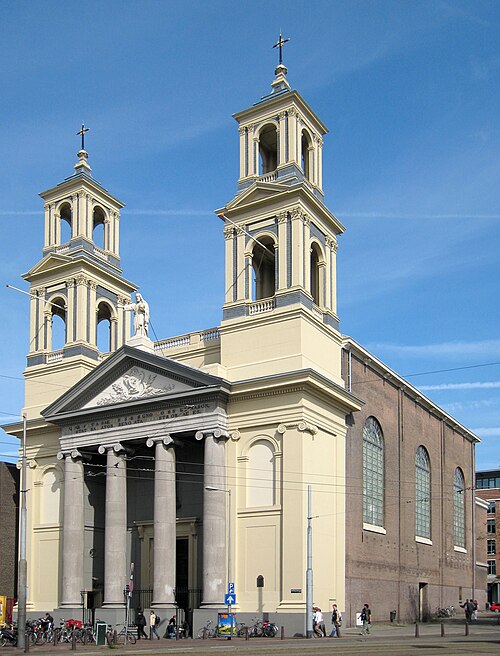
Mozes en Aäronkerk is a Catholic church in Amsterdam’s historic centre, named for Moses and Aaron. It is a working place of worship rather than a museum arranged around a visitor route.
Park Frankendael
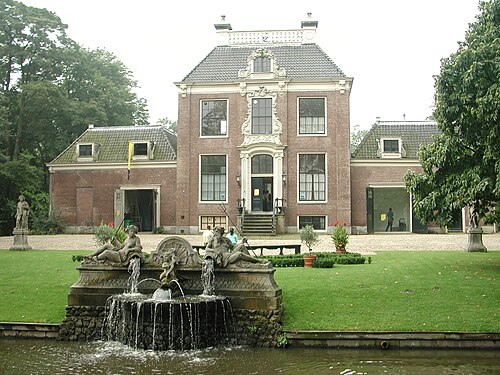
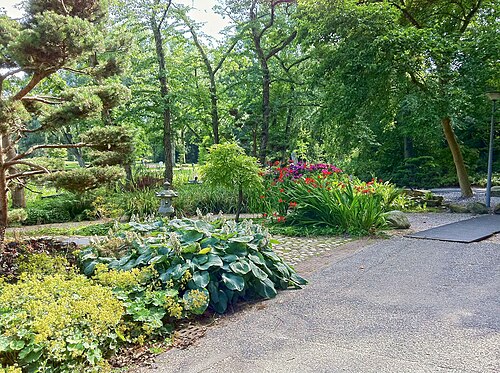
Frankendael is a public park in Amsterdam’s Oost district, offering an open green setting within the city.
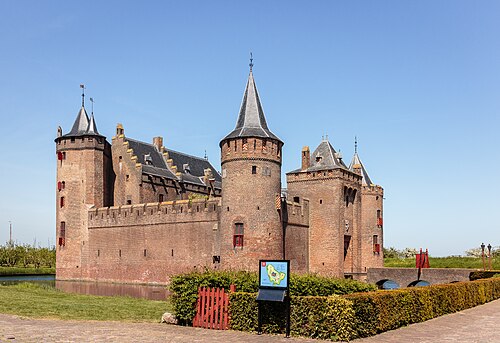
Muiderslot is a medieval castle located near Amsterdam in the town of Muiden, southeast of the city centre. The structure dates to approximately 1285 and represents one of the Netherlands' best-preserved historic castles.
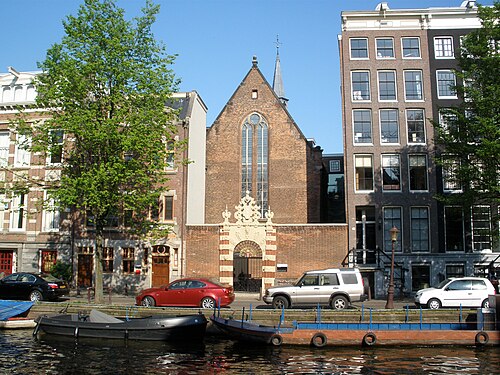
Agnietenkapel (UvA)
Agnietenkapel is a historic chapel in Amsterdam, associated with the University of Amsterdam (UvA). The name derives from the former convent of Saint Agnes. It serves as an academic ceremonial venue rather than a regular place of worship.
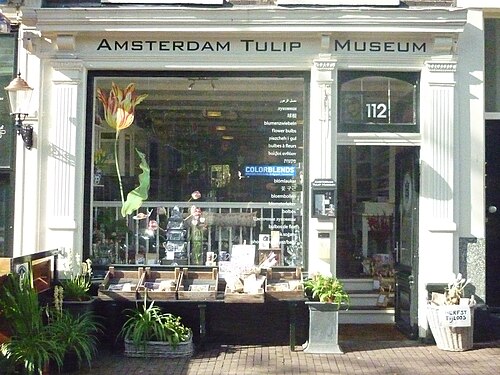
The Amsterdam Tulip Museum is a specialist museum in Amsterdam’s Jordaan district devoted to the tulip’s historical and cultural importance in the Netherlands. Its distinctive subject is the relationship between a flower, horticulture, trade and national imagery.
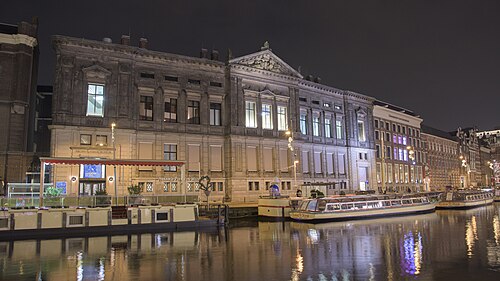
The Allard Pierson Museum is the archaeological museum of the University of Amsterdam. It houses collections of antiquities from ancient Egypt, the Near East, the Greek world, Etruria, and the Roman Empire.
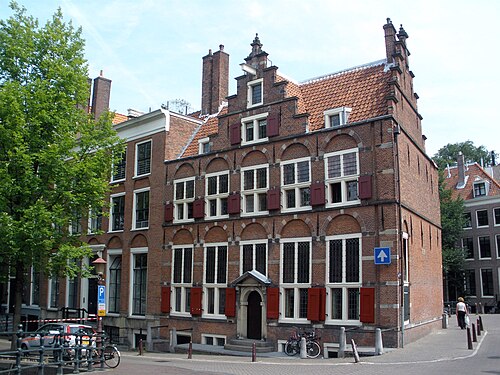
Huis aan 3 grachten
Huis aan de Drie Grachten is an Amsterdam canal house whose name means “House on the Three Canals.” The name points to the building’s defining setting: it stands where three canals meet, making its relationship with the water more important…
Amstelpark is a large public park in southern Amsterdam beside the Amstel River. It was created for the 1972 Floriade horticultural exhibition, and its origins explain the mixture of formal gardens, planted displays, paths, recreation, and art.
Deutzenhofje
Deutzen Hofje is an Amsterdam hofje: a small courtyard development whose identity is tied to housing rather than a museum, church, or ticketed attraction.
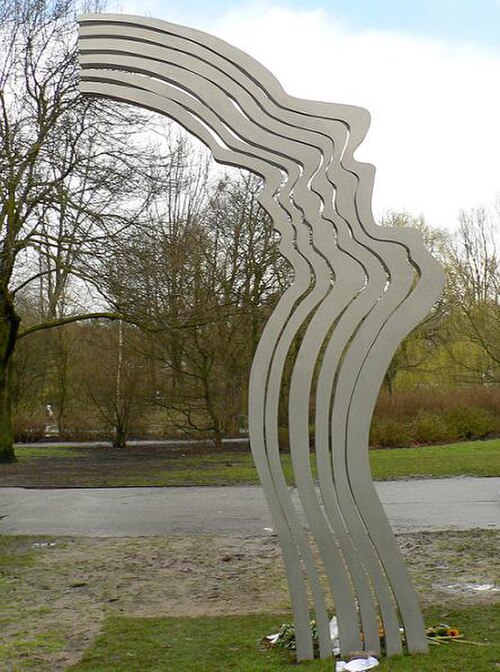
De Schreeuw is an outdoor memorial monument in Amsterdam, identified by its Dutch name, “The Scream.” It is a fixed public artwork in the city rather than a museum, gallery, or historic building with visitor rooms.
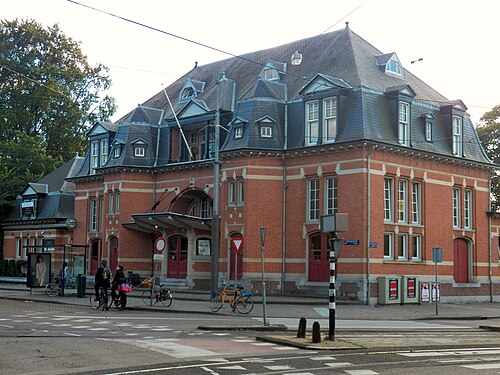
Haarlemmermeerstation is a historic railway station building in Amsterdam. It formerly served as a terminus for the Haarlemmermeer railway lines and represents the period when railways connected the capital with surrounding polder communities.
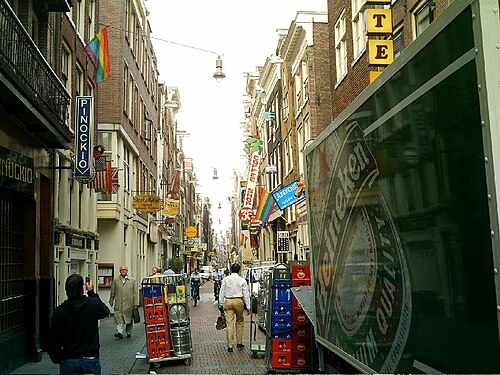
Warmoesstraat is a historic street in Amsterdam’s medieval centre, running through the Wallen area near the city’s oldest urban core. Its name comes from “warmoes,” an old Dutch word associated with vegetables and herbs, a reminder of earlier market life.
foam
Foam Fotografiemuseum Amsterdam is a photography museum housed on Keizersgracht in Amsterdam’s central canal district.
Rasphuispoort
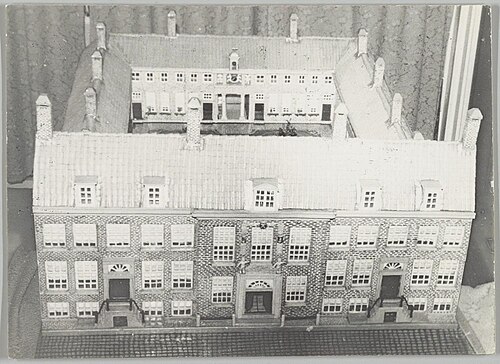
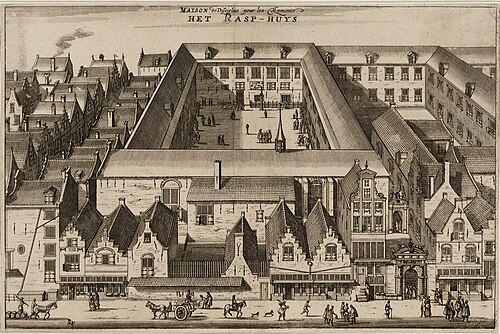
Rasphuis, also known locally as Rasphuispoort, is a surviving gate connected with Amsterdam’s former rasphuis, or house of correction. The name refers to the rasping of wood, labour associated with inmates of the institution.
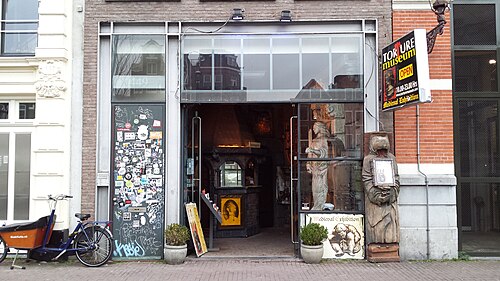
Amsterdam’s Torture Museum is a compact specialist museum devoted to judicial torture and punishment in European history. Its narrow canal-house setting gives the visit an intimate old-city character unlike Amsterdam’s large national museums.
Nationaal Holocaust Namenmonument
The National Holocaust Names Memorial, or Nationaal Holocaust Namenmonument, is a place of remembrance in Amsterdam’s former Jewish quarter. Its walls commemorate Jews, Sinti and Roma from the Netherlands who were murdered during the Holocaust.
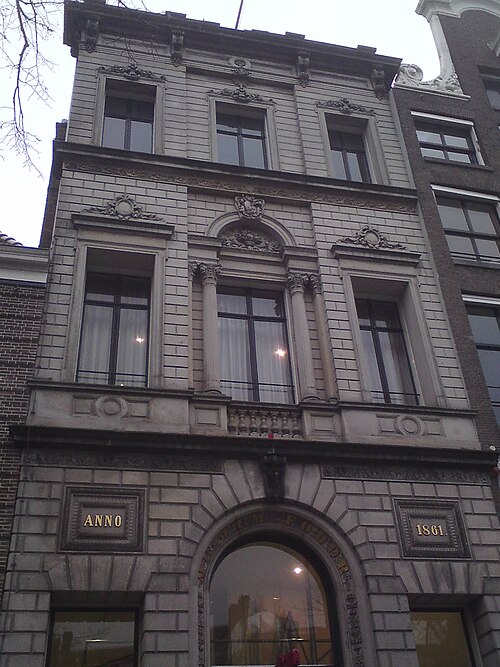
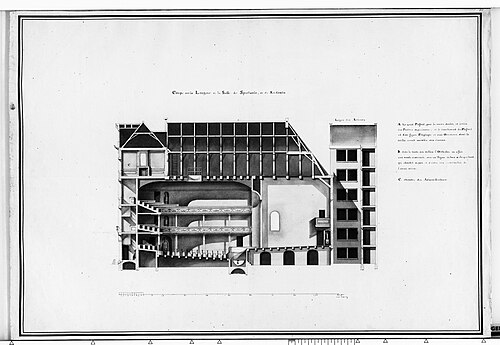
De Kleine Komedie is a historic theatre located in Amsterdam, Netherlands. It is recognised as the oldest surviving theatre in the city, with origins dating to the eighteenth century.
Ruiterstandbeeld van Koningin Wilhelmina
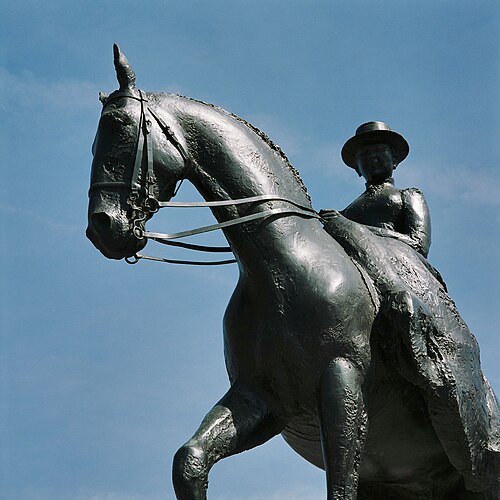
The Equestrian statue of Queen Wilhelmina is an Amsterdam civic monument centred on a mounted portrait of Queen Wilhelmina of the Netherlands. The horse-and-rider format gives the work a strong silhouette and distinguishes it from standing or seated royal memorials.
Fort Pampus
Fort Pampus is a sea fort located on the artificial island of Pampus in the IJmeer, east of Amsterdam.
Kattenkabinet
The Kattenkabinet is a museum in Amsterdam dedicated entirely to cat-related art and culture. Founded in 1990, it occupies a canal house on the Herengracht.
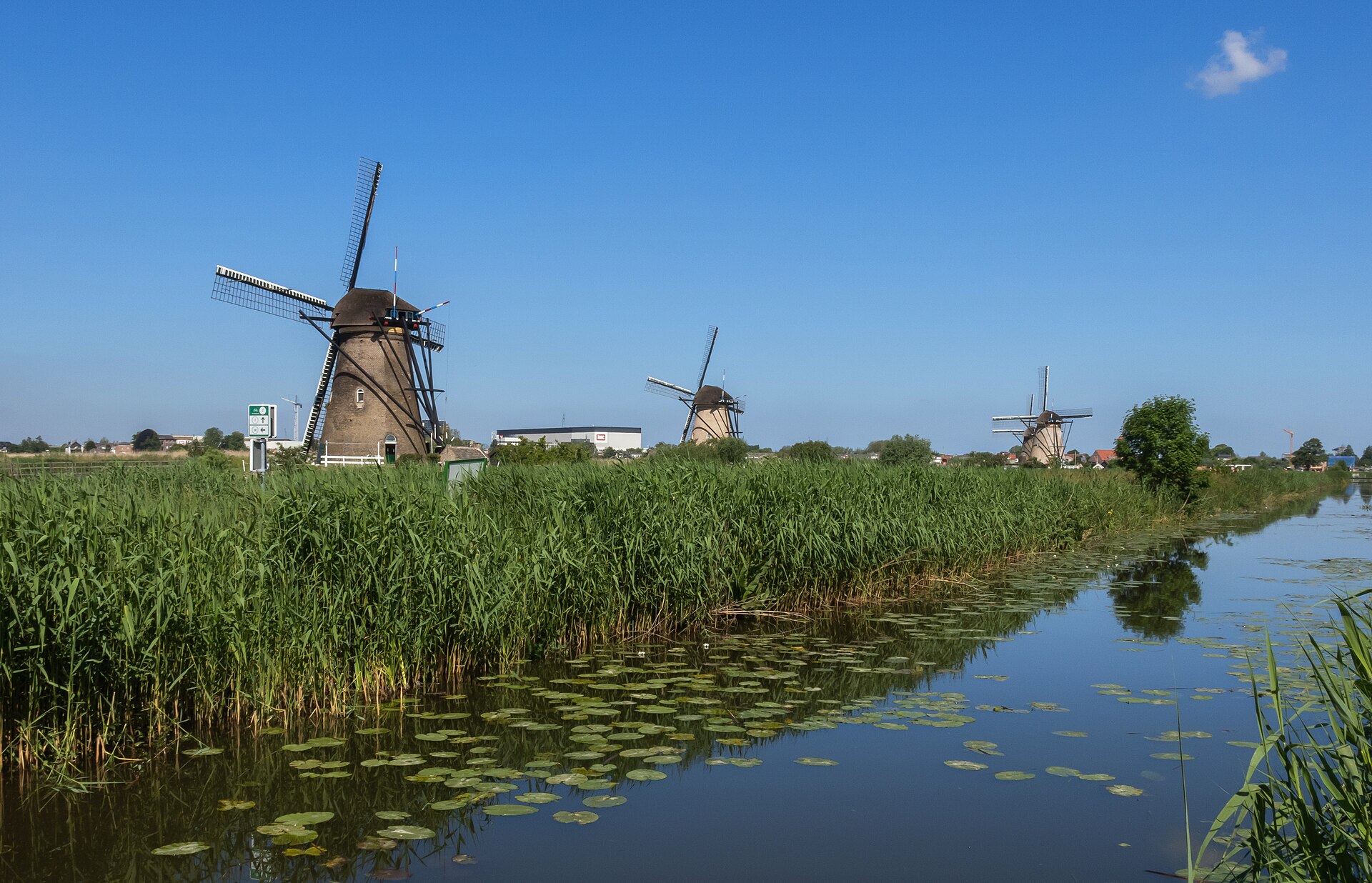
De Vriendschap is a windmill built in 1900 at Utrechtseweg 11a on the Utrechtse Vecht in Weesp, on the site of a mill that burned down in 1899.
Six to nine days can use Amsterdam as one base while adding Utrecht, Haarlem, Rotterdam, or The Hague by train. Flower areas are seasonal and need confirmed opening dates, so they should not replace a permanent city day without checking the calendar.
The Netherlands is in the Schengen Area, and passport or visa requirements depend on nationality. Verify the applicable rule through the Dutch government's official entry service before travel.
Schiphol has a railway station beneath the airport, and the national network reaches roughly 400 stations. OVpay supports contactless check-in and check-out, but the same card or device must be used at both ends of a journey.
April to May suits spring flowers when opening dates align, while September is a broader city-trip option. Weather can change quickly, so protect outdoor cycling or garden plans with an indoor alternative.
The Netherlands uses the euro (EUR). Contactless payment is widespread, but keep a compatible backup because a card used to check into transport must also be available to check out.
Dial 112 for emergencies in the Netherlands. Type C and F sockets provide 230 V, and mains tap water is recorded as safe.