Piccadilly Circus
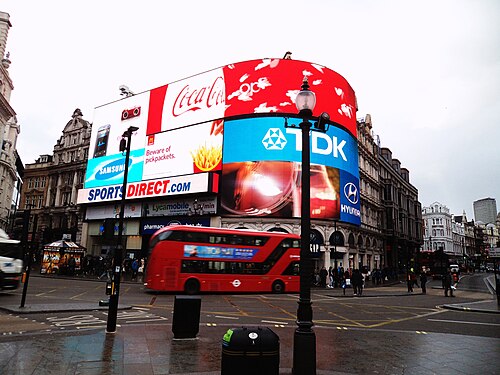
Piccadilly Circus is a road junction in the City of Westminster, not a building and not a site with a gate, and everything a visitor comes to see stands in or around the traffic.
- Must see
- Historic monument
- London
Country guide
The United Kingdom is 244,376 km² holding 69,281,437 people, and it is four countries rather than one: England, Scotland, Wales and Northern Ireland, with Londo...
Photograph · Colin · CC BY-SA 4.0
Reviewed by Elena Voss · Roavina Travel Editor
The United Kingdom is 244,376 km² holding 69,281,437 people, and it is four countries rather than one: England, Scotland, Wales and Northern Ireland, with London, Edinburgh, Cardiff and Belfast as their capitals. Three of the four run parliaments of their own over devolved matters, and the law splits three ways — England and Wales, Scotland, Northern Ireland. A visitor meets that in small practical things rather than at a border. London alone holds about 9.1 million of the total, which is why so many trips never leave it, and why the ones that do feel like arriving somewhere else.
Checked 2026-08-25
Every city catalogued in this country so far, ranked by how much there is to see.
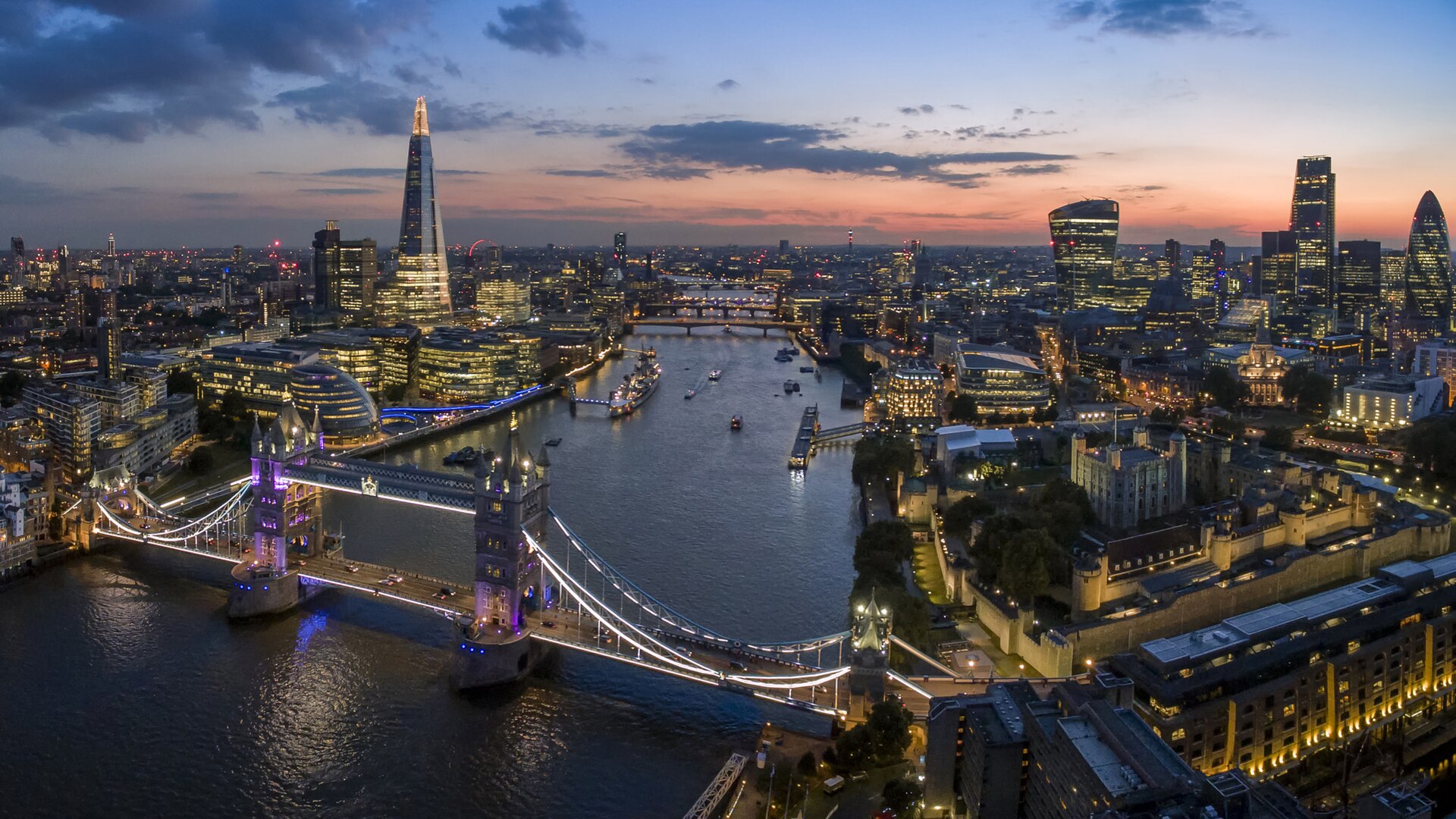
Photograph · Ilya Grigorik · CC BY-SA 3.0
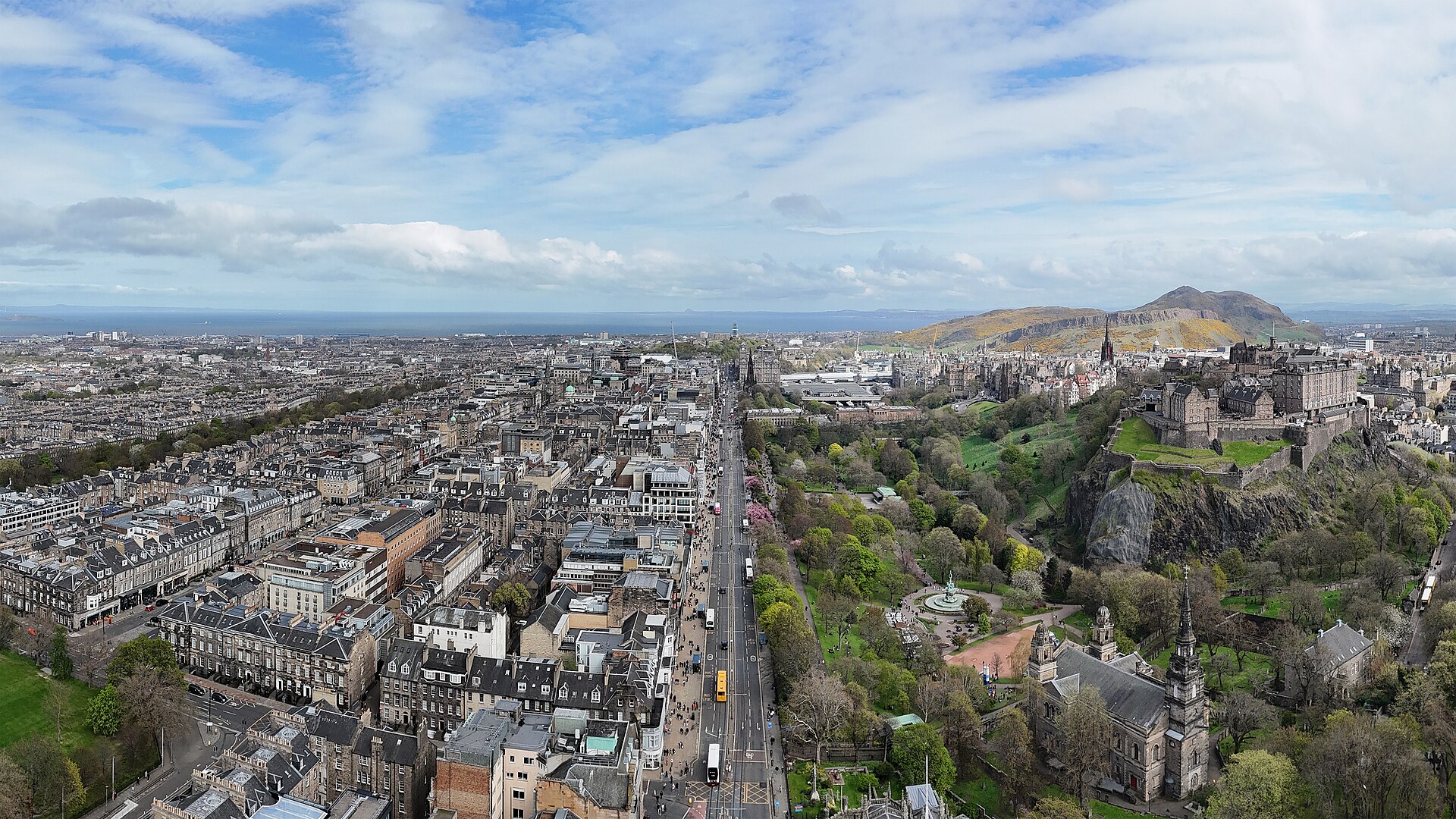
Photograph · 瑞丽江的河水 · CC BY-SA 4.0
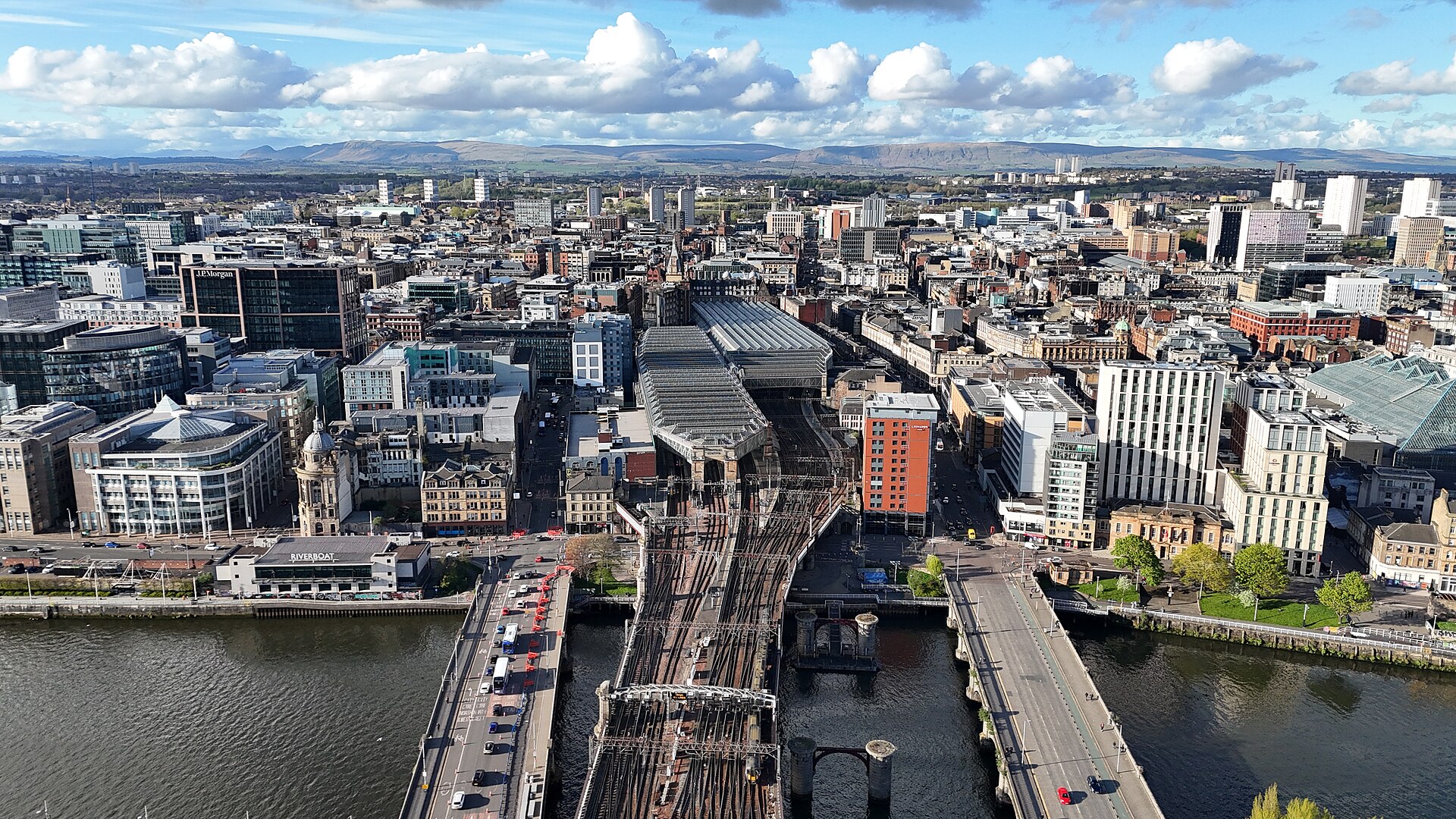
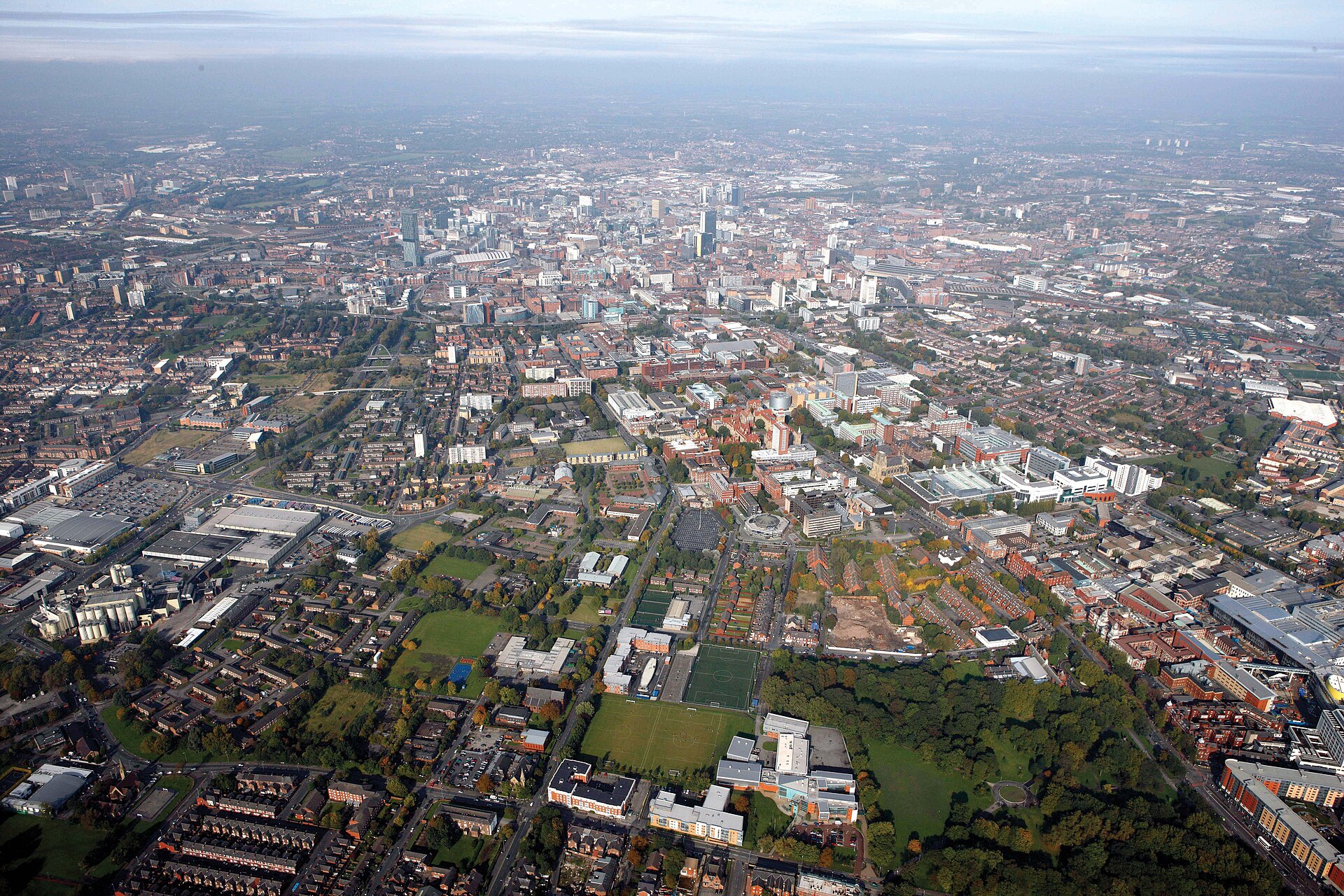
Photograph · Daniel Nisbet from Manchester, United Kingdom · CC BY 2.0
Ranked by importance — sitelinks, pageviews and heritage status, not editor preference.
116 places match
Category
Typical visit duration
Interests
Piccadilly Circus is a road junction in the City of Westminster, not a building and not a site with a gate, and everything a visitor comes to see stands in or around the traffic.
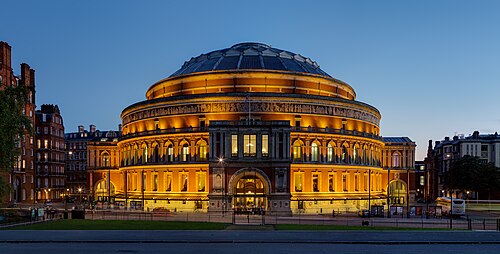
Royal Albert Hall is the circular concert hall on Kensington Gore in South Kensington, London. Queen Victoria opened it in 1871 and named it for Prince Albert.
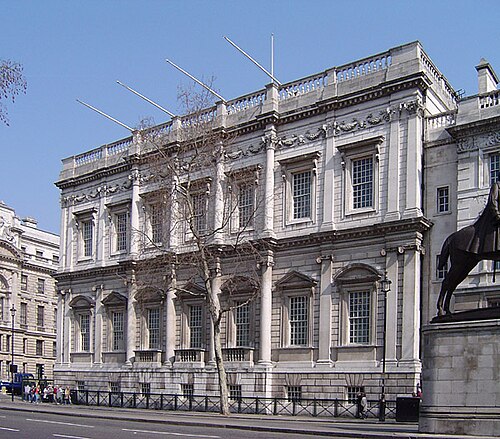
The Banqueting House is a historic building in Whitehall, London. It is the only surviving complete component of the Palace of Whitehall, which was largely destroyed by fire in 1698.
St. James's Park
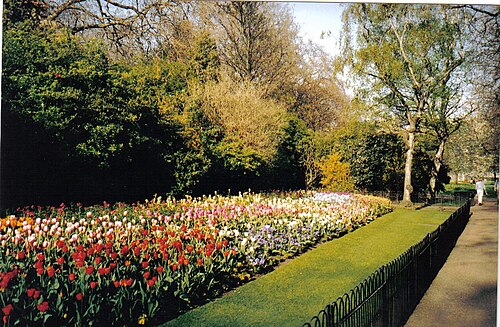
St James's Park is a Royal Park in central London, located in the City of Westminster. It is the oldest of the capital's eight Royal Parks, with origins dating back to the Tudor period.
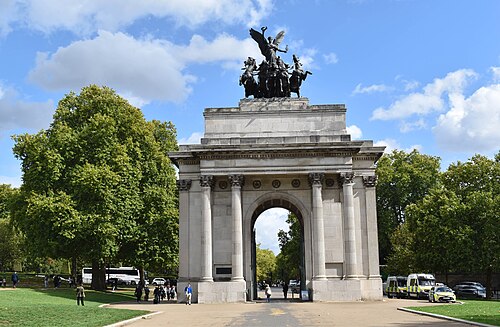
Wellington Arch is a triumphal arch at Hyde Park Corner in central London.
Kenwood House is a historic neoclassical villa situated on the northern edge of Hampstead Heath in London. The property is managed by English Heritage and is renowned for its exceptional art collection, including works by Rembrandt, Vermeer, and Gainsborough.
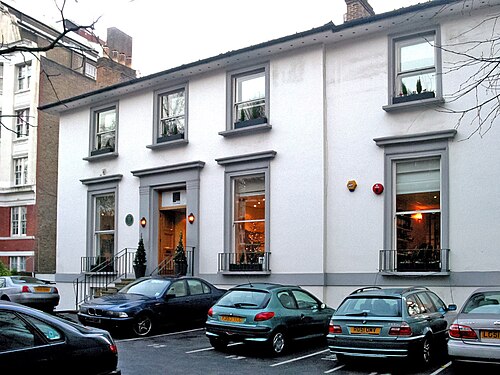
Abbey Road Studios is a world-famous recording studio in London, England. Established in 1931, it is most celebrated as the location where The Beatles recorded the majority of their albums, including the iconic "Abbey Road" album named after the street.
St Martin-in-the-Fields is an Anglican church located in the northeast corner of Trafalgar Square in central London. The building occupies a prominent position facing the National Gallery.
Kensington Gardens is one of the Royal Parks of London, situated immediately to the west of Hyde Park. The gardens were originally the private grounds of Kensington Palace, and were opened to the public in the nineteenth century.
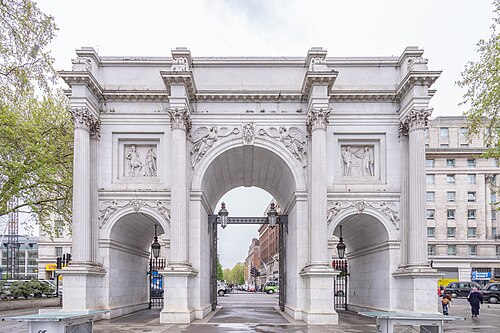
Marble Arch is a white Carrara marble triumphal arch at the north-east corner of Hyde Park, beside the meeting point of Oxford Street, Park Lane and Edgware Road.
HMS Belfast is a Town-class light cruiser preserved as a museum ship on the River Thames. Launched in 1938, she served during the Second World War and the Korean War before decommissioning in 1963.
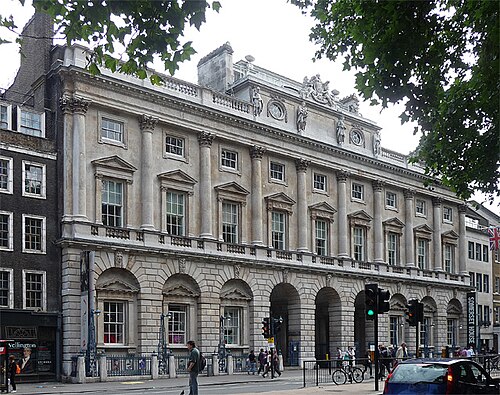
Somerset House is a large Neoclassical building situated on the south side of the Strand in central London, overlooking the River Thames. The structure serves as a major arts and cultural centre, housing various creative organisations, galleries, and public spaces.
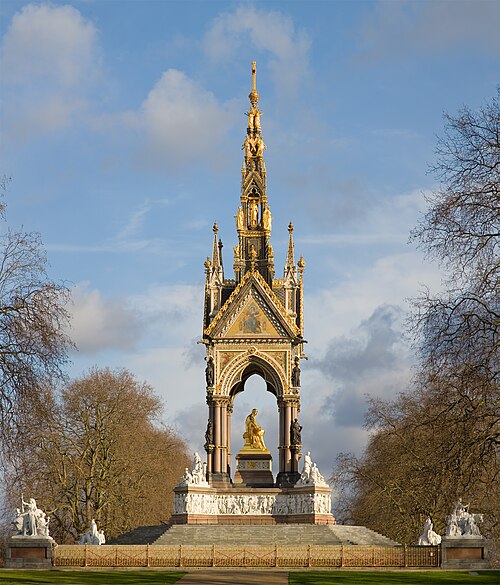
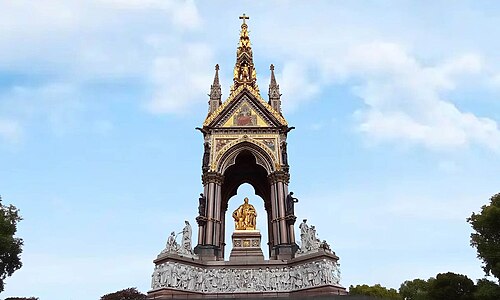
The Albert Memorial
The Albert Memorial is a Victorian commemorative monument in Kensington Gardens, London. Commissioned by Queen Victoria in memory of her husband Prince Albert, who died in 1861, it stands as one of the most elaborate memorials in the United Kingdom.
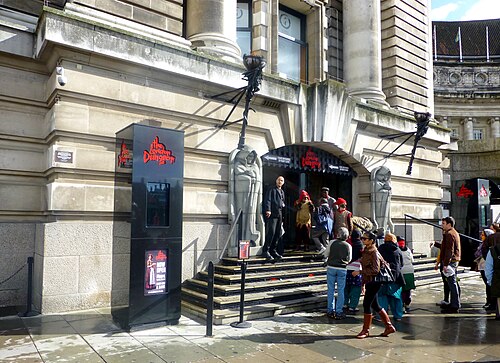
The London Dungeon
The London Dungeon is a theatrical attraction in central London built around darker episodes of British history. Actors, sets, sound, lighting and special effects turn stories of plague, fire, crime and notorious figures into an immersive performance.
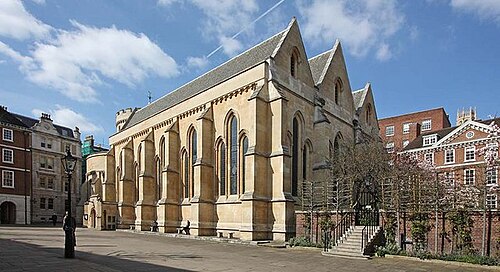
Temple Church is a historic chapel between Fleet Street and the River Thames in central London.
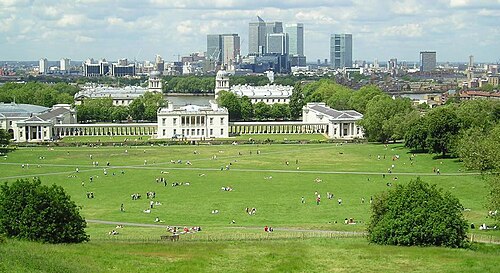
Greenwich Park is a historic royal park in southeast London, covering extensive hillside grounds. It forms part of the Greenwich World Heritage Site and contains the Prime Meridian line.
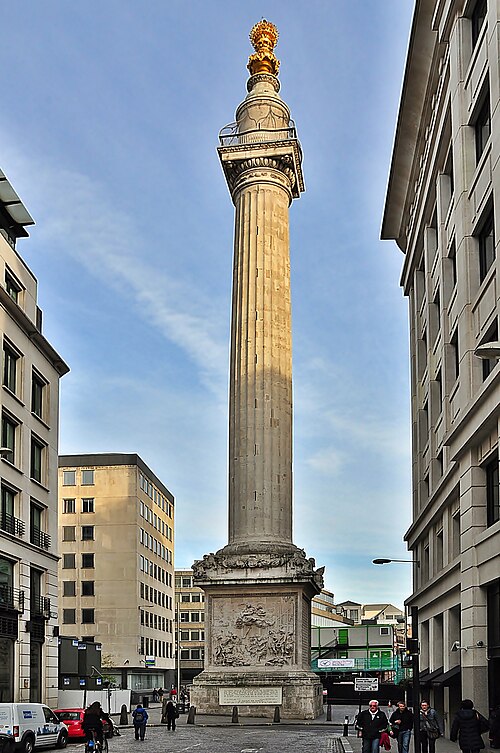
The Monument to the Great Fire of London
The Monument to the Great Fire of London is a Doric column near Pudding Lane in the City of London. Sir Christopher Wren and Robert Hooke designed it to commemorate the Great Fire of 1666 and the rebuilding that followed.
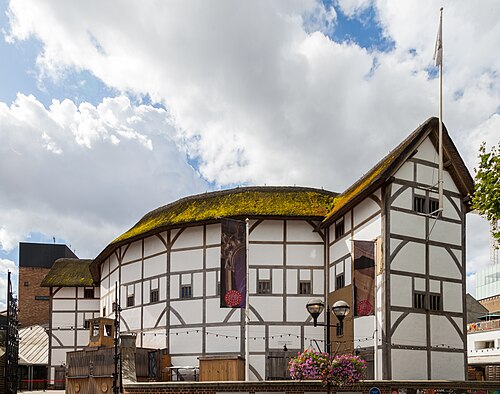
Shakespeare's Globe is a reconstruction of the original Globe Theatre, an Elizabethan playhouse associated with William Shakespeare. The modern building stands near the site of the original theatre in Southwark, London.
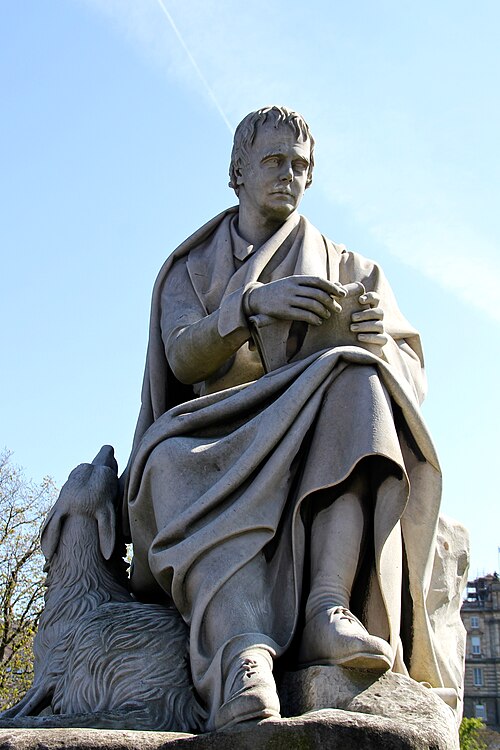
The Scott Monument is a Victorian Gothic memorial to Scottish author Sir Walter Scott, located in Edinburgh's Princes Street Gardens. Completed in 1844, it stands as one of the largest monuments to a writer anywhere in the world.
St Bartholomew-The Great
St Bartholomew-the-Great is a historic church in the City of London, founded in 1123 by Rahere, a courtier of Henry I. It is London's oldest surviving parish church, with substantial Norman fabric remaining despite later restorations.
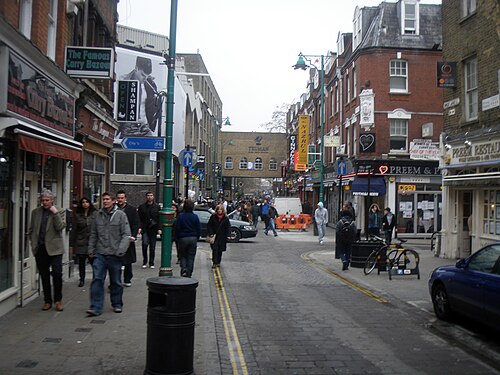
Brick Lane is an East London street running between Bethnal Green Road and Whitechapel High Street. It is the centre of the neighbourhood historically associated with London’s Bangladeshi community.
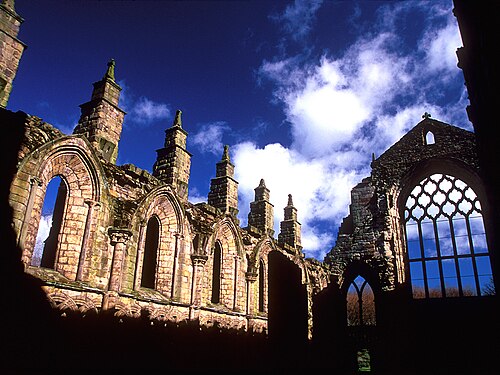
Holyrood Abbey is a ruined abbey of the Canons Regular in Edinburgh, Scotland, situated at the foot of the Royal Mile adjacent to the Palace of Holyroodhouse.
The Old Royal Naval College is a historic riverside complex in Greenwich, London. Designed by Sir Christopher Wren and built between 1696 and 1712, it originally served as the Royal Hospital for Seamen.
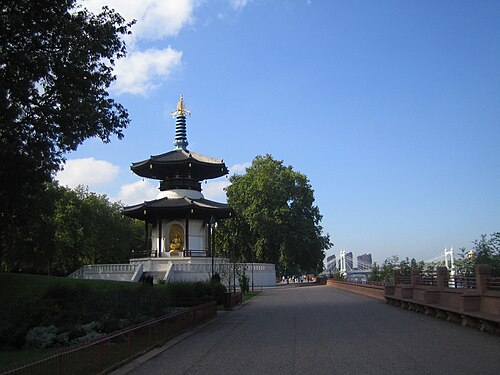
Battersea Park is a large Victorian riverside park on the south bank of the Thames in the London Borough of Wandsworth. Covering about 200 acres, it was laid out between 1855 and 1858 on the former Battersea Fields.
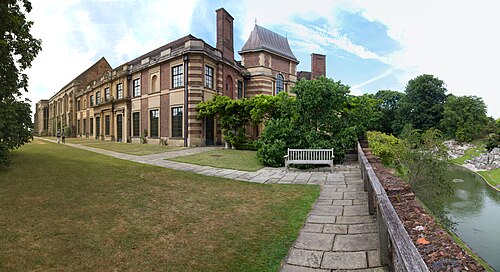
Eltham Palace is a distinctive historic site in southeast London, where a medieval royal great hall stands beside a 1930s Art Deco mansion.
Ten to fourteen days can cover four or five days in London, two in Manchester, and two or three each in Edinburgh and Glasgow. The Highlands, Lake District, or Welsh national parks need dedicated nights and should not be squeezed into London day trips.
UK document rules depend on nationality and trip purpose, and many visitors now need an Electronic Travel Authorisation before boarding. Check the linked UK government visa service for both visa and ETA status shortly before travel.
Intercity rail is the practical spine between London, Manchester, Edinburgh, and Glasgow, with advance fares usually distinct from flexible tickets. Each city runs its own local fare system, so London's contactless cap is not a nationwide travel pass.
May to June and September are useful planning windows for this route, but conditions vary between southern England and Scotland. Festival dates in Edinburgh and rural transport in national parks can matter more than the national seasonal label.
The United Kingdom uses pound sterling (GBP). Contactless payment is widespread in major cities, but keep another payment method for rural services or terminals that do not share London's payment arrangements.
Use 999 or 112 for emergencies in the United Kingdom. Type G sockets supply 230 V, and mains tap water is recorded as safe; save rail disruption information as well when the itinerary depends on several city-to-city journeys.