Hai Van Gate
Hải Vân Quan
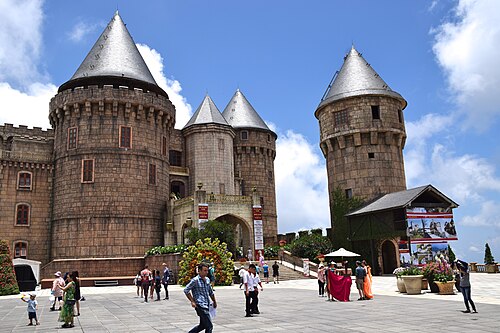
Hai Van Quan is a historic military gate situated at the summit of Hai Van Pass, which forms the natural boundary between Da Nang and Thua Thien-Hue provinces in central Vietnam.
- Notable
- Historic monument
- Da Nang
Language · 11 published
Country guide
Vietnam covers 331,344.82 km² and its 2025 population estimate is 102,300,000, held mostly in two river deltas at opposite ends of a long, narrow country: the Red River in the north around Hanoi, the Mekong in the south below Ho Chi Minh City. Hanoi is the capital and Ho Chi Minh City the largest city, and the ground between the two is the trip — a coast measured in days rather than hours, usually broken into three or four stops instead of run in one go. Which end a traveller starts from decides the order of everything after it.
Reviewed by Elena Voss · Roavina Travel Editor
Every city catalogued in this country so far, ranked by how much there is to see.
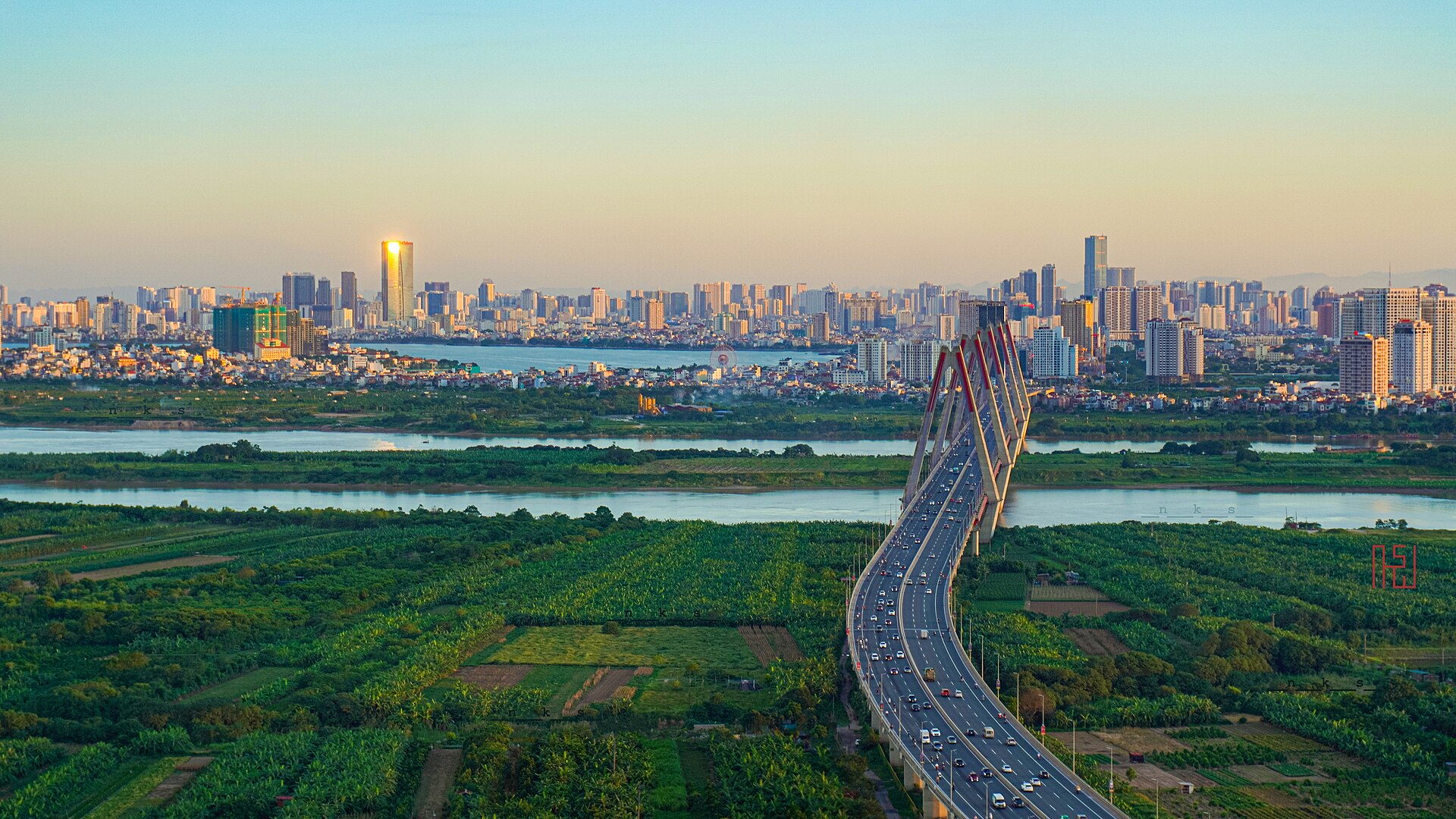
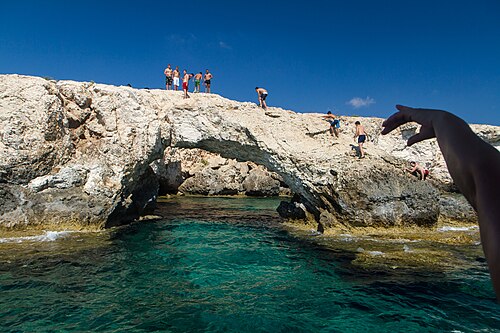
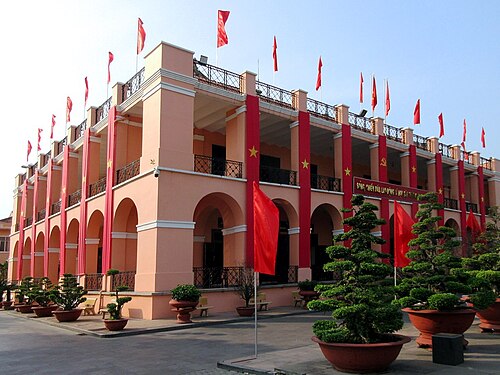
Photograph · Clay Gilliland · CC BY-SA 2.0
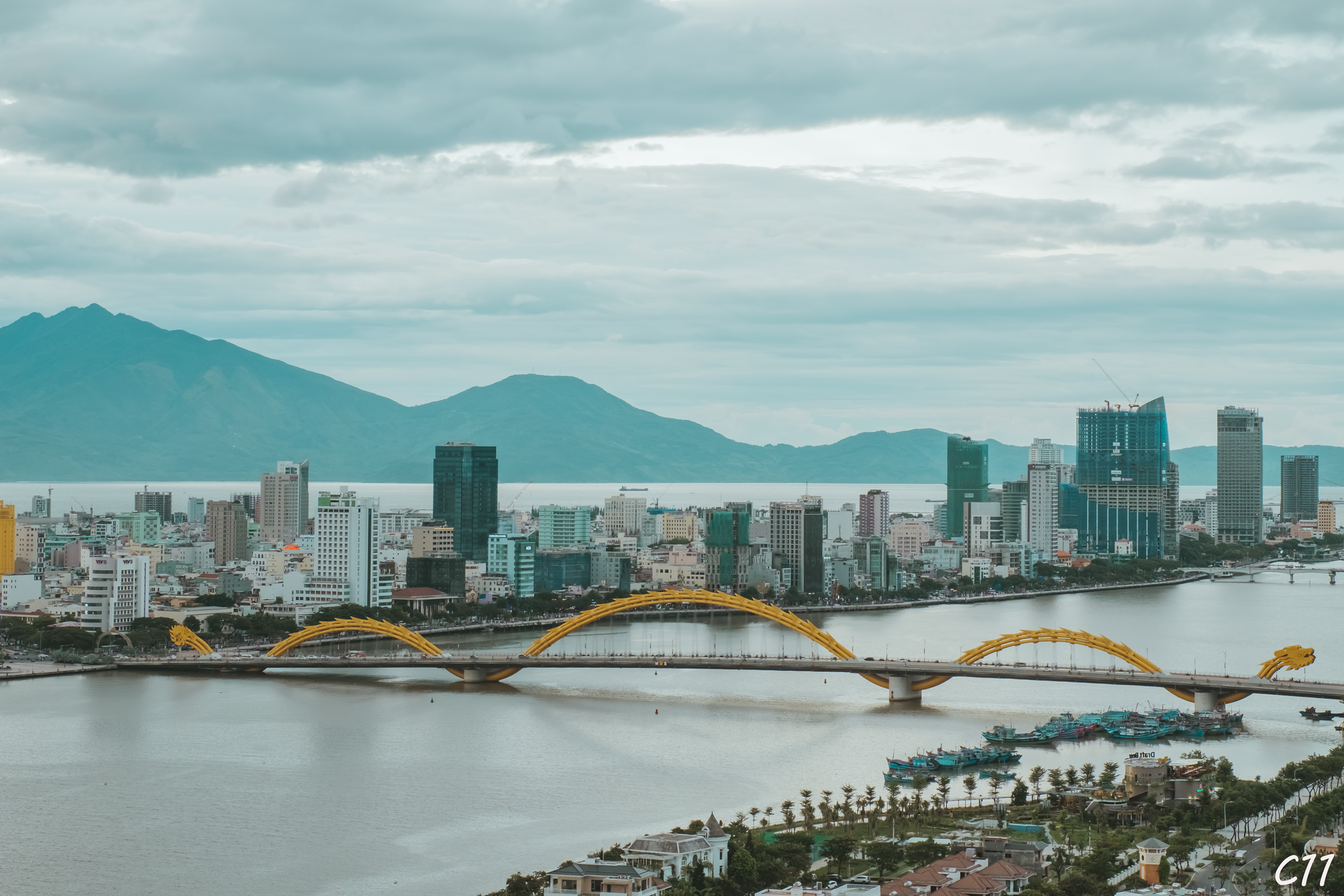
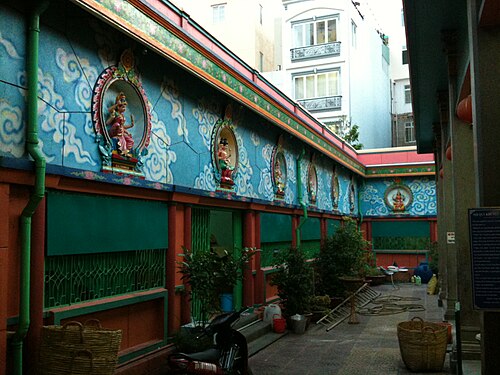
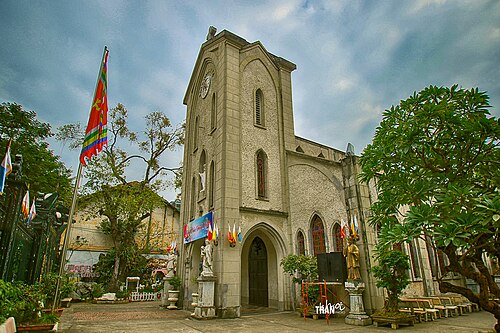
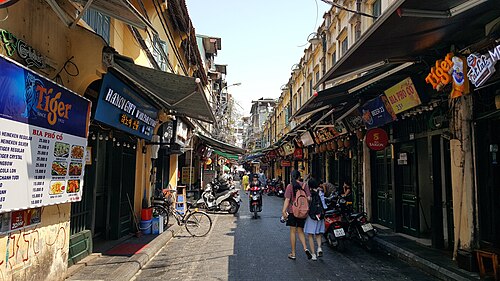
Photograph · NKSTTSSHNVN · CC BY-SA 4.0
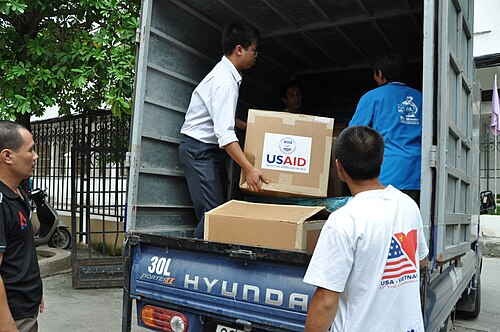
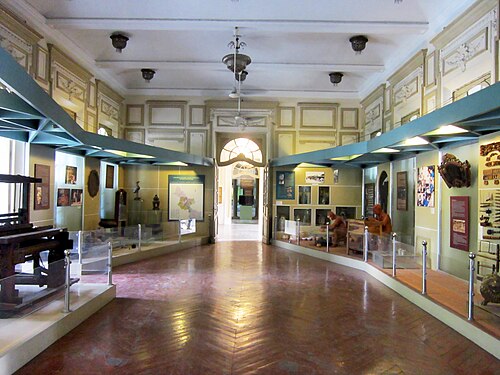
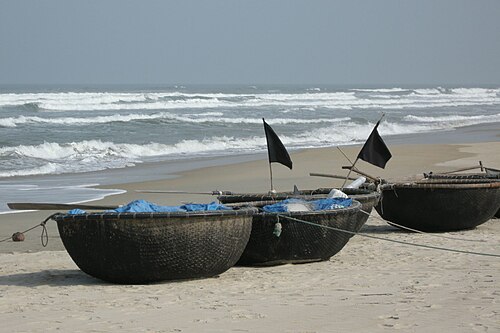
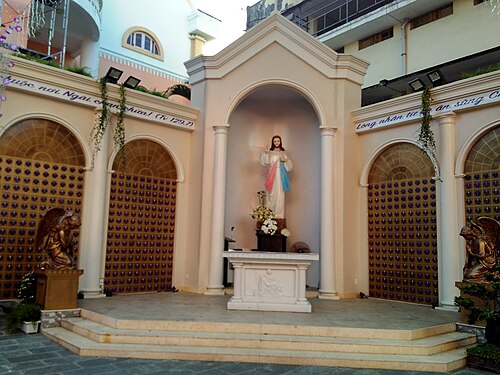
Photograph · Cuong Tran · Public domain
Ranked by importance — sitelinks, pageviews and heritage status, not editor preference.
126 places match
Category
Typical visit duration
Interests
Hải Vân Quan
Hai Van Quan is a historic military gate situated at the summit of Hai Van Pass, which forms the natural boundary between Da Nang and Thua Thien-Hue provinces in central Vietnam.
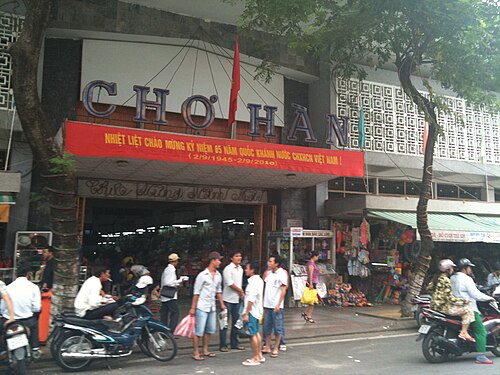
Chợ Hàn
Han Market is Da Nang's principal traditional market, serving as the city's everyday commercial hub for food culture and general goods. Located centrally near the Han River, it functions as a covered bazaar where residents conduct daily shopping.
Hanoi Creative City is a mixed-use creative complex in Hanoi, Vietnam. The development functions as a cultural and commercial hub that brings together creative industries, retail spaces, and community-oriented facilities.
Cầu Sông Hàn
The Han River Bridge, known locally as Cầu Sông Hàn, is a swing bridge spanning the Han River in Da Nang, central Vietnam. It holds distinction as Vietnam's first swing bridge designed and constructed by Vietnamese engineers.
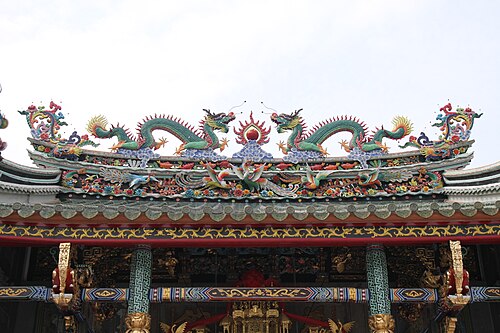
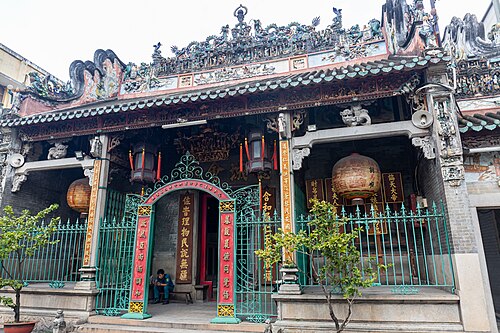
Nghia An Assembly Hall is a historic Teochew Chinese assembly hall and Guan Yu shrine located in Chợ Lớn, Ho Chi Minh City's Chinatown district.
Nhi Phu Assembly Hall, locally called Hội quán Nhị Phủ, stands as one of Chợ Lớn's historic Fujian assembly halls.
Ba Thien Hau Temple is a Chinese temple in Cholon, Ho Chi Minh City's Chinatown district.
Công viên Indira Gandhi
Indira Gandhi Park, known locally as Công viên Indira Gandhi, is a public green space in Hanoi named after the former Prime Minister of India.
Non Nuoc Stone Carving Village is a traditional craft settlement at the foot of the Marble Mountains in Da Nang.
Nam O Fishing Village is a historic coastal settlement on the northwestern edge of Da Nang, Vietnam.
Love Lock Bridge is a heavily visited riverfront landmark in Da Nang, Vietnam. It stands beside the famous Dragon Bridge and has developed a distinct identity as a romantic destination.
The Mariamman Hindu Temple is a Hindu place of worship in Ho Chi Minh City, Vietnam. It serves the city's small Hindu community, originally established by Tamil immigrants during the colonial period.
Bảo tàng Thành phố Hồ Chí Minh
The Ho Chi Minh City Museum occupies a prominent French colonial-era palace in central Ho Chi Minh City. Built in the late 19th century, the structure served as the residence of the Governor of Cochinchina before becoming a museum.
Nam Son Pagoda is an active Buddhist temple in Da Nang, Vietnam, serving as a place of worship and spiritual practice for the local Buddhist community.
Khu Di tích Bến Nhà Rồng
The Ho Chi Minh Museum at Dragon Wharf occupies the historic Nha Rong Wharf, a major site in Ho Chi Minh's biography.
Ham Long Church, known locally as Nhà thờ Hàm Long, is a Catholic church in Hanoi, Vietnam.
Non Nuoc Beach is a coastal stretch in Da Nang, Vietnam, located on the eastern edge of the city along the South China Sea.
Hanoi's Old Quarter is the historic commercial core north of Hoàn Kiếm Lake, commonly associated with 36 guild streets. Vietnam Tourism describes it as a walkable neighbourhood of Vietnamese architecture, old shops, green spaces and street food.
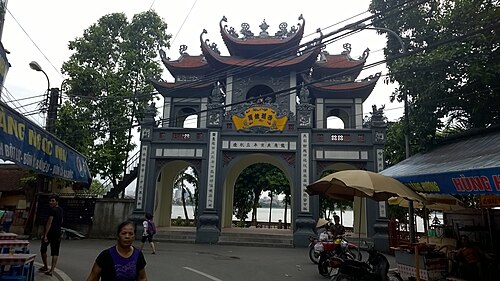
Phủ Tây Hồ is a prominent temple complex situated on the northern shore of West Lake in Hanoi, Vietnam.
Sun World Ba Na Hills is a hill station and resort complex in the Truong Son Mountains near Da Nang, Vietnam.
Phố Tạ Hiện
Ta Hien Street, known locally as Phố Tạ Hiện, is a narrow thoroughfare in Hanoi's Old Quarter. The street has gained recognition among visitors for its concentration of casual drinking establishments and street food vendors.
Nhà hát Múa rối nước Thăng Long
The Thang Long Water Puppet Theatre, known locally as Nhà hát Múa rối Thăng Long, is a performing arts venue in Hanoi dedicated to the traditional Vietnamese art of water puppetry.
Than Tai Mountain Hot Spring Park, Da Nang
Nui Than Tai Hot Springs Park is Da Nang's principal hot-spring attraction and a major non-coastal family destination. The park centers on natural thermal waters drawn from underground sources in the Ba Na Hills foothills.
Nhà thờ Tân Định
Tan Dinh Church is a Roman Catholic church in Ho Chi Minh City, Vietnam. Locally known as Tan Dinh Church, it stands as one of central Saigon's most recognisable religious landmarks.
Bảo tàng Thiên nhiên Việt Nam
The Vietnam National Museum of Nature is a scientific institution in Hanoi dedicated to the country's natural heritage. Its local name is Bảo tàng Thiên nhiên Việt Nam.
Royal City Vincom Mega Mall is a large-scale commercial complex in Hanoi, developed by Vingroup as part of its Vincom retail portfolio.
Source: OpenStreetMap contributors, Wikidata ·
A north-to-south first trip needs about two weeks; with ten days, choose two regions such as Hanoi and the centre or Da Nang and Ho Chi Minh City. Overnight trains and domestic flights shorten distance but still consume transfer time.
Apply through Vietnam’s official electronic-visa portal if the passport and trip qualify. Confirm the approved entry point, validity dates and permitted stay before finalising the route, because an authorisation tied to one crossing should not be assumed valid for another.
Hanoi, Ho Chi Minh City and Da Nang are the key gateways for common itineraries. Domestic flights, the north-south railway and coaches connect regions; local systems vary, so use licensed taxis or recognised booking channels and verify the correct station or terminal.
Vietnam’s north, central coast and south have different wet and dry periods. Choose travel dates around the most weather-sensitive region: central beach conditions, northern mountain visibility and southern rainfall cannot be summarised by one nationwide “best month.”
The Vietnamese đồng is the recorded currency, and the high denomination numbers deserve a deliberate check before payment. Cash remains useful for small vendors and local transport; use reputable ATMs or banks and verify each zero on quoted VND prices.
Police, fire and ambulance are recorded as 113, 114 and 115; common power is Type A and C at 220 V. Tap-water advice is Not recorded here, so ask locally and keep transport-provider details available for long rail or coach journeys.