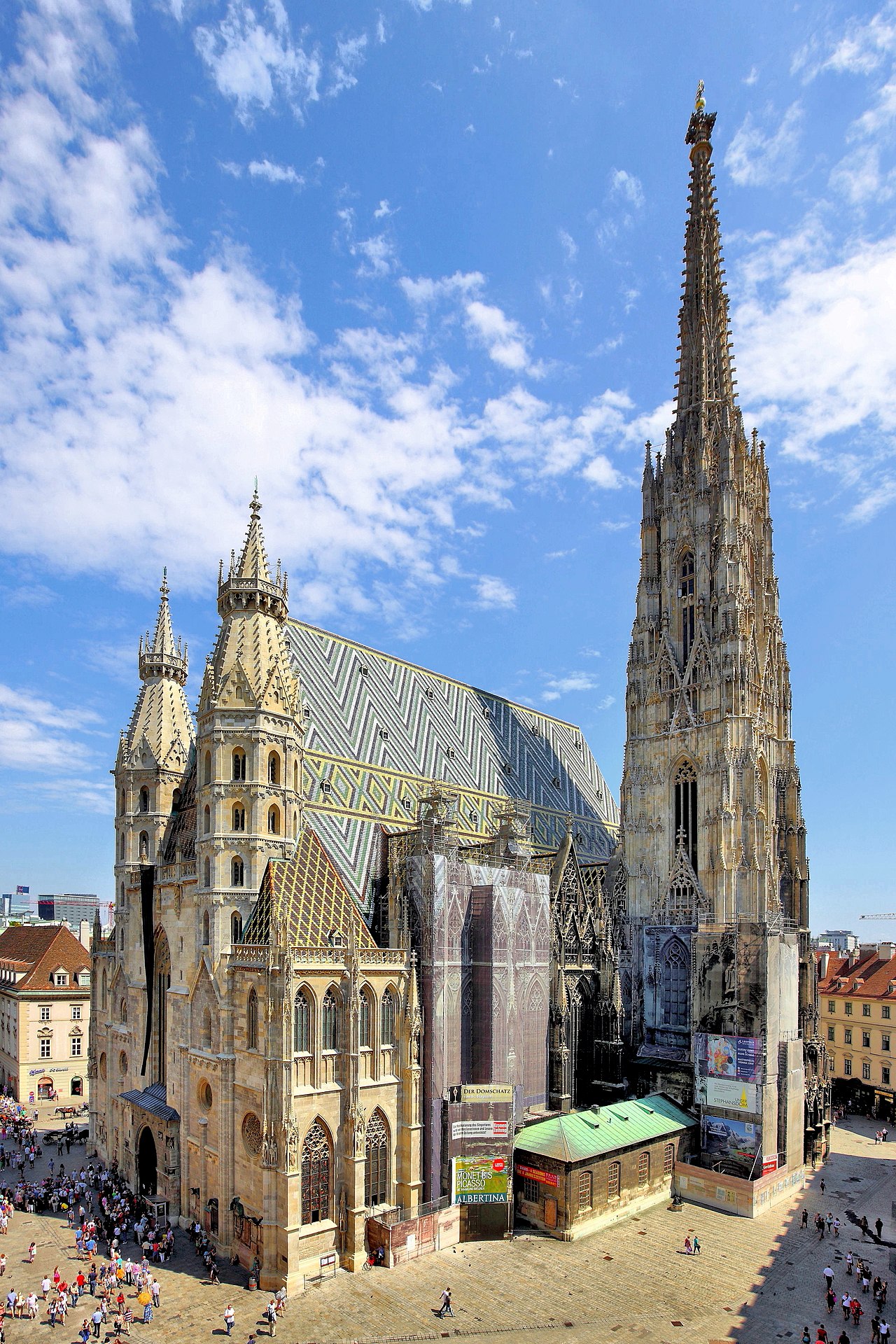
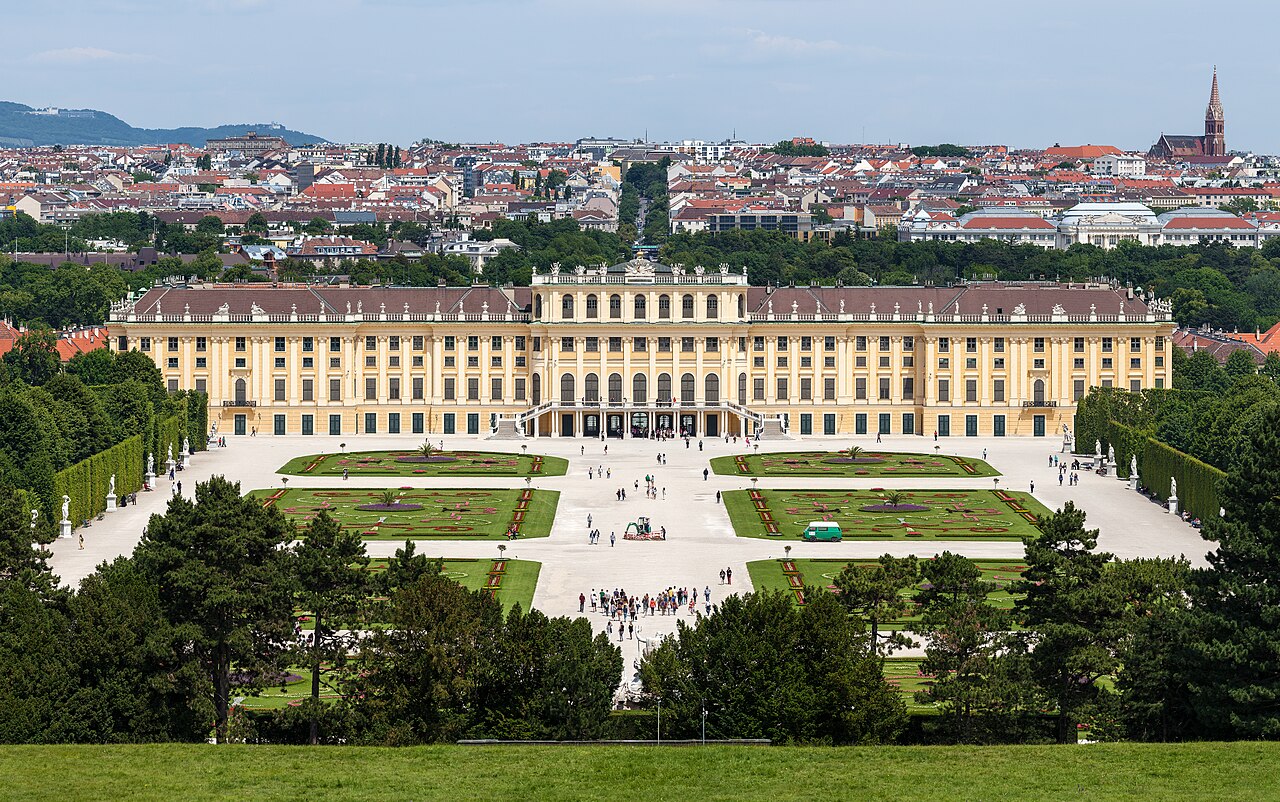
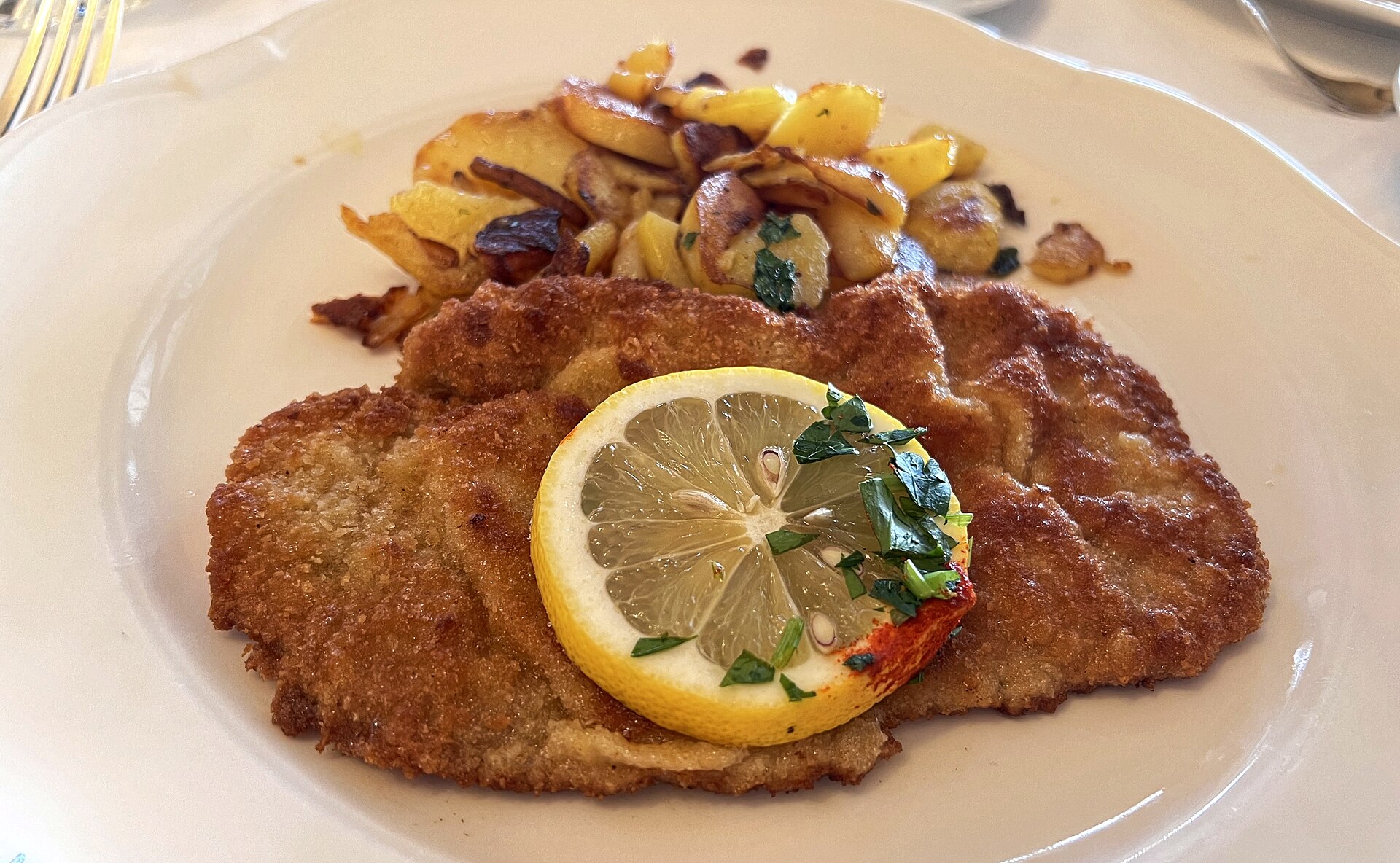
A photograph of Vienna

City guide · Austria

Theme: History in Vienna, Austria — page 2

Vienna is 414.78 km² holding 2,028,499 people, and almost everything a visitor comes for sits inside a single ring road less than a kilometre across. The Inner...

Photograph · Andrzej Otrębski · CC BY-SA 4.0

5,640 Places
23 Districts
Suggested stay
3–4 days
Getting around
U-Bahn and tram

Turn this list into a plan

Set your days, your pace and the hours you actually want to be out. The planner works around closing days and travel time, and leaves room to eat.

Plan Vienna

Editorial responsibility: Elena Voss · Roavina Travel Editor

Vienna is 414.78 km² holding 2,028,499 people, and almost everything a visitor comes for sits inside a single ring road less than a kilometre across.

The Innere Stadt — the 1st district — is the medieval core, and the Ringstrasse that surrounds it was built in the second half of the nineteenth century on the line of the demolished bastions. The 371-hectare historic centre has been a UNESCO World Heritage Site since 2001; it was on the endangered list from 2017 to 2026.

The wider urban area holds 2,223,236 people and the metropolitan area 2,890,577, which makes Vienna the tenth largest city in Europe and by a long way the largest in Austria.

Checked 2026-08-23
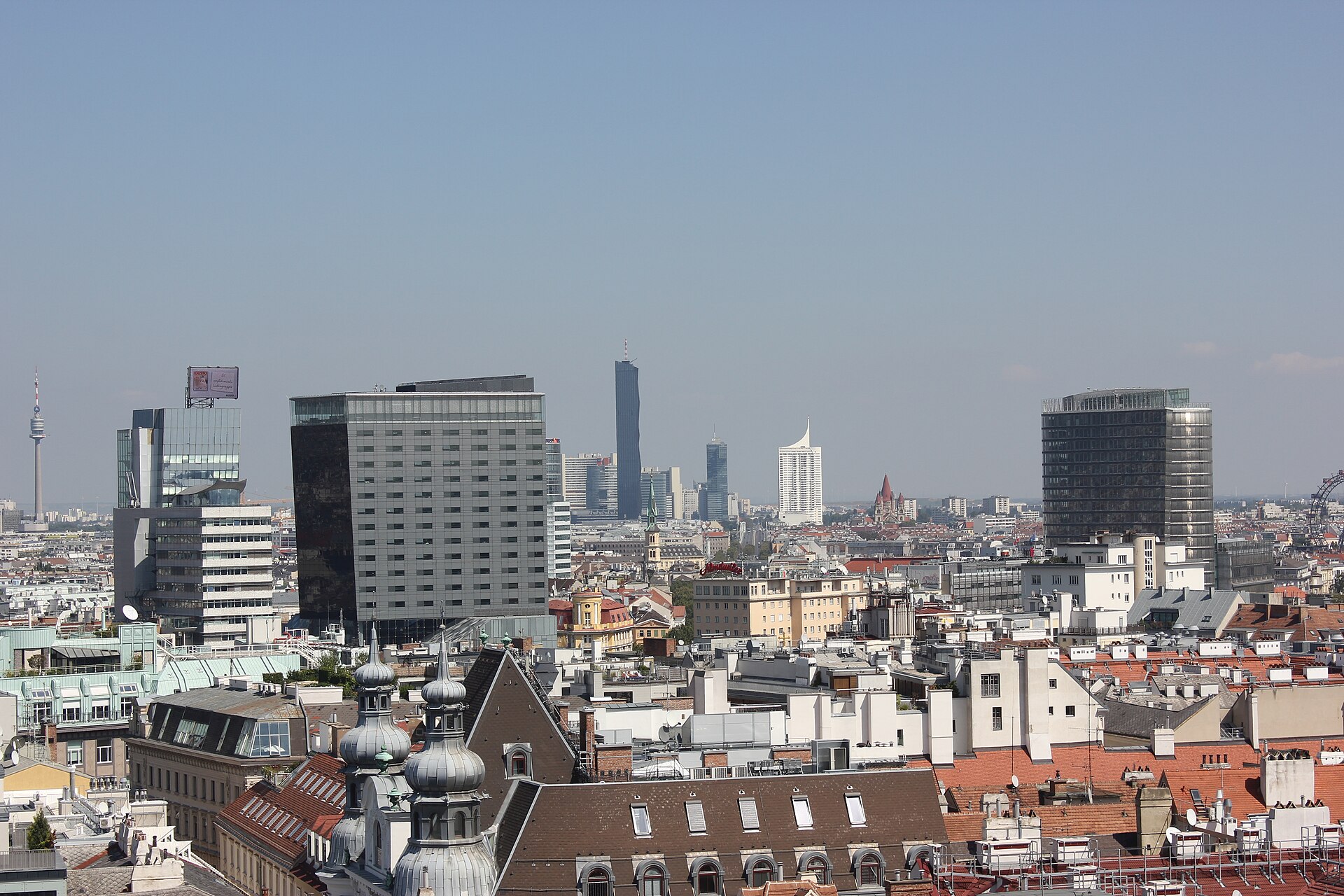
Practical information

Language spoken
German
German is Austria's official language; Croatian, Slovenian and Hungarian also have official status in some regions
Dialling code
+43 1
Vienna landlines; drop the leading 0 of 01 when calling from abroad
Currency
Euro (€, EUR)
Austria introduced euro banknotes and coins in 2002
Emergency number
112
One number across the country; 144 reaches an ambulance directly
Plug type
Not recorded
No verified national official source was found
Tap water
Safe to drink
Austria's national tourism authority states that tap water is drinkable in every region

Planning a visit

November · November in Vienna has mean high 7.5°C, mean low 2.4°C, rainfall 50.0 mm, 8.3 rain days. Cold temperatures make a full outdoor itinerary less comfortable. A flexible November itinerary in Vienna is more realistic than a long exposed walking day.

  1. January: viable with meaningful trade-offs
  2. February: viable with meaningful trade-offs
  3. March: good time to visit
  4. April: good time to visit
  5. May: best time to visit
  6. June: best time to visit
  7. July: good time to visit
  8. August: good time to visit
  9. September: best time to visit
  10. October: good time to visit
  11. November: viable with meaningful trade-offs — current month
  12. December: viable with meaningful trade-offs

Sources

Top things to see

Ranked by importance — sitelinks, pageviews and heritage status, not editor preference.

  1. Naschmarkt Naschmarkt
    26 1 hour

    Naschmarkt

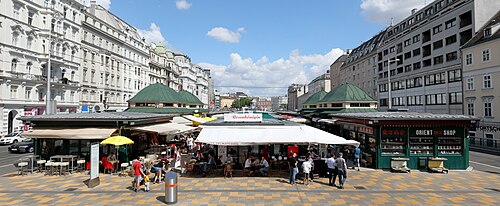
    The Naschmarkt is Vienna's largest and oldest continuously running market, a roughly 1.5-kilometre strip of stalls running along the covered-over bed of the Wien River between Karlsplatz and Kettenbrückengasse.

    • Must see
    • Historic site
    • Mariahilf
  2. Sigmund Freud Museum Sigmund Freud Museum
    28 1 hour

    Sigmund Freud Museum

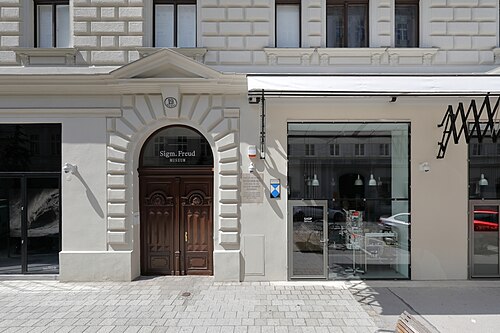
    The Sigmund Freud Museum occupies the apartment and consulting rooms at Berggasse 19 in Alsergrund where Sigmund Freud lived and practised from 1891 until June 1938, when he fled Vienna for London after the Nazi annexation of Austria.

    • Must see
    • Museum
    • Alsergrund
  3. MAK – Museum of Applied Arts MAK – Museum of Applied Arts
    29 2 hours

    MAK – Museum of Applied Arts

    Museum für Angewandte Kunst

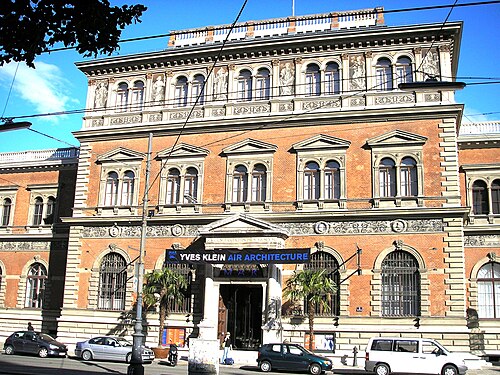
    The MAK was the first museum of its kind on the continent, and it was founded to improve manufacturing.

    • Must see
    • Museum
    • Innere Stadt
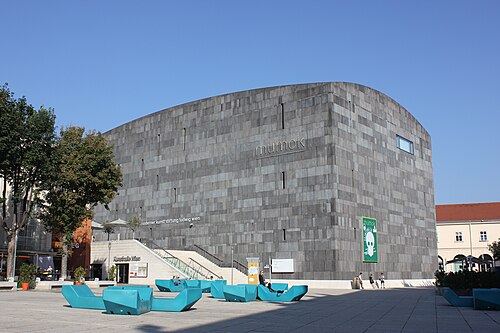
  4. Mumok Mumok
    30 1 hr 30 min

    Mumok

    Museum Moderner Kunst Stiftung Ludwig Wien

    mumok — the Museum Moderner Kunst Stiftung Ludwig — is Austria's largest museum of modern and contemporary art, and the darkest building on the MuseumsQuartier plaza by design.

    • Must see
    • Museum
    • Neubau
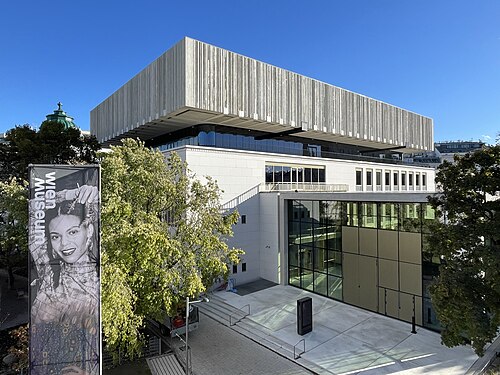
  5. Vienna Museum Vienna Museum
    31 2 hours

    Vienna Museum

    Wien Museum Karlsplatz

    Wien Museum, on Karlsplatz, is Vienna's museum of its own history, tracing the city from the Roman camp of Vindobona through the medieval, Baroque and Ringstrasse periods to the twentieth century.

    • Notable
    • Museum
    • Wieden
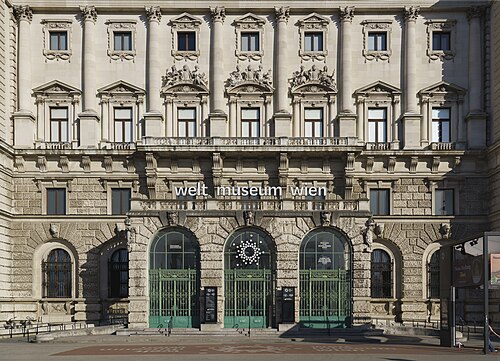
  6. Weltmuseum Wien Weltmuseum Wien
    32 2 hr 30 min

    Weltmuseum Wien

    Weltmuseum

    Weltmuseum Wien occupies the Neue Burg wing of the Hofburg on Heldenplatz and holds Vienna's global ethnographic collections, assembled from Habsburg holdings and expedition material going back to the museum's founding as the Museum für Völkerkunde in 1876.

    • Must see
    • Museum
    • Innere Stadt
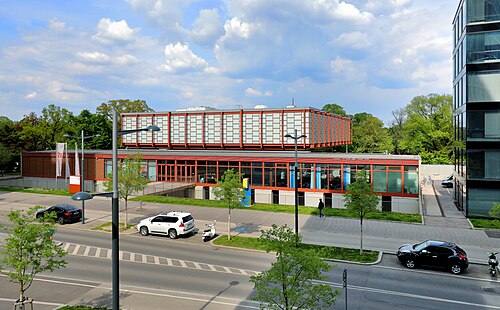
  7. Belvedere 21 Belvedere 21
    33 1 hr 30 min

    Belvedere 21

    Belvedere 21 is Vienna's museum for contemporary art, housed in a steel-and-glass pavilion in the Schweizergarten, a few hundred metres south of the Baroque Belvedere palace complex it is administratively part of.

    • Must see
    • Museum
    • Landstraße
  8. Rathauspark Rathauspark
    34 45 min

    Rathauspark

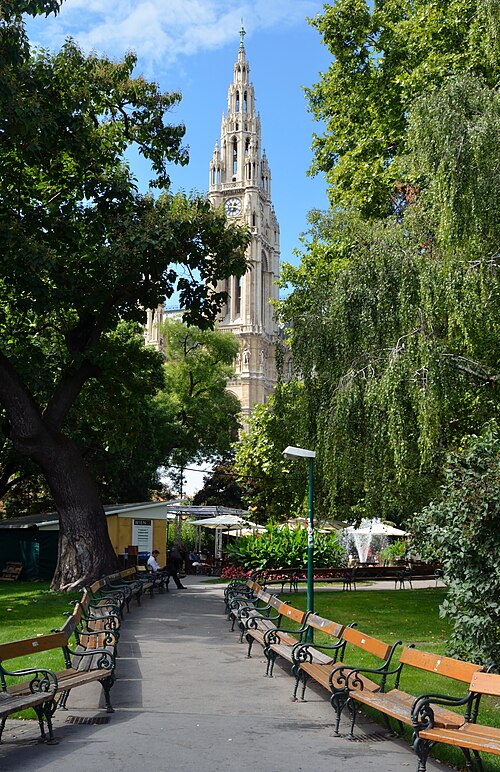
    Rathauspark is a public park in Vienna, situated adjacent to the Vienna City Hall (Rathaus). The park is divided into two sections by the Rathaus building's approach.

    • Must see
    • Historic site
    • Innere Stadt
  9. Judenplatz Holocaust Memorial Judenplatz Holocaust Memorial
    36 15 min

    Judenplatz Holocaust Memorial

    Holocaust-Mahnmal

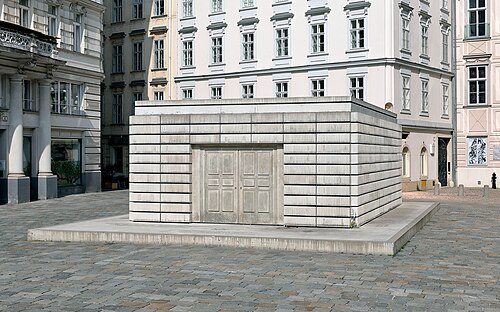
    The Judenplatz Holocaust Memorial is a sealed concrete sculpture by the British artist Rachel Whiteread, unveiled on 25 October 2000 on Judenplatz in the Innere Stadt.

    • High
    • Historic site
    • Innere Stadt
  10. Ankeruhr Ankeruhr
    37 20 min

    Ankeruhr

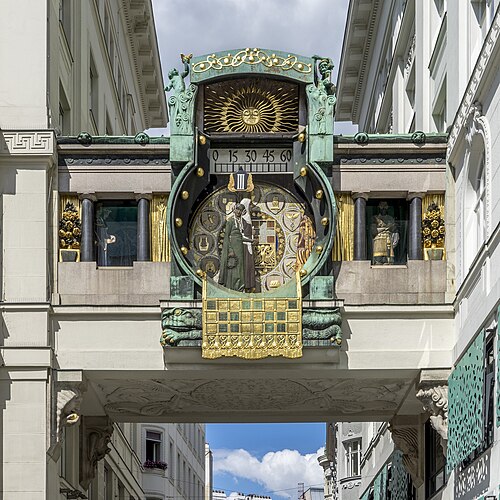
    The Ankeruhr is Vienna’s Art Nouveau clock on Hoher Markt, built across the gap between two buildings associated with the Anker Insurance company.

    • Must see
    • Historic site
    • Innere Stadt
  11. Bermudadreieck Bermudadreieck
    38 45 min

    Bermudadreieck

    Bermudadreieck is a nightlife district in Vienna's Innere Stadt, centered on the area around Rabensteig, Seitenstettengasse, and Judengasse. The name translates to Bermuda Triangle, referencing how visitors may lose track of time amid its dense concentration of bars and venues.

    • Must see
    • Historic site
    • Innere Stadt
  12. Graben Graben
    39 20 min

    Graben

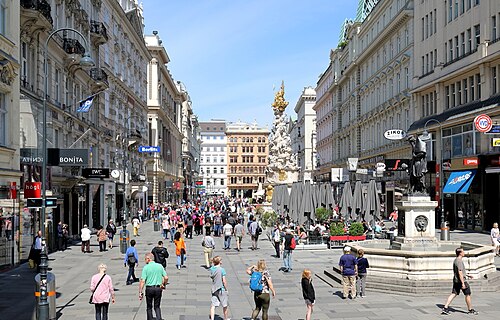
    The Graben is a broad, elongated square in the Innere Stadt, and its name — 'ditch' — records what it once was: the moat of the Roman legionary camp of Vindobona, filled in during the Middle Ages and built over.

    • Must see
    • Historic site
    • Innere Stadt
  13. Votive Church Votive Church
    40 30 min

    Votive Church

    Votivkirche

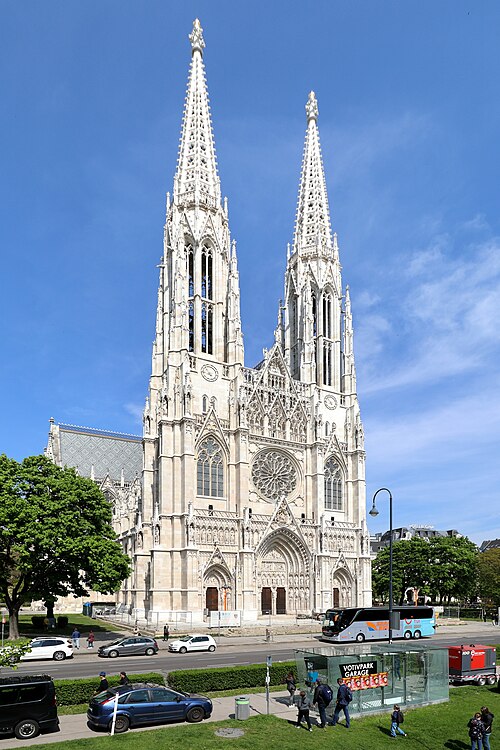
    The Votivkirche exists because somebody tried to kill the emperor and failed.

    • Must see
    • Historic site
    • Alsergrund
  14. Donauturm Donauturm
    41 1 hour

    Donauturm

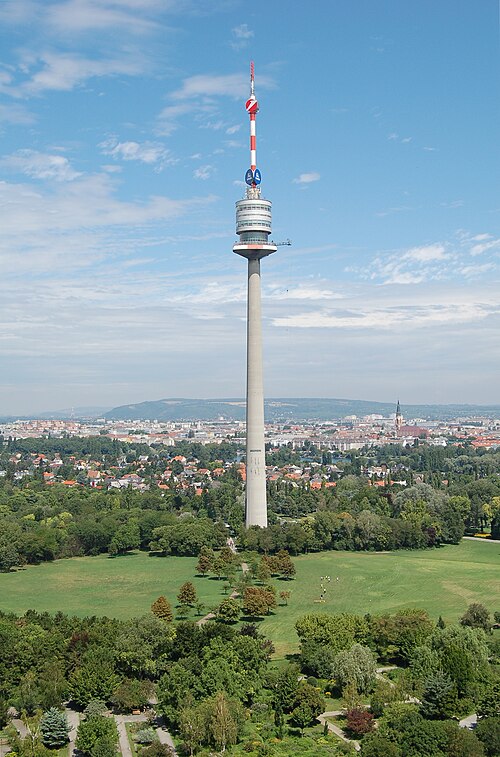
    The Donauturm is the tallest structure in Austria, at 252 m, and it was built as a garden show attraction.

    • Must see
    • Historic site
    • Donaustadt
  15. Augarten Augarten
    42 1 hour

    Augarten

    Augarten is a public Baroque park in Leopoldstadt, the 2nd district, laid out in its present form in the early 18th century and opened to the public by Emperor Joseph II in 1775 — one of the earliest palace gardens…

    • Must see
    • Historic site
    • Leopoldstadt
  16. Café Central Café Central
    43 1 hour

    Café Central

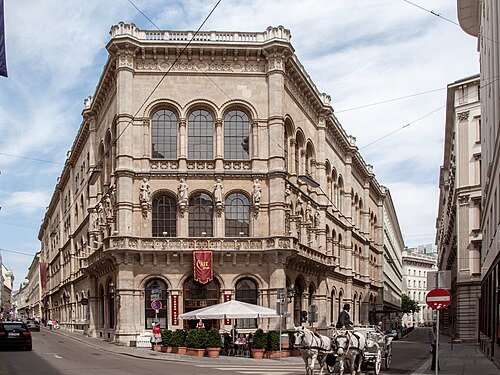
    Café Central is a historic Viennese coffeehouse inside the Palais Ferstel, a Neo-Renaissance building designed by Heinrich von Ferstel. The café opened in 1876 and became one of Vienna’s best-known literary meeting places before the First World War.

    • Must see
    • Historic site
    • Innere Stadt
  17. Kohlmarkt Kohlmarkt
    44 10 min

    Kohlmarkt

    Kohlmarkt is a short pedestrian shopping street in Vienna's Innere Stadt, running from the Graben to Michaelerplatz, where it ends directly at the Michaelertor, the domed gate into the Hofburg.

    • Must see
    • Historic site
    • Innere Stadt
  18. Court Chapel Court Chapel
    45 45 min

    Court Chapel

    Hofburgkapelle

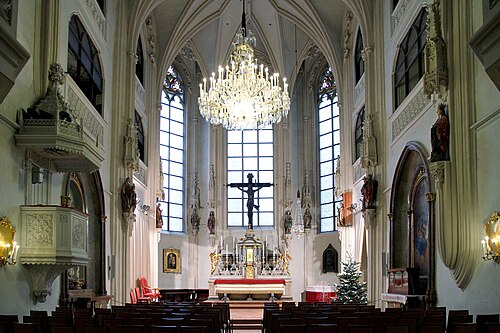
    The Hofburgkapelle, or Court Chapel, stands within Vienna's Hofburg Palace complex. It served as the Habsburg imperial family's place of worship and preserves an important connection between court ceremony, religion, and Viennese history.

    • Must see
    • Historic site
    • Innere Stadt
  19. Looshaus Looshaus
    46 20 min

    Looshaus

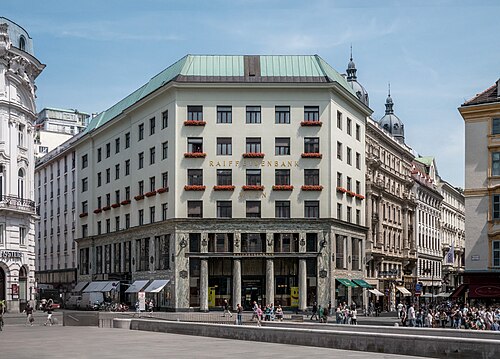
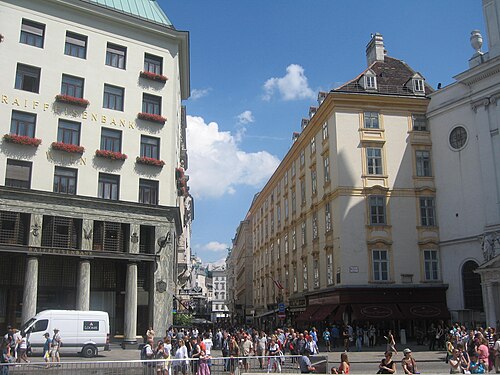
    Looshaus is Adolf Loos's 1909-1911 commercial and residential building at Michaelerplatz 3, directly opposite the Michaelertor gate of the Hofburg.

    • Must see
    • Historic site
    • Innere Stadt
  20. Kursalon Vienna Kursalon Vienna
    47 2 hours

    Kursalon Vienna

    Kursalon Hübner

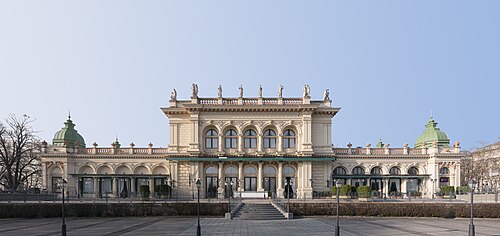
    Kursalon Vienna is an Italian Renaissance Revival building standing at the edge of the Stadtpark in Vienna's Innere Stadt district, built in 1865-67 by architect Johann Garben as a public 'cure hall', a cafe and gathering pavilion meant to draw…

    • Must see
    • Historic site
    • Innere Stadt
  21. Äußeres Burgtor Äußeres Burgtor
    48 45 min

    Äußeres Burgtor

    Burgtor

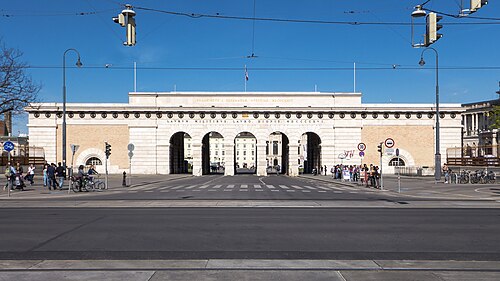
    Äußeres Burgtor, also known locally as Burgtor, is a historic neoclassical gate in central Vienna. The gate belongs to the city’s imperial architectural landscape and marks an important threshold near the Hofburg complex.

    • Must see
    • Historic site
    • Innere Stadt
  22. Haas House Haas House
    49 10 min

    Haas House

    Haas-Haus

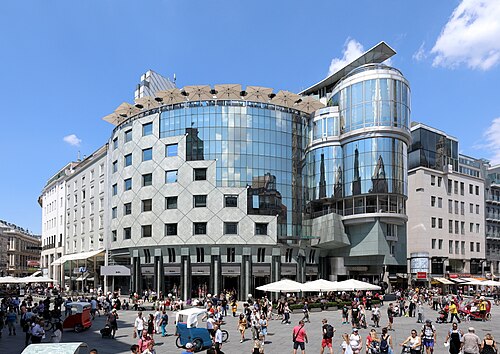
    The Haas-Haus is a curved glass-and-stone office and retail building on Stock-im-Eisen-Platz, directly opposite the main entrance of St. Stephen's Cathedral, designed by Hans Hollein and completed in 1990.

    • Must see
    • Historic site
    • Innere Stadt
  23. Altes Palmenhaus Altes Palmenhaus
    50 45 min

    Altes Palmenhaus

    Altes Palmenhaus is a historic palm house in Vienna, a building type created for cultivating tropical and subtropical plants in an urban setting. Its name means “Old Palm House,” linking the structure to Vienna’s tradition of displaying exotic flora.

    • Must see
    • Historic site
    • Hietzing

Source: OpenStreetMap contributors, Wikidata ·

Where to base yourself

District boundaries come from OSM administrative relations, so a district page holds exactly the places inside it — plus, for the islands and the coast, the nearest district by proximity.

How the city is laid out

Twenty-three districts, numbered roughly in the order they were absorbed, arranged around the 1st.

The Innere Stadt is the 1st and holds the cathedral, the Hofburg, the opera and most of what a short visit will see. Districts 2 to 9 and 20 were incorporated in 1850 and lie inside the Gürtel, the outer ring road; they are the inner districts and are where most visitors sleep and eat. Districts 10 to 19 and 21 to 23 came in between 1874 and 1938, mostly in 1892.

Districts 21 and 22 are across the Danube on the left bank — Floridsdorf is the northernmost part of the city and Donaustadt the largest by area. Districts 2 and 20 sit on the island between the Danube and the Donaukanal.

The postal code gives the district: 1XXA, where the middle two digits are the district number. An address at 1070 is in the 7th.

Checked 2026-08-23
Getting around

The U-Bahn, the trams, and a ticket that covers both.

The U-Bahn has five lines, 109 stations and 83.9 km of track, and it opened on 25 February 1978. It carried 404.8 million passengers in 2023. Trains run from about 05:00 to 01:00 at intervals of two to fifteen minutes, and run all night at fifteen-minute intervals on Friday and Saturday nights and before public holidays.

A sixth line, the U5, is under construction for completion between 2026 and 2032; the network will then be 90 km with 116 stations.

Tickets are integrated with the trams, the buses and the S-Bahn through the VOR system, so one ticket covers the whole journey. Some airport services are outside it.

Inside the Ring, walking beats all of it.

Checked 2026-08-23
More city guides

Common questions

How many days does Vienna need?

Suggested stay for a first visit: 3–4 days. Two days cover the Innere Stadt and the Ring — the cathedral, the Hofburg, the opera, the museums on the Maria-Theresien-Platz. A third takes Schönbrunn and the Belvedere, and a fourth allows a proper concert or an afternoon in the wine villages.

How do the districts work?

Twenty-three of them, numbered roughly in the order they joined the city. The 1st is the medieval centre, districts 2–9 and 20 came in 1850 and lie inside the Gürtel, and the rest arrived between 1874 and 1938. The postal code carries the number: 1070 is the 7th district.

What is the Ringstrasse?

The boulevard built in the second half of the nineteenth century on the line of the demolished city bastions, encircling the Innere Stadt. Most of Vienna's great public buildings face onto it.

Is the U-Bahn the best way around?

For anything beyond the Ring, yes. Five lines, 109 stations, 83.9 km, running from about 05:00 to 01:00 and all night at weekends. Inside the Ring, walking is faster.

When is the best time to come?

April to June and September to October. Summer afternoons reach 27–32°C and the palace gardens have little shade; winter hovers around freezing but brings the concert season and the Christmas markets.

How big is Vienna really?

414.78 km² with 2,028,499 people in the city proper, 2,223,236 in the urban area and 2,890,577 in the metropolitan area — the tenth largest city in Europe.