.jpg)
32
1 hr 30 min
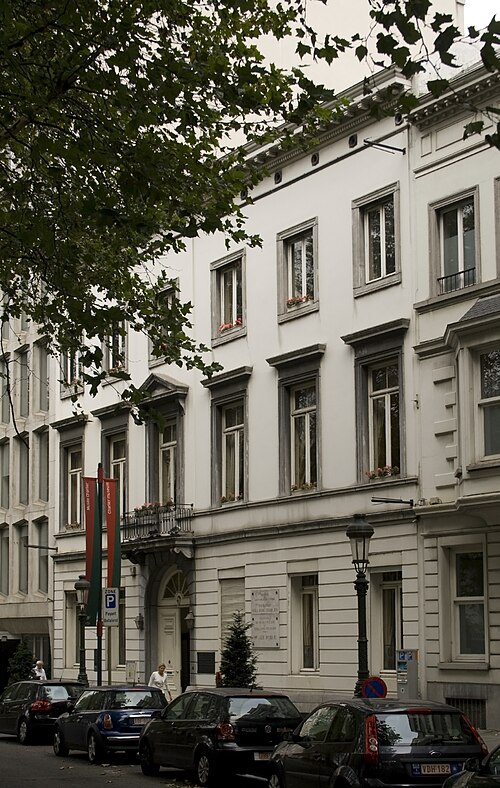
Charlier Museum
Musée Charlier - Charliermuseum
Charlier Museum, or Musée Charlier, is a Brussels house museum set inside a historic townhouse.
- Must see
- Museum
City guide · Belgium
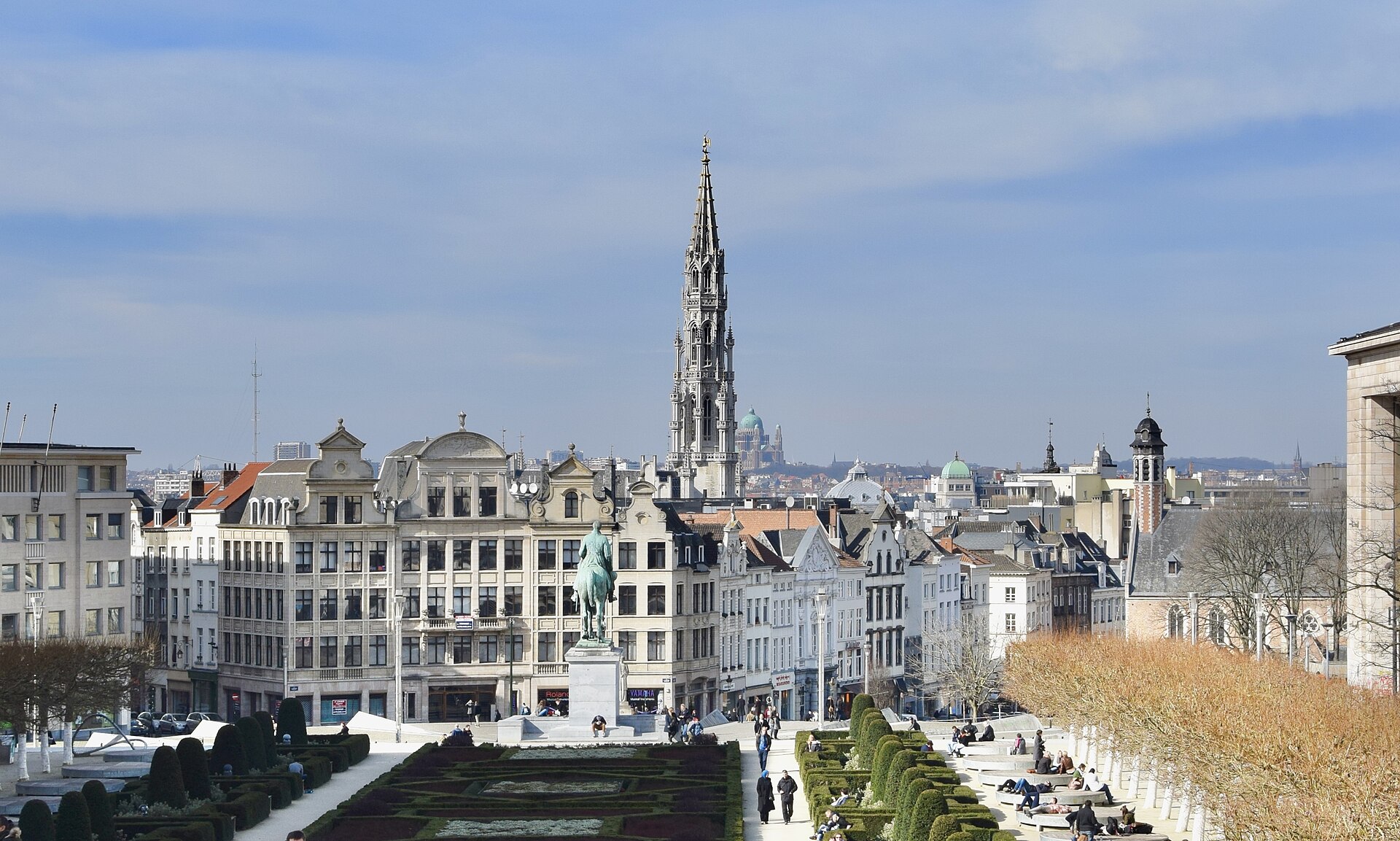
Brussels combines a compact historic centre with separate museum, European Quarter and Atomium districts. The lower town around Grand-Place is best explored on...
Photograph · Ank Kumar · CC BY-SA 4.0
Set your days, your pace and the hours you actually want to be out. The planner works around closing days and travel time, and leaves room to eat.
Reviewed by Elena Voss · Roavina Travel Editor
Brussels combines a compact historic centre with separate museum, European Quarter and Atomium districts. The lower town around Grand-Place is best explored on foot, while the upper town rises toward the royal and institutional quarters. Metro, tram, bus and urban rail make the dispersed areas manageable. Group each day by elevation and district instead of repeatedly crossing the centre’s steep north-south slope.
Checked 2026-08-26
September · September remains mild in Brussels at 18.7°C by day, with 63.0 mm of precipitation over about ten days.
Ranked by importance — sitelinks, pageviews and heritage status, not editor preference.
61 places match
Category
Typical visit duration
Interests
Musée Charlier - Charliermuseum
Charlier Museum, or Musée Charlier, is a Brussels house museum set inside a historic townhouse.
Musée de Chine des Missionnaires de Scheut - Chinamuseum
Chinamuseum, also known as the Musée de Chine des Missionnaires de Scheut, is a Brussels museum devoted to Chinese art and culture. Its collections grew from the work of the Scheut missionaries and their long historical connection with China.
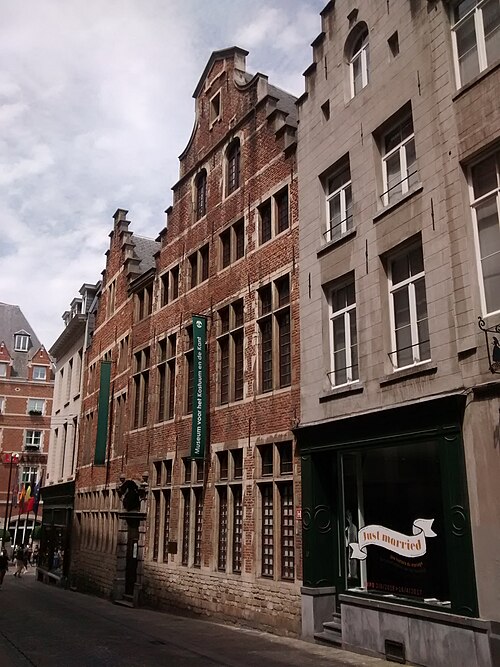
Musée Mode & Dentelle - Mode & Kant Museum
The Fashion & Lace Museum, known locally as Musée Mode & Dentelle or Mode & Kant Museum, is a Brussels institution dedicated to textile heritage.
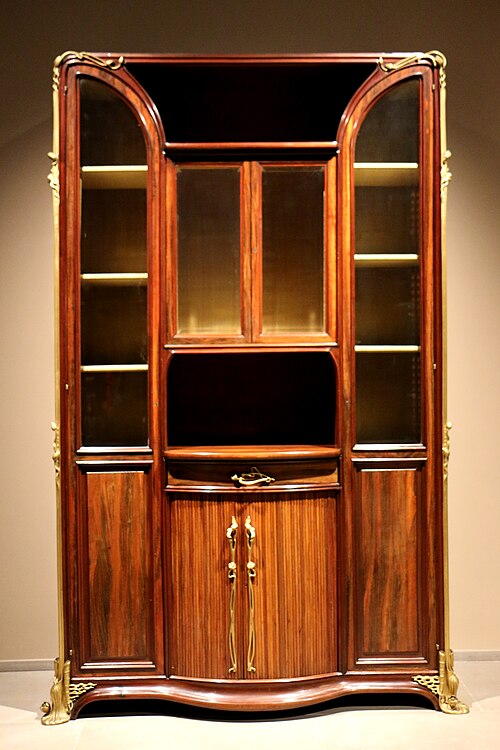
Musée Fin de siècle - Fin de siècle Museum
Fin-de-Siècle Museum, also called Musée Fin de siècle, explores Belgian art from the late nineteenth and early twentieth centuries. It is a specialist Brussels destination for travelers drawn to the period’s changing artistic language, social atmosphere, and decorative richness.
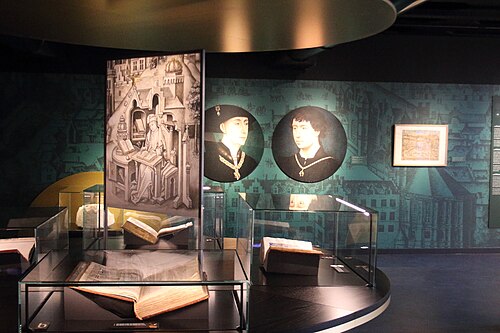
KBR museum
The KBR Museum is a cultural institution in Brussels associated with the Royal Library of Belgium (KBR/Koninklijke Bibliotheek van België). It presents exhibitions drawn from the library's extensive collections, which span manuscripts, rare books, prints, and historical documents.
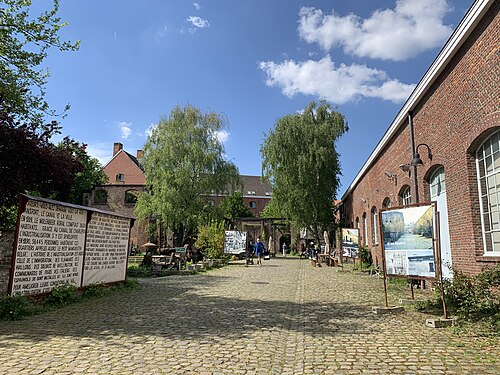
La Fonderie
La Fonderie, the Brussels Museum of Industry and Labour, presents the industrial history of Brussels and its surrounding region. The museum occupies a former industrial site, making the setting part of the subject.
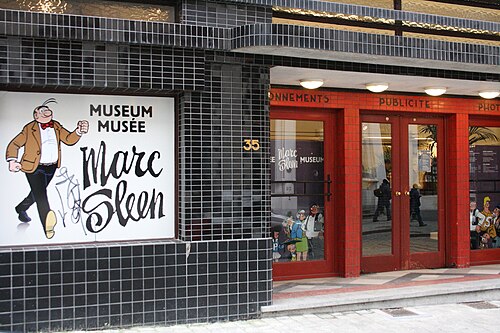
Maison Marc Sleen - Huis Marc Sleen
The Marc Sleen Museum, known locally as Maison Marc Sleen or Huis Marc Sleen, is a museum in Brussels dedicated to the Belgian cartoonist Marc Sleen.

Musée Maurice Carême - Maurice Carême Museum
The Maurice Carême Museum is a Brussels literary house museum dedicated to the Belgian poet Maurice Carême. It occupies the home where he lived and worked, allowing visitors to encounter his writing through the domestic surroundings connected with his life.

Musée Meunier Museum
The Meunier Museum is a museum in Brussels dedicated to the Belgian artist Constantin Meunier, known for his sculptures and paintings depicting industrial and working-class subjects.
MigratieMuseumMigration is a museum in Brussels dedicated to the history and experience of migration. The institution examines human movement, settlement, and cultural exchange, with particular attention to migration patterns affecting Belgium and Europe.
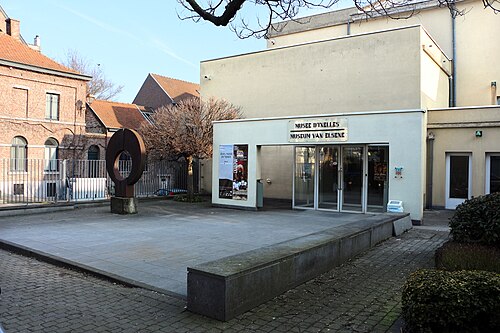
Musée d'Ixelles - Museum van Elsene
The Museum of Ixelles, also known as Musée d'Ixelles and Museum van Elsene, is a municipal art museum in the Ixelles/Elsene municipality of Brussels. Its local identity distinguishes it from the major federal museums concentrated in the city center.
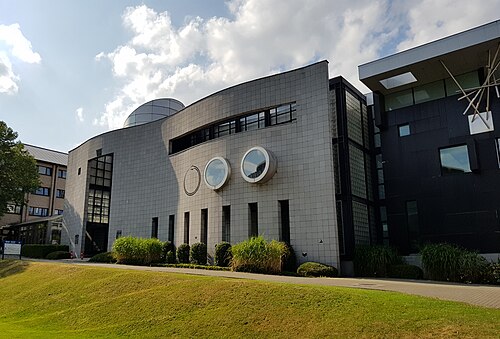
Musée de la Médecine - Geneeskundemuseum
The Museum of Medicine, known locally as Musée de la Médecine in French and Geneeskundemuseum in Dutch, is a medical history museum in Brussels.

Musée du CPAS de Bruxelles - Museum van het OCMW van Brussel
The Museum of the Public Social Welfare Centre of Brussels presents the history of public welfare in Belgium’s capital.
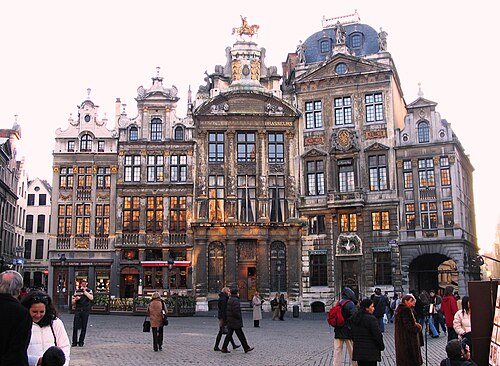
Musée des Brasseurs belges - Museum van de Belgische Brouwers
Museum van de Belgische Brouwers, also called Musée des Brasseurs belges, is a Brussels museum devoted to Belgian brewing. It presents brewing as part of the country’s cultural identity and introduces visitors to the traditions behind Belgian beer.
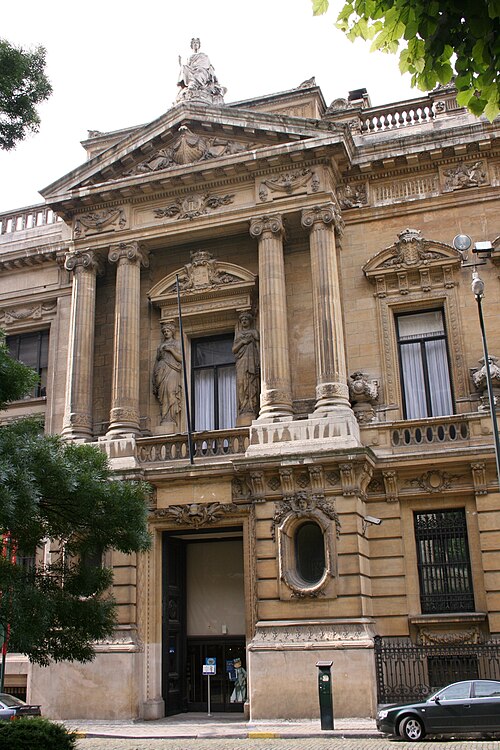
Musée de la Banque nationale de Belgique - Museum van de Nationale Bank van België
The Museum van de Nationale Bank van België introduces visitors to money, banking, and Belgium’s financial history. Operated by the National Bank of Belgium, it links a national institution with public education.
Musée de l'Église orthodoxe - Museum van de orthodoxe Kerk
Museum van de Orthodoxe Kerk, also called Musée de l’Église orthodoxe, is a Brussels religious museum connected with Orthodox Christian heritage. It presents sacred art and liturgical traditions within the setting of an Orthodox church.
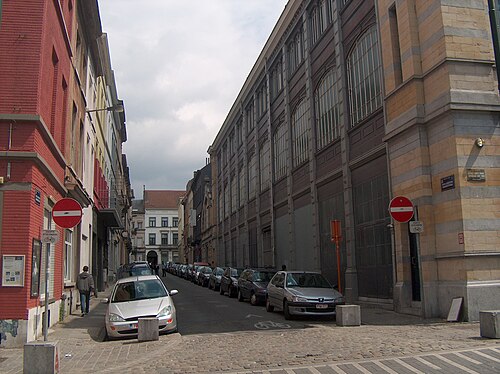
Musée d’Art Spontané - Museum voor Spontane Kunst
Museum voor Spontane Kunst, also known as Musée d’Art Spontané, is a Brussels museum devoted to spontaneous art. Its collection focuses on artistic expression shaped by intuitive and non-academic creative processes.
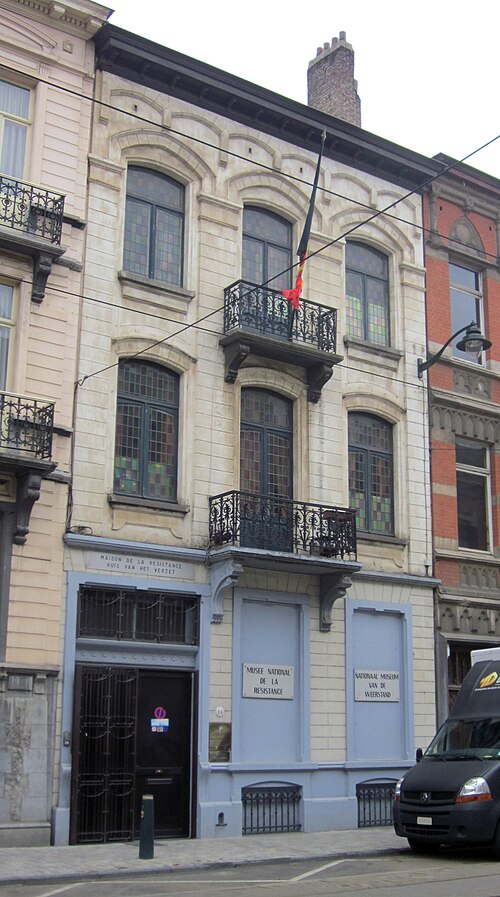
Musée national de la Résistance - Nationaal Museum van de Weerstand
The National Museum of the Resistance, known locally as Musée national de la Résistance and Nationaal Museum van de Weerstand, is a museum in Brussels dedicated to documenting Belgium's resistance movement during the Second World War.
Imprimarium
Printing Museum, also known as Imprimarium, introduces the history and craft of printing in Brussels. The subject connects machines, type, ink, paper, books, and the spread of written information.
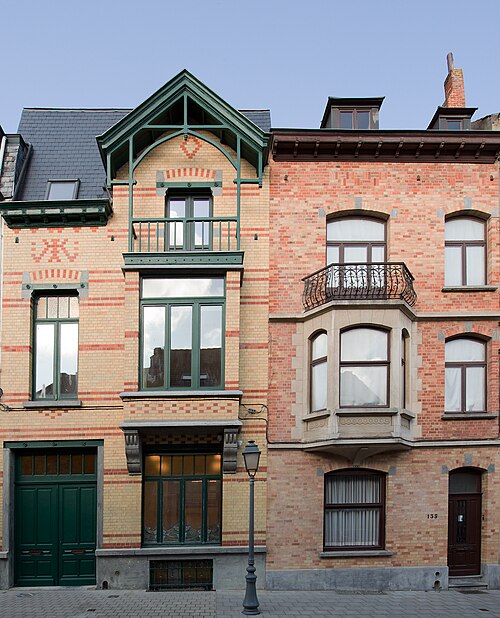
Museum René Magritte Musée
The René Magritte Museum is a dedicated museum celebrating the life and work of the Belgian surrealist painter René Magritte.
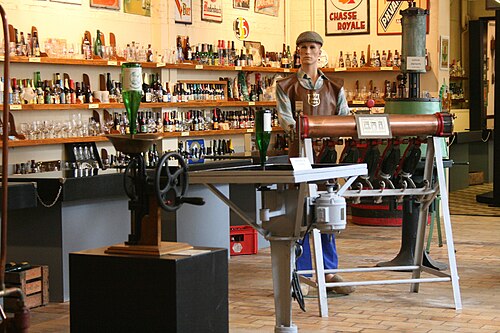
Musée schaerbeekois de la bière - Schaarbeeks Biermuseum
Schaerbeek Beer Museum, also called Musée schaerbeekois de la bière or Schaarbeeks Biermuseum, is a Brussels museum devoted to beer history and culture.
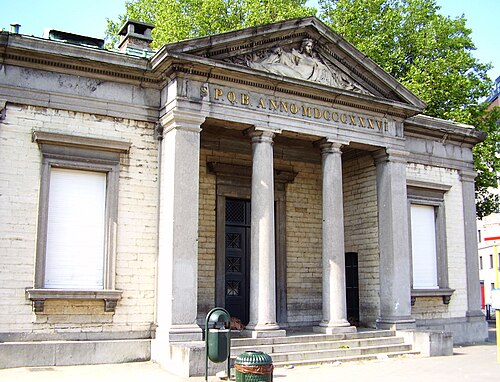
Musée des Égouts - Riolenmuseum
Brussels’s Sewer Museum, known locally as Musée des Égouts or Riolenmuseum, turns the city’s sanitation infrastructure into an industrial-heritage experience. The visit connects everyday urban life with the hidden engineering that carries wastewater beneath streets and buildings.
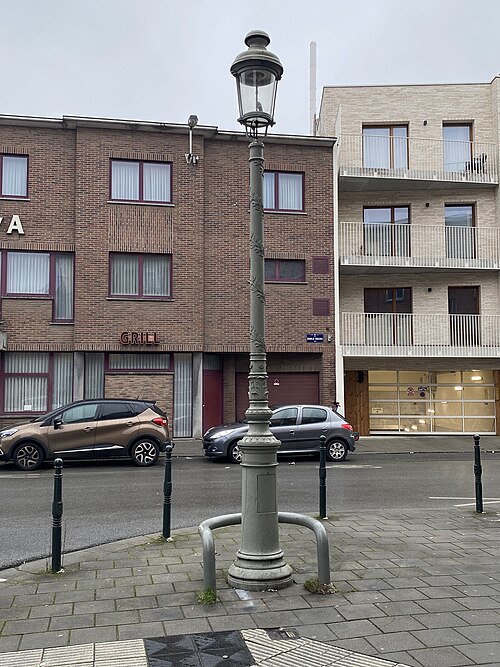
Musée du Réverbère - Museum van de Straatlantaarn
Street Lamp Museum, also called Musée du Réverbère and Museum van de Straatlantaarn, is a Brussels museum devoted to the history of street lighting.
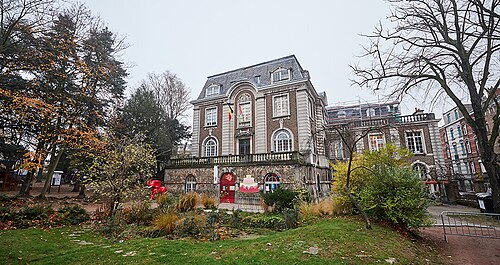
Le Musée des Enfants - Het Kindermuseum
The Children’s Museum, known as Le Musée des Enfants or Het Kindermuseum, is a Brussels attraction built around learning through play. It gives children an active role, encouraging them to explore, handle, imagine, and make connections outside a traditional classroom.
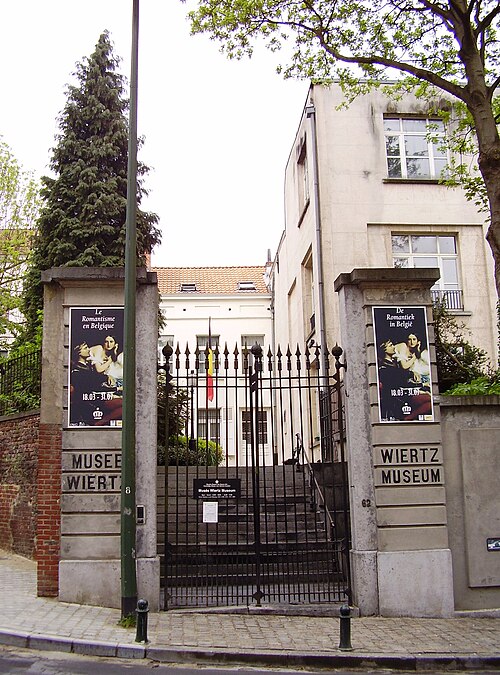
Musée Wiertz Museum
The Wiertz Museum in Brussels is devoted to Antoine Wiertz, a Belgian Romantic painter and sculptor. The museum occupies the artist's former studio and residence, making the building part of the visit rather than a neutral container for the collection.
The historic lower town clusters around Grand-Place, the Bourse and Sainte-Catherine. Uphill, the Mont des Arts links the central station to the Royal Quarter, Sablon and major museums. The European Quarter lies east around Schuman and Leopold Park, while the Art Nouveau neighbourhoods extend south through Saint-Gilles and Ixelles. The Atomium and Heysel plateau are a separate northern trip. Brussels is administratively fragmented, but these visitor zones form clearer planning units than municipal boundaries.
Checked 2026-08-26
Walk inside the central lower and upper towns, then use STIB-MIVB metro, tram and bus services between outer districts. Contactless payment is available across the operator’s network, and the official trip tools show real-time connections. Urban trains can also be useful between major stations. The Atomium, European Quarter and southern Art Nouveau districts should each be linked to the centre by transit rather than forced into one long walking route.
Checked 2026-08-26
Two to three days suit a first visit. Use one day for the historic centre and upper town, then divide the remaining time between the Atomium, European Quarter and southern neighbourhoods.
May, June and September usually offer useful daylight and comfortable walking conditions. Rain is possible throughout the year, so keep museums available as flexible indoor blocks.
Yes, but the elevation change between the lower town and Royal Quarter is easy to underestimate. Walk within each zone and use metro or tram when connecting to Heysel, the European Quarter or southern districts.
Yes. STIB-MIVB supports contactless payment on its buses, trams and metro network. Use the same card or device consistently and check the operator’s current conditions before travel.
Treat the Atomium and Heysel as a northern trip, the European Quarter as an eastern block, and Saint-Gilles or Ixelles as a southern route. The historic centre and Royal Quarter combine most naturally.