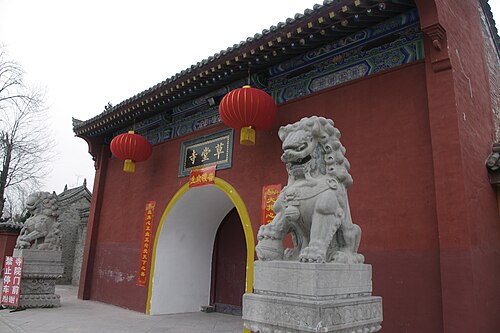
Caotang Temple
草堂寺
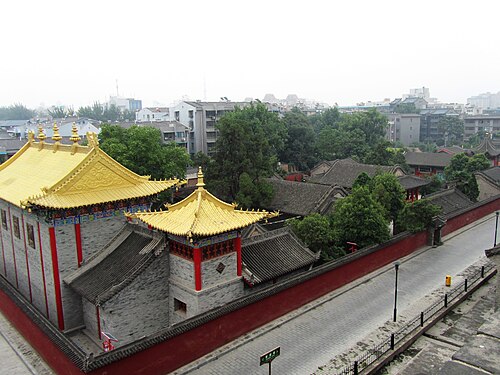
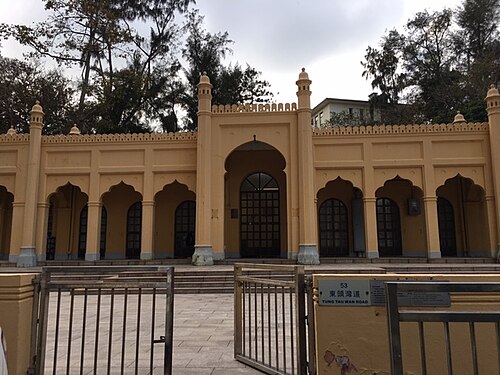
Caotang Temple, known locally as 草堂寺, is a Buddhist temple in the Xi’an region. Its identity is tied to Buddhist scripture translation and the early development of Buddhist thought in China.
- High
- Place of worship
- Xi'an
Country guide
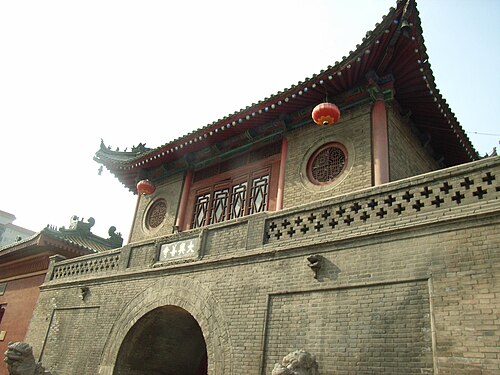
China covers 9.6 million km², third largest of any country, and holds more than 1.4 billion people — about 17 per cent of everyone alive. It is divided into 33...
Photograph · Severin.stalder · CC BY-SA 3.0
Reviewed by Elena Voss · Roavina Travel Editor
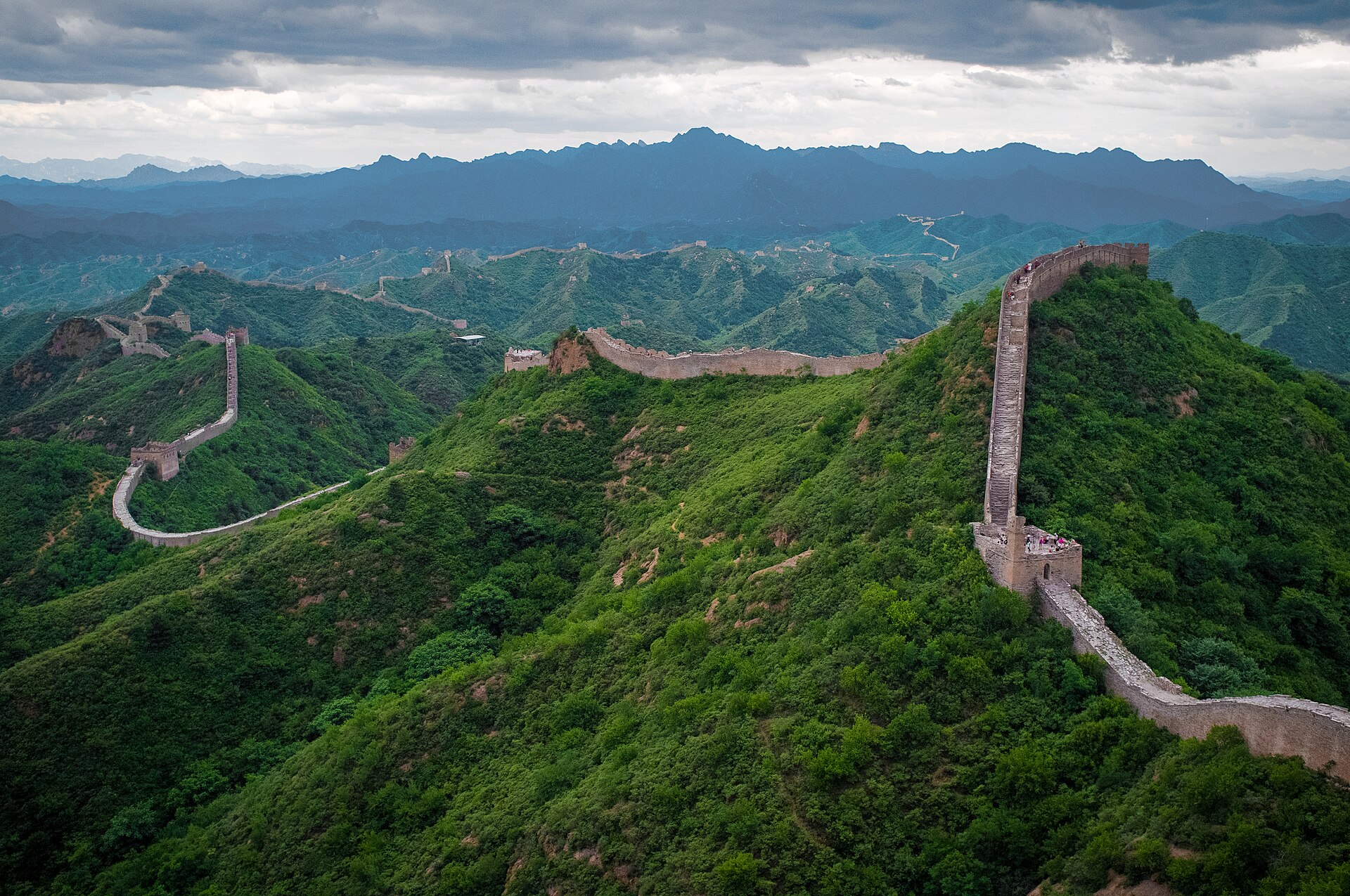
China covers 9.6 million km², third largest of any country, and holds more than 1.4 billion people — about 17 per cent of everyone alive. It is divided into 33 province-level divisions, two of them special administrative regions.
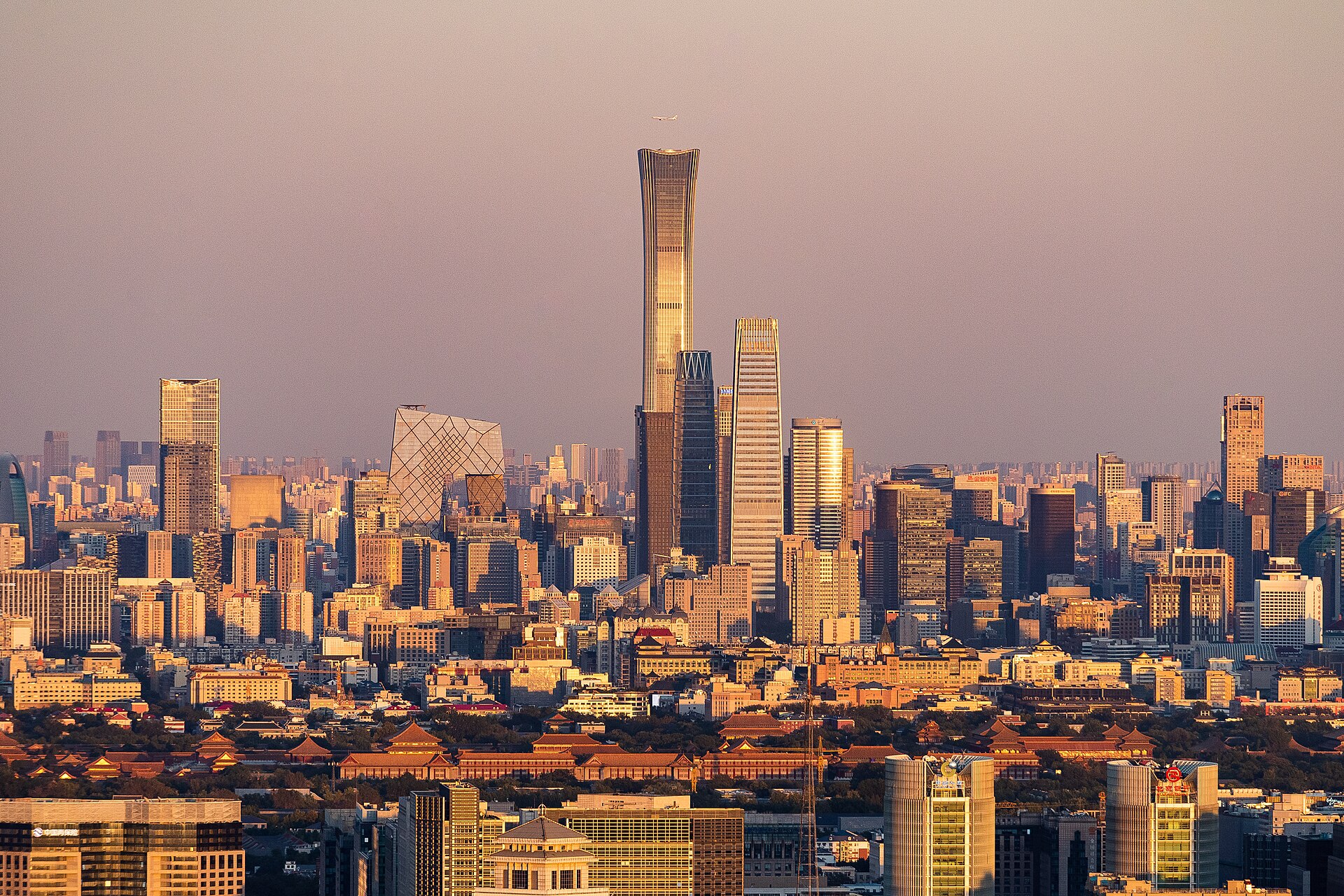
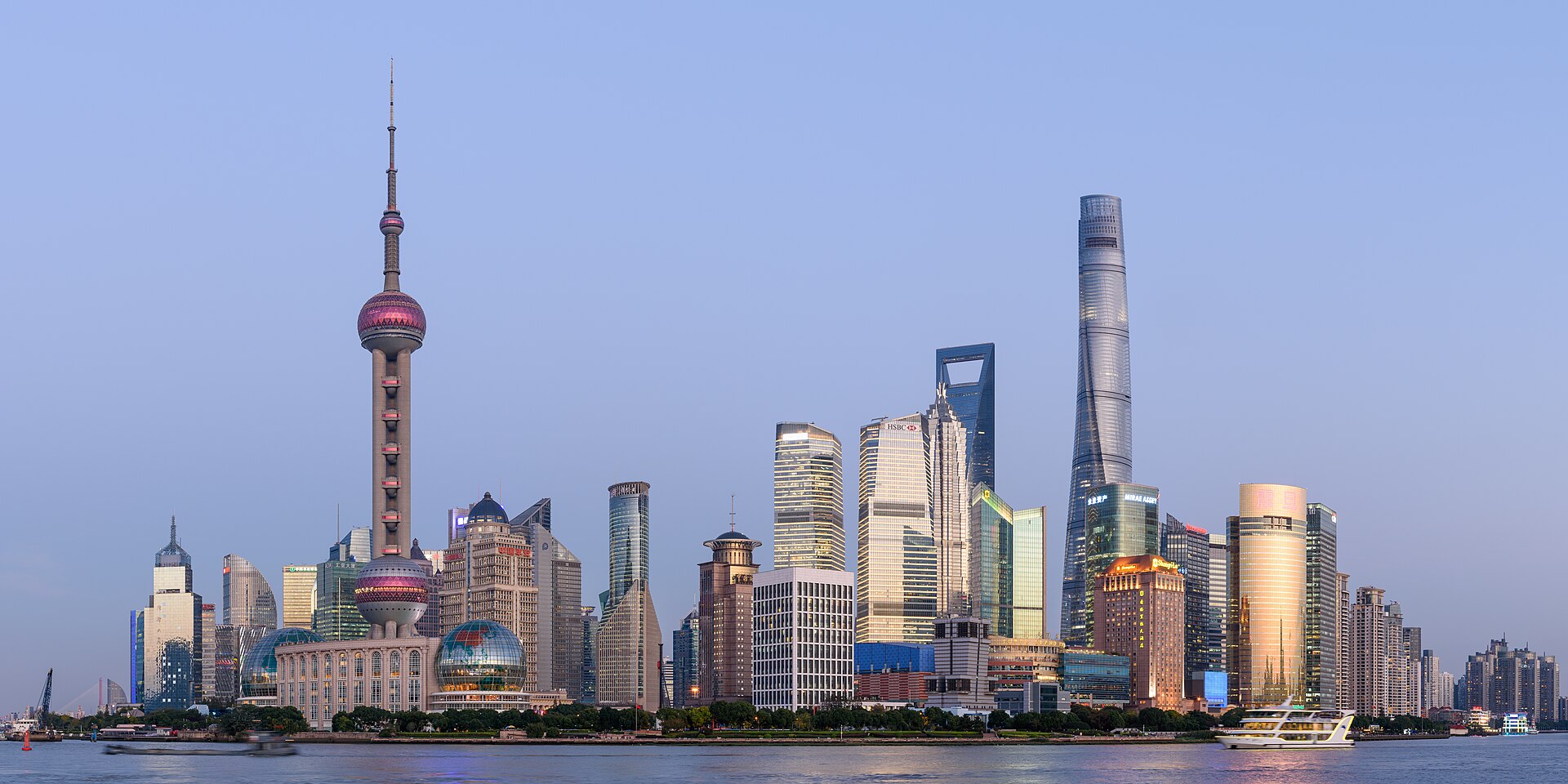
Beijing is the capital; Shanghai is the most populous city by urban area. Between them the land runs from the Central Plain and the Yangtze and Yellow rivers out to desert, plateau, subtropical and temperate forest, and the Himalayas in the southwest. The first decision a visitor makes here is therefore not which sight to see but which climate to travel in.
Checked 2026-08-25
Every city catalogued in this country so far, ranked by how much there is to see.
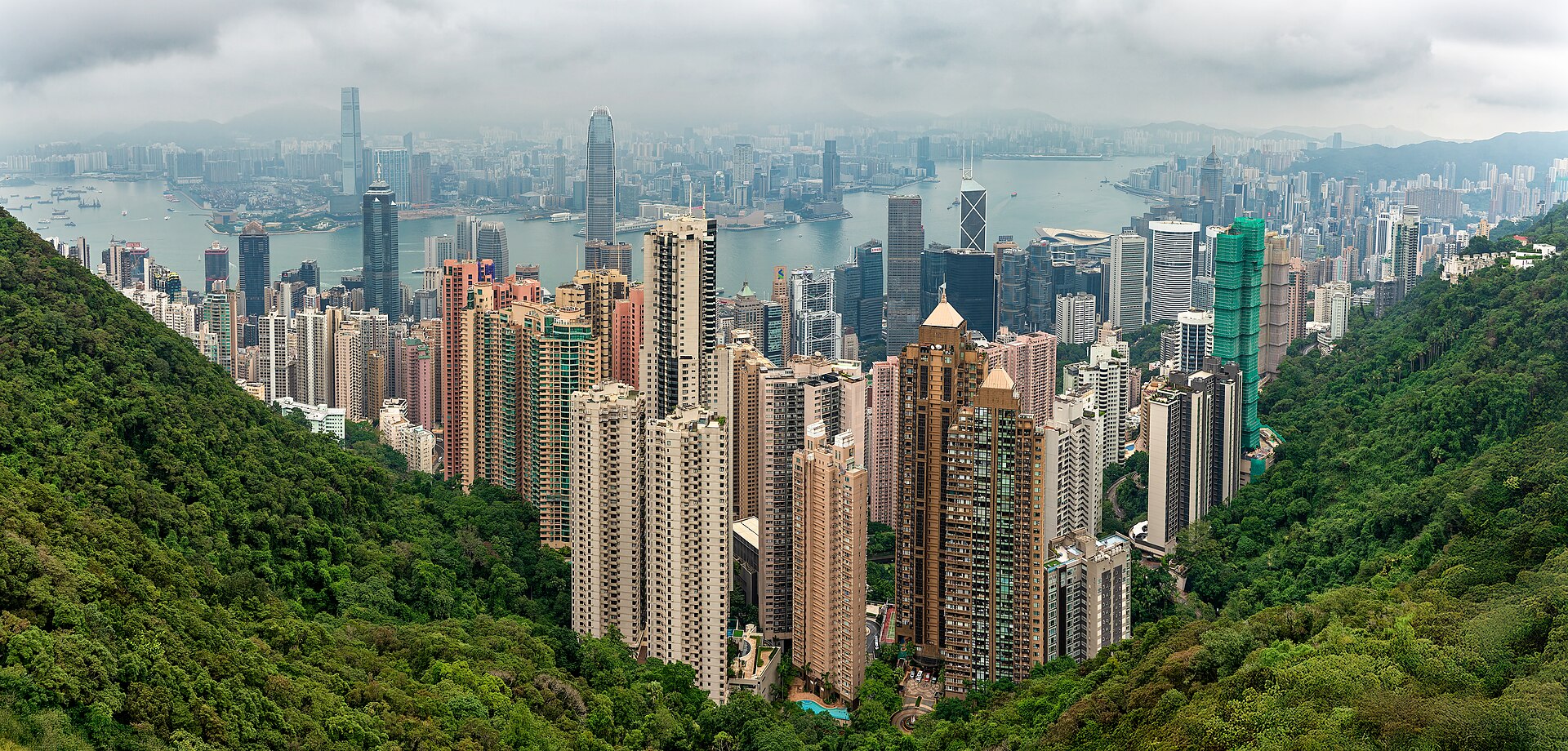
Photograph · N509FZ · CC BY-SA 4.0
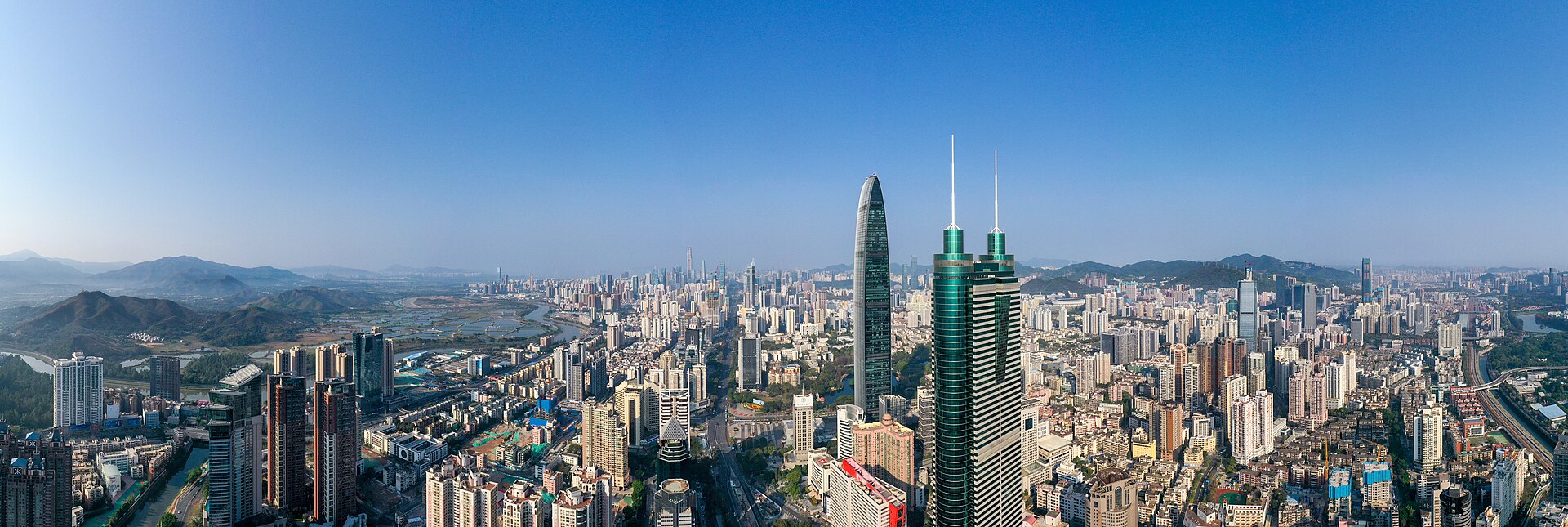
Photograph · King of Hearts · CC BY-SA 4.0
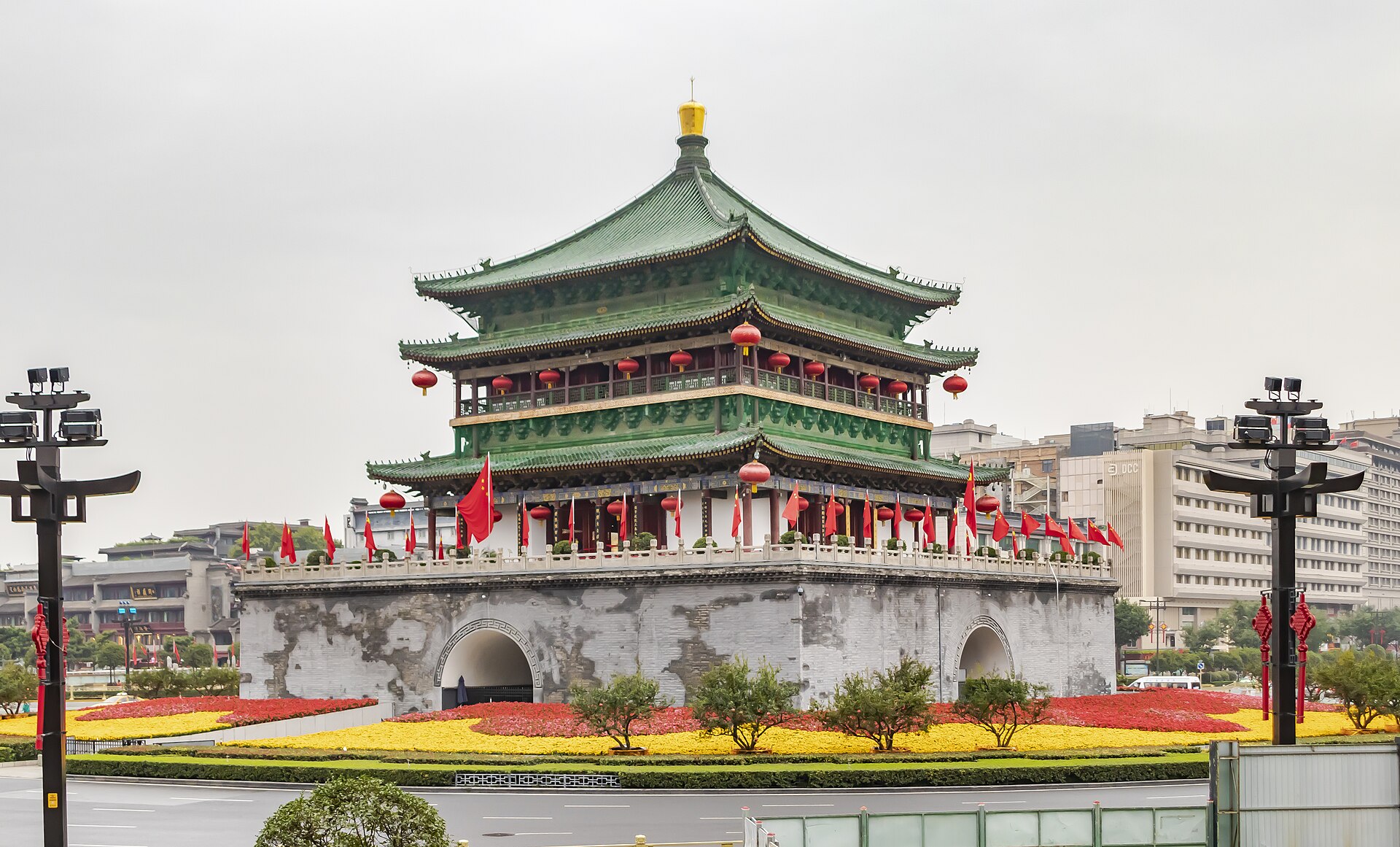
Photograph · Mustang Joe · CC0
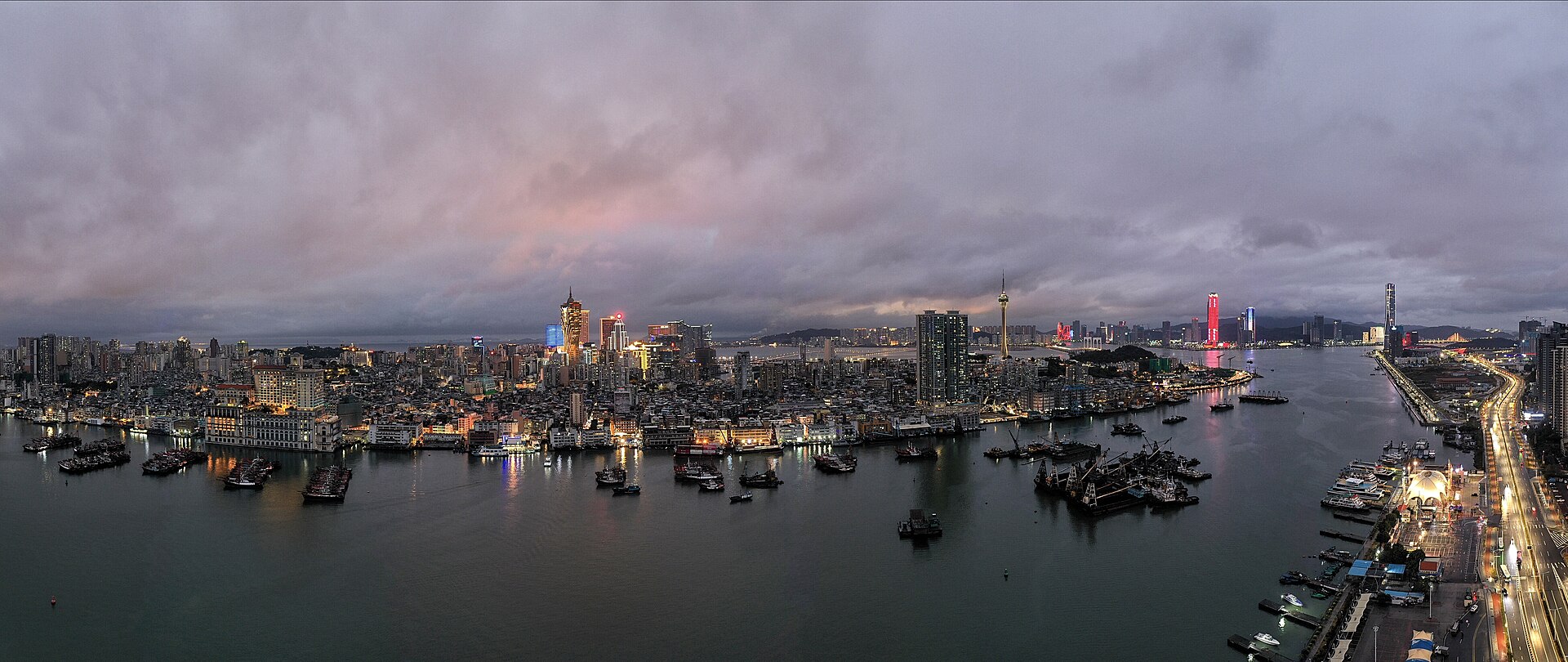
Photograph · Charlie fong · CC BY-SA 4.0
Photograph · ScareCriterion12 · CC BY-SA 4.0
Photograph · Charlie fong · CC BY-SA 4.0
Seasonal closures come from recorded opening hours.
Ranked by importance — sitelinks, pageviews and heritage status, not editor preference.
44 places match
Category
Typical visit duration
Interests
草堂寺
Caotang Temple, known locally as 草堂寺, is a Buddhist temple in the Xi’an region. Its identity is tied to Buddhist scripture translation and the early development of Buddhist thought in China.
大兴善寺
Daxingshan Temple is a historic Buddhist temple in Xi'an, China, known locally as 大兴善寺. It remains a religious institution and a destination for visitors interested in Buddhist history, Chinese temple culture, and the long cultural history of Xi'an.
广仁寺
Guangren Temple, or 广仁寺, is a Tibetan Buddhist temple in Xi’an. It adds a distinct religious and cultural dimension to a city often introduced through imperial history and Han Chinese heritage.
蓮峰廟 Templo Lin Fung
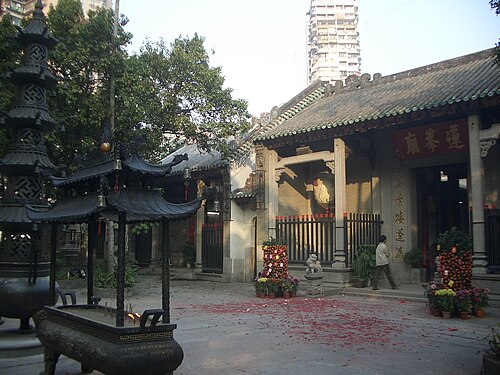
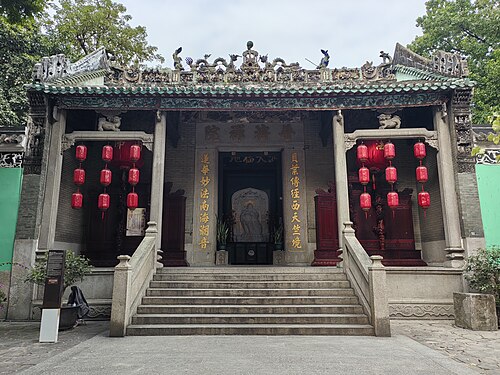
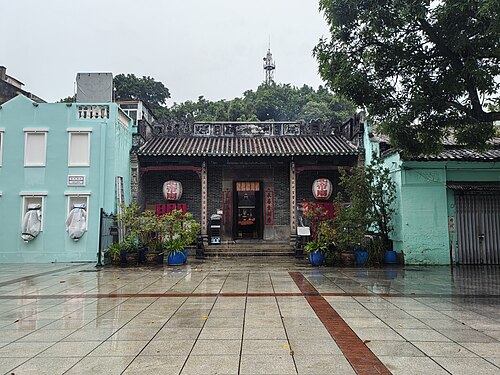
Lin Fong Temple, also called 蓮峰廟 and Templo Lin Fung, is a living Chinese place of worship on Macau Peninsula.
云居寺
Yunju Temple is a historic Buddhist temple complex located in Beijing's Fangshan District. The temple holds significant religious and cultural importance, particularly renowned for its association with the engraving of Buddhist sutras on stone tablets.
大学习巷清真寺
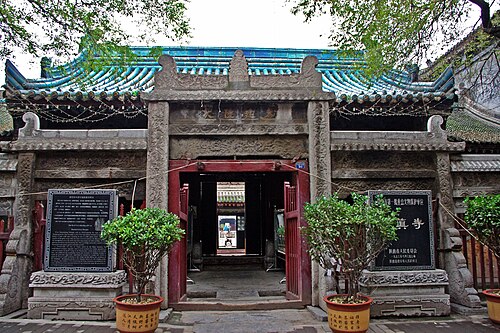
The Great Learning Lane Mosque, known locally as 大学习巷清真寺, is an Islamic place of worship in Xi’an’s historic urban fabric.
天后古廟 Tin Hau Temple
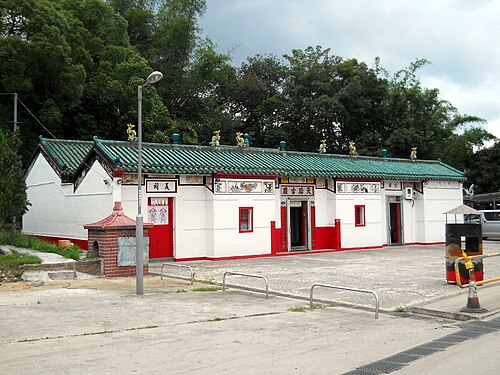
Tin Hau Temple is a traditional Chinese place of worship dedicated to Tin Hau, the Goddess of the Sea. Her presence reflects Hong Kong’s long relationship with fishing, sailing, and coastal communities.
普濟禪院 (觀音堂) Templo Kun Iam
Kun Iam Temple, known locally as 普濟禪院, is one of the oldest and most significant Buddhist temples in Macau. It serves as a major place of worship and cultural heritage site, reflecting the territory's deep-rooted Buddhist traditions.
赤湾天后宫
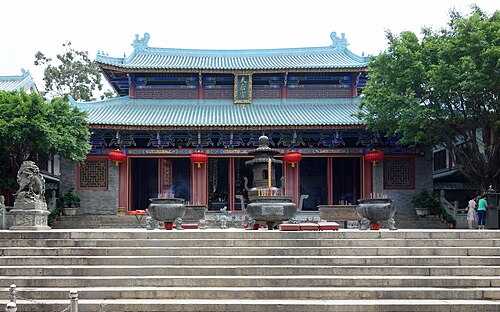
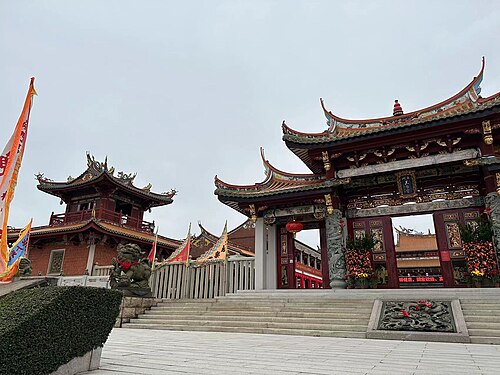
Chiwan Tianhou Temple, also called 赤湾天后宫, is a historic place of worship in Shenzhen dedicated to Tianhou, the sea goddess Mazu.
都城隍庙
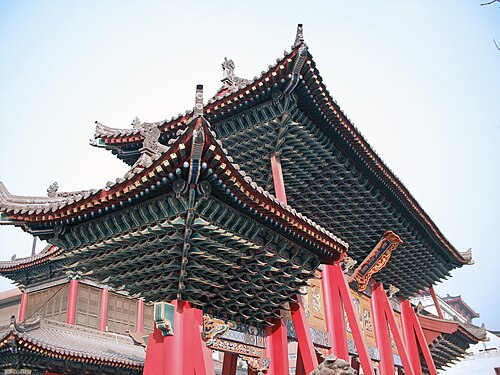
Xi’an City God Temple is a Taoist temple complex in the historic city. Its name refers to the city god, a protective deity in traditional Chinese religious culture.
媽祖文化村 Aldeia Cultural de A-Ma
A-Ma Cultural Village is a hillside religious and cultural complex on Coloane Island devoted to A-Ma, the goddess associated with seafarers. The setting connects worship, traditional Chinese architecture and Macau’s maritime heritage.
北帝廟 Templo Pak Tai
Pak Tai Temple, known locally as 北帝廟, is a Taoist temple in Macau dedicated to Pak Tai, the Northern Emperor deity revered for his power over water and protection against evil.
北帝宮
Pak Tai Temple, also known locally as 北帝宮, is a Taoist temple in Hong Kong dedicated to Pak Tai, the Northern Emperor. Worshippers honour him as a protective deity associated with the power to subdue evil spirits and safeguard communities.
嗇色園可名別苑 Sik Sik Yuen Ho Ming Monastery
Sik Sik Yuen Ho Ming Monastery is a Buddhist religious site located within the grounds of Wong Tai Sin Temple complex in Kowloon, Hong Kong.
荐福寺
Jianfu Temple, known locally as 荐福寺, is a historic Buddhist temple complex located in Xi'an, Shaanxi Province, China. The temple is principally renowned as the original site of the Small Wild Goose Pagoda, one of Xi'an's iconic Tang Dynasty structures.
Xingjiao Temple is a Buddhist temple located in the southern suburbs of Xi'an, Shaanxi Province, China.
White Cloud Temple, or Baiyun Guan, is Beijing's principal Taoist monastery, an ancestral centre of the Quanzhen tradition and headquarters of the China Taoist Association.
赤柱清真寺 Stanley Mosque
青松觀 Ching Chung Koon
Twelve to eighteen days can link Beijing, Xi'an, and Shanghai by high-speed rail, with Shenzhen as a southern extension. Hong Kong and Macao need separate border planning and should not be treated as ordinary domestic stops on the same timetable.
Entry rules differ between mainland China, Hong Kong, and Macao, even within one journey. Check the official immigration authority for every border segment and match the permission to the passport, purpose, and exact itinerary.
High-speed rail and domestic flights cover mainland distances, while metros handle most urban journeys. Hong Kong uses Octopus and separate border controls, and Macao has its own formalities, so prepare payment and identity requirements for each jurisdiction.
April to May and September to October are only broad mainland planning windows. Beijing, Shanghai, the south, Hong Kong, and Macao have different heat, rain, and holiday pressures; the least flexible regional leg should set the dates.
Mainland China uses renminbi (CNY), while Hong Kong and Macao use HKD and MOP. Payment systems and card acceptance differ across those jurisdictions, so prepare the appropriate local method before crossing each border.
On the mainland, save 110 for police and 120 for medical help; Hong Kong and Macao use separate emergency systems. Mainland electricity is recorded as 220 V with Type A, C, and I sockets, while tap-water guidance is not recorded.