
.jpg)


.jpg)

376
1 hr 30 min
梅兰芳纪念馆
The Mei Lanfang Memorial Museum is a cultural memorial site in Beijing dedicated to Mei Lanfang, the celebrated Peking opera artist renowned for his dan roles.
- Notable
- Museum
- Beijing
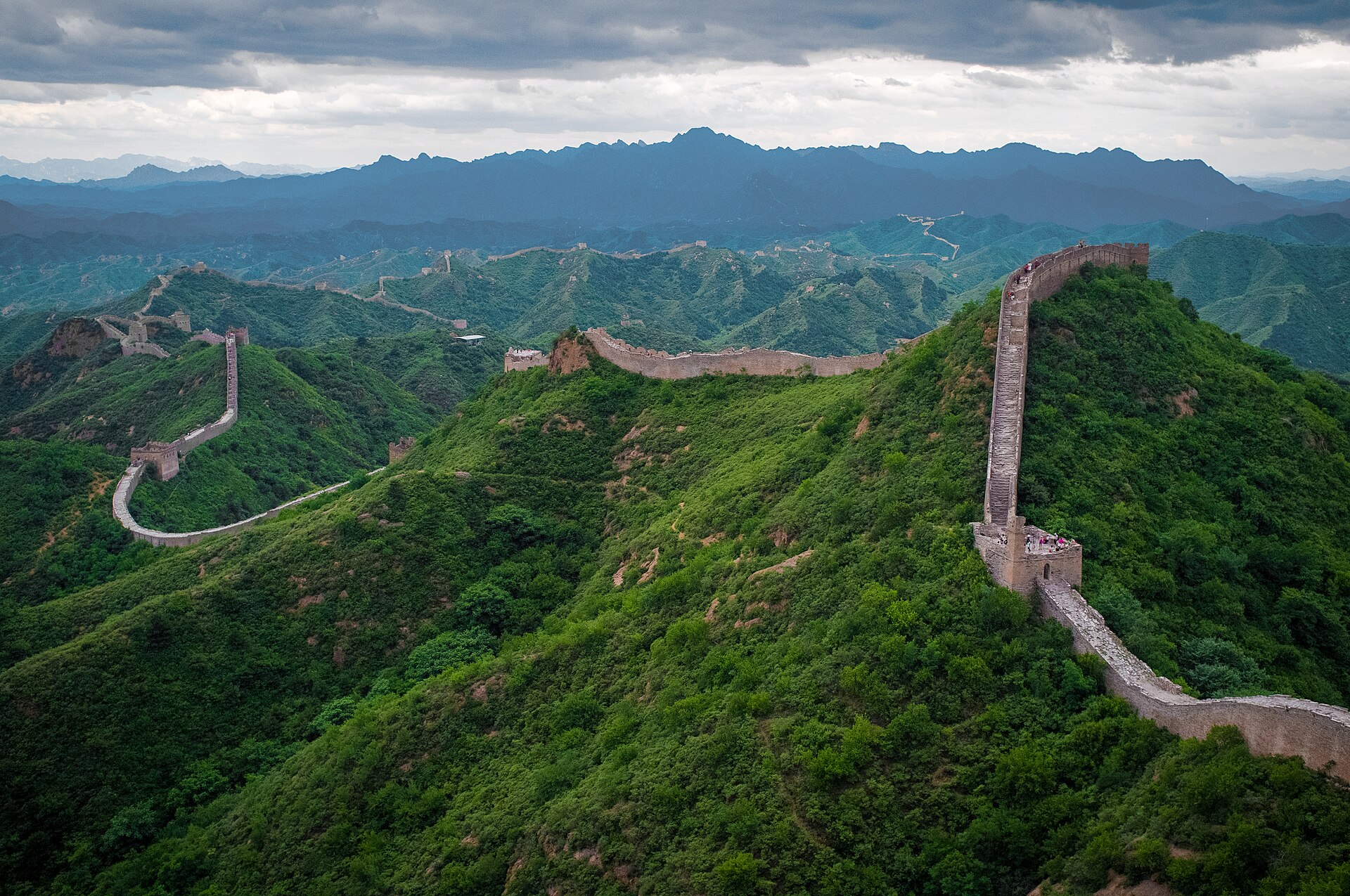
Country guide
China covers 9.6 million km², third largest of any country, and holds more than 1.4 billion people — about 17 per cent of everyone alive. It is divided into 33...
Photograph · Severin.stalder · CC BY-SA 3.0
Reviewed by Elena Voss · Roavina Travel Editor
China covers 9.6 million km², third largest of any country, and holds more than 1.4 billion people — about 17 per cent of everyone alive. It is divided into 33 province-level divisions, two of them special administrative regions.
Beijing is the capital; Shanghai is the most populous city by urban area. Between them the land runs from the Central Plain and the Yangtze and Yellow rivers out to desert, plateau, subtropical and temperate forest, and the Himalayas in the southwest. The first decision a visitor makes here is therefore not which sight to see but which climate to travel in.
Checked 2026-08-25
Every city catalogued in this country so far, ranked by how much there is to see.
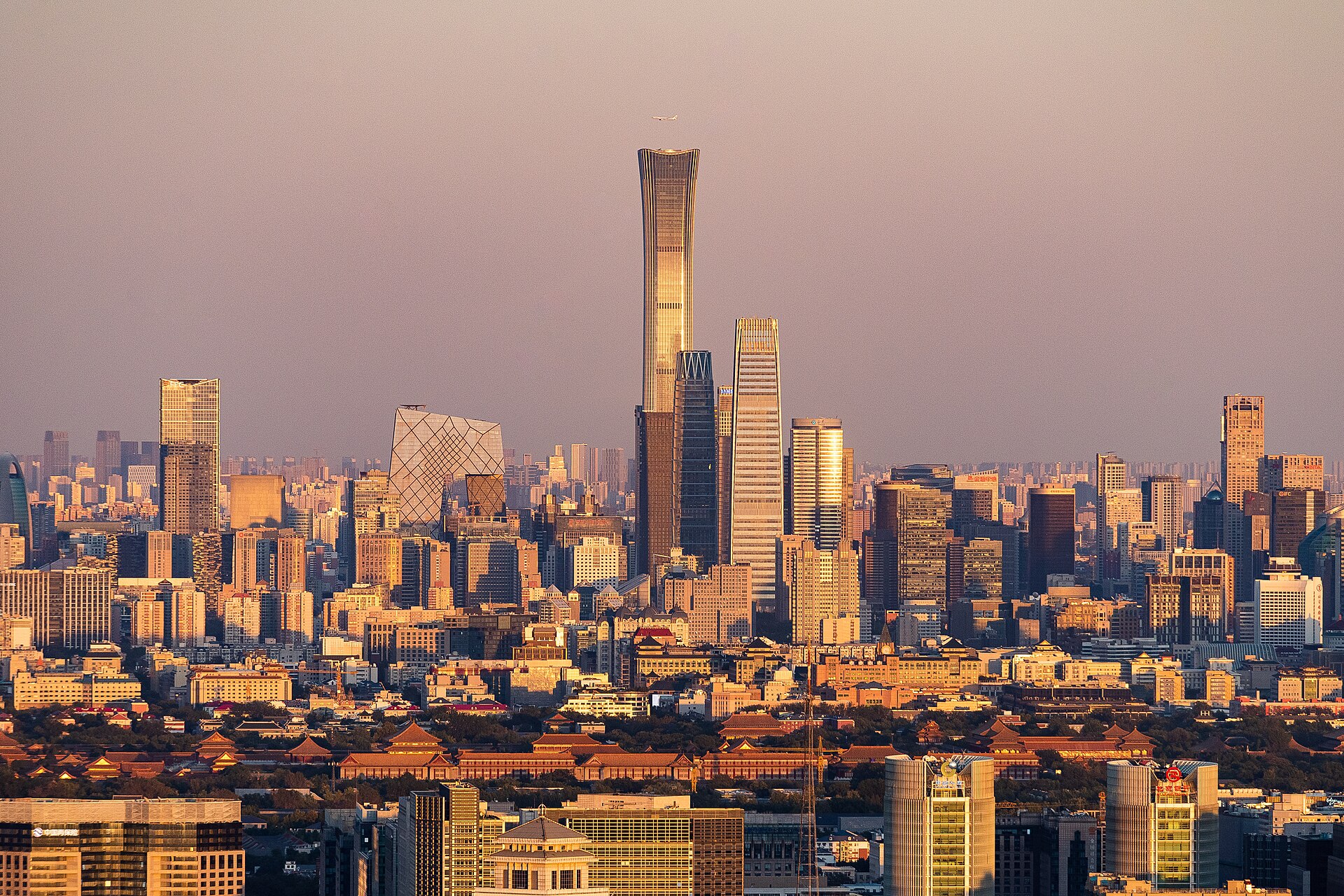
Photograph · N509FZ · CC BY-SA 4.0
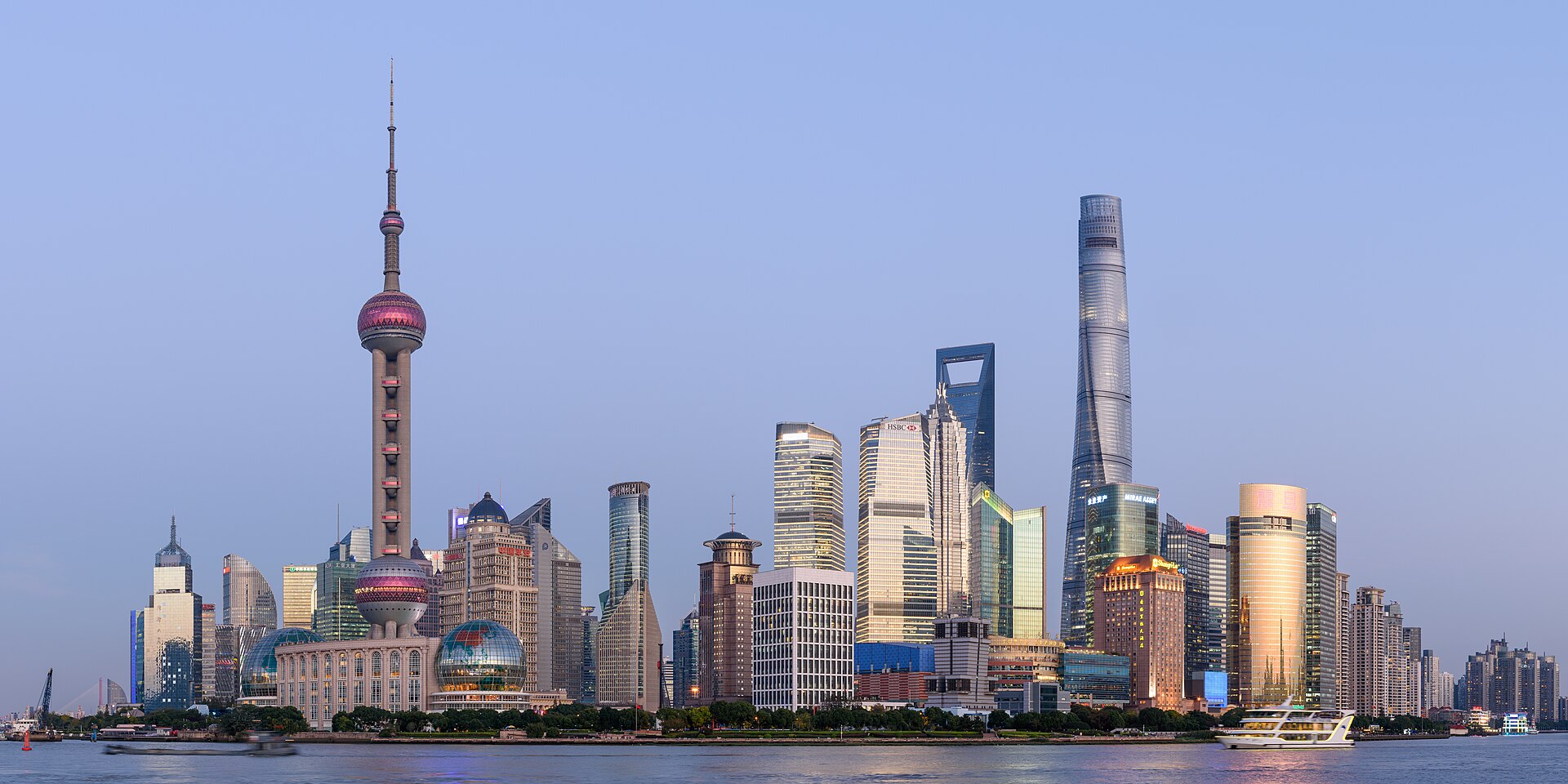
Photograph · King of Hearts · CC BY-SA 4.0
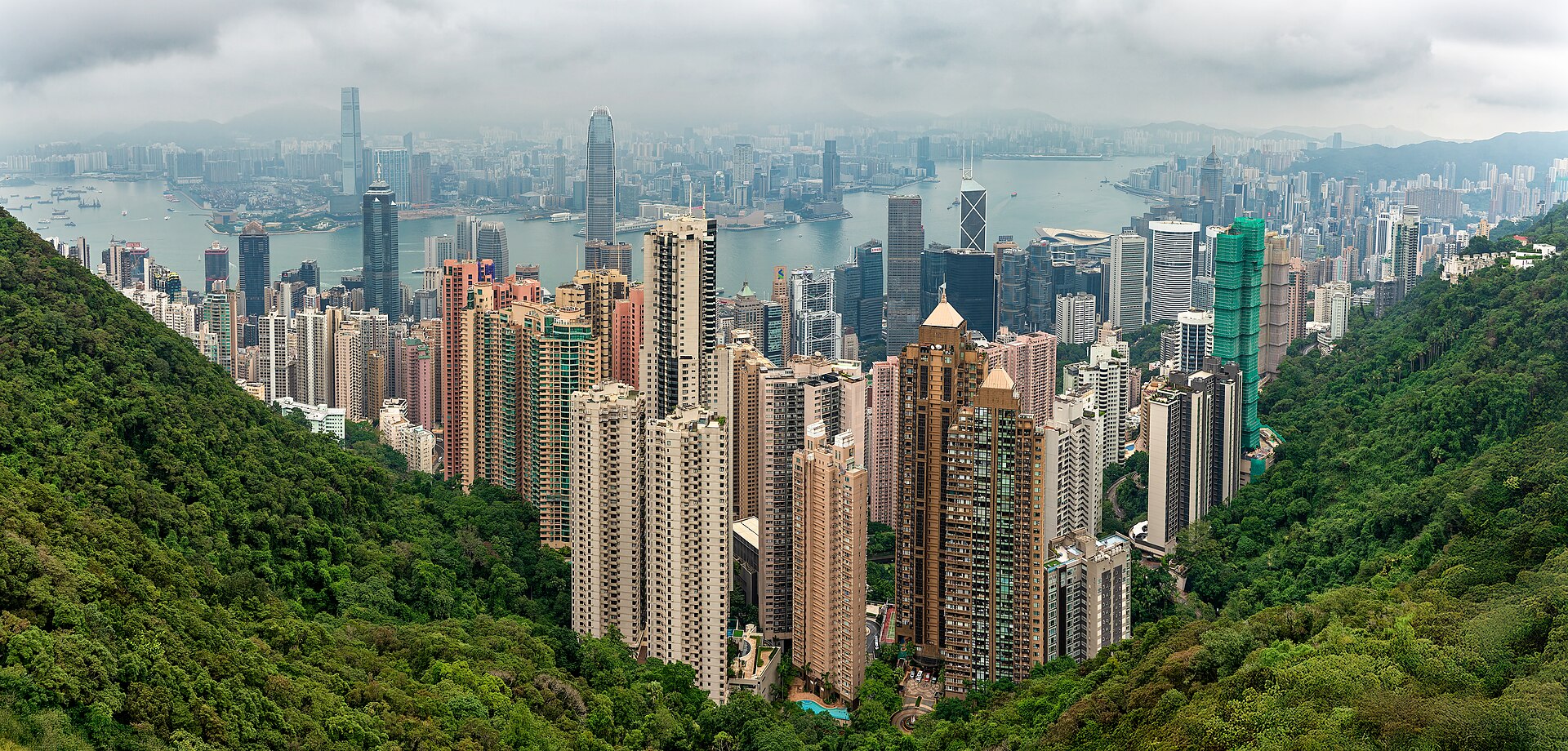
Photograph · Mustang Joe · CC0
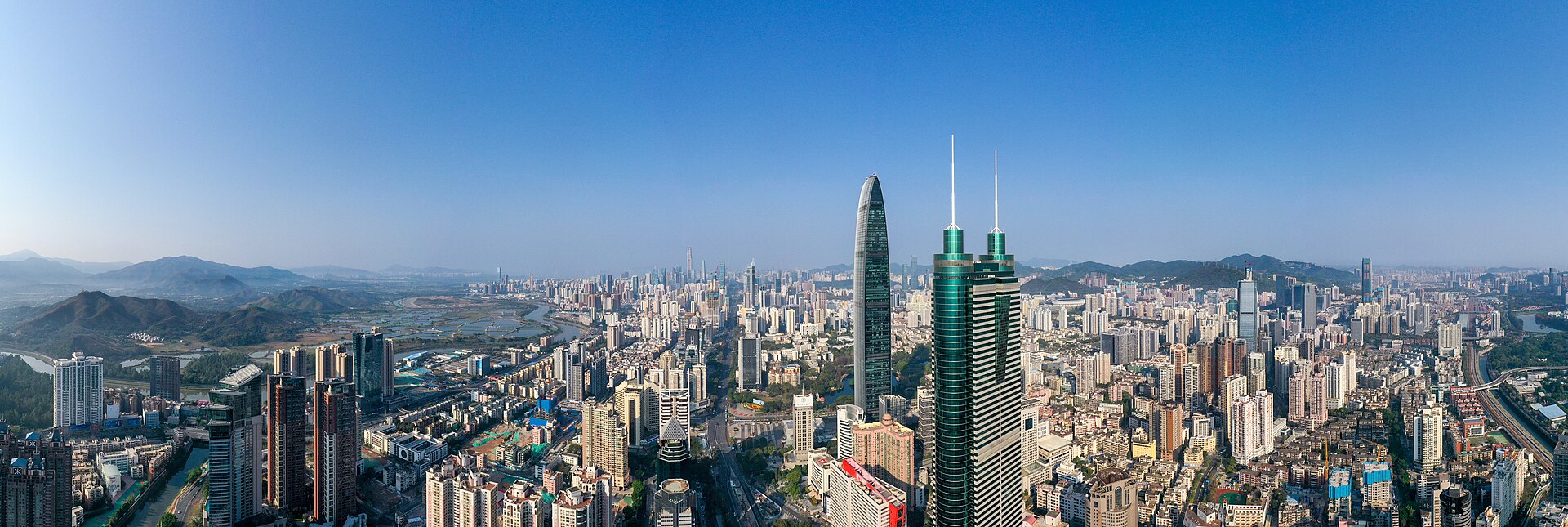
Photograph · Charlie fong · CC BY-SA 4.0
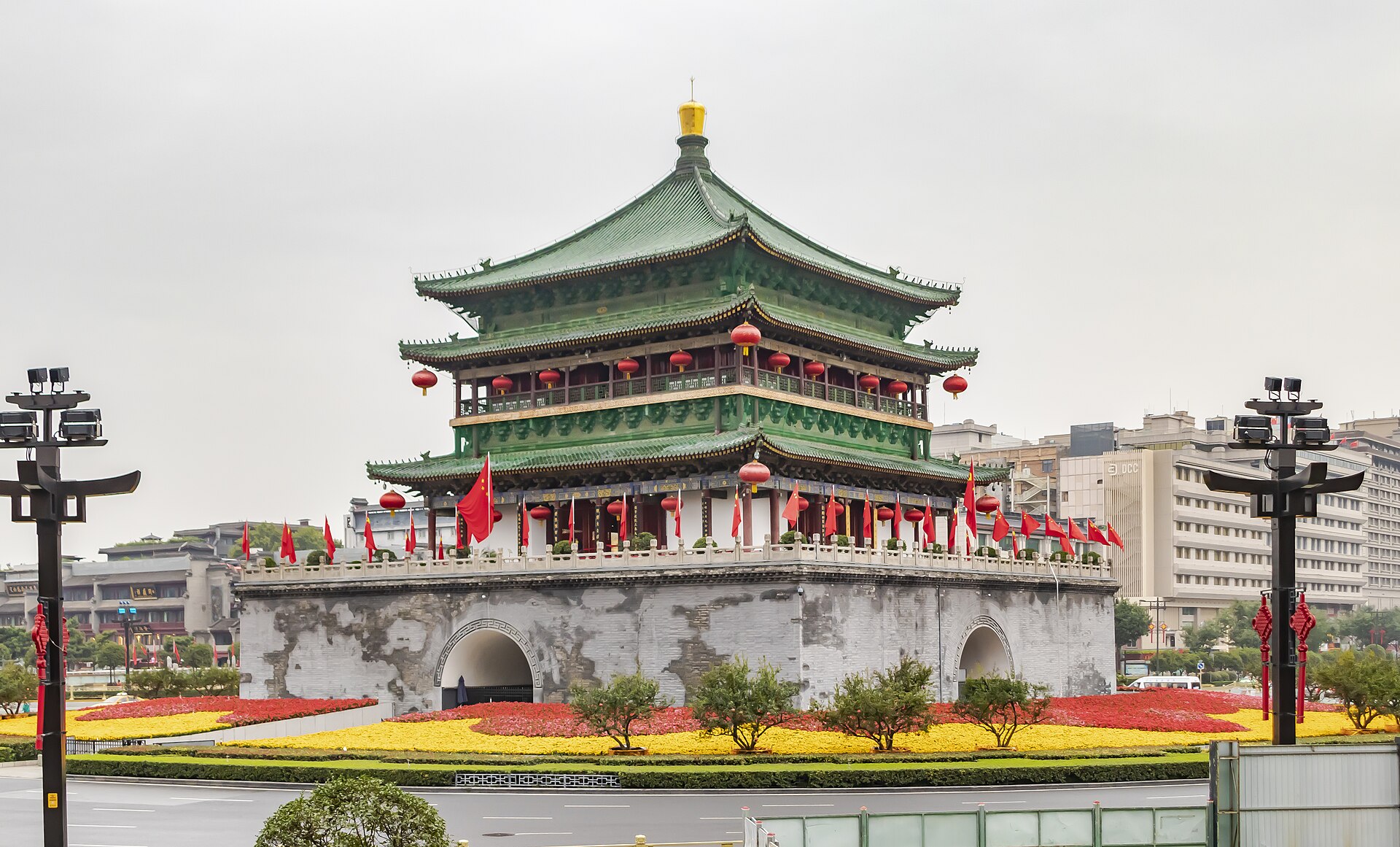
Photograph · ScareCriterion12 · CC BY-SA 4.0
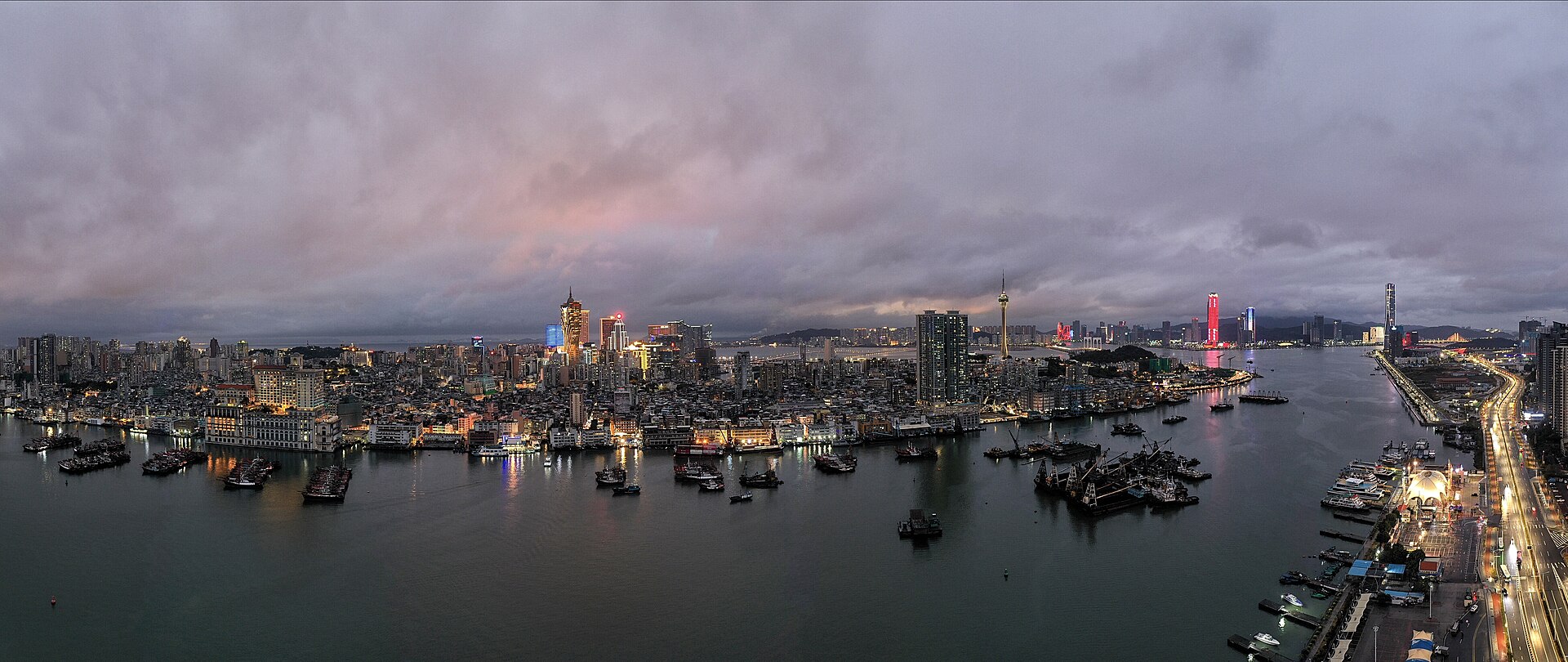
Photograph · Charlie fong · CC BY-SA 4.0
Seasonal closures come from recorded opening hours.
Ranked by importance — sitelinks, pageviews and heritage status, not editor preference.
417 places match
Category
Typical visit duration
The Mei Lanfang Memorial Museum is a cultural memorial site in Beijing dedicated to Mei Lanfang, the celebrated Peking opera artist renowned for his dan roles.
Yongyang Park is a public green space in Xi'an, a city historically known as Chang'an and recognised for its long imperial and cultural history.
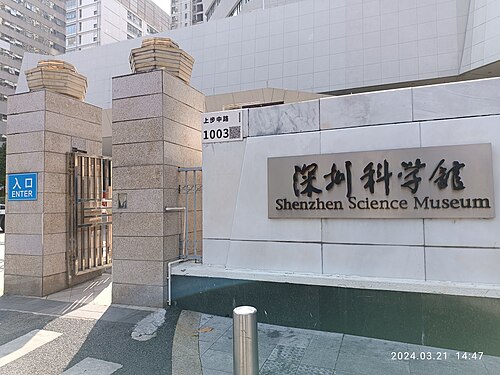
Shenzhen Science Museum, known locally as 深圳科学馆, is a science education venue in Shenzhen. It belongs to the city’s cultural and educational landscape and reflects Shenzhen’s strong connection with technology and scientific learning.
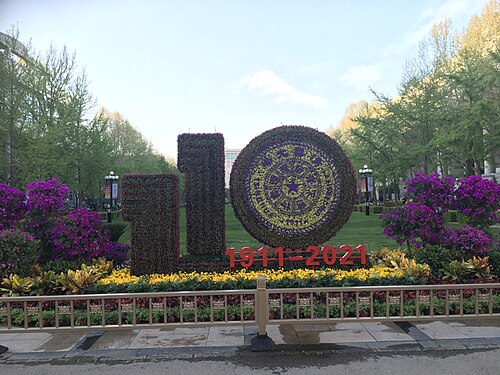
Tsinghua University Campus is a major higher education institution in Beijing, China.
Wangshun Mountain National Forest Park is a protected mountain destination near Xi'an, known locally as 王顺山国家森林公园. It forms part of the Qinling landscape in southern Shaanxi and suits travelers seeking forest, mountain air, changing vegetation, and outdoor recreation.
Rose Coast, also known locally as 玫瑰海岸, is a coastal scenic destination in Shenzhen. The experience centers on shoreline scenery and landscaped outdoor spaces, offering a change from the city’s towers and commercial streets.
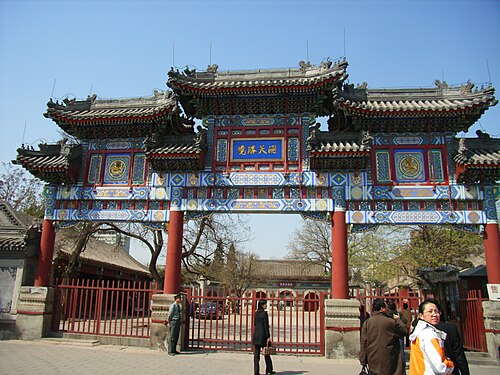
White Cloud Temple, or Baiyun Guan, is Beijing's principal Taoist monastery, an ancestral centre of the Quanzhen tradition and headquarters of the China Taoist Association.
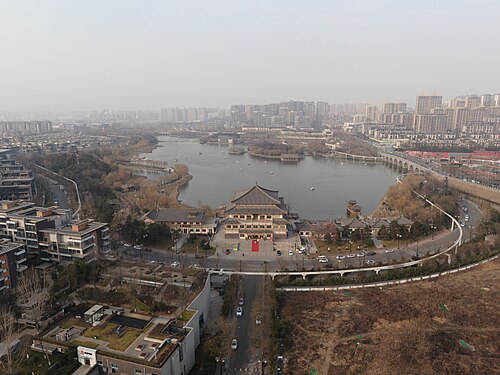
Qin Ershi Mausoleum Heritage Park preserves the burial site of Qin Er Shi, the second emperor of the Qin dynasty. The site offers a focused encounter with the later chapter of the dynasty that unified China.
Qinling Four Treasures Science Park is a wildlife and conservation-focused attraction in the Xi'an area. Its name refers to four characteristic Qinling species: the giant panda, golden snub-nosed monkey, takin, and crested ibis.
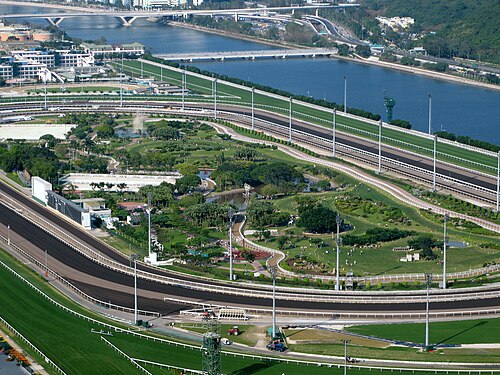
彭福公園 Penfold Park
Penfold Park is a landscaped public park in the infield of Sha Tin Racecourse. The Hong Kong Jockey Club built the park, has managed it since it opened to the public in 1979, and now publishes its access calendar.
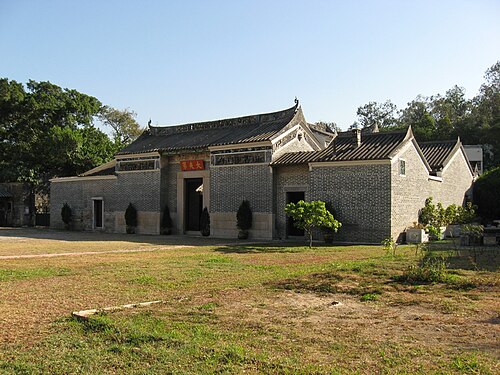
大夫第 Tai Fu Tai
麗都灣泳灘 Lido Beach
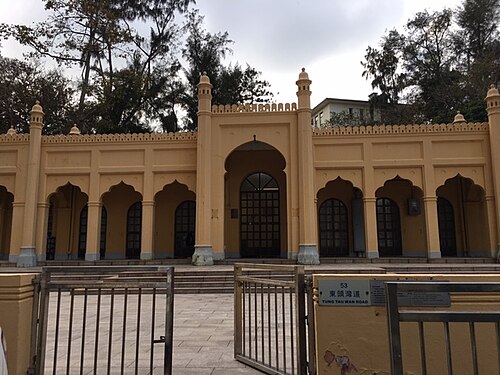
赤柱清真寺 Stanley Mosque
下長沙泳灘 Lower Cheung Sha Beach
青山灣泳灘 Castle Peak Beach
近水灣泳灘 Approach Beach
高山道公園 Ko Shan Road Park
愛秩序灣公園 Aldrich Bay Park
坳背灣 Au Pui Wan
海濱道公園 Hoi Bun Road Park
Hoi Bun Road Park is a 9,300-square-metre public open space on Hoi Bun Road in Kwun Tong. The original park was built in 1990 mainly for people working in the surrounding area.
藍田公園 Lam Tin Park
南京博物院
元朗劇院 Yuen Long Theatre
港澳客運碼頭 Hong Kong-Macau Ferry Terminal
梅艷芳脽像 Anita Mui Statue
Twelve to eighteen days can link Beijing, Xi'an, and Shanghai by high-speed rail, with Shenzhen as a southern extension. Hong Kong and Macao need separate border planning and should not be treated as ordinary domestic stops on the same timetable.
Entry rules differ between mainland China, Hong Kong, and Macao, even within one journey. Check the official immigration authority for every border segment and match the permission to the passport, purpose, and exact itinerary.
High-speed rail and domestic flights cover mainland distances, while metros handle most urban journeys. Hong Kong uses Octopus and separate border controls, and Macao has its own formalities, so prepare payment and identity requirements for each jurisdiction.
April to May and September to October are only broad mainland planning windows. Beijing, Shanghai, the south, Hong Kong, and Macao have different heat, rain, and holiday pressures; the least flexible regional leg should set the dates.
Mainland China uses renminbi (CNY), while Hong Kong and Macao use HKD and MOP. Payment systems and card acceptance differ across those jurisdictions, so prepare the appropriate local method before crossing each border.
On the mainland, save 110 for police and 120 for medical help; Hong Kong and Macao use separate emergency systems. Mainland electricity is recorded as 220 V with Type A, C, and I sockets, while tap-water guidance is not recorded.