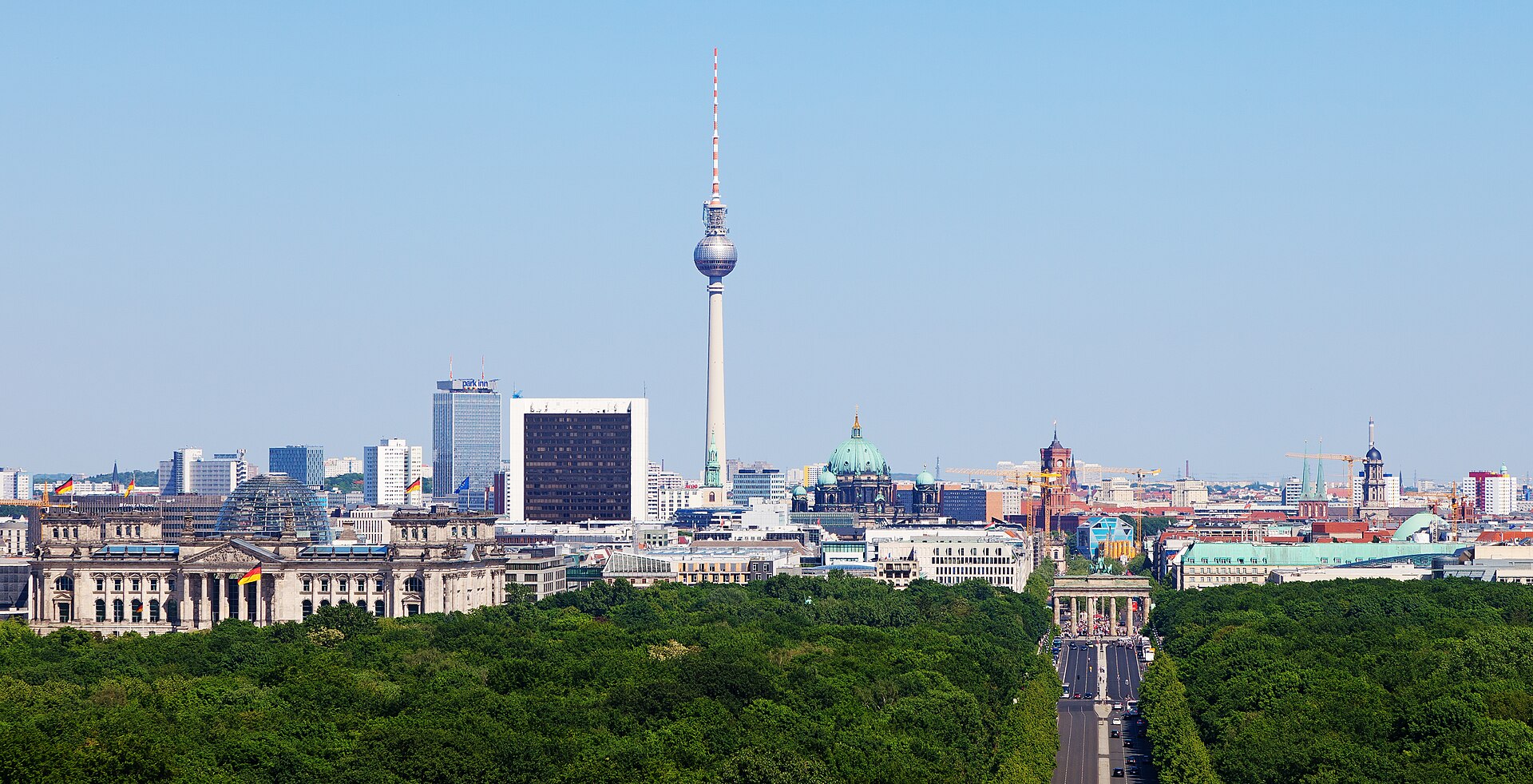
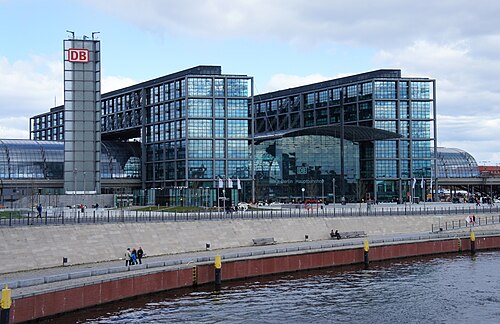
Berlin Central Station
Berlin Hauptbahnhof
Berlin Central Station, known locally as Berlin Hauptbahnhof, is the city’s principal railway hub and one of Berlin’s most striking modern buildings.
- Must see
- Historic site
City guide · Germany
Berlin is polycentric and much larger than its central monument cluster suggests. Mitte contains Museum Island, the Brandenburg Gate and the government district...
Photograph · Thomas Wolf, www.foto-tw.de · CC BY-SA 3.0
Set your days, your pace and the hours you actually want to be out. The planner works around closing days and travel time, and leaves room to eat.
Editorial responsibility: Elena Voss · Roavina Travel Editor
Berlin is polycentric and much larger than its central monument cluster suggests. Mitte contains Museum Island, the Brandenburg Gate and the government district; Charlottenburg forms a western centre around its palace and shopping streets; Kreuzberg, Friedrichshain and Neukolln extend south and east. Major Cold War sites, parks and museums are dispersed, so a useful itinerary follows districts and rail corridors.
Checked 2026-08-26
November · November averages 5°C in Berlin with only two daily sunshine hours and 49 mm of precipitation.
Ranked by importance — sitelinks, pageviews and heritage status, not editor preference.
113 places match
Category
Typical visit duration
Good for
Interests
Berlin Hauptbahnhof
Berlin Central Station, known locally as Berlin Hauptbahnhof, is the city’s principal railway hub and one of Berlin’s most striking modern buildings.
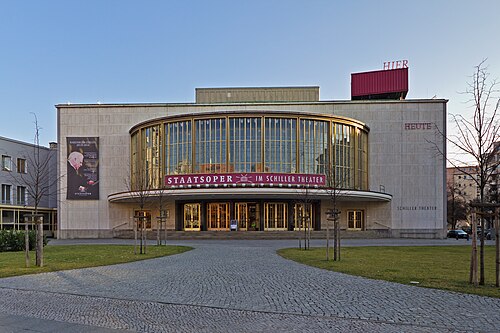
Schillertheater
Schiller Theater is a major performing-arts venue in Berlin named after Friedrich Schiller, the German playwright and poet.
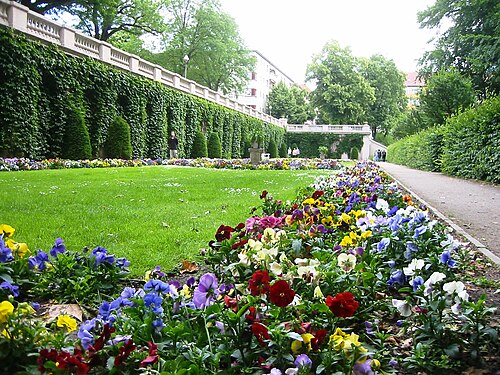
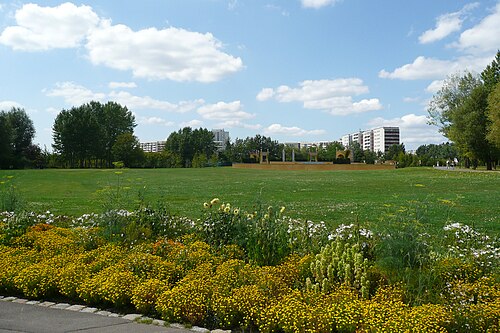
Körnerpark is a formal public park in Berlin, designed around symmetry, axial views, clipped greenery, lawns, paths, and architectural framing. It feels more like a composed garden room than a stretch of untamed urban nature.
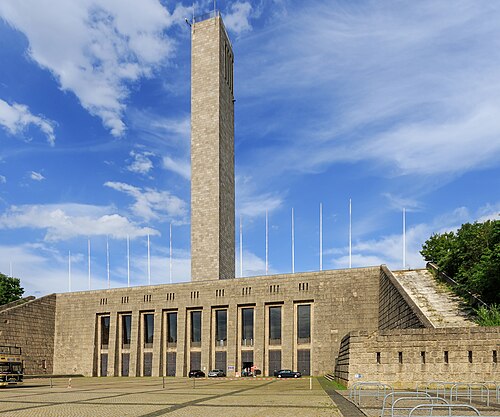
Olympia-Glockenturm
The Bell Tower of Berlin Olympic Stadium, known locally as Olympia-Glockenturm, is a landmark within the Olympic grounds in western Berlin. It stands beside the Olympiastadion and is connected with the architectural and sporting history of the 1936 Summer Olympics.
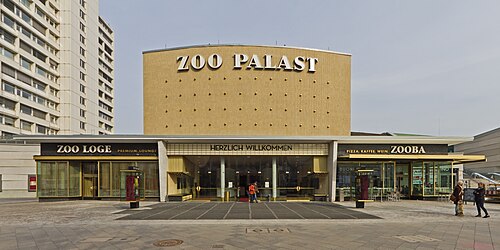
Zoo Palast is a historic cinema in Berlin’s Charlottenburg district, close to the Zoologischer Garten area. The venue belongs to Berlin’s long film-going tradition and is associated with screenings and premieres.
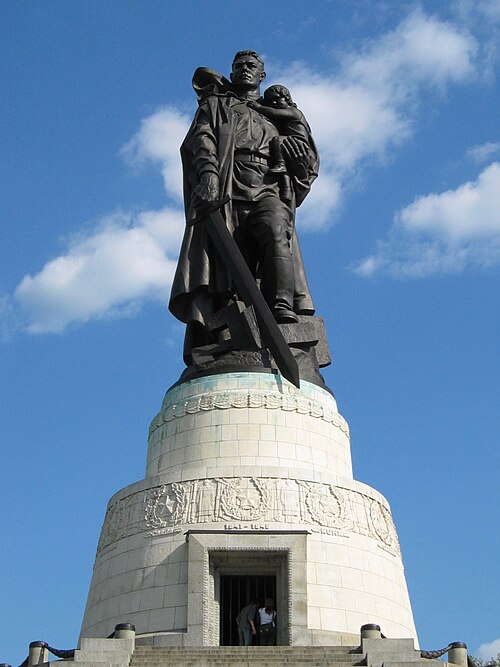
Sowjetisches Ehrenmal
The Soviet War Memorial in Berlin is a monumental commemorative site erected by the Soviet Union to honor Red Army soldiers who fell in the Battle of Berlin in 1945.
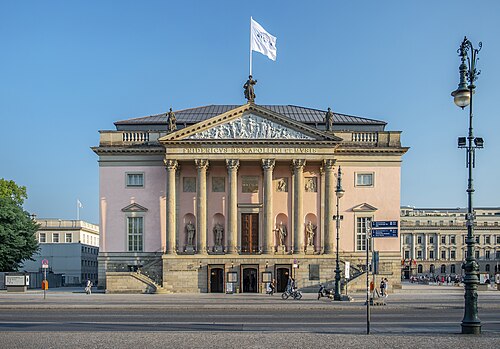
Staatsoper Unter den Linden
Berlin State Opera, locally called Staatsoper Unter den Linden, is a working opera and ballet house on Berlin’s Unter den Linden boulevard.
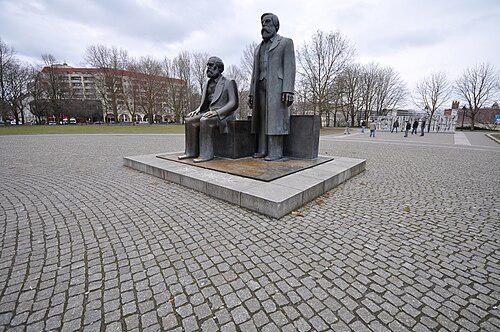
Marx-Engels-Forum
Marx-Engels Forum is an open-air park and memorial ensemble in central Berlin’s Mitte district, beside the Spree River. The site commemorates Karl Marx and Friedrich Engels, whose writings shaped socialist and communist movements around the world.
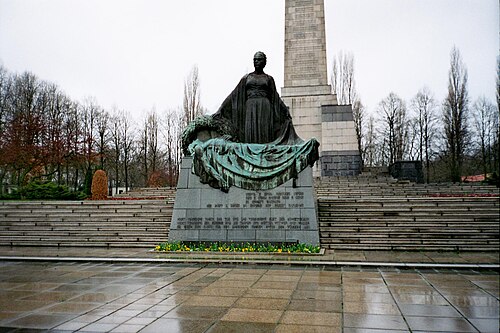
Sowjetisches Ehrenmal Schönholzer Heide
The Soviet War Memorial Schönholzer Heide is a monumental cemetery and memorial complex in Berlin’s Pankow district. It commemorates Soviet soldiers who died during the Battle of Berlin in 1945.
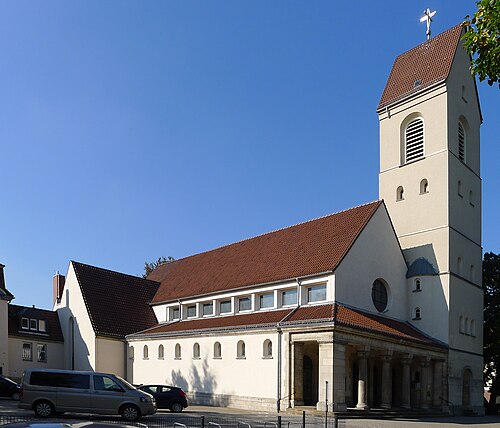
Mater Dolorosa is a Catholic church in Berlin, named for the Latin title meaning “Sorrowful Mother,” a reference to the Virgin Mary’s grief.
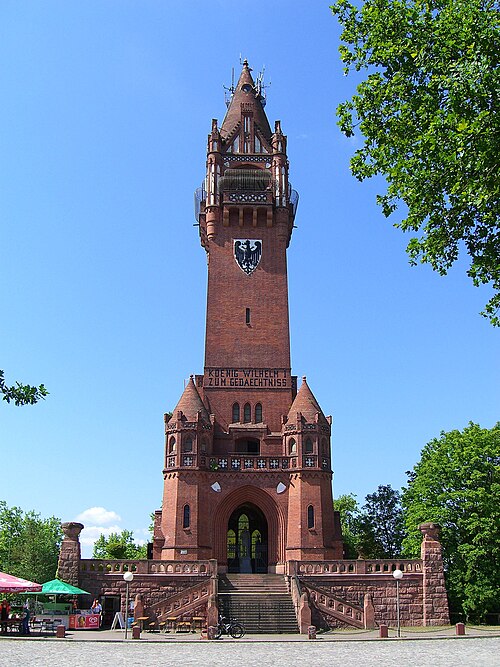
Grunewaldturm
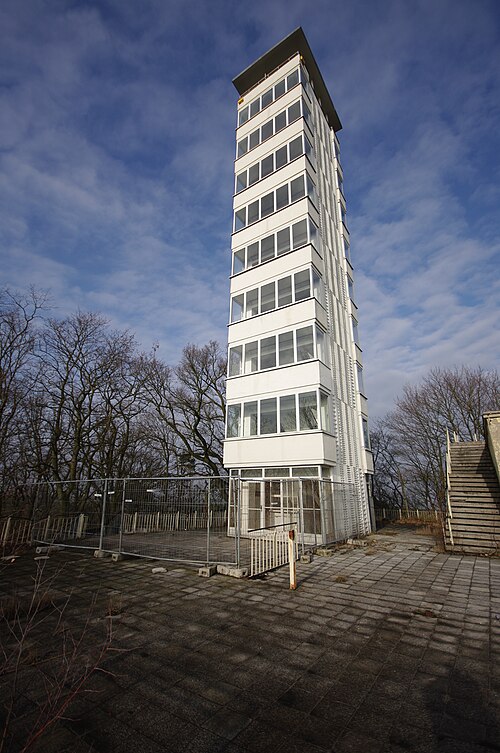
Grunewald Tower, known locally as Grunewaldturm, stands as a historic observation structure within Berlin's expansive Grunewald forest area. The tower offers elevated vantage points over surrounding woodland and nearby waterways.
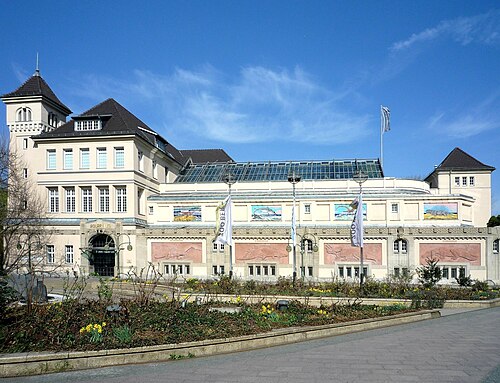
Aquarium Berlin is a zoological aquarium located in Berlin, Germany. It operates in conjunction with the adjacent Berlin Zoological Garden, forming one of the most comprehensive combined zoo and aquarium facilities in Europe.
Gärten der Welt
Gardens of the World, known in German as Gärten der Welt, is a landscaped park in Berlin’s Marzahn-Hellersdorf district.
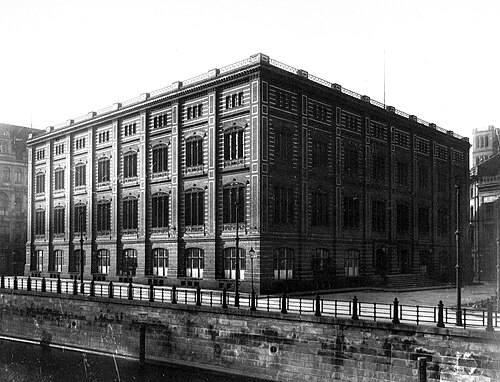
Bauakademie is a historic Berlin site associated with architectural education and Prussian building administration. The original nineteenth-century building became an important institution for architects and engineers, but it was badly damaged during the Second World War and later demolished.
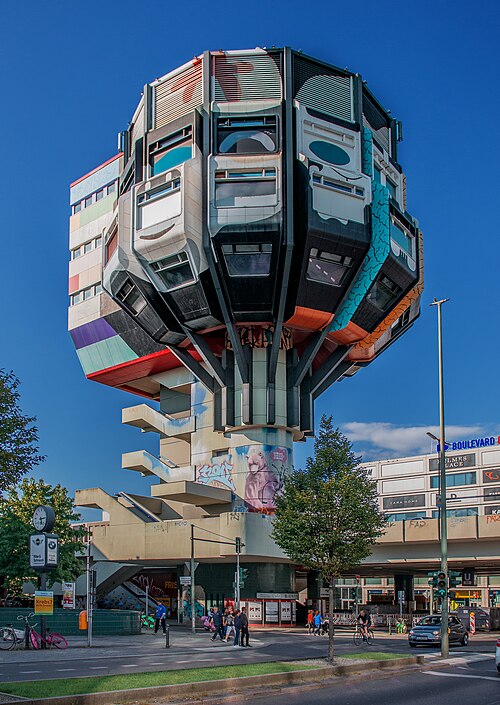
Bierpinsel is a distinctive tower structure in Berlin, Germany. The building features an unusual architectural design that has made it a recognizable landmark in the city's urban landscape.
Zionskirche
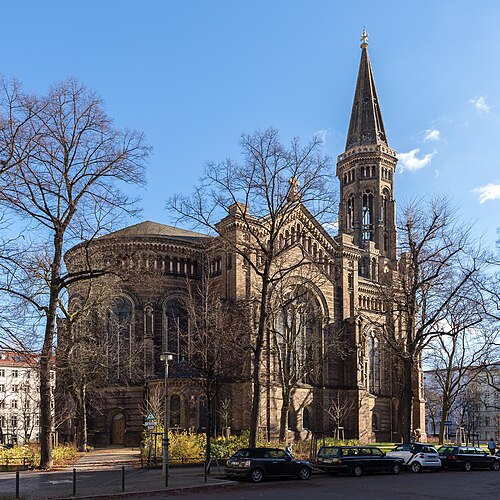
Zion Church, known locally as Zionskirche, is a historic Protestant church in Berlin. The building stands as a significant landmark within the city's urban fabric, reflecting 19th-century ecclesiastical architecture.
Müggelturm
Müggel-Tower, or Müggelturm, is an observation tower in Berlin’s southeastern Köpenick district. The tower stands in the Müggelberge hills above a landscape of forest, lakes, and the broad waters of Müggelsee, Berlin’s largest lake.
Kino in der Kulturbrauerei
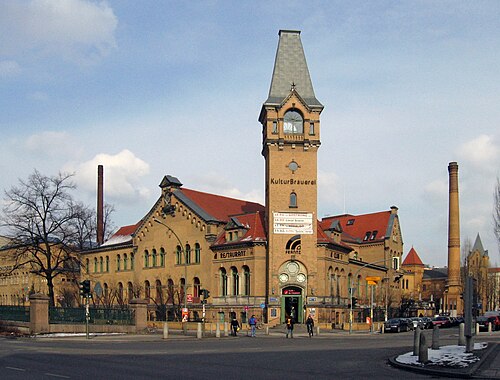
Kulturbrauerei is a cultural complex in Prenzlauer Berg, set within a former brewery whose brick buildings and courtyards retain a strong industrial character. Today, the site brings together cinema, performance spaces, event venues, and cultural organisations.
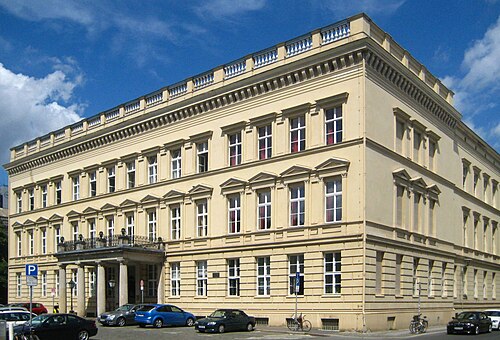
Palais am Festungsgraben is a historic palace building on Unter den Linden in central Berlin. Its name refers to the Festungsgraben, the former moat associated with Berlin’s defensive walls.
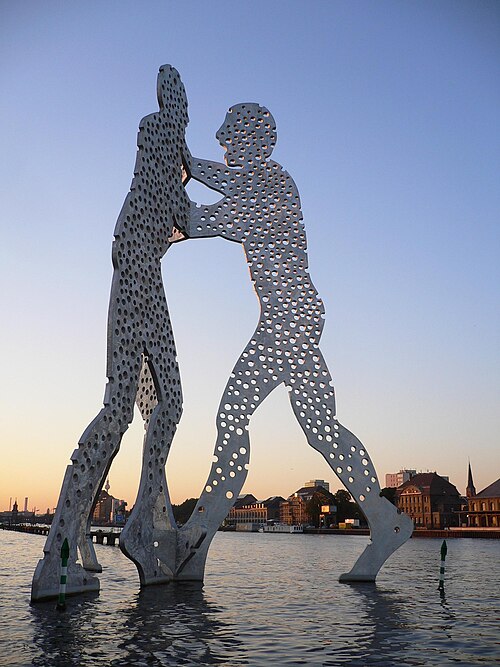
Molecule Man is a monumental aluminium sculpture standing in the Spree between Treptow and Kreuzberg. American artist Jonathan Borofsky created the work, which consists of three intersecting human figures about thirty metres tall.
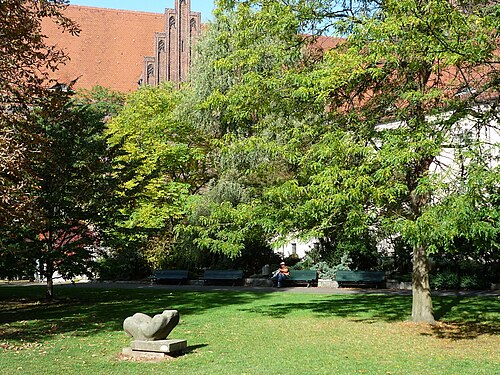
Köllnischer Park is a public green space in Berlin’s Mitte district, close to the Spree and the historic Nikolai quarter. It occupies land associated with the former settlement of Cölln, which later joined Berlin.
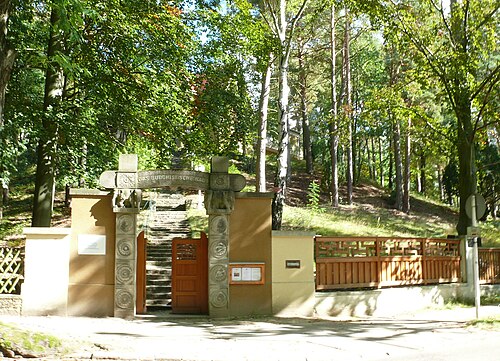
Das Buddhistische Haus is a Buddhist temple complex in Frohnau, northern Berlin. Founded in the early twentieth century, it is regarded as one of Europe’s oldest Buddhist institutions.
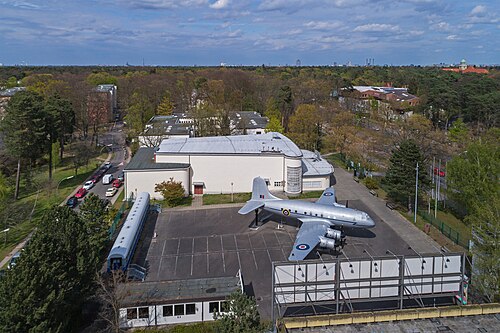
Alliierten-Museum
The Allied Museum in Dahlem presents the history of the Western powers in Berlin from 1945 to 1994.
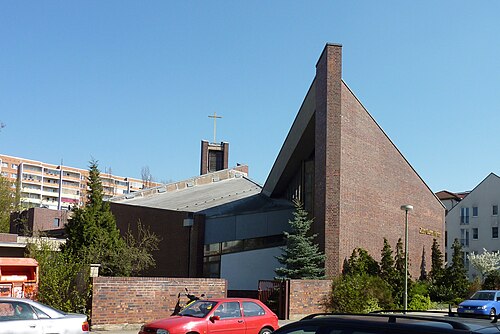
Zum Guten Hirten
Kirche Zum Guten Hirten, or Church of the Good Shepherd, is a church in Berlin.
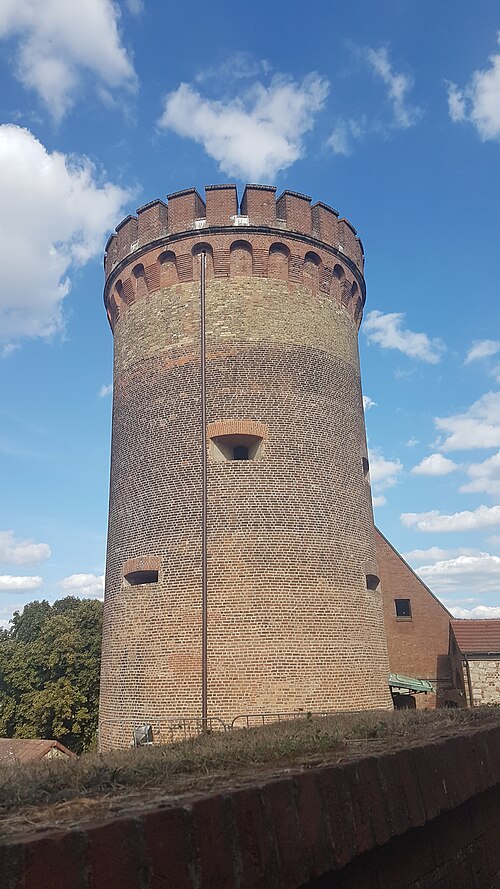
Juliusturm is a historic tower within the Zitadelle Spandau, Berlin’s major fortress complex in the Spandau district. The citadel is one of Europe’s best-preserved Renaissance fortresses, while the tower represents an older medieval element incorporated into the later defensive works.
Mitte is the main first-visit anchor, stretching from Alexanderplatz and Museum Island west toward Unter den Linden, Brandenburg Gate and Tiergarten. Kreuzberg lies south, Friedrichshain east, and Charlottenburg forms a separate western centre. The S-Bahn Ring is a useful boundary for the inner city, but important sites also sit beyond it. Avoid combining opposite outer districts in the same half-day.
Checked 2026-08-26
Use S-Bahn and U-Bahn trains for long movements, with trams and buses filling gaps between rail corridors. Berlin uses fare zones A, B and C; the airport and nearby Potsdam are in zone C. Tickets are valid across participating modes within the purchased zones, but paper or app tickets must meet the stated activation rules. Walk once you reach a district cluster.
Checked 2026-08-26
Suggested stay for a first visit: 3–4 days. Plan by district: Mitte, a western cluster, an eastern or southern neighbourhood, and any specialised museum or outer site that matters to you.
Mitte contains many headline sights, but Berlin is polycentric. Charlottenburg, Kreuzberg, Friedrichshain and outer memorial or palace sites require separate rail journeys.
Use S-Bahn and U-Bahn for cross-city travel, then trams, buses or walking within districts. One zonal ticket can cover participating modes for the chosen validity area.
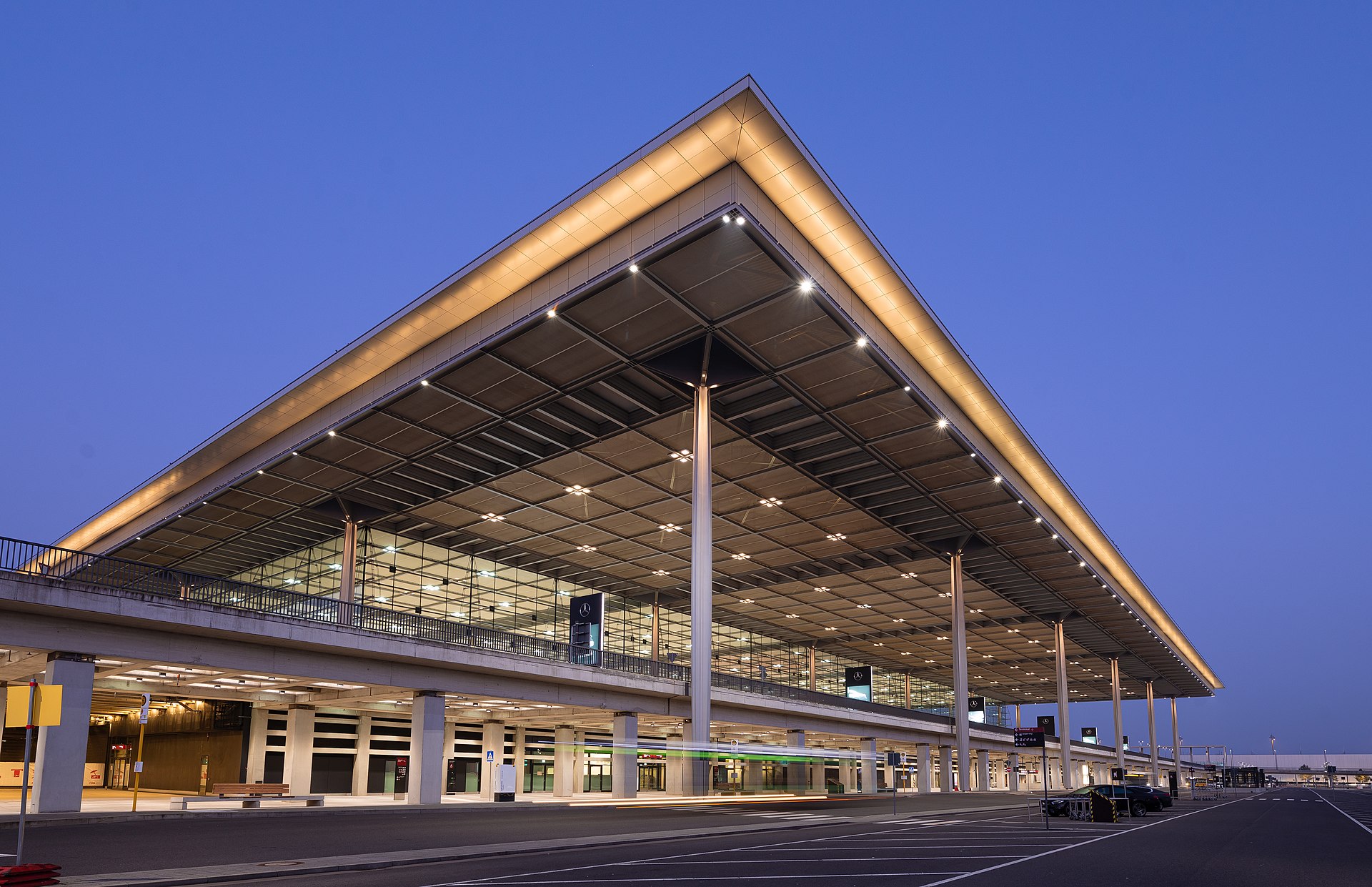
Berlin Brandenburg Airport is in zone C. A journey between the airport and the central city therefore needs a ticket whose zones include C as well as the destination area.
Treat Potsdam as a separate excursion. It lies outside Berlin's central districts and in fare zone C, so it needs dedicated travel time and the correct ticket coverage.