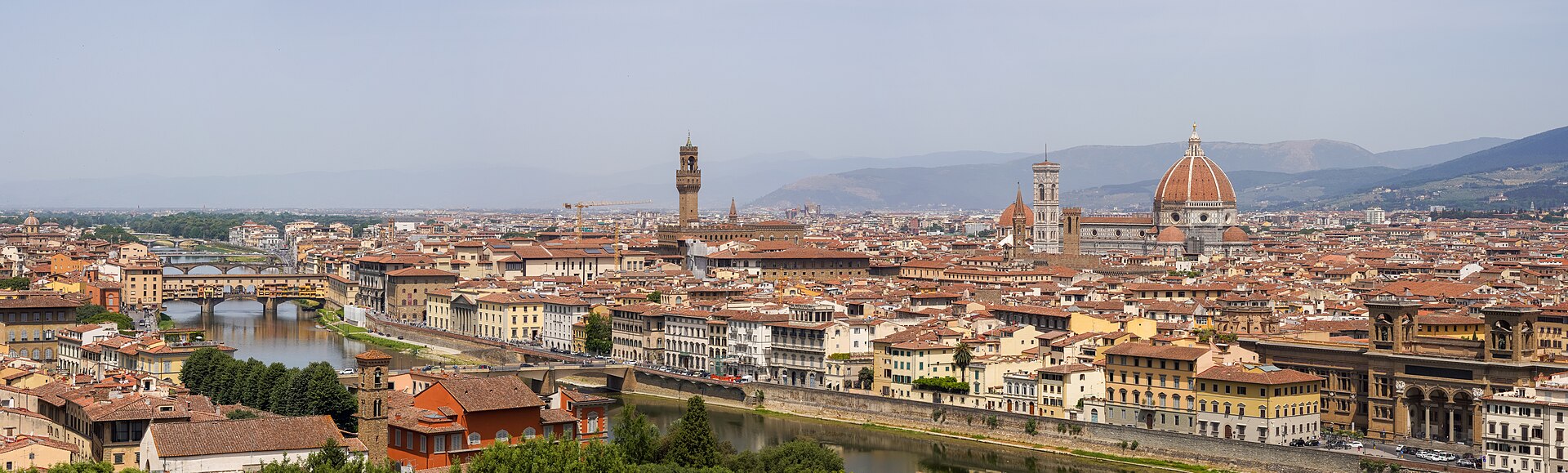
A photograph of Florence

City guide · Italy

Museums, 1 to 2 hours in Florence, Italy — page 3

Florence has a compact, largely pedestrian historic centre on both sides of the Arno. The Duomo, Piazza della Signoria, Uffizi and Santa Croce form the main nor...

Photograph · Wikibusters · CC BY-SA 4.0

3,075 Places
Suggested stay
Not recorded
Getting around
Walking, tram and bus

Turn this list into a plan

Set your days, your pace and the hours you actually want to be out. The planner works around closing days and travel time, and leaves room to eat.

Plan Florence

Reviewed by Elena Voss · Roavina Travel Editor

Florence has a compact, largely pedestrian historic centre on both sides of the Arno. The Duomo, Piazza della Signoria, Uffizi and Santa Croce form the main north-bank cluster; the Oltrarno begins across the river around Santo Spirito and Palazzo Pitti. Santa Maria Novella station lies northwest of the centre, while hilltop viewpoints and Fiesole require a separate climb or transport leg.

Checked 2026-08-26

Practical information

Language spoken
Italian
National practical orientation; regional and minority languages may also be used
Dialling code
+39
International calling code; local area and mobile prefixes still apply
Currency
Euro (EUR)
Use the official local currency; card acceptance varies by place
Emergency number
112
Use only for an emergency; tourist assistance may use a separate number
Plug type
Type C, F and L · 230 V
Check that chargers support the recorded voltage before using an adapter
Tap water
Not recorded
No verified nationwide visitor statement was recorded

Planning a visit

September · September balances a 26.7°C mean high and 14.4°C mean low in Florence with 79.6 mm of normal rain across 6.2 rain days.

  1. January: viable with meaningful trade-offs
  2. February: good time to visit
  3. March: good time to visit
  4. April: good time to visit
  5. May: best time to visit
  6. June: best time to visit
  7. July: viable with meaningful trade-offs
  8. August: viable with meaningful trade-offs
  9. September: best time to visit — current month
  10. October: good time to visit
  11. November: viable with meaningful trade-offs
  12. December: viable with meaningful trade-offs

Sources

Top things to see

Ranked by importance — sitelinks, pageviews and heritage status, not editor preference.

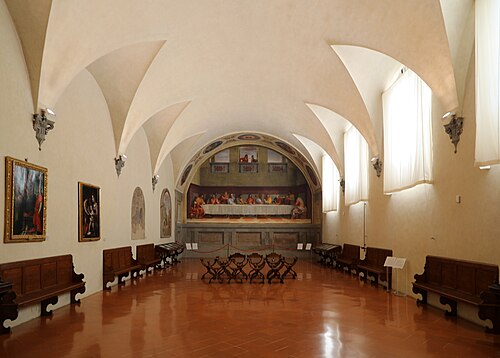
  1. Museum of the Last Supper of Andrea del Sarto Museum of the Last Supper of Andrea del Sarto
    32 1 hr 30 min

    Museum of the Last Supper of Andrea del Sarto

    Cenacolo Andrea del Sarto

    The Museum of the Last Supper of Andrea del Sarto, also called Cenacolo Andrea del Sarto, presents Andrea del Sarto’s Last Supper fresco in Florence.

    • Must see
    • Museum
  2. National Archaeological Museum National Archaeological Museum
    33 1 hr 30 min

    National Archaeological Museum

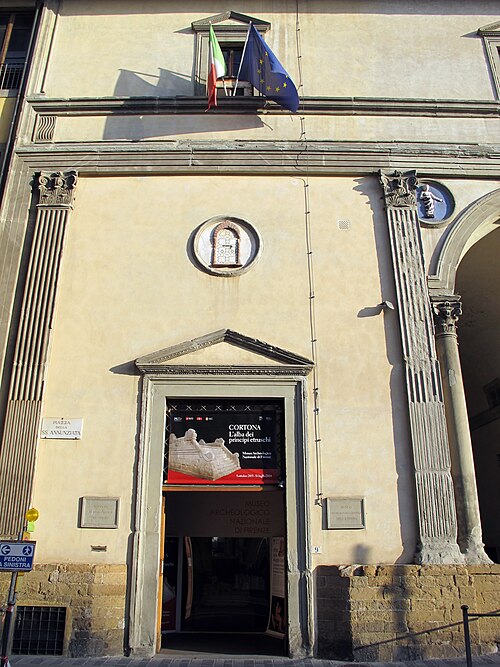
    Museo Archeologico Nazionale di Firenze

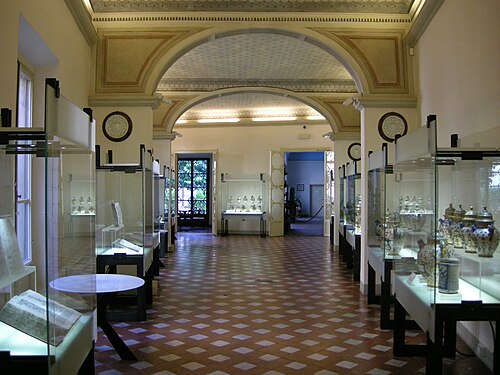
    The National Archaeological Museum of Florence, locally known as Museo Archeologico Nazionale di Firenze, stands as one of Italy's principal archaeological institutions. Housed in the Palazzo della Crocetta, the museum preserves extensive collections spanning Etruscan, Roman, Greek, and Egyptian civilizations.

    • Must see
    • Museum
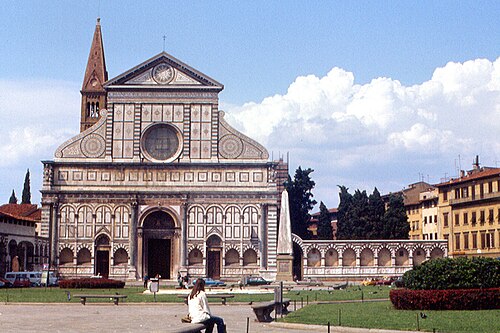
  3. Officina di Santa Maria Novella Officina di Santa Maria Novella
    34 1 hr 30 min

    Officina di Santa Maria Novella

    Museo dell'Officina Profumo - Farmaceutica di Santa Maria Novella

    Officina di Santa Maria Novella is a historic pharmacy and perfume workshop near Florence’s Santa Maria Novella church complex. Its story is connected with Dominican friars and traditional apothecary practice.

    • High
    • Museum
  4. Pazzi Chapel Pazzi Chapel
    35 1 hr 30 min

    Pazzi Chapel

    Cappella de' Pazzi

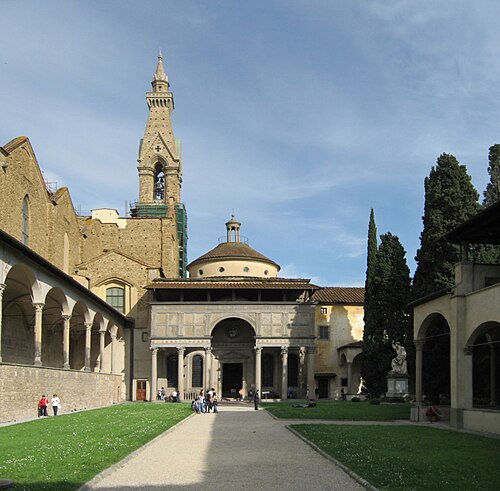
    The Pazzi Chapel, locally known as Cappella de' Pazzi, stands as a significant Renaissance religious structure in Florence. Commissioned by the Pazzi family, prominent Florentine bankers, this chapel represents a key architectural work of the early Renaissance period.

    • High
    • Museum
  5. Salvatore Romano Foundation Salvatore Romano Foundation
    36 1 hr 30 min

    Salvatore Romano Foundation

    Fondazione Salvatore Romano

    The Salvatore Romano Foundation is a Florence museum devoted to the art collection assembled by Salvatore Romano. It offers a smaller-scale experience within the city’s exceptionally rich museum landscape.

    • High
    • Museum
  6. San Sebastiano de' Bini San Sebastiano de' Bini
    37 1 hr 30 min

    San Sebastiano de' Bini

    Oratorio di San Sebastiano de' Bini

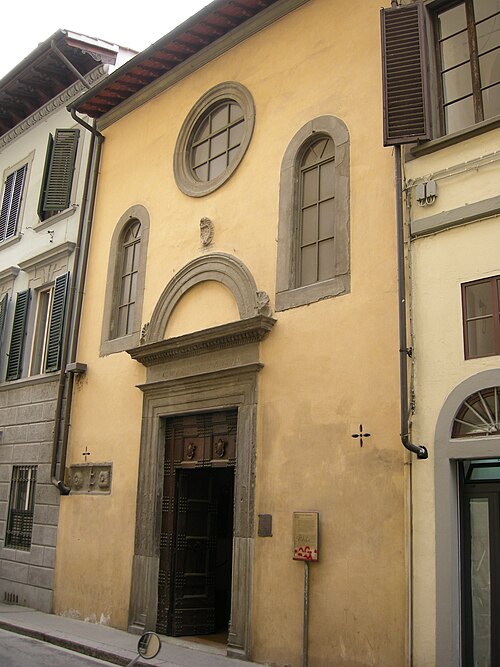
    San Sebastiano de' Bini, also known as Oratorio di San Sebastiano de' Bini, is a religious oratory in Florence.

    • High
    • Museum
  7. Sant'Alessandro Sant'Alessandro
    38 1 hr 30 min

    Sant'Alessandro

    Basilica di Sant'Alessandro

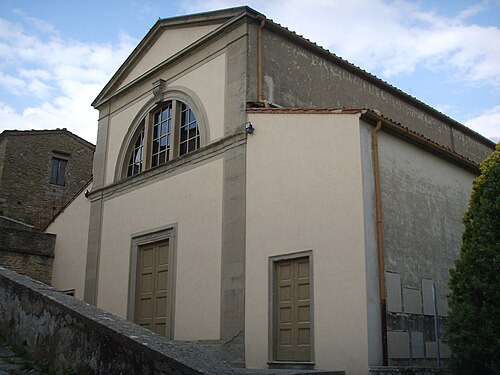
    Sant'Alessandro is a basilica in Florence, Tuscany, and forms part of the city's long religious and architectural tradition. Its setting makes it a useful stop for travellers who want to see a quieter sacred landmark alongside Florence's better-known Renaissance monuments.

    • High
    • Museum
  8. Santo Stefano al Ponte Santo Stefano al Ponte
    39 1 hr 30 min

    Santo Stefano al Ponte

    Chiesa di Santo Stefano al Ponte

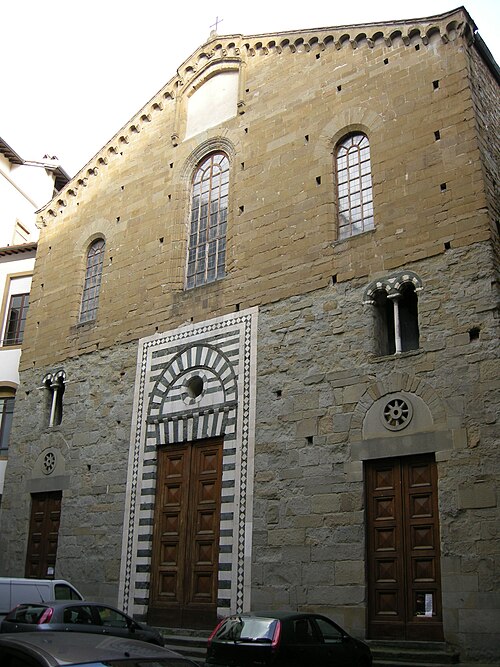
    Santo Stefano al Ponte is a historic church in Florence’s compact centre, close to Ponte Vecchio and the Arno.

    • High
    • Museum
  9. Università di Firenze Museo Zoologico "La Specola" Università di Firenze Museo Zoologico "La Specola"
    40 1 hr 30 min

    Università di Firenze Museo Zoologico "La Specola"

    La Specola

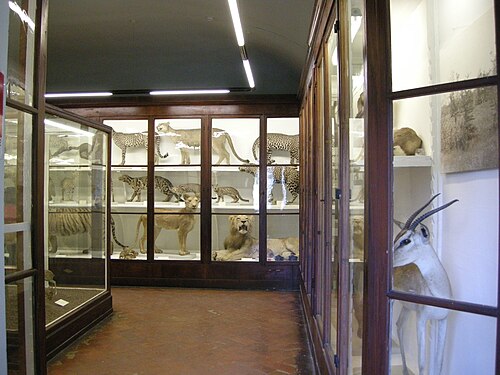
    La Specola is the zoological museum of the University of Florence. It brings together scientific heritage, natural-history collections and the history of university teaching in a historic Florentine setting.

    • High
    • Museum
  10. Villa Carducci di Legnaia Villa Carducci di Legnaia
    41 1 hr 30 min

    Villa Carducci di Legnaia

    Villa Pandolfini Carducci

    Villa Carducci di Legnaia, also known as Villa Pandolfini Carducci, is a historic villa in Florence's Legnaia neighbourhood. It represents the country-house tradition of wealthy Florentine families and reflects the transition between the historic city and its former rural edges.

    • High
    • Museum
  11. Villa Corsini in Castello Villa Corsini in Castello
    42 1 hr 30 min

    Villa Corsini in Castello

    Villa Corsini

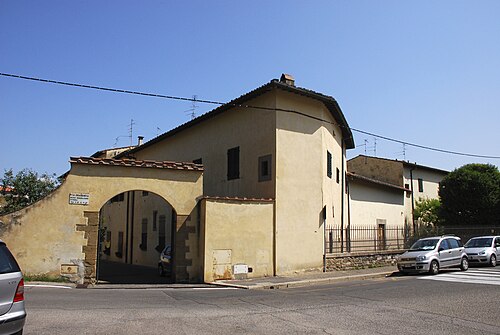
    Villa Corsini in Castello is a historic villa in Florence’s Castello area.

    • High
    • Museum
  12. Villa Le Balze - Gardens Villa Le Balze - Gardens
    43 1 hr 30 min

    Villa Le Balze - Gardens

    Giardini di Villa Le Balze A Fiesole

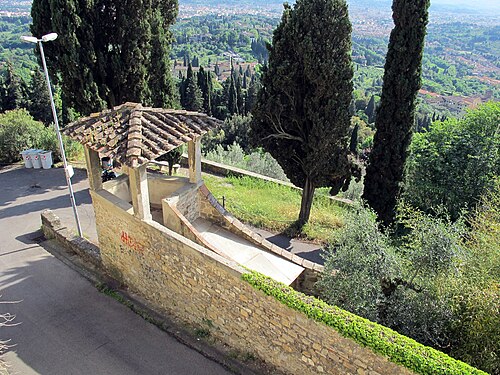
    Villa Le Balze is a historic villa and garden estate in Fiesole, on the hills above Florence. The name refers to the area’s cliffs and crags, fitting the property’s steep position above the Arno valley.

    • High
    • Museum
  13. Galleria Rinaldo Carnielo, Florence Galleria Rinaldo Carnielo, Florence
    44 1 hr 30 min

    Galleria Rinaldo Carnielo, Florence

    Galleria Rinaldo Carnielo

    The Galleria Rinaldo Carnielo is a museum in Florence dedicated to the works of Rinaldo Carnielo, an Italian sculptor active in the late 19th and early 20th centuries.

    • High
    • Museum
  14. Giardino delle Scuderie Reali e Edificio delle Pagliere Giardino delle Scuderie Reali e Edificio delle Pagliere
    45 1 hr 30 min

    Giardino delle Scuderie Reali e Edificio delle Pagliere

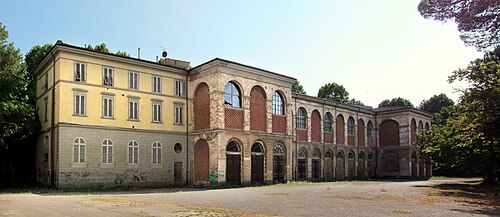
    Giardino delle Scuderie Reali e Edificio delle Pagliere is a Florence heritage site combining a garden with buildings linked by name to royal stables and straw-storage functions.

    • High
    • Museum
  15. Gucci Museum Gucci Museum
    46 1 hr 30 min

    Gucci Museum

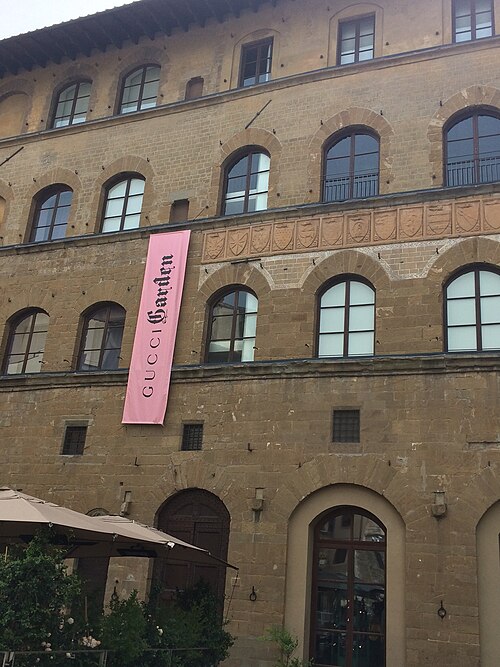
    The Gucci Museum presents the history of the Florentine luxury house founded by Guccio Gucci in 1921. Set in the historic Palazzo della Mercanzia near Piazza della Signoria, it connects fashion objects with Florence’s traditions of craftsmanship, commerce, and design.

    • High
    • Museum
  16. Museo de' Medici Museo de' Medici
    47 1 hr 30 min

    Museo de' Medici

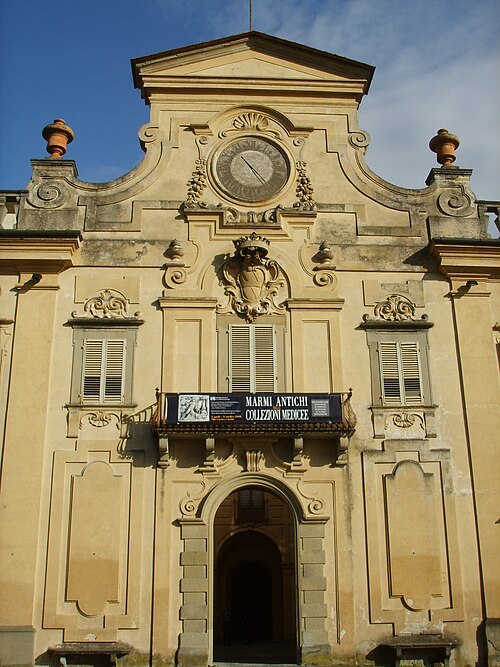
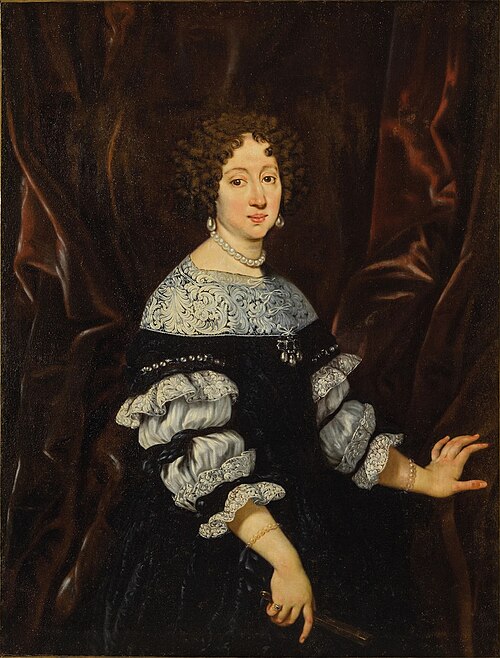
    Museo de’ Medici explores the family whose political power, banking wealth, and artistic patronage shaped Florence and Tuscany.

    • High
    • Museum
  17. Museo del Calcio Museo del Calcio
    48 1 hr 30 min

    Museo del Calcio

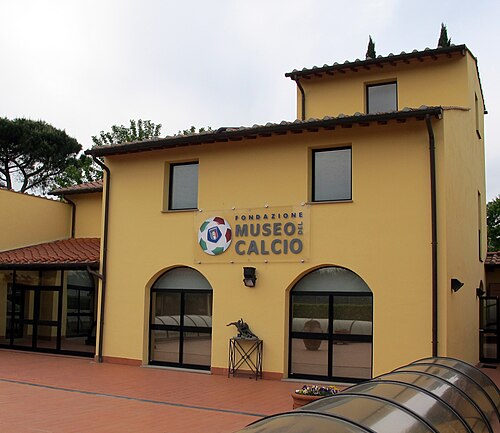
    Museo del Calcio is a museum in Florence dedicated to the history of Italian football. The institution preserves and displays artifacts, documents, and memorabilia chronicling the development of calcio in Italy.

    • High
    • Museum
  18. Museo di Santa Maria Novella Museo di Santa Maria Novella
    49 1 hr 30 min

    Museo di Santa Maria Novella

    Museo di Santa Maria Novella occupies historic convent spaces beside the Basilica of Santa Maria Novella in central Florence. The museum preserves cloisters, chapter rooms, chapels, and other areas once used by the Dominican community.

    • High
    • Museum
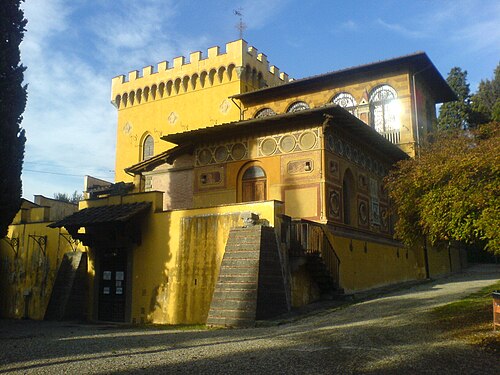
  19. Museo Stibbert Museo Stibbert
    50 1 hr 30 min

    Museo Stibbert

    Museo Stibbert is a museum in Florence, Italy. It was founded by Frederick Stibbert, a British-born collector who inherited substantial wealth and dedicated his life to amassing art, armour, and decorative objects from across the world.

    • High
    • Museum
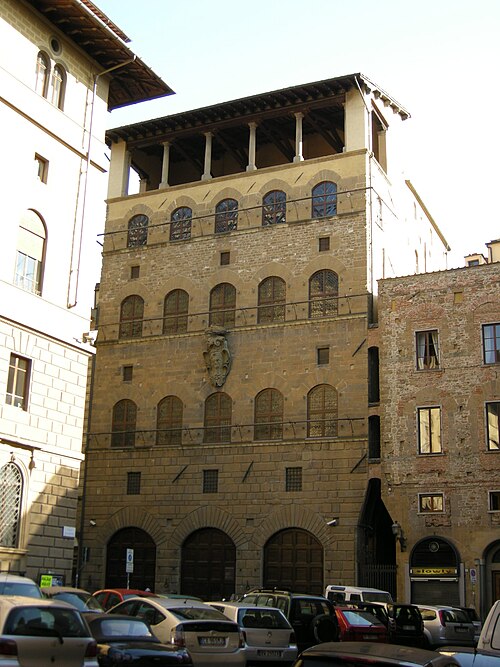
  20. Palazzo Davanzati Palazzo Davanzati
    51 1 hr 30 min

    Palazzo Davanzati

    Palazzo Davanzati is a fourteenth-century Florentine palace and museum devoted to medieval and Renaissance domestic life.

    • High
    • Museum
  21. Palazzo dell'Arte della Lana Palazzo dell'Arte della Lana
    52 1 hr 30 min

    Palazzo dell'Arte della Lana

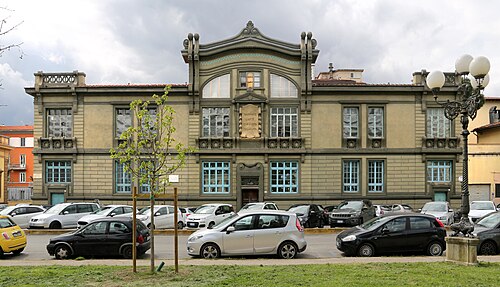
    Palazzo dell'Arte della Lana is a historic palace in Florence, Italy, associated with the Wool Merchants' Guild, one of the city's most powerful medieval trade associations.

    • High
    • Museum
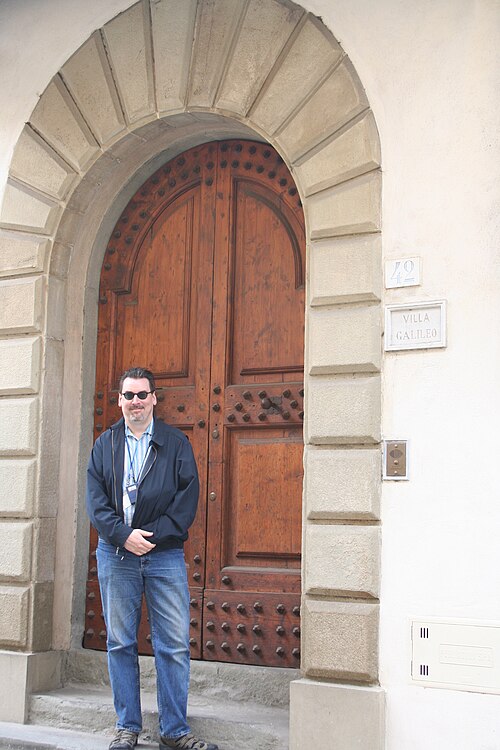
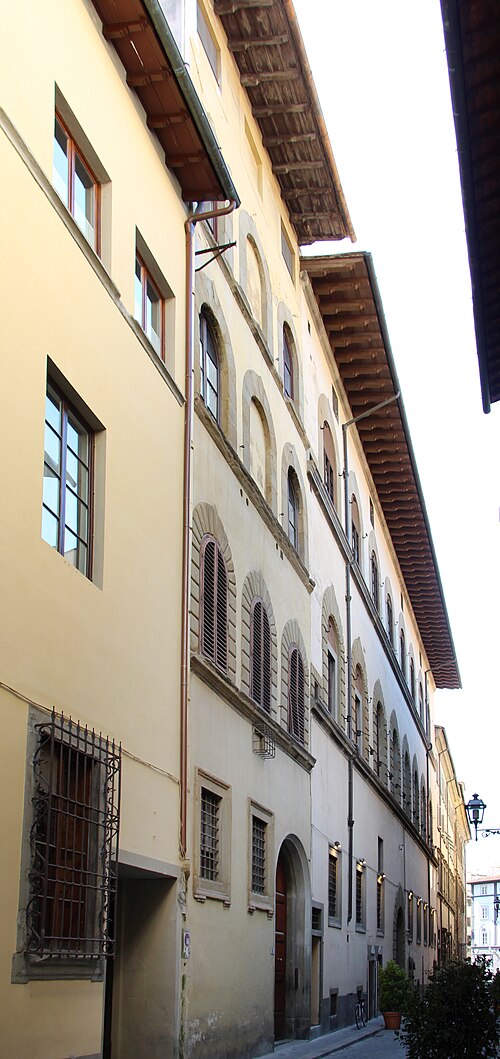
  22. Villa Galileo Villa Galileo
    53 1 hr 30 min

    Villa Galileo

    Villa Galileo is a historic residence in Florence associated with Galileo Galilei, the astronomer whose observations changed European ideas about the heavens.

    • Notable
    • Museum
  23. Casa Vasari Casa Vasari
    54 1 hr 30 min

    Casa Vasari

    Casa Giorgio Vasari

    Casa Giorgio Vasari is a historic house museum in Florence, the former residence of the Renaissance artist, architect, and writer Giorgio Vasari. Located in the city centre, this property served as both his home and studio.

    • Notable
    • Museum
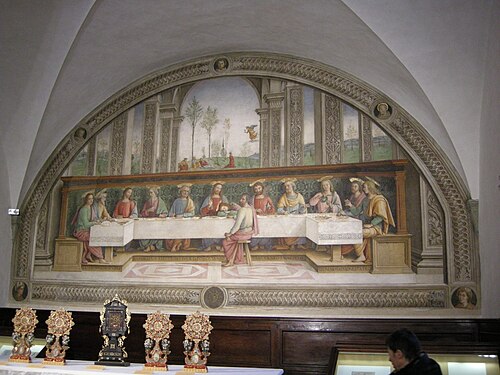
  24. Cenacolo di Fuligno Cenacolo di Fuligno
    55 1 hr 30 min

    Cenacolo di Fuligno

    Cenacolo del Fuligno

    The Cenacolo di Fuligno, also known as the Cenacolo del Fuligno, is a religious art site in Florence. It houses a significant Renaissance fresco depicting the Last Supper.

    • Notable
    • Museum
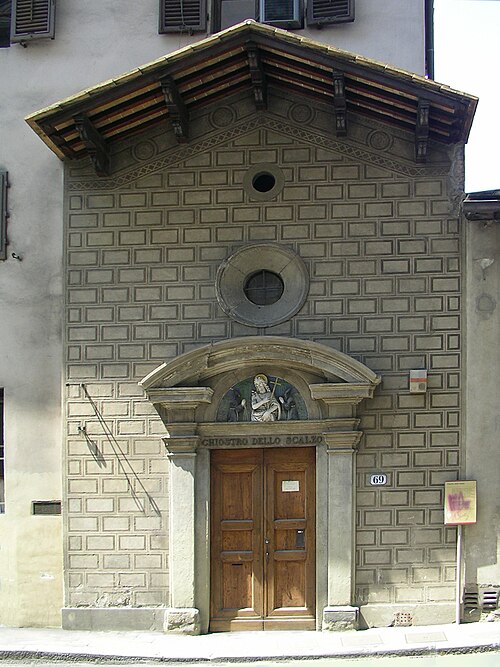
  25. Cloister of the Scalzo Cloister of the Scalzo
    56 1 hr 30 min

    Cloister of the Scalzo

    Chiostro dello Scalzo

    The Cloister of the Scalzo, or Chiostro dello Scalzo, is a Renaissance cloister in Florence known for Andrea del Sarto’s fresco cycle.

    • Notable
    • Museum

Source: OpenStreetMap contributors, Wikidata ·

How the city is laid out

The cathedral is the clearest central landmark. Piazza della Signoria and the Uffizi lie south toward the Arno, Santa Croce lies east, and Santa Maria Novella lies west near the main station. Cross Ponte Vecchio for the Oltrarno, Palazzo Pitti and the Boboli Gardens. Piazzale Michelangelo sits above the river and should be treated as a separate uphill destination rather than part of a flat centre walk.

Checked 2026-08-26

Getting around

Walk for most journeys inside the historic centre. Visit Tuscany describes Florence as relatively small and largely pedestrianised, with buses and trams serving places beyond the walking core. The tram also connects selected outer districts and the airport corridor. Restricted traffic zones make driving impractical for many visitors, so use public transport for outlying stops and keep central days on foot.

Checked 2026-08-26

Common questions

How many days should I spend in Florence?

A fixed duration is not recorded. Plan by clusters: the cathedral and civic centre, Santa Croce, Santa Maria Novella, the Oltrarno and any hilltop or day-trip destination.

Is Florence easy to explore on foot?

Yes. The historic centre is compact and largely pedestrianised. Most major central sights can be linked on foot, while outer districts and uphill destinations may need transport.

Which sights are south of the Arno?

The Oltrarno contains Palazzo Pitti, the Boboli Gardens and Santo Spirito. Reach it across the central bridges and treat it as a separate neighbourhood cluster.

Does Florence have trams and buses?

Yes. Florence uses buses and a tram network for journeys outside the pedestrian core, including selected outer districts and the airport corridor.

Should I drive in central Florence?

Public transport and walking are usually more practical. The historic centre has restricted traffic areas, narrow streets and a layout designed for short pedestrian journeys.