Obelisk of Piazza dell'Unità Italiana (Florence)
Monumento ai Caduti delle Guerre d'Indipendenza
The Obelisk of Piazza dell'Unità Italiana stands beside Florence's Santa Maria Novella railway station.
- High
- Historic monument
- Florence
Country guide
Italy holds 62 World Heritage Sites, more than any other country, spread across 301,340 km2 of land that runs from the Alps down into the middle of the Mediterr...
Photograph · Timothy A. Gonsalves · CC BY-SA 4.0
Reviewed by Elena Voss · Roavina Travel Editor
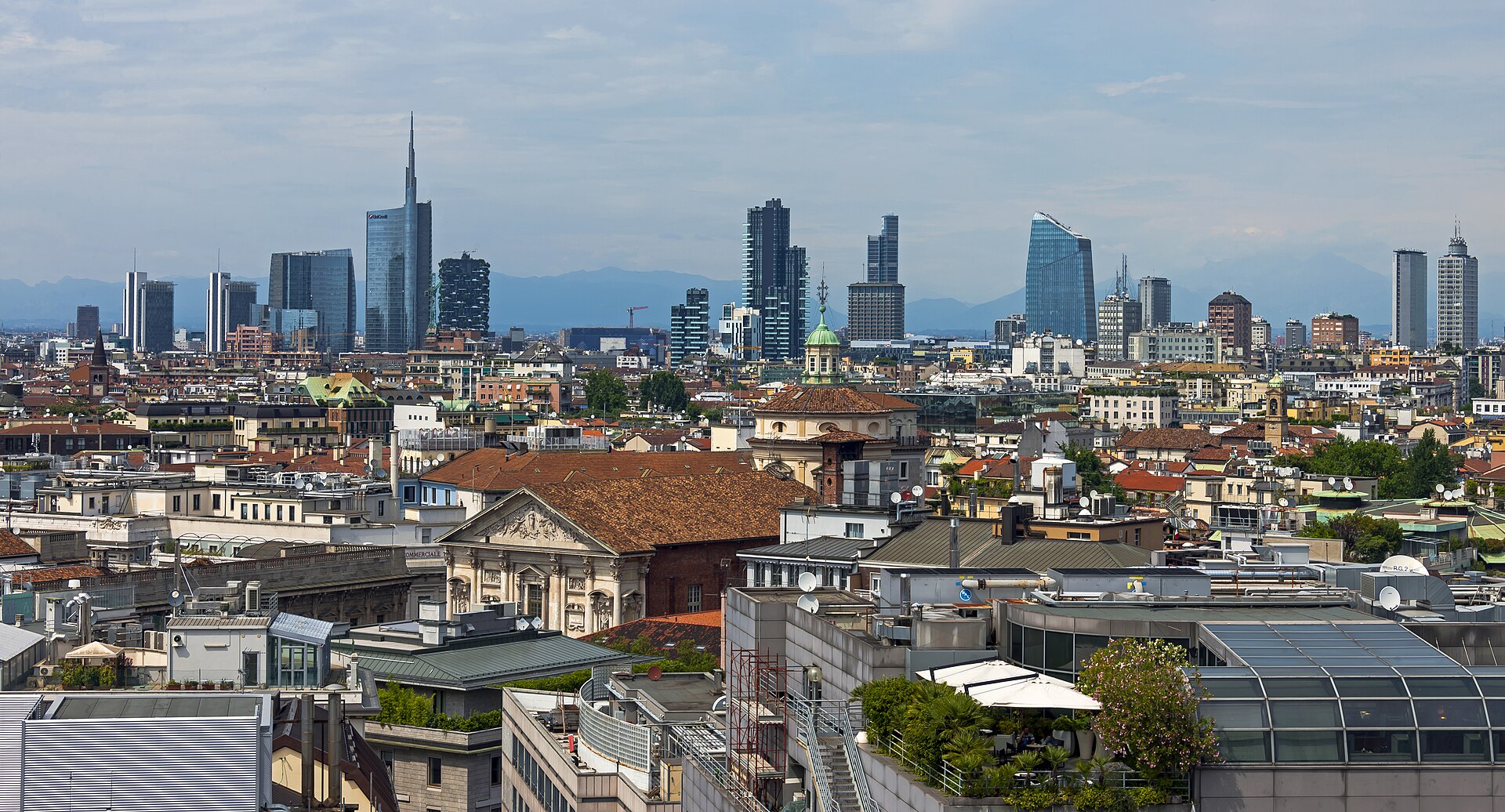
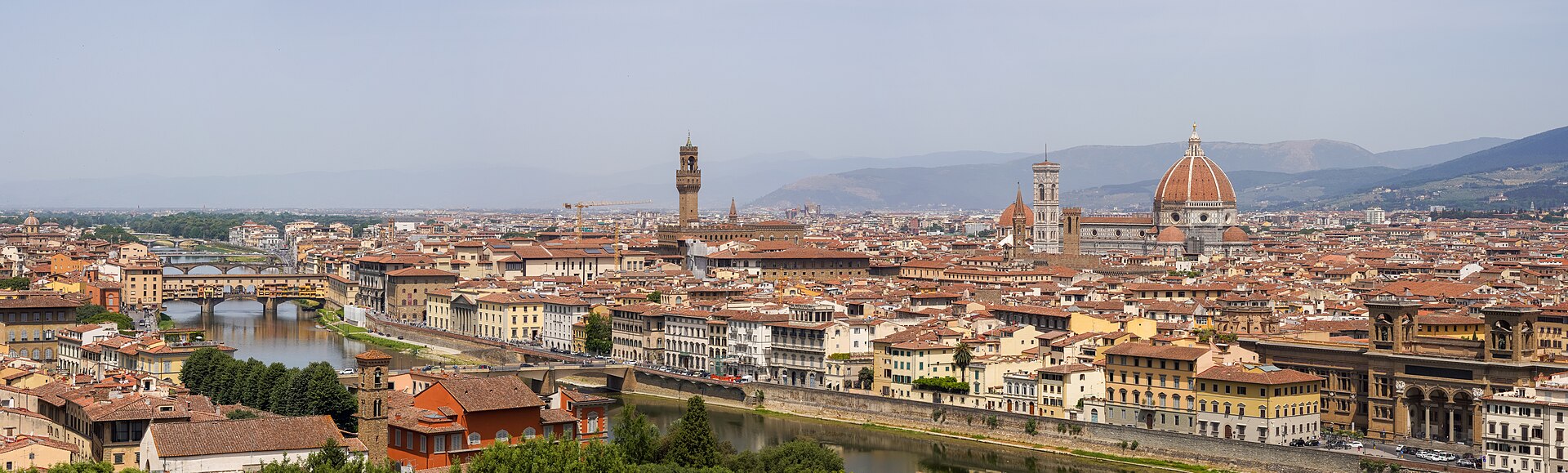
Italy holds 62 World Heritage Sites, more than any other country, spread across 301,340 km2 of land that runs from the Alps down into the middle of the Mediterranean. The distances between its cities are short and the differences between them are not: Venice has no roads, Naples sits under a volcano on a bay, Florence fits inside a walkable Renaissance grid, and Milan keeps its art indoors and works for a living. Rome is the capital and the obvious first trip; the argument is always about what comes second. Nearly 800 islands hang off the coast, and Sicily and Sardinia are each large enough to be a trip of their own.
Checked 2026-08-25
Every city catalogued in this country so far, ranked by how much there is to see.
Photograph · Bert Kaufmann from Roermond, Netherlands · CC BY-SA 2.0
Photograph · Daniel Case · CC BY-SA 3.0
Photograph · Wikibusters · CC BY-SA 4.0
Photograph · Martin Falbisoner · CC BY-SA 4.0
Ranked by importance — sitelinks, pageviews and heritage status, not editor preference.
145 places match
Category
Typical visit duration
Interests
Monumento ai Caduti delle Guerre d'Indipendenza
The Obelisk of Piazza dell'Unità Italiana stands beside Florence's Santa Maria Novella railway station.
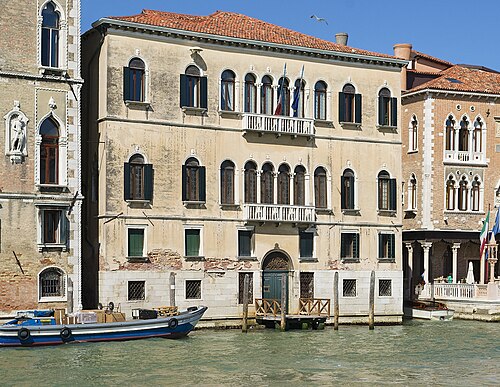
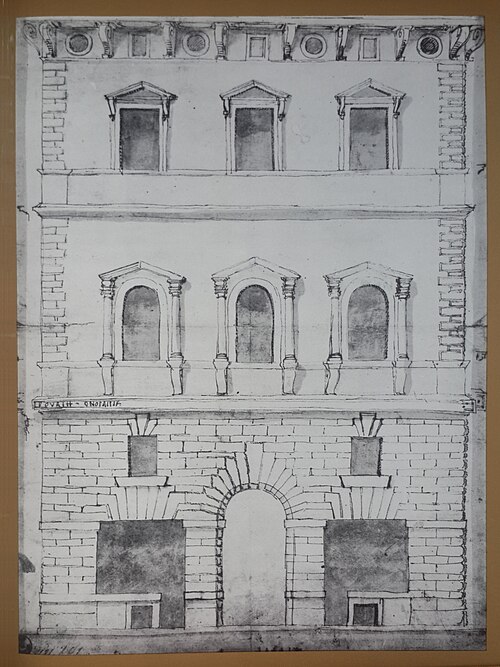
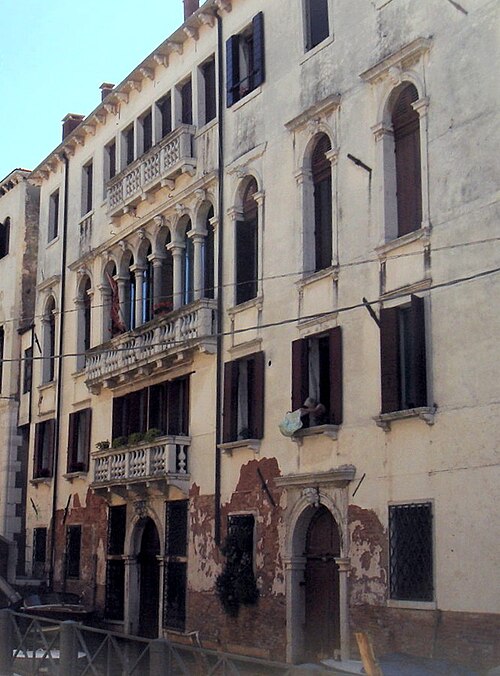
Palazzo Erizzo
Palazzo Erizzo a San Martino is a historic Venetian palace in Dorsoduro, identified with the Church of San Martino. It belongs to the architectural world of Venetian noble residences, where grand buildings shaped the city's canals, campos, and streets.
Palazzo Moro
Palazzo Moro a San Barnaba is a historic Venetian palace located in the Dorsoduro district, overlooking the Rio di San Barnaba canal.
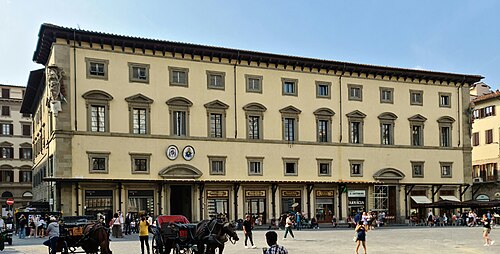
Palazzo Arcivescovile
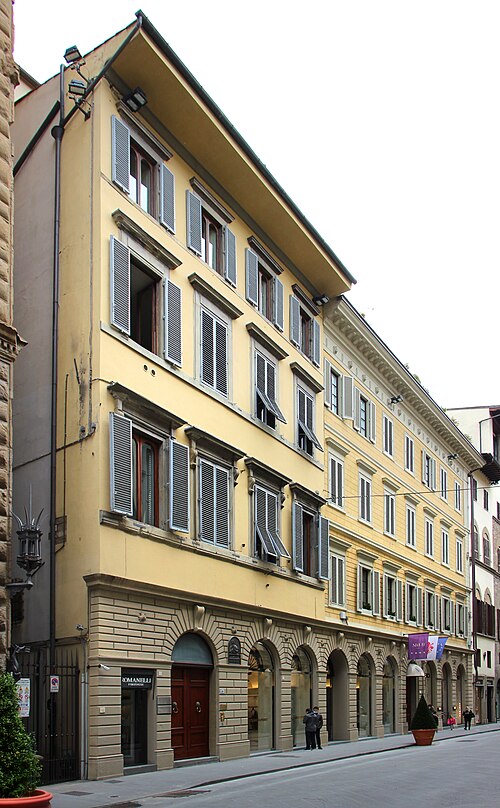
The Archbishop's Palace, known locally as Palazzo Arcivescovile, stands as the historic residence of the Archbishop of Florence. This significant ecclesiastical building occupies a prominent position near the Duomo cathedral complex in the heart of the city.
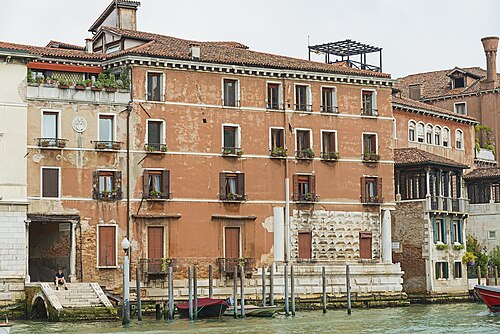
Ca' del Duca
Ca' del Duca is a historic palace in Venice, located in the San Marco district near the Grand Canal. The building represents Venetian Gothic architecture and holds significance in the city's noble residential heritage.
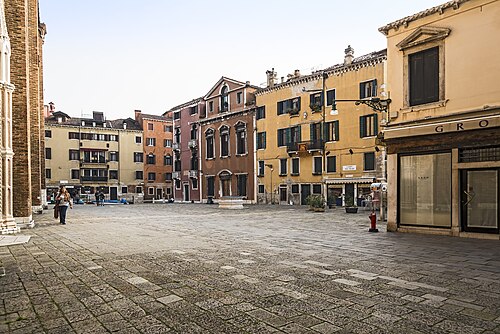
Campo dei Frari
Campo dei Frari is a public square in the San Polo district of Venice, Italy. The campo serves as the open space adjacent to the Basilica di Santa Maria Gloriosa dei Frari, one of the city's most significant Franciscan churches.
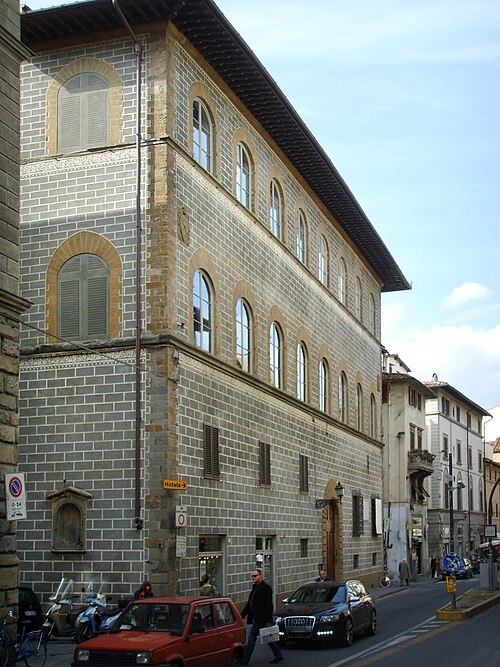
Palazzo Bardi
Palazzo Busini Bardi, also known locally as Palazzo Bardi, is a historic palace in Florence, Tuscany. It belongs to the city’s dense Renaissance streetscape, where aristocratic residences stand close to churches, civic buildings, shops, and busy pedestrian routes.
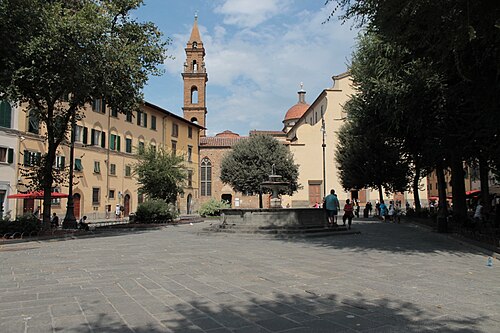
Piazza di Santo Spirito
Piazza Santo Spirito is a lively public square in Florence's Oltrarno district, south of the Arno. The square takes its name from the Basilica di Santo Spirito, the Renaissance church designed by Filippo Brunelleschi on its eastern side.
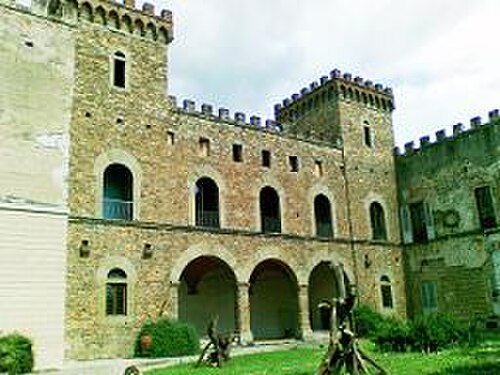
Castello di Bisarno
Bisarno Castle, also known as Castello di Bisarno, is a historic castle in the Florence area of Tuscany. It represents the region’s layered relationship with fortified architecture, noble residences, and changing patterns of settlement.
Castello di Montalbano
Montalbano Castle is a historic castle structure in the Florence area, identified in OpenStreetMap as way/305689918. It belongs to Tuscany’s wider landscape of medieval defensive architecture and carries the Montalbano name associated with the region.
Vittorio Emanuele II
The Monument to Victor Emmanuel II is an outdoor civic memorial honoring the first king of unified Italy. In Venice, it connects the city's streetscape with the nineteenth-century Risorgimento and the political transformation that followed Italian unification.
Palazzo Tornabuoni
Palazzo Corsi-Tornabuoni, also known as Palazzo Tornabuoni, is a historic palazzo in the centre of Florence. It belongs to the sequence of Renaissance and aristocratic buildings that shape the city’s historic streets.
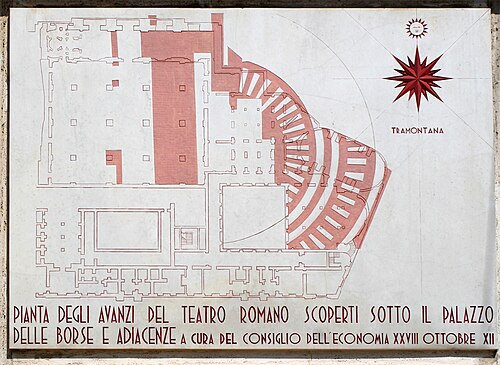
Teatro Romano
The Roman Theatre of Milan, locally known as Teatro Romano, stands as a significant archaeological remnant of the city's ancient past under Roman rule. This open-air amphitheatre once accommodated theatrical performances and public gatherings during the imperial era.
Forte Sirtori
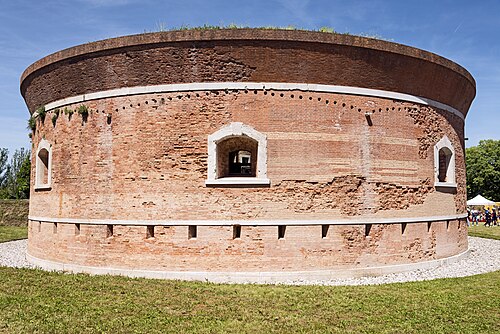
Fort Sirtori is a military fortification in Venice’s wider defensive landscape, shaped by the need to protect approaches to the lagoon and its settlements.
Palazzo delle Prigioni stands beside the Doge's Palace on Venice's waterfront, connected by the famous Bridge of Sighs. This former prison building served the Venetian Republic from the 16th century onward.
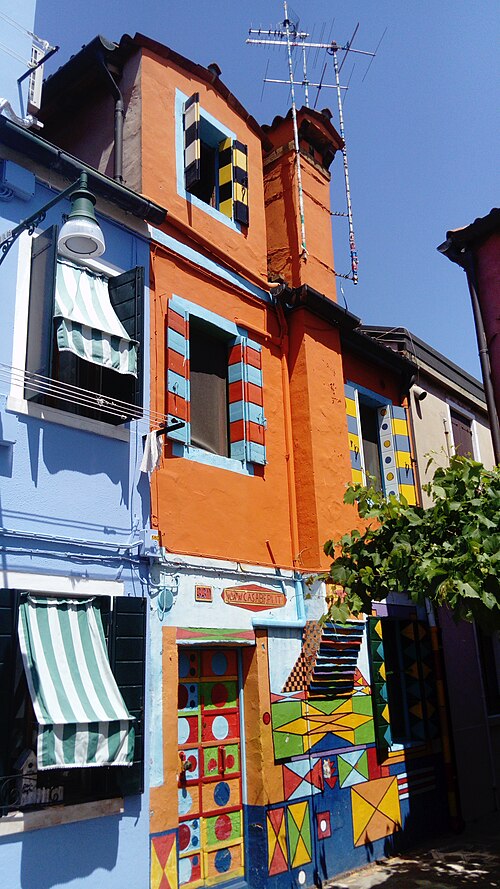
La Casa di Bepi Suà
Casa di Bepi Suà is a distinctive residential house in Venice's Burano island, celebrated for its elaborate geometric facade paintings in warm yellow, red, and orange tones.
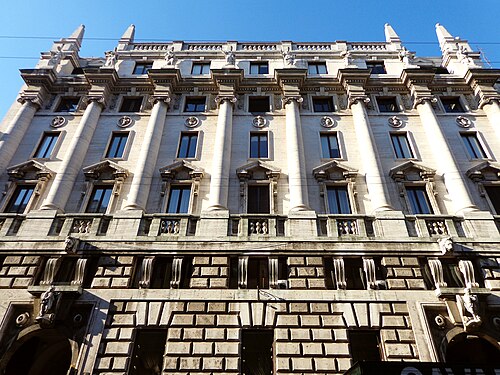
Palazzo Cusini
Cusini Palace, also known as Palazzo Cusini, is a historic palace in central Milan. It belongs to the city’s architectural heritage and forms part of the continuous streetscape that makes central Milan rewarding to explore on foot.
Monastero di San Nicolao
The Monastery of San Nicolao is a historic religious complex in Milan associated with Benedictine tradition.
Palazzo Altoviti Sangalletti
Palazzo Altoviti-Sangalletti is a historic palace in central Florence near the Arno River. Its name links the building with the Altoviti and Sangalletti families and places it within the city’s dense tradition of aristocratic residences.
Torre Massimiliana is a compact fortified tower standing in the Venetian lagoon, away from the dense streets and monumental interiors of Venice’s historic centre.
Torre Turati
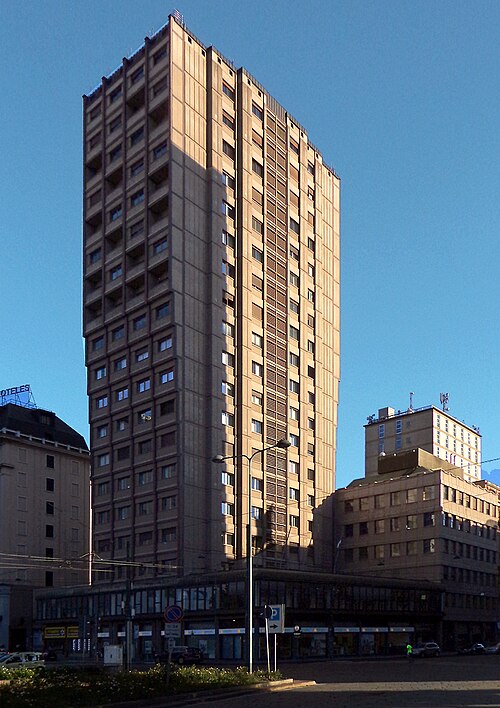
Turati Tower, known locally as Torre Turati, is a prominent skyscraper in Milan, Italy. The building stands as a significant example of modern commercial architecture in the city's business district.
Torre di Bona
Bona of Savoy’s Tower, known in Italian as Torre di Bona, is a historic tower in Milan associated with Bona of Savoy, a fifteenth-century duchess.
Chiesa di Santa Maria Maddalena
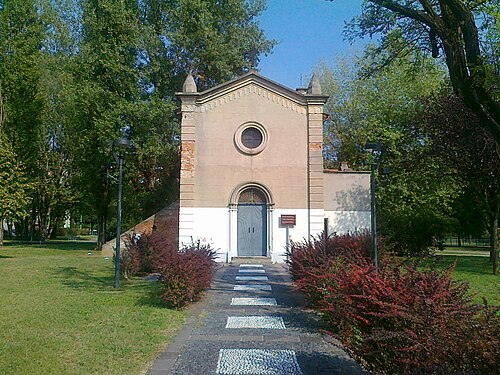
Santa Maria Maddalena, also known as Chiesa di Santa Maria Maddalena, is a Catholic church within Milan’s urban fabric.
Castello di Giulio II
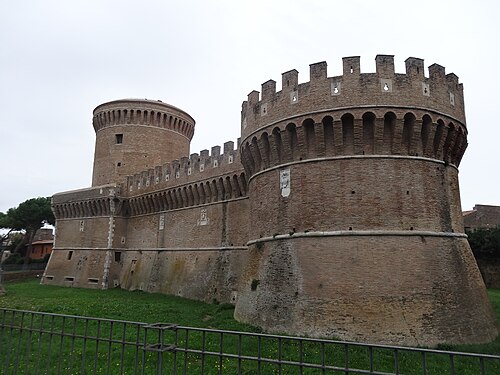
Rocca di Ostia, locally known as Castello di Giulio II, is a fortress in Rome's Ostia district. Built for Pope Julius II, it served military and defensive purposes near the ancient port of Ostia.
San Pietro dal Buco della serratura
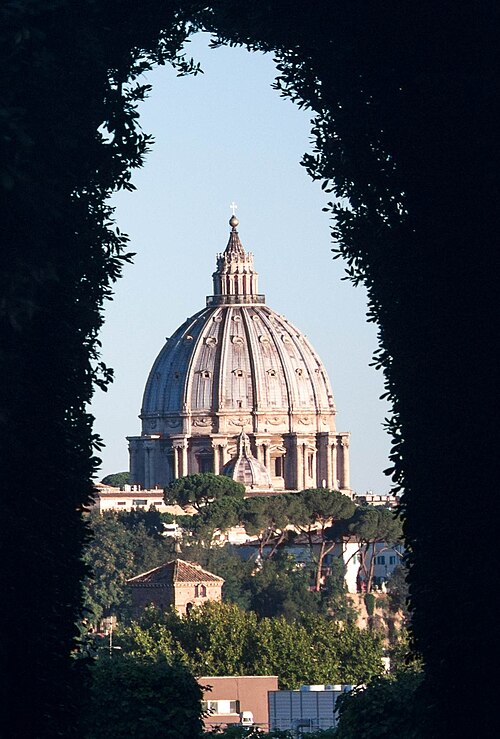
The Aventine Keyhole is a peephole in the green door of the Priory of the Knights of Malta on Rome’s Aventine Hill.
Ten to fourteen days can combine Milan, Venice, Florence, and Rome by high-speed train. Give Venice more than a transfer night and Rome several separate sightseeing days; rural Tuscany needs different transport planning from the rail-linked cities.
Italy is in the Schengen Area, but visa and passport requirements vary by nationality and route. Use Italy's official visa portal to confirm the applicable rule before travel rather than relying on another Schengen trip.
High-speed trains connect Milan, Venice, Florence, and Rome, with regional rail and coaches serving smaller places. Drivers must check ZTL restrictions before entering historic centres because access controls are local and can generate fines.
April to June and September to October broadly suit the north-to-Rome rail route. Lagoon conditions in Venice, summer heat in Rome, and seasonal rural services in Tuscany should be checked independently.
Italy uses the euro (EUR). Carry a modest cash reserve for small purchases while using cards where accepted, and verify the euro amount at the terminal instead of accepting an unexamined conversion.
Italy routes emergency calls through 112. Travellers encounter a 230 V supply and Type C, F, or L receptacles. No tap-water assessment is recorded for Italy; obtain current local advice at the destination.