


376
1 hr 30 min
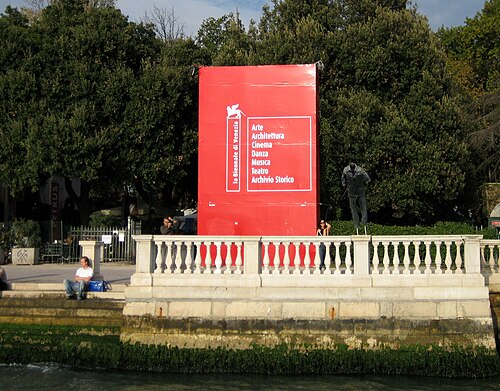
Giardini della Biennale
Giardini della Biennale is a historic park complex in the Castello district of Venice, Italy.
- Notable
- Museum
- Venice
Country guide
Italy holds 62 World Heritage Sites, more than any other country, spread across 301,340 km2 of land that runs from the Alps down into the middle of the Mediterr...
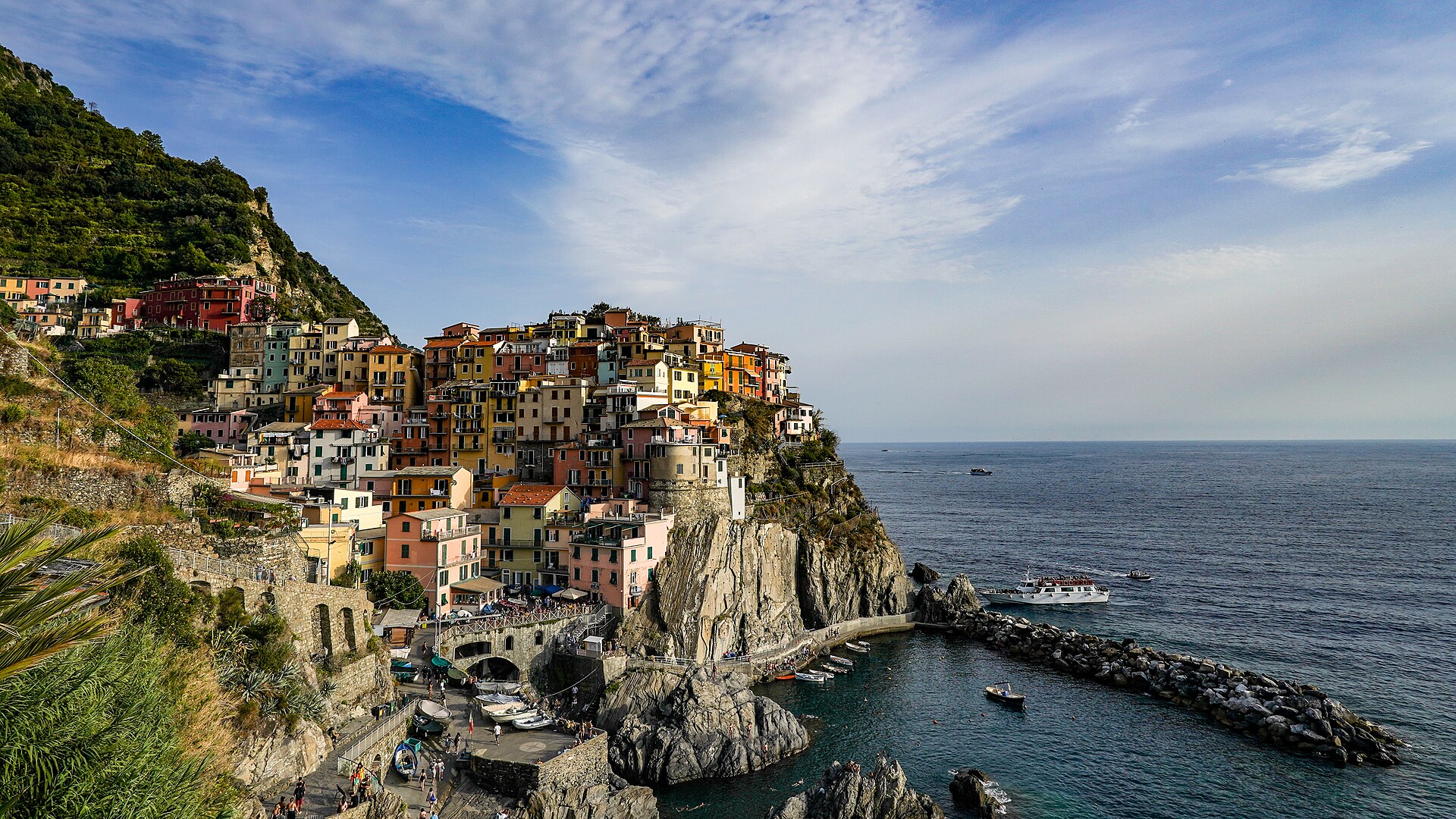
Photograph · Timothy A. Gonsalves · CC BY-SA 4.0
Reviewed by Elena Voss · Roavina Travel Editor
Italy holds 62 World Heritage Sites, more than any other country, spread across 301,340 km2 of land that runs from the Alps down into the middle of the Mediterranean. The distances between its cities are short and the differences between them are not: Venice has no roads, Naples sits under a volcano on a bay, Florence fits inside a walkable Renaissance grid, and Milan keeps its art indoors and works for a living. Rome is the capital and the obvious first trip; the argument is always about what comes second. Nearly 800 islands hang off the coast, and Sicily and Sardinia are each large enough to be a trip of their own.
Checked 2026-08-25
Every city catalogued in this country so far, ranked by how much there is to see.
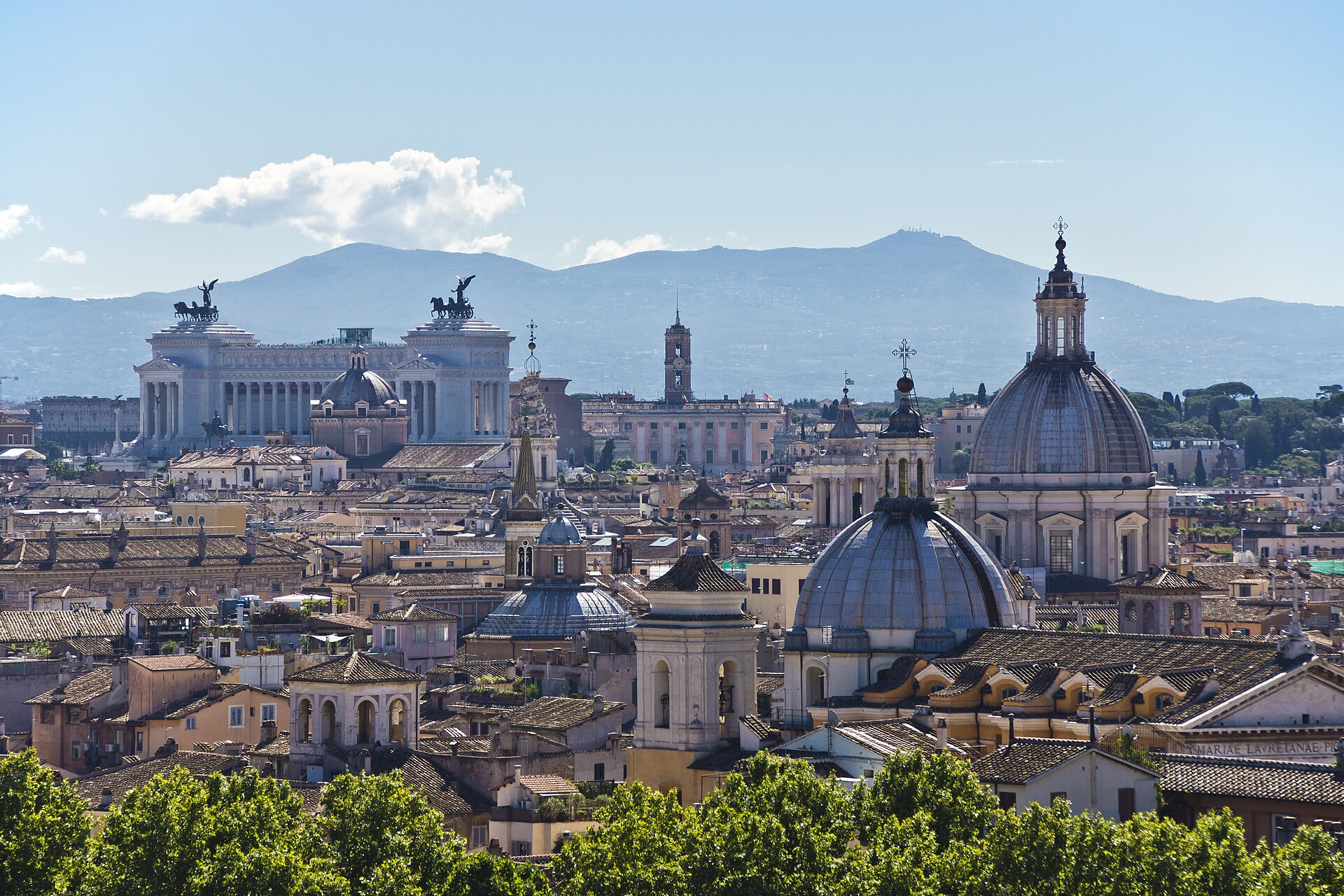
Photograph · Bert Kaufmann from Roermond, Netherlands · CC BY-SA 2.0
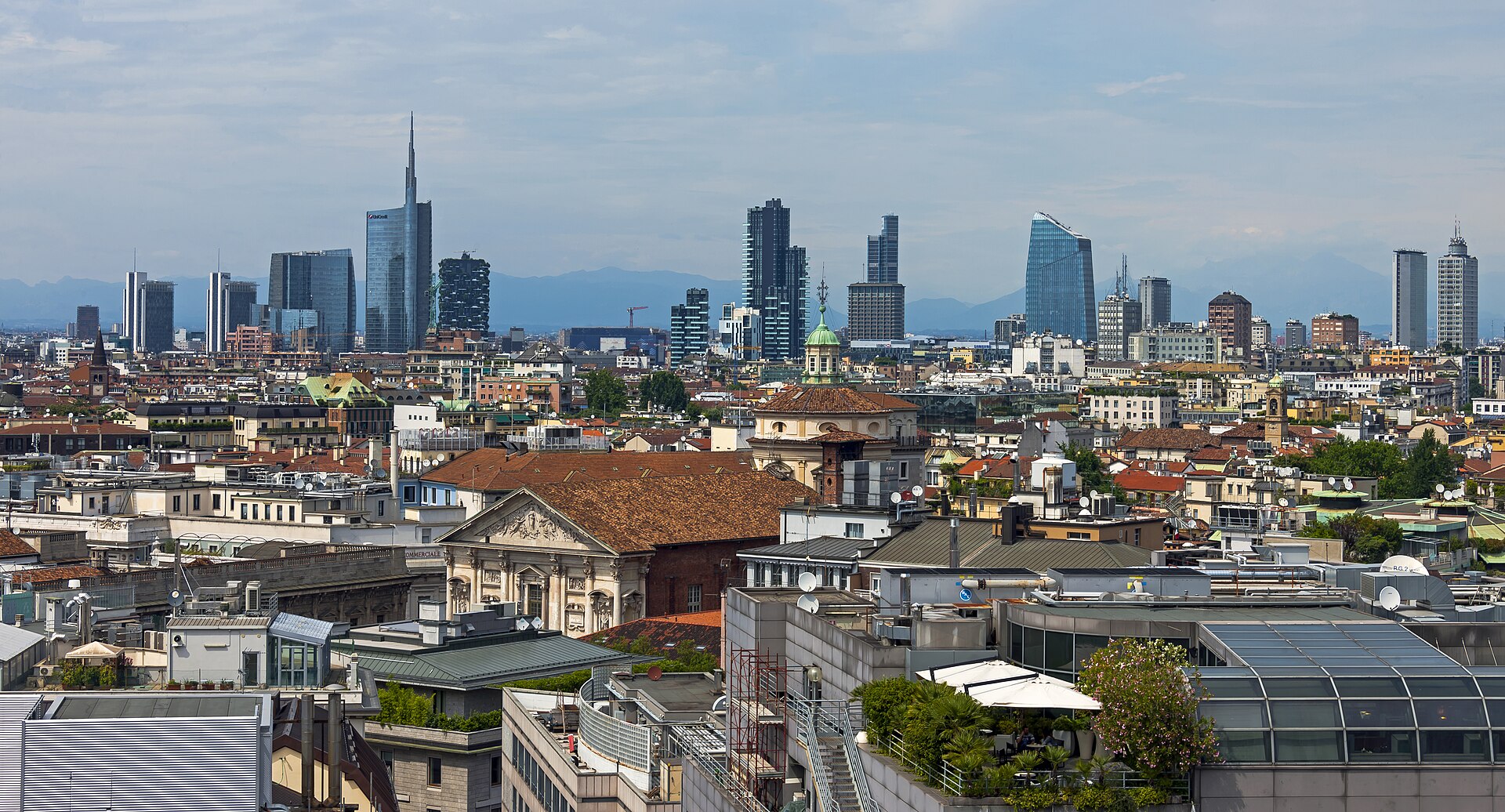
Photograph · Daniel Case · CC BY-SA 3.0
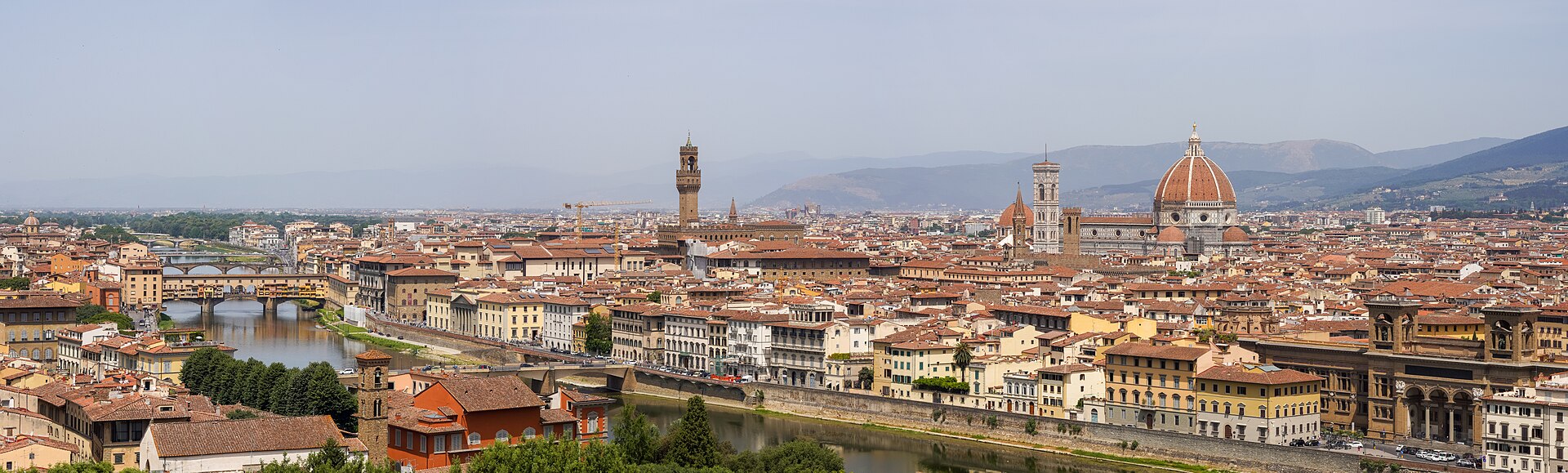
Photograph · Wikibusters · CC BY-SA 4.0

Photograph · Martin Falbisoner · CC BY-SA 4.0
Ranked by importance — sitelinks, pageviews and heritage status, not editor preference.
408 places match
Category
Typical visit duration
Interests
Giardini della Biennale is a historic park complex in the Castello district of Venice, Italy.
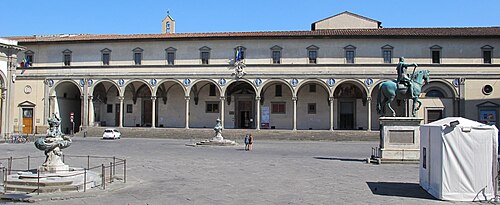
Spedale degli Innocenti
The Hospital of Innocents, or Spedale degli Innocenti, stands as one of Florence's most significant Renaissance buildings. Designed by Filippo Brunelleschi, it opened in 1445 as Europe's first dedicated orphanage.
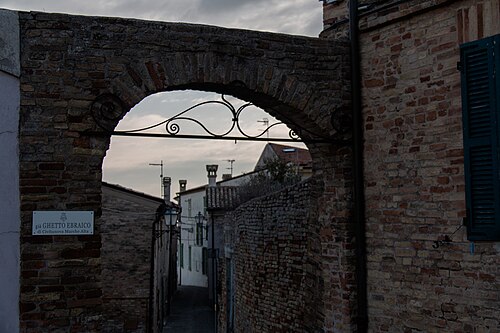
Ghetto ebraico
The Roman Jewish Ghetto is a historic district in Rome's Rione Sant'Angelo, established in 1555 by papal decree. It served as a compulsory residential area for the city's Jewish population until 1870.
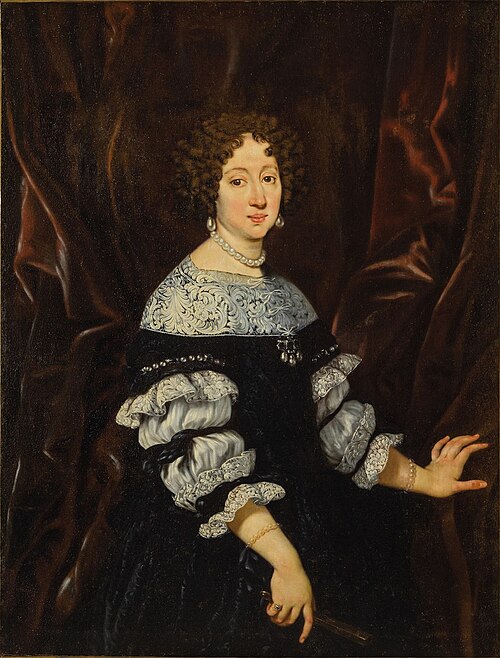
Museo de’ Medici explores the family whose political power, banking wealth, and artistic patronage shaped Florence and Tuscany.
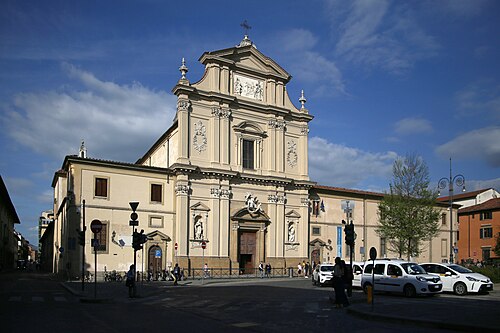
Museo di San Marco
The Museum of San Marco occupies a former Dominican convent in central Florence, Italy. The complex holds significant importance for its architectural history and its association with prominent figures of the Italian Renaissance.
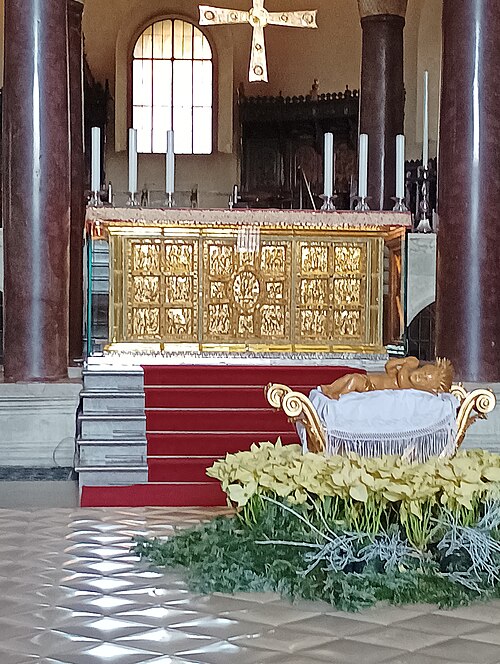
Museo della Basilica di Sant'Ambrogio
The Museo della Basilica di Sant'Ambrogio is a museum located within the historic Basilica di Sant'Ambrogio complex in Milan. The basilica itself is one of the city's most ancient and significant churches, founded by Saint Ambrose in the fourth century.
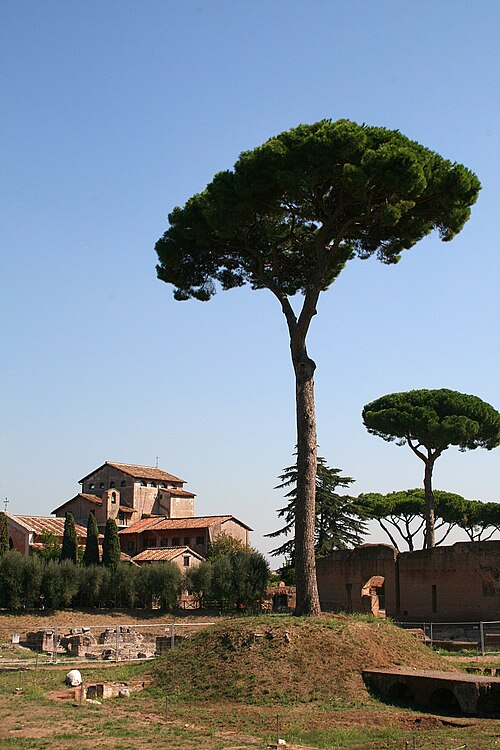
Palatino
Palatino is one of Rome's seven hills and the centremost of the famous trio that includes Capitoline and Aventine. Archaeological evidence indicates human settlement here dating to approximately the tenth century BCE.

Palazzo Strozzi is a Renaissance palace in central Florence, Italy. Built for the Strozzi family beginning in 1489, it represents one of the finest examples of secular Renaissance architecture in the city.
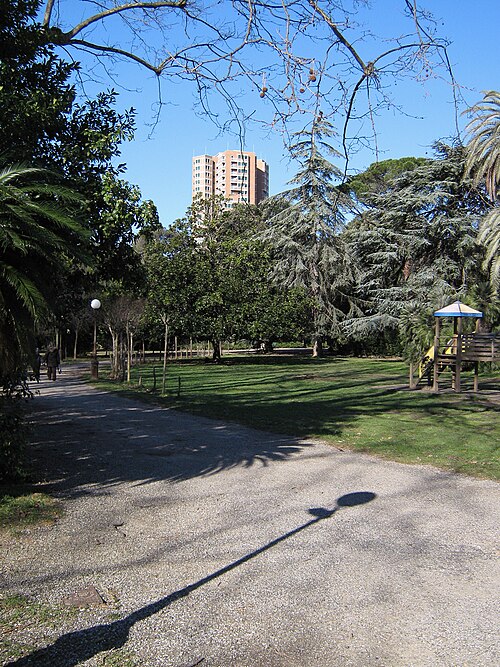
Parco di Villa Fabbricotti is an English-style hillside garden below Montughi, north of Florence's busiest museum streets. It grew around a former hunting lodge that Giuseppe Fabbricotti acquired in 1864 and had transformed into a residence.
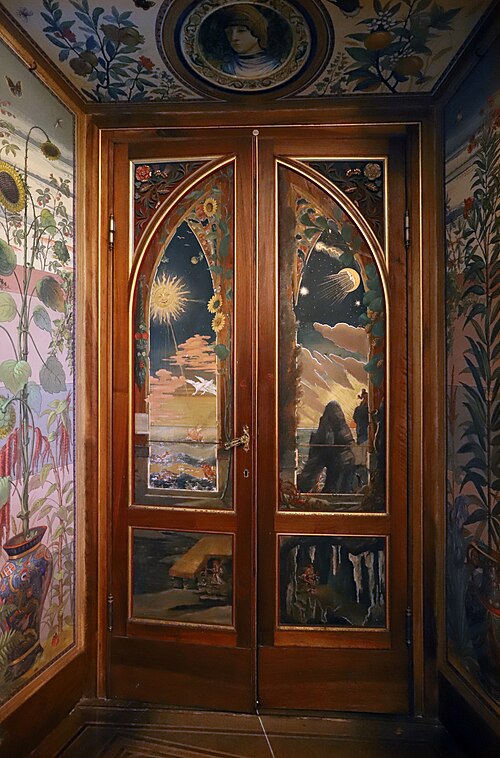
Parco di Villa Stibbert is the landscaped park surrounding Villa Stibbert in northern Florence. The villa is home to the Stibbert Museum, created around Frederick Stibbert’s collection, while the grounds provide the outdoor counterpart to the museum’s historic interiors.
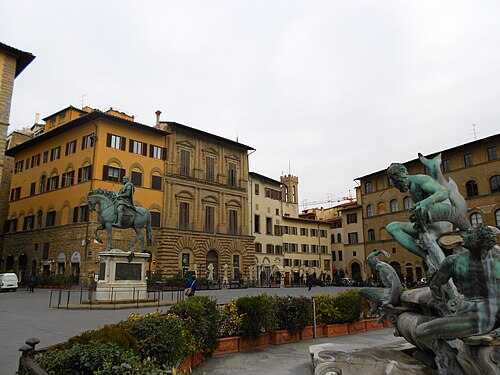
Piazza della Signoria is Florence's civic square, shaped beside the Palazzo dei Priori between the thirteenth and fourteenth centuries. The palace later became Palazzo Vecchio and remains the seat of the city government.
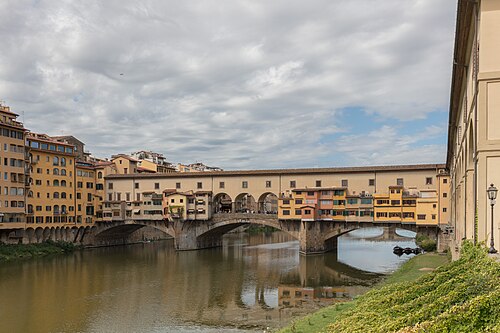
Ponte Vecchio is the oldest surviving bridge over the Arno and the only one in Florence still built up with shops. A crossing has stood on this spot since Roman Florentia.
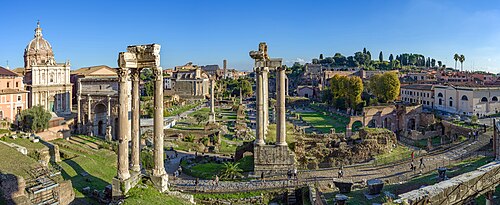
Forum Romanum
The Roman Forum is the excavated floor of the valley between the Capitoline and Palatine hills, and it was the centre of Roman public life for more than a thousand years.
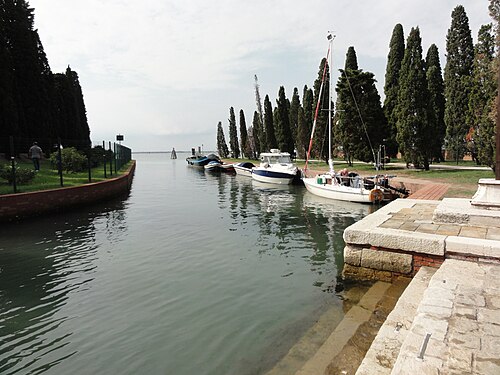
San Francesco del deserto
San Francesco del Deserto is a small island monastery in the Venetian Lagoon, located between Venice proper and Burano.
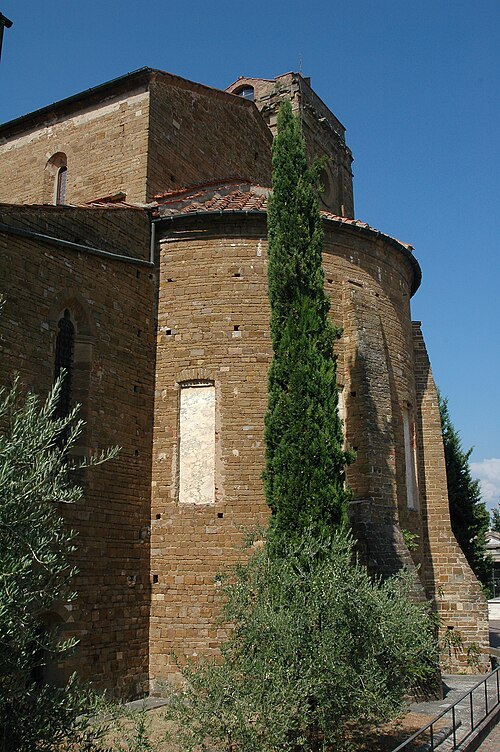
Abbazia di San Miniato al Monte
Abbazia di San Miniato al Monte is a historic basilica standing on one of Florence's highest hills, overlooking the city centre and the Arno valley.
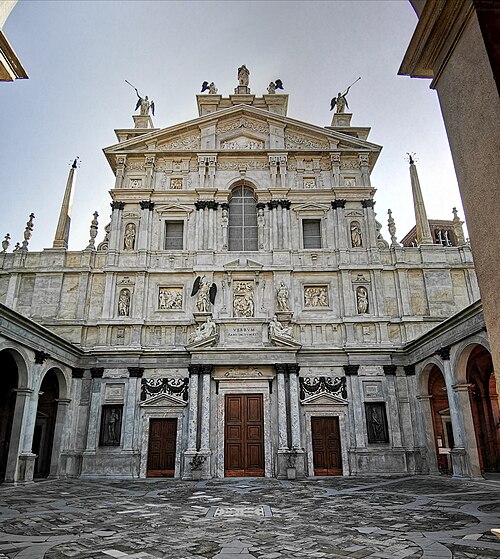
Chiesa di Santa Maria dei Miracoli presso San Celso
Santa Maria presso San Celso is a Renaissance church in Milan, formally known as Chiesa di Santa Maria dei Miracoli presso San Celso. It stands adjacent to the older San Celso church, creating a distinctive architectural pairing.
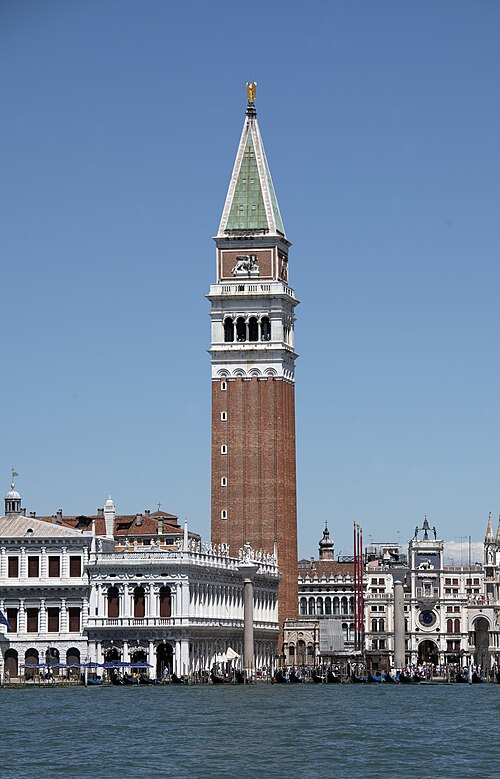
Campanile di San Marco
The Campanile di San Marco is the free-standing bell tower of St Mark's Basilica, 98.6 metres tall, and the thing a visitor rides to the top of is a square brick shaft twelve metres on each side and 53.75 metres…

Ultima Cena
Il Cenacolo Vinciano is a one-room state museum built around a single wall.
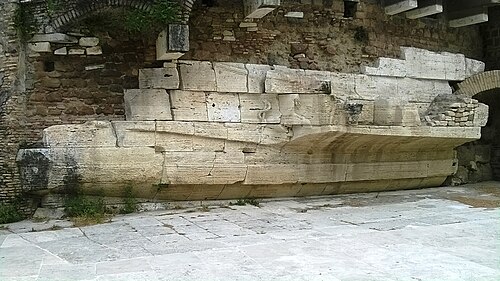
Isola Tiberina
Isola Tiberina is the only island in the Tiber River within Rome's historic centre.
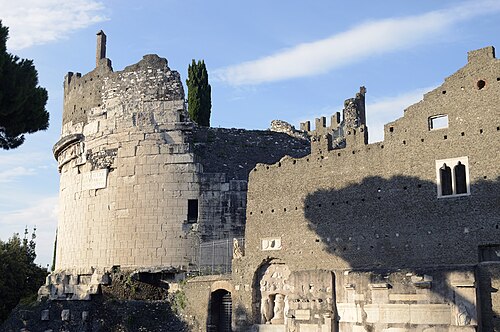
Mausoleo di Cecilia Metella
The Tomb of Cecilia Metella is a monumental cylindrical mausoleum beside the Via Appia Antica. Built in the first century BCE, it commemorates a woman from the powerful Caecilii Metelli family.
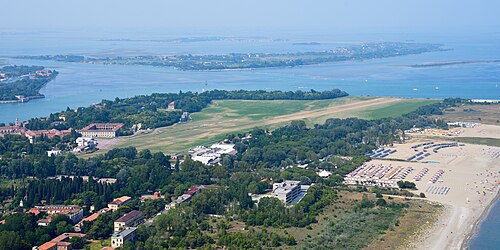
Lido di Venezia
Lido di Venezia is an 11-kilometre-long barrier island in the Venetian Lagoon, separating the lagoon from the Adriatic Sea. It forms part of the municipality of Venice and serves as the city's primary beach resort area.
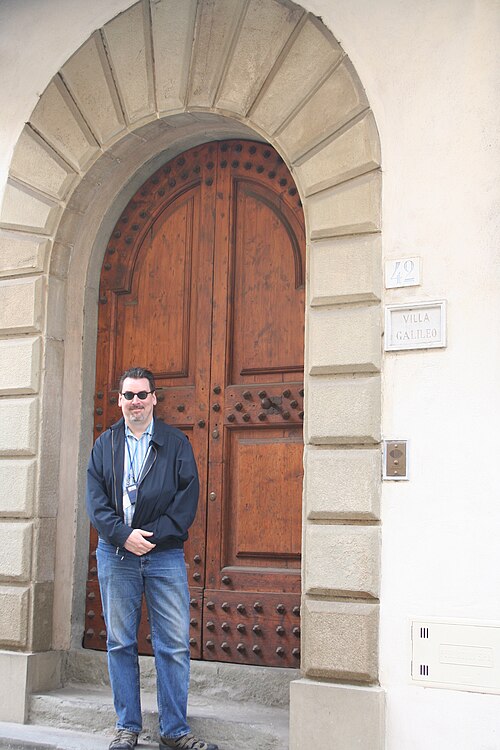
Villa Galileo is a historic residence in Florence associated with Galileo Galilei, the astronomer whose observations changed European ideas about the heavens.
Pietà
The Pietà (Madonna della Pietà, 1498–1499) is a Carrara marble sculpture by Michelangelo Buonarroti in St Peter's Basilica, Vatican City, showing the moment when Jesus, taken down from the cross, is given to his mother Mary.
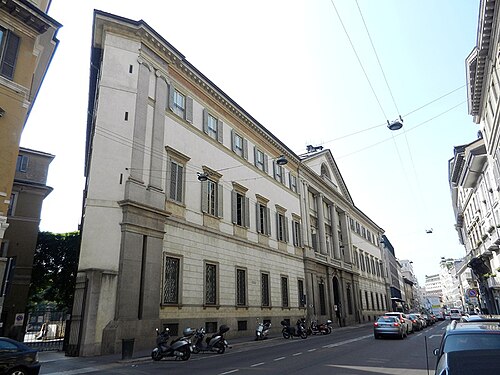
Palazzo Serbelloni is a privately owned Neoclassical palace at Corso Venezia 16 in Milan.
Mosè
Michelangelo's Moses (c. 1513–1515) is a marble sculpture housed in the Basilica of San Pietro in Vincoli in Rome.
Ten to fourteen days can combine Milan, Venice, Florence, and Rome by high-speed train. Give Venice more than a transfer night and Rome several separate sightseeing days; rural Tuscany needs different transport planning from the rail-linked cities.
Italy is in the Schengen Area, but visa and passport requirements vary by nationality and route. Use Italy's official visa portal to confirm the applicable rule before travel rather than relying on another Schengen trip.
High-speed trains connect Milan, Venice, Florence, and Rome, with regional rail and coaches serving smaller places. Drivers must check ZTL restrictions before entering historic centres because access controls are local and can generate fines.
April to June and September to October broadly suit the north-to-Rome rail route. Lagoon conditions in Venice, summer heat in Rome, and seasonal rural services in Tuscany should be checked independently.
Italy uses the euro (EUR). Carry a modest cash reserve for small purchases while using cards where accepted, and verify the euro amount at the terminal instead of accepting an unexamined conversion.
Italy routes emergency calls through 112. Travellers encounter a 230 V supply and Type C, F, or L receptacles. No tap-water assessment is recorded for Italy; obtain current local advice at the destination.