A photograph of Kyoto

City guide · Japan

Kyoto

Kyoto's major sights are distributed across the centre and four broad edges rather than concentrated in one old-town core. Downtown and Kyoto Station form the c...

Photograph · Martin Falbisoner · CC BY-SA 4.0

13,290 Places
Suggested stay
Not recorded
Getting around
Train, subway, bus and walking

Turn this list into a plan

Set your days, your pace and the hours you actually want to be out. The planner works around closing days and travel time, and leaves room to eat.

Plan Kyoto

Reviewed by Elena Voss · Roavina Travel Editor

Kyoto's major sights are distributed across the centre and four broad edges rather than concentrated in one old-town core. Downtown and Kyoto Station form the central transport spine; Higashiyama and Gion lie east, Arashiyama lies west, and major temple districts extend north and south. Efficient visits combine nearby places and avoid returning through Kyoto Station between every stop.

Checked 2026-08-26

Practical information

Language spoken
Japanese
National practical orientation; regional and minority languages may also be used
Dialling code
+81
International calling code; local area and mobile prefixes still apply
Currency
Japanese yen (JPY)
Use the official local currency; card acceptance varies by place
Emergency number
110 police · 119 fire and ambulance
Use only for an emergency; tourist assistance may use a separate number
Plug type
Type A · 100 V
Check that chargers support the recorded voltage before using an adapter
Tap water
Safe from the mains
JNTO states that tap water is safe to drink

Planning a visit

September · September in Kyoto has mean high 29.2°C and rainfall 178.5 mm. Rainfall or warmer afternoons are the manageable compromise. A mixed indoor-outdoor plan keeps a September visit to Kyoto comfortable.

  1. January: viable with meaningful trade-offs
  2. February: viable with meaningful trade-offs
  3. March: good time to visit
  4. April: best time to visit
  5. May: best time to visit
  6. June: viable with meaningful trade-offs
  7. July: viable with meaningful trade-offs
  8. August: viable with meaningful trade-offs
  9. September: good time to visit — current month
  10. October: best time to visit
  11. November: good time to visit
  12. December: viable with meaningful trade-offs

Sources

Top things to see

Ranked by importance — sitelinks, pageviews and heritage status, not editor preference.

  1. Bamboo Forest Bamboo Forest
    02 45 min

    Bamboo Forest

    嵐山竹林

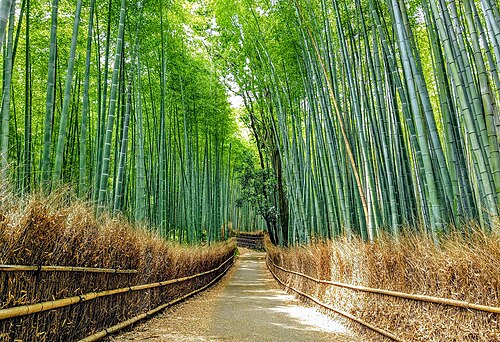
    Arashiyama Bamboo Grove is a renowned natural attraction in the Arashiyama district of western Kyoto. The site features a dense stand of tall bamboo stalks forming a distinctive pathway that draws visitors from across the world.

    • Must see
    • Historic monument
  2. Kyoto Imperial Palace Kyoto Imperial Palace
    03 45 min

    Kyoto Imperial Palace

    京都御所

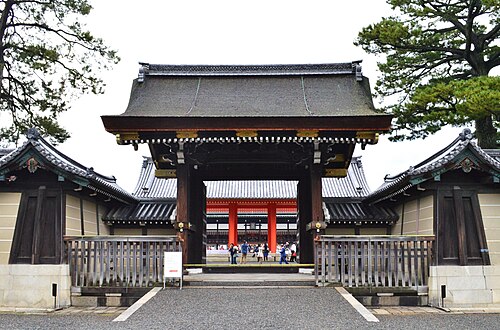
    The Kyoto Imperial Palace served as the residence of Japan's Imperial Family until 1869, when the capital moved to Tokyo.

    • Must see
    • Historic monument
  3. Yasaka Shrine Yasaka Shrine
    04 30 min

    Yasaka Shrine

    八坂神社

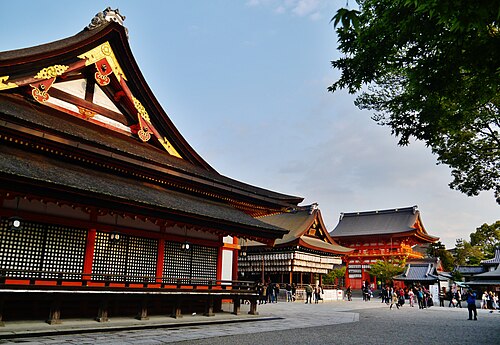
    Yasaka Shrine is a Shinto shrine located in Kyoto, Japan. It is also known as Gion Shrine. The shrine stands at the eastern end of Shijo-dori, a major thoroughfare in the city.

    • Must see
    • Place of worship
  4. Philosopher's Walk Philosopher's Walk
    05 45 min

    Philosopher's Walk

    哲学の道

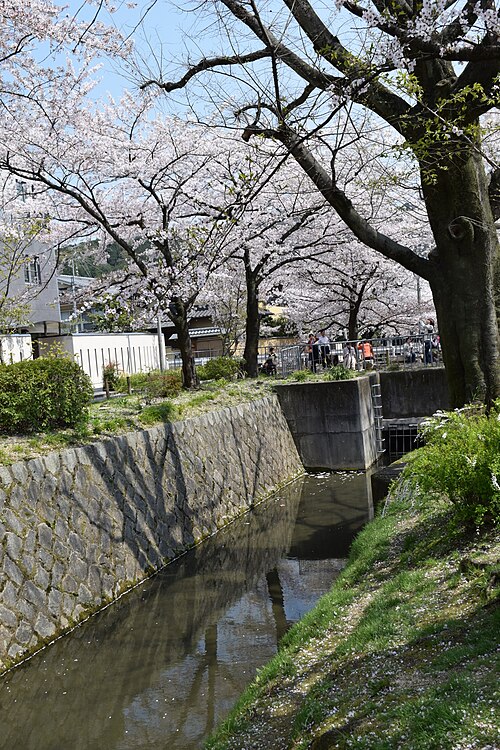
    Philosopher's Path is a pedestrian walkway in Kyoto, Japan, following a canal lined with cherry trees. The route connects Ginkaku-ji (Silver Pavilion) with Nanzen-ji temple precincts.

    • Must see
    • Historic monument
  5. Tō-ji Temple Tō-ji Temple
    06 45 min

    Tō-ji Temple

    東寺

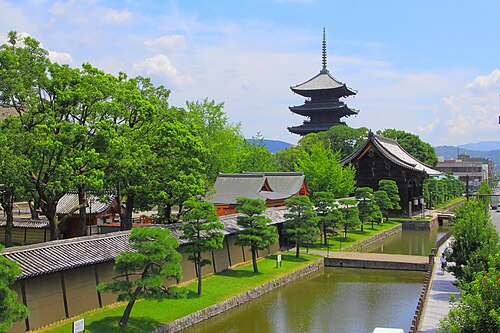
    To-ji is a Buddhist temple in Kyoto, Japan. It was founded in the eighth century and stands as one of the city's most historically significant religious sites.

    • Must see
    • Historic monument

Source: OpenStreetMap contributors, Wikidata ·

How the city is laid out

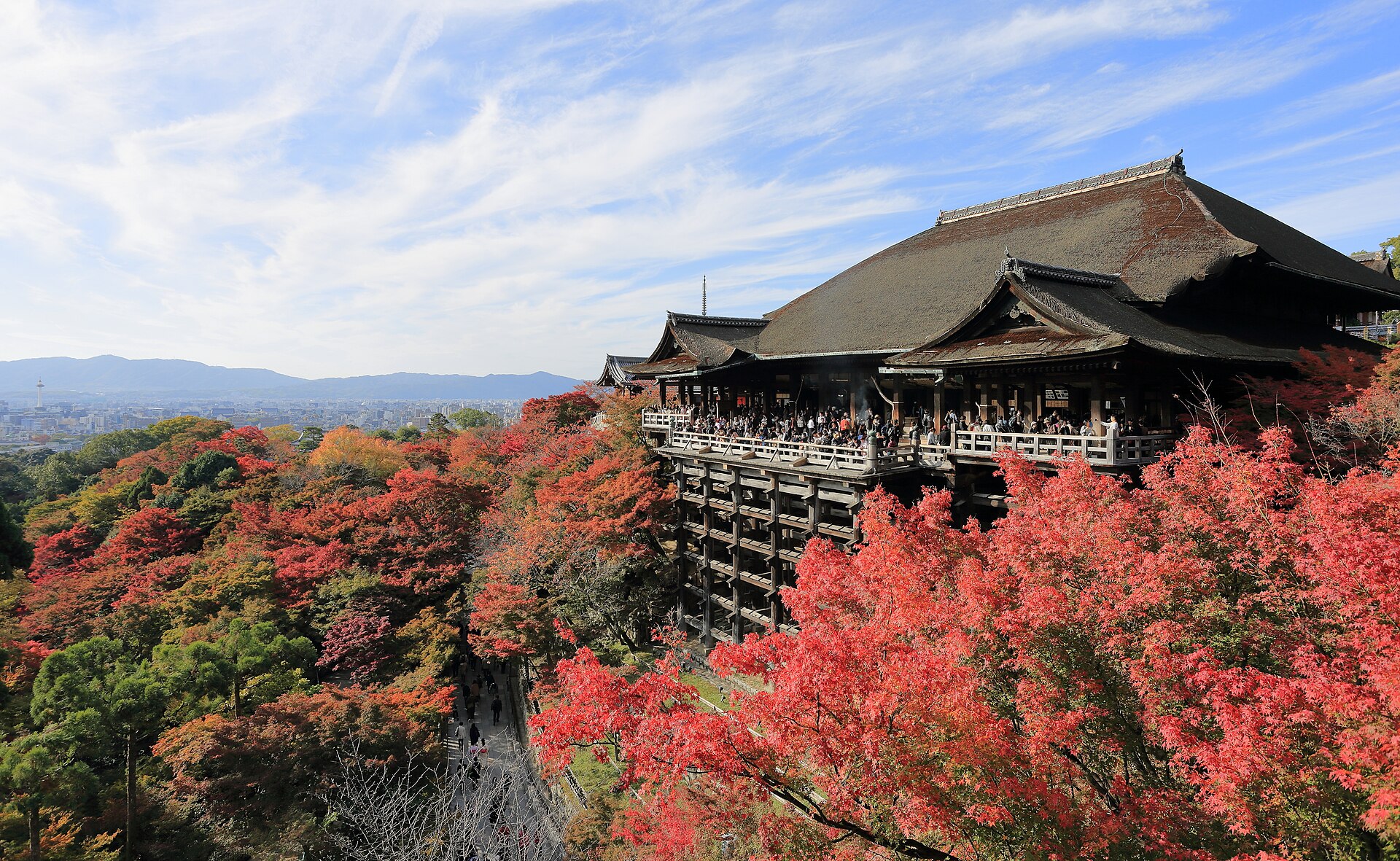
Central Kyoto includes Kyoto Station, downtown, Nishiki Market, Nijo Castle and the Imperial Palace area. Eastern Kyoto contains Higashiyama, Kiyomizu-dera, Gion, Okazaki and the Philosopher's Path. Arashiyama anchors the west, while Kinkaku-ji and northern temples need their own route. Fushimi and Fushimi Inari lie south. Build days around these geographic sectors instead of a single attraction list.

Checked 2026-08-26

Getting around

Combine trains, subway and buses rather than relying on buses alone. Kyoto's official guide recommends using rail to approach major sightseeing districts, then transferring where needed, which reduces exposure to road congestion. Walk within Higashiyama, downtown or Arashiyama once there. Kyoto Station is useful for arrivals, but other JR stations may provide a more direct approach to specific districts.

Checked 2026-08-26

Common questions

How many days should I spend in Kyoto?

A fixed duration is not recorded. Plan by geographic sector and allow separate blocks for eastern Kyoto, central Kyoto, Arashiyama, the north and Fushimi.

Are Kyoto's main sights close together?

Some are, but the major districts sit on different sides of the city. Higashiyama works as a walking cluster, while Arashiyama, northern temples and Fushimi require separate journeys.

Should I use buses for every Kyoto journey?

No. The official guide recommends combining trains and buses. Rail often bypasses road congestion and can bring you closer to a district before a shorter transfer or walk.

Which area is best explored on foot?

Higashiyama and Gion form a strong walking corridor, as do parts of downtown around Nishiki Market. Reach the district first, then continue between nearby sights on foot.

Is Kyoto Station always the best interchange?

No. The official guide notes that stations such as Nijo, Enmachi, Tofukuji and Yamashina can provide more direct approaches to particular sightseeing areas and reduce crowding.