Amsterdam Central station
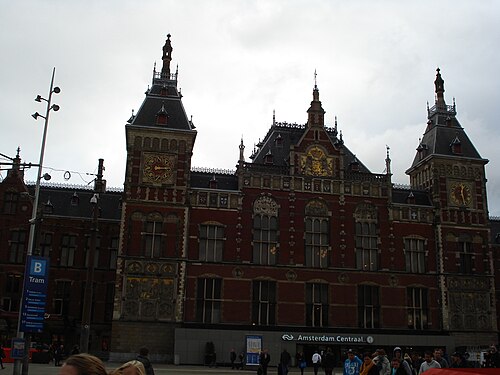
Centraal Station
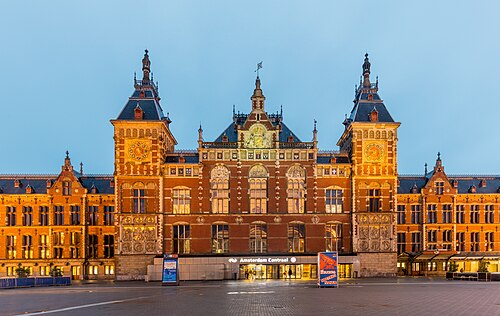
Amsterdam Central station is the city’s principal railway gateway, set between Amsterdam’s historic centre and the IJ waterfront.
- Must see
- Historic monument
City guide · Netherlands
Amsterdam is the constitutional capital of the Netherlands, organised around a historic centre of canals, bridges and narrow streets. The seventeenth-century ca...
Photograph · Diliff · CC BY 2.5
Set your days, your pace and the hours you actually want to be out. The planner works around closing days and travel time, and leaves room to eat.
Reviewed by Elena Voss · Roavina Travel Editor
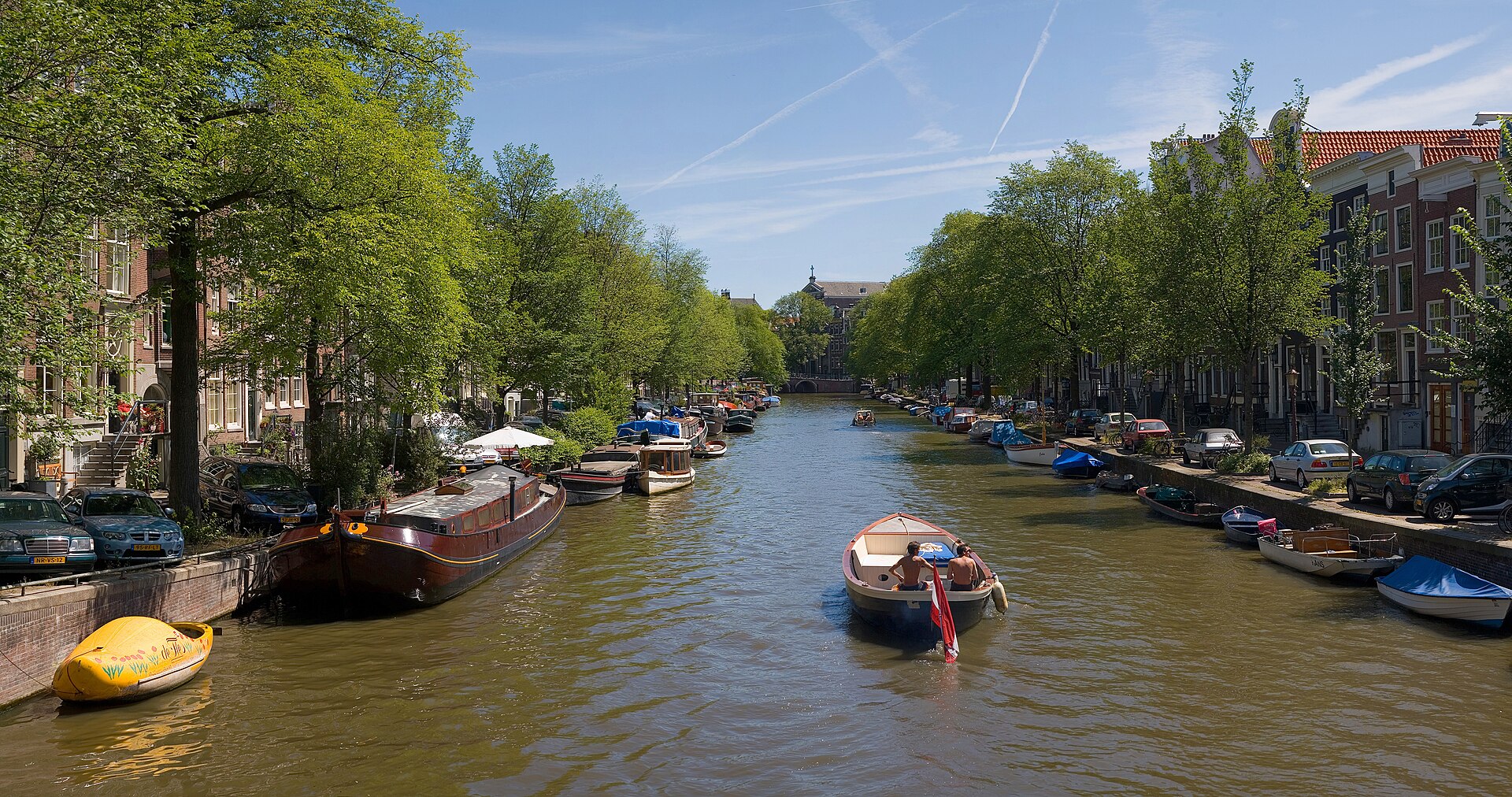
Amsterdam is the constitutional capital of the Netherlands, organised around a historic centre of canals, bridges and narrow streets. The seventeenth-century canal ring shapes the central visitor experience, while major museums cluster south around Museumplein and ferries connect Centraal Station with Amsterdam Noord. The city is compact but not confined to the old centre: Jordaan, De Pijp, Plantage, Westerpark, Oost and the redeveloped northern waterfront each work as distinct neighbourhood visits.
Checked 2026-08-26
September · September averages a mild 19.2°C high in Amsterdam, while 84.4 mm of rain and shorter sunshine require flexible plans.
Ranked by importance — sitelinks, pageviews and heritage status, not editor preference.
78 places match
Category
Typical visit duration
Centraal Station
Amsterdam Central station is the city’s principal railway gateway, set between Amsterdam’s historic centre and the IJ waterfront.
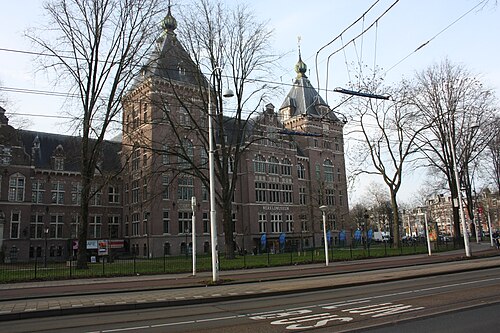
Wereldmuseum Amsterdam is a museum in Amsterdam dedicated to world cultures and ethnographic collections. The institution presents artifacts and narratives from diverse global traditions, positioned within the Netherlands' historical context of colonial engagement and maritime trade.
Joods Museum
Amsterdam’s Jewish Museum is a cultural institution devoted to Jewish history, religion and culture in the Netherlands. Its setting in the city’s historic Jewish quarter gives the museum a direct relationship with the streets and community it interprets.
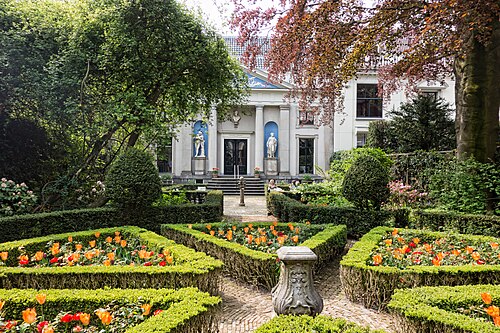
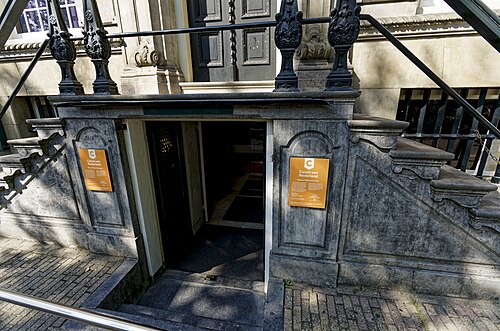
Museum Van Loon is a historic canal-house museum on Amsterdam’s Keizersgracht, where the building itself forms the central experience.
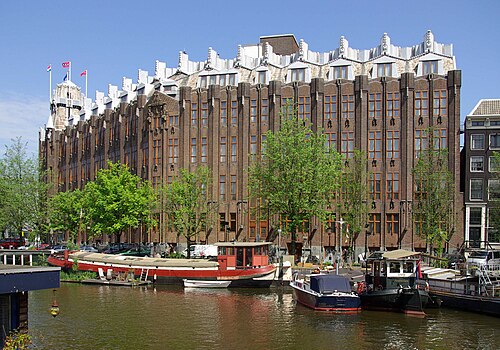
Scheepvaarthuis is an Amsterdam landmark whose identity is unusually clear: it was built between 1912 and 1916 as the headquarters of six shipping companies.
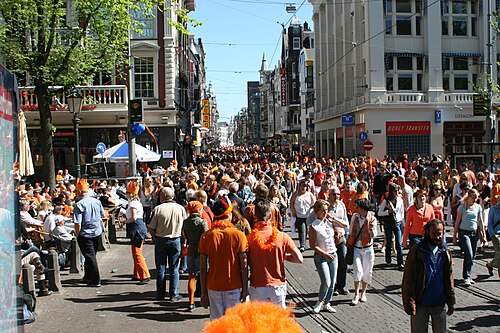
Leidseplein is a central Amsterdam square where theatre façades, cinemas, cafés, restaurants, bars and hotel entrances meet around an open paved space.
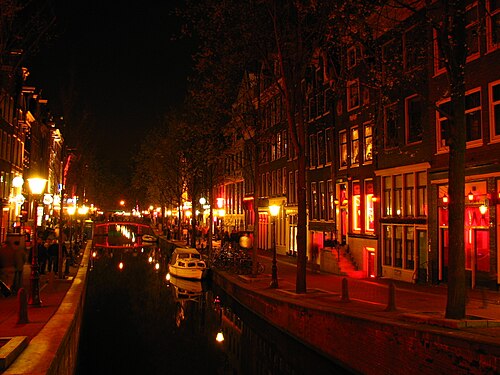
de Wallen
De Wallen is the oldest and most historic neighbourhood of Amsterdam, located in the medieval centre. It encompasses the city's original harbour and canal network, with buildings dating back centuries.
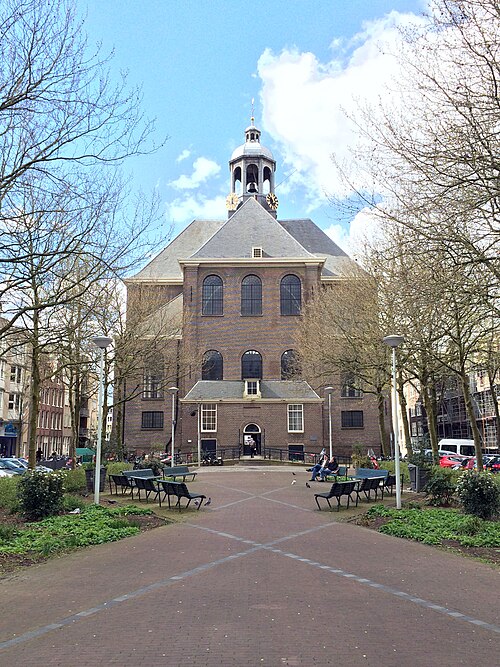
Oosterkerk, or East Church, is a historic church building in Amsterdam. Its name points to the eastern part of the city, while the building itself belongs to Amsterdam’s religious and architectural heritage.
H'ART Museum
H'Art Museum is an art institution on Amsterdam’s Amstel riverfront, where the character of the visit is tied to both the galleries and the historic waterway setting.
Het Huis met den Hoofden
Huis met de Hoofden, also known as Het Huis met den Hoofden, is an Amsterdam canal house known for a row of carved stone heads on its facade.
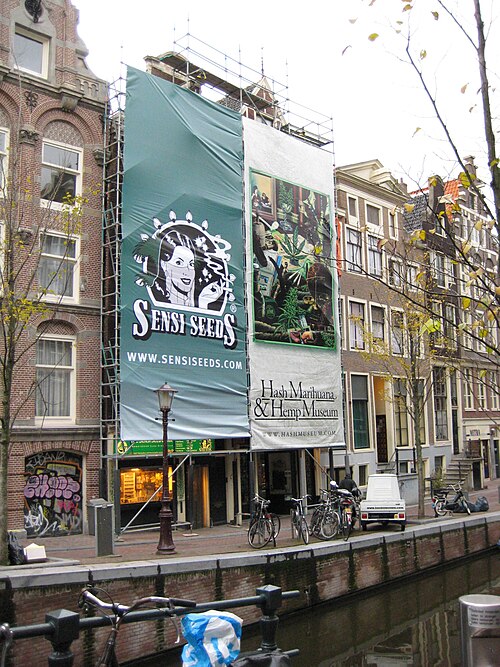
Hash Marihuana & Hemp Museum
The Hash Marihuana & Hemp Museum in Amsterdam is a museum dedicated to cannabis culture and the history of hemp. It explores the plant's multifaceted uses across medicine, industry, and recreation.
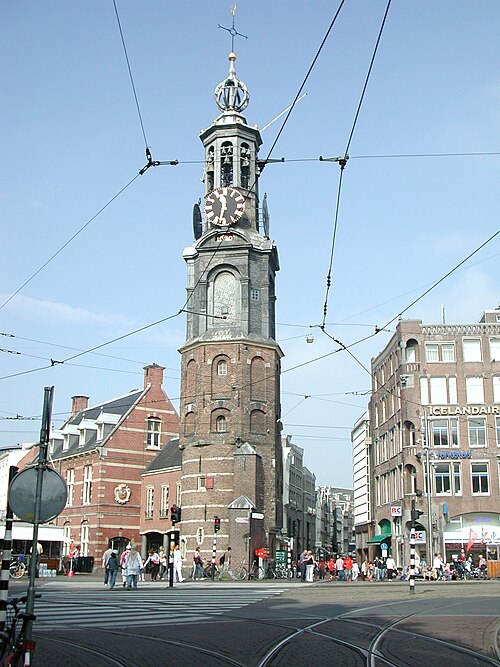
Munttoren is Amsterdam’s historic clock tower at Muntplein, where the Amstel meets the Singel canal.
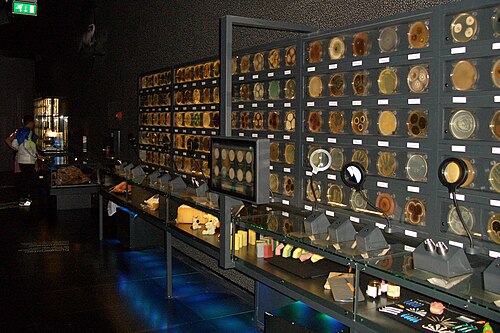
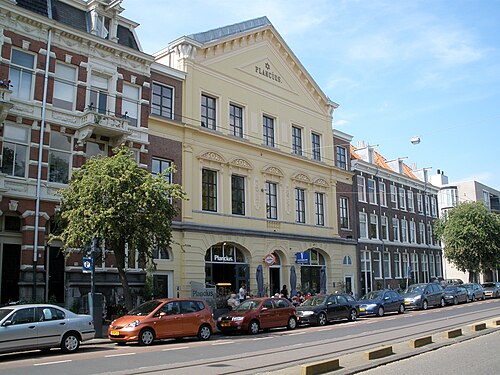
Micropia is Amsterdam’s museum devoted to microbial life, in the Plantage district beside Artis Zoo. Its subject is the living world of bacteria, fungi, and other microorganisms that normally remains beyond unaided sight.
Verzetsmuseum
The Dutch Resistance Museum, known locally as Verzetsmuseum, documents the history of Dutch resistance during the German occupation of the Netherlands in World War II.
Willet-Holthuysen
Museum Willet-Holthuysen is a preserved canal-house residence at Herengracht 605, where visitors enter the world of Amsterdam’s nineteenth-century wealthy urban households.
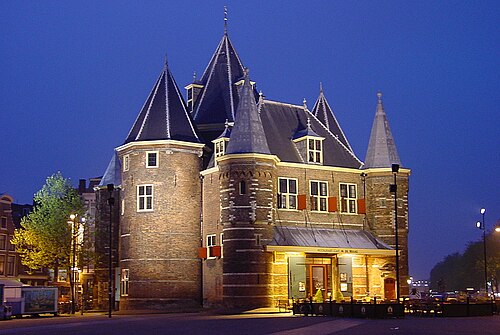
Waag is the historic landmark at the centre of Amsterdam’s Nieuwmarkt. It began as Sint Antoniespoort, a medieval city gate completed in 1488, and later became a weigh house for goods entering the city.
Museum Het Schip
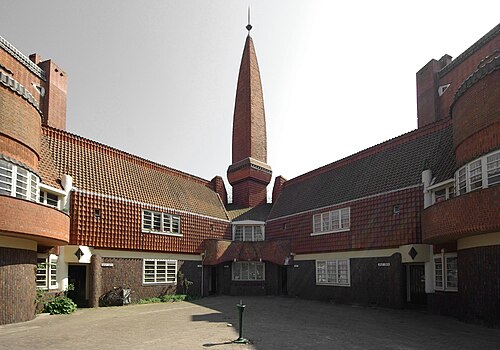
Het Schip is a social-housing complex in Amsterdam’s Spaarndammerbuurt, designed by Michel de Klerk and completed in 1921.
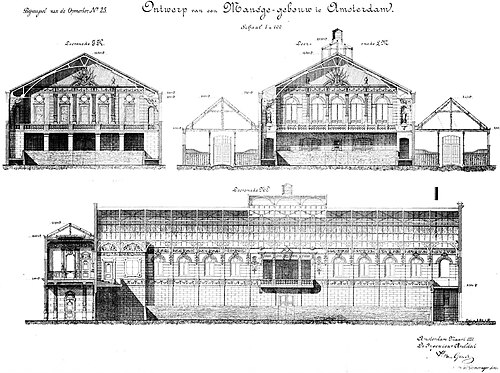
The Hollandsche Manege is a historic riding school in Amsterdam, Netherlands. Established in the nineteenth century, it represents one of the oldest indoor riding facilities in the country.
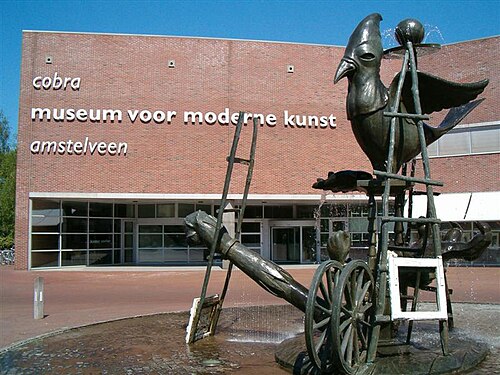
Cobra Museum is a specialist art museum in Amstelveen, the municipality bordering Amsterdam. Its subject is the Cobra movement, an international post-war group whose name joins Copenhagen, Brussels and Amsterdam.
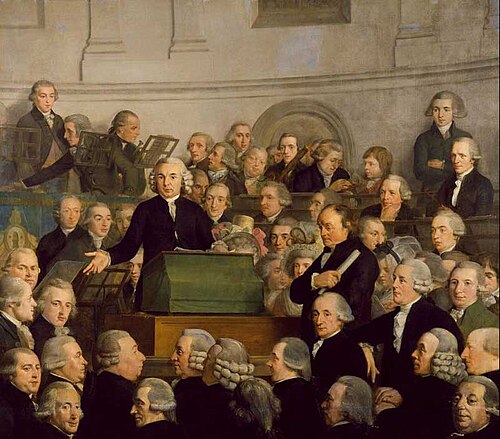
Felix Meritis is an Amsterdam cultural landmark remembered for bringing several fields of knowledge and creativity into one institution. Its Latin name means “Happiness through Merit,” a phrase that reflects the Enlightenment ideals associated with its founders.
The Amsterdam Dungeon
Amsterdam Dungeon is a theatrical attraction built around live actor performances, atmospheric sets, sound, lighting, and dark episodes from Dutch history.
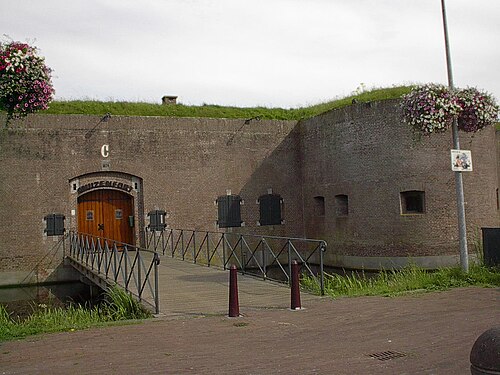
Muizenfort
Mouse Fort is the English name recorded for Muizenfort, a fortification associated with Amsterdam’s wider defensive landscape. Its interest lies in the relationship between military construction, controlled water and the low-lying terrain around the Dutch capital.
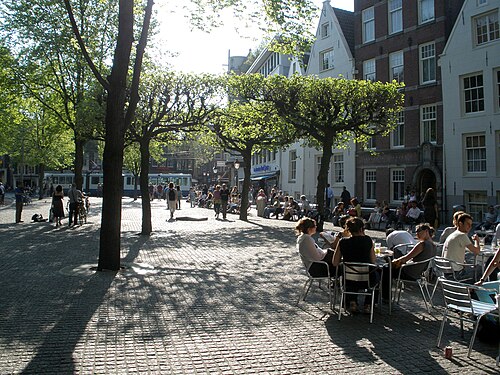
Spui is a central Amsterdam square beside the Singel canal, where a broad paved public space meets bookshops, cafés and the entrance to the Begijnhof.
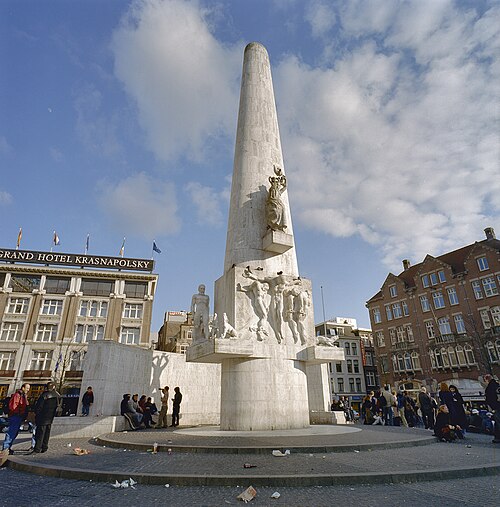
Nationaal Monument
The National Monument is a white stone memorial pillar located on Dam Square in central Amsterdam. Erected in 1956, it commemorates Dutch victims of World War II and subsequent conflicts.
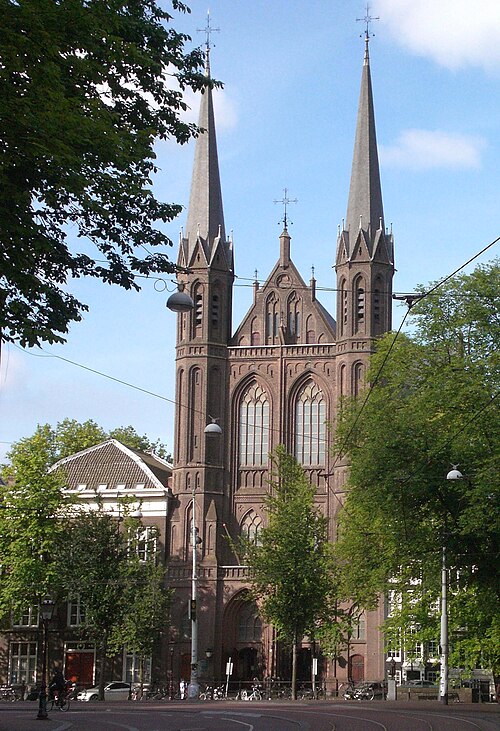
Sint-Franciscus Xaveriuskerk
De Krijtberg, also called Sint-Franciscus Xaveriuskerk, is a Catholic church on the Singel canal in central Amsterdam. The church is dedicated to Saint Francis Xavier and remains part of the city’s religious life.
Start with Centrum around Dam Square and the medieval streets, then read the canal belt as widening arcs around it. Jordaan lies west of the Prinsengracht, while the Museum Quarter and De Pijp sit south of the central canals. Plantage and the eastern islands extend the cultural route eastward. Amsterdam Noord is across the IJ rather than across another canal and is reached from the Centraal Station waterfront. The municipality divides Amsterdam into seven districts plus the Weesp city area, but visitor neighbourhood names are usually more useful than administrative boundaries.
Checked 2026-08-26
Walk through the central canals and use GVB trams, metros, buses and ferries for longer links. GVB accepts contactless check-in and check-out through OVpay as well as its own visitor tickets. Cycling is part of daily transport, but unfamiliar riders should not treat busy cycle lanes as a sightseeing attraction; public transport is the calmer first choice. Ferries are particularly useful for Amsterdam Noord, while trams connect the centre with Museumplein and surrounding neighbourhoods. Always check in and out with the same card or device.
Checked 2026-08-26
A fixed stay length is not recorded. Organise time around Centrum and the canal ring, the Museum Quarter, then one or more outer neighbourhoods such as Noord, De Pijp or Oost.
Centrum and the canal ring form the main historic core. Jordaan lies to the west, Museumplein to the south, and Amsterdam Noord sits across the IJ from Centraal Station.
GVB supports OVpay. Check in when boarding or entering the system and check out at the end using the same contactless card, phone or watch.
No. Walking and GVB services cover the visitor city well. Cycling is practical for confident riders, but busy local cycle traffic makes it a poor default for an unfamiliar visitor.
Use the GVB ferries from the waterfront behind Centraal Station. Noord is across the IJ and should be planned as a separate neighbourhood cluster rather than part of a canal-ring walk.