A photograph of Amsterdam

City guide · Netherlands

Places to visit in Amsterdam, Netherlands — page 5

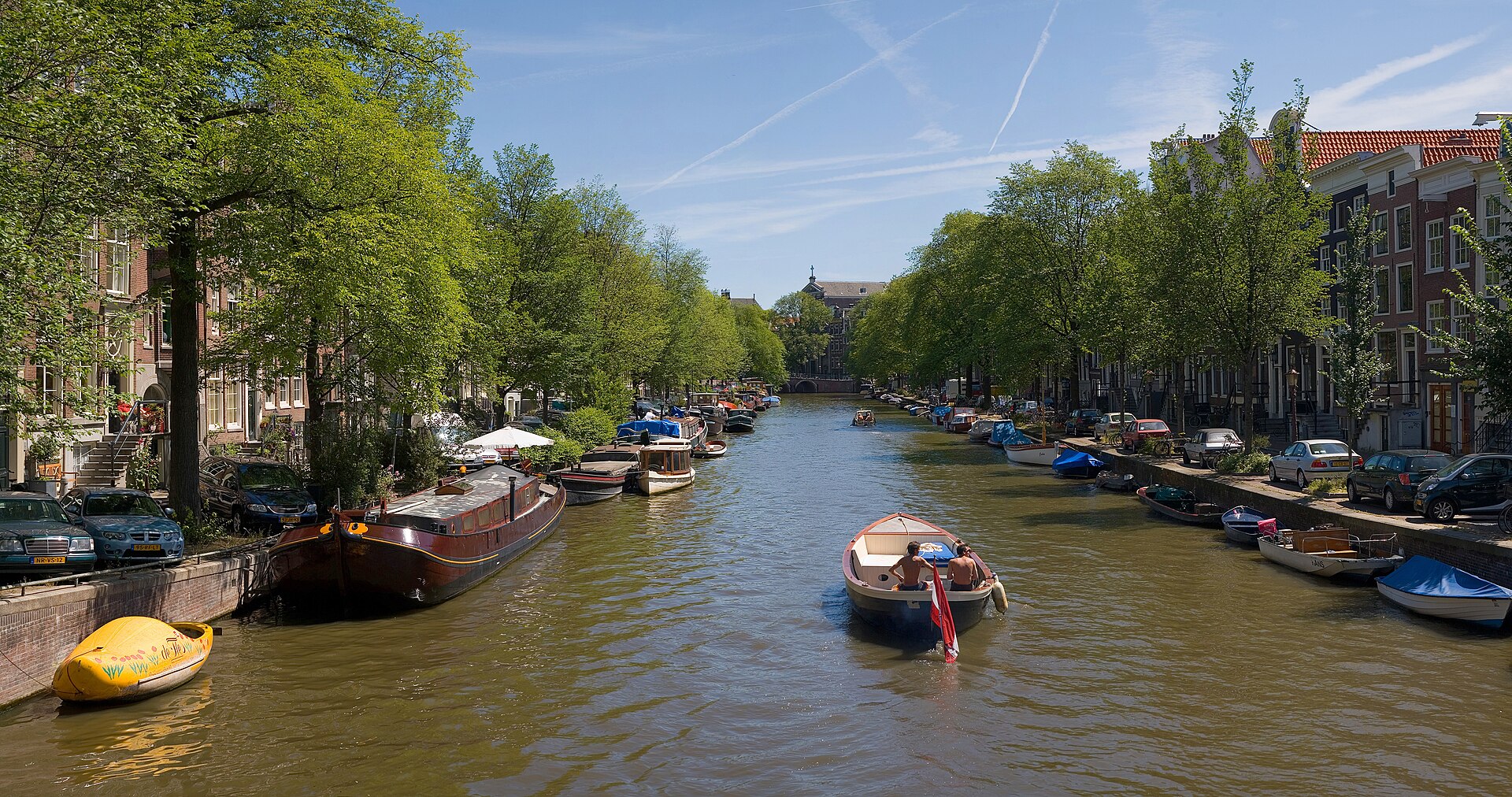
Amsterdam is the constitutional capital of the Netherlands, organised around a historic centre of canals, bridges and narrow streets. The seventeenth-century ca...

Photograph · Diliff · CC BY 2.5

2,920 Places
Suggested stay
Not recorded
Getting around
Walk, tram, metro and ferry

Turn this list into a plan

Set your days, your pace and the hours you actually want to be out. The planner works around closing days and travel time, and leaves room to eat.

Plan Amsterdam

Reviewed by Elena Voss · Roavina Travel Editor

Amsterdam is the constitutional capital of the Netherlands, organised around a historic centre of canals, bridges and narrow streets. The seventeenth-century canal ring shapes the central visitor experience, while major museums cluster south around Museumplein and ferries connect Centraal Station with Amsterdam Noord. The city is compact but not confined to the old centre: Jordaan, De Pijp, Plantage, Westerpark, Oost and the redeveloped northern waterfront each work as distinct neighbourhood visits.

Checked 2026-08-26

Practical information

Language spoken
Dutch
National practical orientation; regional and minority languages may also be used
Dialling code
+31
International calling code; local area and mobile prefixes still apply
Currency
Euro (EUR)
Use the official local currency; card acceptance varies by place
Emergency number
112
Use only for an emergency; tourist assistance may use a separate number
Plug type
Type C and F · 230 V
Check that chargers support the recorded voltage before using an adapter
Tap water
Safe from the mains
Dutch public drinking water is regulated for direct consumption

Planning a visit

September · September averages a mild 19.2°C high in Amsterdam, while 84.4 mm of rain and shorter sunshine require flexible plans.

  1. January: viable with meaningful trade-offs
  2. February: viable with meaningful trade-offs
  3. March: good time to visit
  4. April: best time to visit
  5. May: best time to visit
  6. June: best time to visit
  7. July: good time to visit
  8. August: good time to visit
  9. September: good time to visit — current month
  10. October: viable with meaningful trade-offs
  11. November: viable with meaningful trade-offs
  12. December: viable with meaningful trade-offs

Sources

Top things to see

Ranked by importance — sitelinks, pageviews and heritage status, not editor preference.

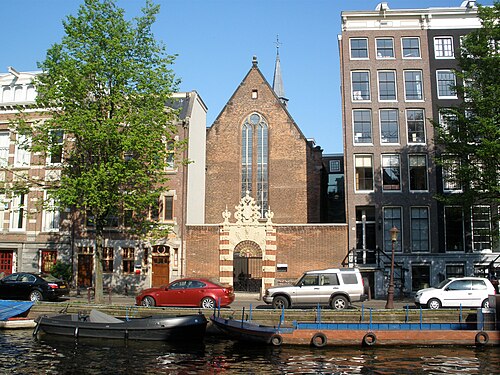
  1. Agnietenkapel Agnietenkapel
    82 45 min

    Agnietenkapel

    Agnietenkapel (UvA)

    Agnietenkapel is a historic chapel in Amsterdam, associated with the University of Amsterdam (UvA). The name derives from the former convent of Saint Agnes. It serves as an academic ceremonial venue rather than a regular place of worship.

    • Notable
    • Historic monument
  2. Amsterdam Tulip Museum Amsterdam Tulip Museum
    83 1 hr 30 min

    Amsterdam Tulip Museum

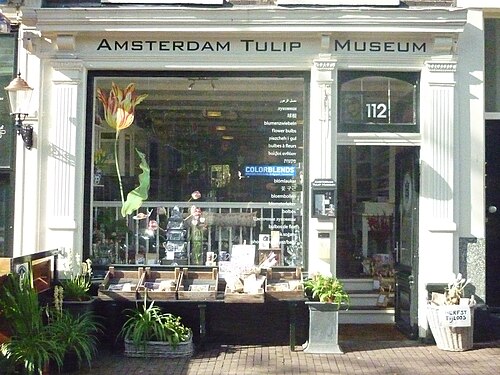
    The Amsterdam Tulip Museum is a specialist museum in Amsterdam’s Jordaan district devoted to the tulip’s historical and cultural importance in the Netherlands. Its distinctive subject is the relationship between a flower, horticulture, trade and national imagery.

    • Notable
    • Museum
  3. Allard Pierson Museum Allard Pierson Museum
    84 1 hr 30 min

    Allard Pierson Museum

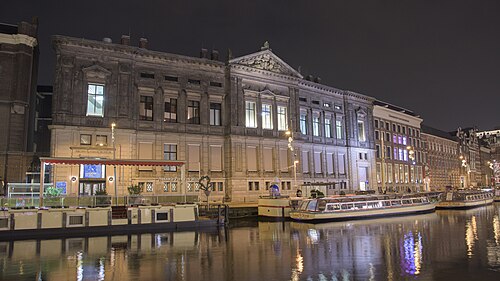
    The Allard Pierson Museum is the archaeological museum of the University of Amsterdam. It houses collections of antiquities from ancient Egypt, the Near East, the Greek world, Etruria, and the Roman Empire.

    • Notable
    • Museum
  4. Huis aan de Drie Grachten Huis aan de Drie Grachten
    85 45 min

    Huis aan de Drie Grachten

    Huis aan 3 grachten

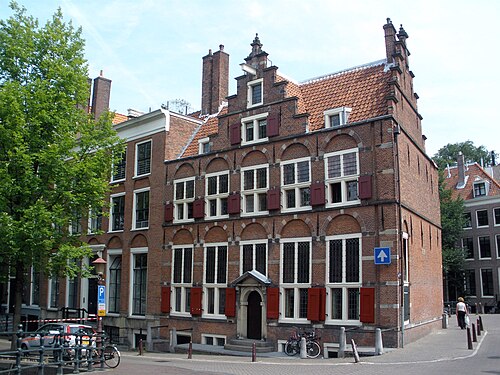
    Huis aan de Drie Grachten is an Amsterdam canal house whose name means “House on the Three Canals.” The name points to the building’s defining setting: it stands where three canals meet, making its relationship with the water more important…

    • Notable
    • Historic monument
  5. Amstelpark Amstelpark
    86 1 hour

    Amstelpark

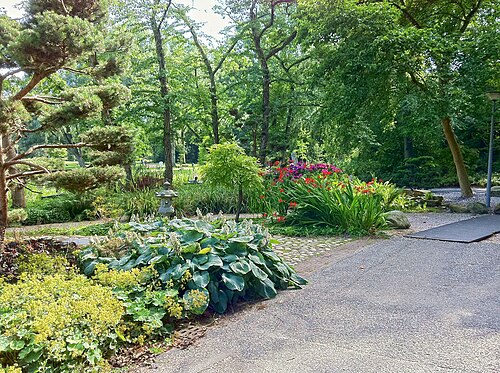
    Amstelpark is a large public park in southern Amsterdam beside the Amstel River. It was created for the 1972 Floriade horticultural exhibition, and its origins explain the mixture of formal gardens, planted displays, paths, recreation, and art.

    • Notable
    • Nature site
  6. Deutzen Hofje Deutzen Hofje
    87 1 hour

    Deutzen Hofje

    Deutzenhofje

    Deutzen Hofje is an Amsterdam hofje: a small courtyard development whose identity is tied to housing rather than a museum, church, or ticketed attraction.

    • Notable
    • Nature site
  7. De Schreeuw De Schreeuw
    88 45 min

    De Schreeuw

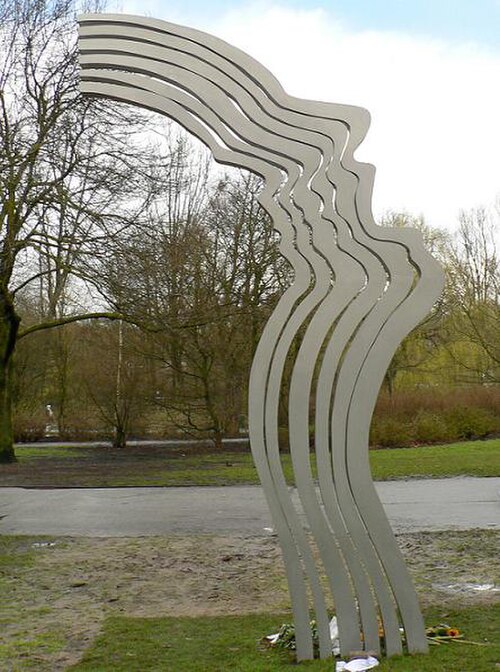
    De Schreeuw is an outdoor memorial monument in Amsterdam, identified by its Dutch name, “The Scream.” It is a fixed public artwork in the city rather than a museum, gallery, or historic building with visitor rooms.

    • Notable
    • Historic monument
  8. Haarlemmermeerstation Haarlemmermeerstation
    89 45 min

    Haarlemmermeerstation

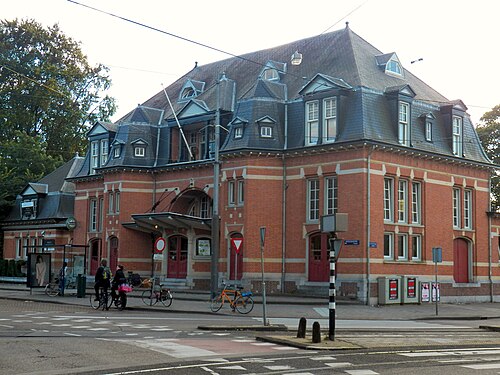
    Haarlemmermeerstation is a historic railway station building in Amsterdam. It formerly served as a terminus for the Haarlemmermeer railway lines and represents the period when railways connected the capital with surrounding polder communities.

    • Notable
    • Historic monument
  9. Warmoesstraat Warmoesstraat
    90 45 min

    Warmoesstraat

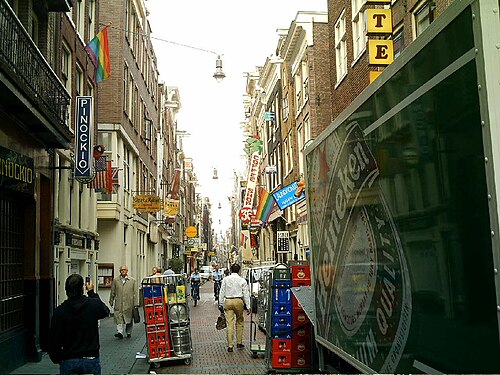
    Warmoesstraat is a historic street in Amsterdam’s medieval centre, running through the Wallen area near the city’s oldest urban core. Its name comes from “warmoes,” an old Dutch word associated with vegetables and herbs, a reminder of earlier market life.

    • Notable
    • Historic monument
  10. Foam Fotografiemuseum Amsterdam Foam Fotografiemuseum Amsterdam
    91 1 hr 30 min

    Foam Fotografiemuseum Amsterdam

    foam

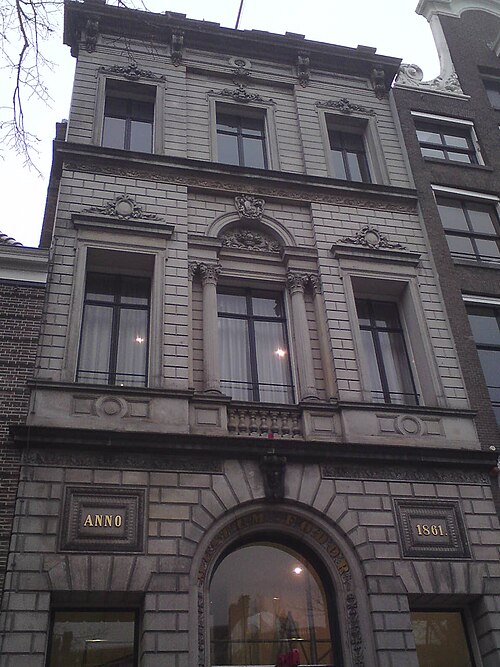
    Foam Fotografiemuseum Amsterdam is a photography museum housed on Keizersgracht in Amsterdam’s central canal district.

    • Notable
    • Museum
  11. Rasphuis Rasphuis
    92 45 min

    Rasphuis

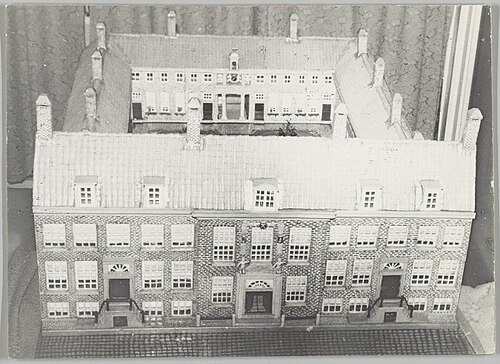
    Rasphuispoort

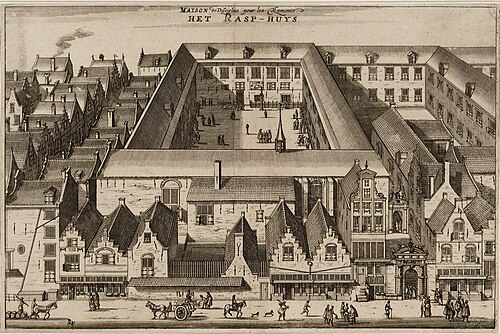
    Rasphuis, also known locally as Rasphuispoort, is a surviving gate connected with Amsterdam’s former rasphuis, or house of correction. The name refers to the rasping of wood, labour associated with inmates of the institution.

    • Notable
    • Historic monument
  12. Torture Museum Torture Museum
    93 1 hr 30 min

    Torture Museum

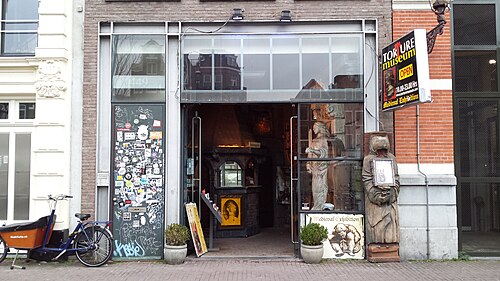
    Amsterdam’s Torture Museum is a compact specialist museum devoted to judicial torture and punishment in European history. Its narrow canal-house setting gives the visit an intimate old-city character unlike Amsterdam’s large national museums.

    • Notable
    • Museum
  13. National Holocaust Names Memorial National Holocaust Names Memorial
    94 45 min

    National Holocaust Names Memorial

    Nationaal Holocaust Namenmonument

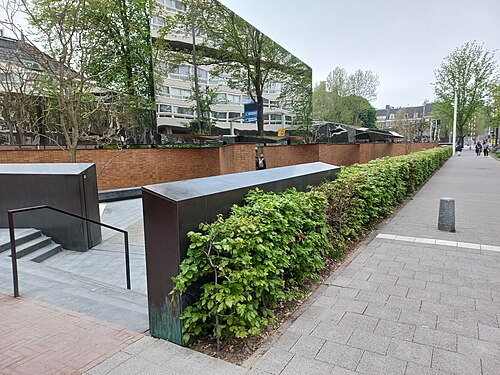
    The National Holocaust Names Memorial, or Nationaal Holocaust Namenmonument, is a place of remembrance in Amsterdam’s former Jewish quarter. Its walls commemorate Jews, Sinti and Roma from the Netherlands who were murdered during the Holocaust.

    • Notable
    • Historic monument
  14. De Kleine Komedie De Kleine Komedie
    95 1 hour

    De Kleine Komedie

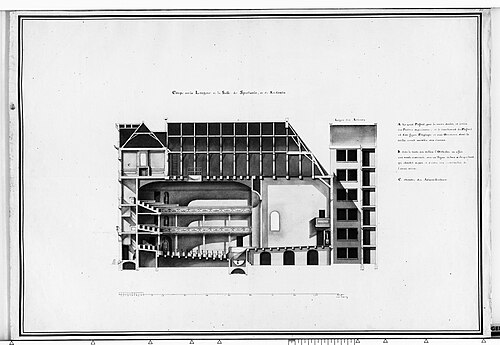
    De Kleine Komedie is a historic theatre located in Amsterdam, Netherlands. It is recognised as the oldest surviving theatre in the city, with origins dating to the eighteenth century.

    • Notable
    • Art and culture venue
  15. Equestrian statue of Queen Wilhelmina Equestrian statue of Queen Wilhelmina
    96 45 min

    Equestrian statue of Queen Wilhelmina

    Ruiterstandbeeld van Koningin Wilhelmina

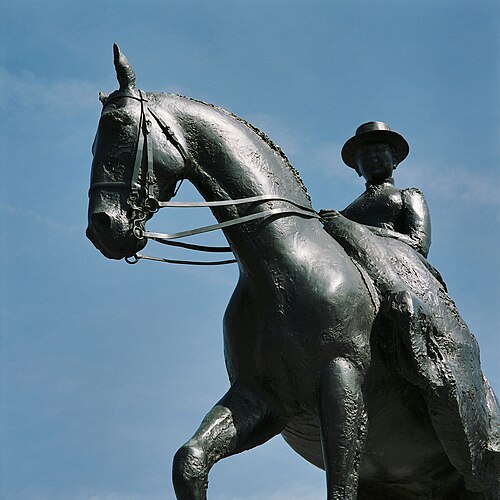
    The Equestrian statue of Queen Wilhelmina is an Amsterdam civic monument centred on a mounted portrait of Queen Wilhelmina of the Netherlands. The horse-and-rider format gives the work a strong silhouette and distinguishes it from standing or seated royal memorials.

    • Notable
    • Historic monument
  16. Pampus Pampus
    97 45 min

    Pampus

    Fort Pampus

    Fort Pampus is a sea fort located on the artificial island of Pampus in the IJmeer, east of Amsterdam.

    • Notable
    • Historic monument
  17. Cat Cabinet Cat Cabinet
    98 1 hr 30 min

    Cat Cabinet

    Kattenkabinet

    The Kattenkabinet is a museum in Amsterdam dedicated entirely to cat-related art and culture. Founded in 1990, it occupies a canal house on the Herengracht.

    • Notable
    • Museum

Source: OpenStreetMap contributors, Wikidata ·

How the city is laid out

Start with Centrum around Dam Square and the medieval streets, then read the canal belt as widening arcs around it. Jordaan lies west of the Prinsengracht, while the Museum Quarter and De Pijp sit south of the central canals. Plantage and the eastern islands extend the cultural route eastward. Amsterdam Noord is across the IJ rather than across another canal and is reached from the Centraal Station waterfront. The municipality divides Amsterdam into seven districts plus the Weesp city area, but visitor neighbourhood names are usually more useful than administrative boundaries.

Checked 2026-08-26

Getting around

Walk through the central canals and use GVB trams, metros, buses and ferries for longer links. GVB accepts contactless check-in and check-out through OVpay as well as its own visitor tickets. Cycling is part of daily transport, but unfamiliar riders should not treat busy cycle lanes as a sightseeing attraction; public transport is the calmer first choice. Ferries are particularly useful for Amsterdam Noord, while trams connect the centre with Museumplein and surrounding neighbourhoods. Always check in and out with the same card or device.

Checked 2026-08-26

More city guides

Common questions

How many days should I spend in Amsterdam?

A fixed stay length is not recorded. Organise time around Centrum and the canal ring, the Museum Quarter, then one or more outer neighbourhoods such as Noord, De Pijp or Oost.

Where is Amsterdam's main sightseeing core?

Centrum and the canal ring form the main historic core. Jordaan lies to the west, Museumplein to the south, and Amsterdam Noord sits across the IJ from Centraal Station.

Can I use contactless payment on public transport?

GVB supports OVpay. Check in when boarding or entering the system and check out at the end using the same contactless card, phone or watch.

Do I need to cycle in Amsterdam?

No. Walking and GVB services cover the visitor city well. Cycling is practical for confident riders, but busy local cycle traffic makes it a poor default for an unfamiliar visitor.

How do I reach Amsterdam Noord?

Use the GVB ferries from the waterfront behind Centraal Station. Noord is across the IJ and should be planned as a separate neighbourhood cluster rather than part of a canal-ring walk.