Casa de les Punxes
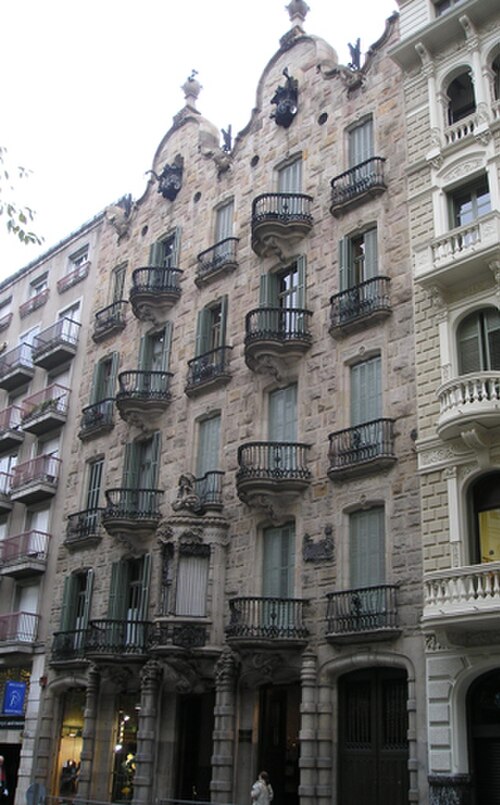
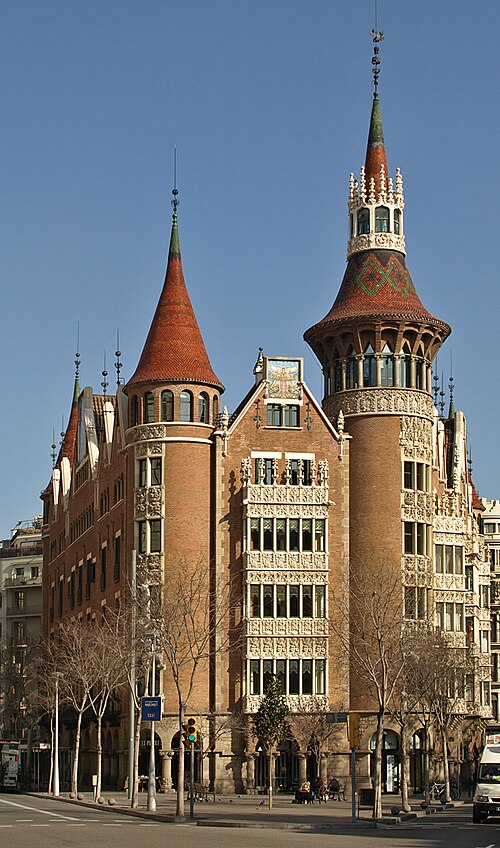
Casa de les Punxes is a landmark of Catalan Modernism on Avinguda Diagonal in Barcelona. Josep Puig i Cadafalch designed the building, constructed between 1905 and 1910 for the Terradas family.
- Must see
- Art and culture venue
City guide · Spain
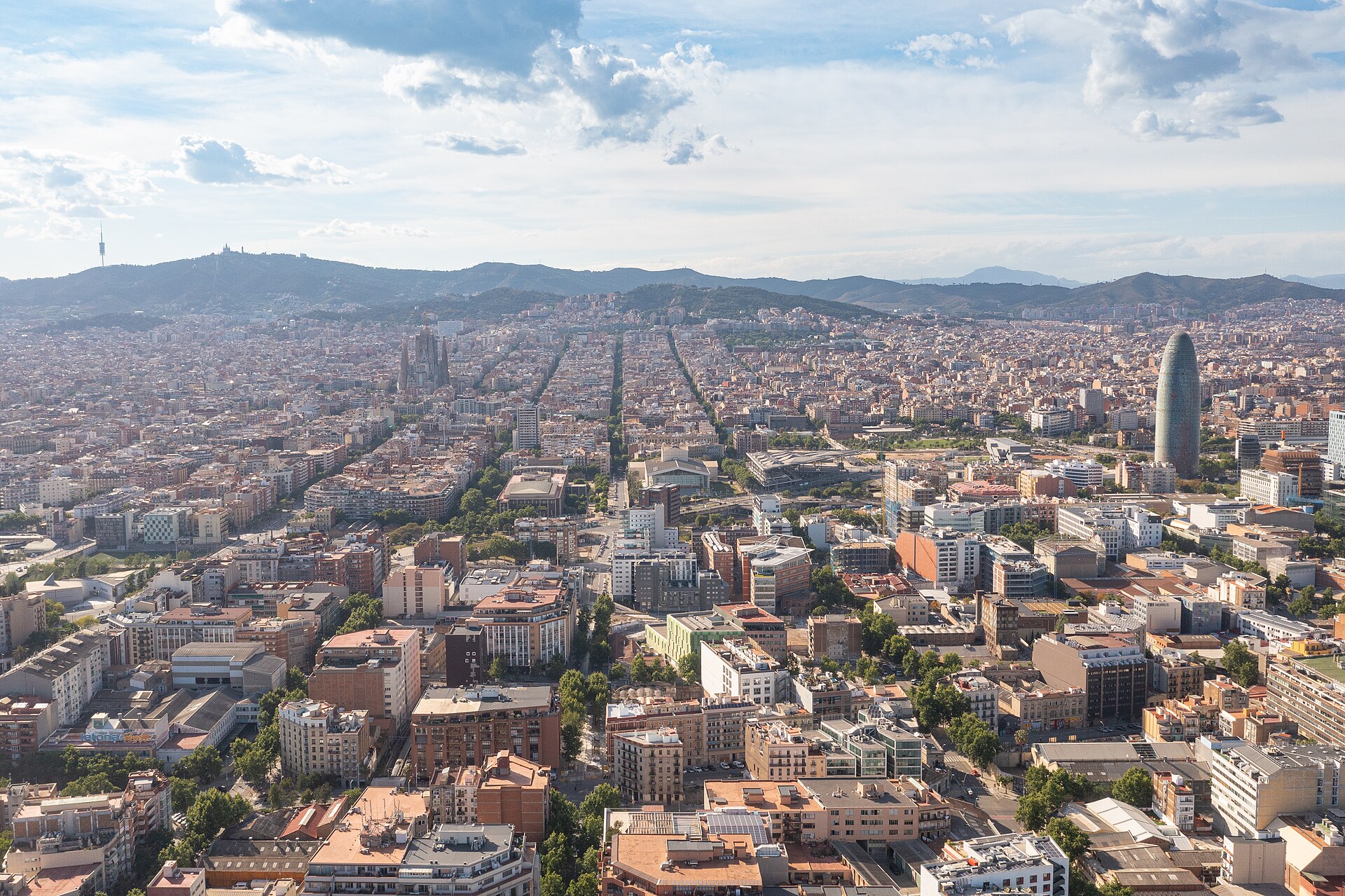
Barcelona is Catalonia's capital on Spain's Mediterranean coast. Its visitor core combines the irregular lanes of Ciutat Vella, the nineteenth-century Eixample...
Photograph · dronepicr · CC BY 2.0
Set your days, your pace and the hours you actually want to be out. The planner works around closing days and travel time, and leaves room to eat.
Reviewed by Elena Voss · Roavina Travel Editor
Barcelona is Catalonia's capital on Spain's Mediterranean coast. Its visitor core combines the irregular lanes of Ciutat Vella, the nineteenth-century Eixample grid, the waterfront at Barceloneta, and the cultural sites on Montjuïc. Catalan and Spanish are both used across the city, while signs and place names commonly appear first in Catalan. The ranked attractions span Roman and medieval streets, Modernista architecture, markets, museums, beaches, and hilltop viewpoints rather than a single compact monument zone.
Checked 2026-08-26
September · September stays warm in Barcelona at 26.0°C by day while rain rises to 81 mm; thunderstorms average 3.5 days, matching August.
Ranked by importance — sitelinks, pageviews and heritage status, not editor preference.
71 places match
Category
Typical visit duration
Casa de les Punxes is a landmark of Catalan Modernism on Avinguda Diagonal in Barcelona. Josep Puig i Cadafalch designed the building, constructed between 1905 and 1910 for the Terradas family.
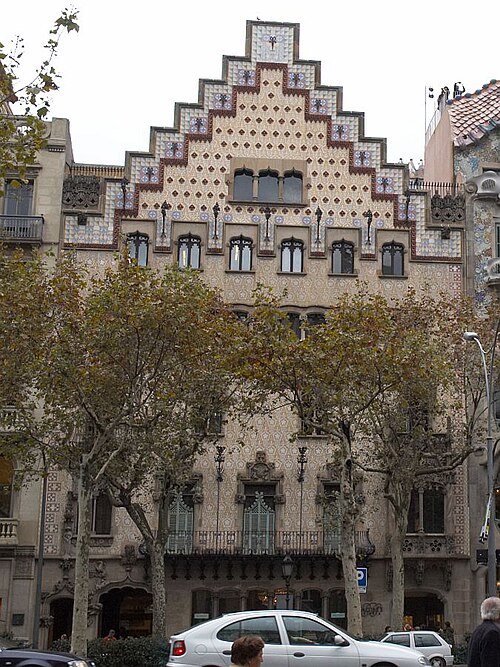
Casa Amatller is a modernist building in Barcelona, designed by architect Josep Puig i Cadafalch. It stands on Passeig de Gràcia, adjacent to Casa Batlló.
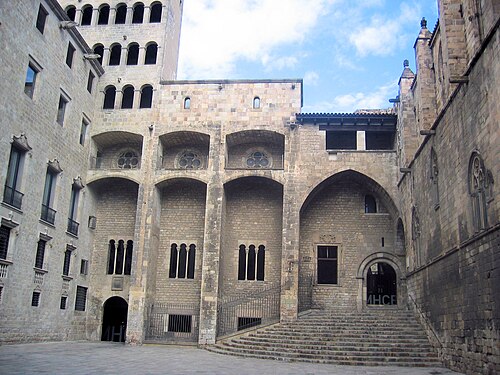
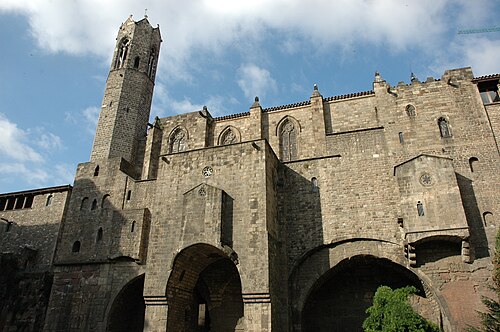
Palau Reial Major is Barcelona’s medieval royal palace complex on Plaça del Rei in the Gothic Quarter. The site was associated with the Counts of Barcelona and later the Kings of Aragon.
Les Quatre Columnes
The Four Columns, or Les Quatre Columnes, are a public monument at the foot of Montjuïc in Barcelona. Josep Puig i Cadafalch designed the original columns in 1919 as symbols of the four red stripes of the Catalan senyera.
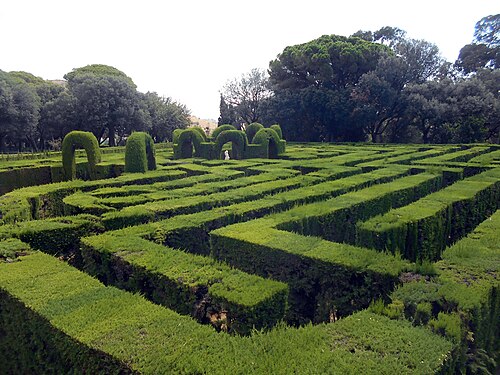
Parc del Laberint d'Horta is a historic garden and park located in the Horta-Guinardó district of Barcelona. It is the oldest preserved garden in the city, dating from the late eighteenth century.
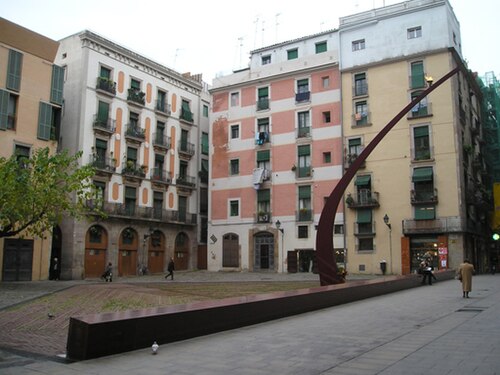
Fossar de les Moreres is a memorial square beside the Basilica of Santa Maria del Mar in Barcelona’s El Born district.
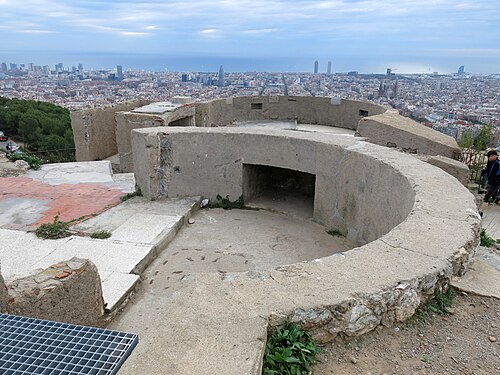
Bateries antiaèries i barraques del Carmel
The Bunker is a historic anti-aircraft battery site located in the Carmel neighbourhood of Barcelona. Its official local name, Bateries antiaèries i barraques del Carmel, reflects its military origins during the Spanish Civil War.
Casa Calvet is an early modernist building by Antoni Gaudí on Carrer de Casp in Barcelona’s Eixample. Built between 1898 and 1900 for the Calvet family, textile manufacturers, the property combined homes with commercial activity.
Dona i Ocell, or Woman and Bird, is a monumental Joan Miró sculpture in Barcelona’s Parc de Joan Miró. Created as a vivid public artwork, it combines a female form with a bird shape in Miró’s distinctive surrealist language.
Torres Venecianes
The Venetian Towers, known in Catalan as Torres Venecianes, mark the entrance to Avinguda de la Reina Maria Cristina at Plaça d'Espanya. Built for the 1929 Barcelona International Exposition, the paired towers create a ceremonial gateway toward Montjuïc.
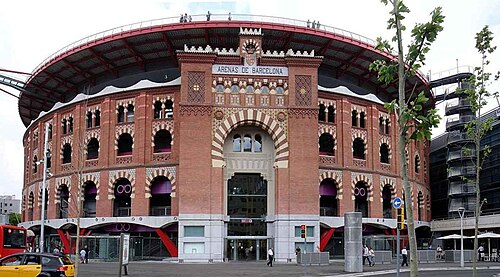
Arenas de Barcelona
Arenas de Barcelona is a former bullring in the city of Barcelona, Catalonia, Spain.
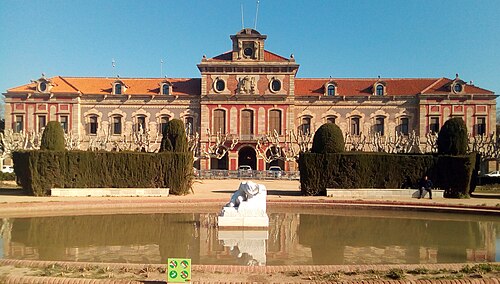
Palau del Parlament de Catalunya
The Palace of the Parliament of Catalonia, or Palau del Parlament de Catalunya, is the seat of Catalonia’s legislature in Barcelona. Its importance comes from both its institutional role and its connection with Catalan self-government.
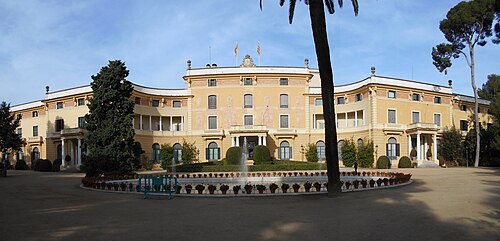
Palau Reial de Pedralbes is a royal palace located in the Pedralbes district of Barcelona, Spain. The building was constructed in the early twentieth century as a residence for the Spanish royal family during their visits to the city.
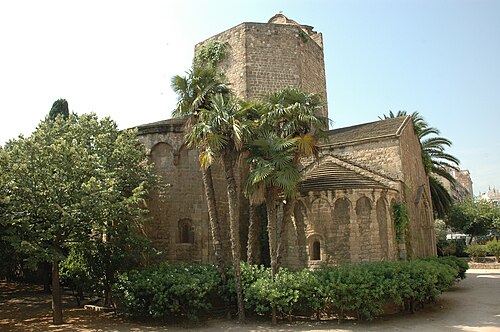
Sant Pau del Camp is a historic religious complex in Barcelona's El Raval district and one of the city's oldest monastic sites. Its name, Saint Paul of the Countryside, recalls a time when the foundation stood beyond Barcelona's medieval walls.
Cementiri de Montjuïc
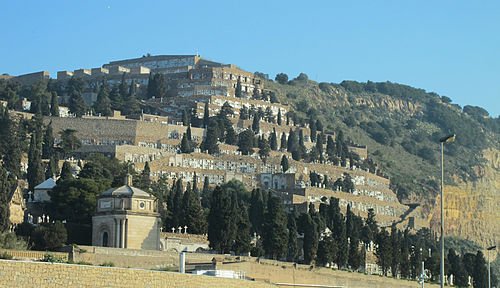
Montjuïc Cemetery, known locally as Cementiri de Montjuïc, is a historic burial ground located on Montjuïc hill in Barcelona, Spain. The cemetery occupies a prominent position overlooking the Mediterranean Sea and the city below.
Escoles de la Sagrada Família
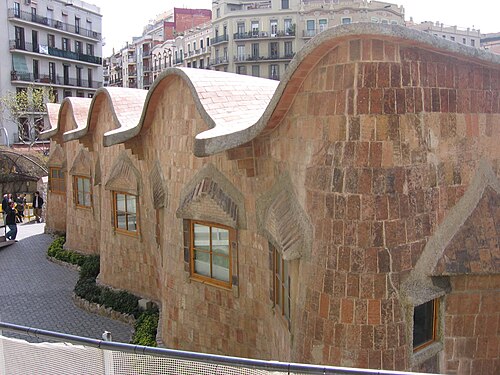
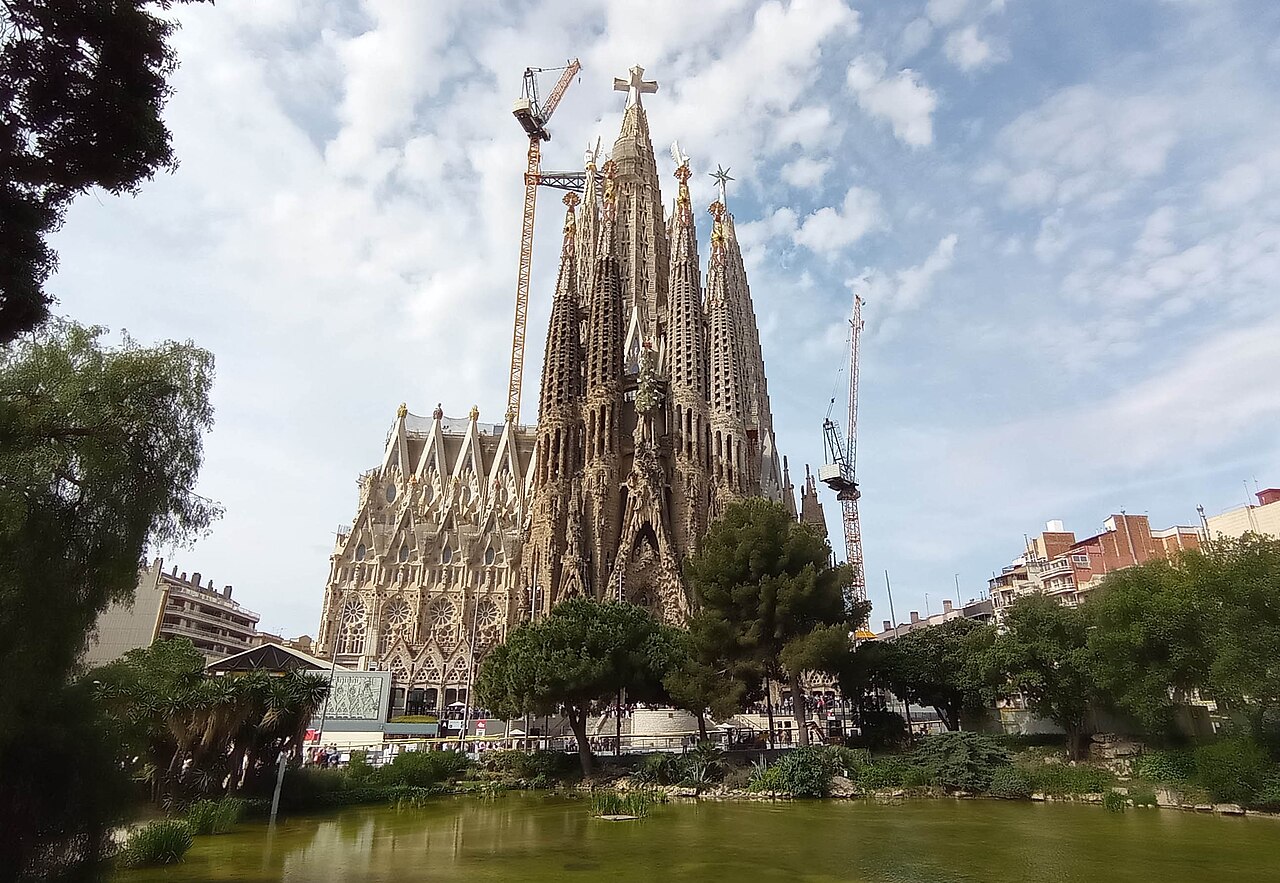
The Escoles de la Sagrada Família are historic school buildings located on the grounds of Antoni Gaudí's unfinished Sagrada Família basilica in Barcelona, Catalonia, Spain.
Llotja de Mar
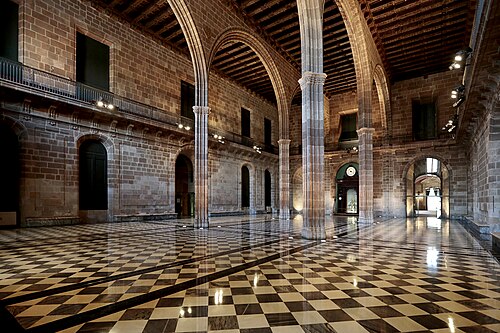
Llotja de Barcelona, also known as Llotja de Mar, is a historic mercantile exchange associated with Barcelona's maritime and commercial life.
Jardí Botànic de Barcelona is a botanical garden on Montjuïc, arranged across the terrain of a former quarry. Its collections focus on plants from Mediterranean-climate regions around the world, including California, Chile, South Africa and Australia, alongside Mediterranean vegetation.
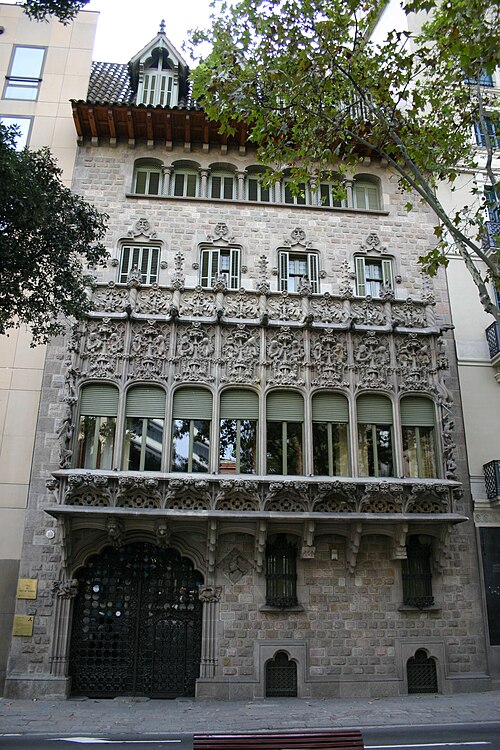
Palau del Baró de Quadras is a Barcelona mansion associated with Catalan modernism and the Eixample’s early twentieth-century prosperity.
Torre de Jaume I
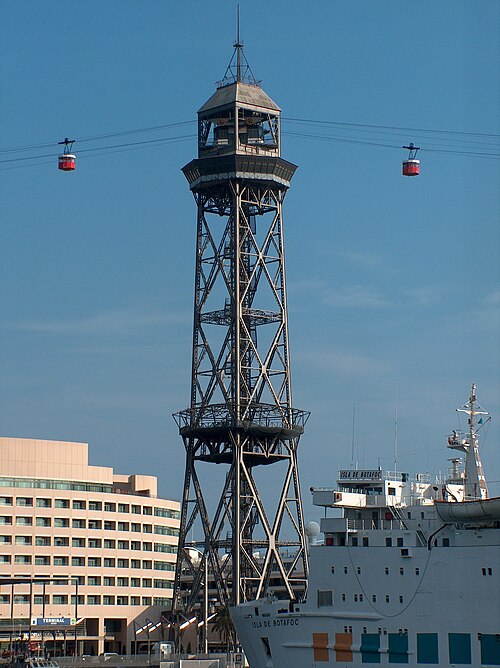
Torre Jaume I is a named tower in Barcelona’s built landscape. The name refers to James I of Aragon, an important figure in Catalan history, and gives the structure a connection with the historical identity of the city.
Can Serra
Casa Serra, also known locally as Can Serra, is a named historic building in Barcelona. The building belongs to the city’s architectural fabric and gives travellers a chance to notice heritage beyond the most famous monuments.
Capella de Santa Àgata
The Chapel of Santa Ágata, also called Capella de Santa Àgata, is a medieval religious building in Barcelona’s Gothic Quarter.
Muralla Romana
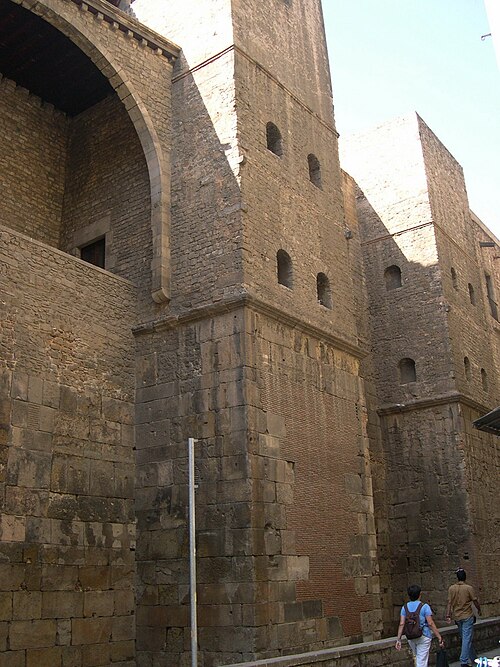
The Roman walls of Barcelona, known locally as Muralla Romana, constitute remnants of the ancient fortifications that once encircled Barcino, the Roman colony founded in the first century BC.
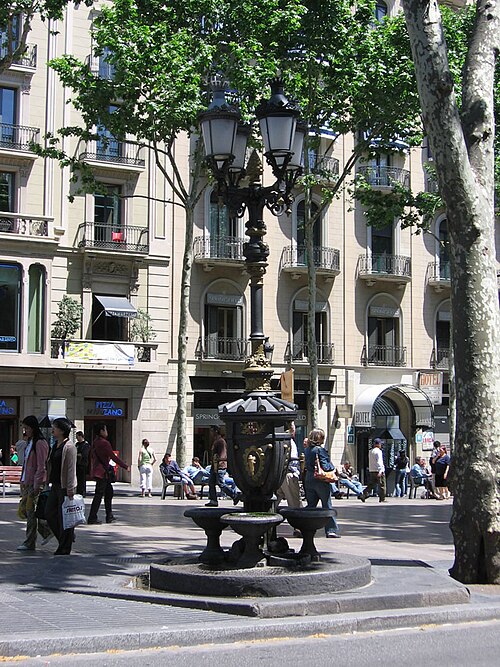
Font de Canaletes is a historic fountain located on La Rambla in Barcelona, Spain. It stands as one of the city's most recognizable landmarks and serves as a traditional meeting point for both locals and visitors.
Via Sepulcral Romana
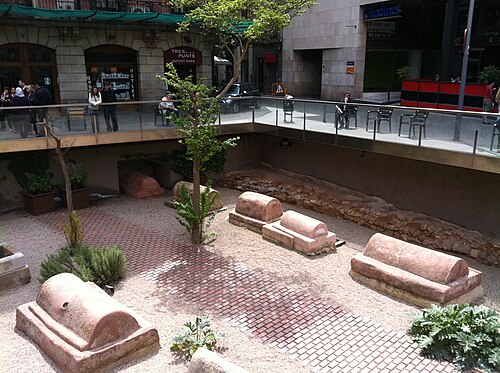
The Via sepulcral Romana de la plaça de la Vila de Madrid preserves part of a Roman funerary road in Barcelona's Ciutat Vella.
Ciutat Vella is the historic nucleus beside the old harbour. La Rambla separates the Gothic Quarter and La Ribera from El Raval, while Barceloneta occupies the seaward edge. North of the old city, the broad Eixample grid carries much of Barcelona's Modernista architecture, including the Passeig de Gràcia corridor and the Sagrada Família area. Montjuïc rises southwest of the centre with museums, gardens and Olympic sites. Gràcia and Poblenou reward separate neighbourhood visits rather than being treated as extensions of the Gothic core.
Checked 2026-08-26
Walk within Ciutat Vella and along the central Eixample corridors, then use metro or bus between neighbourhood clusters. TMB operates the main urban network, and its metro connects the city's districts and principal visitor areas. Line 9 Sud links the airport with the metro system. The integrated visitor products described by TMB also cover buses and other participating services, but airport and regional journeys can have different ticket conditions. Check the operator's current route and fare information before choosing a pass.
Checked 2026-08-26
A fixed stay length is not recorded. Build the visit by clusters: Ciutat Vella and the waterfront, the Eixample Modernista sites, Montjuïc, then Gràcia or another outer neighbourhood if time remains.
Ciutat Vella contains the Gothic Quarter, La Ribera, El Raval and Barceloneta. It is compact enough to explore mainly on foot, although the lanes are irregular and major roads form useful boundaries.
Use the TMB metro for longer cross-city trips and walk within each sightseeing cluster. Buses are useful where a direct metro connection is inconvenient or where the street-level view matters.
Yes. TMB identifies Line 9 Sud as the airport connection into the metro network. Check the current ticket conditions because airport journeys can be treated differently from ordinary urban travel.
Treat Montjuïc as a separate cluster. Its museums, gardens, viewpoints and Olympic sites sit southwest of the historic centre and are better combined with dedicated transport than folded into a Ciutat Vella walk.