A photograph of Spain

Country guide

Historic monuments, Up to 1 hour in Spain — page 3

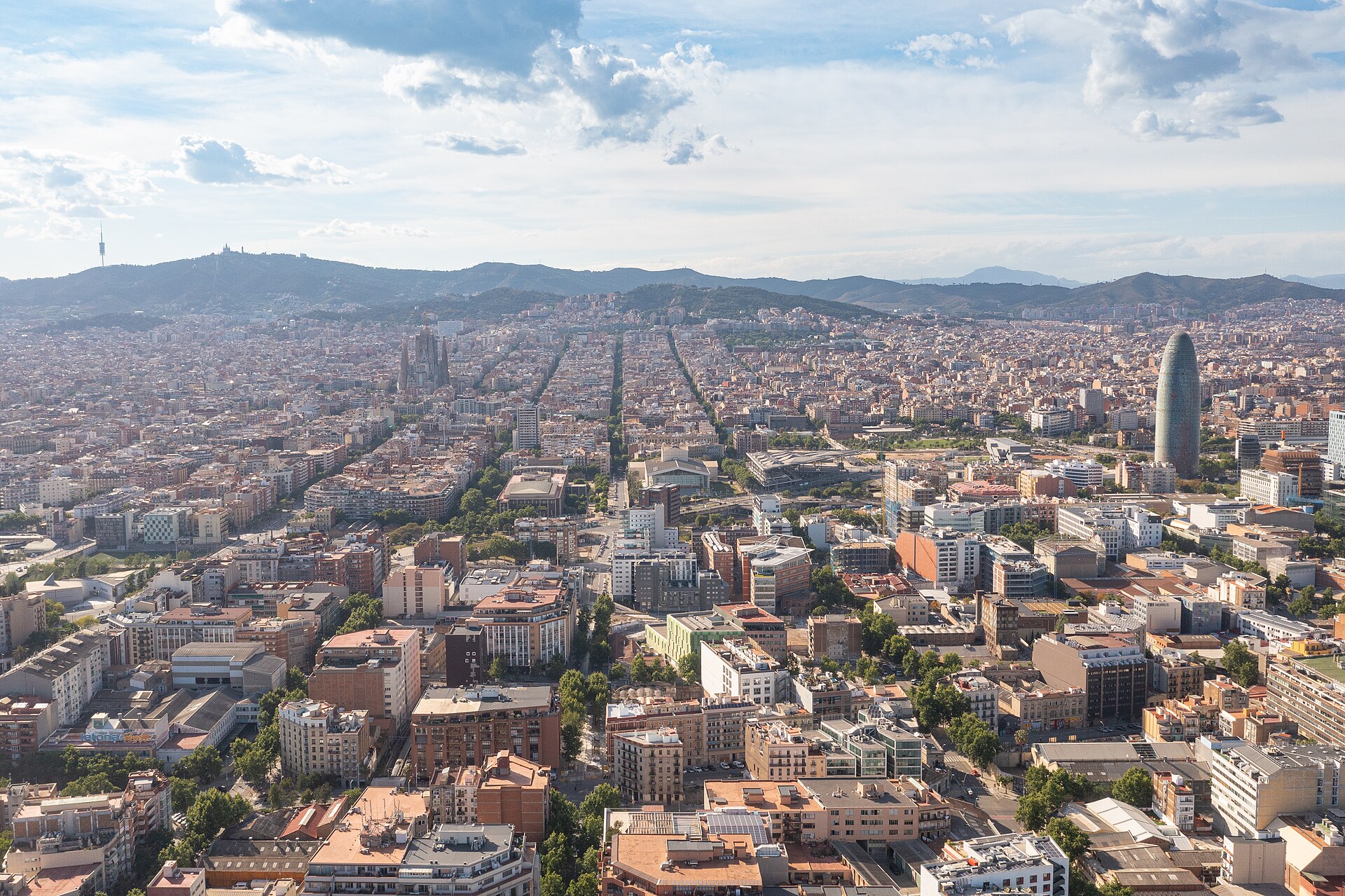
Spain covers 506,030 square kilometres and counts close to 50 million people, and it reads less as one country than as a set of regions that do not resemble eac...

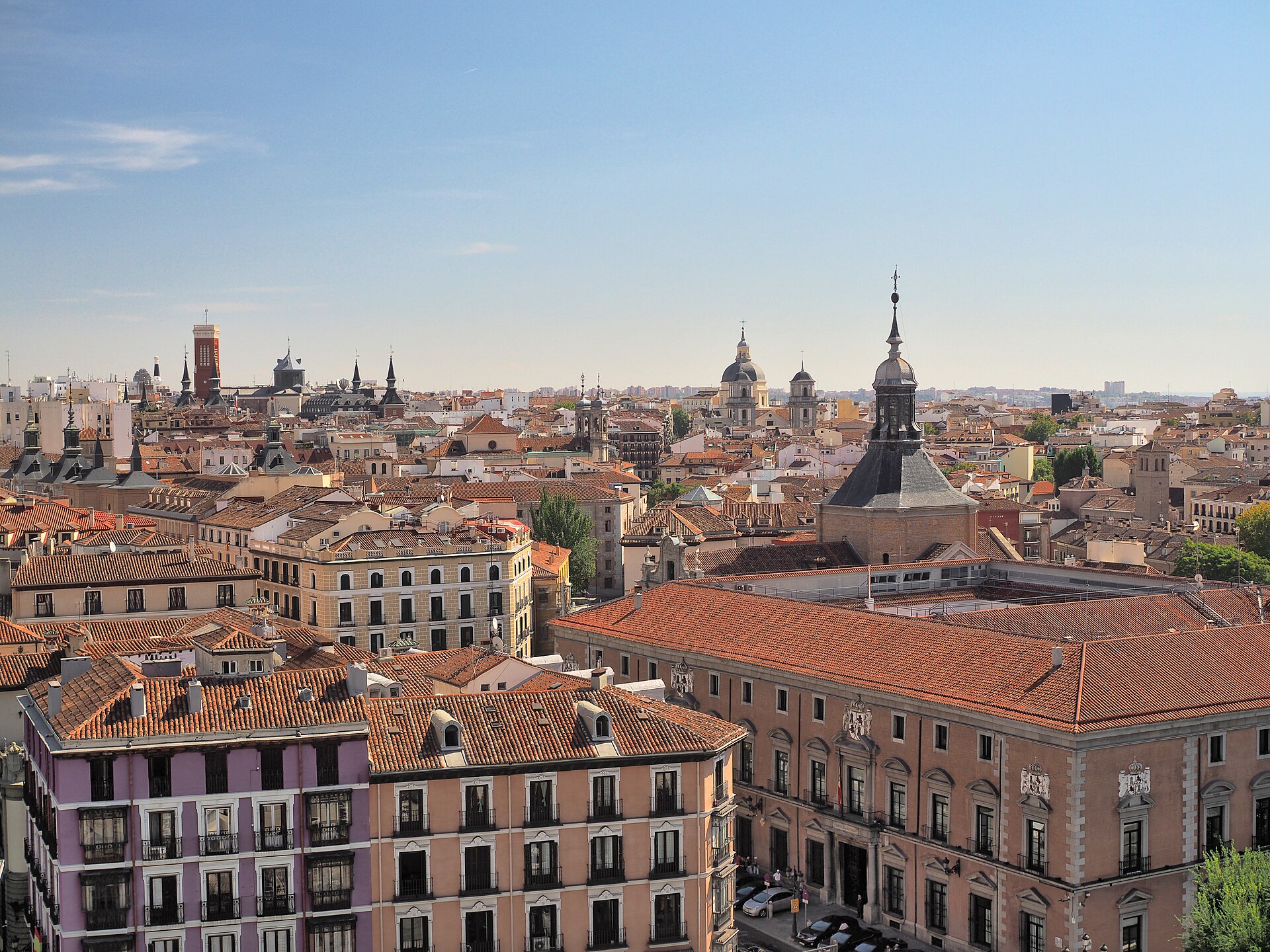
Photograph · Diego Delso · CC BY-SA 4.0

13,220 Places
2Cities

Reviewed by Elena Voss · Roavina Travel Editor

Spain covers 506,030 square kilometres and counts close to 50 million people, and it reads less as one country than as a set of regions that do not resemble each other. Madrid sits high and dry in the middle of the peninsula with the national collections in it; Barcelona is Mediterranean and Catalan-speaking. Andalusia in the south carries the Moorish architecture of Granada, Córdoba and Seville along with the heat that comes with it, while the green north coast from Bilbao to Galicia is wet Atlantic country most visitors never reach. The Canary Islands lie off Africa, and Ceuta and Melilla are on the African mainland itself.

Checked 2026-08-25

Cities

Every city catalogued in this country so far, ranked by how much there is to see.

Practical information

Language spoken
Spanish; co-official regional languages include Catalan, Galician and Basque
National practical orientation; regional and minority languages may also be used
Dialling code
+34
International calling code; local area and mobile prefixes still apply
Currency
Euro (EUR)
Use the official local currency; card acceptance varies by place
Emergency number
112
Use only for an emergency; tourist assistance may use a separate number
Plug type
Type C and F · 230 V
Check that chargers support the recorded voltage before using an adapter
Tap water
Not recorded
No verified nationwide visitor statement was recorded

Planning a visit

Seasonal closures come from recorded opening hours.

  1. January: seasonal closure recorded
  2. February: seasonal closure recorded
  3. March: seasonal closure recorded
  4. April: seasonal closure recorded
  5. May: seasonal closure recorded
  6. June: no seasonality data recorded
  7. July: no seasonality data recorded
  8. August: no seasonality data recorded
  9. September: no seasonality data recorded — this month
  10. October: seasonal closure recorded
  11. November: seasonal closure recorded
  12. December: seasonal closure recorded

Top things to see

Ranked by importance — sitelinks, pageviews and heritage status, not editor preference.

  1. Chapel of Santa Ágata Chapel of Santa Ágata
    32 45 min

    Chapel of Santa Ágata

    Capella de Santa Àgata

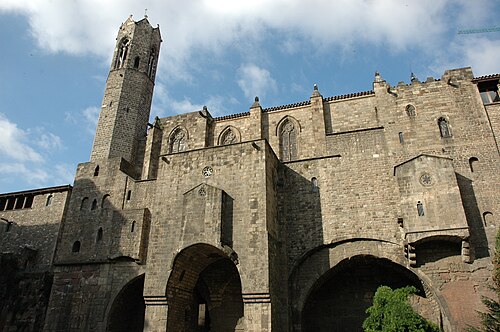
    The Chapel of Santa Ágata, also called Capella de Santa Àgata, is a medieval religious building in Barcelona’s Gothic Quarter.

    • Must see
    • Historic monument
    • Barcelona
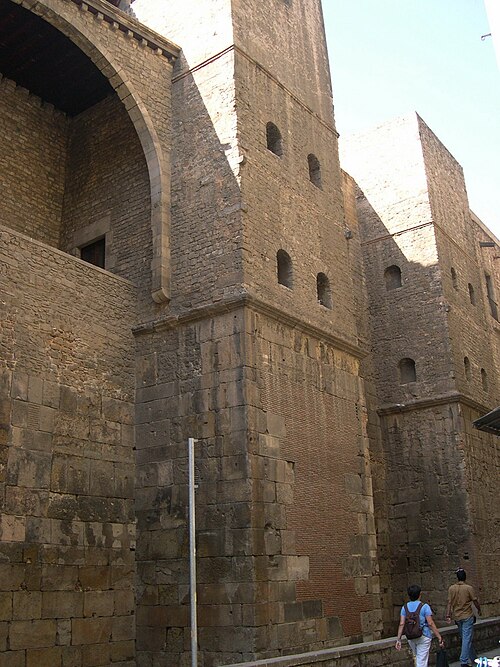
  2. Roman walls of Barcelona Roman walls of Barcelona
    33 45 min

    Roman walls of Barcelona

    Muralla Romana

    The Roman walls of Barcelona, known locally as Muralla Romana, constitute remnants of the ancient fortifications that once encircled Barcino, the Roman colony founded in the first century BC.

    • Must see
    • Historic monument
    • Barcelona
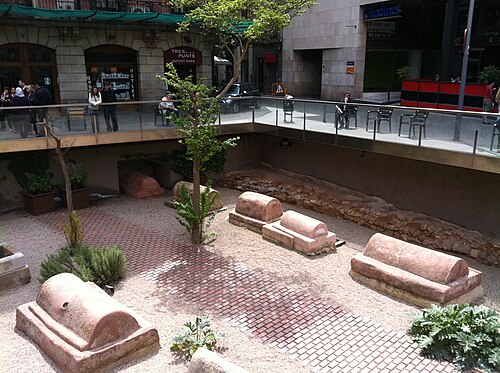
  3. Via sepulcral Romana de la plaça de la Vila de Madrid Via sepulcral Romana de la plaça de la Vila de Madrid
    34 45 min

    Via sepulcral Romana de la plaça de la Vila de Madrid

    Via Sepulcral Romana

    The Via sepulcral Romana de la plaça de la Vila de Madrid preserves part of a Roman funerary road in Barcelona's Ciutat Vella.

    • Must see
    • Historic monument
    • Barcelona
  4. Torre Sant Sebastià Torre Sant Sebastià
    35 45 min

    Torre Sant Sebastià

    Torre de Sant Sebastià

    Torre Sant Sebastià, also known as Torre de Sant Sebastià, is a specifically mapped tower structure in Barcelona, identified as way/126760606 in OpenStreetMap.

    • Must see
    • Historic monument
    • Barcelona
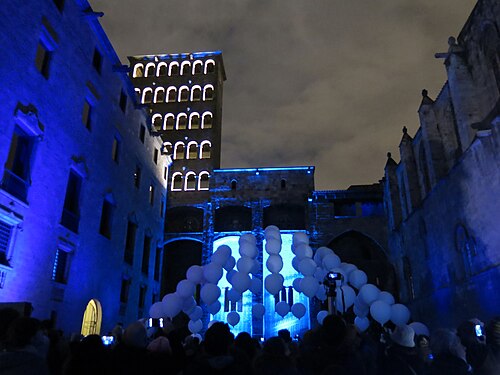
  5. plaça del Rei plaça del Rei
    36 45 min

    plaça del Rei

    Plaça del Rei

    Plaça del Rei is a medieval public square in Barcelona's Gothic Quarter, situated in the historic core of the Ciutat Vella district.

    • Must see
    • Historic monument
    • Barcelona
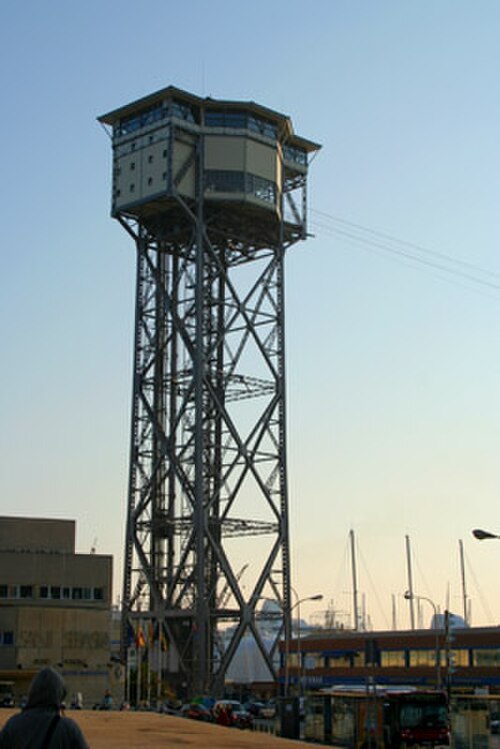
  6. Port Vell de Barcelona Port Vell de Barcelona
    37 45 min

    Port Vell de Barcelona

    Port Vell

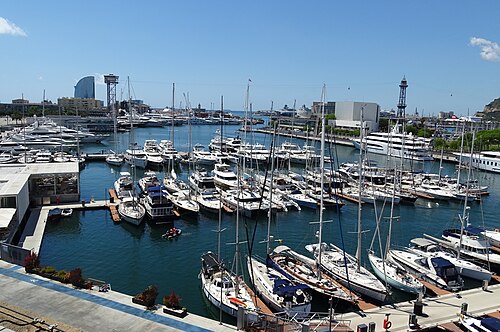
    Port Vell is Barcelona’s historic old harbour at the lower end of La Rambla. The waterfront was reshaped for the 1992 Olympic Games, turning former industrial docks into a lively district of promenades, boats, restaurants, and attractions.

    • Must see
    • Historic monument
    • Barcelona
  7. Palace of Albéniz Palace of Albéniz
    38 45 min

    Palace of Albéniz

    Palauet Albéniz

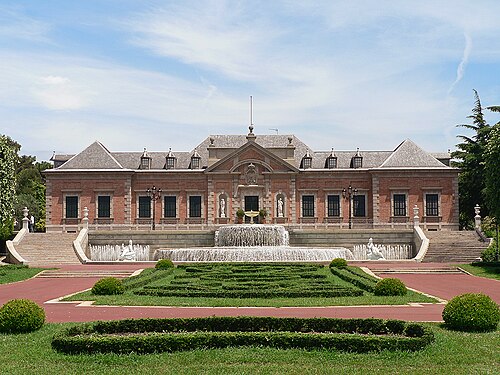
    Palace of Albéniz, or Palauet Albéniz, is a palace near Montjuïc associated with Barcelona's official and ceremonial life. Its name honours the composer Isaac Albéniz and places the building within Catalonia's wider cultural landscape.

    • Must see
    • Historic monument
    • Barcelona
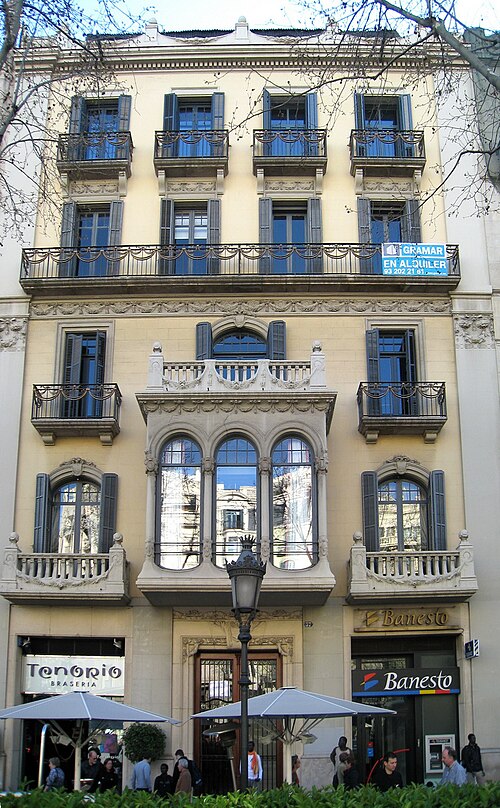
  8. Palau Robert Palau Robert
    39 45 min

    Palau Robert

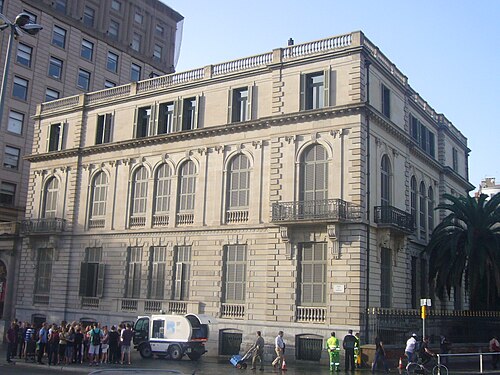
    Palau Robert is a cultural centre and exhibition hall located on Barcelona's Passeig de Gràcia in the Eixample district.

    • Must see
    • Historic monument
    • Barcelona
  9. Fossar de la Pedrera Fossar de la Pedrera
    40 45 min

    Fossar de la Pedrera

    El Fossar de la Pedrera

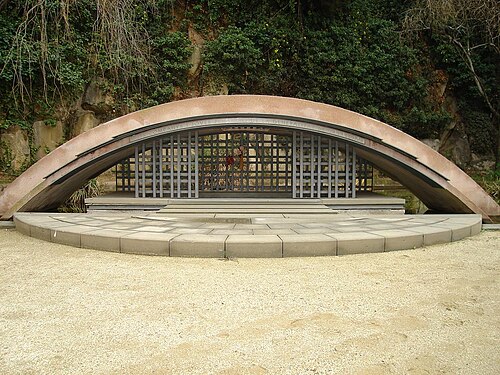
    Fossar de la Pedrera is a memorial and cemetery landscape on Montjuïc, Barcelona. The former quarry is connected with victims of the Spanish Civil War and Franco-era repression, making it one of the city’s most serious places of remembrance.

    • Must see
    • Historic monument
    • Barcelona
  10. Padellàs's House Padellàs's House
    41 45 min

    Padellàs's House

    Casa Padellàs

    Padellàs’s House, also known as Casa Padellàs, is a historic residence in Barcelona’s Gothic Quarter. Its architecture belongs to the city’s layered Catalan heritage and reflects the domestic world of prosperous merchant families.

    • Must see
    • Historic monument
    • Barcelona
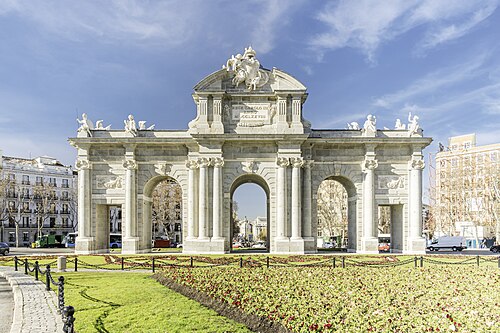
  11. Alcalá Gate Alcalá Gate
    42 45 min

    Alcalá Gate

    Puerta de Alcalá

    Puerta de Alcalá is a neoclassical monument standing at Plaza de la Independencia in Madrid. This five-arched gate was one of several historic entrances to the city.

    • Must see
    • Historic monument
    • Madrid
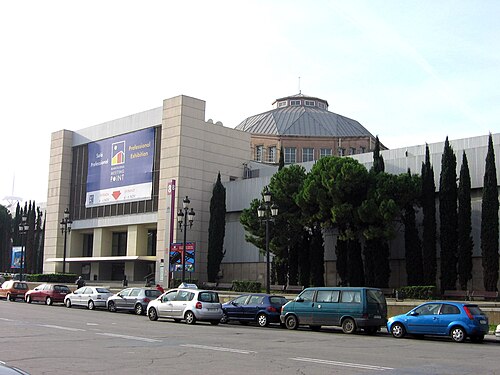
  12. Palau de la Metal·lúrgia Palau de la Metal·lúrgia
    43 45 min

    Palau de la Metal·lúrgia

    Palau de la Metal·lúrgia is a historic exhibition building in Barcelona’s Montjuïc area, within the Fira de Barcelona complex. Built for the 1929 International Exposition, it presented the metallurgy industry and remains linked to Barcelona’s long tradition of international fairs.

    • Must see
    • Historic monument
    • Barcelona
  13. Casa Mulleras Casa Mulleras
    44 45 min

    Casa Mulleras

    Casa Mulleras is a named Barcelona building identified by the mapped footprint at way/679019119.

    • Must see
    • Historic monument
    • Barcelona
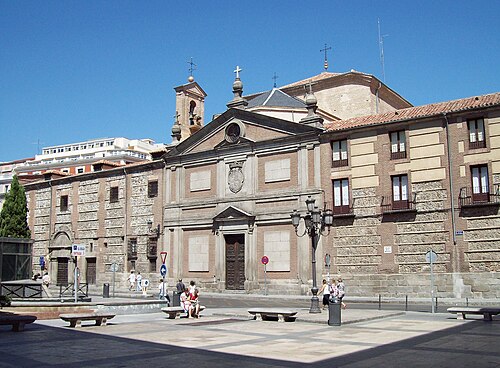
  14. Convent of Las Descalzas Reales Convent of Las Descalzas Reales
    45 45 min

    Convent of Las Descalzas Reales

    Monasterio de las Descalzas Reales

    The Convent of Las Descalzas Reales is a royal monastery in central Madrid, founded in 1559 by Joanna of Austria, sister of Philip II.

    • Must see
    • Historic monument
    • Madrid
  15. Crystal Palace Crystal Palace
    46 45 min

    Crystal Palace

    Palacio de Cristal

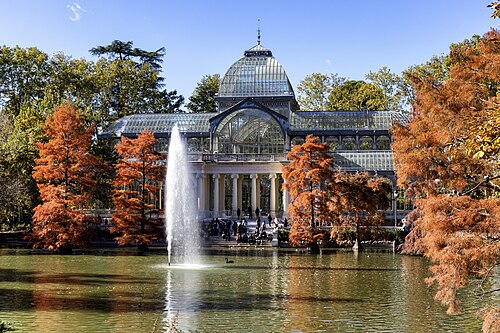
    Crystal Palace, or Palacio de Cristal, is a glass-and-metal pavilion beside a small artificial lake in Madrid’s Buen Retiro Park.

    • Must see
    • Historic monument
    • Madrid
  16. Royal Convent of La Encarnación Royal Convent of La Encarnación
    47 45 min

    Royal Convent of La Encarnación

    Real Monasterio de la Encarnación

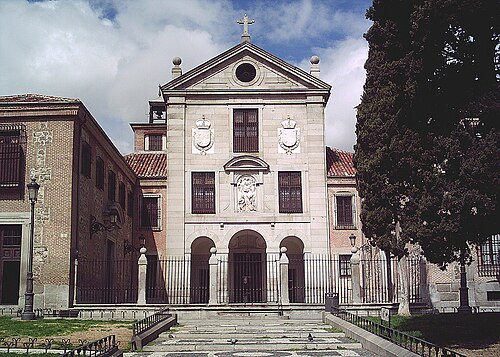
    The Royal Convent of La Encarnación is a royal monastery in Madrid, Spain. Its local name is Real Monasterio de la Encarnación. It holds the status of a royal site and is associated with the Spanish monarchy.

    • Must see
    • Historic monument
    • Madrid
  17. Puerta del Sol Puerta del Sol
    48 30 min

    Puerta del Sol

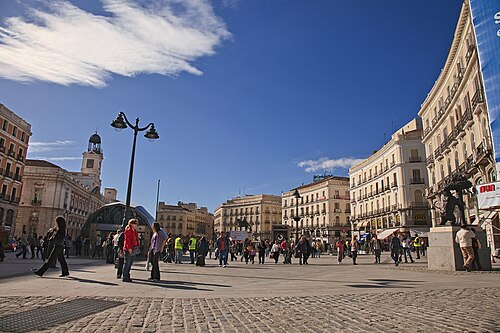
    Puerta del Sol is a semi-circular public square in the exact centre of Madrid, and it is a junction before it is a monument.

    • Must see
    • Historic monument
    • Madrid
  18. Fountain of Neptune Fountain of Neptune
    49 45 min

    Fountain of Neptune

    Fuente de Neptuno

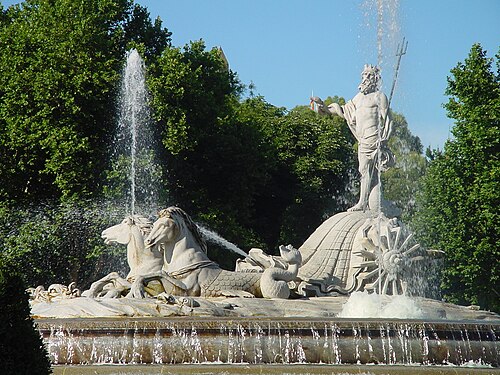
    The Fountain of Neptune, or Fuente de Neptuno, is a neoclassical monument in central Madrid. Its sculptural group presents Neptune, the Roman god of the sea, on a shell-shaped chariot drawn by two hippocampi.

    • High
    • Historic monument
    • Madrid
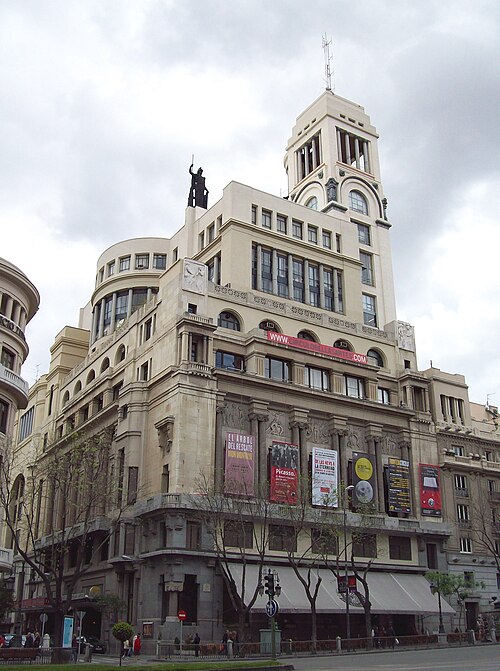
  19. Círculo de Bellas Artes Círculo de Bellas Artes
    50 45 min

    Círculo de Bellas Artes

    Círculo de Bellas Artes is a prominent cultural institution in Madrid, Spain. Founded in 1880, it operates as a private not-for-profit cultural organisation. The building stands as a significant architectural landmark in the city centre.

    • High
    • Historic monument
    • Madrid
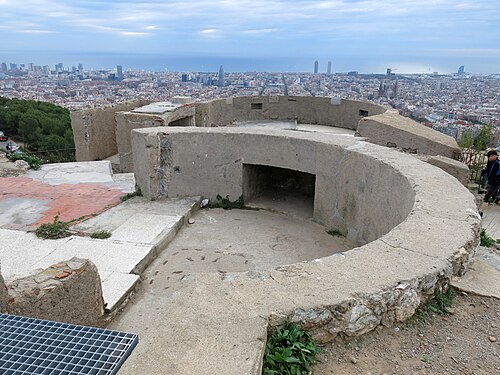
  20. The Bunker The Bunker
    51 45 min

    The Bunker

    Bateries antiaèries i barraques del Carmel

    The Bunker is a historic anti-aircraft battery site located in the Carmel neighbourhood of Barcelona. Its official local name, Bateries antiaèries i barraques del Carmel, reflects its military origins during the Spanish Civil War.

    • High
    • Historic monument
    • Barcelona
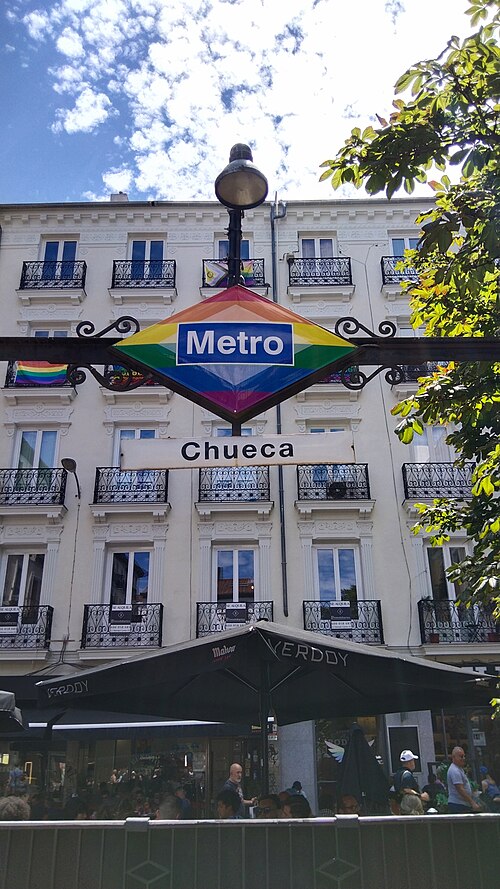
  21. plaza de Chueca plaza de Chueca
    52 45 min

    plaza de Chueca

    Plaza de Chueca

    Plaza de Chueca is a public square in the Chueca neighbourhood of central Madrid, Spain. The area is widely recognised as the heart of Madrid's LGBTQ+ community and a centre of social life, dining, and nightlife.

    • High
    • Historic monument
    • Madrid
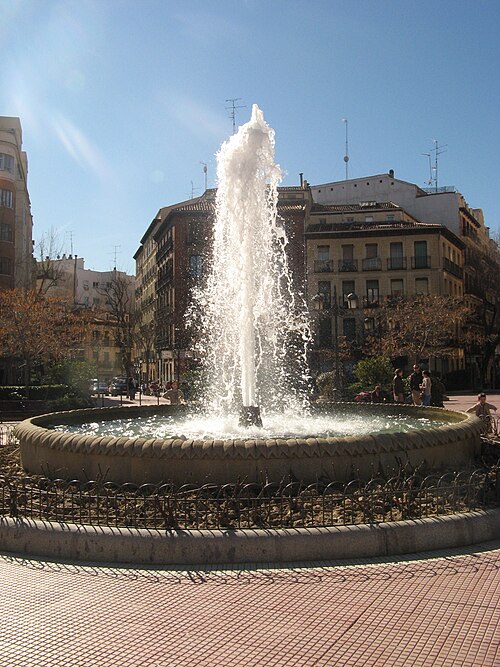
  22. Fuente plaza de Olavide Fuente plaza de Olavide
    53 45 min

    Fuente plaza de Olavide

    Plaza de Olavide

    Plaza de Olavide is a public square in Madrid, Spain. It functions as an urban open space within the city fabric, serving local residents and visitors as a gathering place.

    • High
    • Historic monument
    • Madrid
  23. Fuente de Cibeles Fuente de Cibeles
    54 45 min

    Fuente de Cibeles

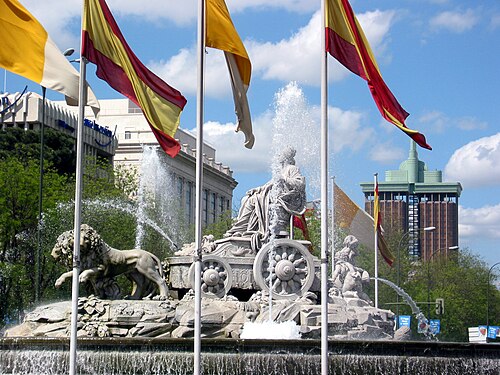
    The Fuente de Cibeles is a prominent neoclassical fountain situated at the intersection of Calle de Alcalá and Paseo del Prado in central Madrid. It depicts the Greek goddess Cybele seated on a chariot drawn by two lions.

    • Notable
    • Historic monument
    • Madrid
  24. Palacio de Cibeles - Ayuntamiento de Madrid Palacio de Cibeles - Ayuntamiento de Madrid
    55 45 min

    Palacio de Cibeles - Ayuntamiento de Madrid

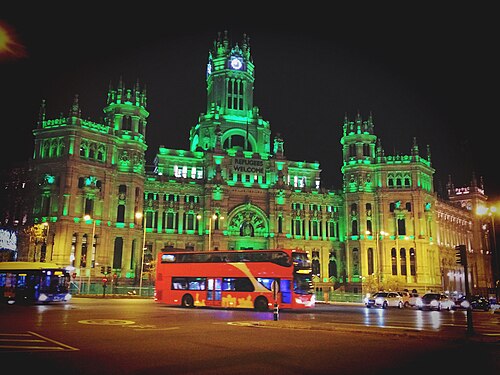
    Palacio de Cibeles is Madrid’s former communications palace and a present civic and cultural building on Plaza de Cibeles.

    • Notable
    • Historic monument
    • Madrid
  25. Templo de Debod Templo de Debod
    56 45 min

    Templo de Debod

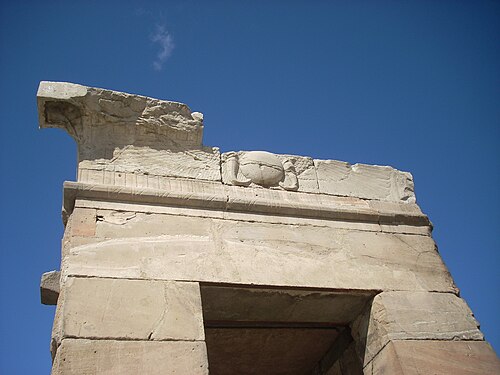
    Templo de Debod is an ancient Egyptian temple standing in Madrid’s Parque del Oeste, where pharaonic stone architecture occupies an elevated position inside a modern Spanish park.

    • Notable
    • Historic monument
    • Madrid

Source: OpenStreetMap contributors, Wikidata ·

Common questions

How long should a first trip to Spain be?

Ten to fourteen days allows three or four days in Madrid and four in Barcelona, plus selected rail day trips. Andalusia or either island group deserves a separate route instead of being compressed into the same mainland circuit.

What entry documents are needed for Spain?

Spain follows Schengen rules, but the traveller's nationality and route determine the required documents or visa. Confirm the current requirement through Spain's official consular information before departure.

What is the best way to travel around Spain?

High-speed rail makes Madrid-Barcelona and several mainland city pairs practical, while regional buses cover gaps. Island travel needs flights or ferries, and urban ticketing remains local to each city.

When is a practical time to visit Spain?

April to June and September to October are broad choices for Madrid and Barcelona. Andalusia, the Atlantic north, Balearics, and Canaries follow different heat and weather patterns, so a regional extension should control the final dates.

What money and payment basics apply in Spain?

Spain uses the euro (EUR). Cards are common in cities, but a small euro reserve is useful for individual businesses; always check the billed currency and amount before approving a terminal transaction.

What practical safety details should I save for Spain?

Spain's emergency contact is 112. Electrical outlets accept Type C and F plugs on a 230 V supply. Because this record contains no tap-water finding, use advice from the municipality serving each overnight stop.