plaça del Rei
Plaça del Rei
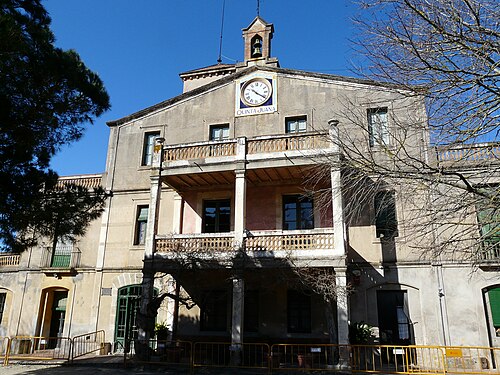
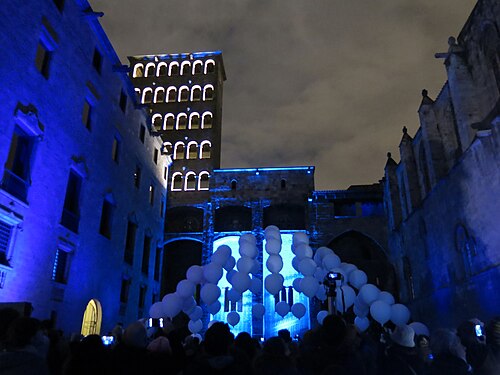
Plaça del Rei is a medieval public square in Barcelona's Gothic Quarter, situated in the historic core of the Ciutat Vella district.
- Must see
- Historic monument
- Barcelona
Country guide
Spain covers 506,030 square kilometres and counts close to 50 million people, and it reads less as one country than as a set of regions that do not resemble eac...
Photograph · Diego Delso · CC BY-SA 4.0
Reviewed by Elena Voss · Roavina Travel Editor
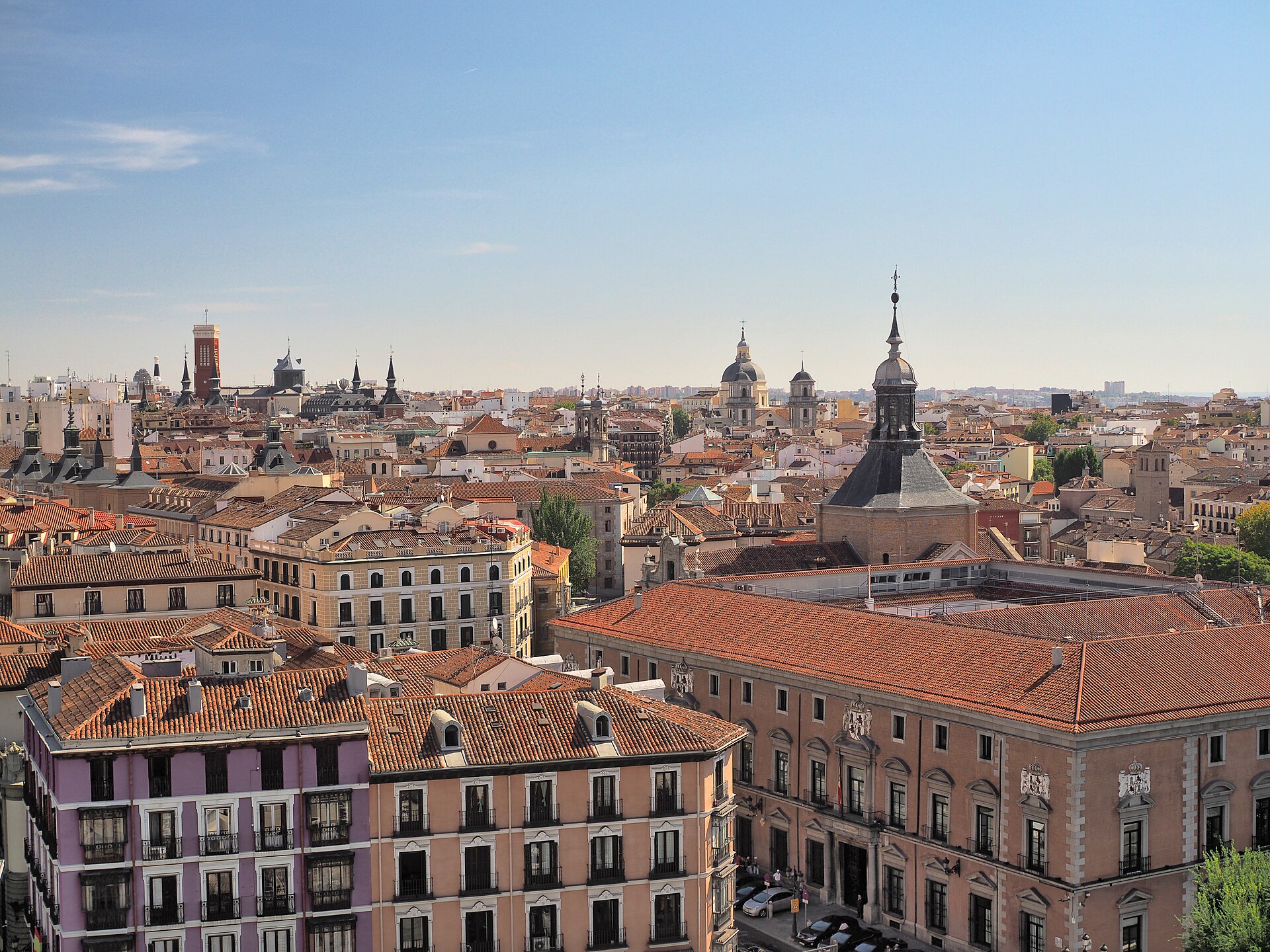
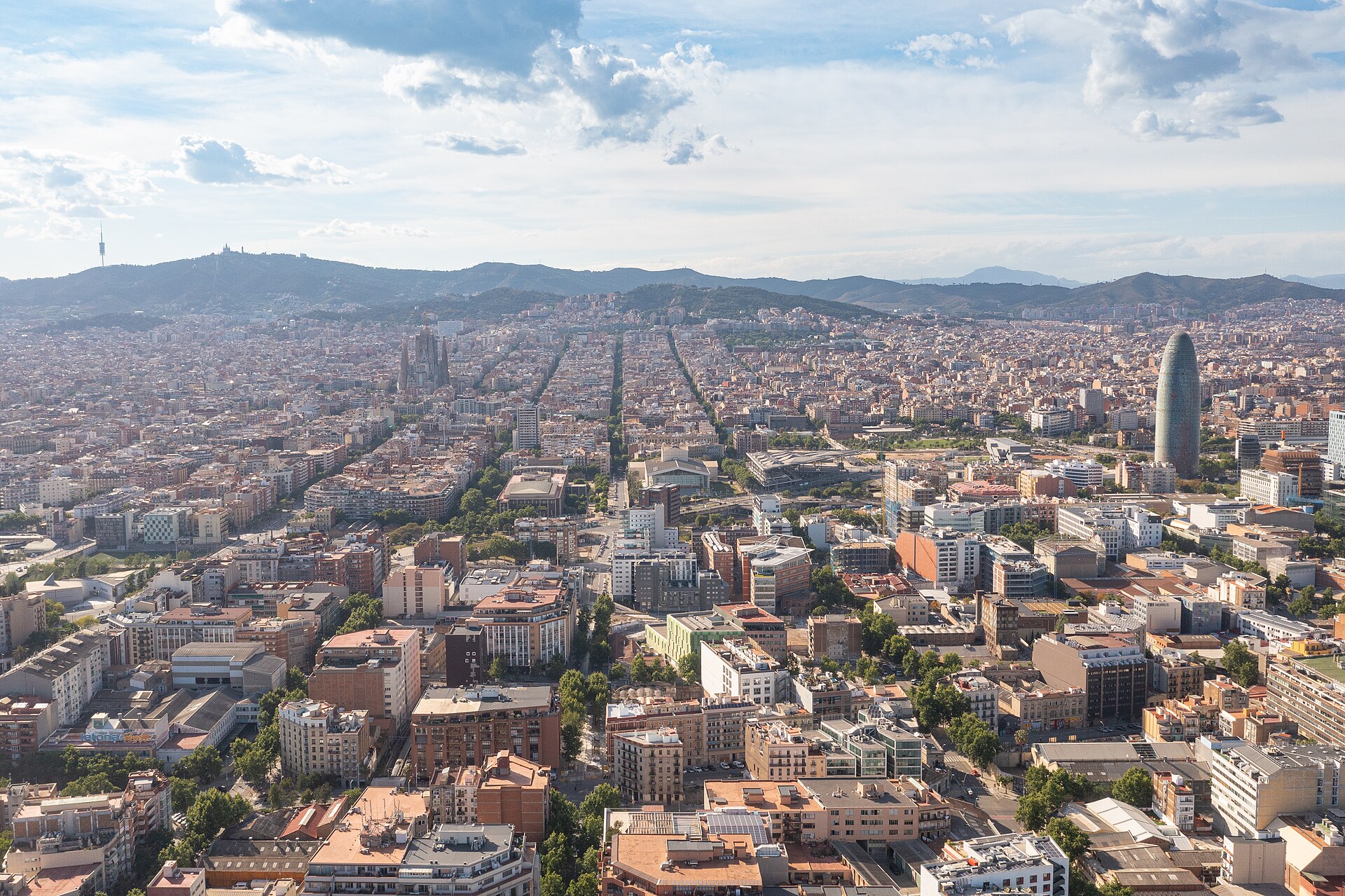
Spain covers 506,030 square kilometres and counts close to 50 million people, and it reads less as one country than as a set of regions that do not resemble each other. Madrid sits high and dry in the middle of the peninsula with the national collections in it; Barcelona is Mediterranean and Catalan-speaking. Andalusia in the south carries the Moorish architecture of Granada, Córdoba and Seville along with the heat that comes with it, while the green north coast from Bilbao to Galicia is wet Atlantic country most visitors never reach. The Canary Islands lie off Africa, and Ceuta and Melilla are on the African mainland itself.
Checked 2026-08-25
Every city catalogued in this country so far, ranked by how much there is to see.
Photograph · Dmitry Dzhus from London · CC BY 2.0
Photograph · dronepicr · CC BY 2.0
Seasonal closures come from recorded opening hours.
Ranked by importance — sitelinks, pageviews and heritage status, not editor preference.
79 places match
Category
Typical visit duration
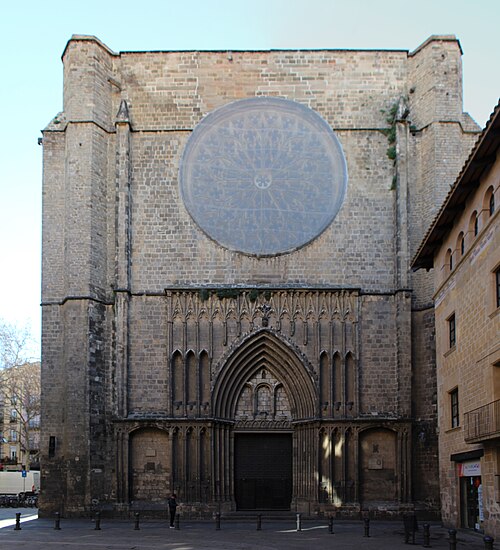
Plaça del Rei
Plaça del Rei is a medieval public square in Barcelona's Gothic Quarter, situated in the historic core of the Ciutat Vella district.
Port Vell
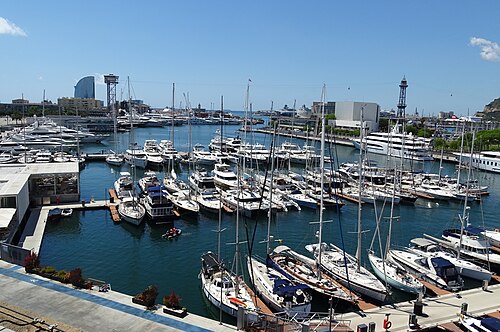
Port Vell is Barcelona’s historic old harbour at the lower end of La Rambla. The waterfront was reshaped for the 1992 Olympic Games, turning former industrial docks into a lively district of promenades, boats, restaurants, and attractions.
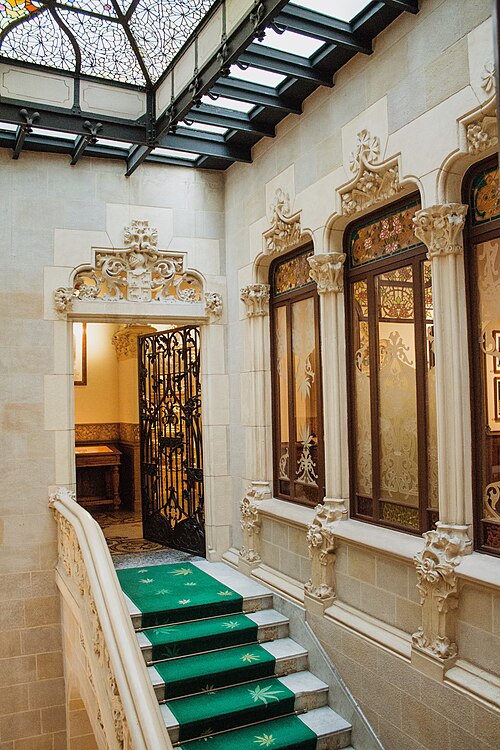
Museu de la Marihuana
The Hash Marihuana & Hemp Museum in Barcelona is a specialized museum dedicated to the history and culture of cannabis, hemp, and their uses.
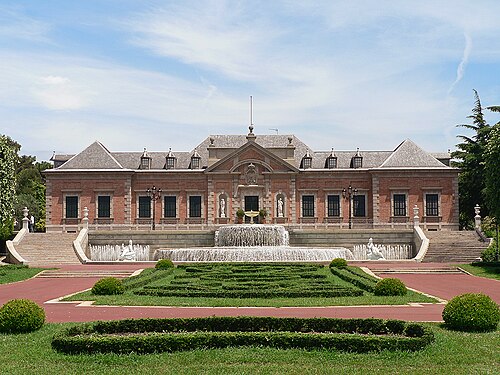
Palauet Albéniz
Palace of Albéniz, or Palauet Albéniz, is a palace near Montjuïc associated with Barcelona's official and ceremonial life. Its name honours the composer Isaac Albéniz and places the building within Catalonia's wider cultural landscape.
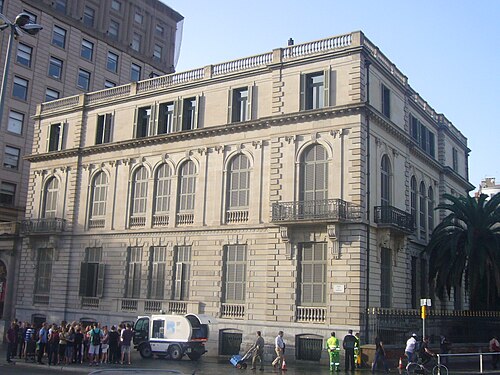
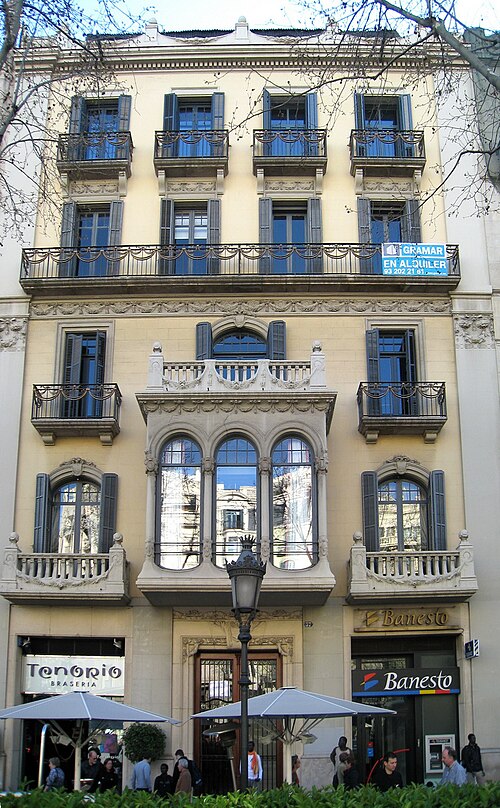
Palau Robert is a cultural centre and exhibition hall located on Barcelona's Passeig de Gràcia in the Eixample district.
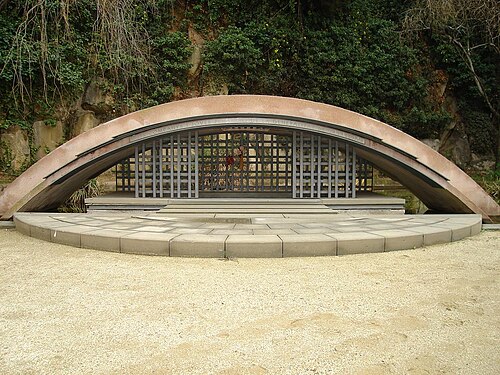
El Fossar de la Pedrera
Fossar de la Pedrera is a memorial and cemetery landscape on Montjuïc, Barcelona. The former quarry is connected with victims of the Spanish Civil War and Franco-era repression, making it one of the city’s most serious places of remembrance.
Parròquia Basílica de Santa Maria del Pi
The Parròquia Basílica de Santa Maria del Pi is a parish basilica in Barcelona's Gothic Quarter. Its Catalan name references a pine tree that once stood nearby.
Casa Padellàs
Padellàs’s House, also known as Casa Padellàs, is a historic residence in Barcelona’s Gothic Quarter. Its architecture belongs to the city’s layered Catalan heritage and reflects the domestic world of prosperous merchant families.
Cosmocaixa
CosmoCaixa Barcelona is a science museum located in the Sarrià-Sant Gervasi district of Barcelona. The institution occupies a distinctive modernist building originally constructed as an asylum for the blind, designed by architect Josep Domènech i Estapà.
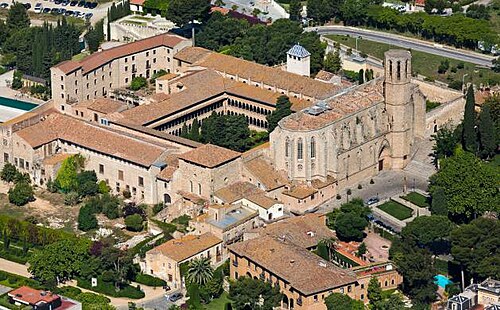
Reial Monestir de Santa Maria de Pedralbes
The Reial Monestir de Santa Maria de Pedralbes is a Gothic monastery founded in 1326 by Queen Elisenda de Montcada.
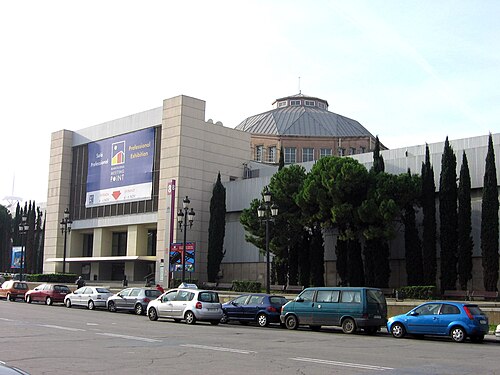
Palau de la Metal·lúrgia is a historic exhibition building in Barcelona’s Montjuïc area, within the Fira de Barcelona complex. Built for the 1929 International Exposition, it presented the metallurgy industry and remains linked to Barcelona’s long tradition of international fairs.
Vil·la Joana is a historic villa in Barcelona’s wider cultural landscape. Its value for travellers lies in the character of a preserved residential building and the chance to encounter architecture away from the city’s busiest landmark routes.
Museu d'Història de Catalunya
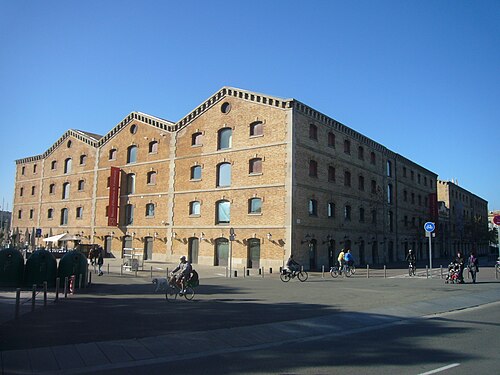
The Museum of the History of Catalonia, locally known as Museu d'Història de Catalunya, is a cultural institution in Barcelona dedicated to preserving and presenting the historical narrative of Catalonia.
Casa Mulleras is a named Barcelona building identified by the mapped footprint at way/679019119.
Basílica de la Mercè
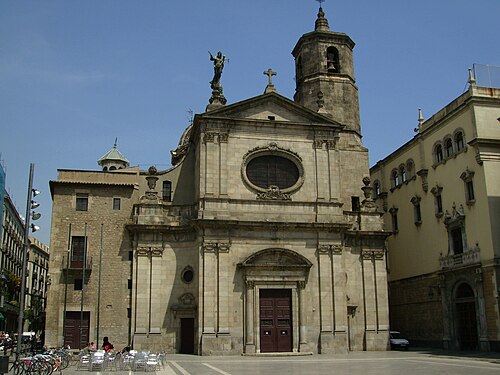
The Basilica of Our Lady of Mercy is a Baroque church in Barcelona’s Gothic Quarter, close to the port and the historic centre. Dedicated to the Virgin of Mercy, patroness of Barcelona, it remains an active place of worship.
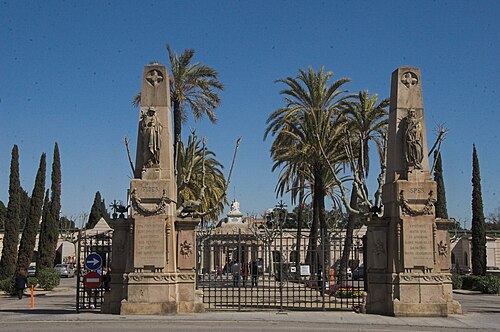
Cementiri del Poblenou
Poblenou Cemetery, known locally as Cementiri del Poblenou, is a historic burial ground in Barcelona. Established in the 18th century, it represents one of the city's oldest cemeteries and serves as a significant cultural landmark.
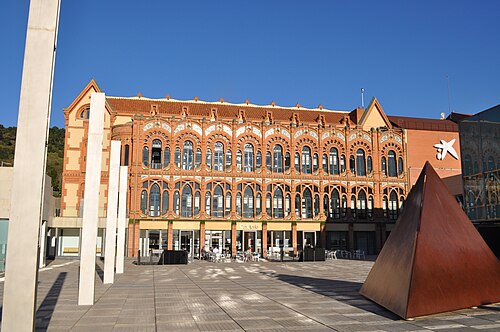
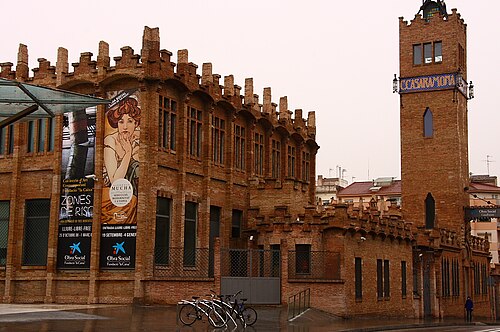
CaixaForum Barcelona is a cultural centre on Montjuïc, housed in a former modernist factory designed by Josep Puig i Cadafalch.
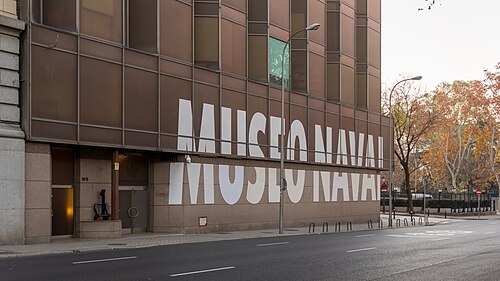
Museo Naval de Madrid
Museo Naval is a maritime museum in Madrid, Spain. It is dedicated to Spanish naval history and heritage. The institution preserves and exhibits collections related to Spain's seafaring traditions, naval warfare, and exploration.
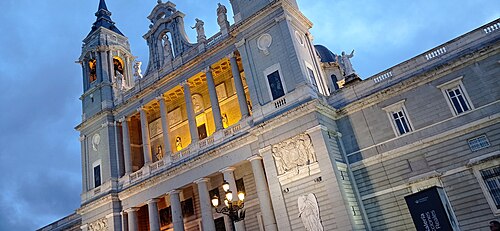
Catedral de la Almudena
Almudena Cathedral is Madrid’s principal Roman Catholic cathedral, facing the Royal Palace across Plaza de la Armería. Construction began in the late nineteenth century and Pope John Paul II consecrated the cathedral in 1993.
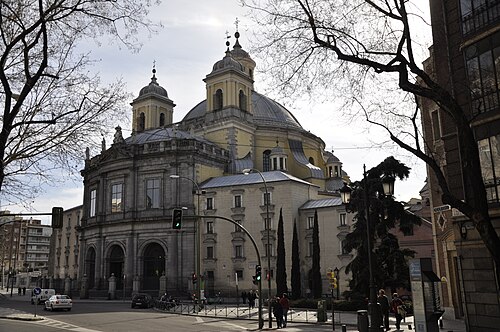
Real Basílica de San Francisco el Grande
Basílica de San Francisco el Grande is a prominent Roman Catholic basilica in Madrid, Spain. The local name matches its formal identity.
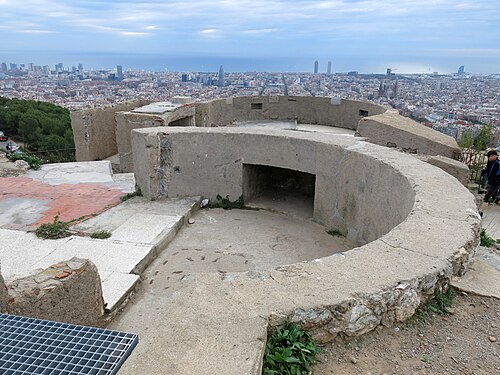
Bateries antiaèries i barraques del Carmel
The Bunker is a historic anti-aircraft battery site located in the Carmel neighbourhood of Barcelona. Its official local name, Bateries antiaèries i barraques del Carmel, reflects its military origins during the Spanish Civil War.
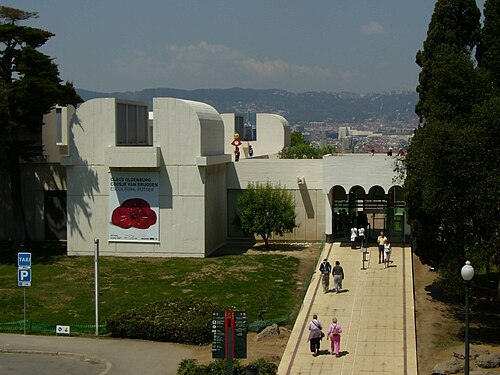
Fundació Joan Miró
The Fundació Joan Miró is a museum of modern art on Montjuïc hill in Barcelona. Established by the Catalan artist Joan Miró, it houses one of the world's most comprehensive collections of his work.
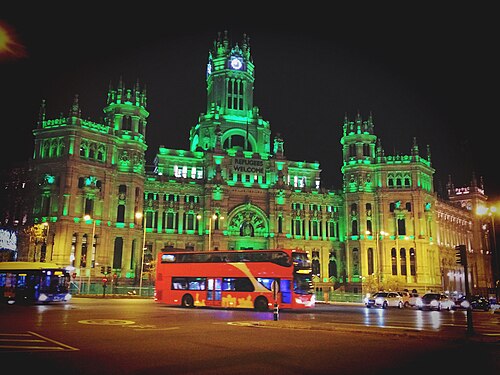
Palacio de Cibeles is Madrid’s former communications palace and a present civic and cultural building on Plaza de Cibeles.
Ten to fourteen days allows three or four days in Madrid and four in Barcelona, plus selected rail day trips. Andalusia or either island group deserves a separate route instead of being compressed into the same mainland circuit.
Spain follows Schengen rules, but the traveller's nationality and route determine the required documents or visa. Confirm the current requirement through Spain's official consular information before departure.
High-speed rail makes Madrid-Barcelona and several mainland city pairs practical, while regional buses cover gaps. Island travel needs flights or ferries, and urban ticketing remains local to each city.
April to June and September to October are broad choices for Madrid and Barcelona. Andalusia, the Atlantic north, Balearics, and Canaries follow different heat and weather patterns, so a regional extension should control the final dates.
Spain uses the euro (EUR). Cards are common in cities, but a small euro reserve is useful for individual businesses; always check the billed currency and amount before approving a terminal transaction.
Spain's emergency contact is 112. Electrical outlets accept Type C and F plugs on a 230 V supply. Because this record contains no tap-water finding, use advice from the municipality serving each overnight stop.