


501
45 min
White Valley
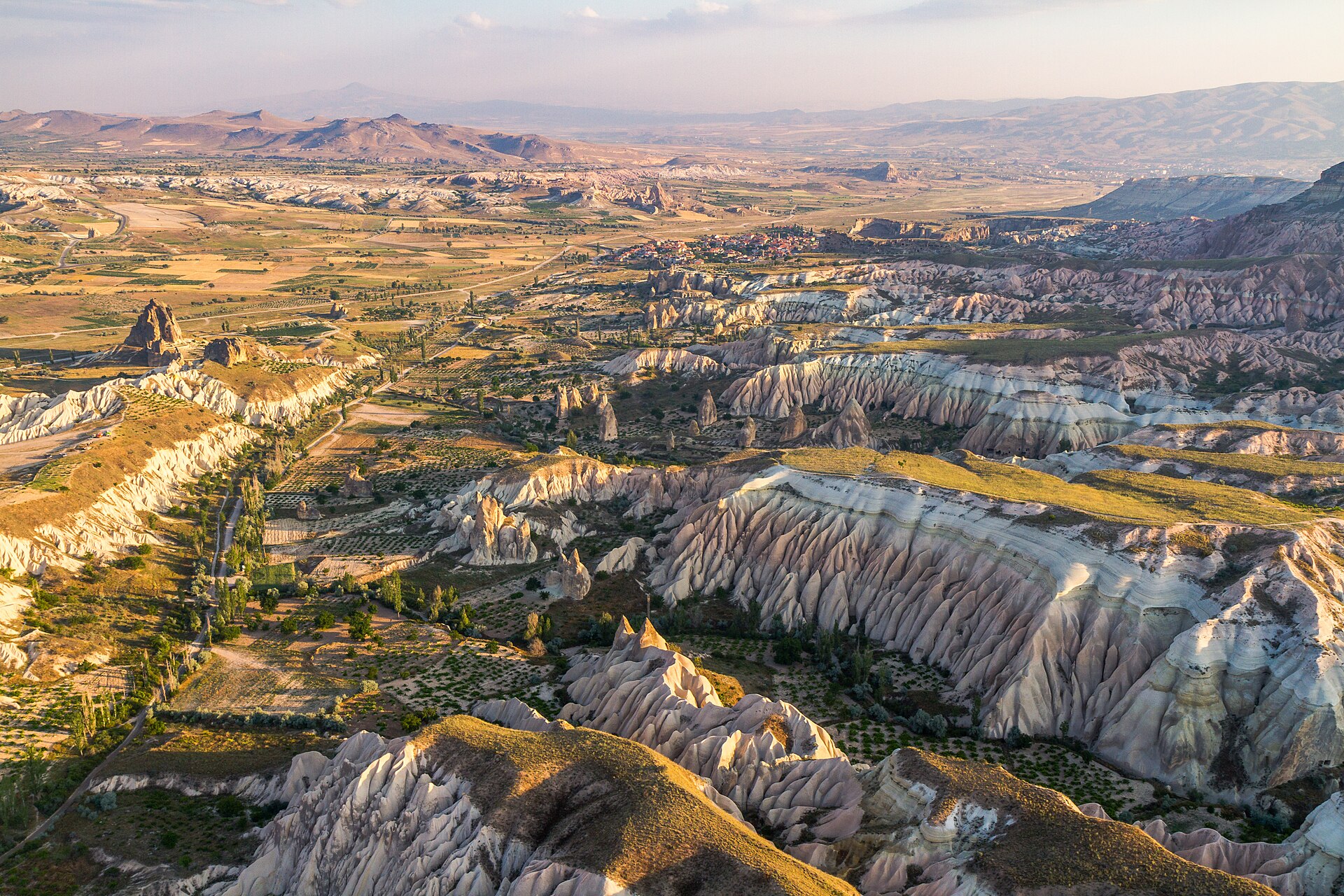
White Valley, also called Ak Vadi, is a Cappadocian landscape experienced as a walking route rather than a single enclosed attraction.
- Notable
- Historic monument
- Nevşehir
Language · 11 published
Country guide
Türkiye is 783,562 km² across 81 provinces, most of it Anatolia in West Asia with East Thrace on the European side of the straits. It has three coasts to choose between — the Black Sea to the north, the Aegean to the west, the Mediterranean to the south — and an interior plateau that behaves like a different country in winter. Istanbul is the largest city and the economic centre, Ankara the capital and the second-largest, and the December 2025 population of 86,092,168 is weighted heavily to the west. A first trip is usually Istanbul and one coast; the plateau is the second trip.
Reviewed by Elena Voss · Roavina Travel Editor
Every city catalogued in this country so far, ranked by how much there is to see.
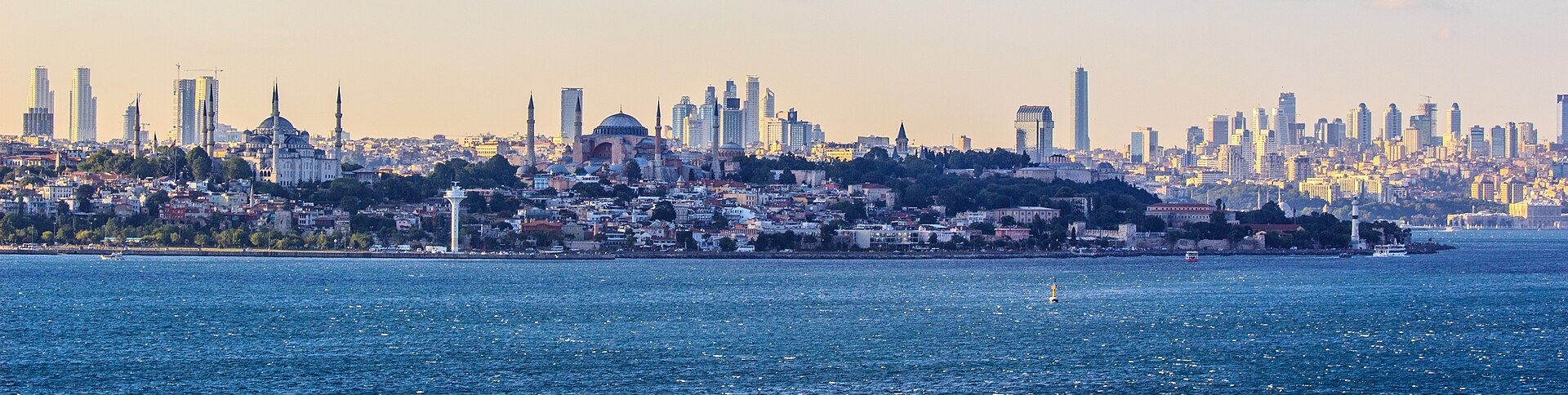
Photograph · Ben Morlok · CC BY-SA 2.0
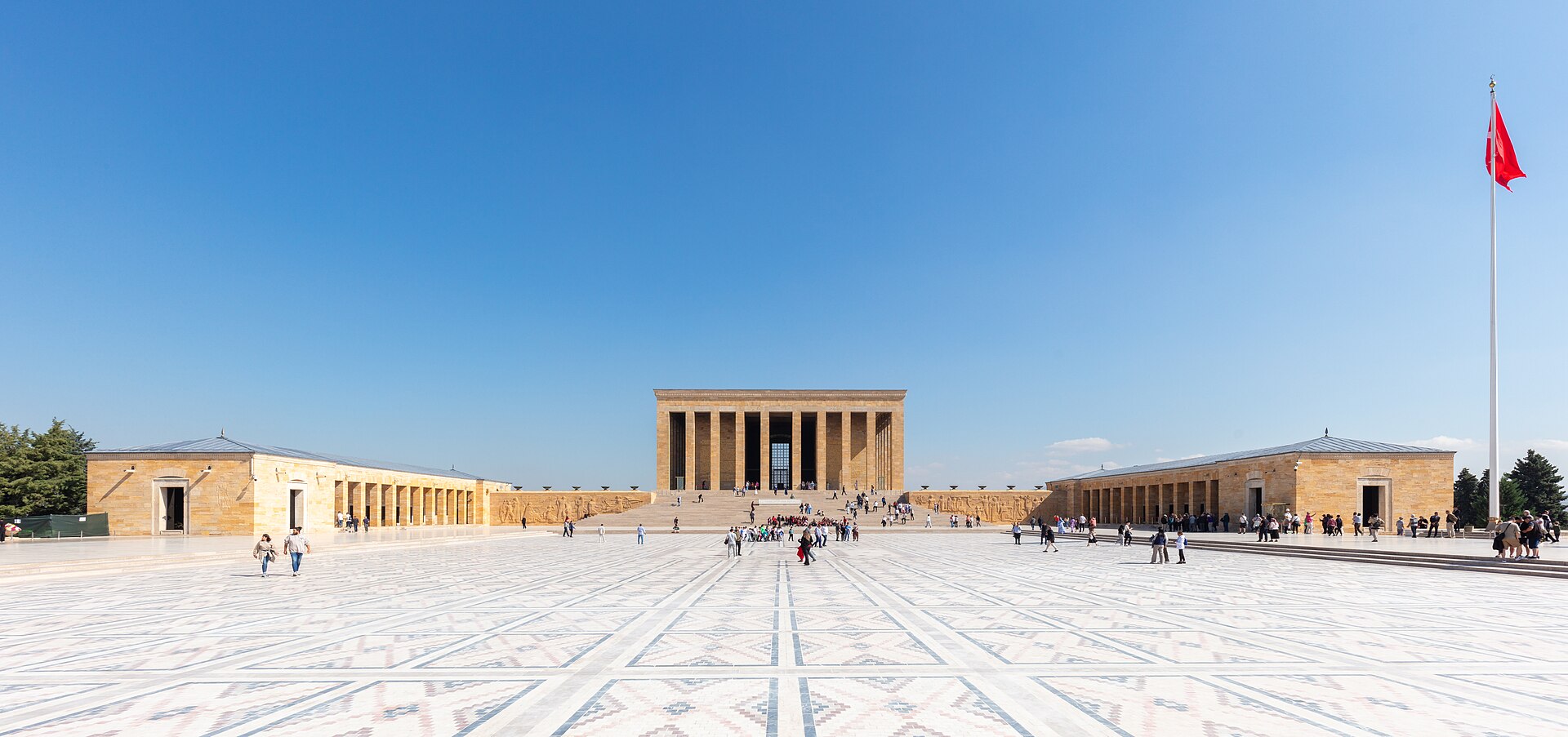
Photograph · Diego Delso · CC BY-SA 4.0
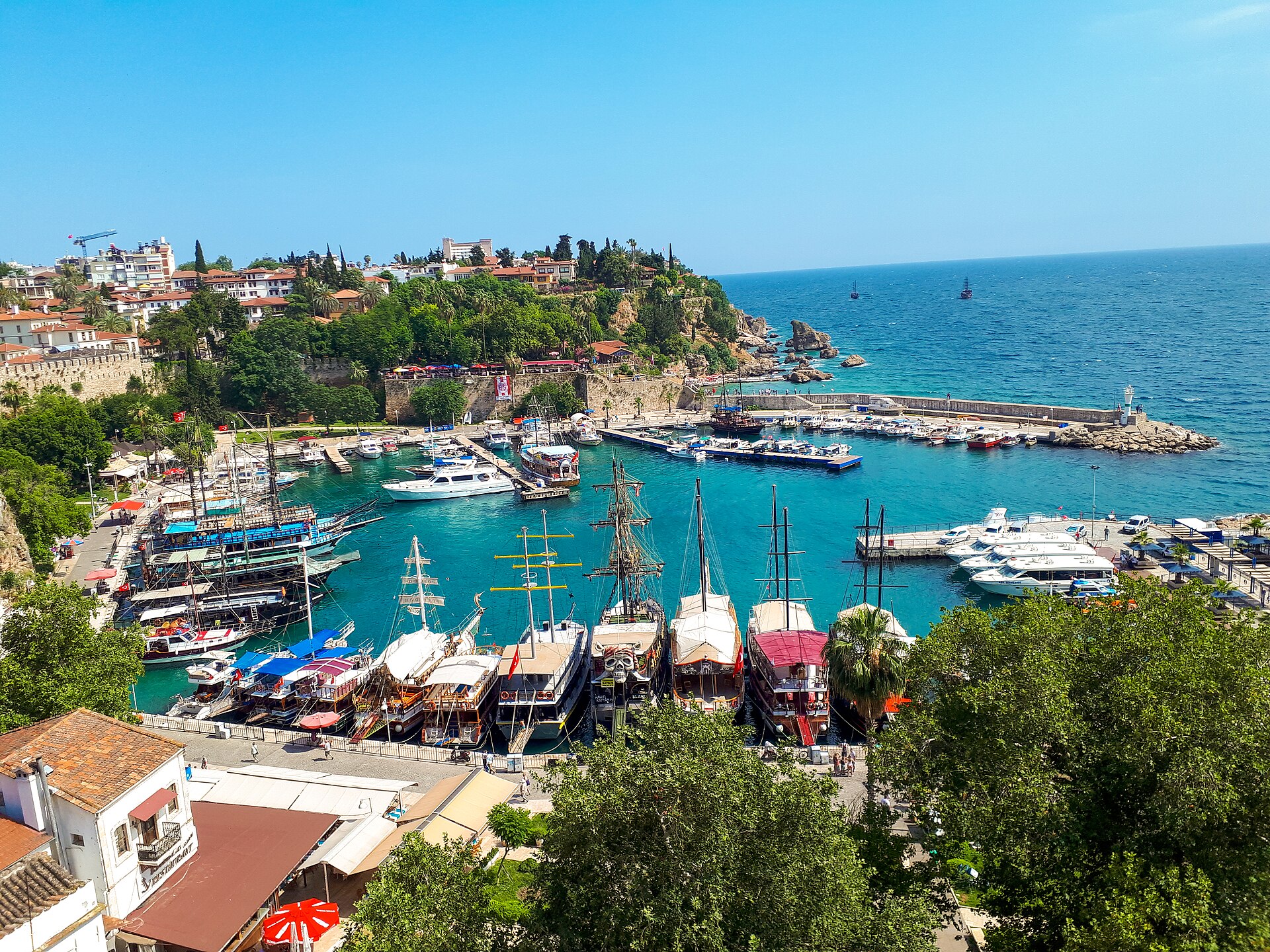
Photograph · REHBER0770 · CC BY-SA 4.0
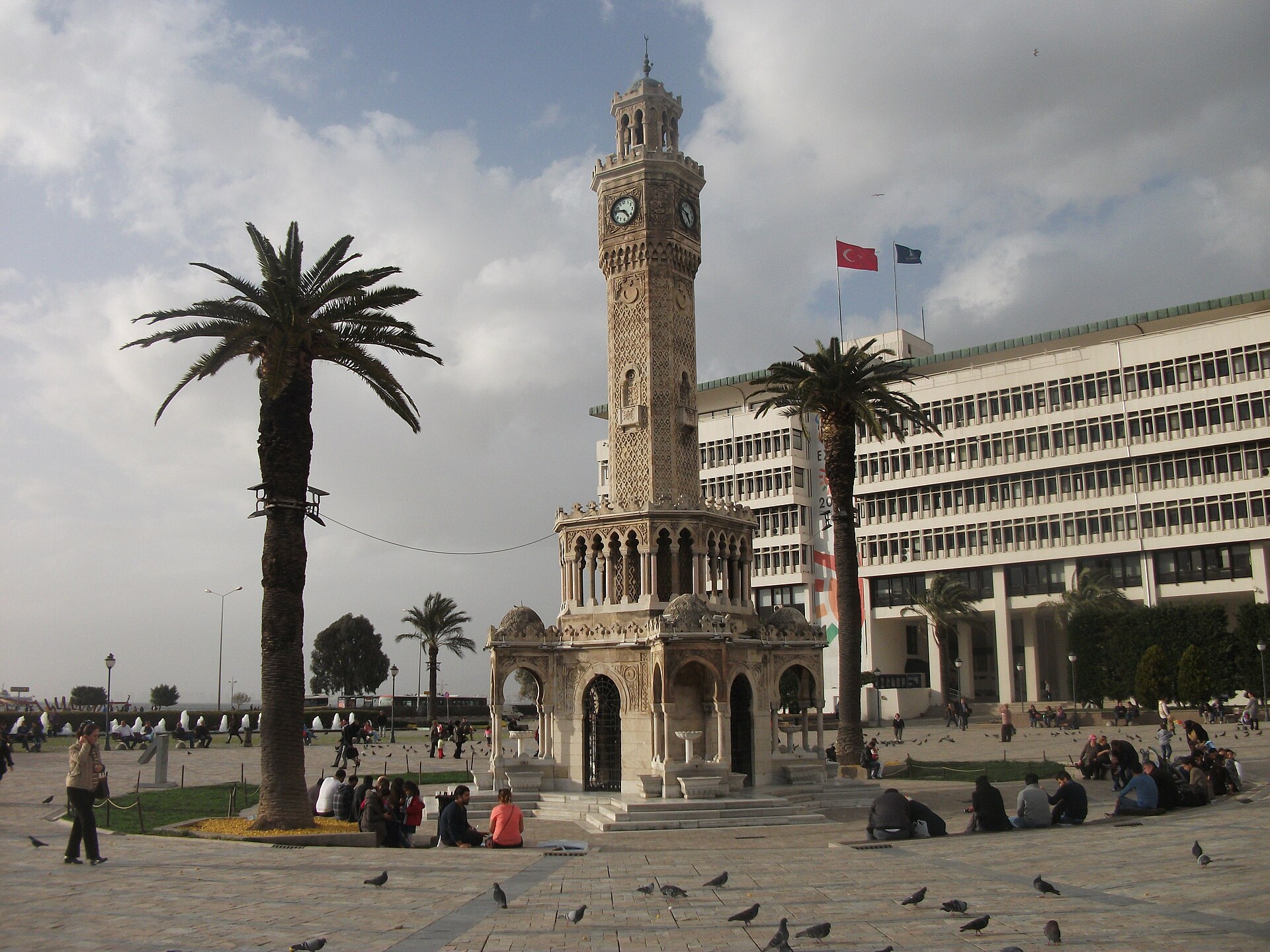
Photograph · Anonymous · CC0
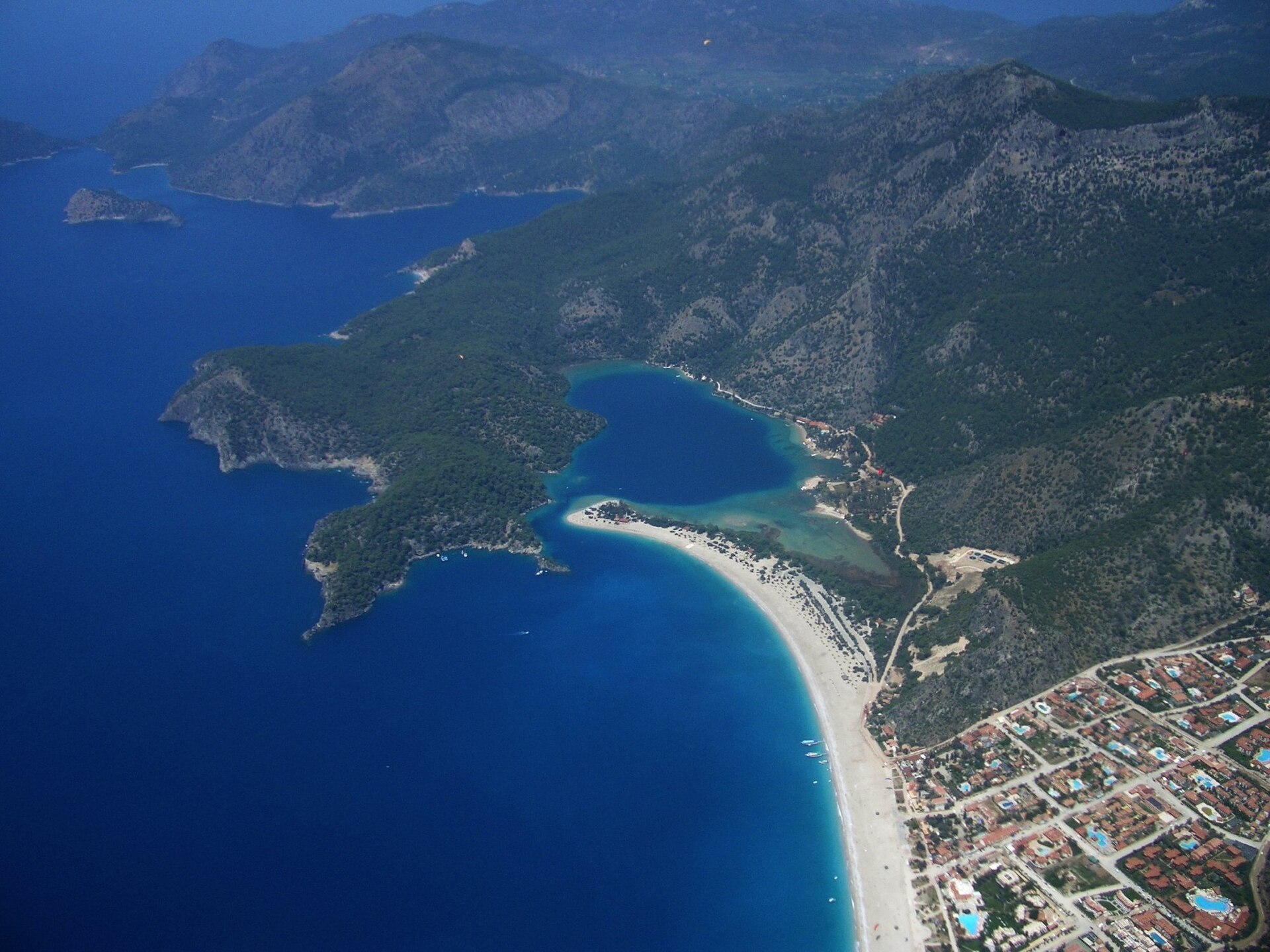
Photograph · Dan Taylor · CC BY 2.0
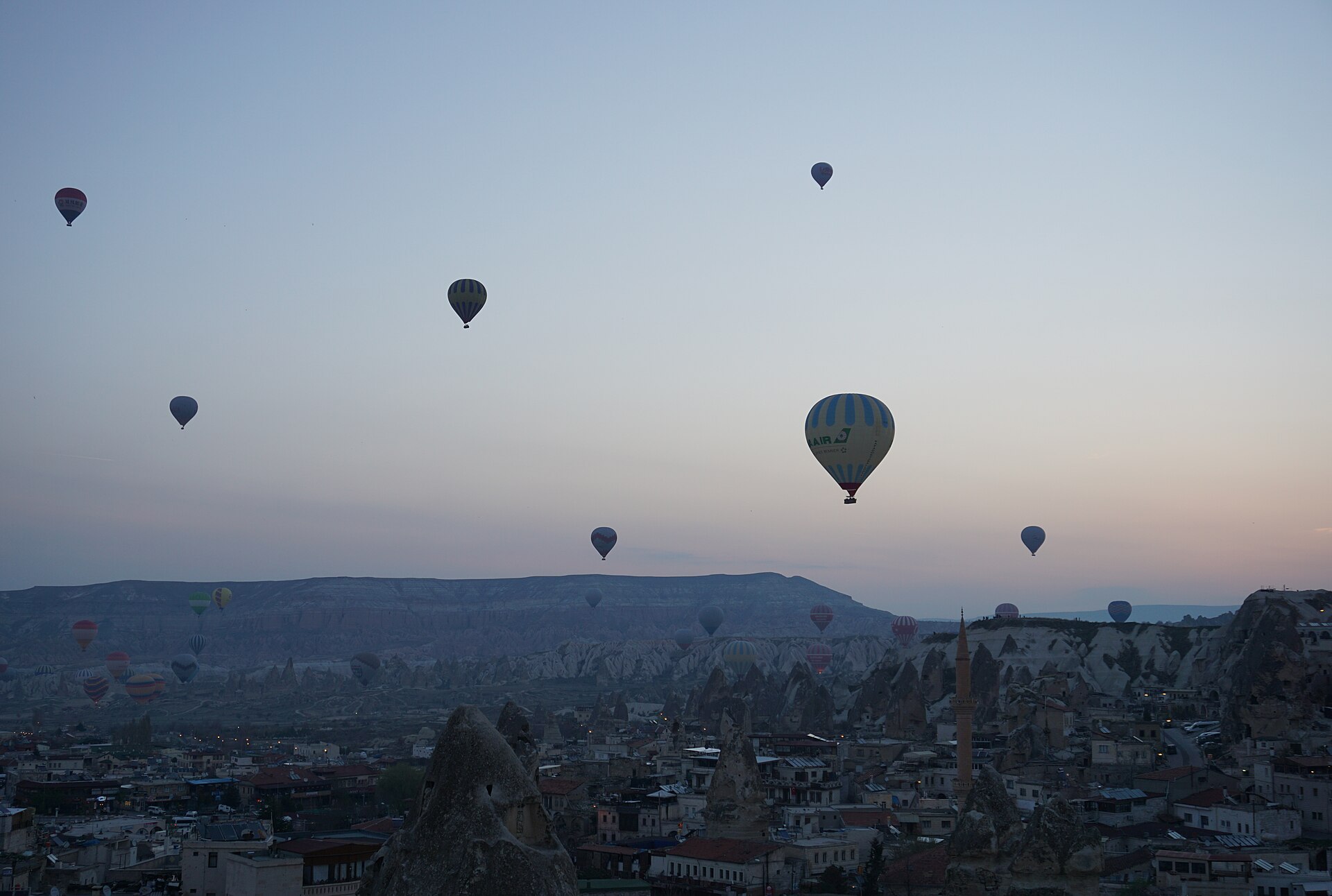
Photograph · Dogaaunlu · CC BY-SA 4.0
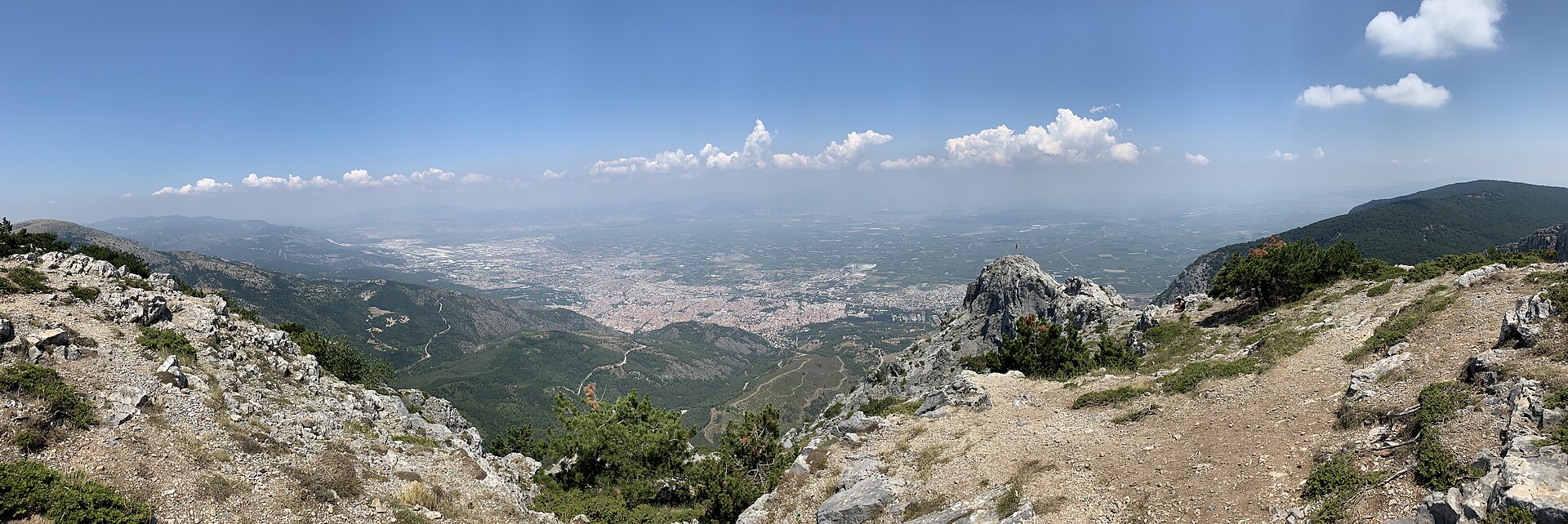
Photograph · Egemenakgul · CC BY-SA 4.0
Ranked by importance — sitelinks, pageviews and heritage status, not editor preference.
514 places match
Category
Typical visit duration
White Valley, also called Ak Vadi, is a Cappadocian landscape experienced as a walking route rather than a single enclosed attraction.
Yarenli Dede Türbesi is a named türbe, or tomb, in the rural Gördes area of Manisa Province.
Sosandra Kalesi
Sosandra Kalesi, also known as Yoğurtçu Kalesi, is a ruined hilltop fortress near Uzunburun Mahallesi in Yunusemre district. The castle occupies a rocky natural rise outside Manisa, making its setting central to understanding the site.

Zelve is an open-air archaeological site in Cappadocia, spread across three valleys on the steep northern slopes of Aktepe. The former settlement combines dramatic tuff formations with rock-cut religious and domestic spaces.
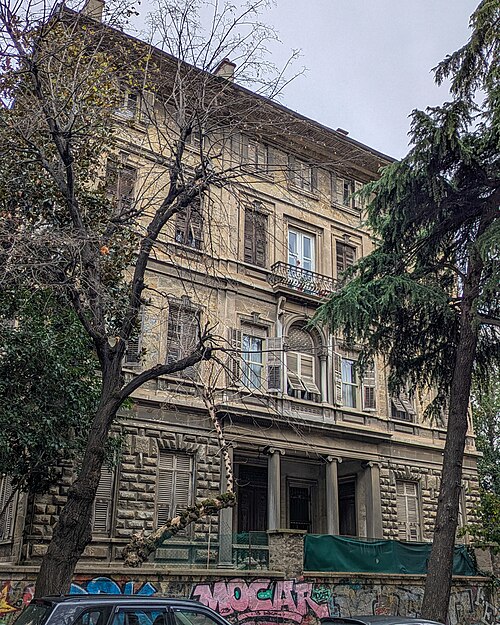
Arif Sarıca Köşkü
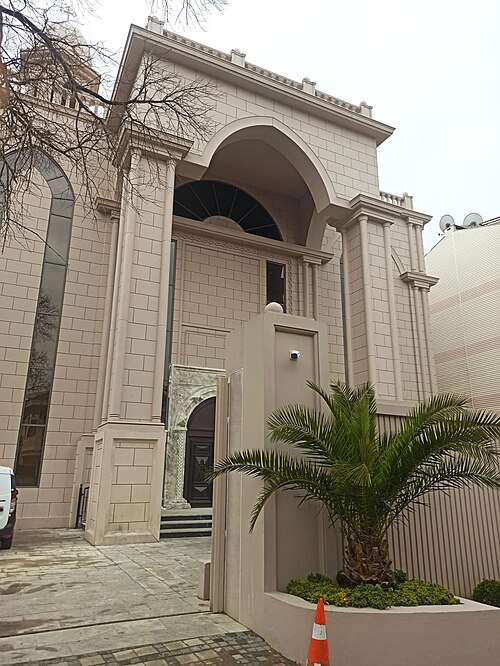
Mor Efrem Süryani Kadim Ortodoks Kilisesi
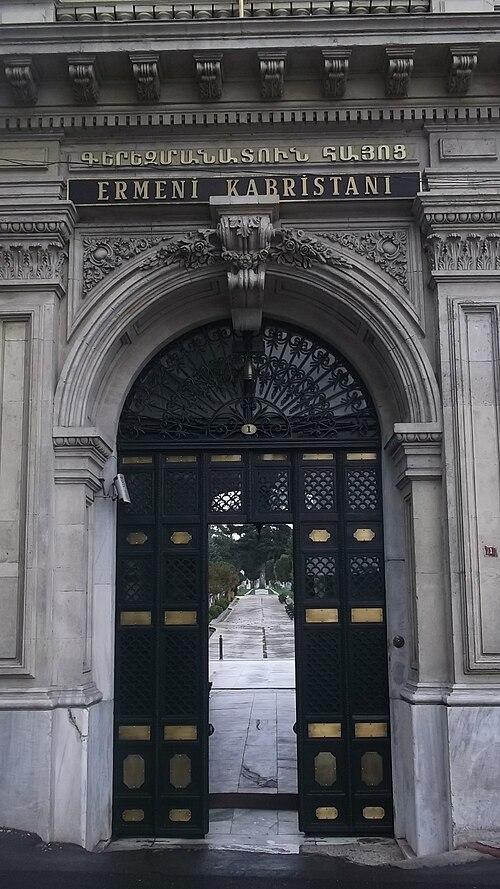
Ermenî Kabristanı
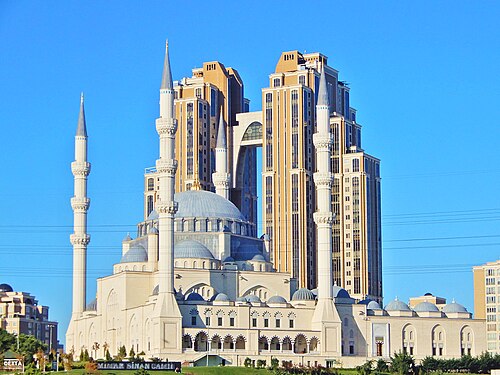
Mimar Sinan Camii
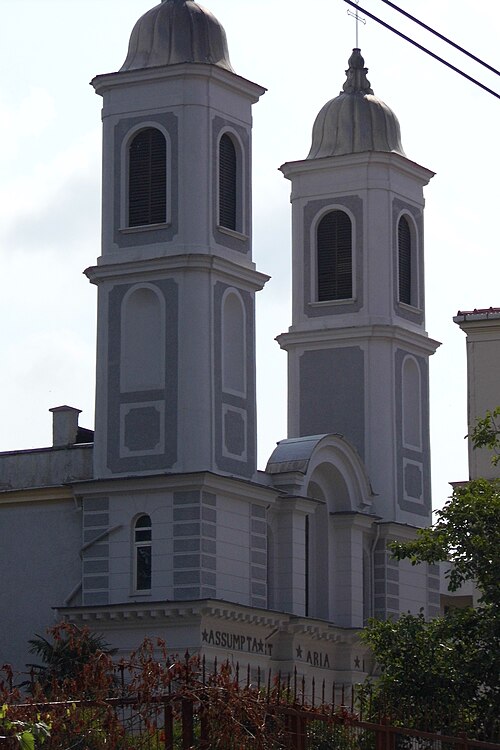
Notre-Dame De L'Assomption
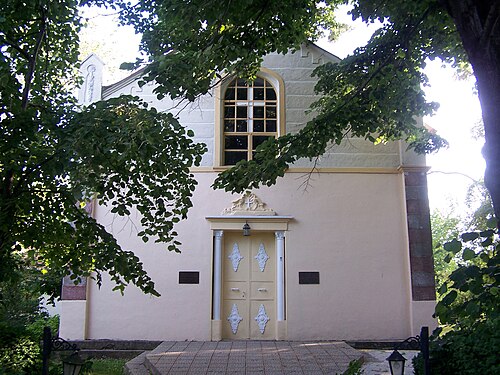
Czestochowalı Meryem Ana Kilisesi
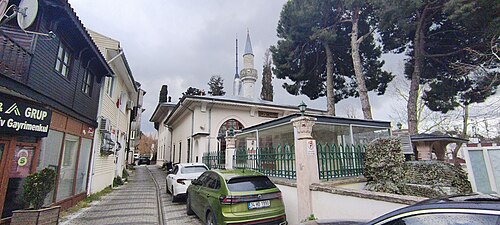
Kısıklı Abdullahağa Camii
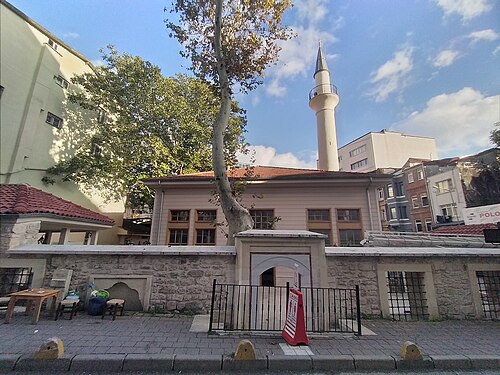
İbrahim Paşa Muhsine Hatum Cami
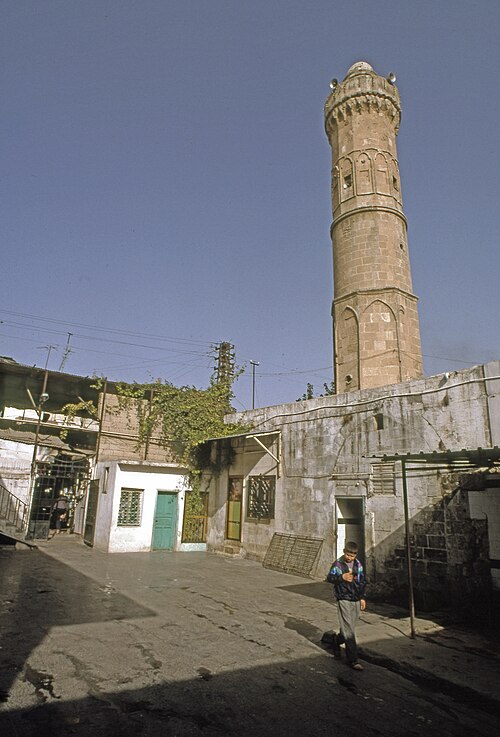
Pazar Camii
Source: OpenStreetMap contributors, Wikidata ·
Ten to fourteen days allows about four days in İstanbul and at least three around Antalya when coastal archaeology is included. Cappadocia needs its own regional stay, and a one-way coastal route is more workable than returning to the same city each night.
Türkiye's visa position varies by passport and purpose. Verify the rule through the Ministry of Foreign Affairs and, when eligible, use only the official e-Visa service rather than an intermediary.
İstanbul's two airports and Antalya are the principal gateways for this itinerary. Domestic flights cover long cross-country legs, coaches serve many city pairs, and high-speed rail is most useful on the İstanbul-Ankara axis rather than as a universal substitute.
April to May and September to October are broad choices for combining İstanbul with the Mediterranean coast. Cappadocia nights, inland heat, and Antalya's coastal conditions differ, so confirm weather for each overnight base.
Türkiye uses the Turkish lira (TRY). Keep lira available for smaller transport and market transactions even when cards are accepted, and review the displayed amount in TRY before agreeing to any card conversion.
Dial 112 for emergencies in Türkiye. Electricity is 230 V through Type C and F sockets; tap-water safety is not recorded here, so obtain current local advice at each stop.