
07
1 hour
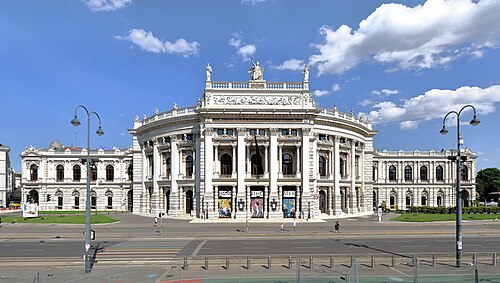
Burgtheater
The Burgtheater is Austria's national theatre and one of the most important German-language stages in the world.
- Must see
- Historic monument
District guide · Vienna
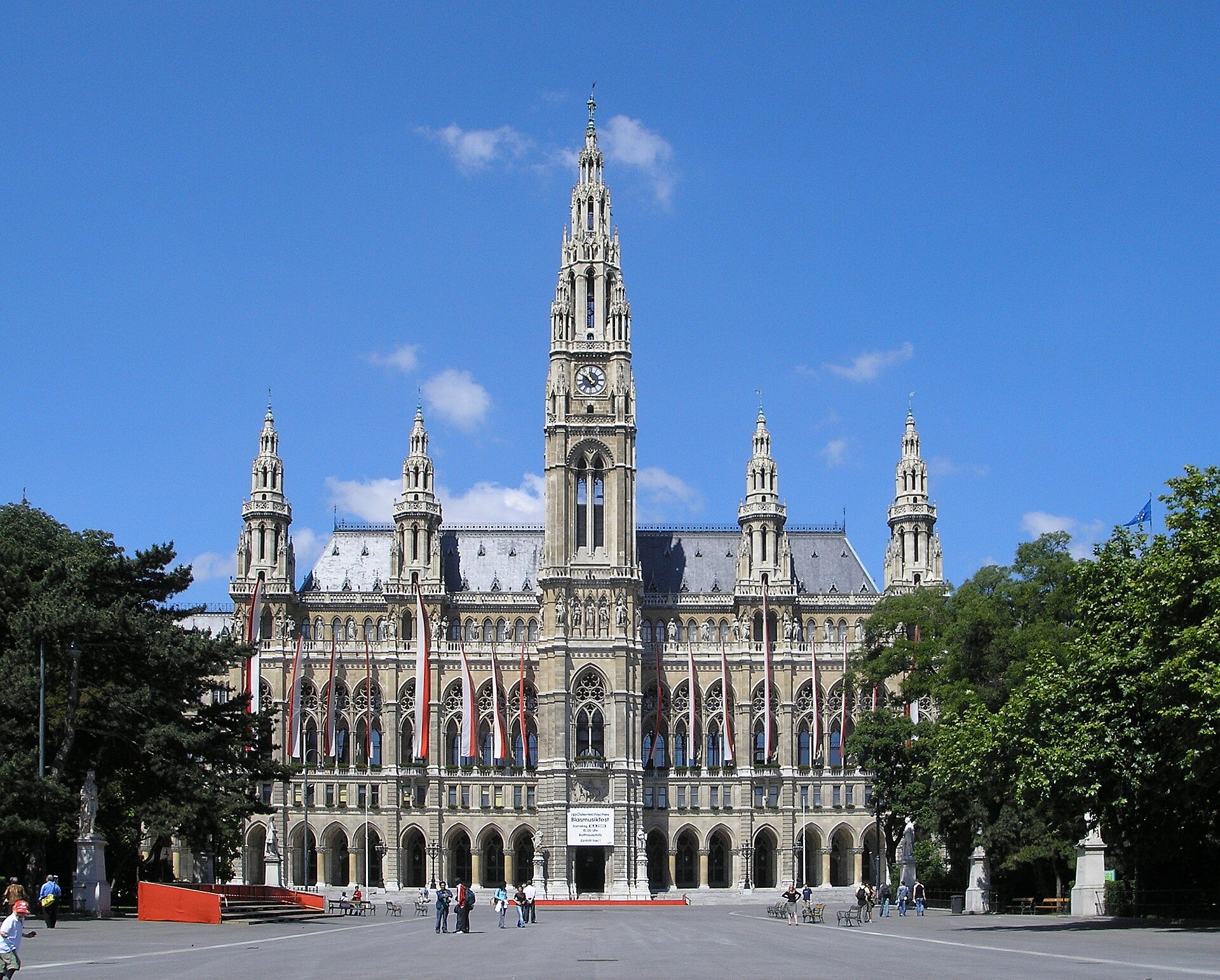
The Innere Stadt is Vienna's central district, the old town that once defined the entire city until 1850. Stephansdom cathedral, the Wiener Staatsoper, and the...
Photograph · Gryffindor · CC BY 2.5
Set your days, your pace and the hours you actually want to be out. The planner works around closing days and travel time, and leaves room to eat.
Editorial responsibility: Elena Voss · Roavina Travel Editor
The Innere Stadt is Vienna's central district, the old town that once defined the entire city until 1850. Stephansdom cathedral, the Wiener Staatsoper, and the Kunsthistorisches Museum stand among the major landmarks here. The district contains exceptional architecture and cultural institutions that justify a visit to its historic streets.
Checked 2026-09-04
Seasonal closures come from recorded opening hours.
Ranked by importance — sitelinks, pageviews and heritage status, not editor preference.
36 places match
Category
Typical visit duration
Interests
The Burgtheater is Austria's national theatre and one of the most important German-language stages in the world.
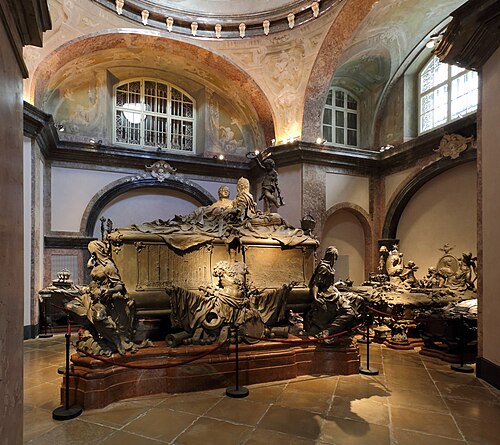
Kaisergruft
The Imperial Crypt is where the Habsburgs are buried, and it is under an ordinary friary church on a shopping street.
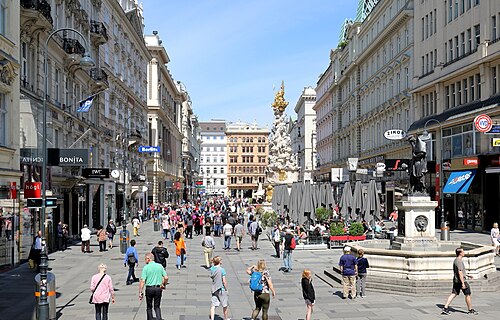
The Graben is a broad, elongated square in the Innere Stadt, and its name — 'ditch' — records what it once was: the moat of the Roman legionary camp of Vindobona, filled in during the Middle Ages and built over.
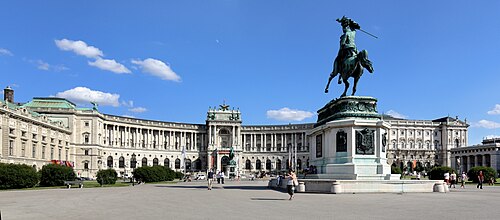
Heldenplatz is an unfinished square in front of the Hofburg, and it is the most politically loaded piece of ground in Austria.
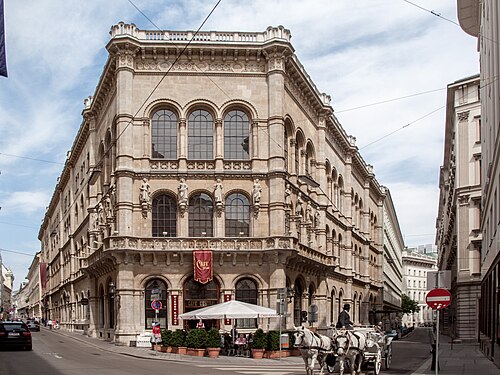
Café Central is a historic Viennese coffeehouse inside the Palais Ferstel, a Neo-Renaissance building designed by Heinrich von Ferstel. The café opened in 1876 and became one of Vienna’s best-known literary meeting places before the First World War.
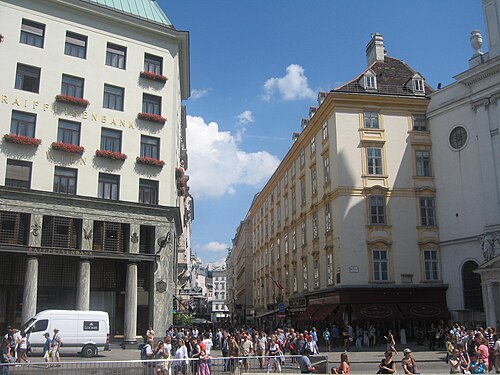
Kohlmarkt is a short pedestrian shopping street in Vienna's Innere Stadt, running from the Graben to Michaelerplatz, where it ends directly at the Michaelertor, the domed gate into the Hofburg.
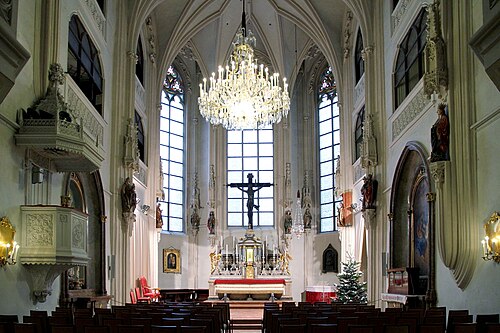
Hofburgkapelle
The Hofburgkapelle, or Court Chapel, stands within Vienna's Hofburg Palace complex. It served as the Habsburg imperial family's place of worship and preserves an important connection between court ceremony, religion, and Viennese history.
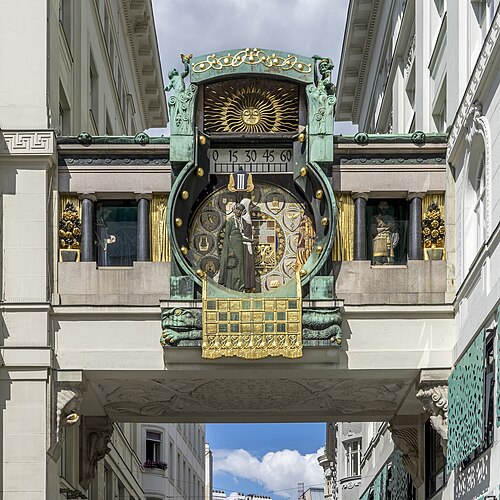
The Ankeruhr is Vienna’s Art Nouveau clock on Hoher Markt, built across the gap between two buildings associated with the Anker Insurance company.
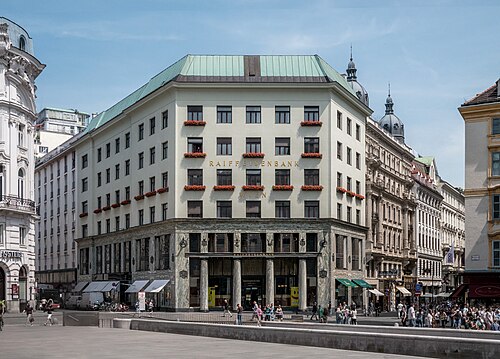
Looshaus is Adolf Loos's 1909-1911 commercial and residential building at Michaelerplatz 3, directly opposite the Michaelertor gate of the Hofburg.
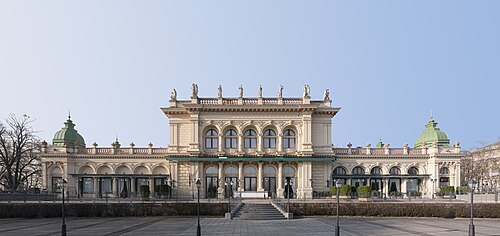
Kursalon Hübner
Kursalon Vienna is an Italian Renaissance Revival building standing at the edge of the Stadtpark in Vienna's Innere Stadt district, built in 1865-67 by architect Johann Garben as a public 'cure hall', a cafe and gathering pavilion meant to draw…
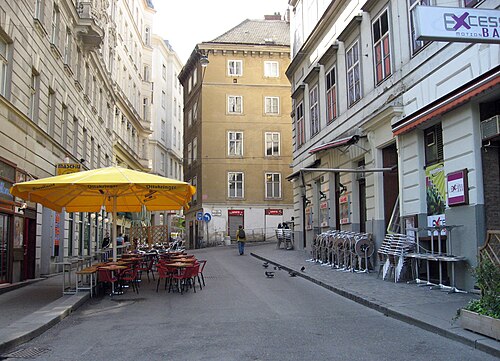
Bermudadreieck is a nightlife district in Vienna's Innere Stadt, centered on the area around Rabensteig, Seitenstettengasse, and Judengasse. The name translates to Bermuda Triangle, referencing how visitors may lose track of time amid its dense concentration of bars and venues.
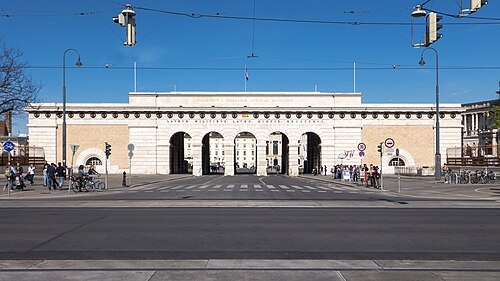
Burgtor
Äußeres Burgtor, also known locally as Burgtor, is a historic neoclassical gate in central Vienna. The gate belongs to the city’s imperial architectural landscape and marks an important threshold near the Hofburg complex.
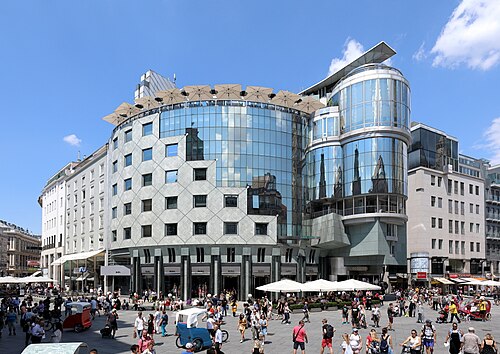
Haas-Haus
The Haas-Haus is a curved glass-and-stone office and retail building on Stock-im-Eisen-Platz, directly opposite the main entrance of St. Stephen's Cathedral, designed by Hans Hollein and completed in 1990.
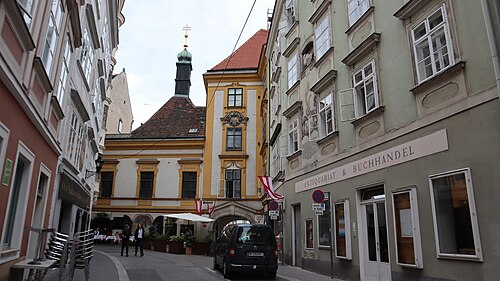
Heiligenkreuzerhof is a historic courtyard complex in Vienna's Inner City, situated near Stephansdom. The site derives its name from Heiligenkreuz Abbey, the Cistercian monastery in Lower Austria that has owned the property for centuries.
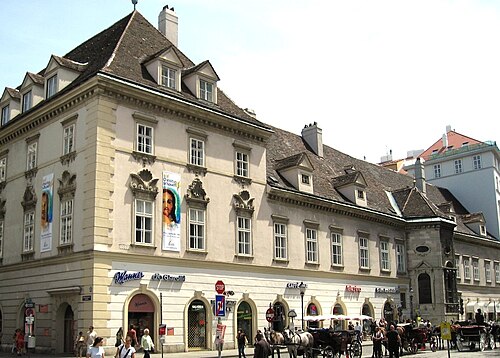
Erzbischöfliches Palais
Episcopal Palace, locally called Erzbischöfliches Palais, is the residence of the Archbishop of Vienna in the historic centre. It is a working ecclesiastical building rather than a conventional museum or sightseeing venue.
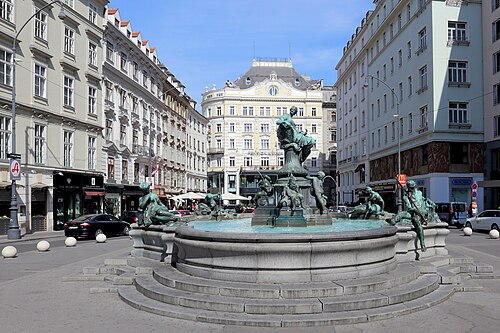
Donnerbrunnen, also called the Providentia Fountain, is a Baroque monument in Neuer Markt. Georg Raphael Donner created the fountain between 1737 and 1739, making it one of Vienna’s important eighteenth-century sculptural works.
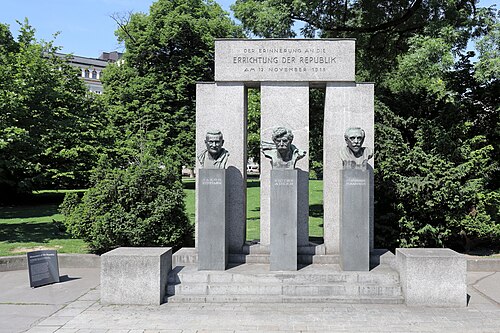
Denkmal der Republik
Republikdenkmal, also known as Denkmal der Republik, commemorates the founding of the Austrian Republic in 1918. The monument marks the political transition that followed the end of Habsburg imperial rule and the emergence of republican government.
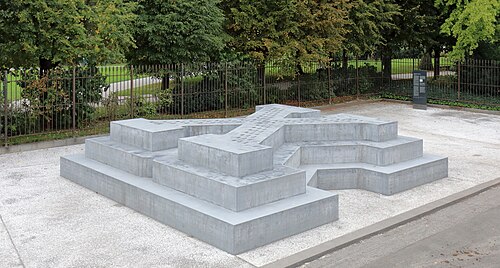
Deserteursdenkmal
The Memorial for the Victims of Nazi Military Justice, known locally as Deserteursdenkmal, is an outdoor memorial in Vienna. It honours people persecuted by Nazi military courts, including deserters and others punished for refusing service or being judged insubordinate.
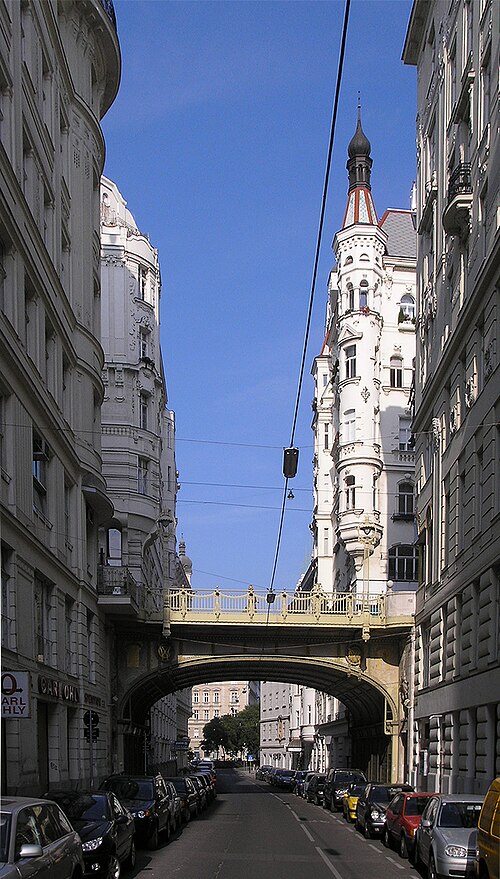
Hohe Brücke is a historic bridge in Vienna. The German name means “High Bridge,” and the structure belongs to the city’s network of crossings, streets and walkways.
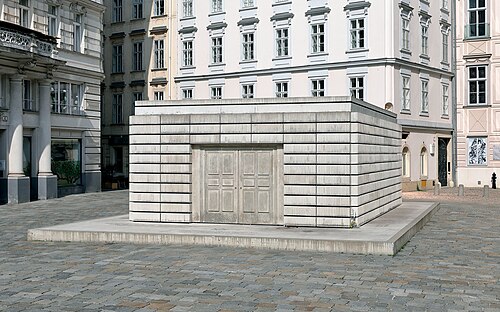
Holocaust-Mahnmal
The Judenplatz Holocaust Memorial is a sealed concrete sculpture by the British artist Rachel Whiteread, unveiled on 25 October 2000 on Judenplatz in the Innere Stadt.
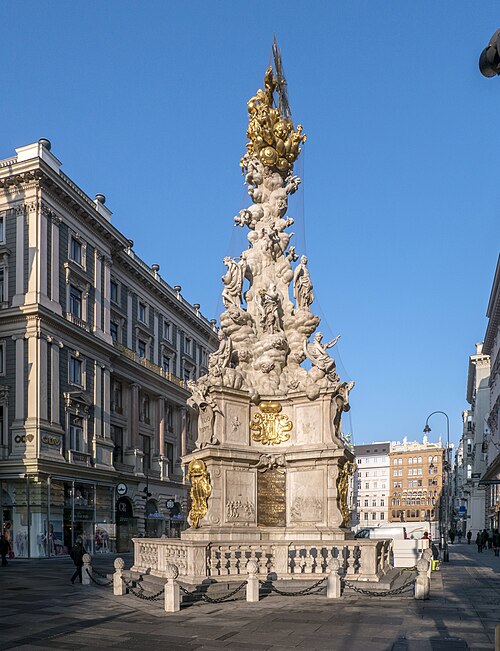
The Pestsäule is a promise made by an emperor who had left town.
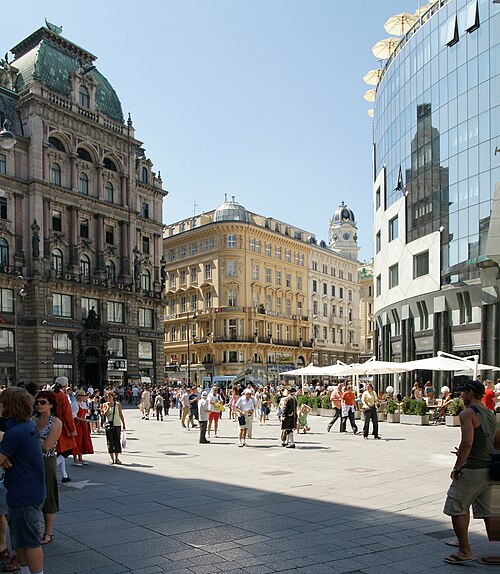
Stephansplatz is the square at the geographic and historic centre of Vienna, formed around St. Stephen's Cathedral and taking its name directly from it.
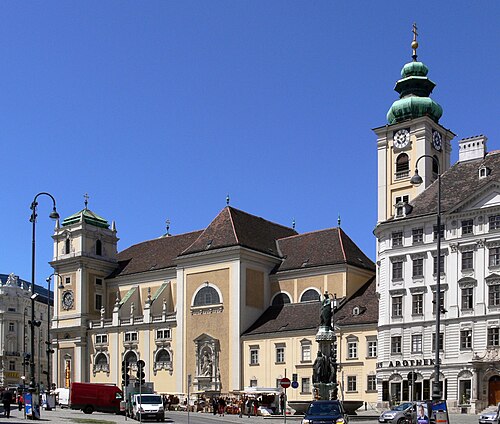
Schottenstift is a working Benedictine abbey on Freyung square in the Innere Stadt, founded in 1155 by Duke Henry II Jasomirgott.
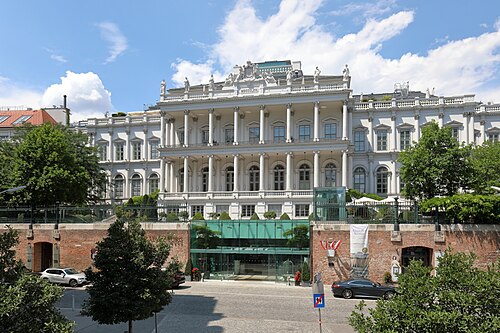
Palais Coburg is a Neoclassical palace at Coburgbastei 4 in Vienna's first district, built between 1840 and 1845 for Ferdinand Georg August, Prince of Saxe-Coburg-Saalfeld-Koháry, on top of a surviving bastion of the old city fortifications.
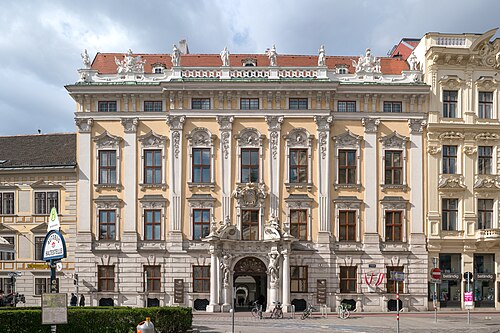
Palais Kinsky is a Baroque palace at Freyung 4 in Vienna's first district, built between 1713 and 1716 by Johann Lukas von Hildebrandt for Count Philipp Vinzenz Daun, a Habsburg field marshal, and later passed by marriage to the Kinsky…