
01
4 hours
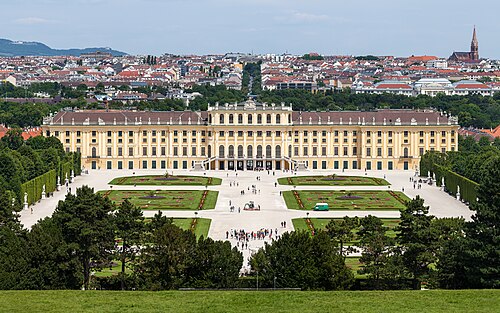
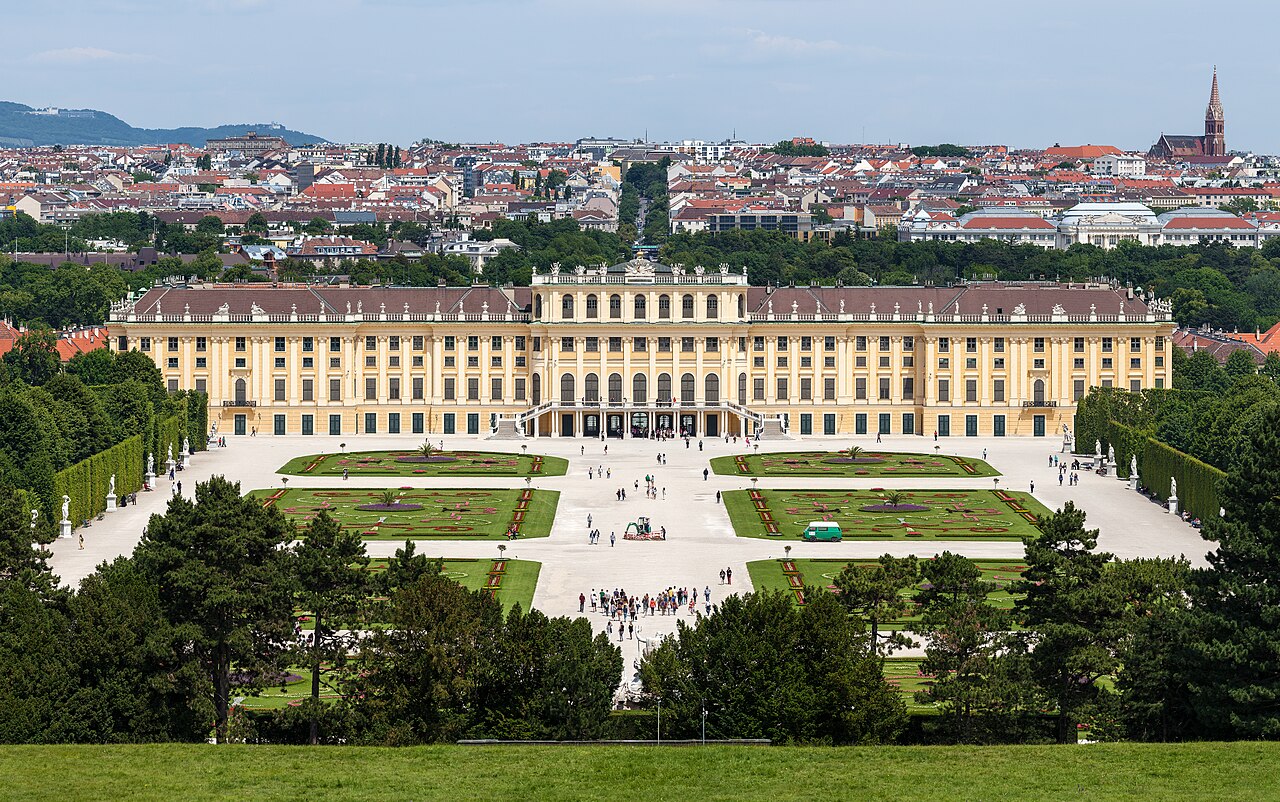
Schönbrunn Palace
Schloss Schönbrunn
Schönbrunn Palace is Vienna’s former Habsburg summer residence and one of Europe’s great imperial complexes.
- Must see
- Historic site
- Hietzing
City guide · Austria
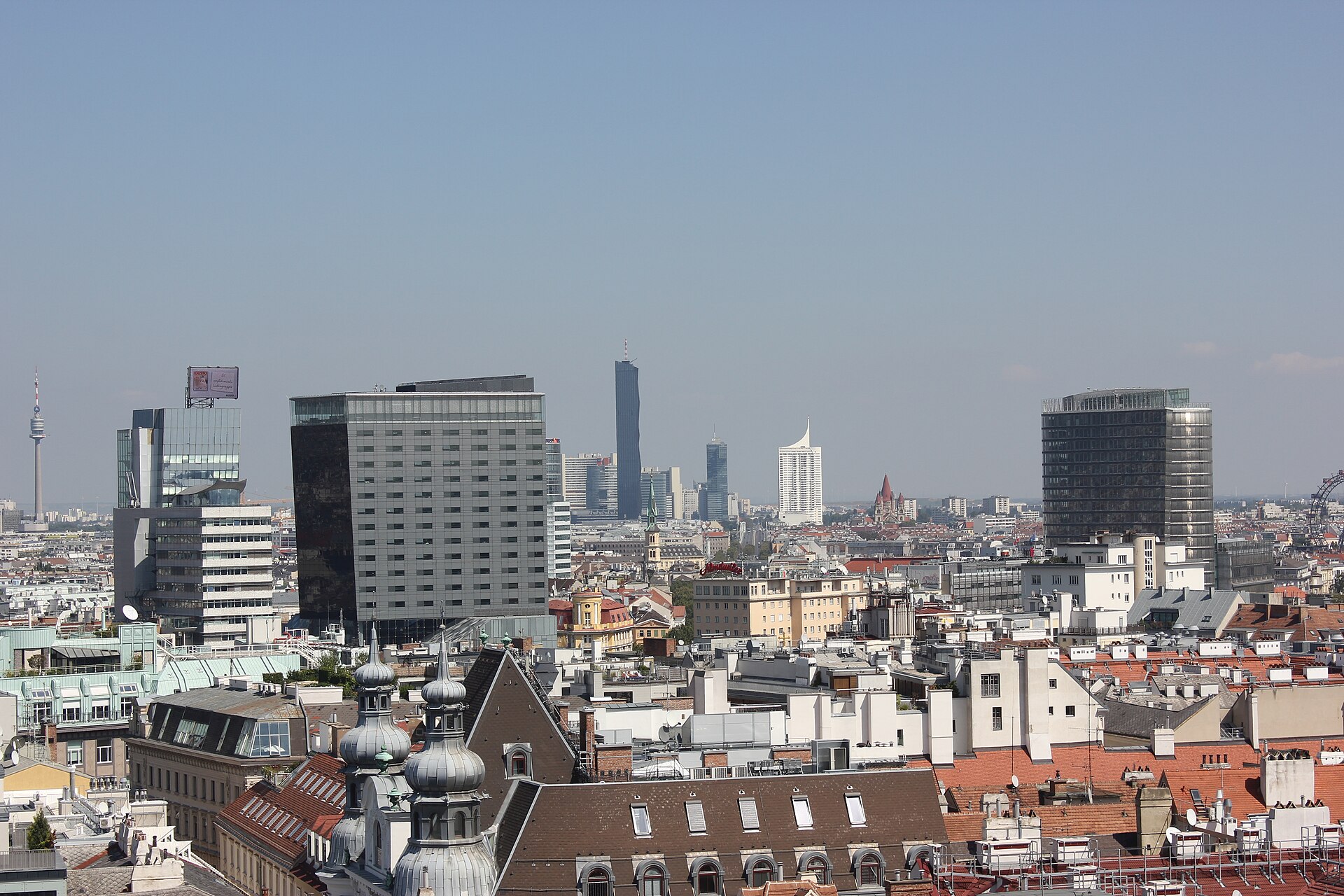
Vienna is 414.78 km² holding 2,028,499 people, and almost everything a visitor comes for sits inside a single ring road less than a kilometre across. The Inner...
Photograph · Andrzej Otrębski · CC BY-SA 4.0
Set your days, your pace and the hours you actually want to be out. The planner works around closing days and travel time, and leaves room to eat.
Editorial responsibility: Elena Voss · Roavina Travel Editor
Vienna is 414.78 km² holding 2,028,499 people, and almost everything a visitor comes for sits inside a single ring road less than a kilometre across.
The Innere Stadt — the 1st district — is the medieval core, and the Ringstrasse that surrounds it was built in the second half of the nineteenth century on the line of the demolished bastions. The 371-hectare historic centre has been a UNESCO World Heritage Site since 2001; it was on the endangered list from 2017 to 2026.
The wider urban area holds 2,223,236 people and the metropolitan area 2,890,577, which makes Vienna the tenth largest city in Europe and by a long way the largest in Austria.
Checked 2026-08-23
November · November in Vienna has mean high 7.5°C, mean low 2.4°C, rainfall 50.0 mm, 8.3 rain days. Cold temperatures make a full outdoor itinerary less comfortable. A flexible November itinerary in Vienna is more realistic than a long exposed walking day.
Ranked by importance — sitelinks, pageviews and heritage status, not editor preference.
79 places match
Category
Typical visit duration
Good for
Interests
Schloss Schönbrunn
Schönbrunn Palace is Vienna’s former Habsburg summer residence and one of Europe’s great imperial complexes.
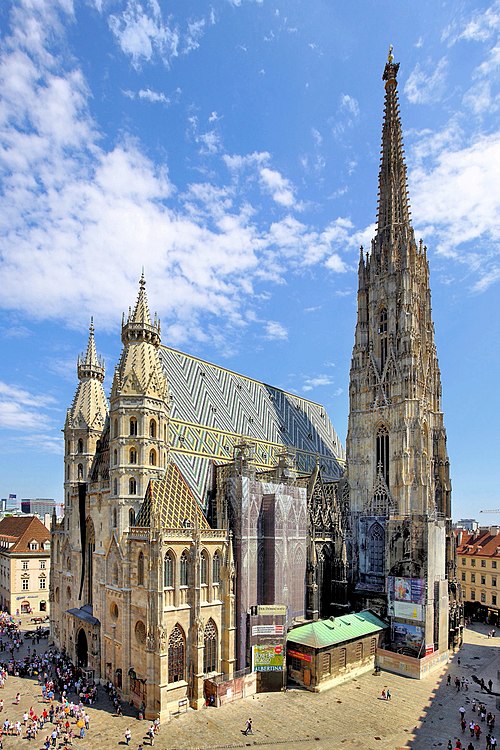
Stephansdom
St. Stephen’s Cathedral is Vienna’s working metropolitan church and the defining landmark of Stephansplatz. Its story reaches back to a foundation in 1137, while Gothic rebuilding began in 1359 under Duke Rudolf IV.
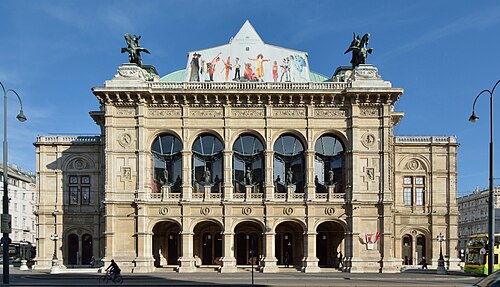
Wiener Staatsoper
The Vienna State Opera was hated when it opened and it killed both its architects.
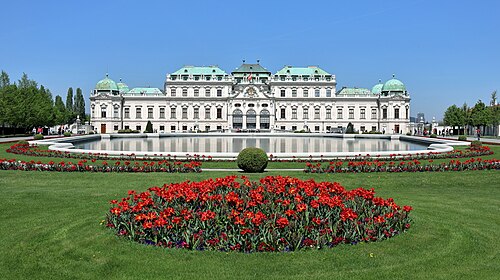
Belvedere is Prince Eugene of Savoy’s former summer residence, not one palace but a carefully staged Baroque ensemble in Vienna’s Landstraße district.
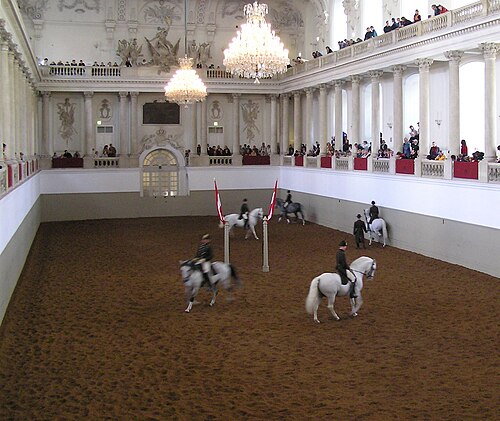
Spanische Hofreitschule
The Spanish Riding School is the world's oldest institution still practising classical Baroque horsemanship in its original form, tracing its riding tradition back to 1572 and its Lipizzaner breeding programme to the Habsburgs' interest in Spanish-bred horses.
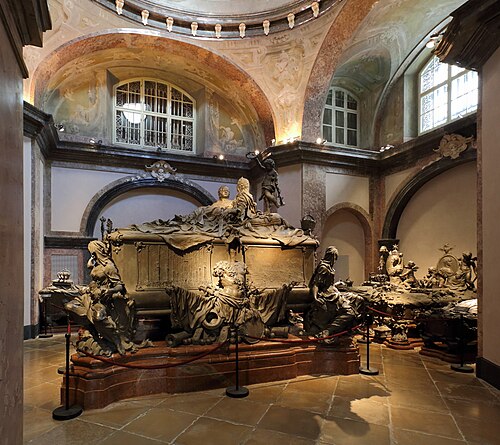
Kaisergruft
The Imperial Crypt is where the Habsburgs are buried, and it is under an ordinary friary church on a shopping street.
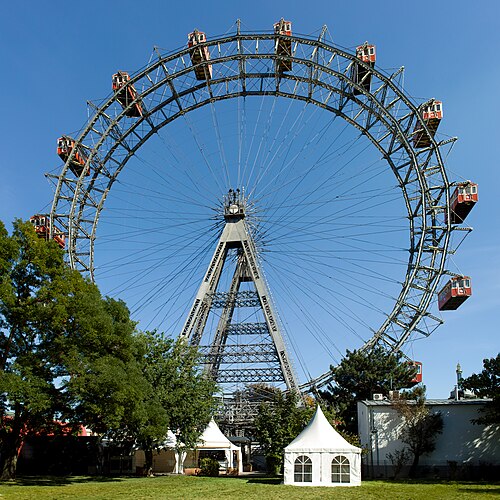
Riesenrad
Wiener Riesenrad is Vienna’s historic giant wheel at the entrance to the Prater, built in 1897 for Emperor Franz Joseph’s Golden Jubilee. Harry Hitchins and Hubert Cecil Booth designed it, and Walter Basset Bassett built it.
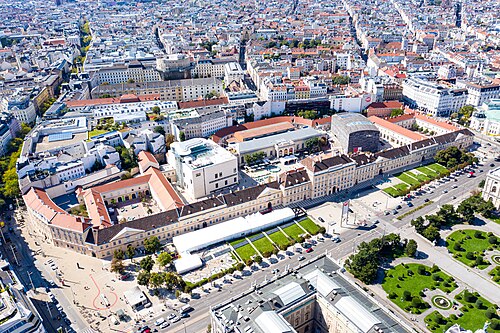
The MuseumsQuartier is one of the largest cultural districts in the world by area, roughly 90,000 square metres, built inside the former imperial court stables, the Hofstallungen, originally constructed in the early eighteenth century under plans associated with Johann Bernhard…
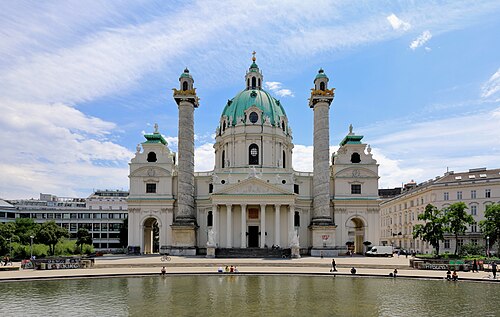
Karlskirche is Vienna’s great Baroque church on the south side of Karlsplatz, but its identity is unusually theatrical: a classical portico sits between two monumental spiral-relief columns and two tower pavilions, beneath a 70-metre dome.
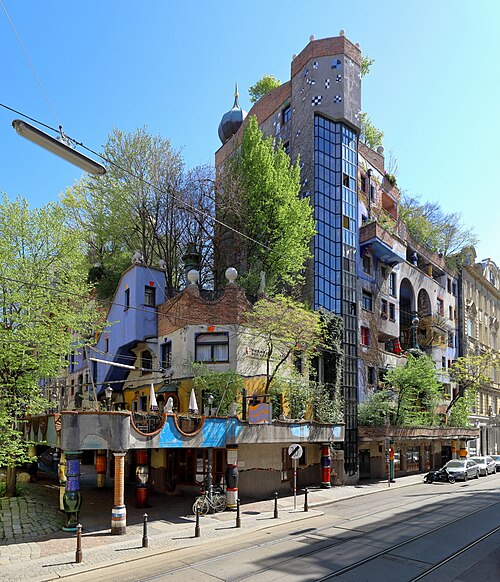
Hundertwasserhaus is a private residential complex in Vienna’s 3rd district, Landstraße, at the corner of Kegelgasse and Löwengasse. Friedensreich Hundertwasser created the artistic concept with architect Joseph Krawina, and construction took place from 1983 to 1985.
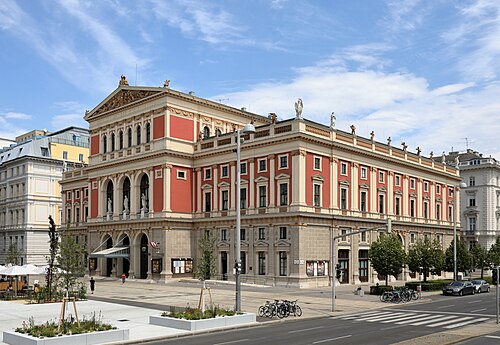
Musikverein is Vienna’s celebrated concert building on Karlsplatz, opened on 6 January 1870 and designed by Danish architect Theophil Hansen in a neoclassical style inspired by a Greek temple.
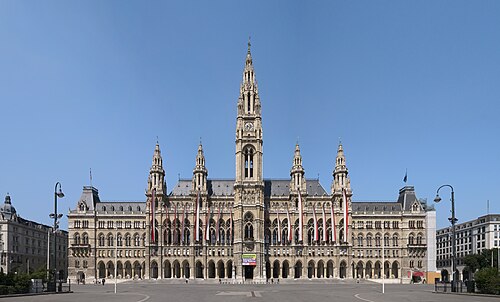
Rathaus
The Rathaus is a Gothic cathedral that turned out to be a town hall, and it is the largest secular building on the Ringstrasse.
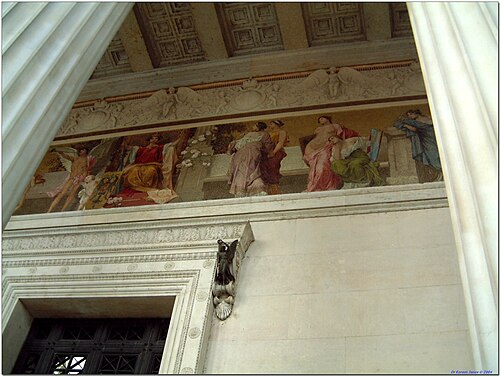
Parlament
The Austrian Parliament Building is Vienna’s working national legislature, designed by Theophil Hansen in a deliberately Greek-inspired style. Construction ran from 1874 to 1883, when classical forms were used to express the building’s association with democratic government.
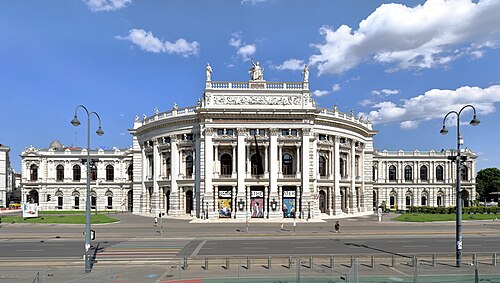
The Burgtheater is Austria's national theatre and one of the most important German-language stages in the world.
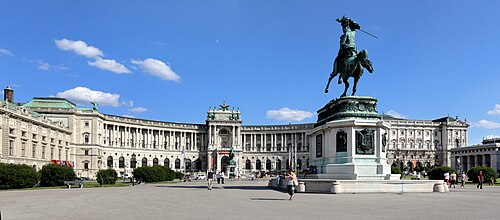
Heldenplatz is an unfinished square in front of the Hofburg, and it is the most politically loaded piece of ground in Austria.
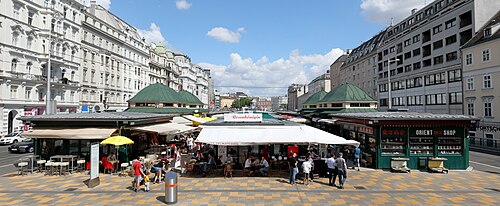
The Naschmarkt is Vienna's largest and oldest continuously running market, a roughly 1.5-kilometre strip of stalls running along the covered-over bed of the Wien River between Karlsplatz and Kettenbrückengasse.
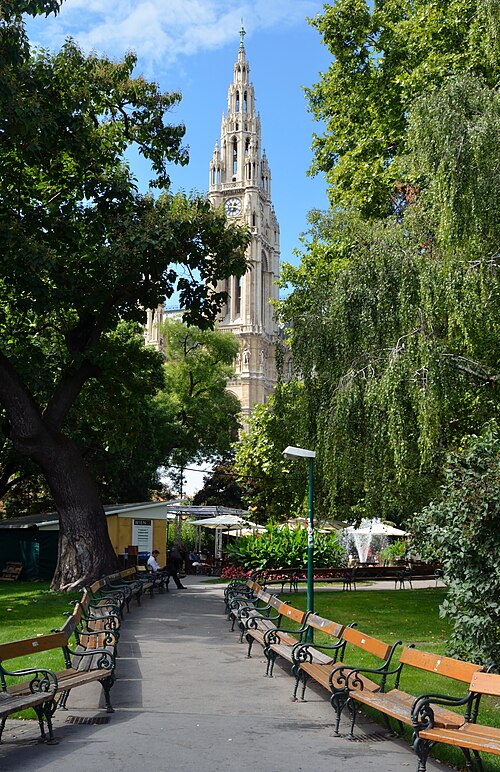
Rathauspark is a public park in Vienna, situated adjacent to the Vienna City Hall (Rathaus). The park is divided into two sections by the Rathaus building's approach.
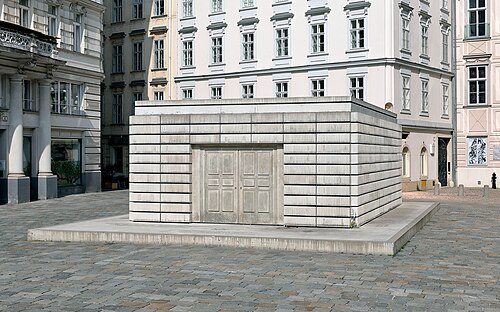
Holocaust-Mahnmal
The Judenplatz Holocaust Memorial is a sealed concrete sculpture by the British artist Rachel Whiteread, unveiled on 25 October 2000 on Judenplatz in the Innere Stadt.
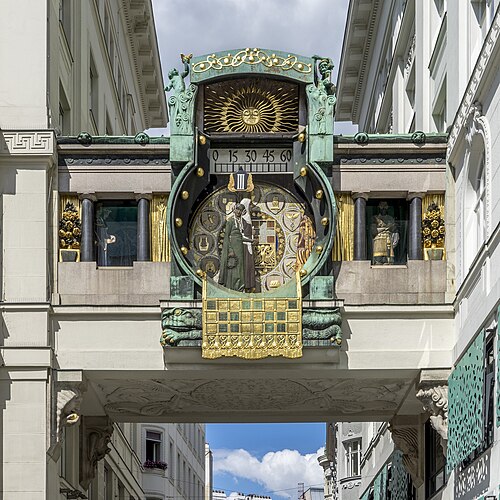
The Ankeruhr is Vienna’s Art Nouveau clock on Hoher Markt, built across the gap between two buildings associated with the Anker Insurance company.
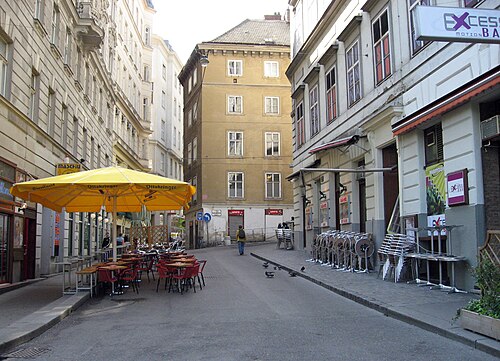
Bermudadreieck is a nightlife district in Vienna's Innere Stadt, centered on the area around Rabensteig, Seitenstettengasse, and Judengasse. The name translates to Bermuda Triangle, referencing how visitors may lose track of time amid its dense concentration of bars and venues.
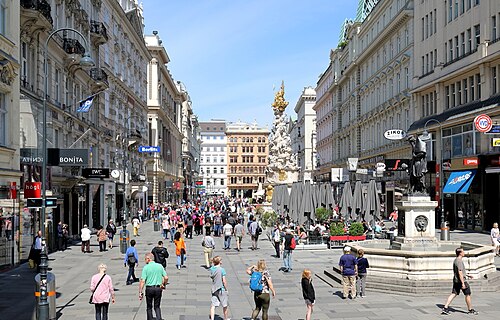
The Graben is a broad, elongated square in the Innere Stadt, and its name — 'ditch' — records what it once was: the moat of the Roman legionary camp of Vindobona, filled in during the Middle Ages and built over.
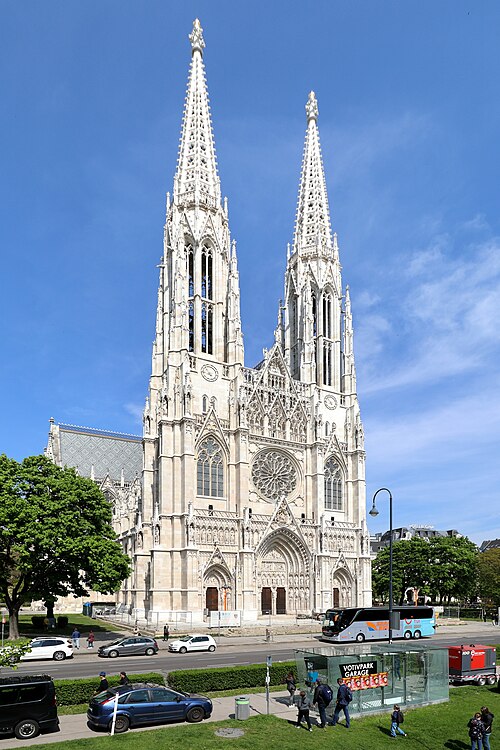
Votivkirche
The Votivkirche exists because somebody tried to kill the emperor and failed.
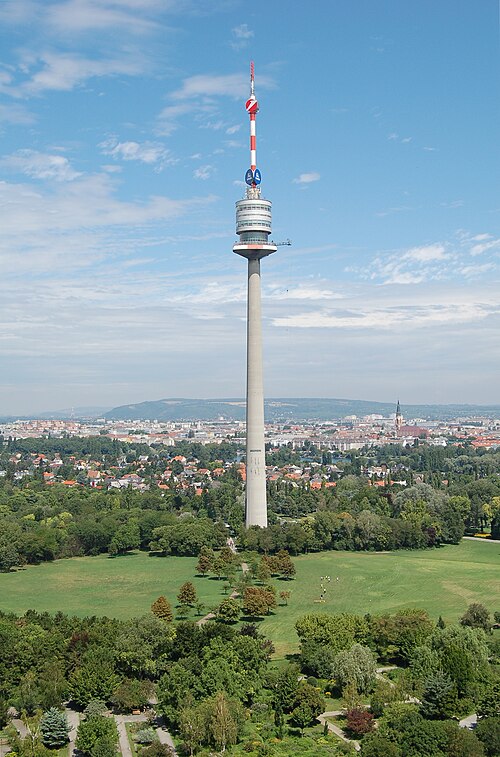
The Donauturm is the tallest structure in Austria, at 252 m, and it was built as a garden show attraction.
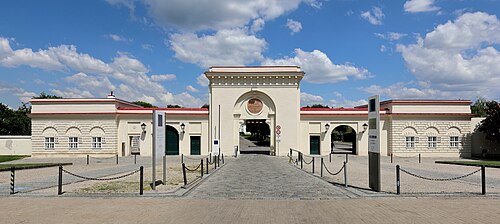
Augarten is a public Baroque park in Leopoldstadt, the 2nd district, laid out in its present form in the early 18th century and opened to the public by Emperor Joseph II in 1775 — one of the earliest palace gardens…
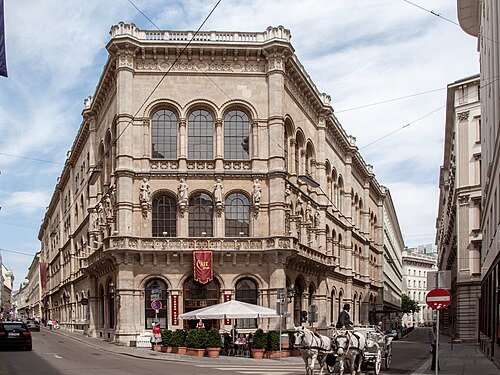
Café Central is a historic Viennese coffeehouse inside the Palais Ferstel, a Neo-Renaissance building designed by Heinrich von Ferstel. The café opened in 1876 and became one of Vienna’s best-known literary meeting places before the First World War.
District boundaries come from OSM administrative relations, so a district page holds exactly the places inside it — plus, for the islands and the coast, the nearest district by proximity.
Twenty-three districts, numbered roughly in the order they were absorbed, arranged around the 1st.
The Innere Stadt is the 1st and holds the cathedral, the Hofburg, the opera and most of what a short visit will see. Districts 2 to 9 and 20 were incorporated in 1850 and lie inside the Gürtel, the outer ring road; they are the inner districts and are where most visitors sleep and eat. Districts 10 to 19 and 21 to 23 came in between 1874 and 1938, mostly in 1892.
Districts 21 and 22 are across the Danube on the left bank — Floridsdorf is the northernmost part of the city and Donaustadt the largest by area. Districts 2 and 20 sit on the island between the Danube and the Donaukanal.
The postal code gives the district: 1XXA, where the middle two digits are the district number. An address at 1070 is in the 7th.
Checked 2026-08-23
The U-Bahn, the trams, and a ticket that covers both.
The U-Bahn has five lines, 109 stations and 83.9 km of track, and it opened on 25 February 1978. It carried 404.8 million passengers in 2023. Trains run from about 05:00 to 01:00 at intervals of two to fifteen minutes, and run all night at fifteen-minute intervals on Friday and Saturday nights and before public holidays.
A sixth line, the U5, is under construction for completion between 2026 and 2032; the network will then be 90 km with 116 stations.
Tickets are integrated with the trams, the buses and the S-Bahn through the VOR system, so one ticket covers the whole journey. Some airport services are outside it.
Inside the Ring, walking beats all of it.
Checked 2026-08-23
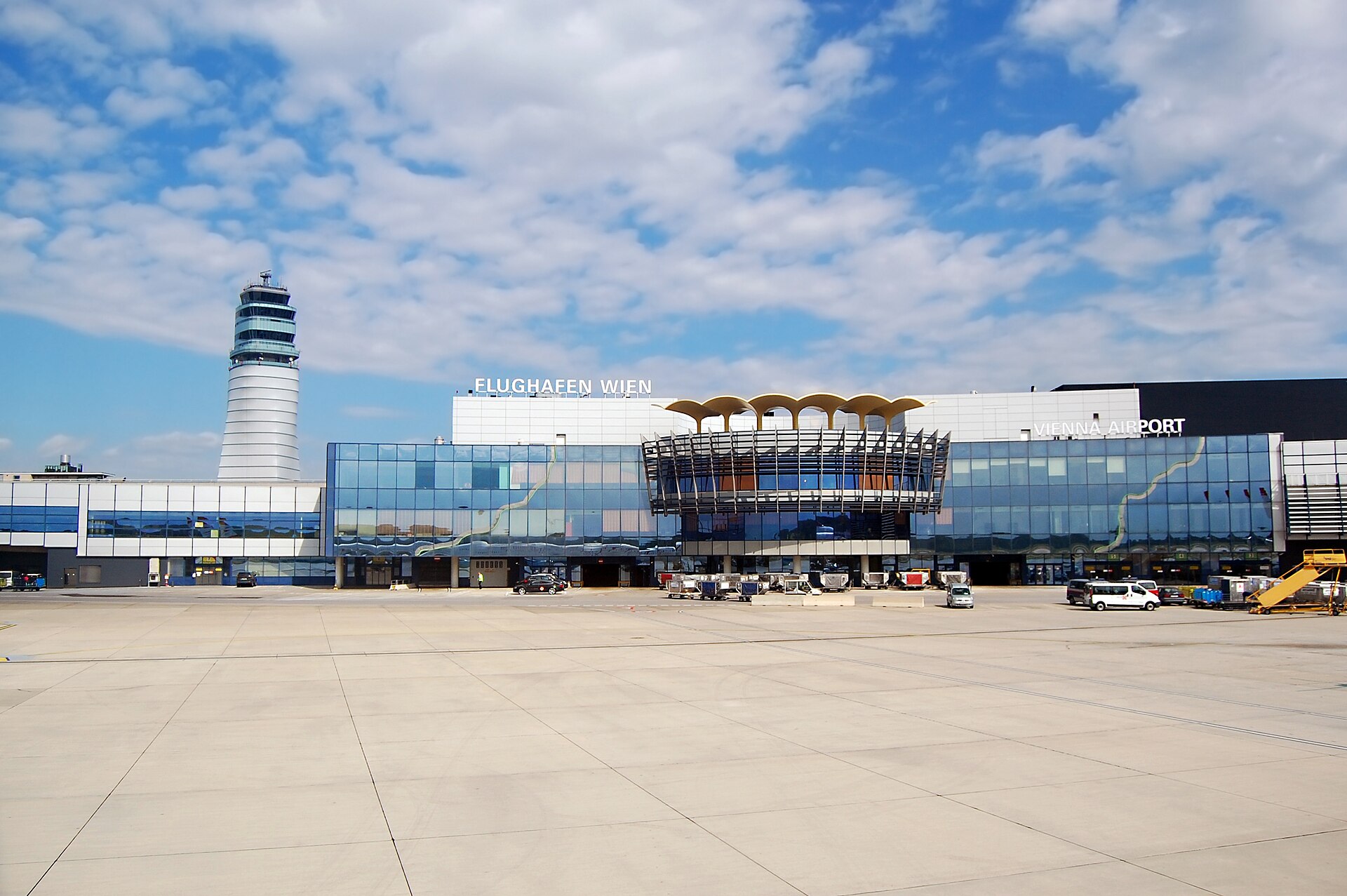
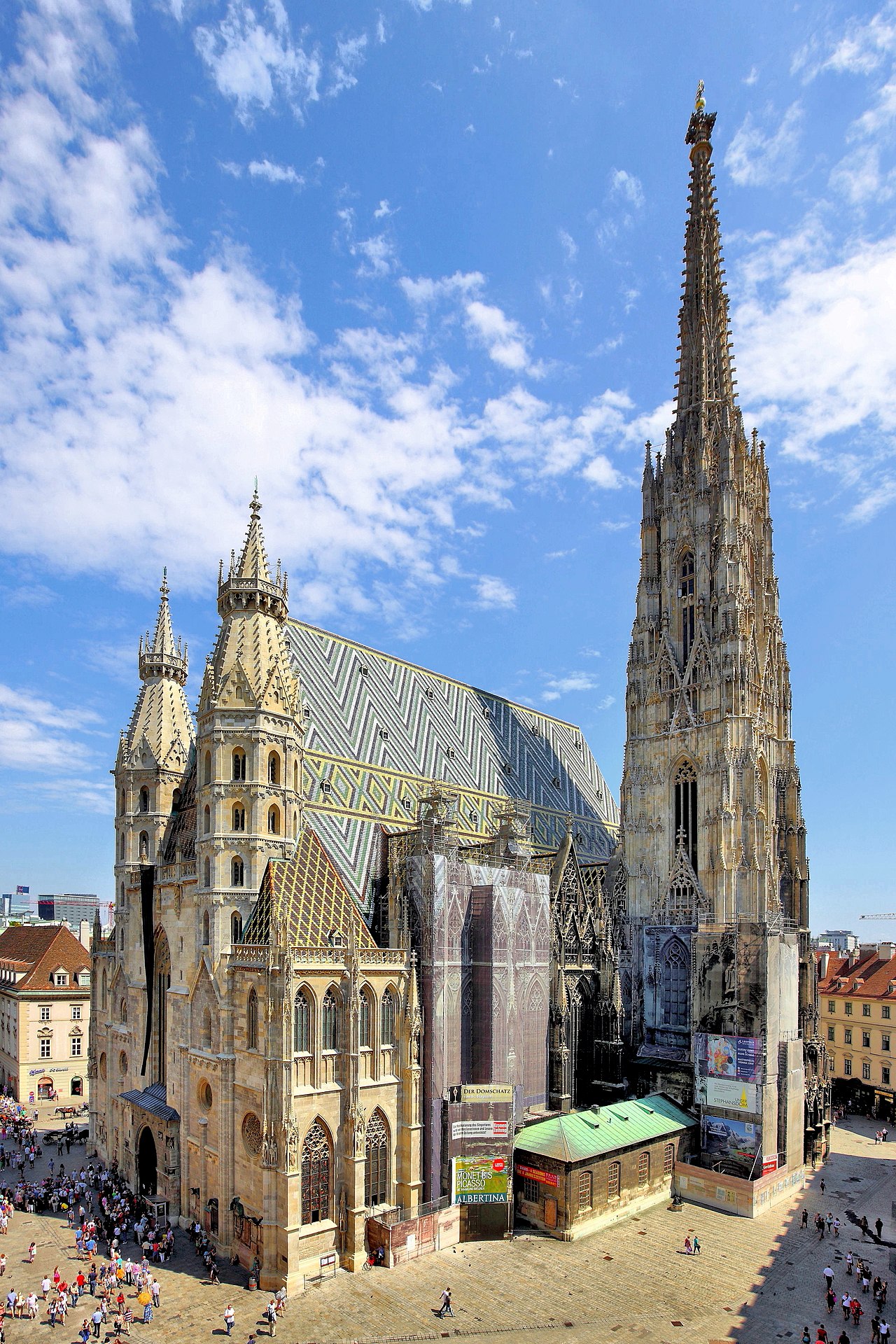
Suggested stay for a first visit: 3–4 days. Two days cover the Innere Stadt and the Ring — the cathedral, the Hofburg, the opera, the museums on the Maria-Theresien-Platz. A third takes Schönbrunn and the Belvedere, and a fourth allows a proper concert or an afternoon in the wine villages.
Twenty-three of them, numbered roughly in the order they joined the city. The 1st is the medieval centre, districts 2–9 and 20 came in 1850 and lie inside the Gürtel, and the rest arrived between 1874 and 1938. The postal code carries the number: 1070 is the 7th district.
The boulevard built in the second half of the nineteenth century on the line of the demolished city bastions, encircling the Innere Stadt. Most of Vienna's great public buildings face onto it.
For anything beyond the Ring, yes. Five lines, 109 stations, 83.9 km, running from about 05:00 to 01:00 and all night at weekends. Inside the Ring, walking is faster.
April to June and September to October. Summer afternoons reach 27–32°C and the palace gardens have little shade; winter hovers around freezing but brings the concert season and the Christmas markets.
414.78 km² with 2,028,499 people in the city proper, 2,223,236 in the urban area and 2,890,577 in the metropolitan area — the tenth largest city in Europe.


