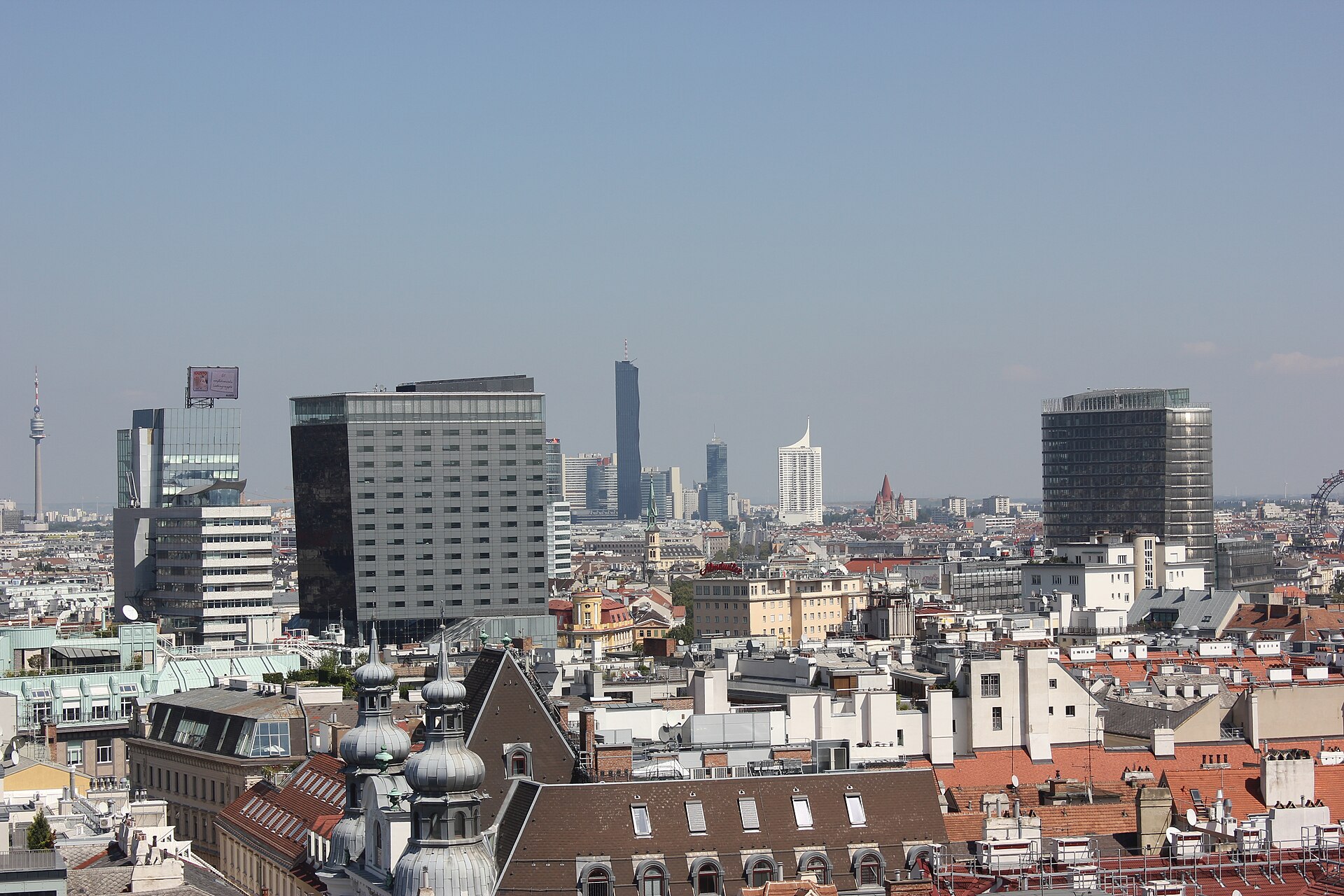
A photograph of Austria

Country guide

Historic monuments in Austria — page 3

Austria is 83,879 km², and its nine states fall into two kinds of trip. Vienna, Lower Austria and Upper Austria lie along the Danube on level, easily crossed gr...

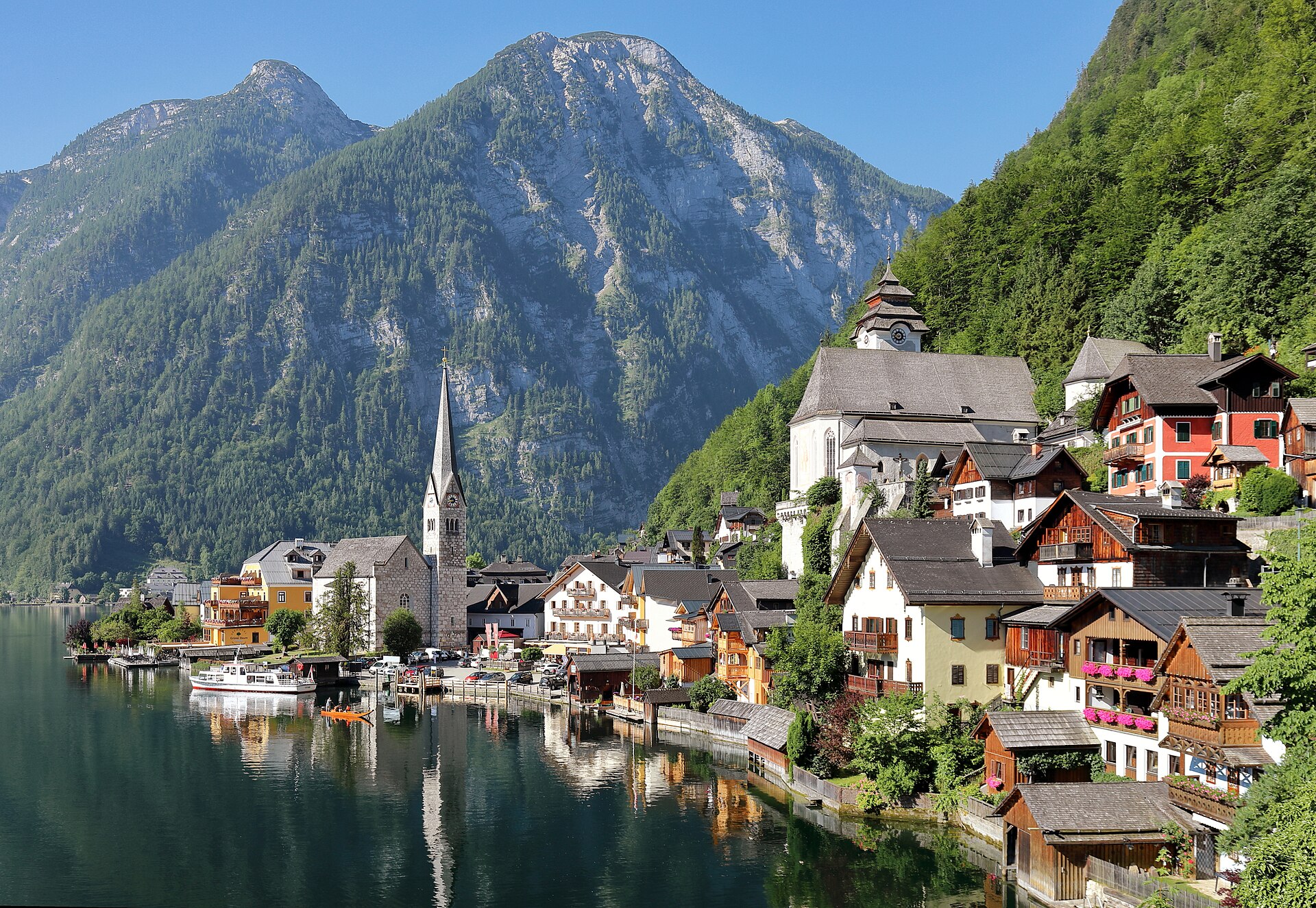
Photograph · C.Stadler/Bwag · CC BY-SA 4.0

7,381 Places
2Cities

Reviewed by Elena Voss · Roavina Travel Editor

Austria is 83,879 km², and its nine states fall into two kinds of trip. Vienna, Lower Austria and Upper Austria lie along the Danube on level, easily crossed ground, with Vienna alone holding 1,931,593 of the country's roughly nine million people. Tyrol, Salzburg, Vorarlberg and Styria are the Alpine states, entered by valley rather than by plain, and their capitals — Innsbruck, Salzburg, Bregenz, Graz — are each small enough to cross on foot in an afternoon. The distinction decides an itinerary: the Danube cities sit an hour apart by train and the mountain ones do not.

Checked 2026-08-25
Cities

Every city catalogued in this country so far, ranked by how much there is to see.

Practical information

Language spoken
German
German is Austria's official language; Croatian, Slovenian and Hungarian also have official status in some regions
Dialling code
+43
Austria's international country code
Currency
Euro (€, EUR)
Austria introduced euro banknotes and coins in 2002
Emergency number
112
One number across the country; 144 reaches an ambulance directly
Plug type
Not recorded
No verified national official source was found
Tap water
Safe to drink
Austria's national tourism authority states that tap water is drinkable in every region

Top things to see

Ranked by importance — sitelinks, pageviews and heritage status, not editor preference.

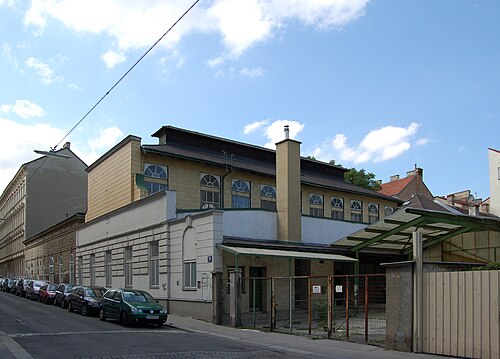
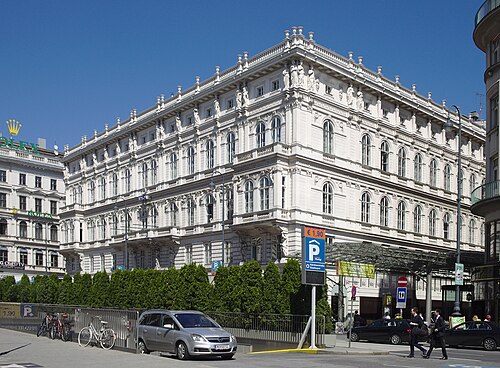
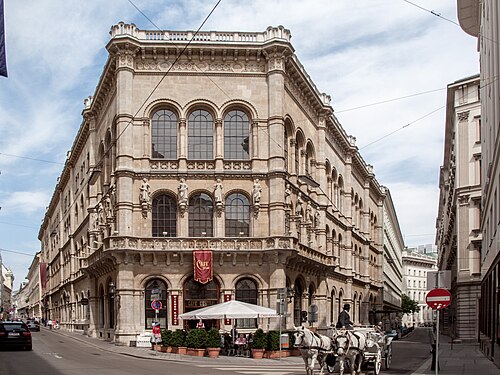
  1. Etablissement Gschwandner Etablissement Gschwandner
    51 45 min

    Etablissement Gschwandner

    Ehem. Etablissement Gschwandner

    Etablissement Gschwandner, also known locally as Ehem. Etablissement Gschwandner, is a former entertainment establishment in Vienna.

    • High
    • Historic monument
    • Vienna
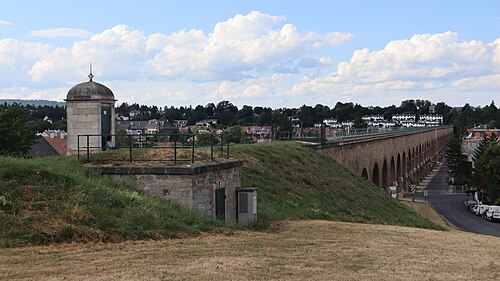
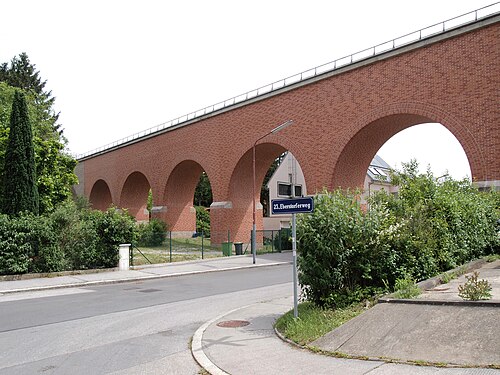
  2. Liesing Aqueduct Liesing Aqueduct
    52 45 min

    Liesing Aqueduct

    Aquädukt Liesing

    The Liesing Aqueduct, known locally as Aquädukt Liesing, is a historic water-bridge structure in Vienna’s twenty-third district, Liesing. It belongs to the city’s wider history of water-management and public engineering, showing how infrastructure can become part of an urban landscape.

    • High
    • Historic monument
    • Vienna
  3. aqueduct Speising aqueduct Speising
    53 45 min

    aqueduct Speising

    Aquädukt Speising

    Aquädukt Speising is a historic aqueduct in southern Vienna and a tangible example of municipal water engineering.

    • High
    • Historic monument
    • Vienna
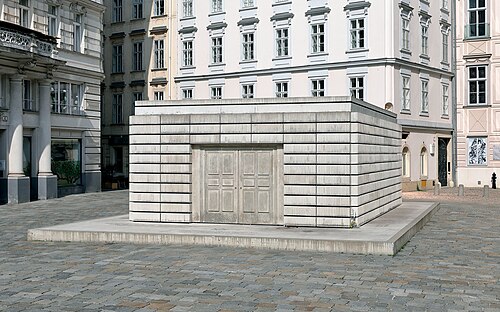
  4. Judenplatz Holocaust Memorial Judenplatz Holocaust Memorial
    54 15 min

    Judenplatz Holocaust Memorial

    Holocaust-Mahnmal

    The Judenplatz Holocaust Memorial is a sealed concrete sculpture by the British artist Rachel Whiteread, unveiled on 25 October 2000 on Judenplatz in the Innere Stadt.

    • High
    • Historic monument
    • Vienna
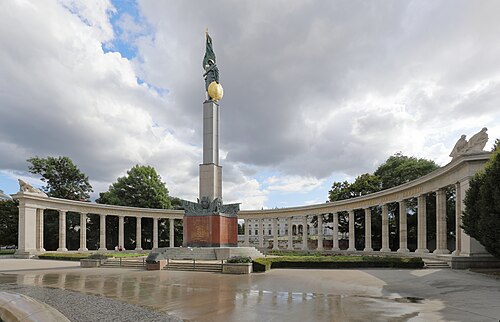
  5. Soviet War Memorial Soviet War Memorial
    55 10 min

    Soviet War Memorial

    Heldendenkmal der Roten Armee

    The Soviet War Memorial on Schwarzenbergplatz commemorates the Red Army soldiers killed during the Vienna Offensive of April 1945, and was built and unveiled by Soviet authorities the same year, within months of the city's capture.

    • High
    • Historic monument
    • Vienna
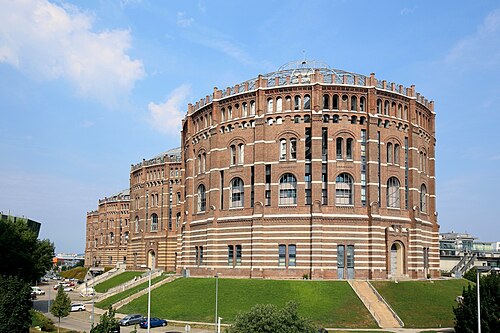
  6. Gasometer Gasometer
    56 1 hour

    Gasometer

    Wiener Gasometer

    The Gasometers are four Victorian gas holders with flats inside them.

    • High
    • Historic monument
    • Vienna
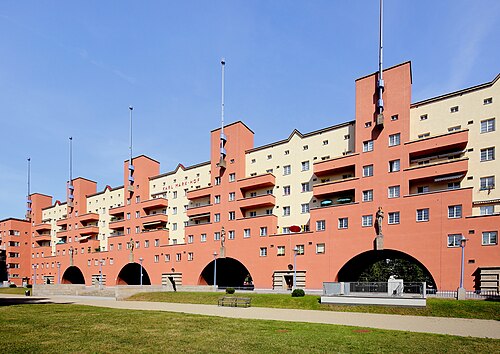
  7. Karl Marx-Hof Karl Marx-Hof
    57 1 hour

    Karl Marx-Hof

    Karl-Marx-Hof

    Karl-Marx-Hof is a block of council flats 1,100 m long, and it is one of the longest single residential buildings in the world.

    • High
    • Historic monument
    • Vienna
  8. Pestsäule Pestsäule
    58 10 min

    Pestsäule

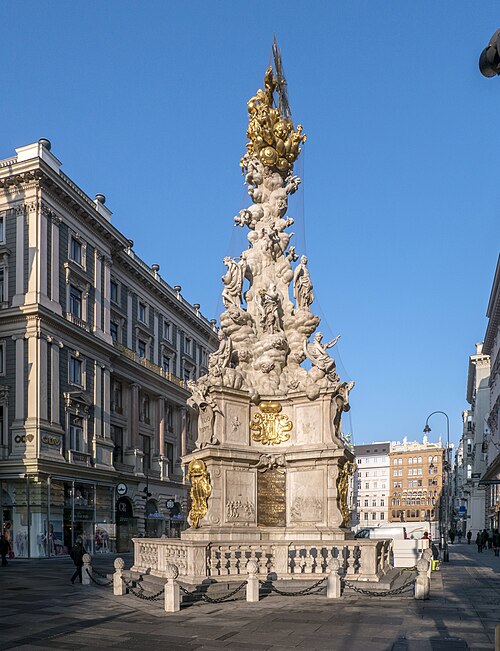
    The Pestsäule is a promise made by an emperor who had left town.

    • High
    • Historic monument
    • Vienna
  9. Stephansplatz Stephansplatz
    59 20 min

    Stephansplatz

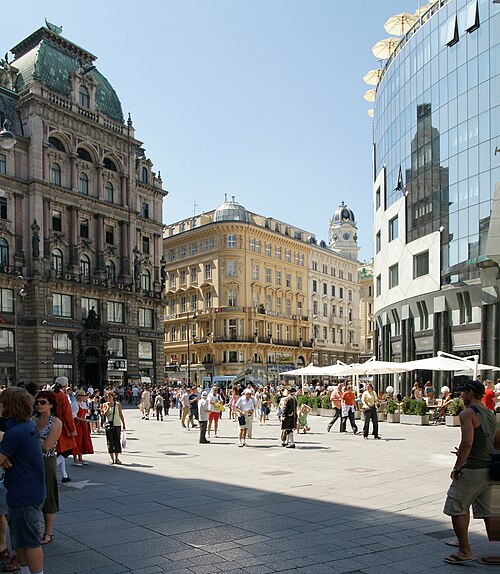
    Stephansplatz is the square at the geographic and historic centre of Vienna, formed around St. Stephen's Cathedral and taking its name directly from it.

    • High
    • Historic monument
    • Vienna
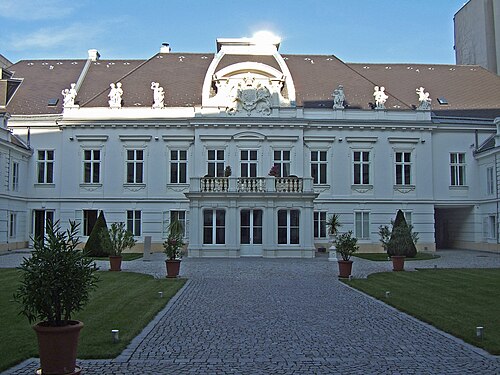
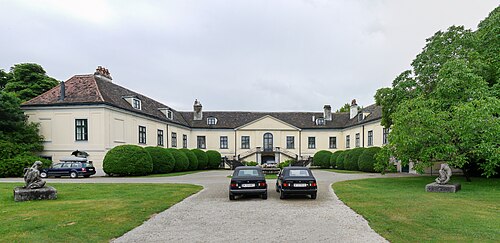
  10. Schloss Wilhelminenberg Schloss Wilhelminenberg
    60 45 min

    Schloss Wilhelminenberg

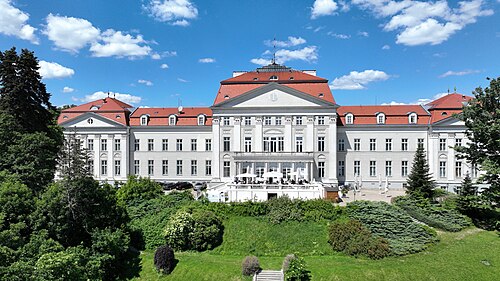
    Schloss Wilhelminenberg sits on a wooded hill above Ottakring, Vienna's 16th district, built in the 1730s for Field Marshal Guido Starhemberg and later named for Archduchess Wilhelmine, who owned it in the nineteenth century.

    • Notable
    • Historic monument
    • Vienna
  11. Palais Schwarzenberg Palais Schwarzenberg
    61 15 min

    Palais Schwarzenberg

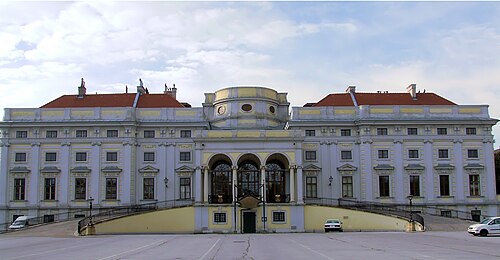
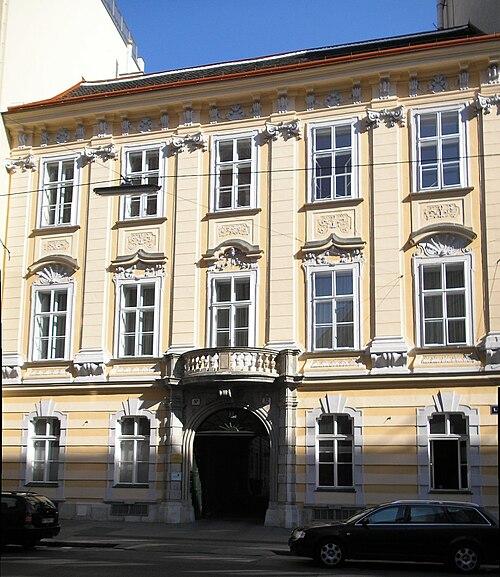
    Palais Schwarzenberg is a Baroque garden palace at the edge of the Belvedere district, begun for Count Heinrich Franz von Mansfeld-Fondi and continued after his death by the Schwarzenberg family, who gave it its present name.

    • Notable
    • Historic monument
    • Vienna
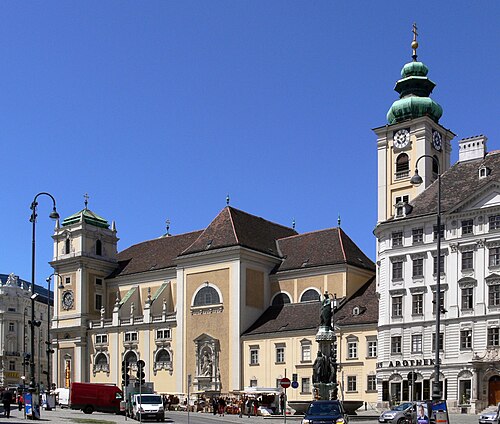
  12. Schottenstift Schottenstift
    62 1 hour

    Schottenstift

    Schottenstift is a working Benedictine abbey on Freyung square in the Innere Stadt, founded in 1155 by Duke Henry II Jasomirgott.

    • Notable
    • Historic monument
    • Vienna
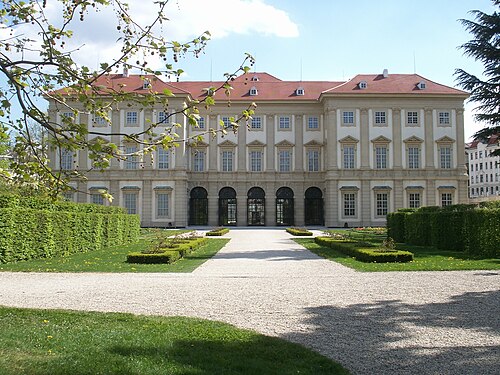
  13. Gartenpalais Liechtenstein Gartenpalais Liechtenstein
    63 2 hours

    Gartenpalais Liechtenstein

    Palais Liechtenstein (Gartenpalais)

    The Garden Palace (Gartenpalais Liechtenstein) is the Liechtenstein princely family's Baroque summer residence in Alsergrund, the 9th district, built 1691-1711 for Prince Johann Adam Andreas I of Liechtenstein.

    • Notable
    • Historic monument
    • Vienna
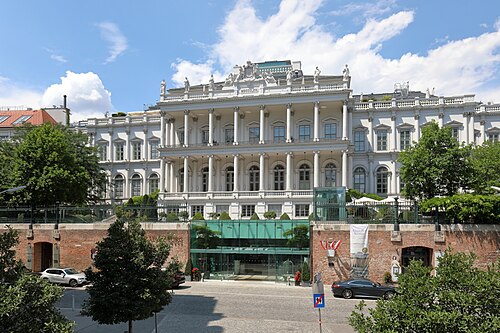
  14. Palais Coburg Palais Coburg
    64 1 hr 30 min

    Palais Coburg

    Palais Coburg is a Neoclassical palace at Coburgbastei 4 in Vienna's first district, built between 1840 and 1845 for Ferdinand Georg August, Prince of Saxe-Coburg-Saalfeld-Koháry, on top of a surviving bastion of the old city fortifications.

    • Notable
    • Historic monument
    • Vienna
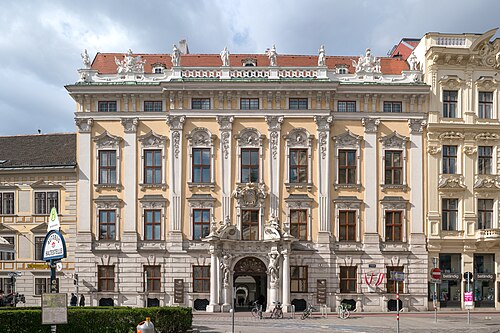
  15. Palais Kinsky Palais Kinsky
    65 30 min

    Palais Kinsky

    Palais Kinsky is a Baroque palace at Freyung 4 in Vienna's first district, built between 1713 and 1716 by Johann Lukas von Hildebrandt for Count Philipp Vinzenz Daun, a Habsburg field marshal, and later passed by marriage to the Kinsky…

    • Notable
    • Historic monument
    • Vienna
  16. Palais Todesco Palais Todesco
    66 15 min

    Palais Todesco

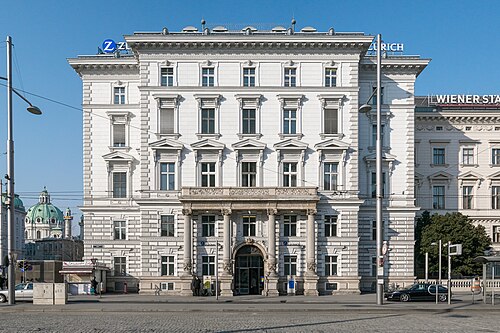
    Palais Todesco is a Ringstrasse-era palace facing the Vienna State Opera across Kärntner Straße, built between 1861 and 1864 by Ludwig Förster and Theophil Hansen for the brothers Eduard and Hermann Todesco, Jewish bankers ennobled by Franz Joseph I as…

    • Notable
    • Historic monument
    • Vienna
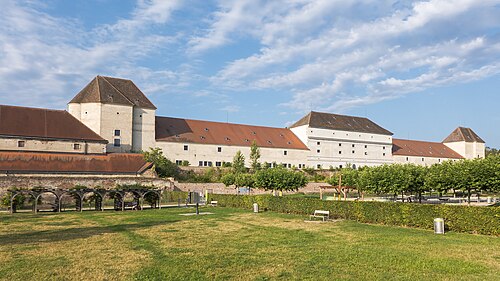
  17. Neugebäude Palace Neugebäude Palace
    67 1 hr 30 min

    Neugebäude Palace

    Schloss Neugebäude

    Neugebäude is a ruined Renaissance palace at Simmering, on Vienna's south-eastern edge, built 1568-1573 for Emperor Maximilian II.

    • Notable
    • Historic monument
    • Vienna
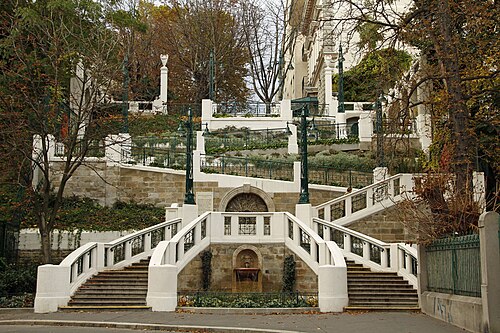
  18. Strudlhofstiege Strudlhofstiege
    68 10 min

    Strudlhofstiege

    The Strudlhofstiege is a public outdoor Art Nouveau stairway in Alsergrund, connecting the upper street Strudlhofgasse to the lower Liechtensteinstrasse across a steep slope.

    • Notable
    • Historic monument
    • Vienna
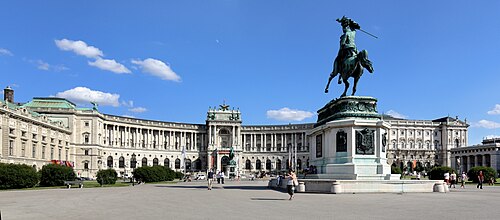
  19. Hofburg Palace Hofburg Palace
    69 20 min

    Hofburg Palace

    Schweizertor

    The Hofburg is not a palace but a district of palaces, and the Austrian president works in it.

    • Notable
    • Historic monument
    • Vienna
  20. Palais Ferstel Palais Ferstel
    70 1 hr 30 min

    Palais Ferstel

    Palais Ferstel is a mid-nineteenth-century palace between Freyung and Herrengasse in Vienna's Innere Stadt, built between 1856 and 1860 to a design by architect Heinrich von Ferstel, after whom it is named.

    • Must see
    • Historic monument
    • Vienna
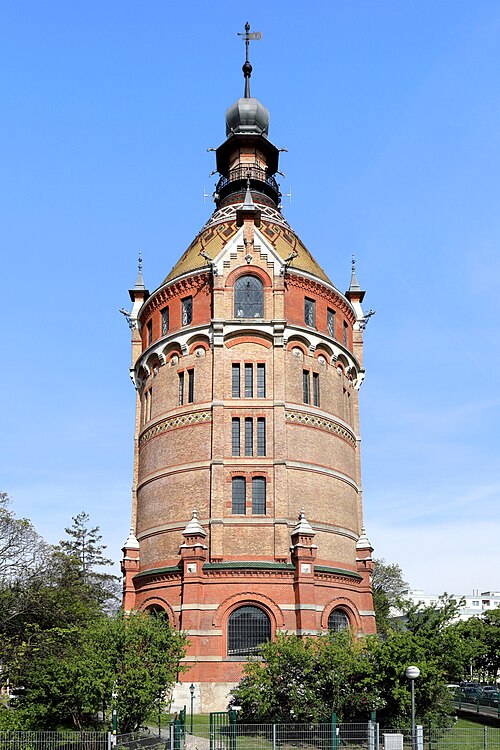
  21. Wasserturm Wasserturm
    73 45 min

    Wasserturm

    Wasserturm Favoriten

    • High
    • Historic monument
    • Vienna

Source: OpenStreetMap contributors, Wikidata ·

Common questions

How long should a first trip to Austria be?

Seven to ten days gives Vienna four days and leaves time for Salzburg, Innsbruck, or Graz by rail. Alpine excursions need flexible weather time and should not be treated as guaranteed additions to a tightly timed city route.

What entry documents are needed for Austria?

Austria follows Schengen entry rules, with document and visa requirements determined by nationality and route. Verify the current position through official Austrian or EU channels before departure.

What is the best way to travel around Austria?

ÖBB trains and coordinated buses link Vienna with Salzburg, Innsbruck, Graz, and other regions. Drivers need the correct motorway toll product, and some Alpine roads charge separately.

When is a practical time to visit Austria?

May to June and September suit many city-and-mountain routes, while December is a distinct winter-city period. Lift, pass, and high-road operating dates matter more than a national forecast for Alpine days.

What money and payment basics apply in Austria?

Austria uses the euro (EUR). Cards are useful, but a euro cash reserve can help at smaller establishments; review the amount and currency before approving any terminal conversion.

What practical safety details should I save for Austria?

Austria uses 112 as its general emergency line and 144 for ambulance dispatch. Its 230 V system takes Type C and F plugs. This guide holds no verified tap-water value, so leave that point unresolved until local guidance is checked.