
.jpg)
101
1 hour
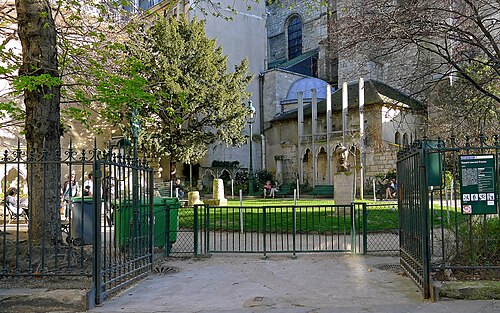
square Laurent-Prache
Square Laurent Prache
- High
- Nature site
- Paris
Language · 11 published
Country guide
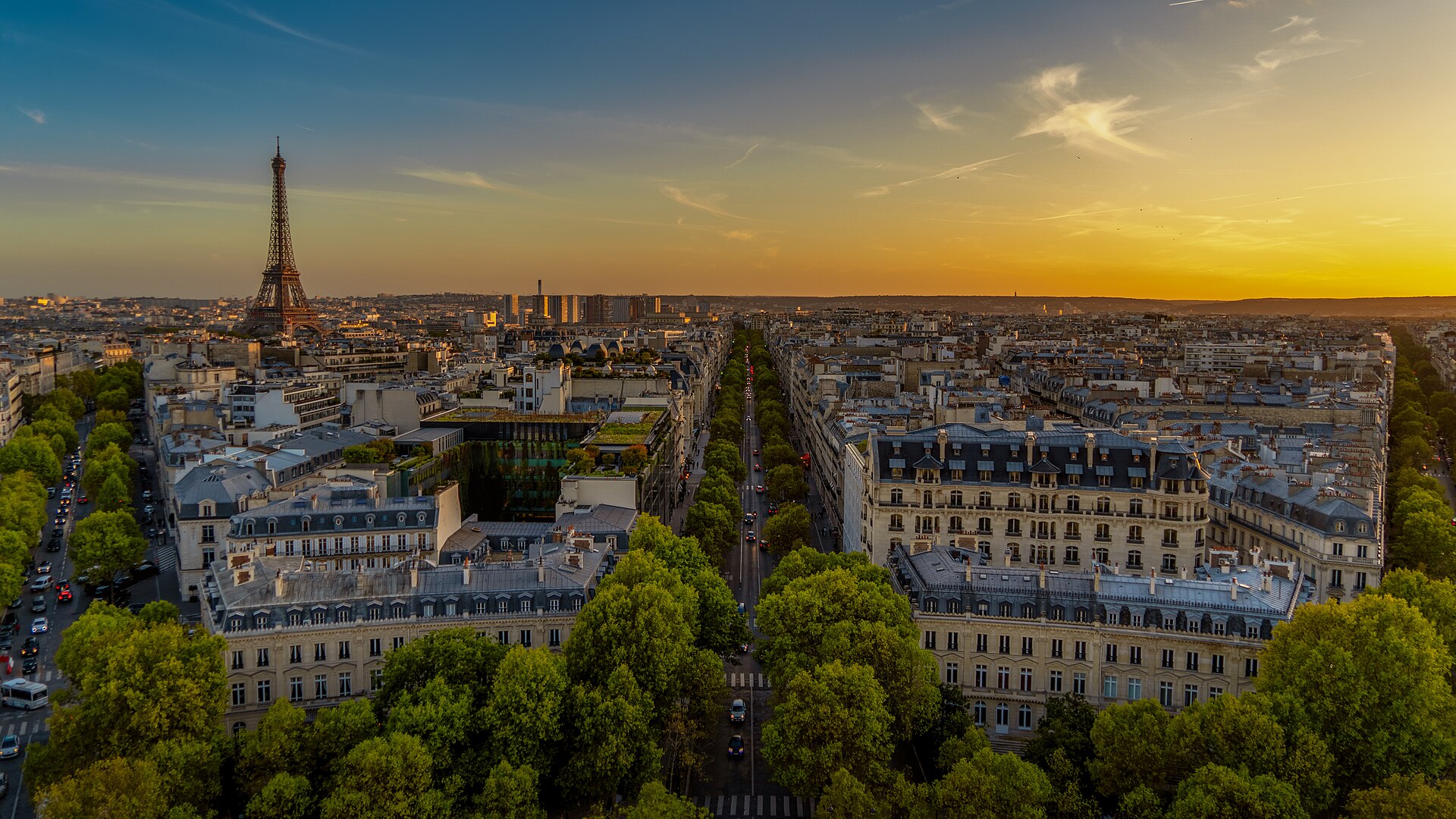
France is 18 regions and 632,702 km2, and five of those regions are overseas - French Guiana in South America, the French West Indies, islands in the Indian and Pacific oceans. Metropolitan France alone runs from the Rhine to the Atlantic and from the Mediterranean to the North Sea, so a week here is a choice rather than a circuit. Of the 69.1 million people estimated in 2026, more than 13 million are in the Paris metropolitan area, which is why the capital tends to win the first visit. The corners - Alpine, Atlantic, Mediterranean - are further from one another than the map's familiarity suggests.
Reviewed by Elena Voss · Roavina Travel Editor
Every city catalogued in this country so far, ranked by how much there is to see.
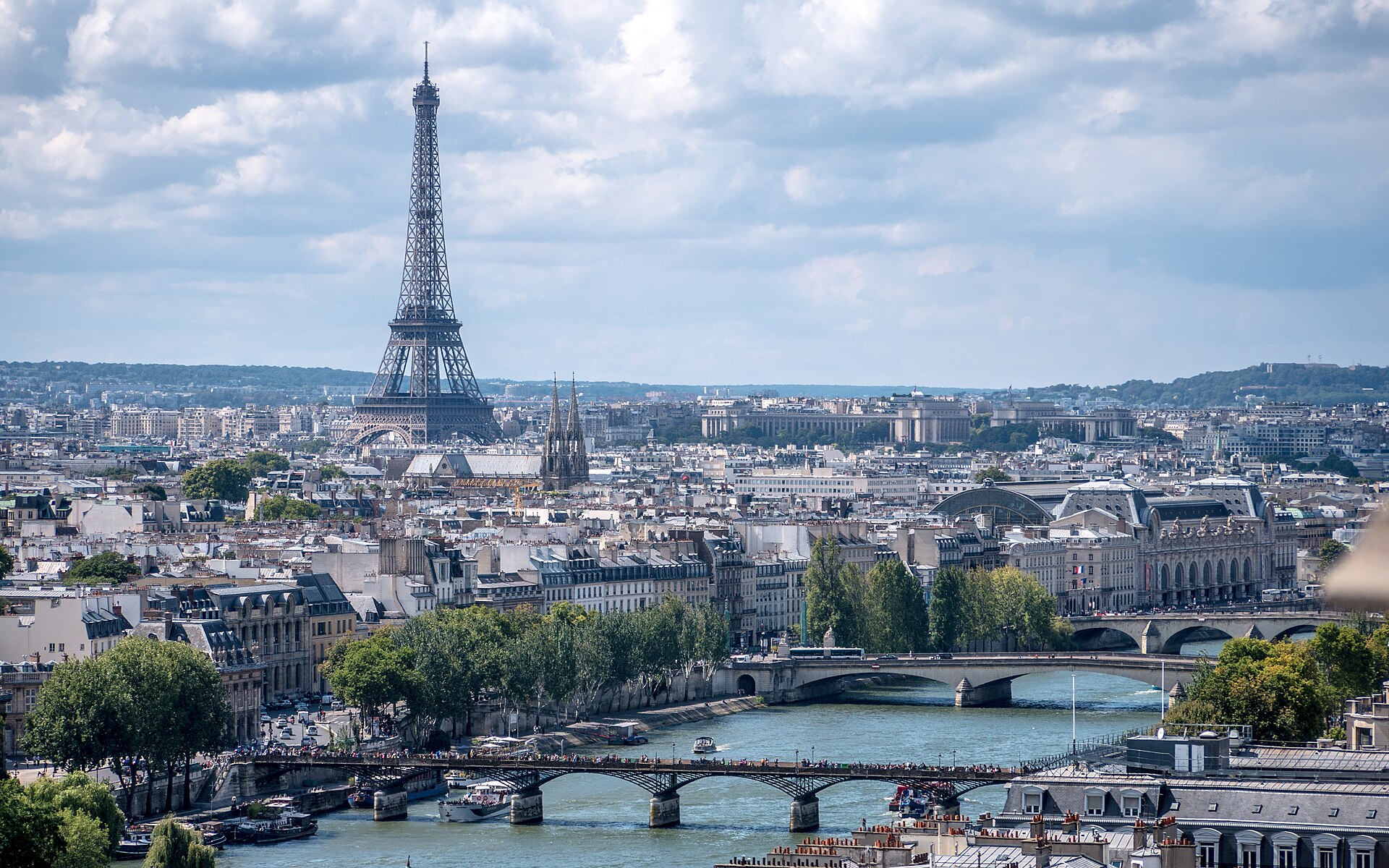
Photograph · Yann Caradec from Paris, France · CC BY-SA 2.0
Ranked by importance — sitelinks, pageviews and heritage status, not editor preference.
123 places match
Category
Typical visit duration
Square Laurent Prache
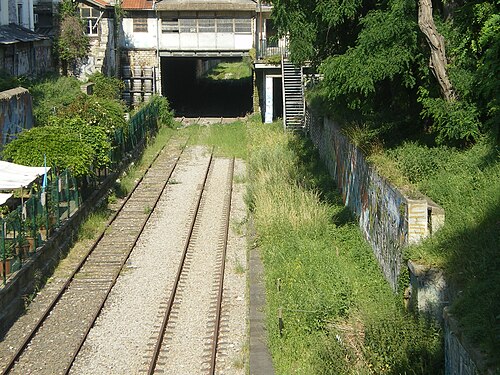
La Recyclerie
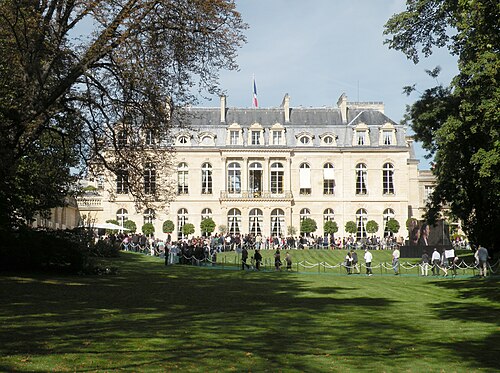
Jardin du Palais de l'Élysée
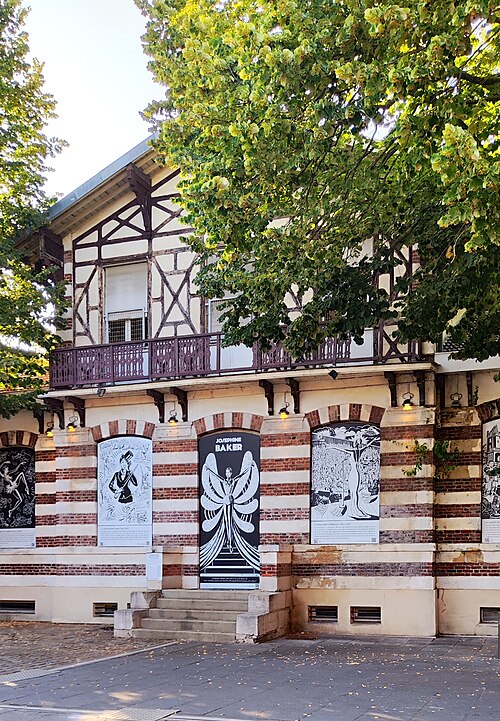
Le Hall de la Chanson
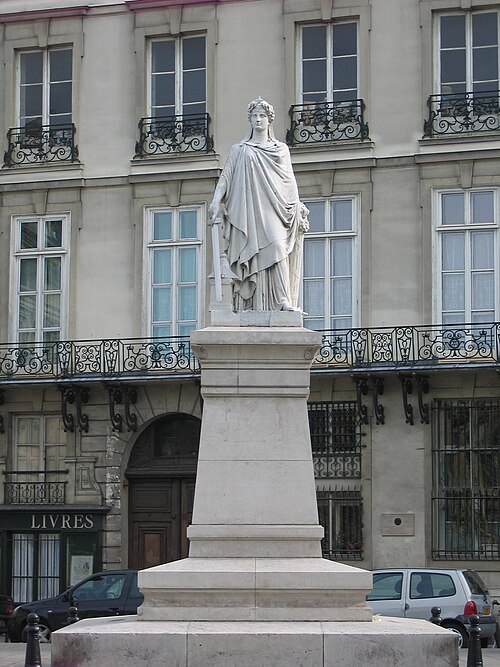
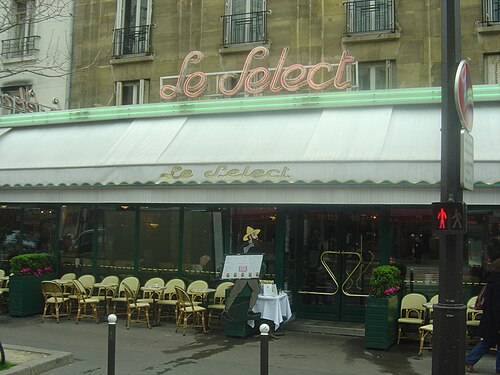
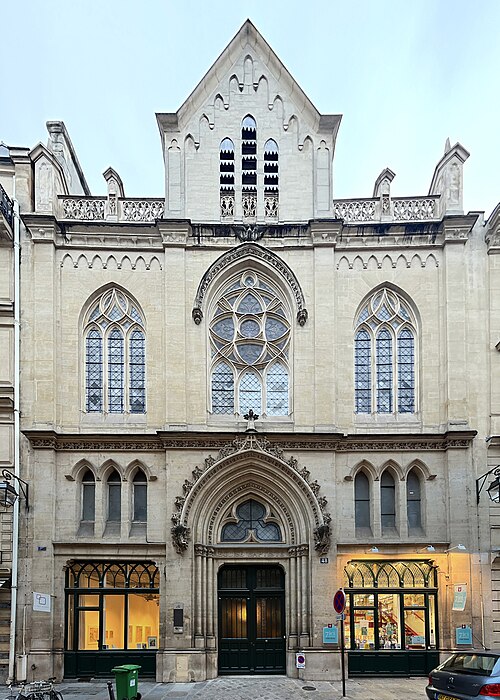
Église évangélique baptiste
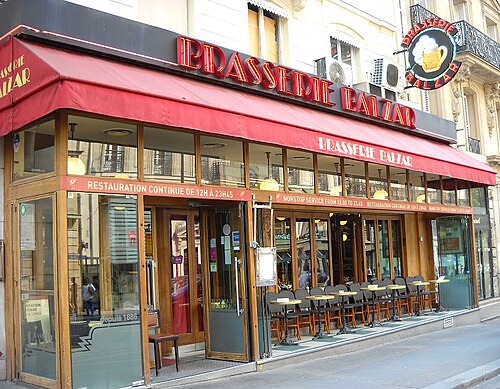
Brasserie Balzar
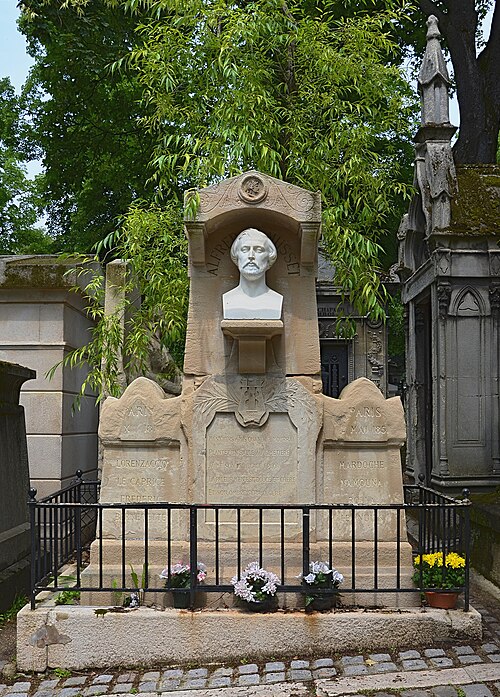
Alfred de Musset

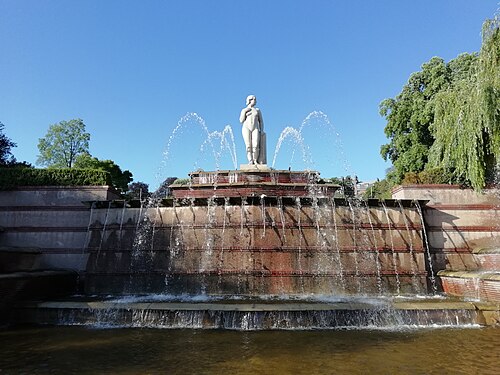
Ève
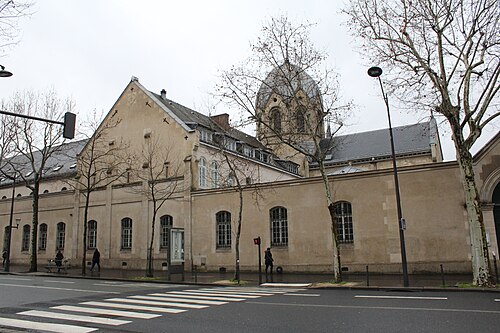
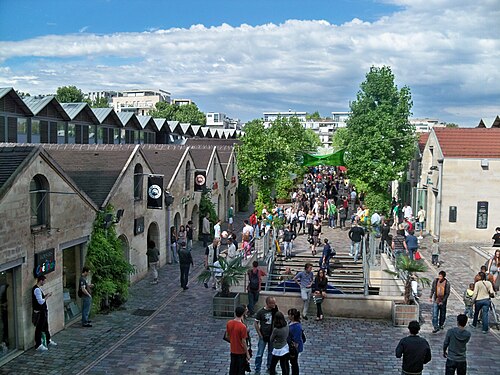
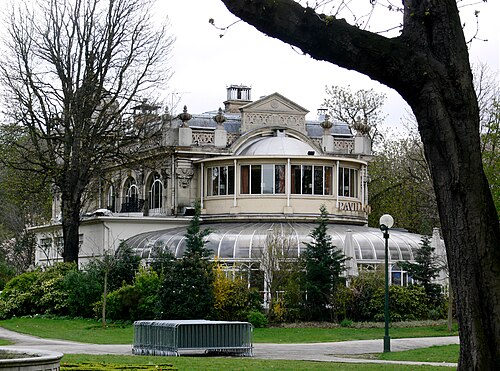
Pavillon Élysée Lenôtre
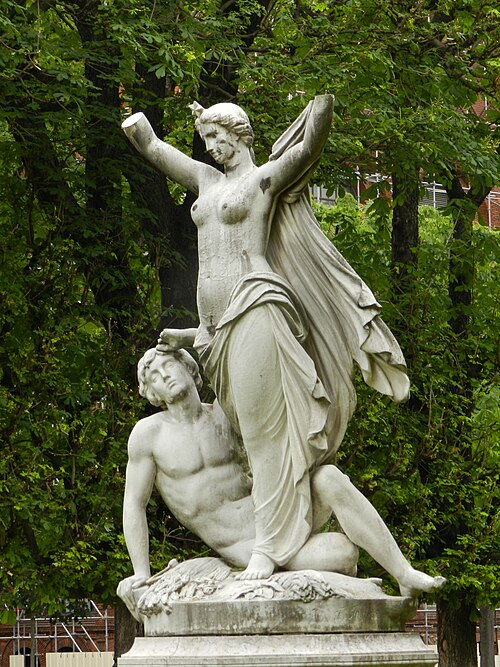
L'Aurore
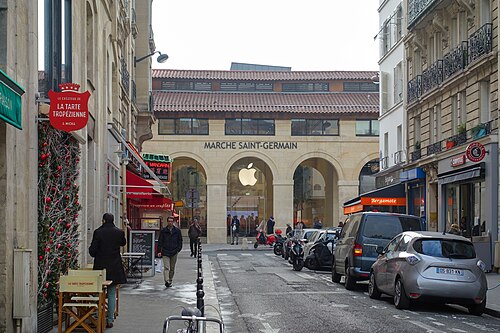
Apple Store
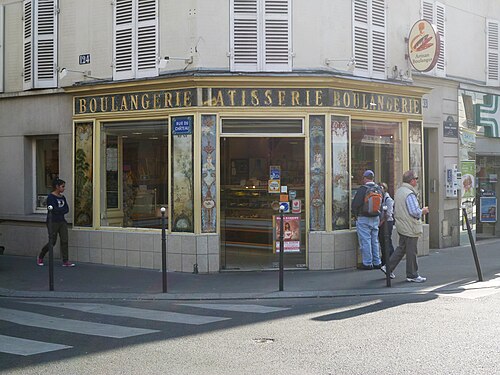
La Petite Alsacienne
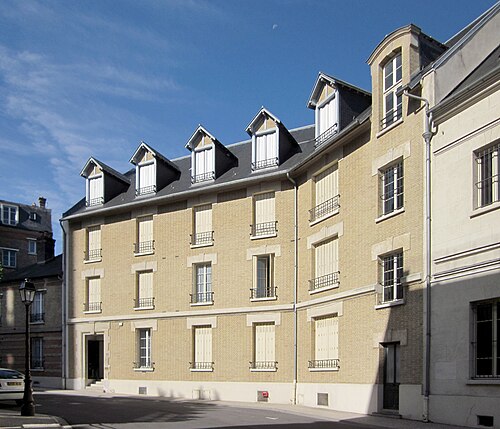
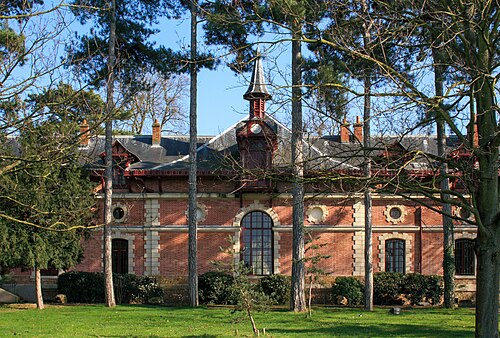
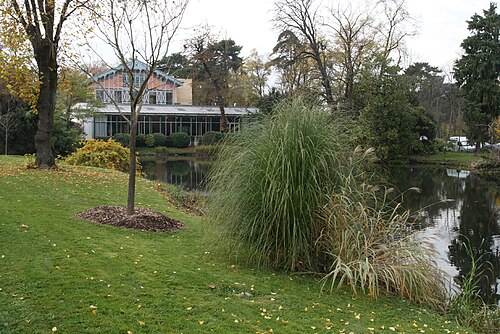
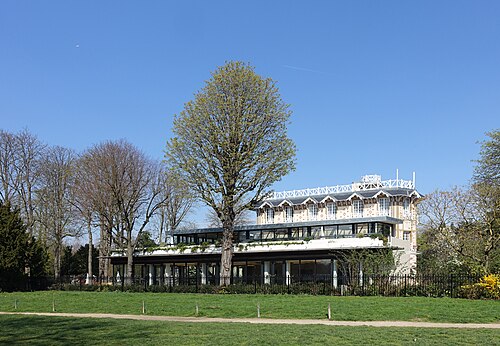
Le Pavillon Royal
Source: OpenStreetMap contributors, Wikidata ·
Ten to fourteen days supports four or five days in Paris plus one coherent regional direction, such as Lyon, Bordeaux, Strasbourg, or Marseille. Avoid routing every extension back through Paris, because even fast TGV journeys leave local connection time at each end.
France applies Schengen entry rules, but the required passport validity or visa still depends on nationality and route. France-Visas is the official place to verify the exact requirement before booking and again before entering from outside Schengen.
TGV trains join France's largest cities, while TER services handle regional links and many rural areas still favour a car. Long-distance reservations may be mandatory, and each city retains its own urban ticket system rather than accepting one national visitor card.
April to June and September to October suit the Paris-plus-region route described here. Alpine access, Mediterranean heat, Atlantic weather, and rural seasonal services differ enough that the selected second region should determine the final dates.
France uses the euro (EUR). Bank cards are common, yet a small euro reserve remains useful for markets or local machines; confirm any terminal conversion choice before accepting it because this page does not record changing fees.
For urgent help anywhere in France, call 112; medical emergencies also use 15 and police matters 17. The electrical standard is 230 V with Type C and E plugs. This dataset has no recorded national tap-water finding, so consult the municipality or lodging for the specific stop.