Church of San Giorgio Maggiore
Basilica di San Giorgio Maggiore
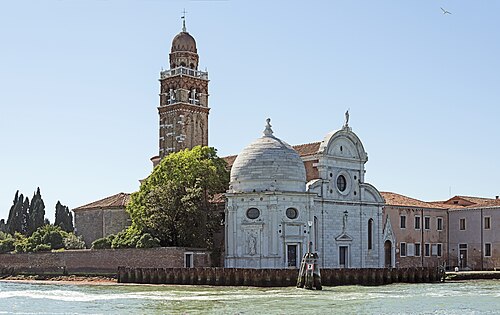
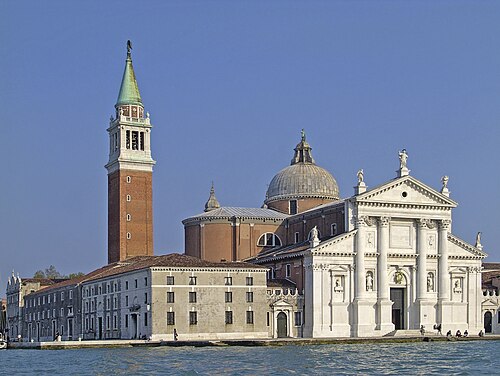
San Giorgio Maggiore is a Benedictine basilica standing alone on its own island in the lagoon, directly across the water from the Piazzetta di San Marco.
- Must see
- Place of worship
City guide · Italy
Venice's historic centre occupies islands linked by bridges, with no road traffic inside the core. San Marco holds the best-known monuments, San Polo and Santa...
Photograph · Martin Falbisoner · CC BY-SA 4.0
Set your days, your pace and the hours you actually want to be out. The planner works around closing days and travel time, and leaves room to eat.
Reviewed by Elena Voss · Roavina Travel Editor
Venice's historic centre occupies islands linked by bridges, with no road traffic inside the core. San Marco holds the best-known monuments, San Polo and Santa Croce sit across the Grand Canal, and Cannaregio, Castello and Dorsoduro form distinct walking districts. Murano, Burano, Torcello and the Lido require water transport and should be planned as separate lagoon journeys.
Checked 2026-08-26
September · September in Venice has mean high 23.5°C, mean low 14.3°C, rainfall 72.0 mm, 5.9 rain days. Mild temperatures make Venice's canalside walking routes more comfortable. September supports a full day of outdoor stops in Venice.
Ranked by importance — sitelinks, pageviews and heritage status, not editor preference.
69 places match
Category
Typical visit duration
Interests
Basilica di San Giorgio Maggiore
San Giorgio Maggiore is a Benedictine basilica standing alone on its own island in the lagoon, directly across the water from the Piazzetta di San Marco.
Campanile di San Marco
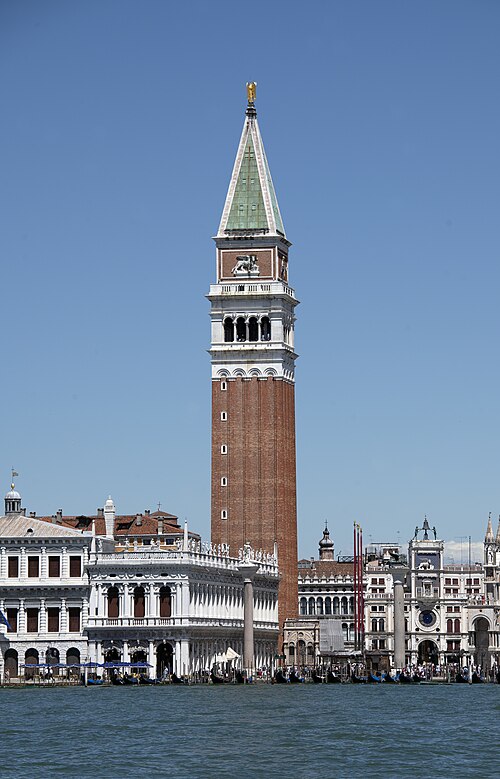
The Campanile di San Marco is the free-standing bell tower of St Mark's Basilica, 98.6 metres tall, and the thing a visitor rides to the top of is a square brick shaft twelve metres on each side and 53.75 metres…
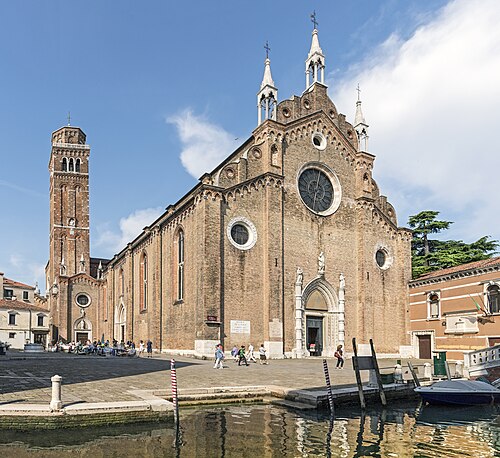
Basilica di Santa Maria Gloriosa dei Frari
The Basilica di Santa Maria Gloriosa dei Frari is the Franciscan church of San Polo, and Venetians shorten its name to the Frari.
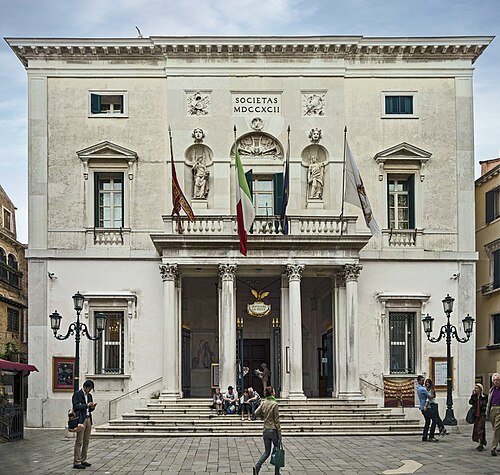
Teatro La Fenice is Venice's principal opera house and among Italy's most renowned theatres. The name La Fenice, meaning The Phoenix, references the theatre's history of rising from devastating fires.
Punta della Dogana is the triangular tip between Venice’s Grand Canal and Giudecca Canal.
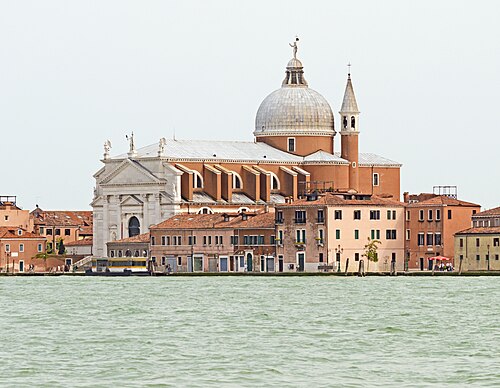
Chiesa del Redentore
Il Redentore, locally known as Chiesa del Redentore, stands as a significant church on the Giudecca island in Venice.
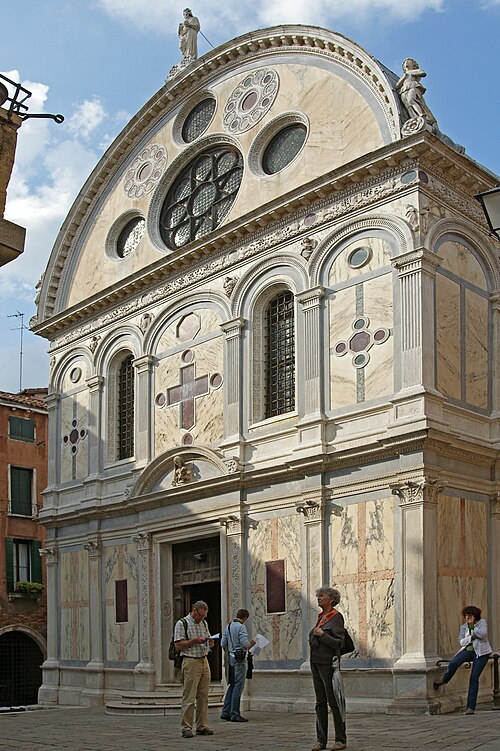
Chiesa di Santa Maria dei Miracoli
Santa Maria dei Miracoli is a Renaissance church in Venice, locally known as Chiesa di Santa Maria dei Miracoli. It was built between 1481 and 1489 to house a miraculous icon of the Virgin Mary.
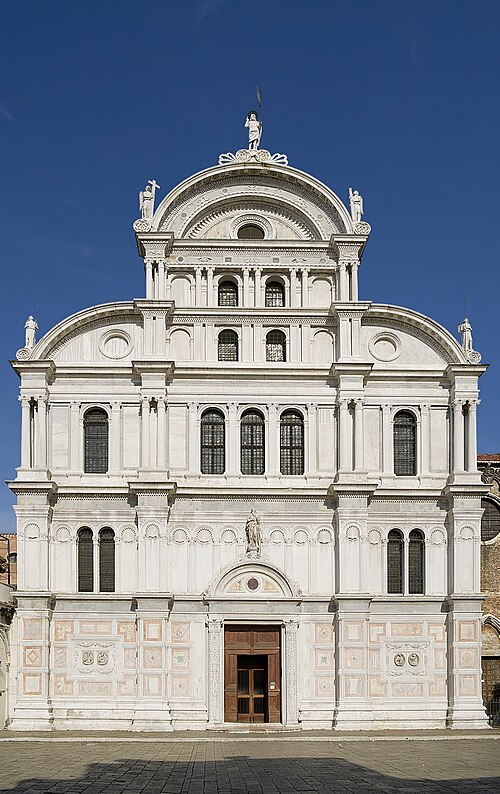
Chiesa di San Zaccaria
San Zaccaria, also called Chiesa di San Zaccaria, is a historic church near Venice’s waterfront, east of Piazza San Marco. It stands in the Castello sestiere and reflects a transition between Gothic and Renaissance architecture.
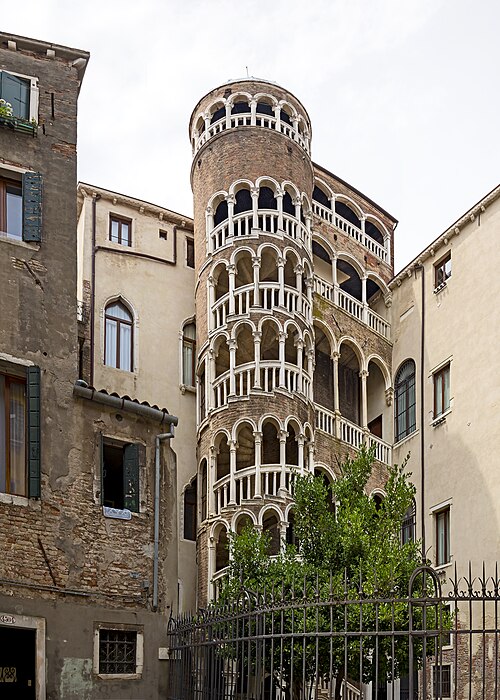
Palazzo Contarini del Bovolo is a historic Venetian palace in the San Marco district, distinguished by its external spiral staircase, the Scala Contarini del Bovolo.
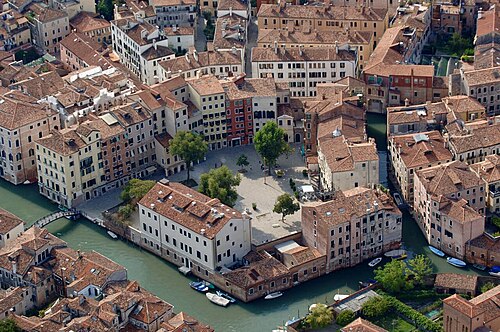
Ghetto di Venezia
The Venetian Ghetto is Venice’s historic Jewish quarter in Cannaregio, established in 1516 on the site of an iron foundry.
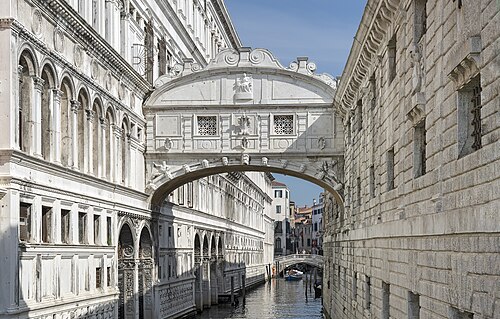
Ponte dei Sospiri
The Bridge of Sighs, or Ponte dei Sospiri, is an enclosed limestone bridge in Venice’s San Marco district. It crosses the Rio di Palazzo and links the Doge’s Palace with the New Prison.
Basilica dei santi Giovanni e Paolo
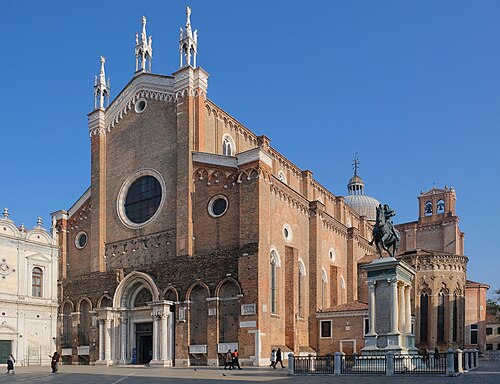
Basilica dei Santi Giovanni e Paolo is one of Venice’s major Gothic churches, standing in the large Campo Santi Giovanni e Paolo in Castello. Venetians also call the basilica San Zanipolo.
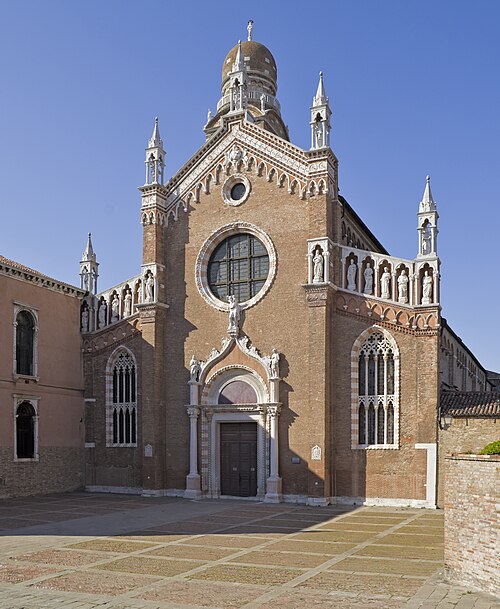
Madonna dell'Orto is a Gothic church in Venice's Cannaregio district. Founded in the mid-14th century by the now-defunct Humiliati order, it later became a parish church.
Basilica di San Pietro di Castello
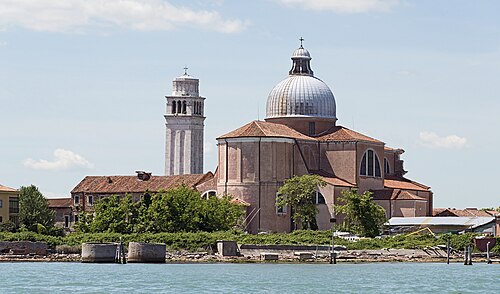
The Basilica di San Pietro di Castello is a historic church in Venice, located on the eastern end of the main island group in the Castello sestiere.
Chiesa di Santa Maria Formosa
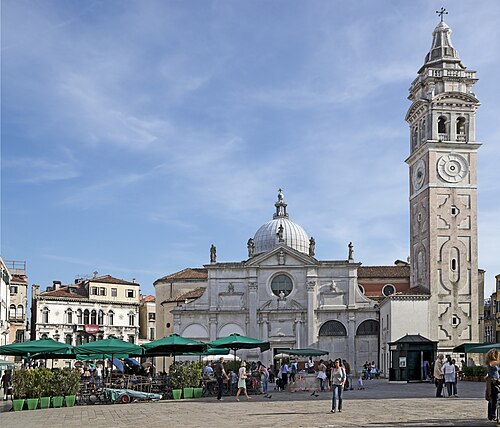
Santa Maria Formosa is a historic church in the large and unusually shaped Campo Santa Maria Formosa in Venice’s Castello district.
Lido di Venezia
Lido di Venezia is an 11-kilometre-long barrier island in the Venetian Lagoon, separating the lagoon from the Adriatic Sea. It forms part of the municipality of Venice and serves as the city's primary beach resort area.
Monastero di San Lazzaro
The Monastery of San Lazzaro degli Armeni is an Armenian Catholic monastery located on a small island in the Venetian Lagoon.
San Michele in Isola is a Renaissance church on the island of San Michele in the Venetian Lagoon.
San Francesco del Deserto is a small island monastery in the Venetian Lagoon, located between Venice proper and Burano.
Giardini Reali di Venezia
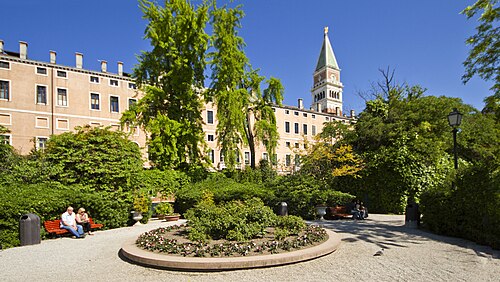
Giardini Reali is a historic formal garden beside Piazza San Marco, where a small landscaped space interrupts Venice’s dense stone-and-water cityscape. Its position near the Royal Palace area makes it an easy addition to a walk through San Marco.
Museo del Merletto di Burano
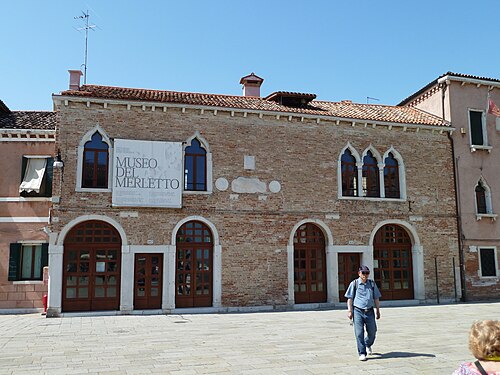
The Lace Museum stands on Piazza Galuppi, the single square of Burano, in the historic palace of the Podestà of Torcello.
Palazzo Giustiniani
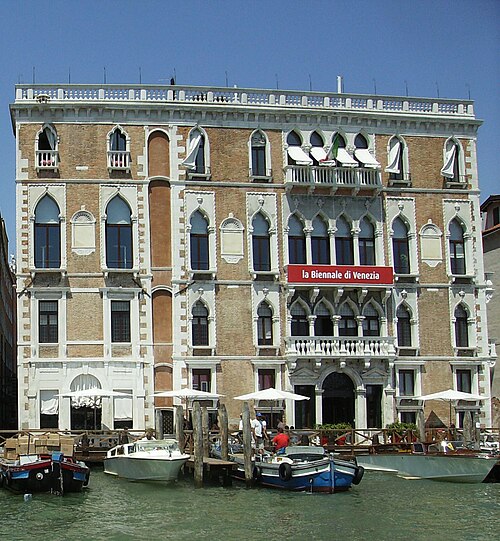
Ca’ Giustinian is a historic Venetian palazzo in the San Marco district, associated with the city’s tradition of grand residences along the Grand Canal.
Forte Mezzacapo
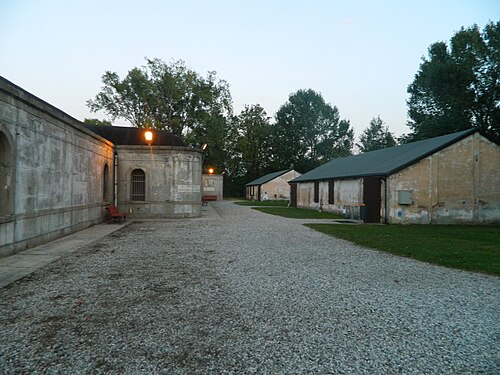
Fort Mezzacapo, or Forte Mezzacapo, is a historic military fortification connected with Venice’s wider defensive landscape. It represents the strategic architecture used to protect the lagoon and surrounding territory.
Forte Sirtori
Fort Sirtori is a military fortification in Venice’s wider defensive landscape, shaped by the need to protect approaches to the lagoon and its settlements.
Forte Batteria Treporti
Fort Treporti, also known as Forte Batteria Treporti, is a historic military fortification in the Venetian lagoon area. It belongs to the defensive landscape that protected Venice and its maritime approaches.
The Grand Canal curves through the historic centre and separates San Marco and Castello from San Polo, Santa Croce and Dorsoduro. Cannaregio stretches north toward the rail station, while Castello extends east beyond the busiest visitor streets. Piazzale Roma is the road and bus terminus; Santa Lucia is the rail arrival point. Lagoon islands are not extensions of a central walk and need dedicated vaporetto time.
Checked 2026-08-26
Walk within the historic centre and use ACTV water buses for longer canal journeys and lagoon islands. Venezia Unica lists vaporetti, buses, trams, the People Mover and ferry boats within the city transport system, while Alilaguna provides separate water connections to Marco Polo Airport. Routes can be indirect, so group island visits and confirm the current timetable before relying on a transfer.
Checked 2026-08-26
A fixed duration is not recorded. Plan the historic centre first, then reserve separate time for Murano, Burano, Torcello or the Lido if those islands matter to the visit.
Most of the historic centre is explored on foot across bridges and narrow lanes. Water buses are useful for longer canal trips, step-free alternatives and journeys to lagoon islands.
A vaporetto is a public water bus. ACTV routes connect stops in the historic centre with the Lido and lagoon islands as part of Venice's public transport network.
No. They are separate lagoon islands reached by water transport. Combine island stops deliberately and allow for waiting and transfer time between routes.
Venezia Unica identifies Alilaguna as the water connection between Marco Polo Airport and Venice. ACTV city transport and airport services are separate products, so check the correct operator before purchase.