
.jpg)


32
45 min
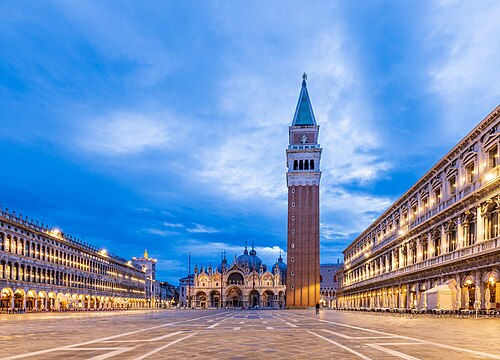
Piazza San Marco
Piazza San Marco is the principal public square of Venice, and to Venetians it is simply la Piazza.
- Must see
- Historic monument
- Venice
Country guide
Italy holds 62 World Heritage Sites, more than any other country, spread across 301,340 km2 of land that runs from the Alps down into the middle of the Mediterr...
Photograph · Timothy A. Gonsalves · CC BY-SA 4.0
Reviewed by Elena Voss · Roavina Travel Editor
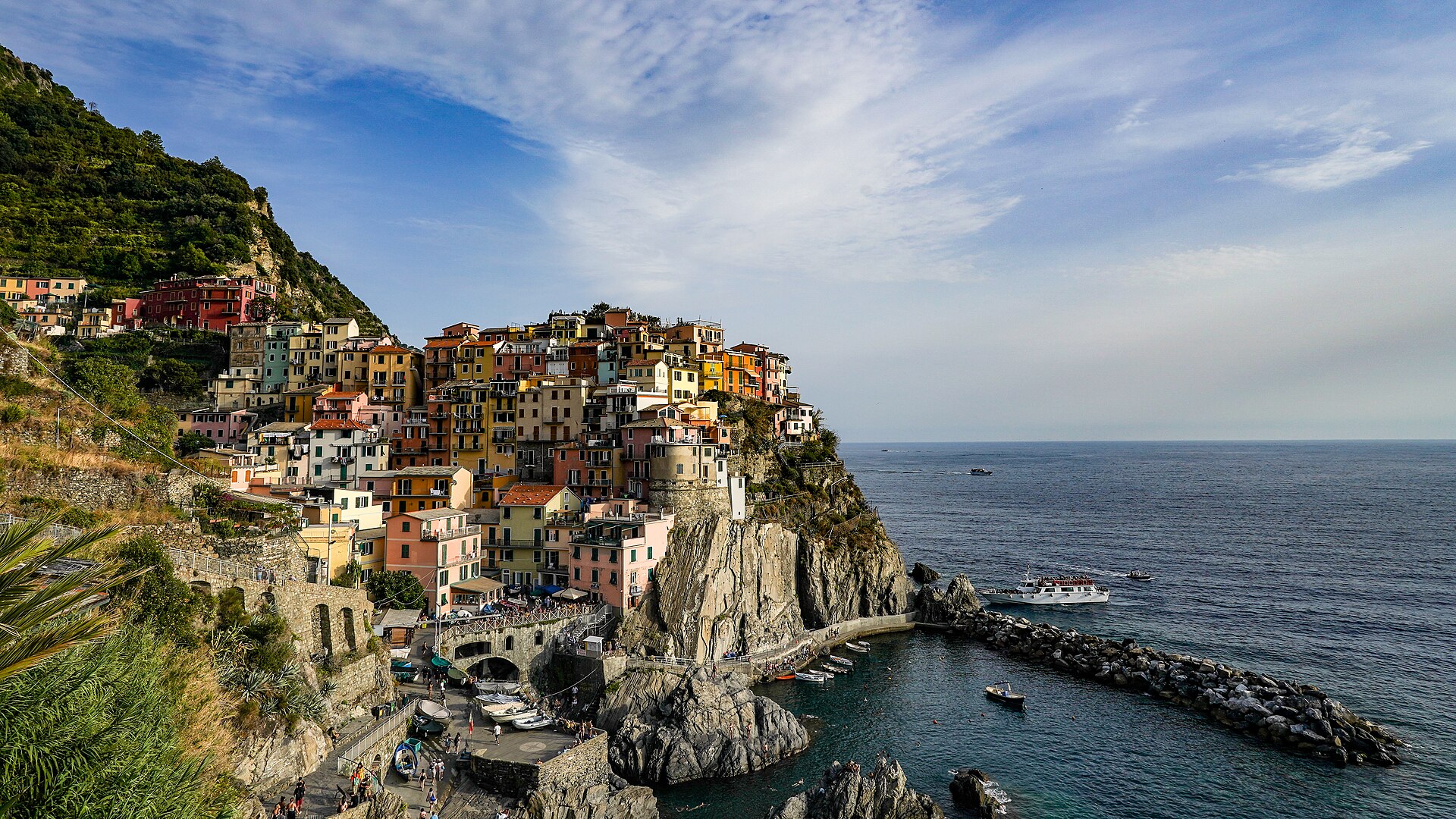
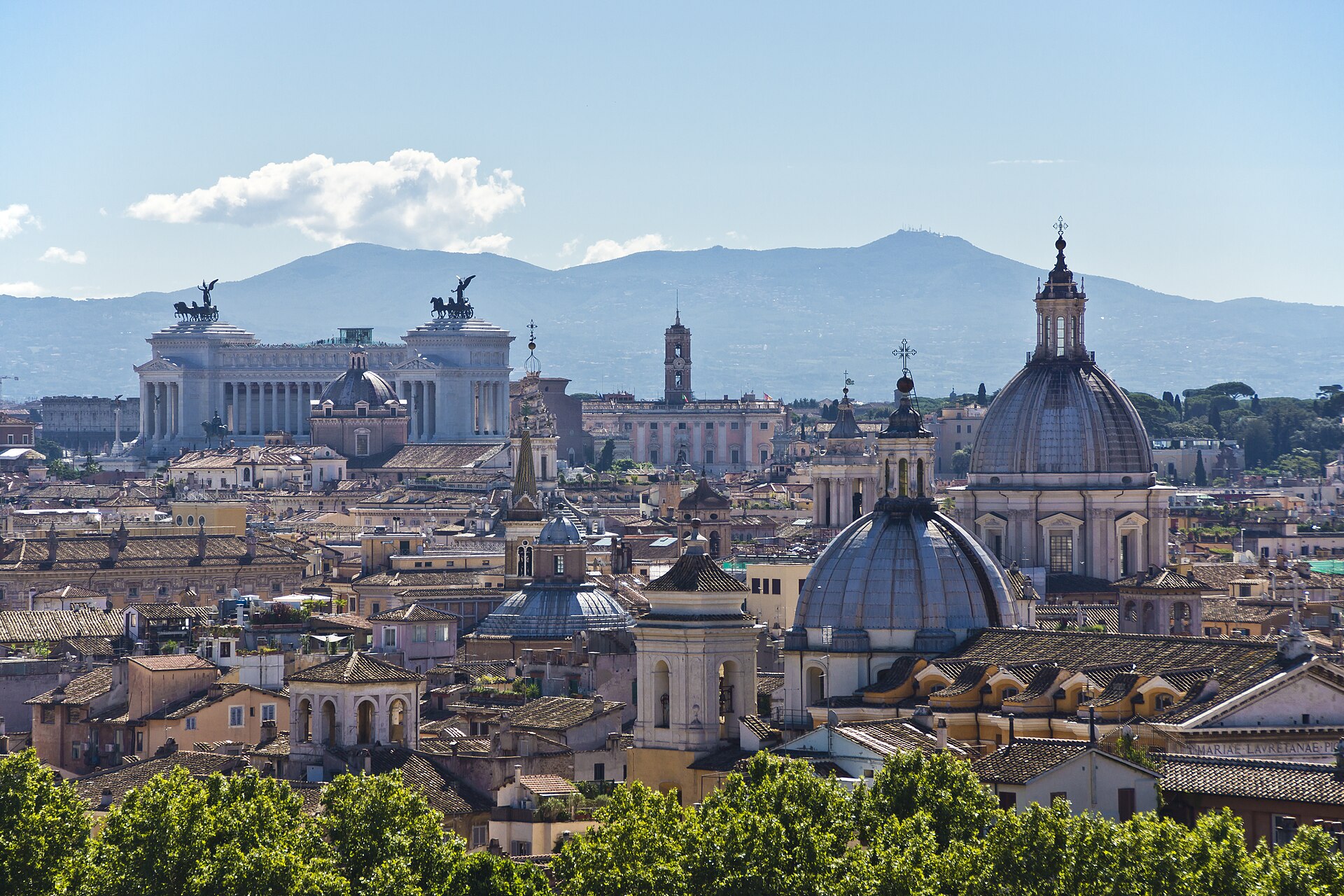
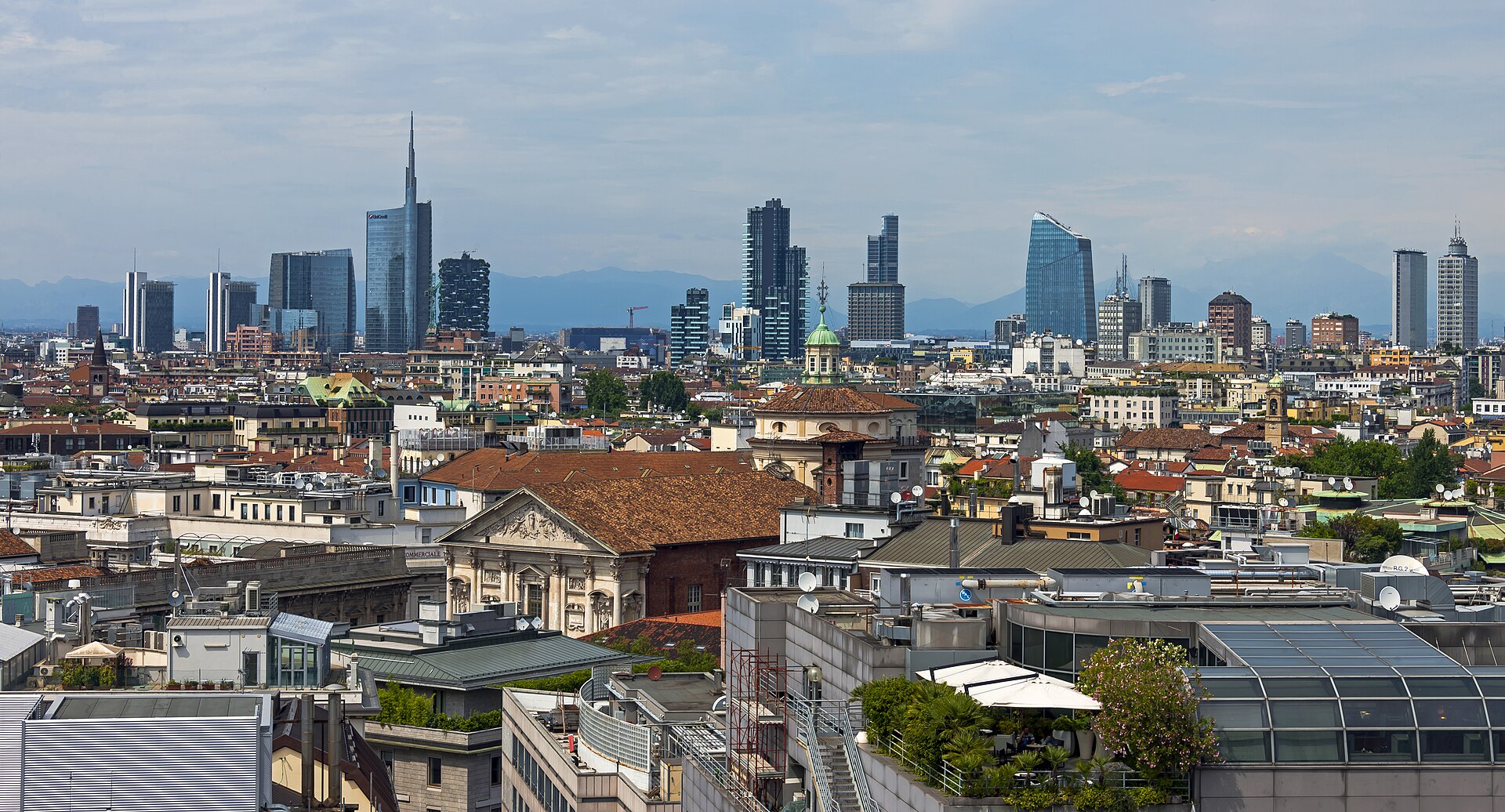
Italy holds 62 World Heritage Sites, more than any other country, spread across 301,340 km2 of land that runs from the Alps down into the middle of the Mediterranean. The distances between its cities are short and the differences between them are not: Venice has no roads, Naples sits under a volcano on a bay, Florence fits inside a walkable Renaissance grid, and Milan keeps its art indoors and works for a living. Rome is the capital and the obvious first trip; the argument is always about what comes second. Nearly 800 islands hang off the coast, and Sicily and Sardinia are each large enough to be a trip of their own.
Checked 2026-08-25
Every city catalogued in this country so far, ranked by how much there is to see.
Photograph · Bert Kaufmann from Roermond, Netherlands · CC BY-SA 2.0
Photograph · Daniel Case · CC BY-SA 3.0
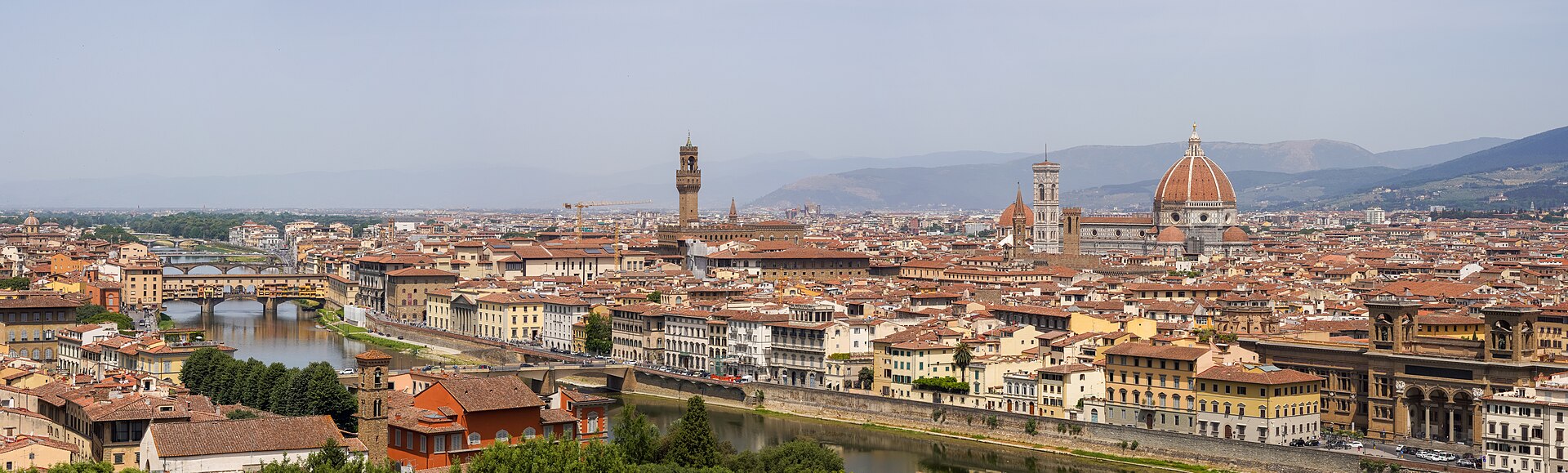
Photograph · Wikibusters · CC BY-SA 4.0

Photograph · Martin Falbisoner · CC BY-SA 4.0
Ranked by importance — sitelinks, pageviews and heritage status, not editor preference.
137 places match
Category
Typical visit duration
Interests
Piazza San Marco is the principal public square of Venice, and to Venetians it is simply la Piazza.
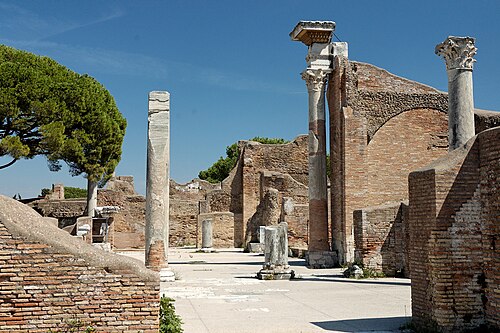
Ostia Antica
Ostia Antica is a large archaeological site located near Rome, preserving the remains of the ancient port city of Ostia.

Piazza Navona is a long oval-ended square in the historic centre of Rome, and its shape is not a design decision of the Baroque period but the footprint of a Roman building.

Catacombe di San Sebastiano
The Catacombs of San Sebastiano are an ancient underground cemetery complex beside the Appian Way. The site takes its name from Saint Sebastian, the Christian martyr traditionally associated with burial here.
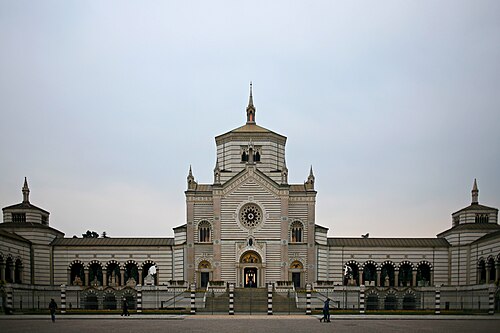
Cimitero Monumentale
Cimitero Monumentale is Milan’s monumental cemetery and an open-air collection of sculpture, architecture and memorial art. Founded in 1866, it remains an active burial ground while welcoming visitors interested in Italian artistic heritage.
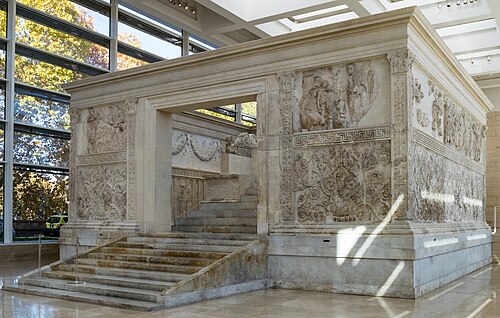
Ara Pacis Augustae
The Ara Pacis Augustae is an ancient Roman altar dedicated to Pax, the goddess of peace.
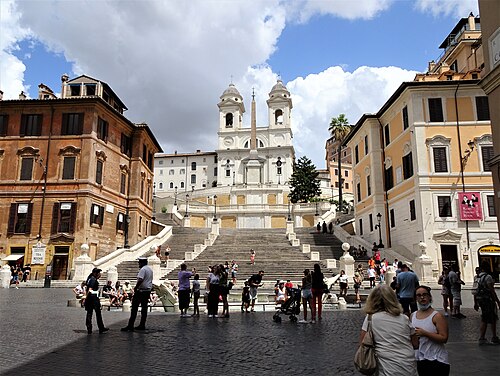
Scalinata della Trinità dei Monti
The Spanish Steps are the staircase that carries Piazza di Spagna up the slope of the Pincio hill to the church of Santissima Trinità dei Monti standing above it.
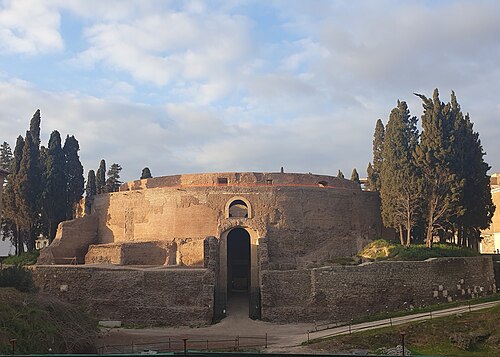
Mausoleo di Augusto
The Mausoleum of Augustus is a large circular tomb built as the final resting place of Emperor Augustus, the first Roman emperor.
Piazza di Spagna is a prominent public square in Rome's historic centre, named after the Spanish Embassy to the Holy See.
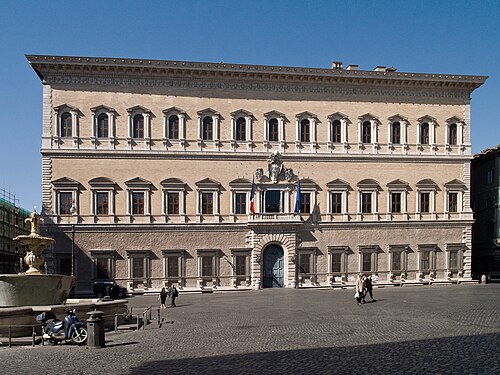
Palazzo Farnese is a monumental High Renaissance palace on Piazza Farnese in Rome’s historic centre. The Farnese family commissioned the building, and Antonio da Sangallo the Younger began its design before Michelangelo contributed important later elements.
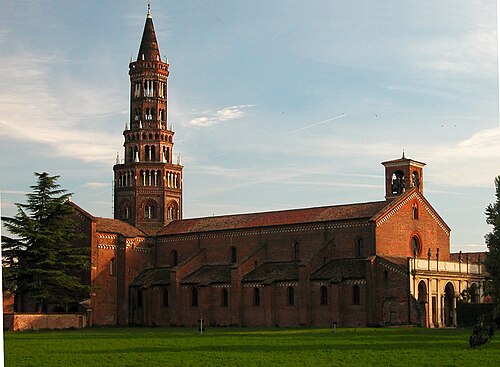
Abbazia di Chiaravalle
Chiaravalle Abbey, known locally as Abbazia di Chiaravalle, is a Cistercian monastery located in the southern periphery of Milan. Founded in 1135, it represents an important example of Lombard Gothic and Romanesque architecture.
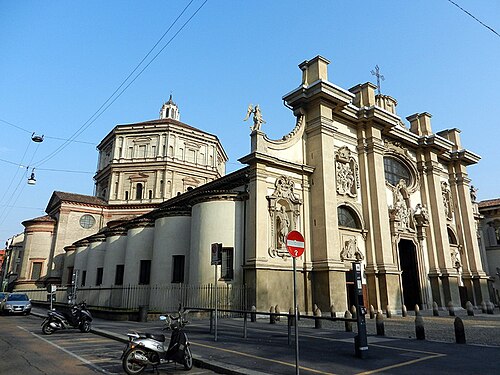
Chiesa di Santa Maria della Passione
Santa Maria della Passione is a historic Catholic church in central Milan, also known locally as Chiesa di Santa Maria della Passione. It belongs to the city’s rich ecclesiastical landscape and offers a quieter alternative to Milan’s busiest monumental churches.
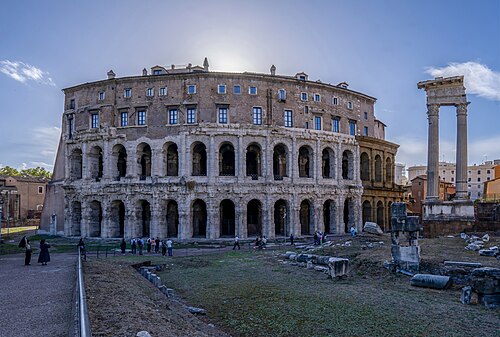
Teatro di Marcello
The Theatre of Marcellus is an ancient open-air theatre in Rome, Italy. Its local name is Teatro di Marcello. Construction began under Julius Caesar and was completed by Augustus in 13 BC, dedicated to his nephew Marcus Claudius Marcellus.
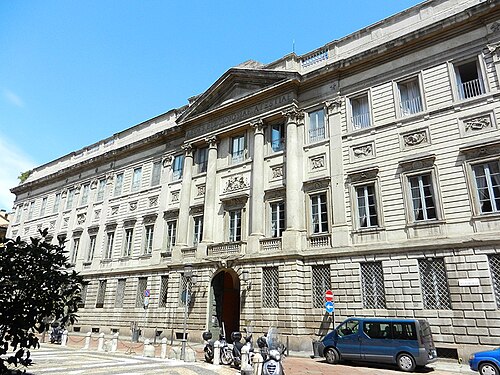
Palazzo Belgioioso
Palazzo Belgioioso stands as a distinguished neoclassical palace in central Milan, constructed in the late eighteenth century to designs by Giuseppe Piermarini. The building exemplifies the refined architectural transition from Baroque grandeur to Enlightenment restraint.
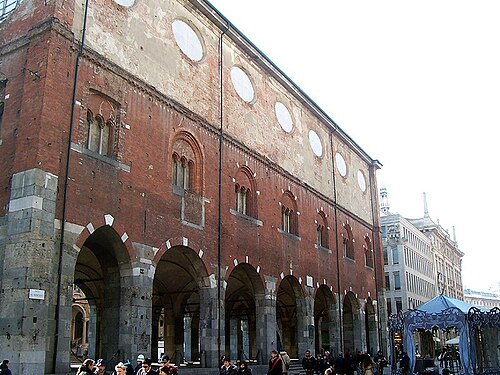
Palazzo della Ragione is a medieval civic building in Piazza dei Mercanti, immediately beside Milan’s cathedral district. Dating from the thirteenth century, it served as Milan’s broletto, a center for courts, public administration, and communal government.
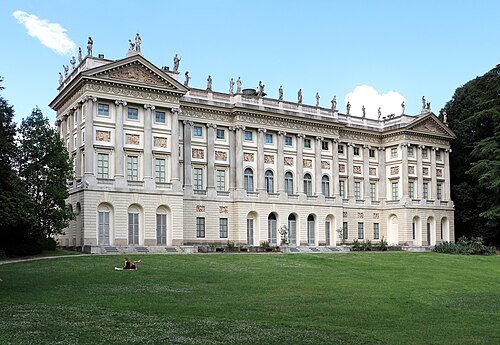
Villa Reale
The Royal Villa of Milan, known locally as Villa Reale, stands as a significant historic estate in Milan. This distinguished property reflects aristocratic heritage and architectural importance within the city's cultural landscape.
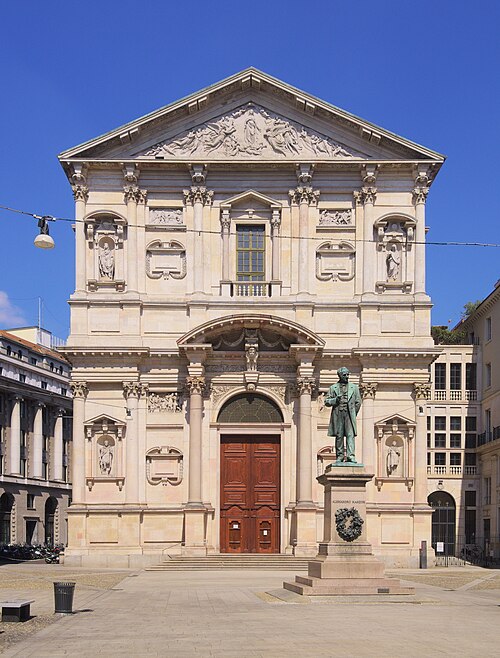
Chiesa di San Fedele
San Fedele Church, or Chiesa di San Fedele, is a sixteenth-century church in central Milan beside Piazza San Fedele. The church is an active parish and a significant example of Counter-Reformation architecture.

Chiesa di San Pietro in Gessate
San Pietro in Gessate is a fifteenth-century Renaissance church in Milan’s Porta Vittoria area.
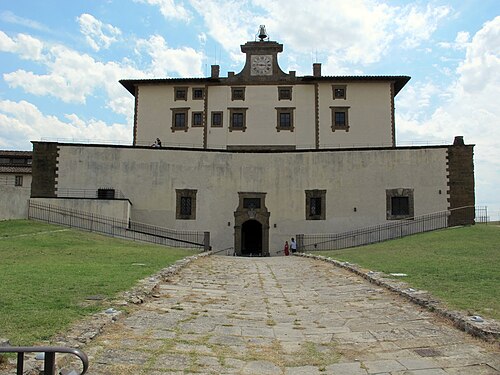
Forte di Belvedere
Forte di Belvedere is a Renaissance fortress on the Boboli hill above Florence. Built under Grand Duke Ferdinando I de’ Medici and designed by Bernardo Buontalenti, it served military and residential purposes.
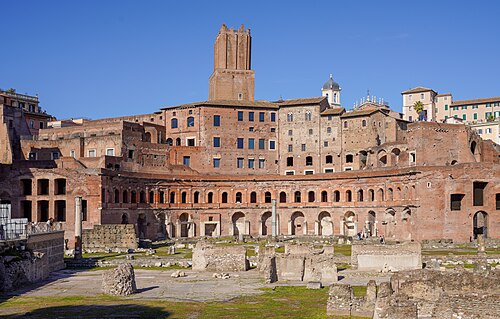
Mercati di Traiano
Trajan's Market, known locally as Mercati di Traiano, constitutes an extensive complex of ruins in Rome traditionally associated with commercial and administrative functions. The structure forms part of the broader Forum of Trajan archaeological zone.
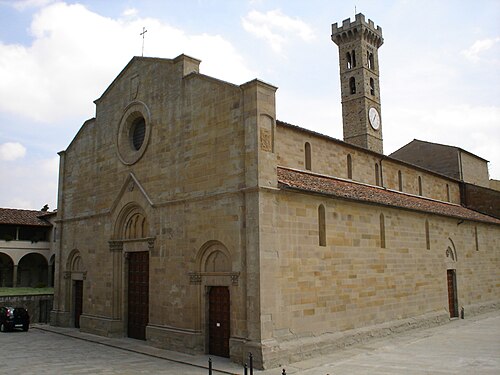
Cattedrale di San Romolo
Fiesole Cathedral, known locally as Cattedrale di San Romolo, stands in the hill town of Fiesole overlooking Florence. This historic cathedral serves as the seat of the Diocese of Fiesole and represents a significant religious landmark in the Tuscany region.
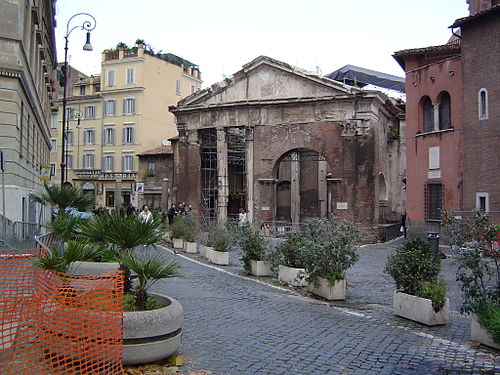
Portico d'Ottavia
The Porticus Octaviae, known locally as Portico d'Ottavia, is an ancient Roman portico in the heart of Rome's Jewish Ghetto.
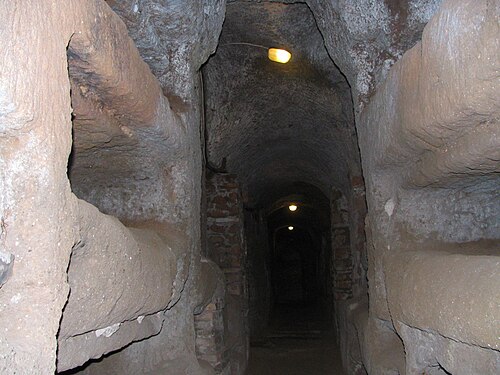
Catacombe di San Callisto
The Catacomb of Callixtus, locally known as Catacombe di San Callisto, constitutes one of Rome's most significant early Christian burial complexes.
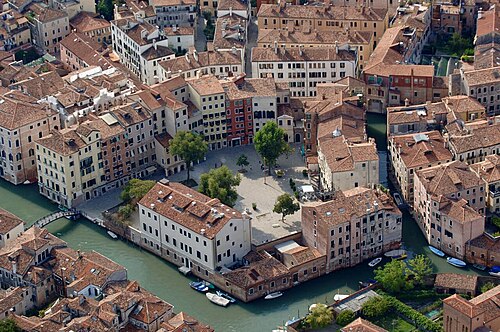
Ghetto di Venezia
The Venetian Ghetto is Venice’s historic Jewish quarter in Cannaregio, established in 1516 on the site of an iron foundry.
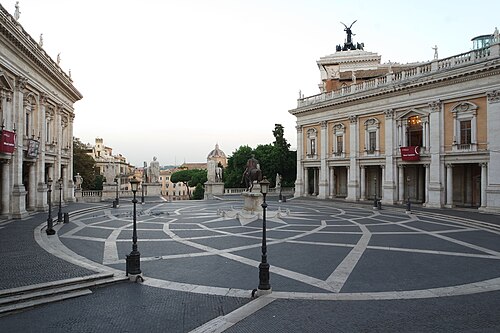
Piazza del Campidoglio is a public square atop the Capitoline Hill in Rome, Italy. Designed by Michelangelo in the 16th century, it represents one of the most significant examples of Renaissance urban planning.
Ten to fourteen days can combine Milan, Venice, Florence, and Rome by high-speed train. Give Venice more than a transfer night and Rome several separate sightseeing days; rural Tuscany needs different transport planning from the rail-linked cities.
Italy is in the Schengen Area, but visa and passport requirements vary by nationality and route. Use Italy's official visa portal to confirm the applicable rule before travel rather than relying on another Schengen trip.
High-speed trains connect Milan, Venice, Florence, and Rome, with regional rail and coaches serving smaller places. Drivers must check ZTL restrictions before entering historic centres because access controls are local and can generate fines.
April to June and September to October broadly suit the north-to-Rome rail route. Lagoon conditions in Venice, summer heat in Rome, and seasonal rural services in Tuscany should be checked independently.
Italy uses the euro (EUR). Carry a modest cash reserve for small purchases while using cards where accepted, and verify the euro amount at the terminal instead of accepting an unexamined conversion.
Italy routes emergency calls through 112. Travellers encounter a 230 V supply and Type C, F, or L receptacles. No tap-water assessment is recorded for Italy; obtain current local advice at the destination.