
.jpg)


82
1 hr 30 min
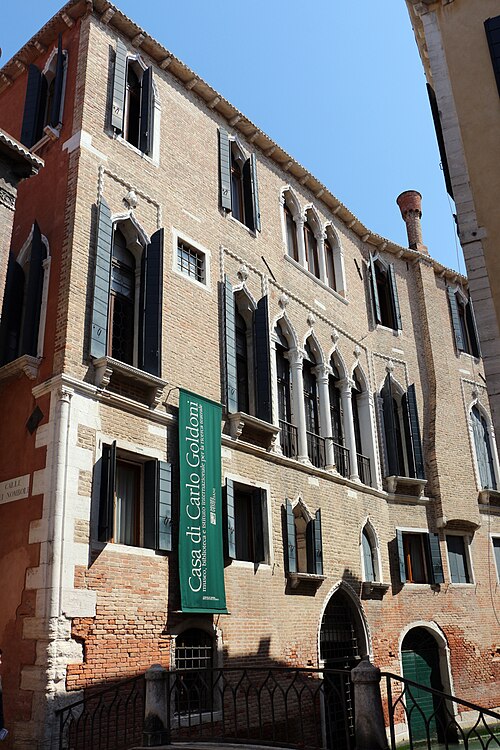
Casa di Goldoni
Casa di Carlo Goldoni
Casa di Carlo Goldoni is a museum dedicated to the life and work of Carlo Goldoni, the celebrated 18th-century Venetian playwright.
- High
- Museum
- Venice
Country guide
Italy holds 62 World Heritage Sites, more than any other country, spread across 301,340 km2 of land that runs from the Alps down into the middle of the Mediterr...
Photograph · Timothy A. Gonsalves · CC BY-SA 4.0
Reviewed by Elena Voss · Roavina Travel Editor
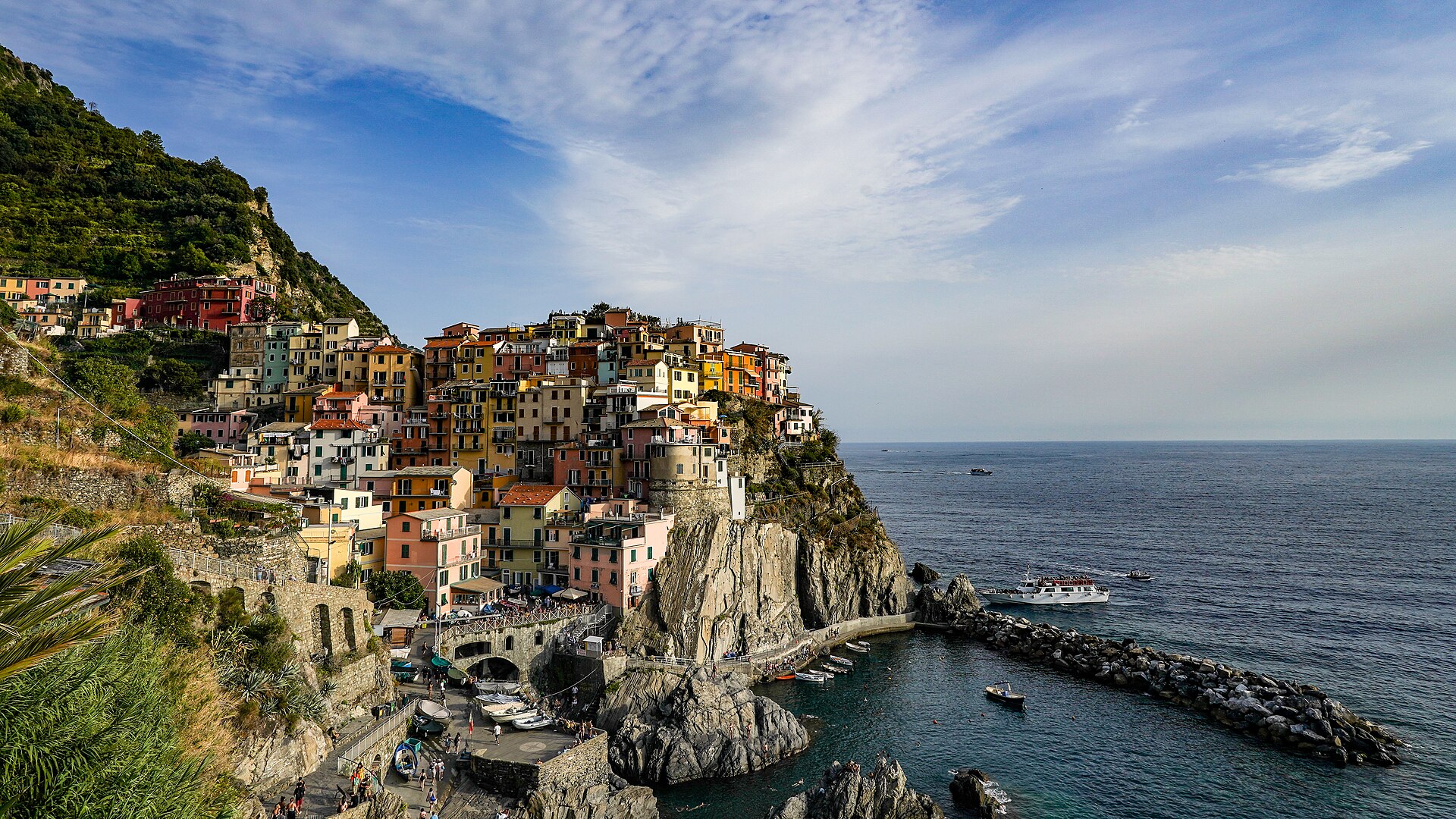
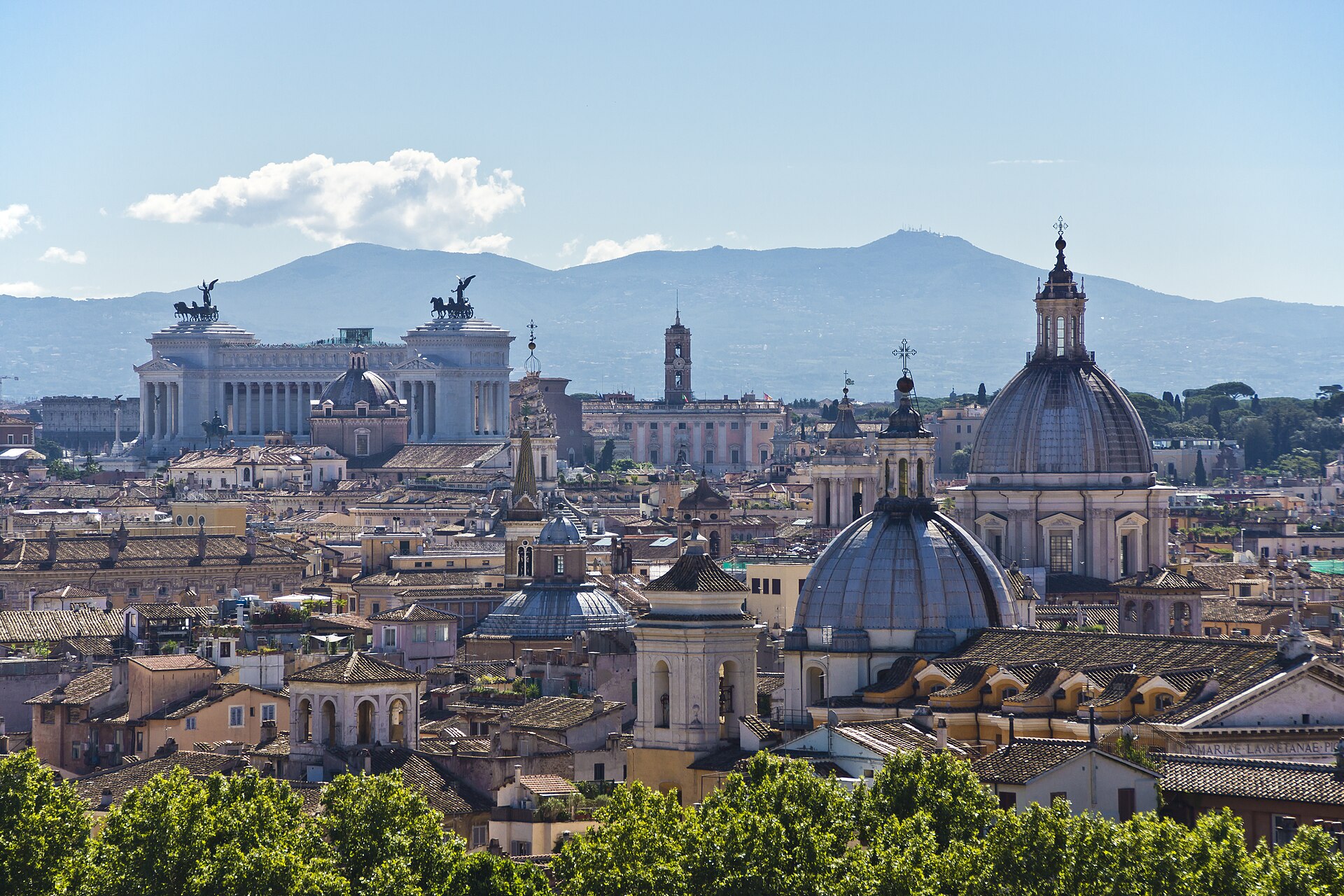
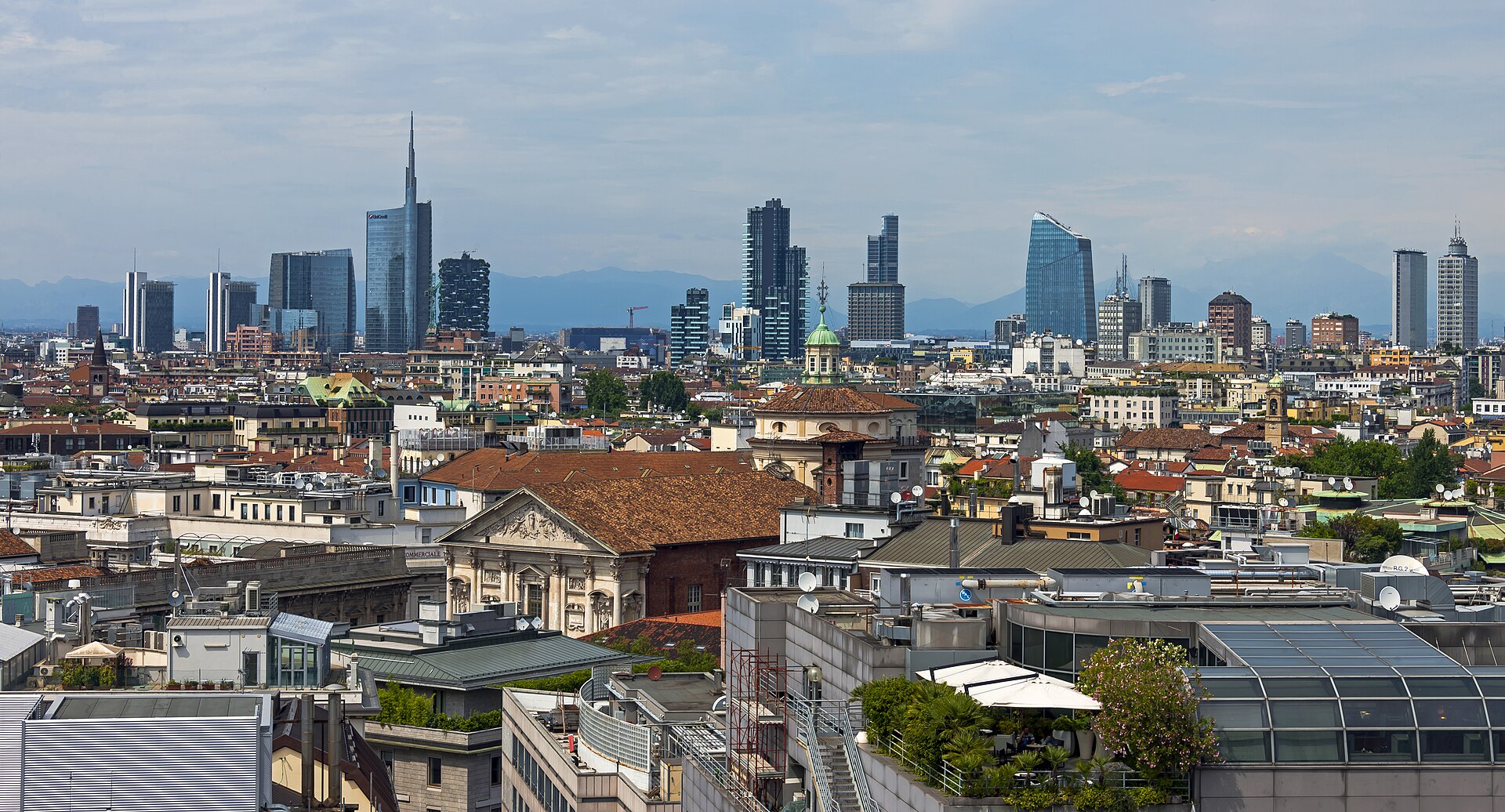
Italy holds 62 World Heritage Sites, more than any other country, spread across 301,340 km2 of land that runs from the Alps down into the middle of the Mediterranean. The distances between its cities are short and the differences between them are not: Venice has no roads, Naples sits under a volcano on a bay, Florence fits inside a walkable Renaissance grid, and Milan keeps its art indoors and works for a living. Rome is the capital and the obvious first trip; the argument is always about what comes second. Nearly 800 islands hang off the coast, and Sicily and Sardinia are each large enough to be a trip of their own.
Checked 2026-08-25
Every city catalogued in this country so far, ranked by how much there is to see.
Photograph · Bert Kaufmann from Roermond, Netherlands · CC BY-SA 2.0
Photograph · Daniel Case · CC BY-SA 3.0
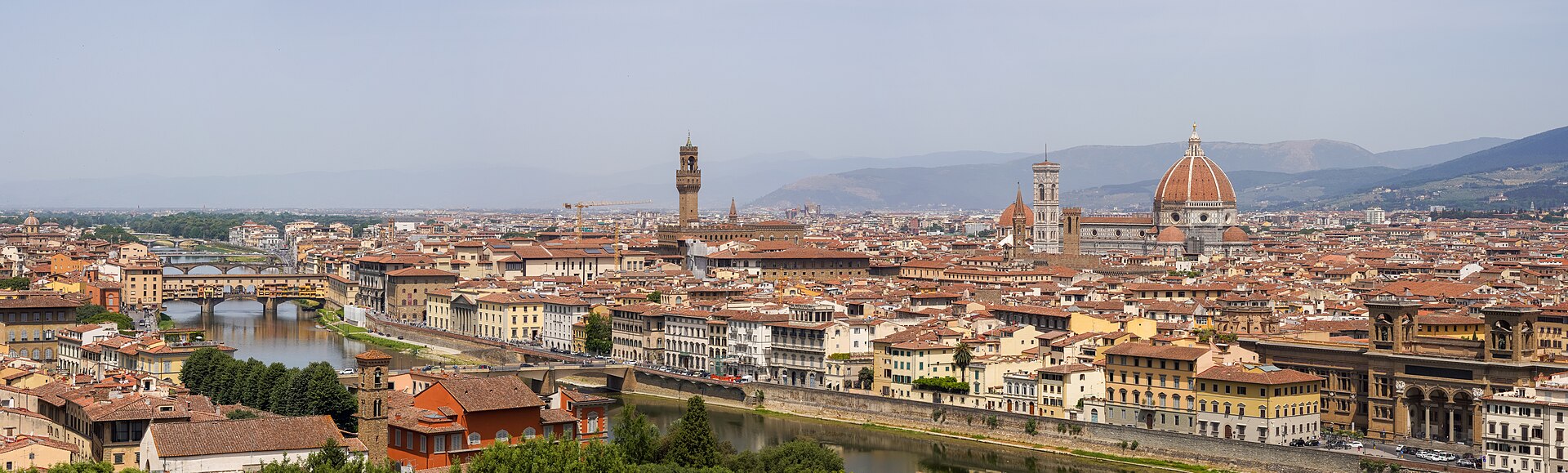
Photograph · Wikibusters · CC BY-SA 4.0

Photograph · Martin Falbisoner · CC BY-SA 4.0
Ranked by importance — sitelinks, pageviews and heritage status, not editor preference.
159 places match
Category
Typical visit duration
Interests
Casa di Carlo Goldoni
Casa di Carlo Goldoni is a museum dedicated to the life and work of Carlo Goldoni, the celebrated 18th-century Venetian playwright.
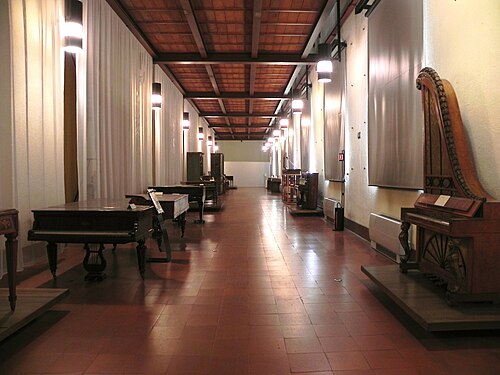
Museo degli Strumenti Musicali
The Museum of Musical Instruments, or Museo degli Strumenti Musicali, is a Milan cultural stop devoted to musical heritage and instrument design. The collection helps visitors follow how musical tools developed across historical periods and how craftsmanship shaped sound.
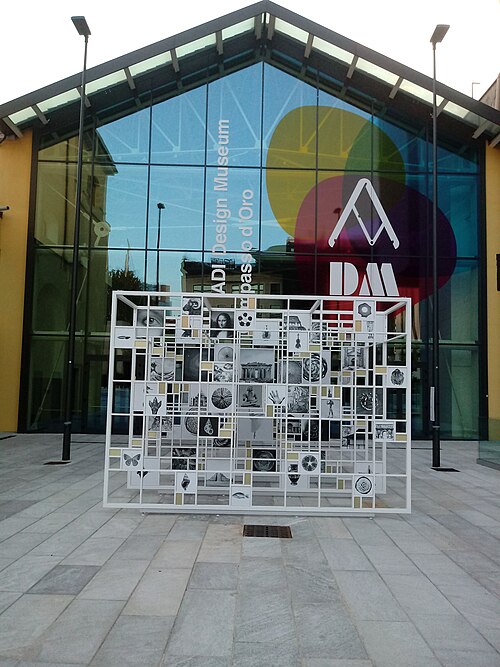
The ADI Design Museum is a museum in Milan dedicated to Italian design excellence. It is operated by ADI, the Italian Association for Industrial Design, and showcases winners of the prestigious Compasso d'Oro award.
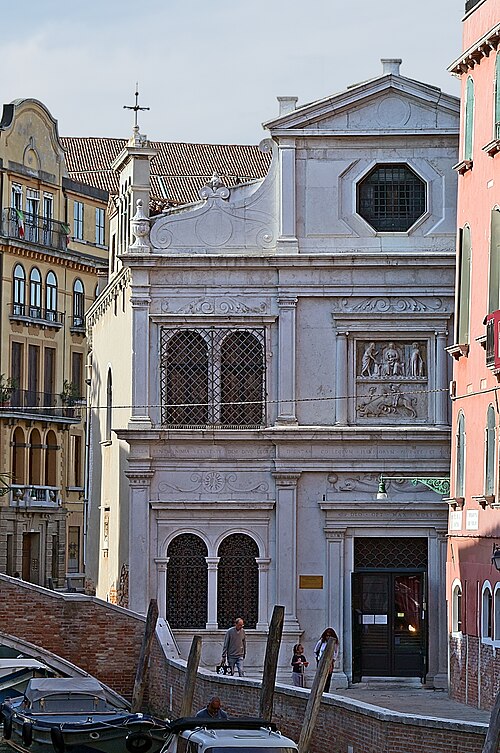
The Scuola di San Giorgio degli Schiavoni is a historic confraternity building in Venice, Italy. Founded in the 15th century, it served as the headquarters for the Dalmatian Schiavoni community resident in Venice.
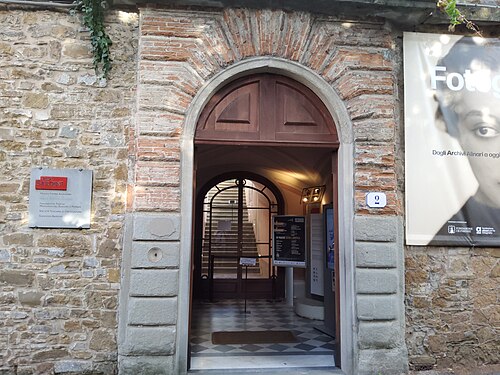
Museo Annigoni
The Annigoni Museum, or Museo Annigoni, is devoted to Pietro Annigoni, the Florence-based Italian painter known especially for highly detailed portraits. The museum presents his commitment to figurative art during a period when modernist approaches were gaining influence.
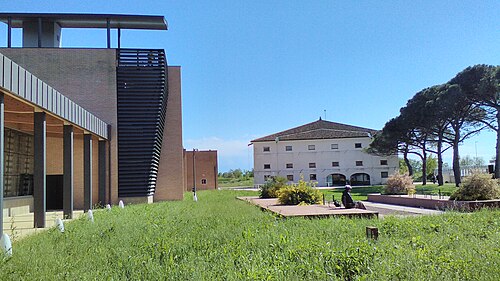
Museo Archeologico Nazionale di Altino is an archaeological museum located in the Veneto region near Venice. The institution preserves and exhibits artifacts from the ancient Roman settlement of Altinum, a significant city that predates Venice itself.
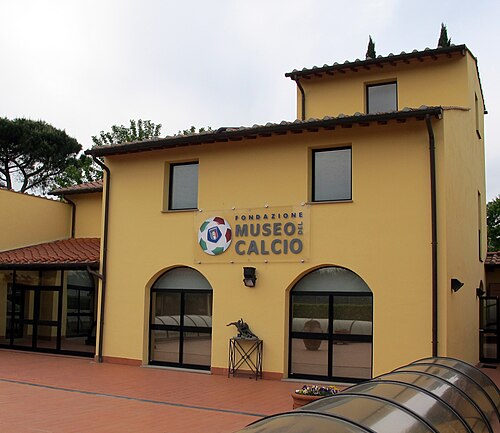
Museo del Calcio is a museum in Florence dedicated to the history of Italian football. The institution preserves and displays artifacts, documents, and memorabilia chronicling the development of calcio in Italy.
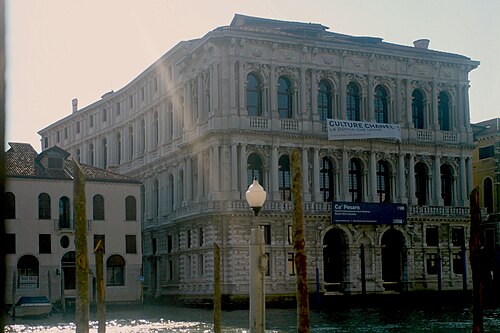
Museo d'Arte Orientale
The Museum of Oriental Art, locally known as Museo d'Arte Orientale, is a museum in Venice dedicated to Asian artistic traditions.
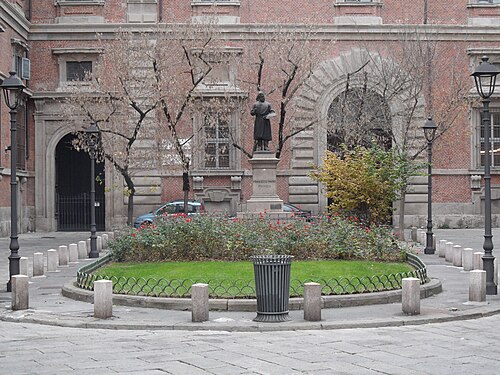
Palazzo Citterio - Grande Brera
Palazzo Citterio is a historic palace in Milan's Brera district, also associated with the name Palazzo Citterio - Grande Brera. Its importance lies in its place within one of the city's strongest concentrations of art, architecture, and cultural institutions.
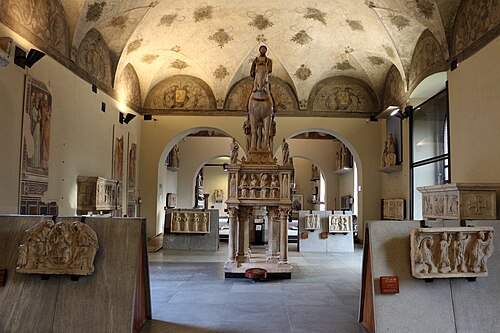
Museo d'Arte Antica is a museum in Milan dedicated to ancient and medieval art. It forms part of the Sforza Castle complex, one of the city's most significant historical monuments.
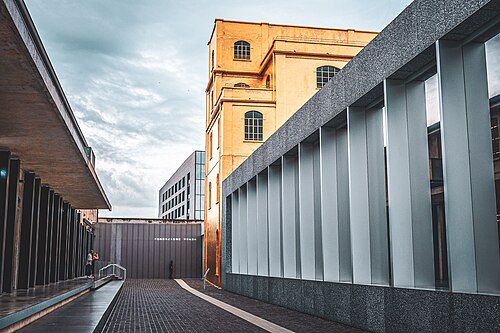
Fondazione Prada is a contemporary art and cultural institution in Milan established by the Prada fashion house. It occupies a former industrial site that was transformed into an architectural complex.
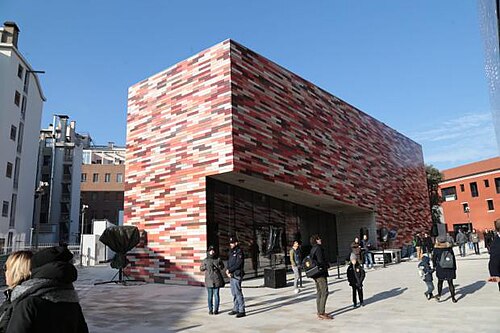
M9 Museo 900
M9 Museum, known locally as M9 Museo 900, is a cultural institution in Venice dedicated to twentieth-century Italian history. The museum occupies a significant position within the city's museum landscape, offering visitors an exploration of recent historical narratives.
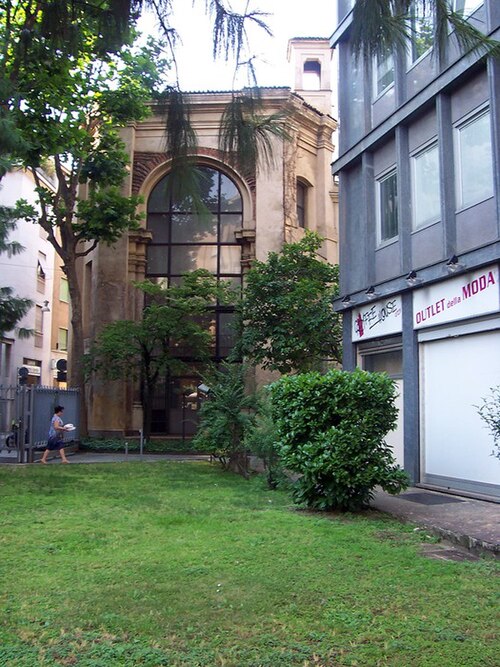
Studio Museo Francesco Messina
Museo Francesco Messina, also known as Studio Museo Francesco Messina, is a Milan museum devoted to the twentieth-century Italian sculptor Francesco Messina. The museum occupies the artist’s former studio, giving the visit a close connection with his working environment.
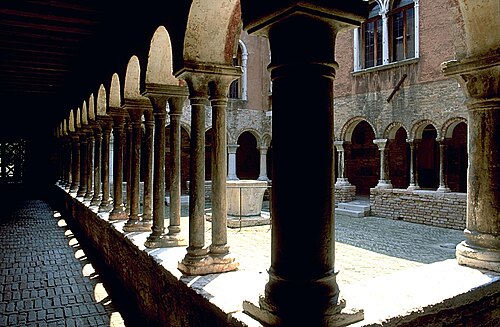
Museo Diocesano
Museo diocesano d'arte sacra Sant'Apollonia is a sacred-art museum near San Marco, housed in the former Benedictine convent of Sant’Apollonia. Its works came from churches within the Venetian diocese and represent centuries of religious painting, sculpture and decorative art.
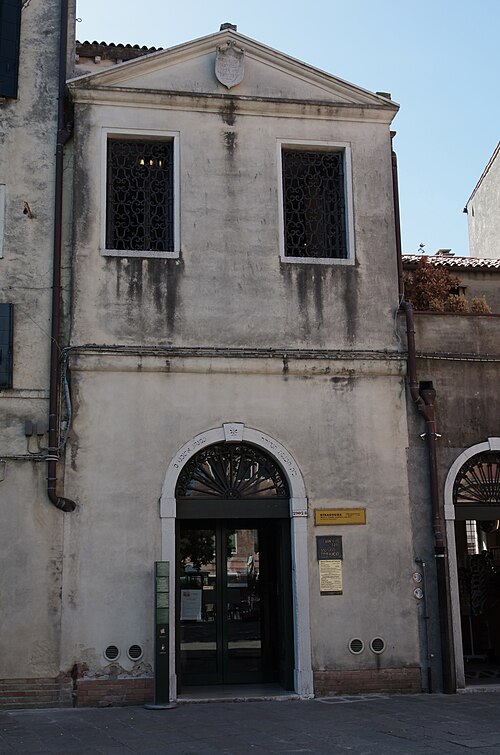
Museo Ebraico
The Museo Ebraico di Venezia sits in the historic Venetian Ghetto in Cannaregio, a district established in 1516 and among Europe’s oldest segregated Jewish quarters.
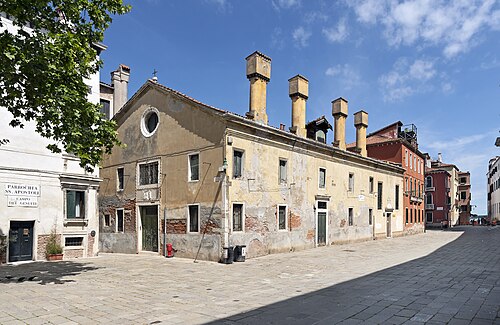
Oratorio dei Crociferi is a small Venetian oratory in Cannaregio, associated with the Crociferi religious order. It belongs to the quieter, more intimate layer of Venice’s ecclesiastical heritage, away from the scale of the city’s celebrated basilicas.
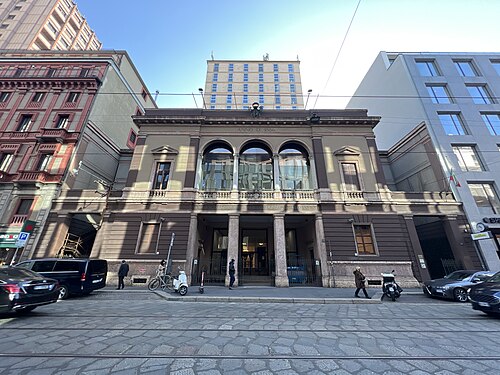
Museo della Permanente
The Society for Fine Arts and Permanent Exhibition, known locally as Museo della Permanente, is a Milan cultural institution devoted to visual art.
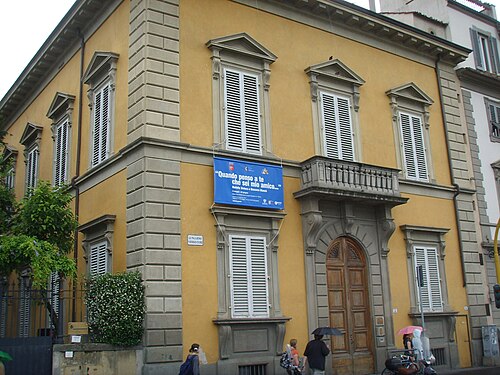
Museo Casa Rodolfo Siviero
Casa museo Rodolfo Siviero is a house museum in Florence devoted to Rodolfo Siviero, the art historian and secret agent known for recovering Italian artworks looted during World War II.
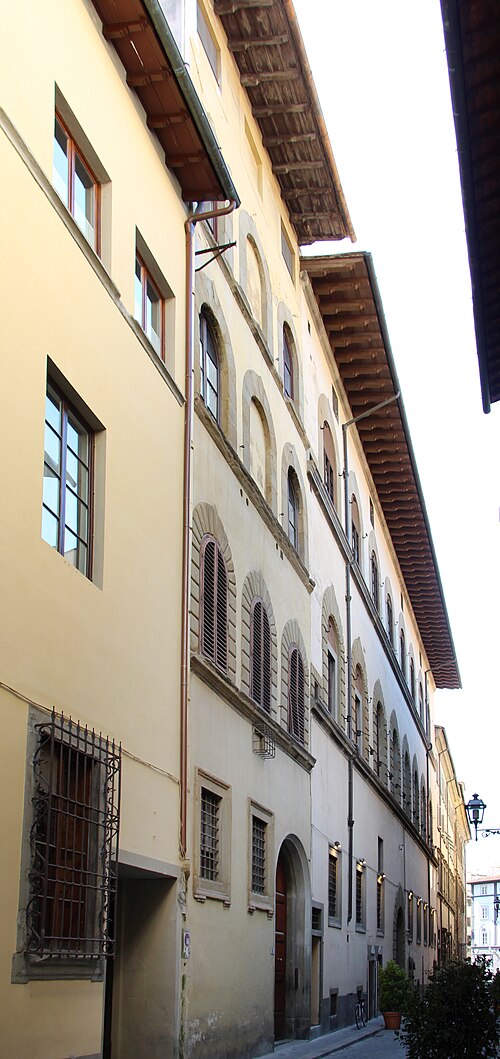
Casa Giorgio Vasari
Casa Giorgio Vasari is a historic house museum in Florence, the former residence of the Renaissance artist, architect, and writer Giorgio Vasari. Located in the city centre, this property served as both his home and studio.
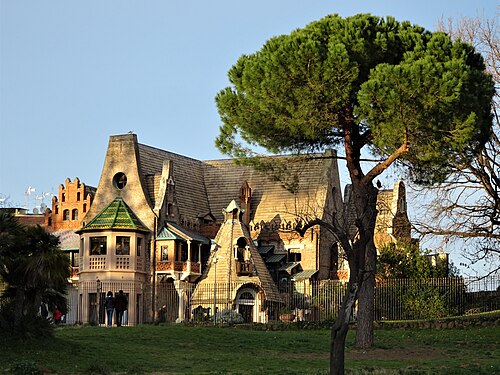
La Casina delle Civette
The Casina delle Civette, known locally as La Casina delle Civette, is a historic building located within the Villa Torlonia park in Rome.
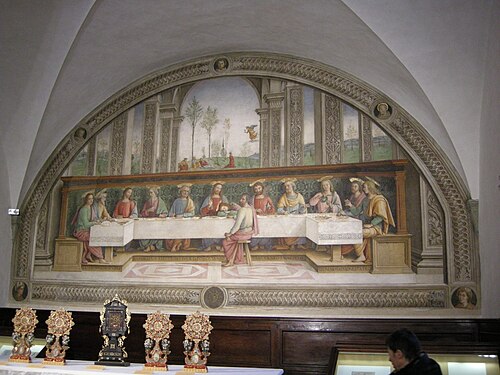
Cenacolo del Fuligno
The Cenacolo di Fuligno, also known as the Cenacolo del Fuligno, is a religious art site in Florence. It houses a significant Renaissance fresco depicting the Last Supper.
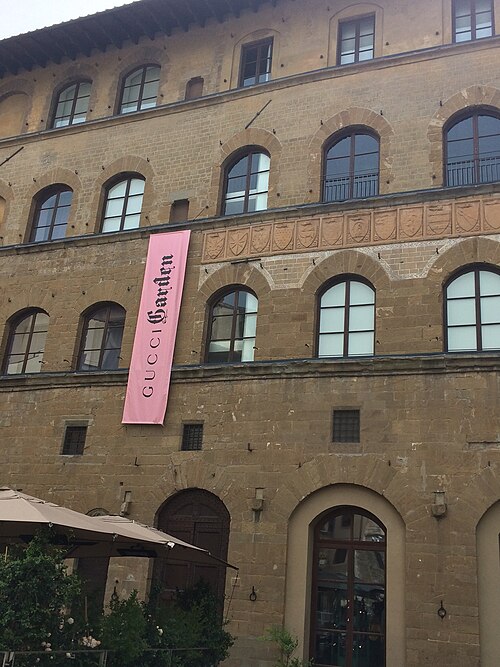
The Gucci Museum presents the history of the Florentine luxury house founded by Guccio Gucci in 1921. Set in the historic Palazzo della Mercanzia near Piazza della Signoria, it connects fashion objects with Florence’s traditions of craftsmanship, commerce, and design.
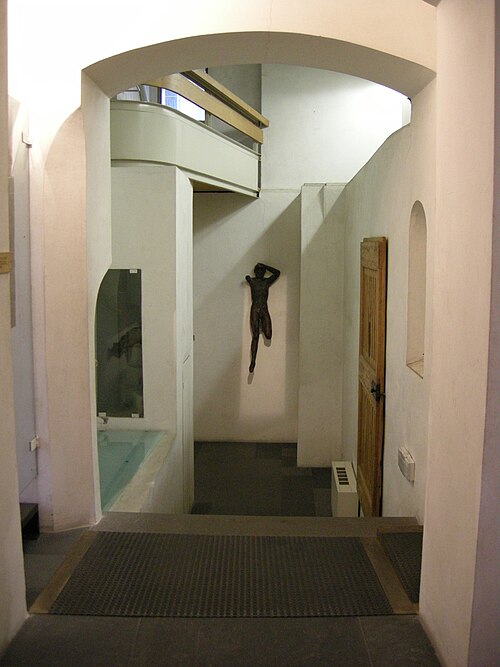
Museo Marino Marini (Chiesa di San Pancrazio)
The Marino Marini Museum occupies the deconsecrated Chiesa di San Pancrazio in central Florence. It is dedicated to the work of Marino Marini, the twentieth-century Italian sculptor and painter.
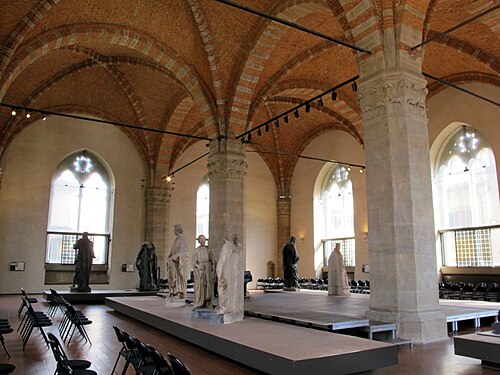
Museo di Orsanmichele
The Museum of Orsanmichele occupies a distinctive building in Florence's historic centre, originally constructed as a grain market in the late thirteenth century before conversion to a church.
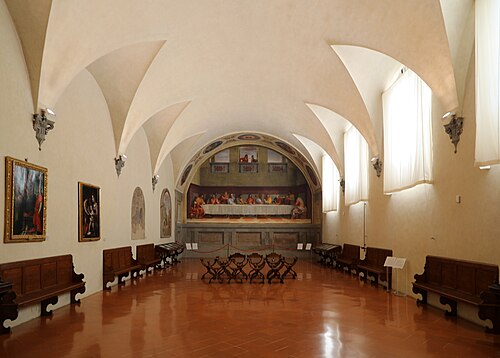
Cenacolo Andrea del Sarto
The Museum of the Last Supper of Andrea del Sarto, also called Cenacolo Andrea del Sarto, presents Andrea del Sarto’s Last Supper fresco in Florence.
Ten to fourteen days can combine Milan, Venice, Florence, and Rome by high-speed train. Give Venice more than a transfer night and Rome several separate sightseeing days; rural Tuscany needs different transport planning from the rail-linked cities.
Italy is in the Schengen Area, but visa and passport requirements vary by nationality and route. Use Italy's official visa portal to confirm the applicable rule before travel rather than relying on another Schengen trip.
High-speed trains connect Milan, Venice, Florence, and Rome, with regional rail and coaches serving smaller places. Drivers must check ZTL restrictions before entering historic centres because access controls are local and can generate fines.
April to June and September to October broadly suit the north-to-Rome rail route. Lagoon conditions in Venice, summer heat in Rome, and seasonal rural services in Tuscany should be checked independently.
Italy uses the euro (EUR). Carry a modest cash reserve for small purchases while using cards where accepted, and verify the euro amount at the terminal instead of accepting an unexamined conversion.
Italy routes emergency calls through 112. Travellers encounter a 230 V supply and Type C, F, or L receptacles. No tap-water assessment is recorded for Italy; obtain current local advice at the destination.