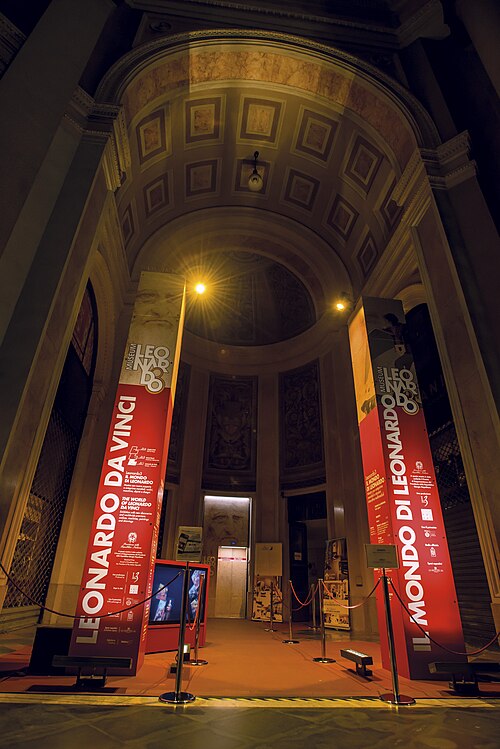
Leonardo3 Museum
Leonardo3 Museum - Il Mondo di Leonardo
Leonardo3 Museum - Il Mondo di Leonardo is an interactive museum in Milan dedicated to Leonardo da Vinci's work as inventor, engineer, scientist and artist.
- High
- Museum
- Milan
Country guide
Italy holds 62 World Heritage Sites, more than any other country, spread across 301,340 km2 of land that runs from the Alps down into the middle of the Mediterr...
Photograph · Timothy A. Gonsalves · CC BY-SA 4.0
Reviewed by Elena Voss · Roavina Travel Editor
Italy holds 62 World Heritage Sites, more than any other country, spread across 301,340 km2 of land that runs from the Alps down into the middle of the Mediterranean. The distances between its cities are short and the differences between them are not: Venice has no roads, Naples sits under a volcano on a bay, Florence fits inside a walkable Renaissance grid, and Milan keeps its art indoors and works for a living. Rome is the capital and the obvious first trip; the argument is always about what comes second. Nearly 800 islands hang off the coast, and Sicily and Sardinia are each large enough to be a trip of their own.
Checked 2026-08-25
Every city catalogued in this country so far, ranked by how much there is to see.
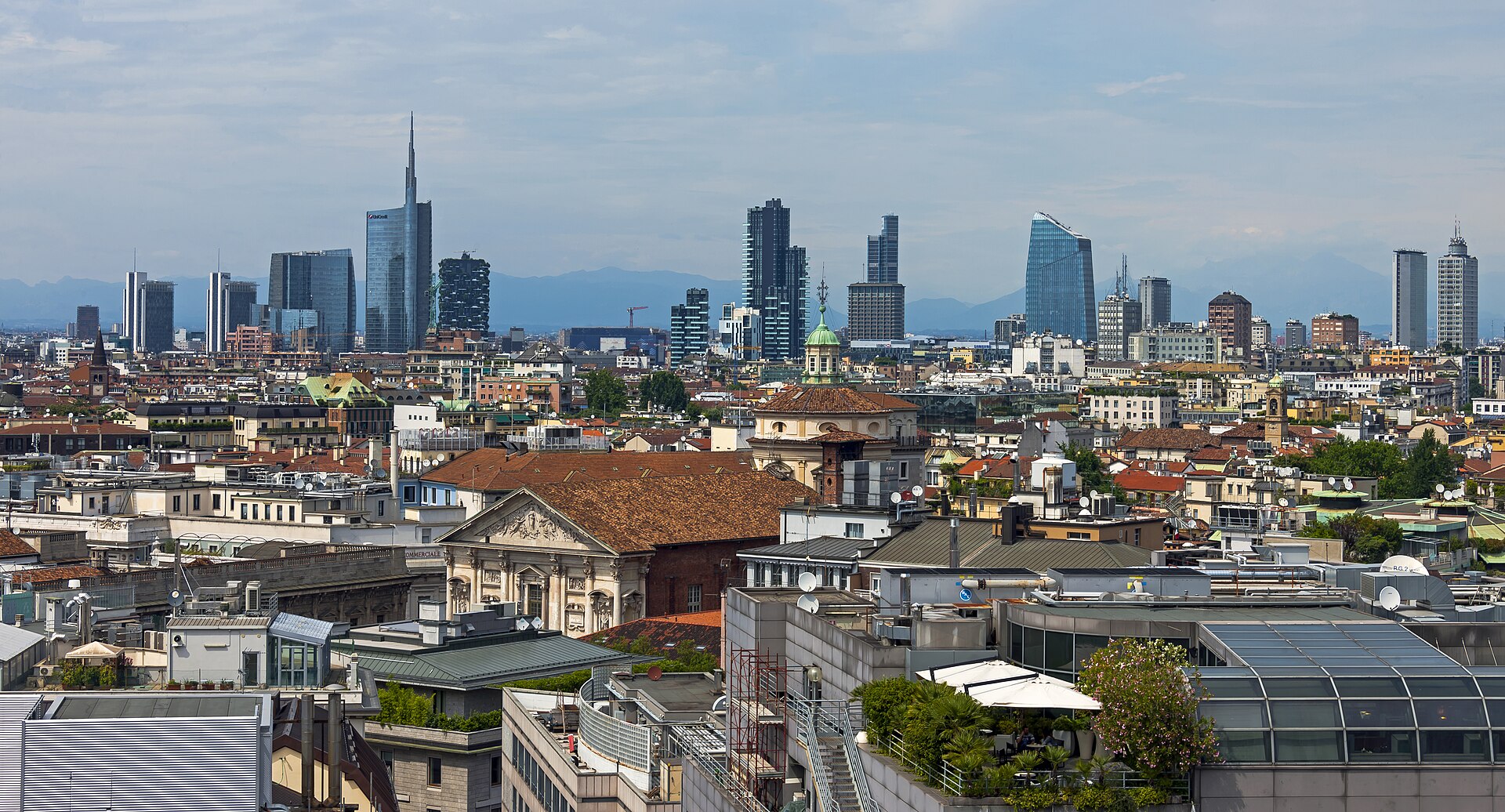
Photograph · Bert Kaufmann from Roermond, Netherlands · CC BY-SA 2.0
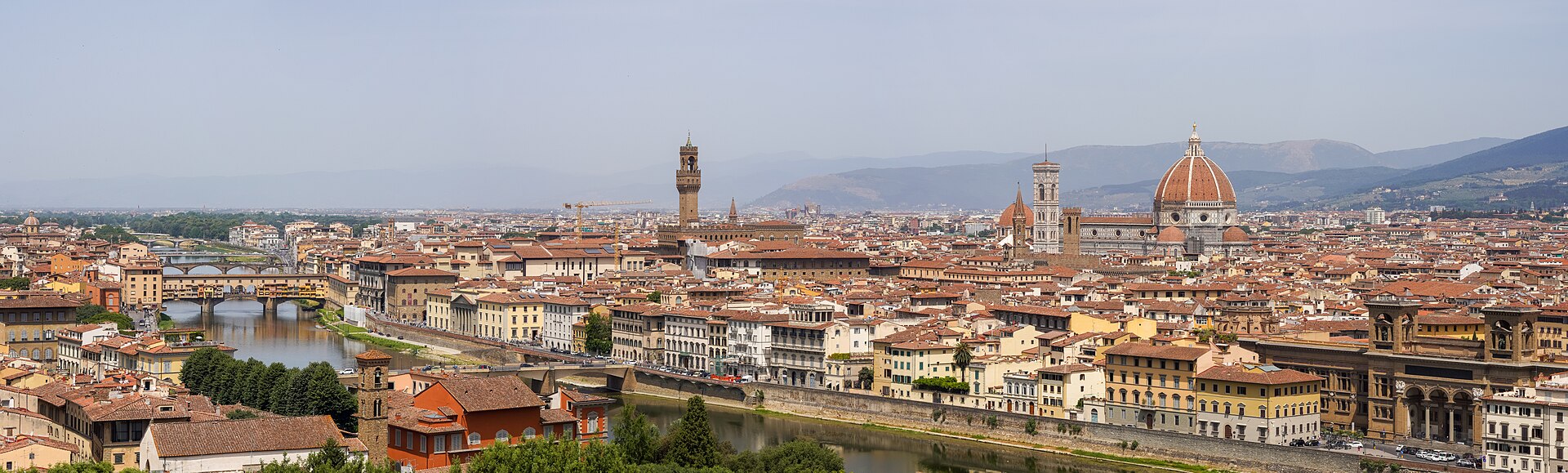
Photograph · Daniel Case · CC BY-SA 3.0
Photograph · Wikibusters · CC BY-SA 4.0
Photograph · Martin Falbisoner · CC BY-SA 4.0
Ranked by importance — sitelinks, pageviews and heritage status, not editor preference.
408 places match
Category
Typical visit duration
Interests
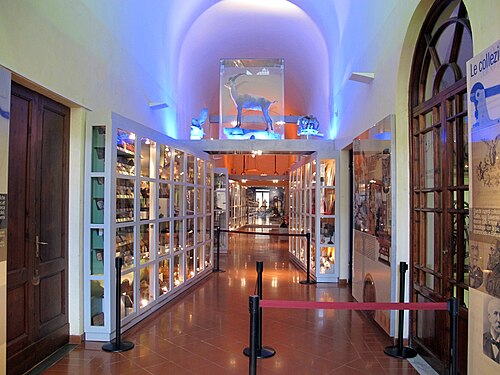
Leonardo3 Museum - Il Mondo di Leonardo
Leonardo3 Museum - Il Mondo di Leonardo is an interactive museum in Milan dedicated to Leonardo da Vinci's work as inventor, engineer, scientist and artist.
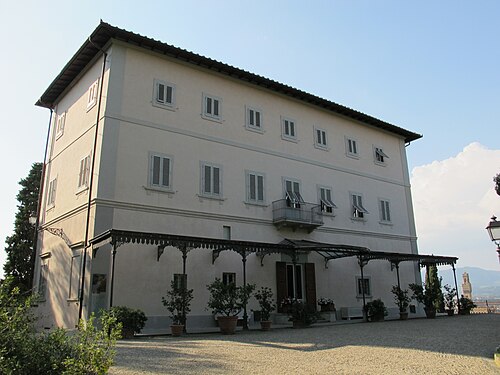
Villa Bardini is a historic villa and garden complex in Florence, situated on a hillside with elevated views across the city. The property encompasses a Baroque villa, extensive terraced gardens, and an orchard.
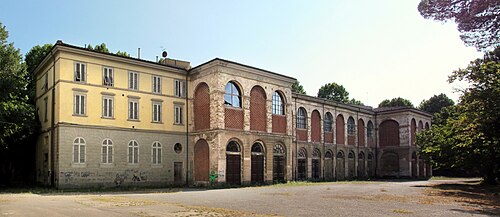
Giardino delle Scuderie Reali e Edificio delle Pagliere
Giardino delle Scuderie Reali e Edificio delle Pagliere is a Florence heritage site combining a garden with buildings linked by name to royal stables and straw-storage functions.
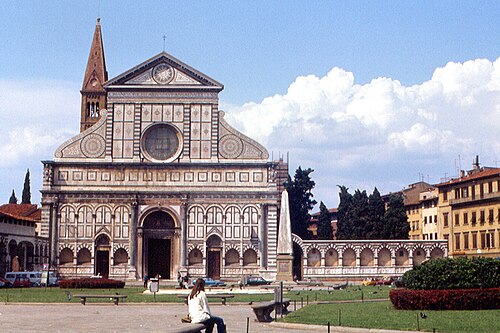
Museo di Santa Maria Novella occupies historic convent spaces beside the Basilica of Santa Maria Novella in central Florence. The museum preserves cloisters, chapter rooms, chapels, and other areas once used by the Dominican community.
Museo della Fondazione Primo Conti
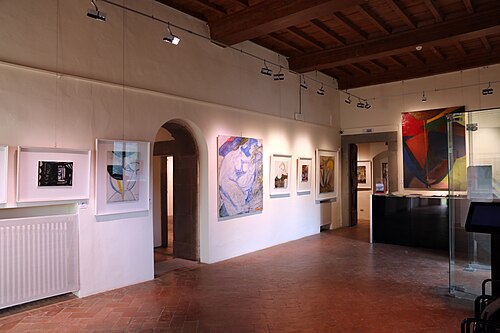
Museo Primo Conti, also known as Museo della Fondazione Primo Conti, is a specialized Florence museum devoted to the Italian painter Primo Conti.
Museo delle pentole nella storia
The Museo delle pentole nella storia is a museum in Milan dedicated to pots and cookware throughout history. Its Italian name translates to Museum of Pots in History.
La Casa di Bepi Suà
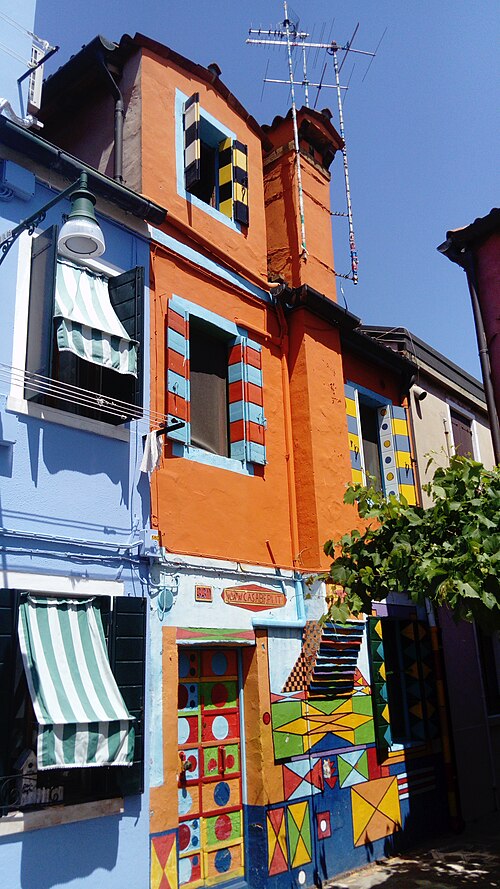
Casa di Bepi Suà is a distinctive residential house in Venice's Burano island, celebrated for its elaborate geometric facade paintings in warm yellow, red, and orange tones.
Palazzo Cusini
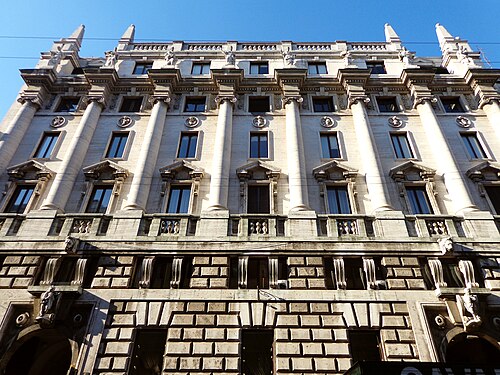
Cusini Palace, also known as Palazzo Cusini, is a historic palace in central Milan. It belongs to the city’s architectural heritage and forms part of the continuous streetscape that makes central Milan rewarding to explore on foot.
Monastero di San Nicolao
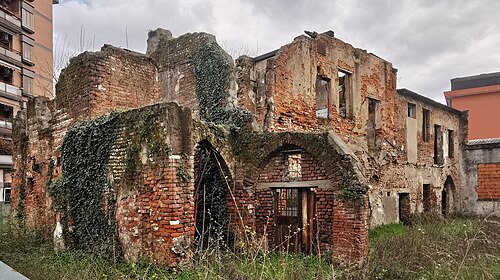
The Monastery of San Nicolao is a historic religious complex in Milan associated with Benedictine tradition.
Palazzo Altoviti Sangalletti
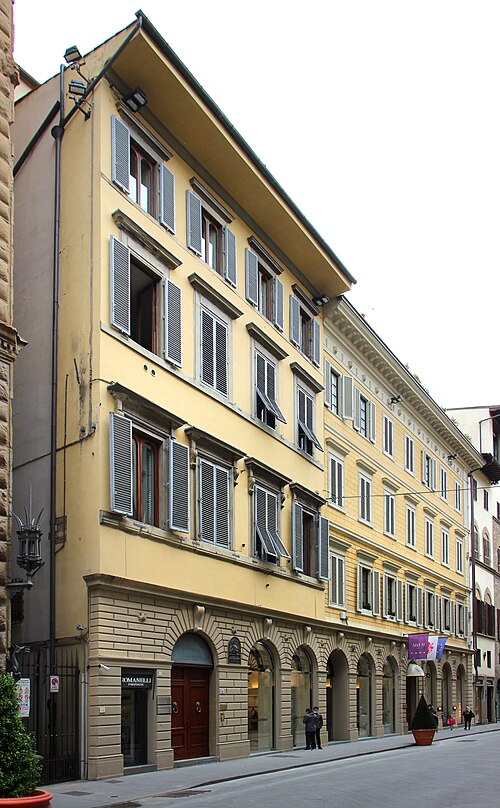
Palazzo Altoviti-Sangalletti is a historic palace in central Florence near the Arno River. Its name links the building with the Altoviti and Sangalletti families and places it within the city’s dense tradition of aristocratic residences.
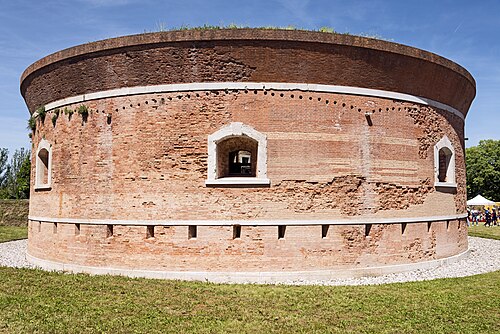
Torre Massimiliana is a compact fortified tower standing in the Venetian lagoon, away from the dense streets and monumental interiors of Venice’s historic centre.
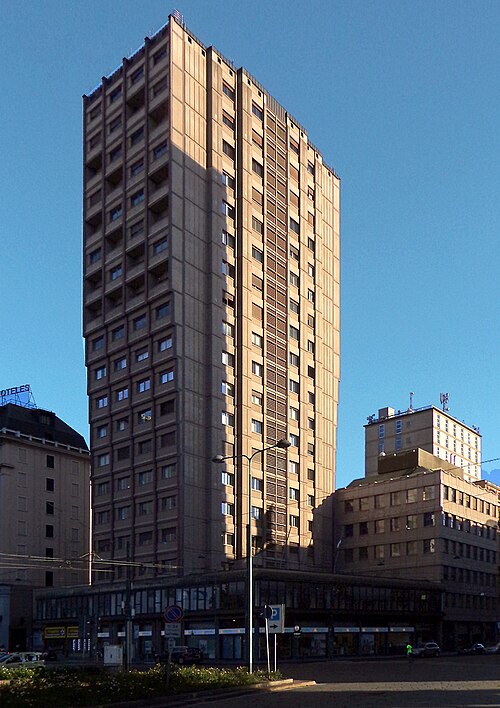
Torre Turati
Turati Tower, known locally as Torre Turati, is a prominent skyscraper in Milan, Italy. The building stands as a significant example of modern commercial architecture in the city's business district.
Torre di Bona
Bona of Savoy’s Tower, known in Italian as Torre di Bona, is a historic tower in Milan associated with Bona of Savoy, a fifteenth-century duchess.
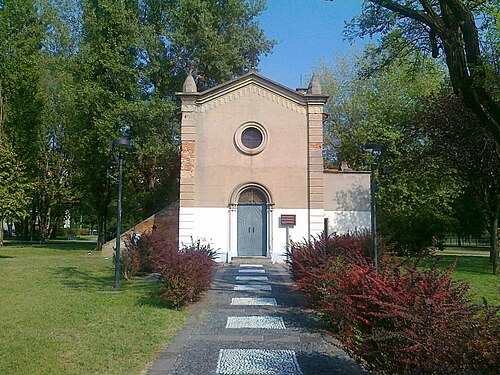
Chiesa di Santa Maria Maddalena
Santa Maria Maddalena, also known as Chiesa di Santa Maria Maddalena, is a Catholic church within Milan’s urban fabric.
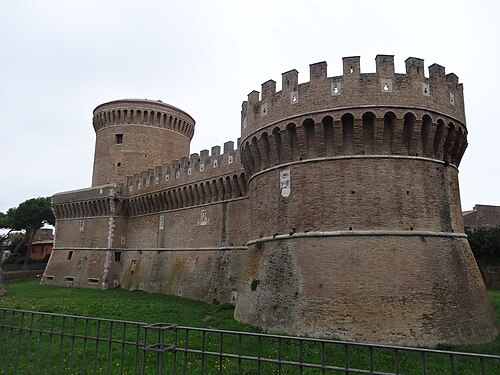
Castello di Giulio II
Rocca di Ostia, locally known as Castello di Giulio II, is a fortress in Rome's Ostia district. Built for Pope Julius II, it served military and defensive purposes near the ancient port of Ostia.
Fondazione Scienza e tecnica
Fondazione Scienza e Tecnica is a Florence institution devoted to scientific and technological heritage.
Museo storico dei vigili del fuoco di Milano
The Historical Fire Brigade Museum of Milan preserves the story of firefighting in Italy’s second-largest city. The collection connects Milan’s local fire-service history with the wider Corpo Nazionale dei Vigili del Fuoco, Italy’s national fire and rescue service.
Museo dell' Opera di Santa Croce
The Museo dell'Opera di Santa Croce is a museum complex integrated with the Basilica of Santa Croce in Florence. It occupies former monastic spaces including the refectory and other areas adjacent to the famous Franciscan church.
Batteria Vettor Pisani
Batteria Pisani, also known as Batteria Vettor Pisani, is a military heritage site connected with Venice’s lagoon defenses. Its name links the place with the Venetian admiral Vettor Pisani and the city’s maritime history.
Museo Casa Andrich
Museo Andrich, also known as Museo Casa Andrich, is a small house museum in Venice. Its identity is tied to an intimate domestic setting rather than the scale of the city’s major public museums.
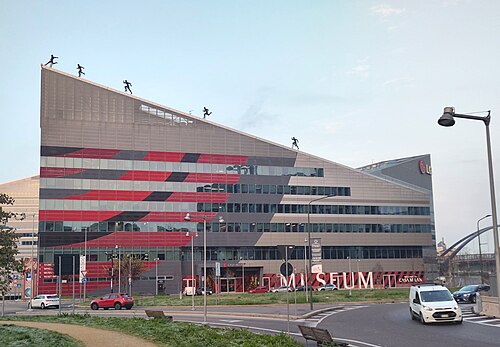
Museo Mondo Milan is a museum dedicated to the history and culture of AC Milan, one of Italy's most storied football clubs.
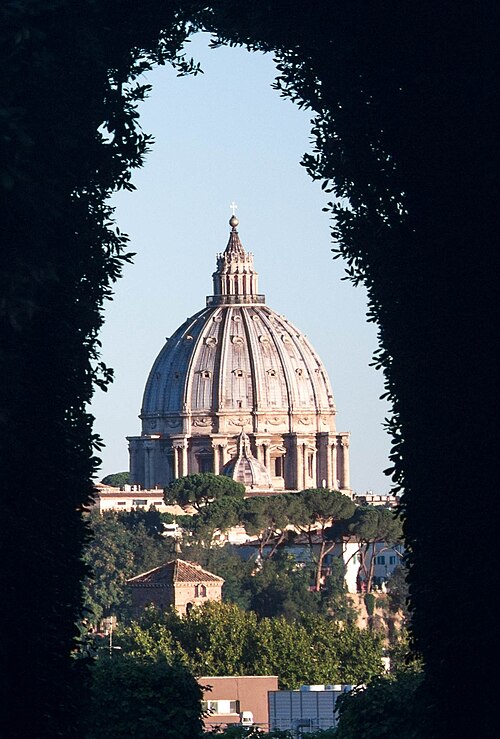
San Pietro dal Buco della serratura
The Aventine Keyhole is a peephole in the green door of the Priory of the Knights of Malta on Rome’s Aventine Hill.
Transatlantico Conte Biancamano
The Conte Biancamano command bridge is a preserved section of an Italian ocean liner inside Milan's National Museum of Science and Technology Leonardo da Vinci.
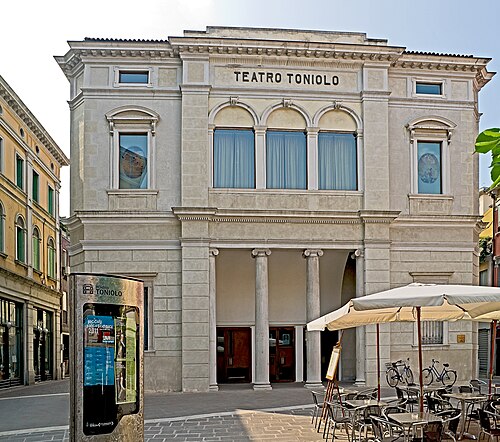
Teatro Toniolo is a historic theatre in Venice, Italy, serving as a significant cultural venue within the city's performing arts landscape.
Museo d'arte Paolo Pini
MAPP Museo d'Arte Paolo Pini is a Milan museum dedicated to art and identified locally as Museo d'arte Paolo Pini. It broadens the city's cultural landscape beyond internationally famous museums and landmark collections.
Ten to fourteen days can combine Milan, Venice, Florence, and Rome by high-speed train. Give Venice more than a transfer night and Rome several separate sightseeing days; rural Tuscany needs different transport planning from the rail-linked cities.
Italy is in the Schengen Area, but visa and passport requirements vary by nationality and route. Use Italy's official visa portal to confirm the applicable rule before travel rather than relying on another Schengen trip.
High-speed trains connect Milan, Venice, Florence, and Rome, with regional rail and coaches serving smaller places. Drivers must check ZTL restrictions before entering historic centres because access controls are local and can generate fines.
April to June and September to October broadly suit the north-to-Rome rail route. Lagoon conditions in Venice, summer heat in Rome, and seasonal rural services in Tuscany should be checked independently.
Italy uses the euro (EUR). Carry a modest cash reserve for small purchases while using cards where accepted, and verify the euro amount at the terminal instead of accepting an unexamined conversion.
Italy routes emergency calls through 112. Travellers encounter a 230 V supply and Type C, F, or L receptacles. No tap-water assessment is recorded for Italy; obtain current local advice at the destination.