
.jpg)


51
30 min
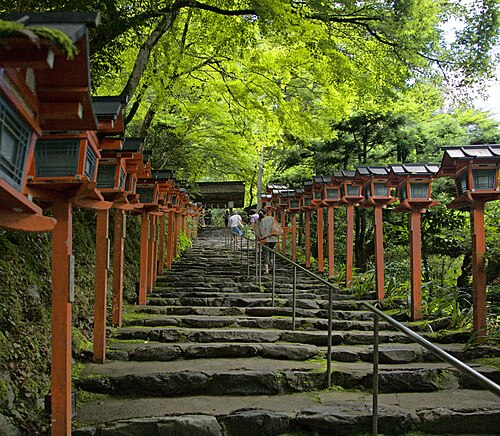
Kifune Shrine
貴船神社
Kifune Shrine is a Shinto shrine located in the mountainous northern outskirts of Kyoto, Japan.
- High
- Place of worship
- Kyoto
Country guide
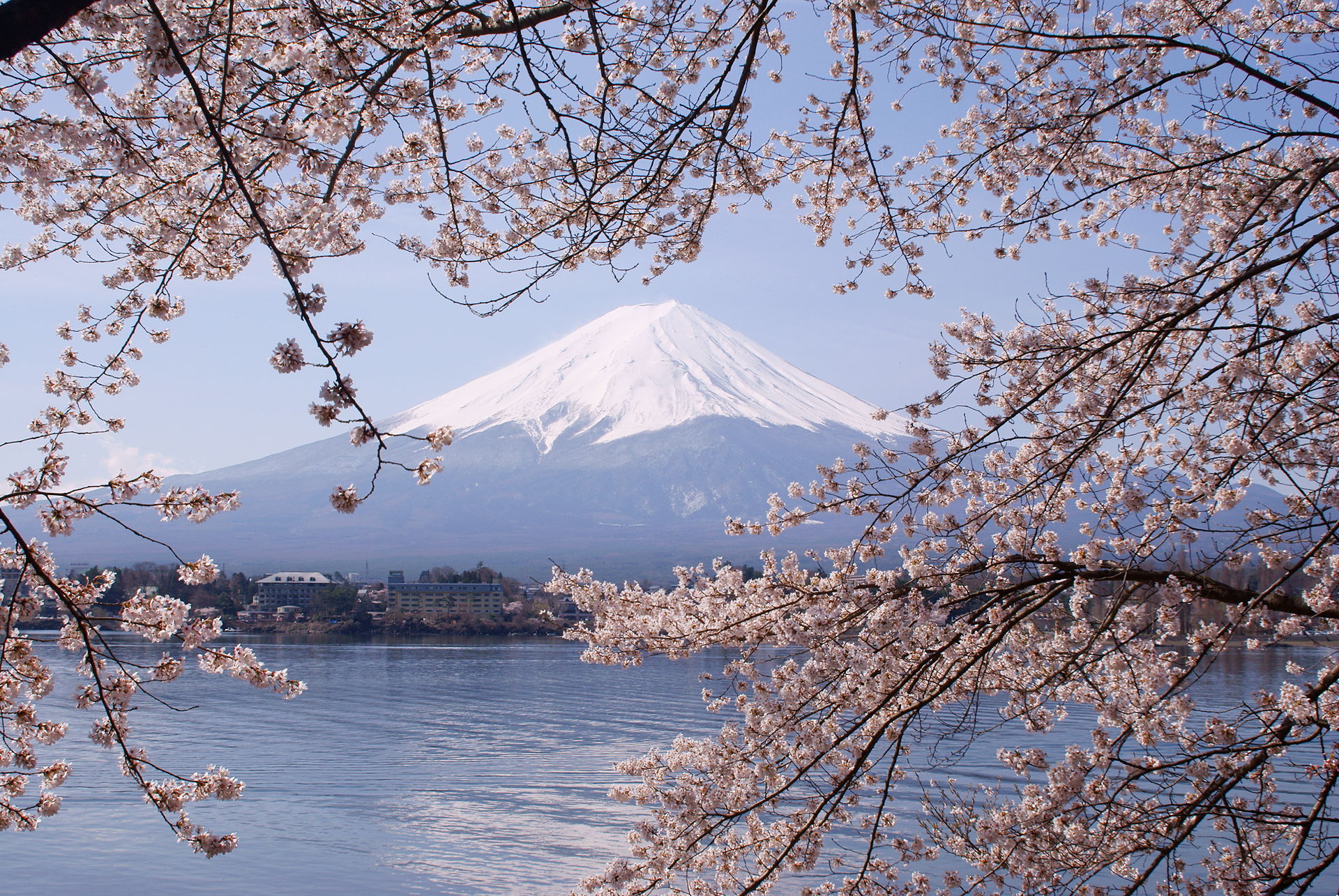
Around three quarters of Japan is mountain and forest, which pushes almost everyone onto the eastern coastal plains and makes the country far narrower in practi...
Photograph · Midori · CC BY 3.0
Reviewed by Elena Voss · Roavina Travel Editor
Around three quarters of Japan is mountain and forest, which pushes almost everyone onto the eastern coastal plains and makes the country far narrower in practice than 377,975 km2 suggests. Forty-seven prefectures, eight traditional regions and more than 14,000 smaller islands, and yet a first visit usually runs along a single rail corridor with Tokyo at one end and Kyoto and Osaka at the other. Tokyo is the capital and largest city of a country of almost 123 million people. Hokkaido in the north and Okinawa in the south are different climates rather than day trips, and both need their own week.
Checked 2026-08-25
Every city catalogued in this country so far, ranked by how much there is to see.
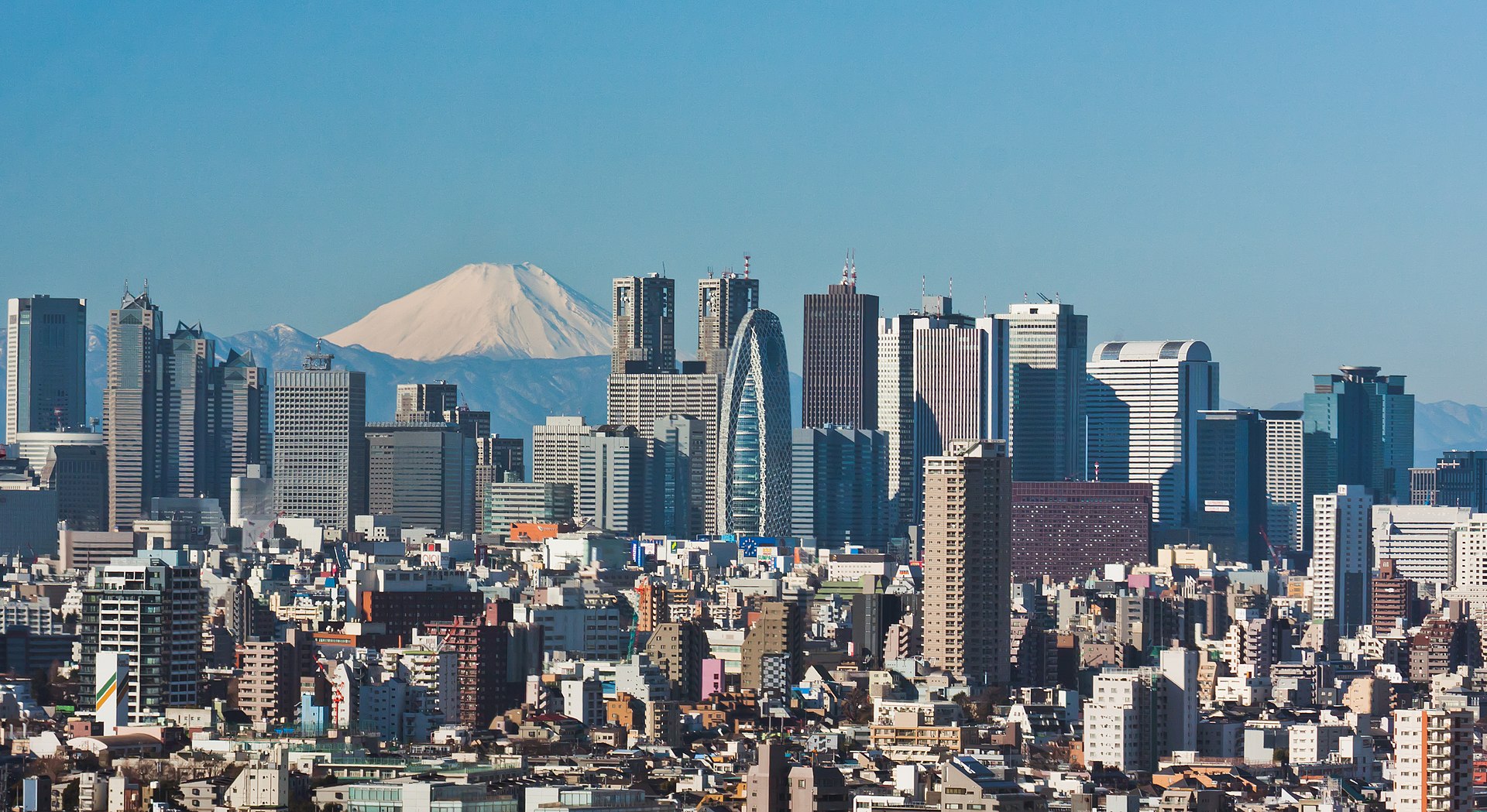
Photograph · Morio · CC BY-SA 3.0
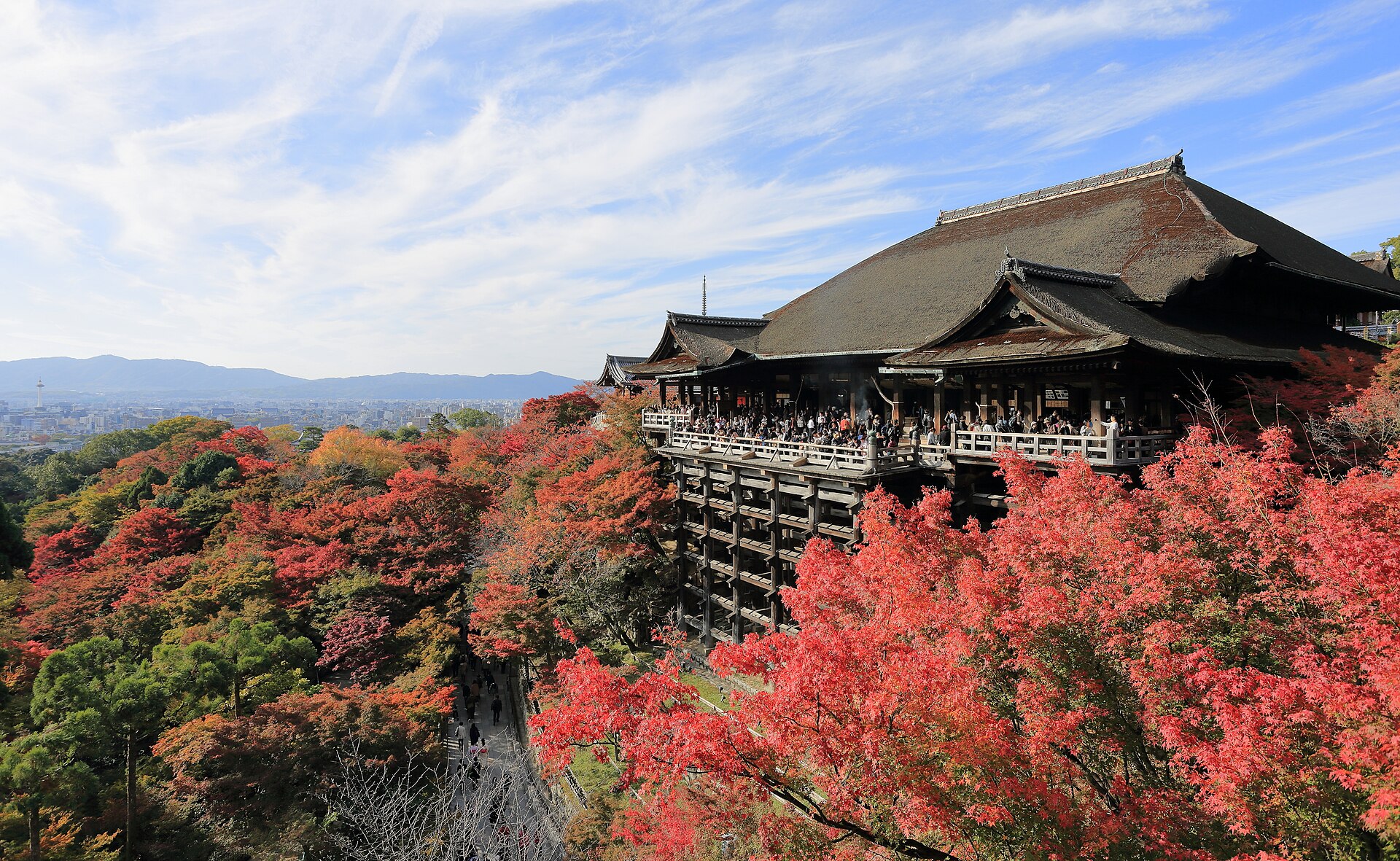
Photograph · Martin Falbisoner · CC BY-SA 4.0

Photograph · Martin Falbisoner · CC BY-SA 4.0
Ranked by importance — sitelinks, pageviews and heritage status, not editor preference.
72 places match
Category
Typical visit duration
Interests
貴船神社
Kifune Shrine is a Shinto shrine located in the mountainous northern outskirts of Kyoto, Japan.
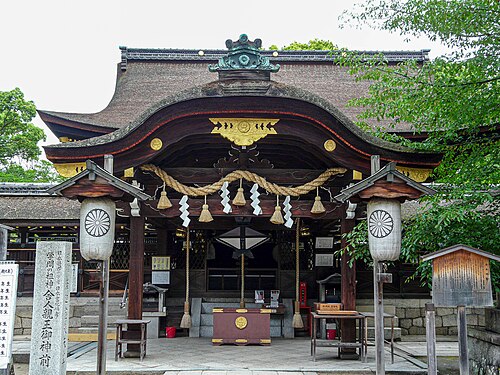
藤森神社
Fujinomori Shrine is a Shinto shrine in Kyoto and a place where religious practice, traditional architecture and local cultural life meet. Visitors encounter an active sacred setting rather than a purely historical monument.
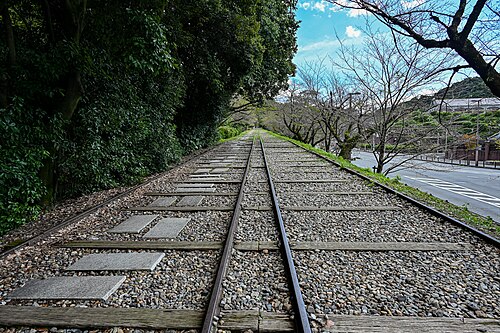
蹴上インクライン
Keage Incline is a preserved railway incline in Kyoto’s Higashiyama area. It formed part of the Lake Biwa Canal system, where a funicular railway moved boats between different water levels.
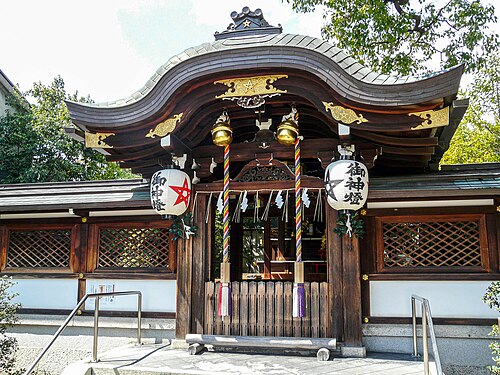
晴明神社
Seimei Shrine is a Shinto shrine in Kyoto dedicated to Abe no Seimei, the Heian-period onmyoji associated with traditional Japanese esoteric cosmology.
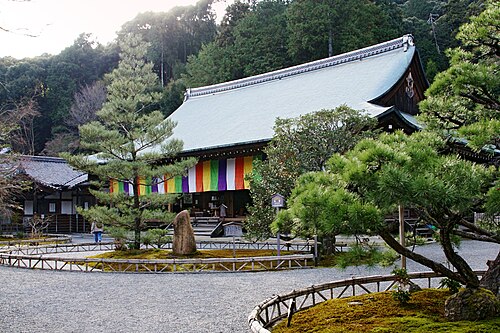
二尊院
Nison-in is a Buddhist temple situated in the Arashiyama district of western Kyoto, Japan. The temple belongs to the Obaku school of Zen Buddhism and holds historical significance dating back centuries.
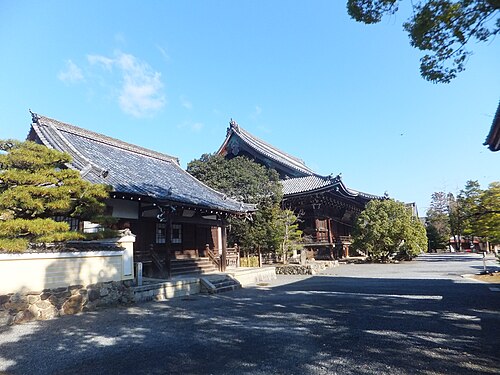
清凉寺
Seiryo-ji is a Buddhist temple in Arashiyama, western Kyoto, and a useful stop for travellers exploring the district beyond its best-known paths.
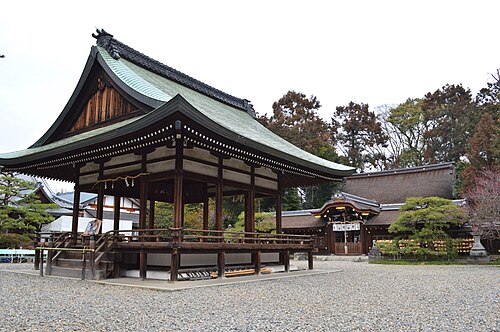
梅宮大社
Umenomiya Taisha is a Shinto shrine in Kyoto and part of the city’s extensive religious heritage. It is a place of worship as well as a destination for visitors interested in Japanese shrine architecture and customs.
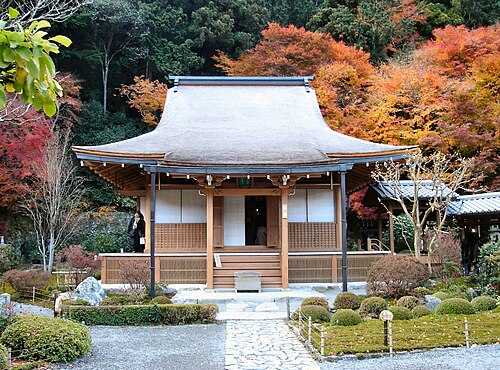
寂光院
Jakko-in is a Buddhist temple in Kyoto, Japan, and a quiet religious destination within the city’s wider landscape of historic temples.
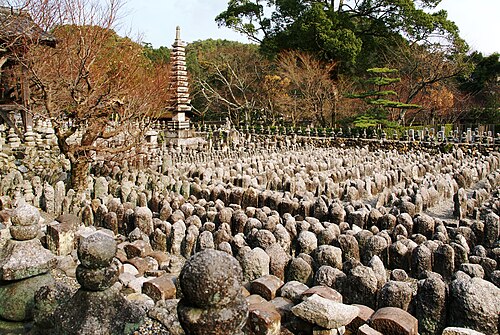
化野念仏寺
Adashino Nenbutsu-ji is a Buddhist temple in Kyoto’s western Saga-Arashiyama area, known for its memorial field of stone figures.
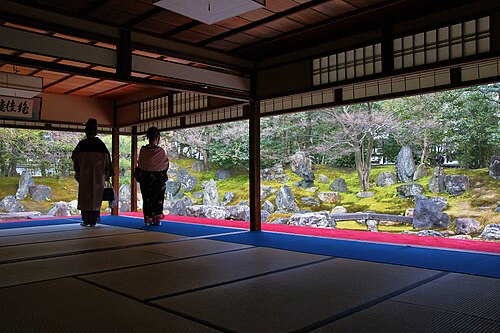
圓徳院
Entoku-in is a Rinzai Zen sub-temple within the wider Kodai-ji complex in Kyoto’s Higashiyama district.
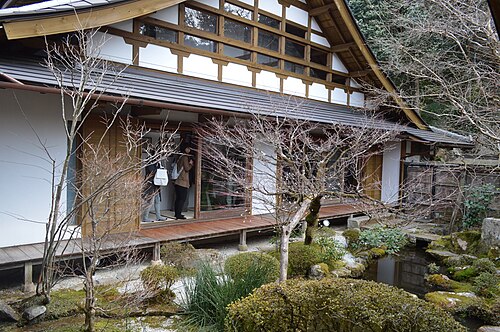
宝泉院
Hosen-in is a Buddhist temple in Ohara, a rural valley northeast of central Kyoto. The temple belongs to the Rinzai tradition of Zen Buddhism and is known for a garden centred on a prominent pine tree.
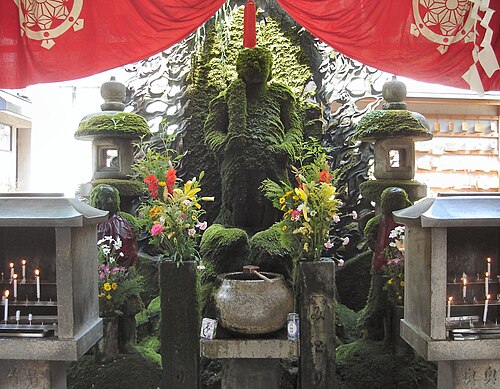
法善寺
Hozenji Temple is a compact Buddhist temple located in Osaka's Namba district, immediately adjacent to the famous Dotonbori entertainment area. The temple is best known for its moss-covered statue of Fudō Myōō, a wrathful deity in Japanese Buddhism.
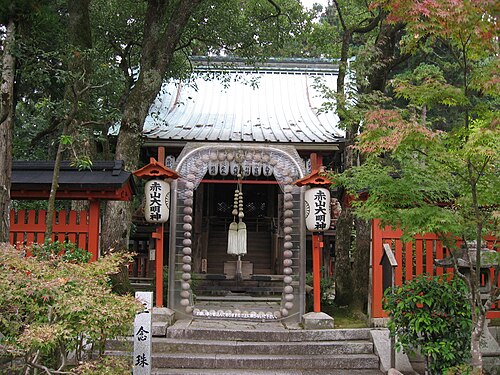
赤山禅院
Sekizan Zen-in is a Buddhist temple in Kyoto and a place to include when your itinerary calls for religious heritage away from the city’s most familiar landmark circuit.
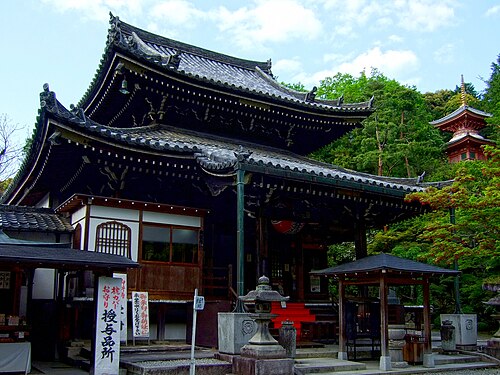
今熊野観音寺
Imakumano Kannon-ji is an active Shingon Buddhist temple in Kyoto, dedicated to Kannon, the bodhisattva associated with compassion.
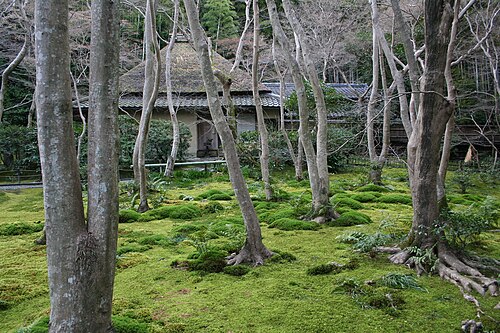
祇王寺
Gio-ji is a Buddhist temple in Kyoto’s Arashiyama district, associated with the Shingon school of Buddhism. Its character comes from scale and setting: the grounds sit within a quiet wooded landscape, away from the busiest paths of western Kyoto.
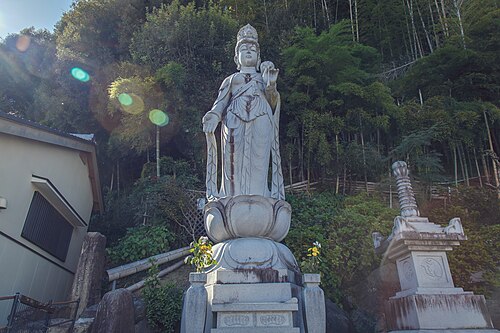
鈴虫寺
Suzumushi-dera is a Buddhist temple in Kyoto, Japan. Its name translates to Bell Cricket Temple, derived from the insects kept on the grounds. The temple belongs to the Rinzai school of Zen Buddhism.
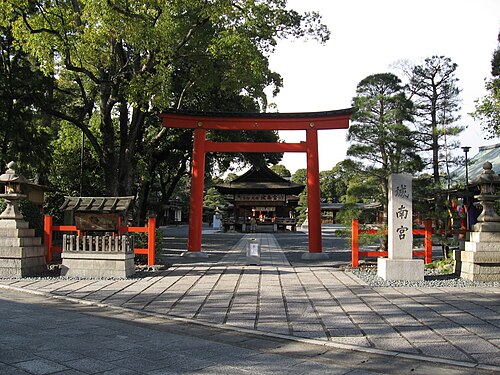
城南宮
Jonangu Shrine is a Shinto shrine located in southern Kyoto, Japan. It is dedicated to the deified Emperor Nintoku and holds historical significance as a site associated with the protection of the capital.
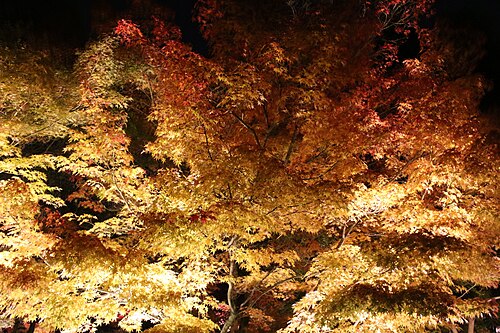
永觀堂
Eikan-do, formally called Zenrin-ji, is a historic Buddhist temple in Kyoto’s eastern Sakyo ward. It belongs to the Jodo sect and was founded in the ninth century.
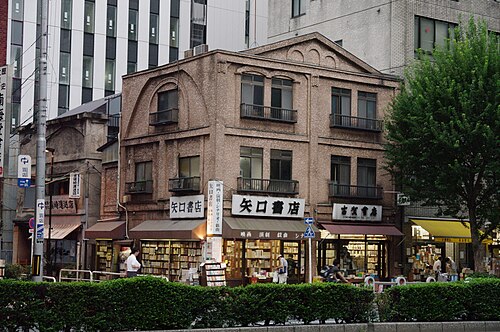
神田古書店街
Jimbocho Book Town, known locally as 神保町古書店街, is a historic district in central Tokyo renowned for its dense concentration of antiquarian bookstores. The area has served as Japan's preeminent center for used and rare books since the early twentieth century.

合羽橋
Kappabashi Kitchen Street, known locally as かっぱ橋道具街, is a specialized commercial district in Tokyo dedicated to restaurant supply and kitchenware. The street stretches approximately 800 meters and hosts numerous shops selling professional-grade cooking equipment, tableware, food replicas, and culinary tools.
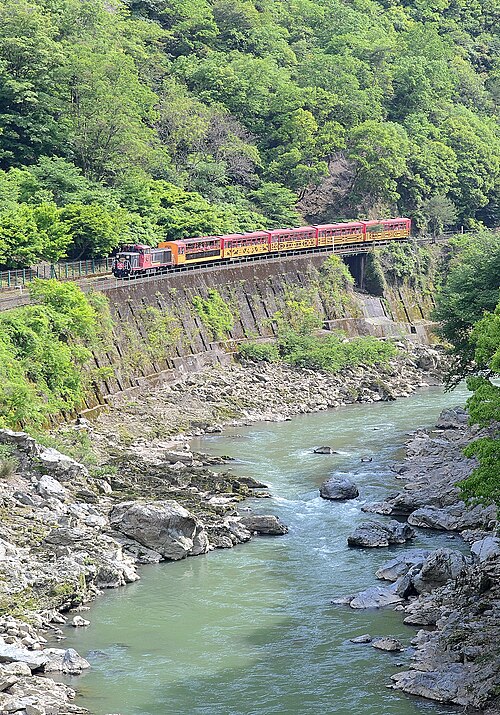
Sagano Romantic Train
The Sagano Scenic Railway is a tourist railway in Kyoto's Arashiyama district. It operates along a former freight line that runs parallel to the Hozu River gorge.

Tokyo Character Street is a commercial attraction located in Tokyo Station's Ichibangai shopping area beneath Marunouchi. The destination features shops and displays centered on popular Japanese characters from animation, manga, and related media franchises.
Ten to fourteen days supports four or five days in Tokyo, three or four in Kyoto, and two or three in Osaka. Add Nara or Himeji only after those bases have enough time, and avoid turning every rail stop into a hotel change.
Japan's visa exemption or visa requirement depends on passport and travel purpose. Confirm the current rule through Japan's Ministry of Foreign Affairs or the embassy responsible for the traveller's residence.
The Tokaido Shinkansen links Tokyo, Kyoto, and Osaka, while local rail and buses cover city travel. An IC card simplifies many local journeys but does not replace every reserved long-distance ticket, and luggage forwarding can reduce friction between bases.
March to May and October to November are broad options for the main-island route, with blossom and autumn periods creating concentrated demand. Confirm regional weather and reservations for the exact cities rather than assuming one national season behaves uniformly.
Japan uses the yen (JPY). Electronic payment is common but not universal, so carry some yen for smaller businesses, ticket machines, or rural transport without assuming that one stored-value card works for every purchase.
Japan's emergency numbers are 110 for police and 119 for fire or ambulance. Type A sockets operate at 100 V, which is lower than in the other wave-A countries, and mains tap water is recorded as safe.