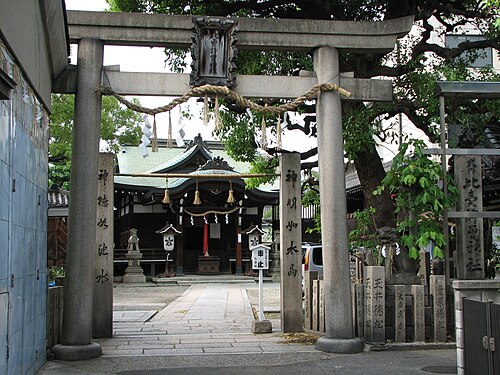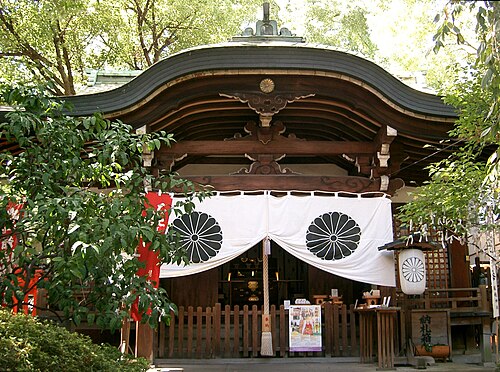
A photograph of Japan

Country guide

Up to 1 hour in Japan — page 7

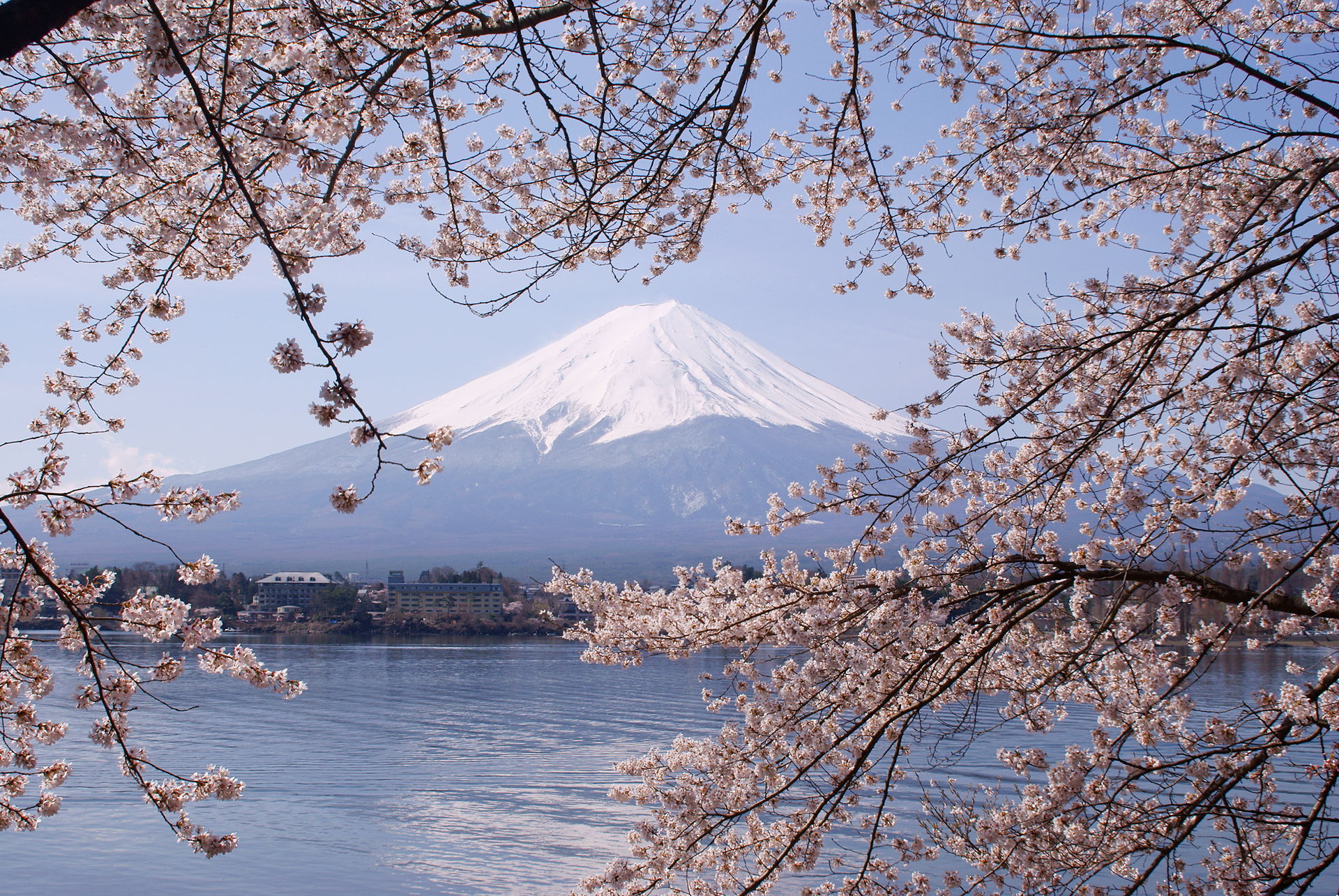
Around three quarters of Japan is mountain and forest, which pushes almost everyone onto the eastern coastal plains and makes the country far narrower in practi...

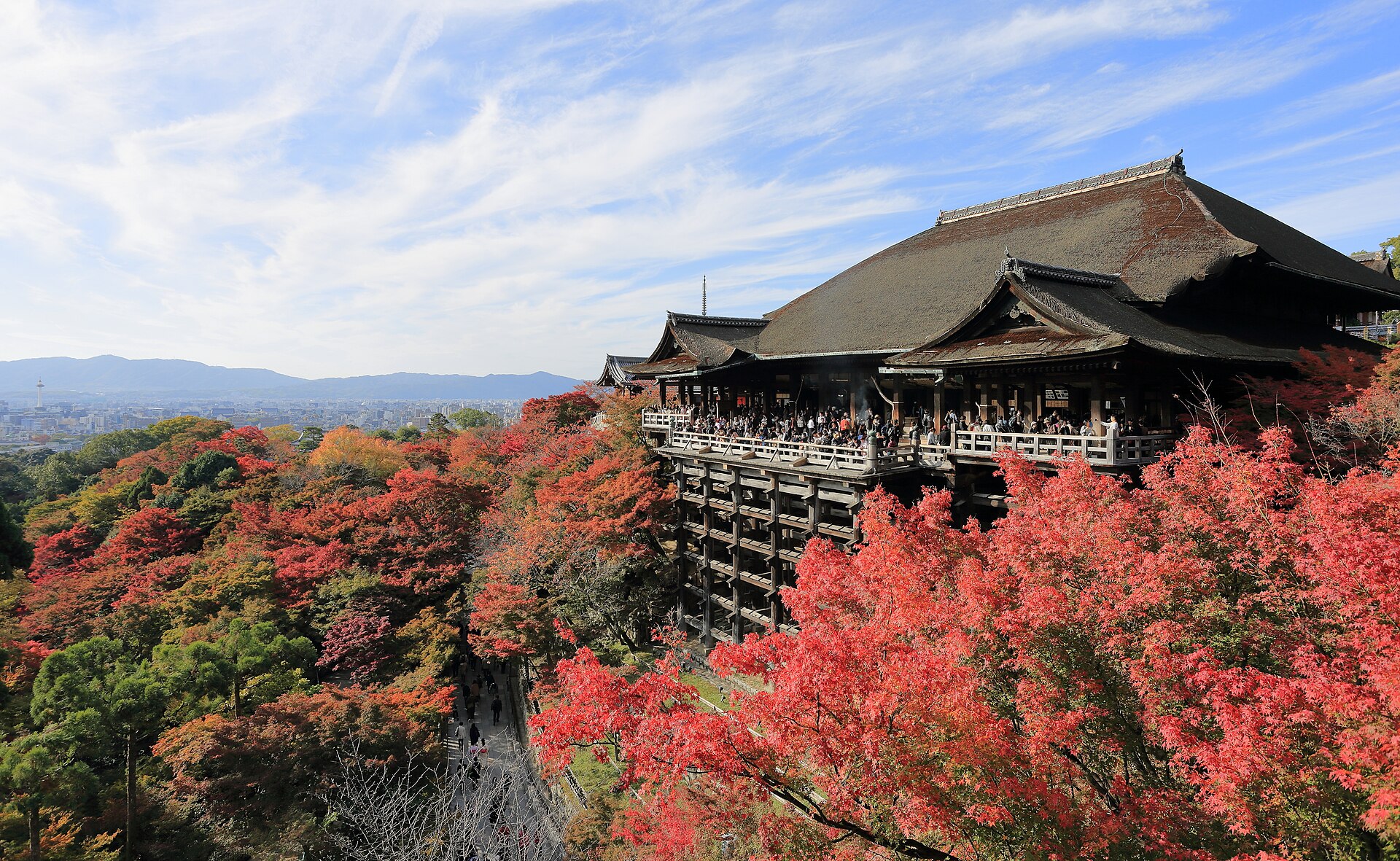
Photograph · Midori · CC BY 3.0

47,395 Places
3Cities

Reviewed by Elena Voss · Roavina Travel Editor

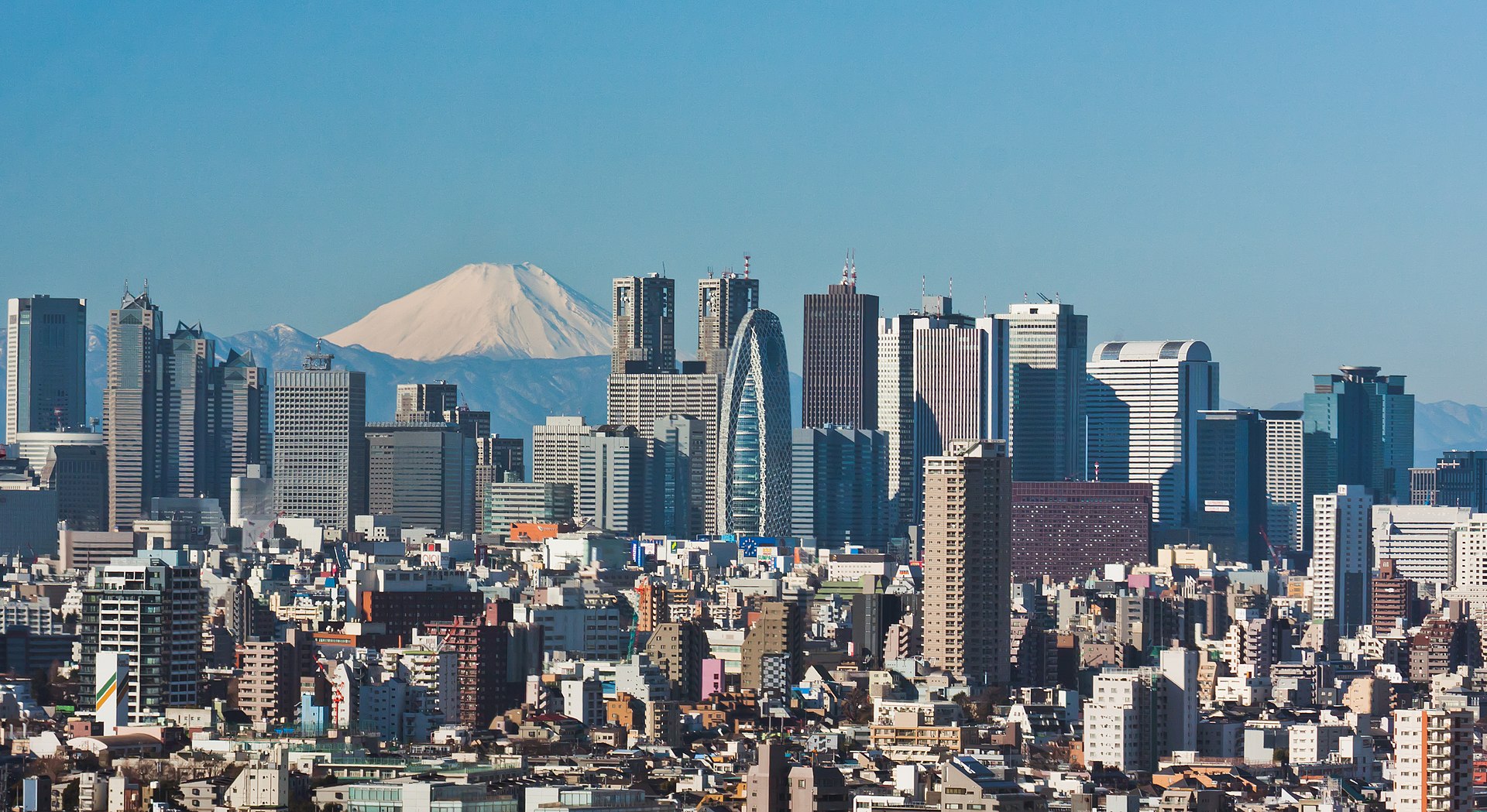
Around three quarters of Japan is mountain and forest, which pushes almost everyone onto the eastern coastal plains and makes the country far narrower in practice than 377,975 km2 suggests. Forty-seven prefectures, eight traditional regions and more than 14,000 smaller islands, and yet a first visit usually runs along a single rail corridor with Tokyo at one end and Kyoto and Osaka at the other. Tokyo is the capital and largest city of a country of almost 123 million people. Hokkaido in the north and Okinawa in the south are different climates rather than day trips, and both need their own week.

Checked 2026-08-25

Cities

Every city catalogued in this country so far, ranked by how much there is to see.

Practical information

Language spoken
Japanese
National practical orientation; regional and minority languages may also be used
Dialling code
+81
International calling code; local area and mobile prefixes still apply
Currency
Japanese yen (JPY)
Use the official local currency; card acceptance varies by place
Emergency number
110 police · 119 fire and ambulance
Use only for an emergency; tourist assistance may use a separate number
Plug type
Type A · 100 V
Check that chargers support the recorded voltage before using an adapter
Tap water
Safe from the mains
JNTO states that tap water is safe to drink

Top things to see

Ranked by importance — sitelinks, pageviews and heritage status, not editor preference.

  1. Giō-ji Giō-ji
    132 30 min

    Giō-ji

    祇王寺

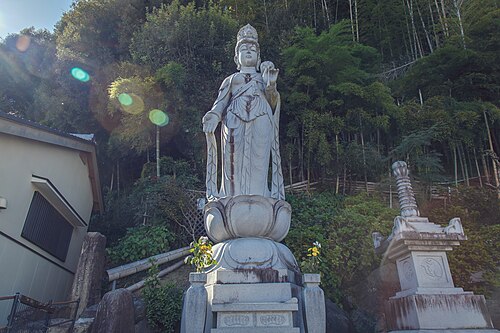
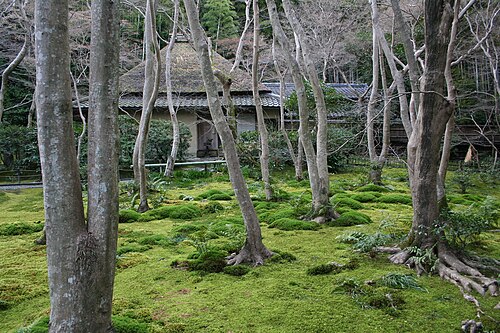
    Gio-ji is a Buddhist temple in Kyoto’s Arashiyama district, associated with the Shingon school of Buddhism. Its character comes from scale and setting: the grounds sit within a quiet wooded landscape, away from the busiest paths of western Kyoto.

    • Notable
    • Place of worship
    • Kyoto
  2. Kegon-ji Temple Kegon-ji Temple
    133 30 min

    Kegon-ji Temple

    鈴虫寺

    Suzumushi-dera is a Buddhist temple in Kyoto, Japan. Its name translates to Bell Cricket Temple, derived from the insects kept on the grounds. The temple belongs to the Rinzai school of Zen Buddhism.

    • Notable
    • Place of worship
    • Kyoto
  3. Nishiki Market Nishiki Market
    134 1 hour

    Nishiki Market

    錦市場

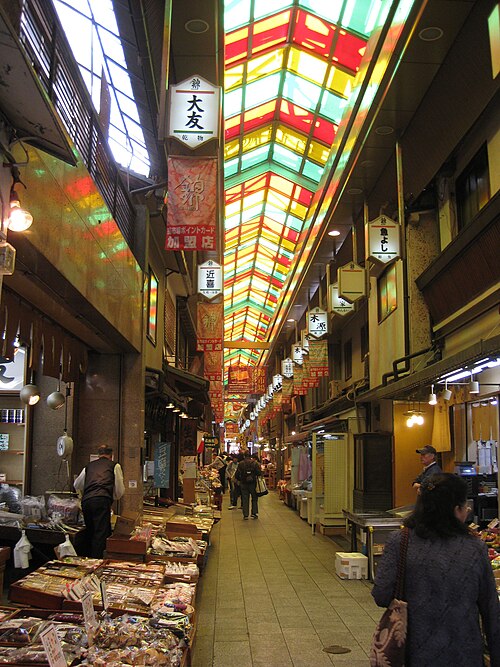
    Nishiki Market is a covered shopping street, not a building and not an attraction with a gate.

    • Notable
    • Market
    • Kyoto
  4. Abe Ōji Shrine Abe Ōji Shrine
    135 30 min

    Abe Ōji Shrine

    安倍晴明神社

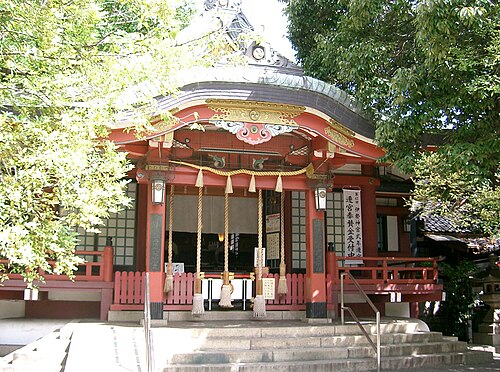
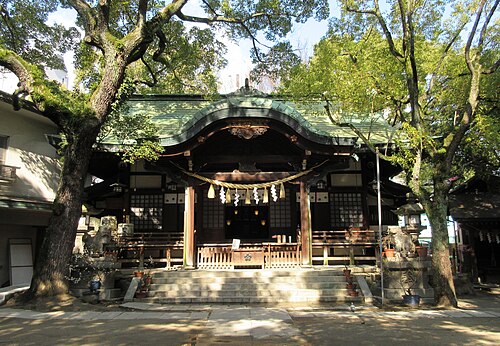
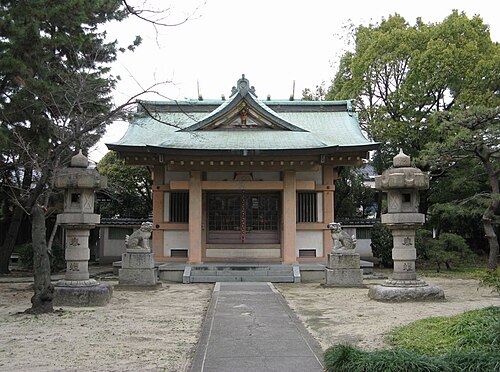
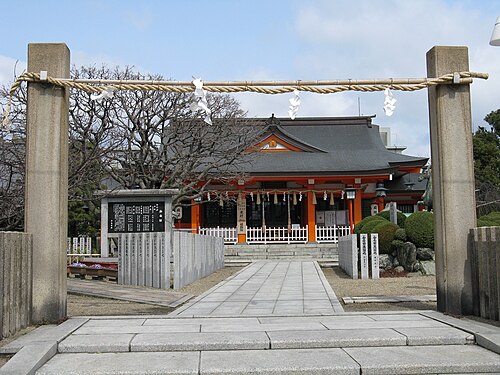
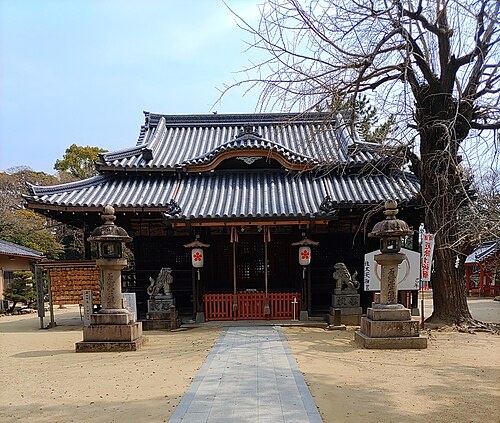
    Abe Ōji Shrine is a Shinto shrine in Osaka associated with Abe no Seimei, the celebrated Heian-period onmyōji. The shrine offers a place to encounter living Japanese religious practice rather than a secular monument.

    • Notable
    • Place of worship
    • Osaka
  5. Ama Kosaiji Temple Sanmon Ama Kosaiji Temple Sanmon
    136 30 min

    Ama Kosaiji Temple Sanmon

    廣済寺

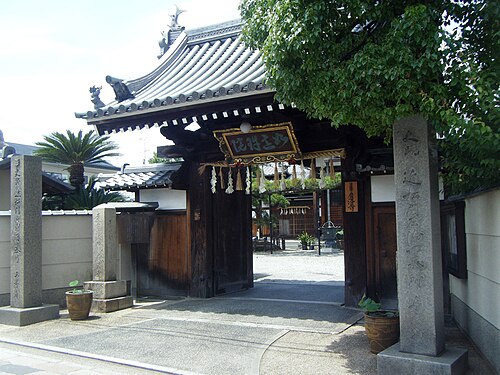
    Ama Kosaiji Temple Sanmon, associated with 廣済寺, is a sanmon, or mountain gate, in Osaka’s Buddhist architectural landscape.

    • Notable
    • Place of worship
    • Osaka
  6. Fukushima Tenmangū Fukushima Tenmangū
    137 30 min

    Fukushima Tenmangū

    福島天満宮

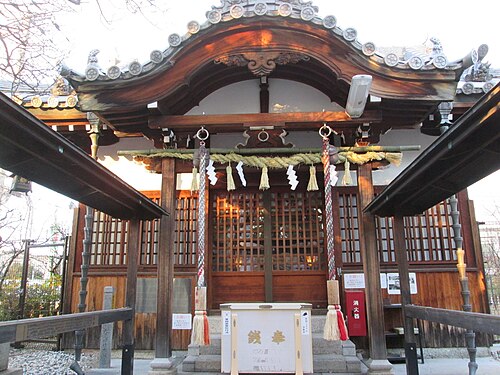
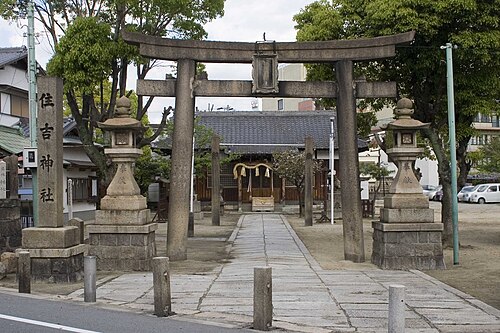
    Fukushima Tenmangū is a Shinto shrine in Osaka’s Fukushima Ward, dedicated to Tenjin, the deified scholar Sugawara no Michizane.

    • Notable
    • Place of worship
    • Osaka
  7. Gantoku-ji Temple Gantoku-ji Temple
    138 30 min

    Gantoku-ji Temple

    願得寺

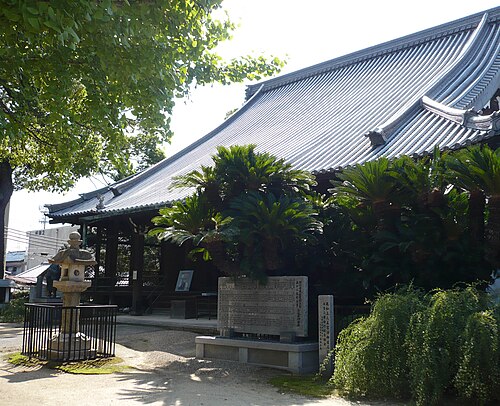
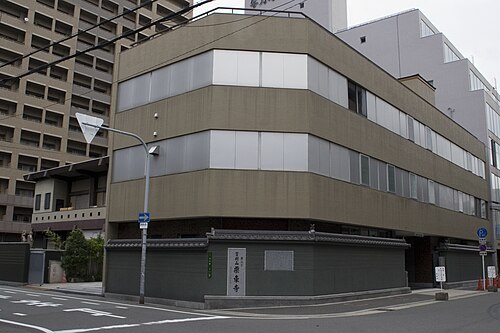
    Gantoku-ji Temple, known locally as 願得寺, is a Buddhist religious site in Osaka. It forms part of the city's quieter spiritual landscape, where neighborhood temples continue to serve local communities amid dense metropolitan surroundings.

    • Notable
    • Place of worship
    • Osaka
  8. Gensyō-ji Temple Gensyō-ji Temple
    139 30 min

    Gensyō-ji Temple

    源聖寺

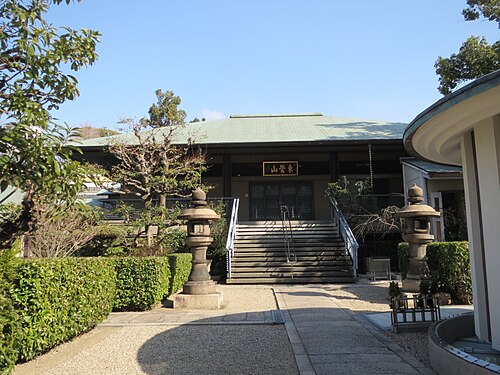
    Gensyō-ji Temple is a Buddhist temple in Osaka, known locally as 源聖寺. The temple forms part of Osaka’s religious and cultural landscape and gives visitors a chance to encounter Buddhist practice within a major Japanese city.

    • Notable
    • Place of worship
    • Osaka
  9. Hanaai High School
    140 30 min

    Hanaai High School

    大阪府立汎愛高等学校

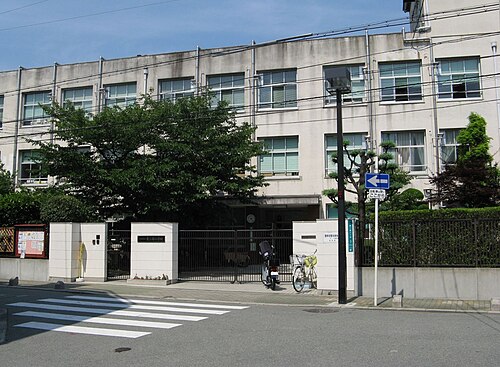
    Hanaai High School, also known locally as Osaka Prefectural Hanaai Senior High School, is an active public educational institution in Osaka. It is best understood as a neighborhood school rather than a conventional sightseeing attraction.

    • Notable
    • Place of worship
    • Osaka
  10. Higashimikuni Elementary School Higashimikuni Elementary School
    141 30 min

    Higashimikuni Elementary School

    大阪市立東三国小学校

    Higashimikuni Elementary School, known locally as 大阪市立東三国小学校, is a municipal elementary school in Osaka’s Yodogawa Ward. It is a working neighbourhood school serving local children, teachers and families.

    • Notable
    • Place of worship
    • Osaka
  11. Himekoso Shrine Himekoso Shrine
    142 30 min

    Himekoso Shrine

    比売許曽神社

    Himekoso Shrine, also known as 比売許曽神社, is a Shinto shrine in Osaka. The shrine is a place of worship and community life, giving travellers a chance to encounter a quieter religious setting within the city.

    • Notable
    • Place of worship
    • Osaka
  12. Horikoshi Shrine Horikoshi Shrine
    143 30 min

    Horikoshi Shrine

    堀越神社

    Horikoshi Shrine, written 堀越神社 in Japanese, is a Shinto place of worship in Osaka’s dense urban landscape.

    • Notable
    • Place of worship
    • Osaka
  13. Ikota Shrine Ikota Shrine
    144 30 min

    Ikota Shrine

    伊居太神社

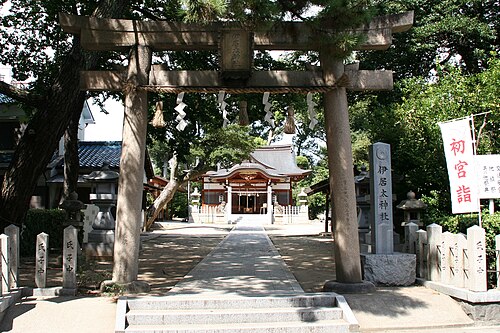
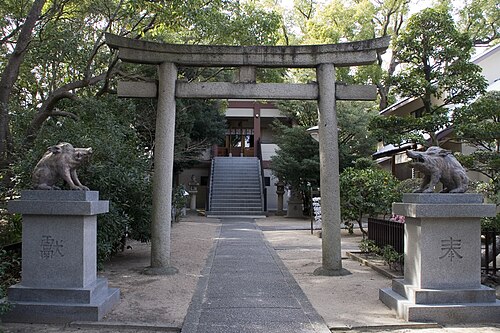
    Ikota Shrine, known locally as 伊居太神社, is a Shinto place of worship within Osaka’s urban fabric. Its character comes from being a functioning neighbourhood shrine, where the approach, sacred threshold, trees, worship area and surrounding residential setting shape the visit.

    • Notable
    • Place of worship
    • Osaka
  14. Jōnan-gū Jōnan-gū
    145 30 min

    Jōnan-gū

    城南宮

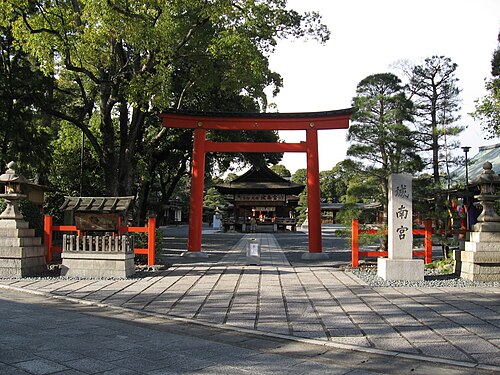
    Jonangu Shrine is a Shinto shrine located in southern Kyoto, Japan. It is dedicated to the deified Emperor Nintoku and holds historical significance as a site associated with the protection of the capital.

    • Notable
    • Place of worship
    • Kyoto
  15. Kiyomizu-dera Temple Kiyomizu-dera Temple
    146 30 min

    Kiyomizu-dera Temple

    清水寺

    Kiyomizu-dera Temple is a Buddhist temple in Osaka, known locally as 清水寺. This Osaka temple is distinct from the better-known Kiyomizu-dera in Kyoto, despite sharing the same name.

    • Notable
    • Place of worship
    • Osaka
  16. Kotoura Shrine Kotoura Shrine
    147 30 min

    Kotoura Shrine

    琴浦神社

    Kotoura Shrine, known locally as 琴浦神社, is a Shinto shrine in Osaka. The shrine is a place of worship and provides a direct encounter with the religious traditions that remain part of everyday Japanese urban life.

    • Notable
    • Place of worship
    • Osaka
  17. Kyōon-ji Temple Kyōon-ji Temple
    148 30 min

    Kyōon-ji Temple

    教恩寺

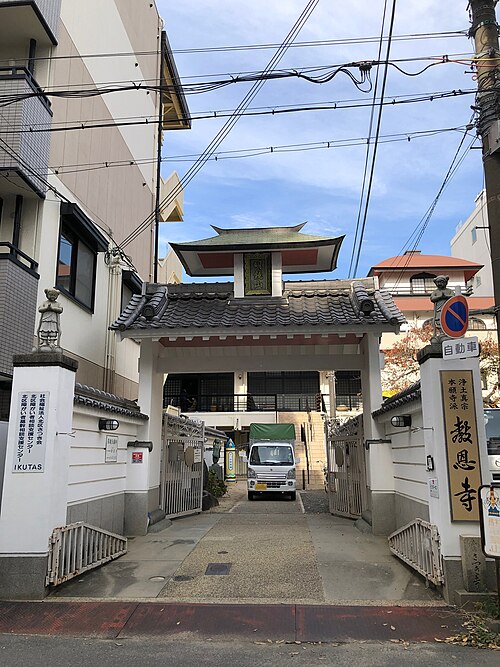
    Kyōon-ji Temple, known locally as 教恩寺, is a Buddhist temple in Osaka. The temple belongs to the city’s living religious landscape, where places of worship continue to sit among ordinary streets and neighborhoods.

    • Notable
    • Place of worship
    • Osaka
  18. Kyōzen-ji Temple Kyōzen-ji Temple
    149 30 min

    Kyōzen-ji Temple

    京善寺

    Kyōzen-ji Temple, written locally as 京善寺, is a Buddhist temple in Osaka. It forms part of the city’s religious and cultural landscape, where places of worship stand alongside dense modern development.

    • Notable
    • Place of worship
    • Osaka
  19. Nagasu Tenmangu Nagasu Tenmangu
    150 30 min

    Nagasu Tenmangu

    長洲天満宮

    Nagasu Tenmangu, written 長洲天満宮, is a Shinto shrine in Osaka devoted to Tenjin. Tenjin is the deified scholar Sugawara no Michizane, widely associated with learning and academic success.

    • Notable
    • Place of worship
    • Osaka
  20. Nakajima-so Shrine Nakajima-so Shrine
    151 30 min

    Nakajima-so Shrine

    中島惣社

    Nakajima-so Shrine, known locally as 中島惣社, is a Shinto place of worship in Osaka. The shrine is identified on OpenStreetMap as way/273392714, giving visitors a precise identity for distinguishing it from other religious sites in the city.

    • Notable
    • Place of worship
    • Osaka
  21. Okata Shrine Okata Shrine
    152 30 min

    Okata Shrine

    岡太神社

    Okata Shrine is a Shinto shrine in Osaka, known locally as 岡太神社. The shrine is a place of worship embedded in the city, offering travelers a direct encounter with traditional Japanese religious space amid ordinary urban streets.

    • Notable
    • Place of worship
    • Osaka
  22. Oomiya (Higashiyodogawa-ku) Oomiya (Higashiyodogawa-ku)
    153 30 min

    Oomiya (Higashiyodogawa-ku)

    大宮

    Oomiya is a residential and commercial neighborhood in Higashiyodogawa-ku, Osaka. It offers a view of everyday city life rather than a concentrated landmark district.

    • Notable
    • Place of worship
    • Osaka
  23. Ritо̄-ji Temple Ritо̄-ji Temple
    154 30 min

    Ritо̄-ji Temple

    栗東寺

    Ritō-ji Temple, written 栗東寺 in Japanese, is a Buddhist temple in Osaka. It belongs to the city’s religious and cultural landscape and gives travelers a chance to encounter a sacred place beyond Osaka’s busiest commercial attractions.

    • Notable
    • Place of worship
    • Osaka
  24. Sata-tenjingu Sata-tenjingu
    155 30 min

    Sata-tenjingu

    佐太天神宮

    Sata-tenjingu, written as 佐太天神宮, is a Shinto shrine in Osaka. The name identifies it as a Tenjin shrine, a tradition connected with the worship of Sugawara no Michizane, the scholar who became a revered kami.

    • Notable
    • Place of worship
    • Osaka
  25. Shinkan-ji Temple Shinkan-ji Temple
    156 30 min

    Shinkan-ji Temple

    眞観寺

    Shinkan-ji Temple, also identified locally as 眞観寺, is a named Buddhist temple in Osaka. Its precise identity matters because Osaka contains many religious sites with similar names, while this place is tied to one specific OpenStreetMap location.

    • Notable
    • Place of worship
    • Osaka

Source: OpenStreetMap contributors, Wikidata ·

Common questions

How long should a first trip to Japan be?

Ten to fourteen days supports four or five days in Tokyo, three or four in Kyoto, and two or three in Osaka. Add Nara or Himeji only after those bases have enough time, and avoid turning every rail stop into a hotel change.

What entry documents are needed for Japan?

Japan's visa exemption or visa requirement depends on passport and travel purpose. Confirm the current rule through Japan's Ministry of Foreign Affairs or the embassy responsible for the traveller's residence.

What is the best way to travel around Japan?

The Tokaido Shinkansen links Tokyo, Kyoto, and Osaka, while local rail and buses cover city travel. An IC card simplifies many local journeys but does not replace every reserved long-distance ticket, and luggage forwarding can reduce friction between bases.

When is a practical time to visit Japan?

March to May and October to November are broad options for the main-island route, with blossom and autumn periods creating concentrated demand. Confirm regional weather and reservations for the exact cities rather than assuming one national season behaves uniformly.

What money and payment basics apply in Japan?

Japan uses the yen (JPY). Electronic payment is common but not universal, so carry some yen for smaller businesses, ticket machines, or rural transport without assuming that one stored-value card works for every purchase.

What practical safety details should I save for Japan?

Japan's emergency numbers are 110 for police and 119 for fire or ambulance. Type A sockets operate at 100 V, which is lower than in the other wave-A countries, and mains tap water is recorded as safe.