

07
45 min
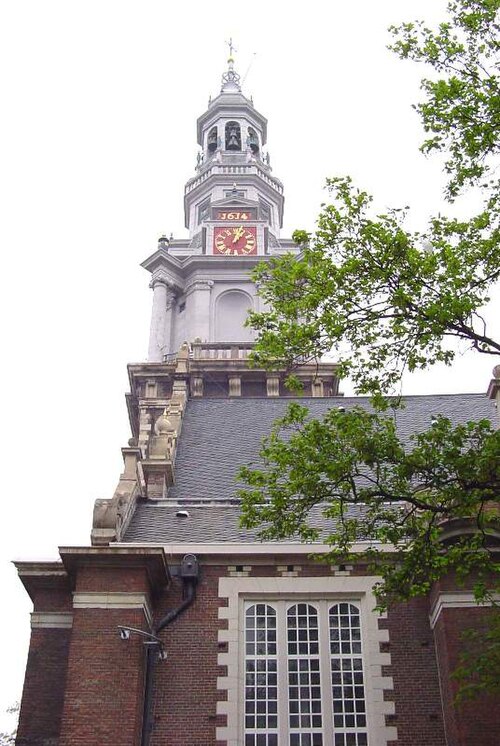
Zuiderkerk
The Zuiderkerk is a former Protestant church in Amsterdam, located in the Nieuwmarkt area near the historic city centre.
- Must see
- Historic monument
- Amsterdam
Country guide
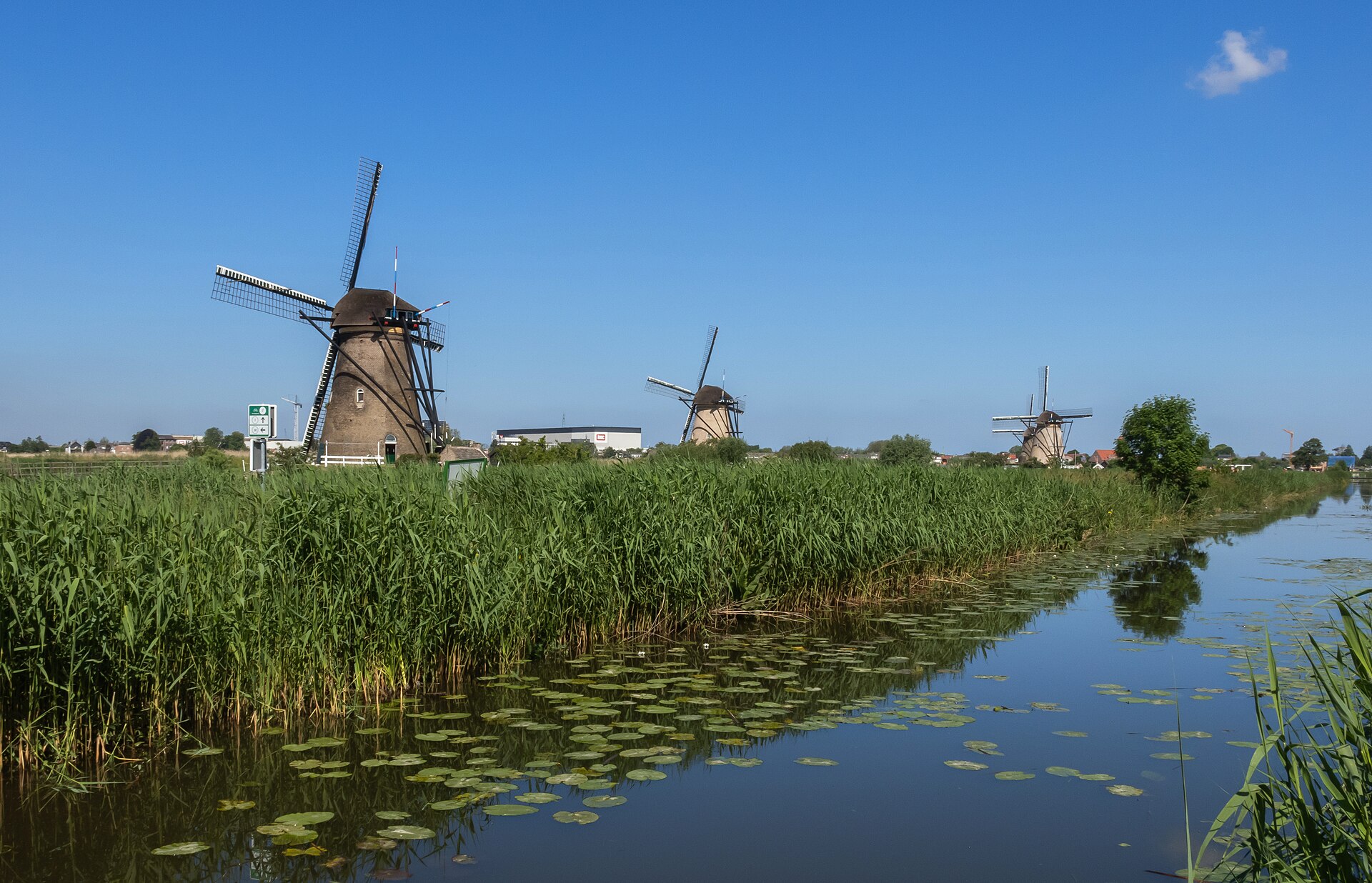
Twenty-six per cent of the Netherlands lies below sea level, and the polders holding that water back have been under construction since the fourteenth century....
Photograph · Michielverbeek · CC BY-SA 4.0
Reviewed by Elena Voss · Roavina Travel Editor
Twenty-six per cent of the Netherlands lies below sea level, and the polders holding that water back have been under construction since the fourteenth century. The 2026 census counted 18,130,208 people on 33,500 km2 of land, a density of 541 to the square kilometre, and that figure is what a visitor actually experiences: towns arriving one after another with worked farmland in between rather than open country. Twelve provinces sit in Europe. Three further special municipalities belong to the same country and are nowhere near it, out in the Caribbean.
Checked 2026-08-25
Every city catalogued in this country so far, ranked by how much there is to see.
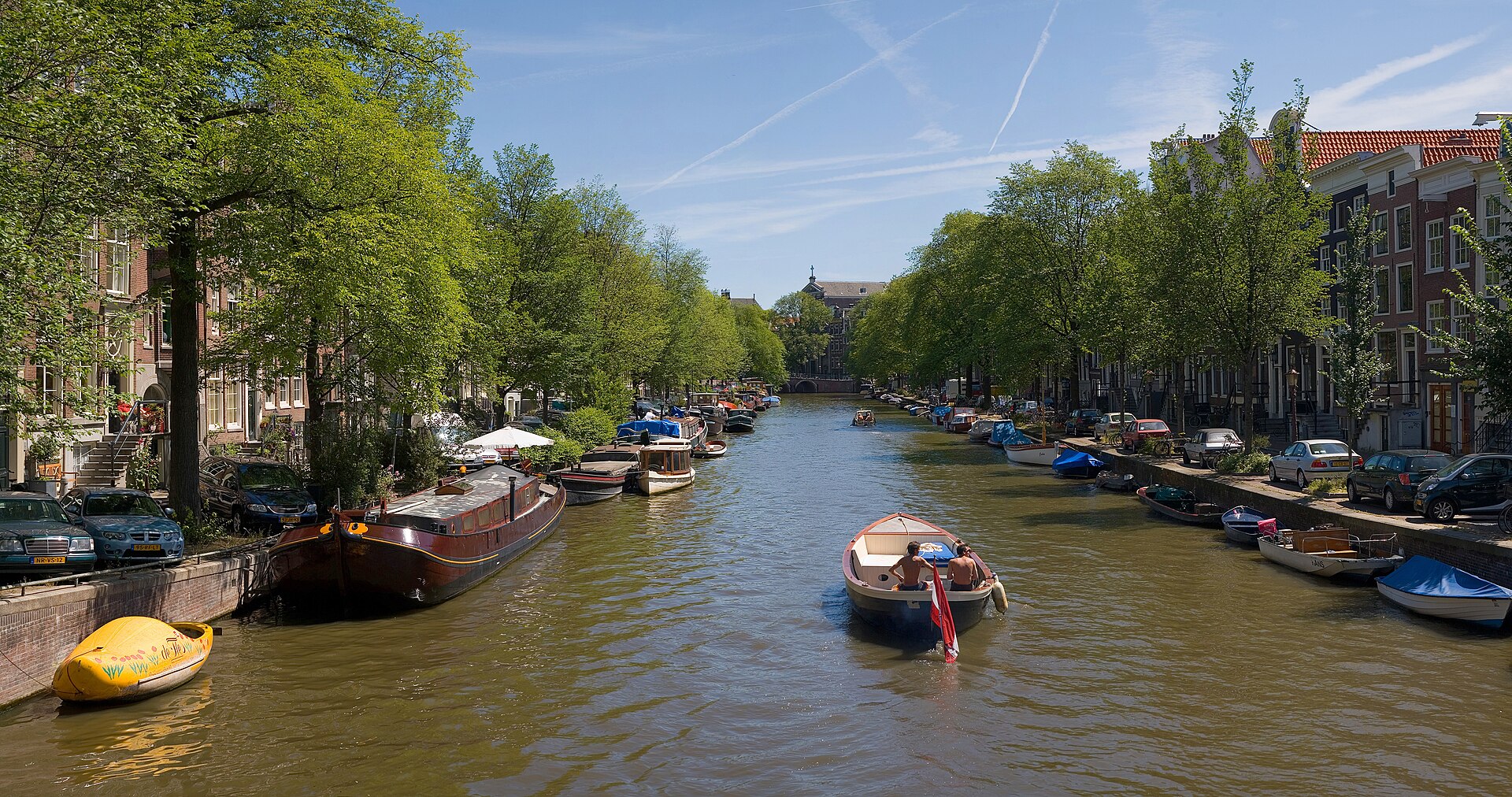
Photograph · Diliff · CC BY 2.5
Seasonal closures come from recorded opening hours.
Ranked by importance — sitelinks, pageviews and heritage status, not editor preference.
37 places match
Category
Typical visit duration
Interests
The Zuiderkerk is a former Protestant church in Amsterdam, located in the Nieuwmarkt area near the historic city centre.
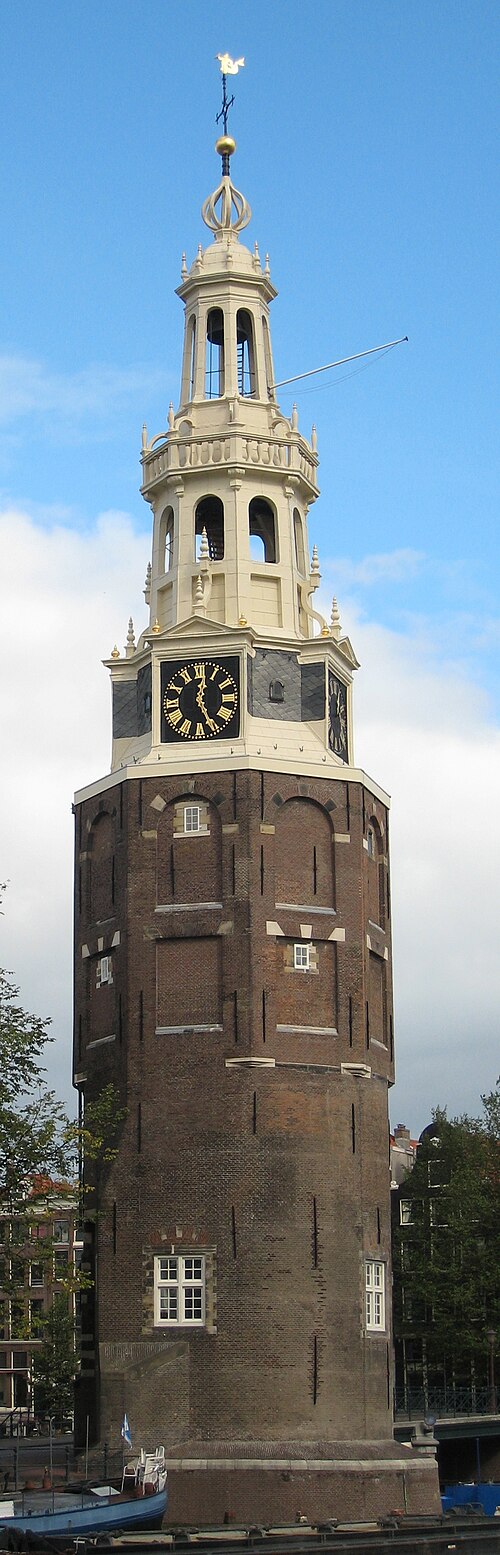
Montelbaanstoren is a surviving medieval tower on Oude Schans, beside the canal in Amsterdam’s historic centre. Built in 1516 as part of Amsterdam’s defensive fortifications, it preserves the outline of the city’s former fortified waterfront.
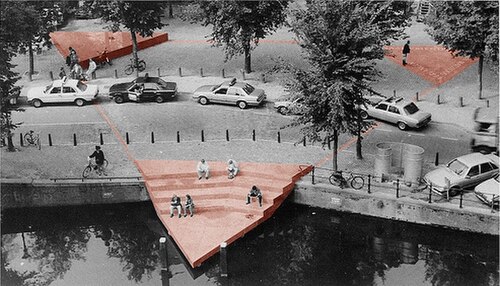
The Homomonument is an outdoor memorial on Amsterdam’s Keizersgracht, beside the Westerkerk. Karin Daan designed the three-part pink granite monument, unveiled in 1987, as a public place of remembrance for LGBTQ+ people persecuted because of their sexuality.

Oost-Indisch Huis is a historic Amsterdam building identified with the Dutch East India Company, or VOC. Unlike a private canal-side merchant house, it is remembered for institutional work: administration, meetings, records and decisions connected with a powerful trading organisation.
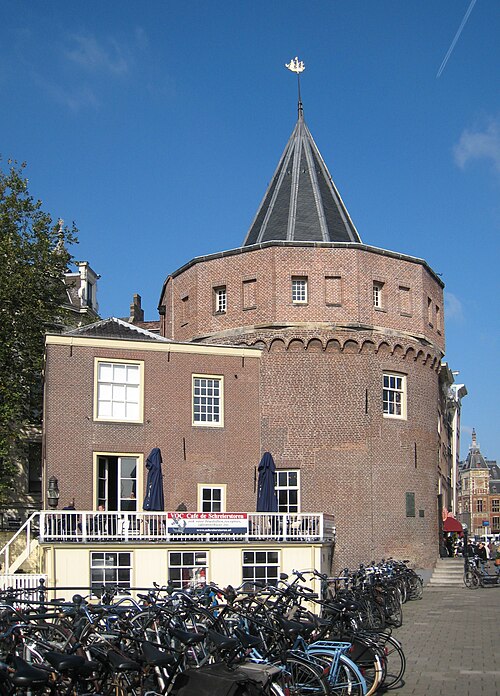
Schreierstoren is a late-medieval defensive tower beside Amsterdam’s old harbour, on Prins Hendrikkade close to the IJ waterfront.
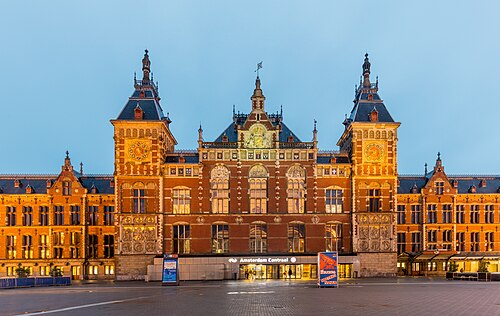
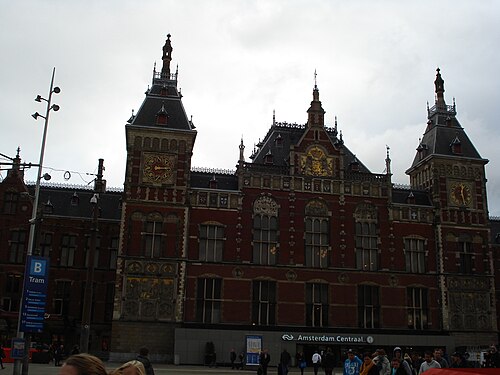
Centraal Station
Amsterdam Central station is the city’s principal railway gateway, set between Amsterdam’s historic centre and the IJ waterfront.
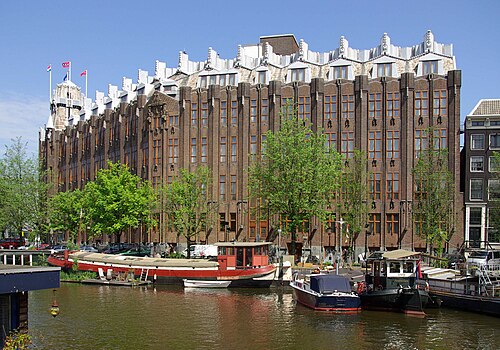
Scheepvaarthuis is an Amsterdam landmark whose identity is unusually clear: it was built between 1912 and 1916 as the headquarters of six shipping companies.
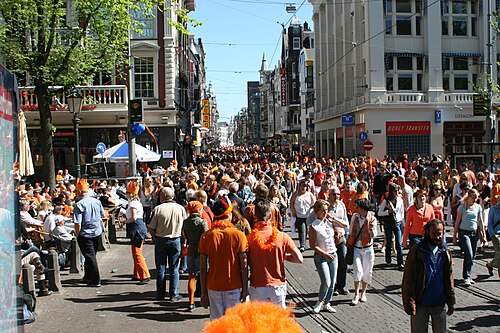
Leidseplein is a central Amsterdam square where theatre façades, cinemas, cafés, restaurants, bars and hotel entrances meet around an open paved space.
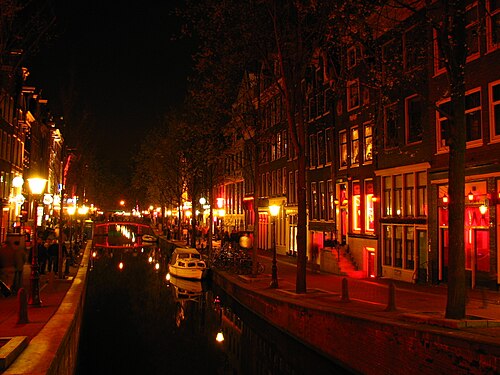
de Wallen
De Wallen is the oldest and most historic neighbourhood of Amsterdam, located in the medieval centre. It encompasses the city's original harbour and canal network, with buildings dating back centuries.
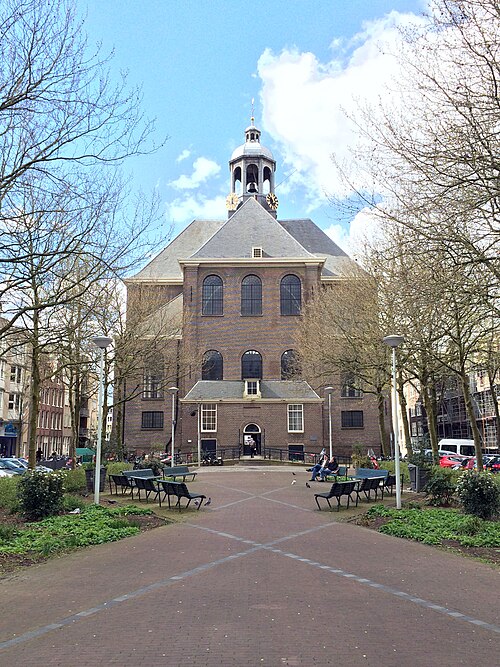
Oosterkerk, or East Church, is a historic church building in Amsterdam. Its name points to the eastern part of the city, while the building itself belongs to Amsterdam’s religious and architectural heritage.

Het Huis met den Hoofden
Huis met de Hoofden, also known as Het Huis met den Hoofden, is an Amsterdam canal house known for a row of carved stone heads on its facade.
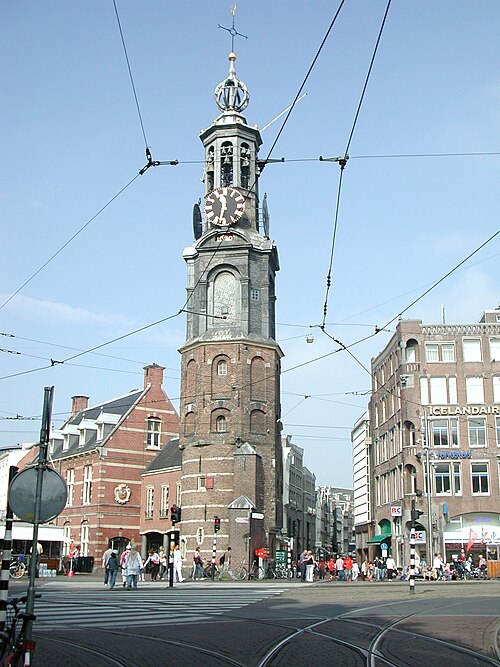
Munttoren is Amsterdam’s historic clock tower at Muntplein, where the Amstel meets the Singel canal.
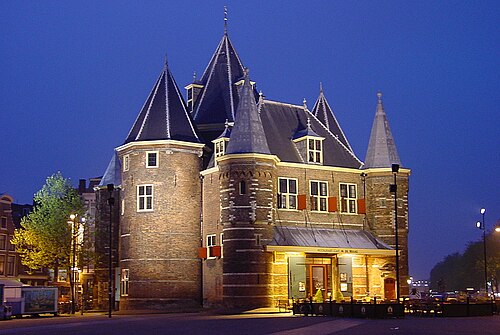
Waag is the historic landmark at the centre of Amsterdam’s Nieuwmarkt. It began as Sint Antoniespoort, a medieval city gate completed in 1488, and later became a weigh house for goods entering the city.
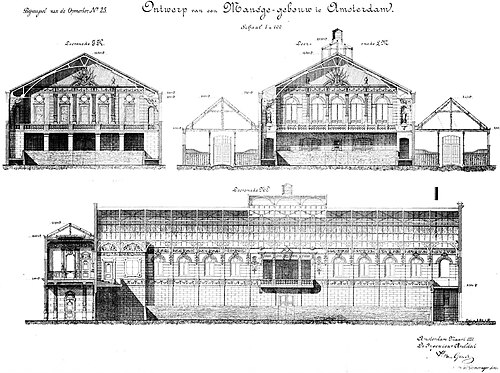
The Hollandsche Manege is a historic riding school in Amsterdam, Netherlands. Established in the nineteenth century, it represents one of the oldest indoor riding facilities in the country.
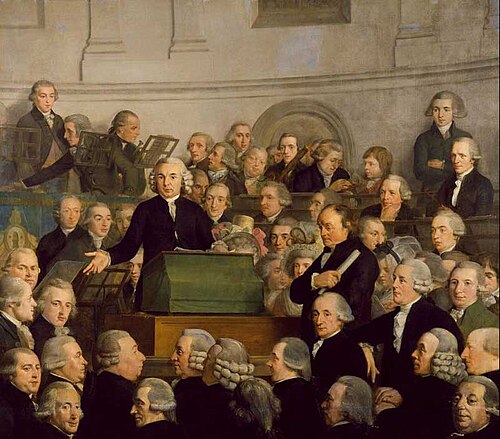
Felix Meritis is an Amsterdam cultural landmark remembered for bringing several fields of knowledge and creativity into one institution. Its Latin name means “Happiness through Merit,” a phrase that reflects the Enlightenment ideals associated with its founders.
The Amsterdam Dungeon
Amsterdam Dungeon is a theatrical attraction built around live actor performances, atmospheric sets, sound, lighting, and dark episodes from Dutch history.
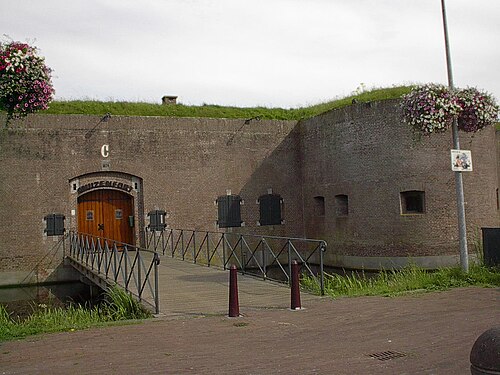
Muizenfort
Mouse Fort is the English name recorded for Muizenfort, a fortification associated with Amsterdam’s wider defensive landscape. Its interest lies in the relationship between military construction, controlled water and the low-lying terrain around the Dutch capital.
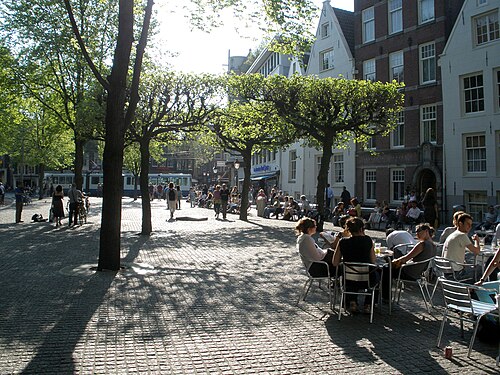
Spui is a central Amsterdam square beside the Singel canal, where a broad paved public space meets bookshops, cafés and the entrance to the Begijnhof.
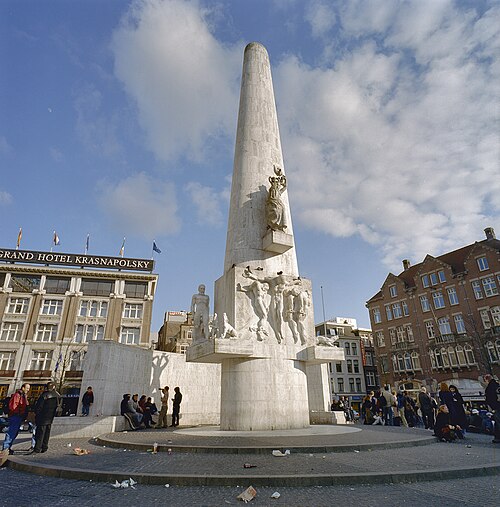
Nationaal Monument
The National Monument is a white stone memorial pillar located on Dam Square in central Amsterdam. Erected in 1956, it commemorates Dutch victims of World War II and subsequent conflicts.
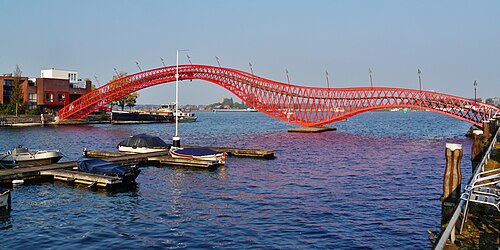
Pythonbrug
Python Bridge, known locally as Pythonbrug, is a pedestrian bridge in Amsterdam’s Eastern Docklands. The bridge is recognizable for its serpentine form, which gives the structure its English and Dutch names and distinguishes it from Amsterdam’s many straighter crossings.
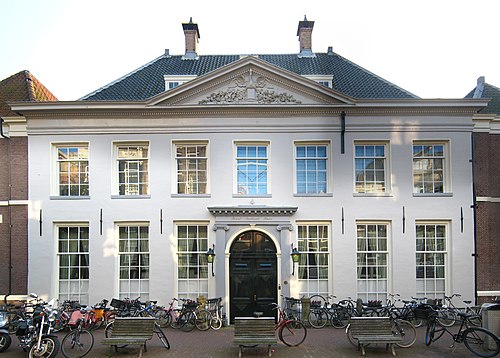
West Indisch Huis
West-Indisch Huis is a historic Amsterdam building associated with the Dutch West India Company, the seventeenth-century chartered company involved in Atlantic trade, colonial administration and commercial operations.
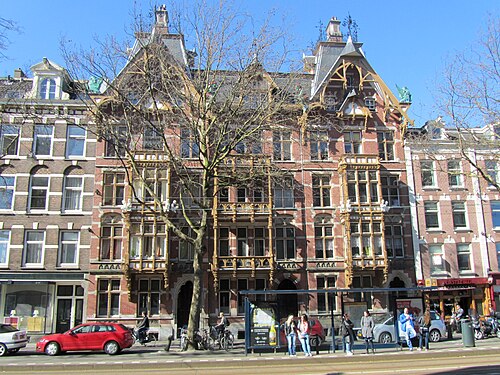
Huis met de Kabouters means House with the Gnomes. It is a distinctive Amsterdam building known for decorative gnome figures and an unusual facade.
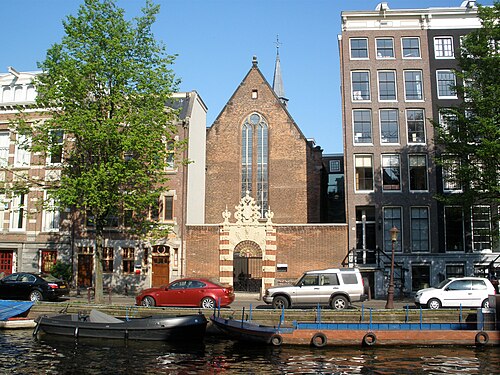
Agnietenkapel (UvA)
Agnietenkapel is a historic chapel in Amsterdam, associated with the University of Amsterdam (UvA). The name derives from the former convent of Saint Agnes. It serves as an academic ceremonial venue rather than a regular place of worship.
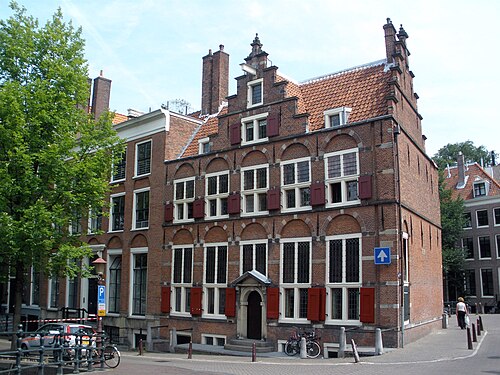
Huis aan 3 grachten
Huis aan de Drie Grachten is an Amsterdam canal house whose name means “House on the Three Canals.” The name points to the building’s defining setting: it stands where three canals meet, making its relationship with the water more important…
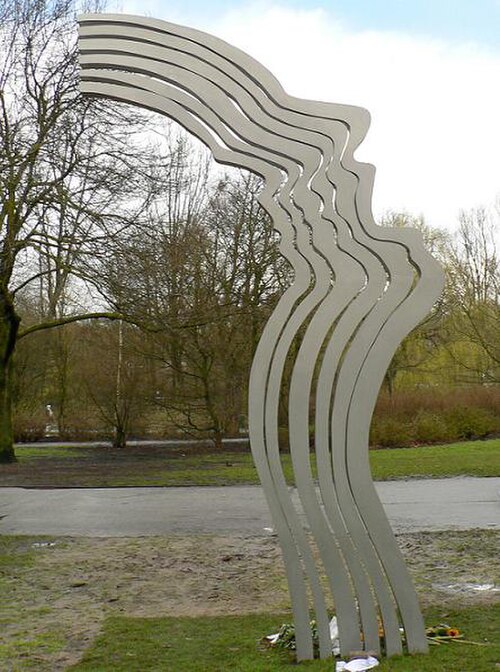
De Schreeuw is an outdoor memorial monument in Amsterdam, identified by its Dutch name, “The Scream.” It is a fixed public artwork in the city rather than a museum, gallery, or historic building with visitor rooms.
Six to nine days can use Amsterdam as one base while adding Utrecht, Haarlem, Rotterdam, or The Hague by train. Flower areas are seasonal and need confirmed opening dates, so they should not replace a permanent city day without checking the calendar.
The Netherlands is in the Schengen Area, and passport or visa requirements depend on nationality. Verify the applicable rule through the Dutch government's official entry service before travel.
Schiphol has a railway station beneath the airport, and the national network reaches roughly 400 stations. OVpay supports contactless check-in and check-out, but the same card or device must be used at both ends of a journey.
April to May suits spring flowers when opening dates align, while September is a broader city-trip option. Weather can change quickly, so protect outdoor cycling or garden plans with an indoor alternative.
The Netherlands uses the euro (EUR). Contactless payment is widespread, but keep a compatible backup because a card used to check into transport must also be available to check out.
Dial 112 for emergencies in the Netherlands. Type C and F sockets provide 230 V, and mains tap water is recorded as safe.