.jpg)
32
1 hour
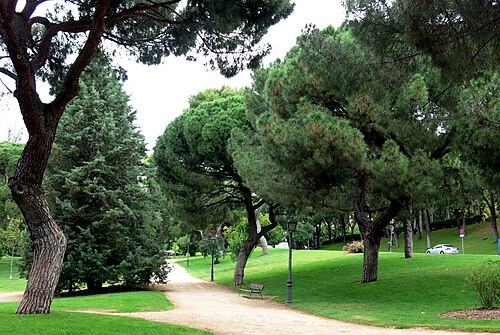
Parque del Oeste
Parque del Oeste is one of Madrid’s major western green spaces, offering a broad change of pace from the city’s museums, avenues, and busy central squares.
- Must see
- Nature site
City guide · Spain
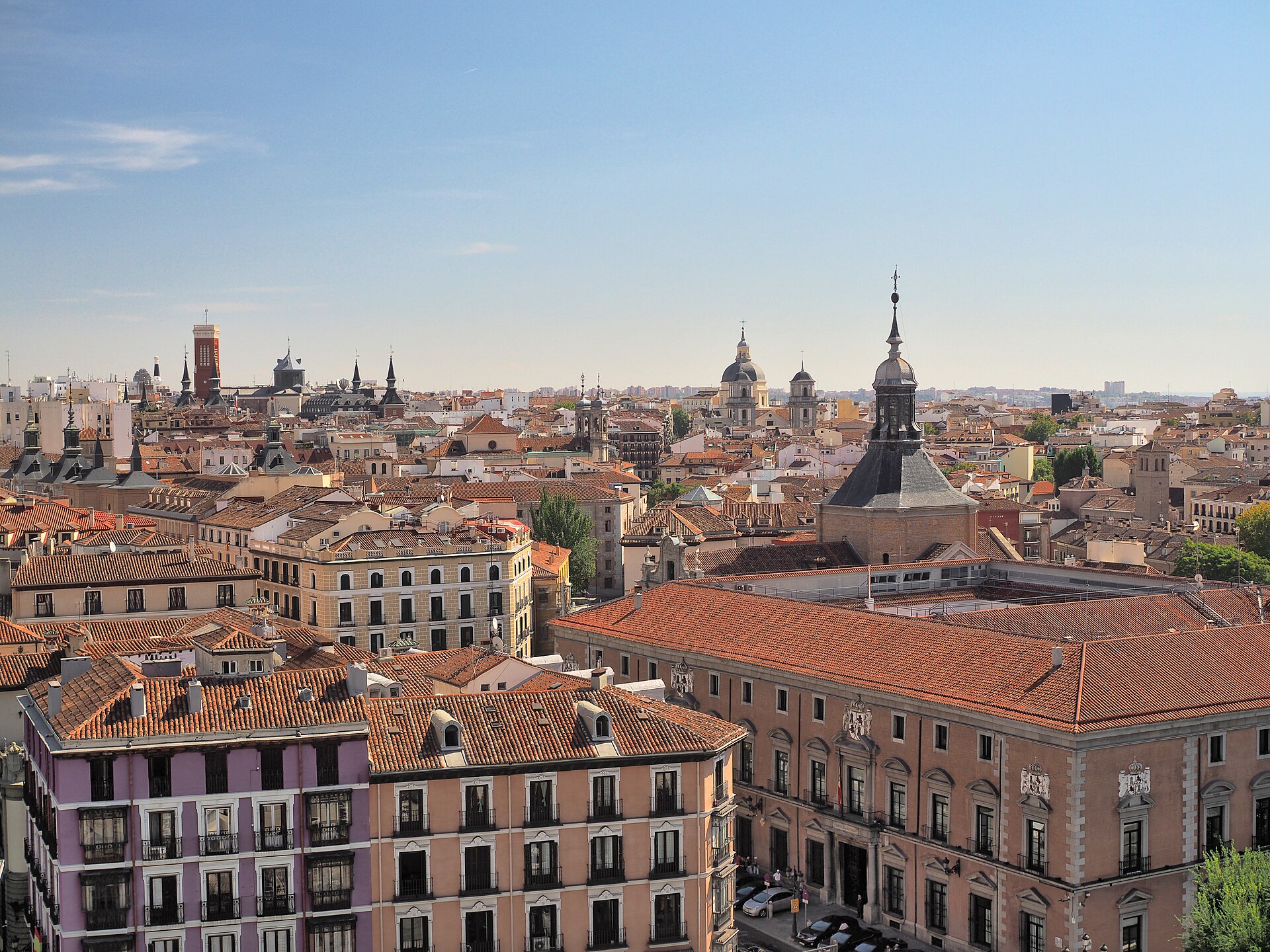
Madrid is Spain's capital, set on the central plateau and organised around a dense historic and cultural core rather than a major riverfront. The oldest royal q...
Photograph · Dmitry Dzhus from London · CC BY 2.0
Set your days, your pace and the hours you actually want to be out. The planner works around closing days and travel time, and leaves room to eat.
Reviewed by Elena Voss · Roavina Travel Editor
Madrid is Spain's capital, set on the central plateau and organised around a dense historic and cultural core rather than a major riverfront. The oldest royal quarter, known as Madrid de los Austrias, runs between the Royal Palace and Plaza Mayor. East of Puerta del Sol, Gran Vía, the Literary Quarter and the Paseo del Arte carry the principal commercial streets and art museums. Neighbourhoods such as La Latina, Lavapiés, Malasaña, Chueca, Chamberí and Salamanca then form distinct dining, nightlife and residential clusters around that centre.
Checked 2026-08-26
September · September eases to a 27.9°C mean high in Madrid with only 24 mm of rainfall.
Ranked by importance — sitelinks, pageviews and heritage status, not editor preference.
76 places match
Category
Typical visit duration
Interests
Parque del Oeste is one of Madrid’s major western green spaces, offering a broad change of pace from the city’s museums, avenues, and busy central squares.
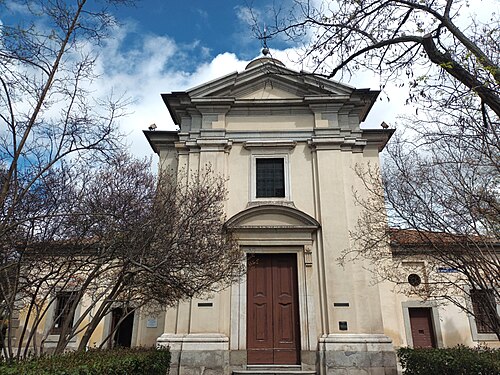
Ermita de San Antonio de la Florida
The Royal Chapel of St. Anthony of La Florida, also called Ermita de San Antonio de la Florida, is a historic chapel in Madrid. Its importance comes from the combination of religious character, royal association, and exceptional artistic decoration.
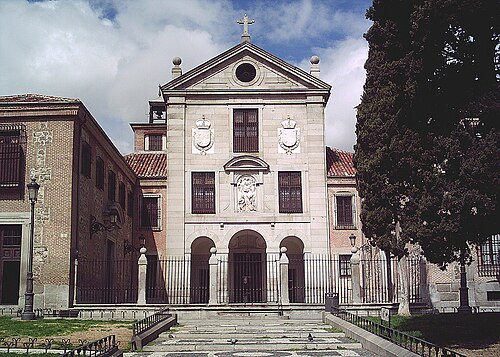
Real Monasterio de la Encarnación
The Royal Convent of La Encarnación is a royal monastery in Madrid, Spain. Its local name is Real Monasterio de la Encarnación. It holds the status of a royal site and is associated with the Spanish monarchy.
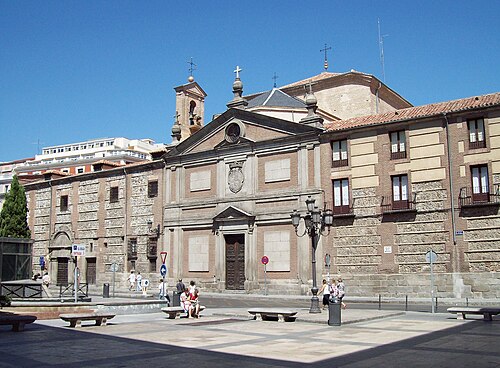
Monasterio de las Descalzas Reales
The Convent of Las Descalzas Reales is a royal monastery in central Madrid, founded in 1559 by Joanna of Austria, sister of Philip II.
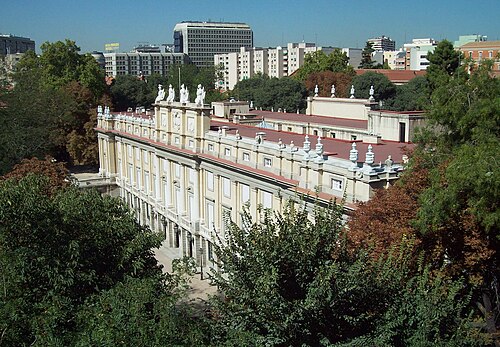
Palacio de Liria
Liria Palace, known locally as Palacio de Liria, stands as a historic palace in Madrid. It serves as the principal residence of the House of Alba, one of Spain's most prominent noble families.
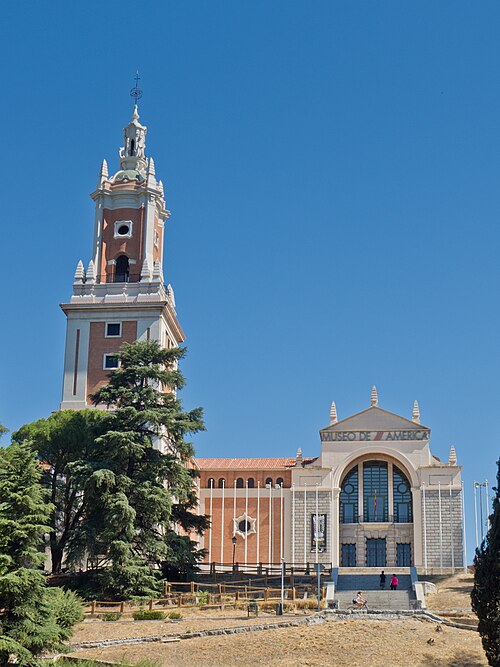
Museo de América
The Museum of the Americas is a Madrid museum devoted to the art, archaeology, and ethnography of the American continents. In Ciudad Universitaria, near Moncloa, it brings together objects connected with societies from North, Central, and South America.
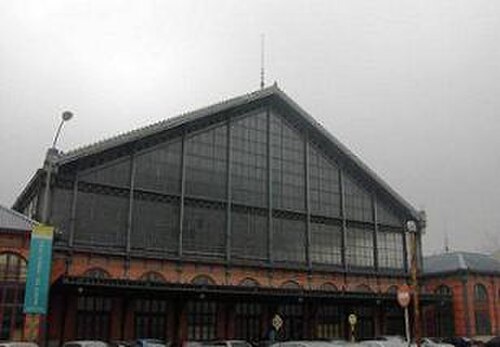
Museo del Ferrocarril de Madrid
The Railway Museum of Madrid, known locally as Museo del Ferrocarril de Madrid, is a museum dedicated to the history of rail transport in Spain.

Museo del Romanticismo
The Museum of Romanticism, or Museo del Romanticismo, explores the artistic and social world of nineteenth-century Spain. It occupies a historic palace in central Madrid, where paintings, furniture, decorative arts and personal belongings create a close view of Romantic-era life.
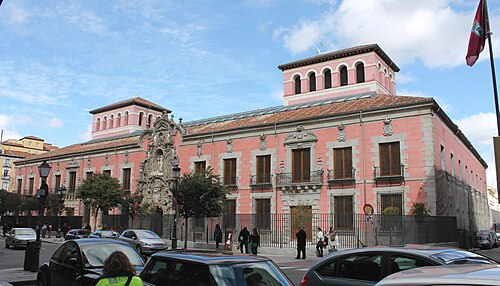
Museo de Historia de Madrid
Madrid History Museum, also known as Museo de Historia de Madrid, is Madrid’s municipal museum devoted to the capital itself.
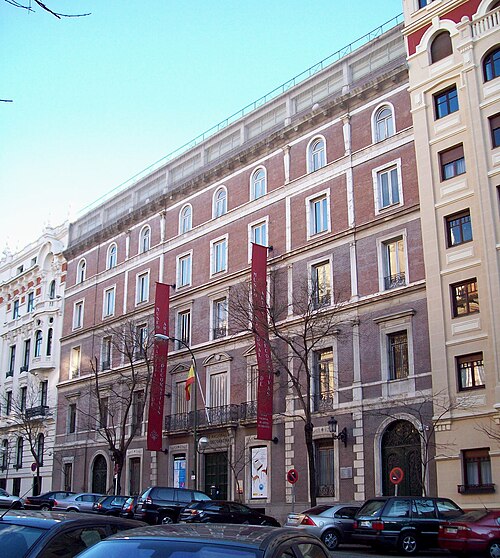
Museo Nacional de Artes Decorativas
The National Museum of Decorative Arts, or Museo Nacional de Artes Decorativas, is a Madrid museum devoted to applied and decorative arts. It occupies a historic building and belongs to Spain’s national museum network.
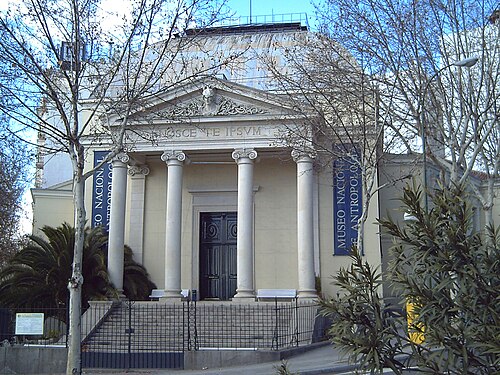
Museo Nacional de Antropología
The Museo Nacional de Antropología in Madrid is Spain's national museum dedicated to anthropology. It houses collections related to human cultures, societies, and physical anthropology.
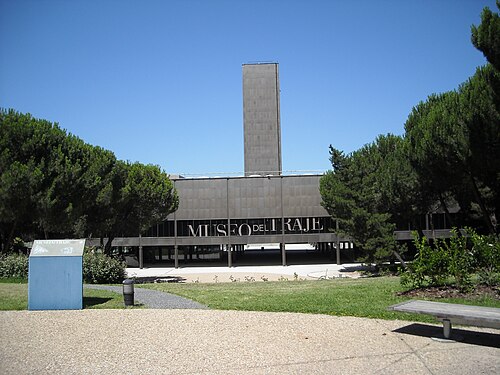
Museo del Traje is Madrid’s museum of clothing, fashion and textile heritage. It belongs to Spain’s state museum network and follows the development of dress through historical periods and contemporary design.

The Royal Academy of Fine Arts of San Fernando is a working academy on Calle de Alcalá that happens to keep one of the best picture collections in Spain on its upper floors.
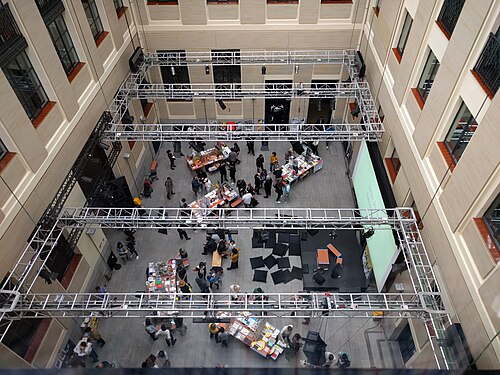
La Casa Encendida is a multidisciplinary cultural and social centre in Madrid. Its programme connects contemporary art, education, performances, music, film, workshops, and community activity.

Conde Duque is a cultural centre located in Madrid, Spain. The building occupies a prominent position within the urban fabric of the city and serves as a venue for various cultural activities.
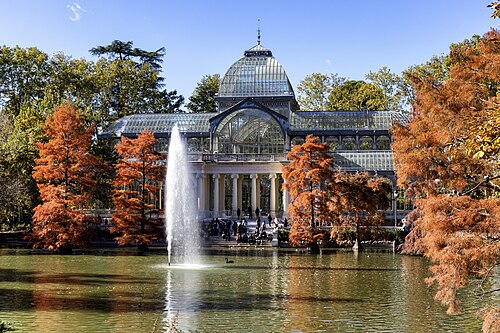
Palacio de Cristal
Crystal Palace, or Palacio de Cristal, is a glass-and-metal pavilion beside a small artificial lake in Madrid’s Buen Retiro Park.

Real Observatorio de Madrid
The Royal Observatory of Madrid, or Real Observatorio de Madrid, is an astronomical observatory with an important place in Spain’s scientific history. Founded by King Charles III, it reflects the Enlightenment interest in observation, measurement, and organized scientific work.
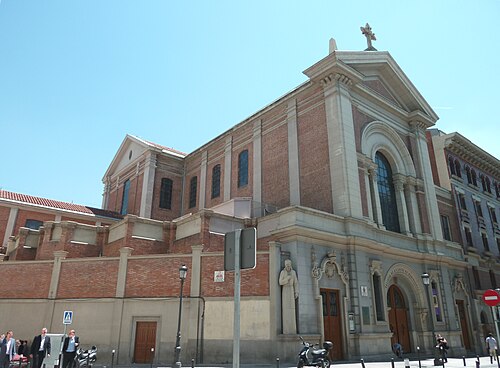
Basílica de Jesús de Medinaceli
The Basilica of Jesus de Medinaceli is an active Roman Catholic church in central Madrid dedicated to the venerated image of Jesús de Medinaceli. It is a place of worship, prayer and pilgrimage rather than a conventional museum.
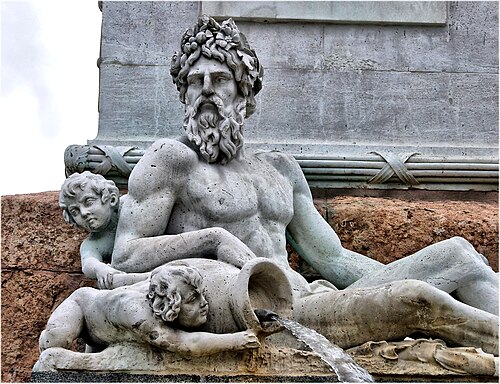
Plaza de Oriente is a historic square in central Madrid, located between the Royal Palace and the Teatro Real opera house. Its formal gardens and geometric layout create a distinguished public space in the Spanish capital.
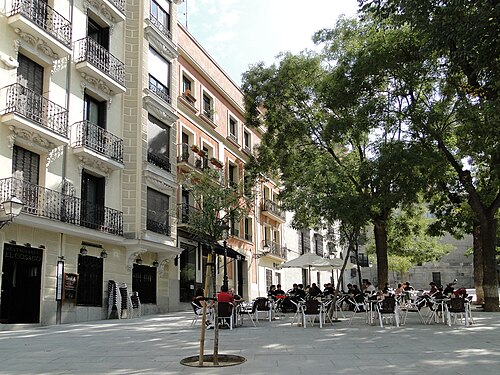
Plaza de la Paja is a historic square in Madrid's La Latina neighbourhood, within the city's oldest medieval district. Its name derives from the Spanish word for straw, referencing its past association with hay and fodder markets.
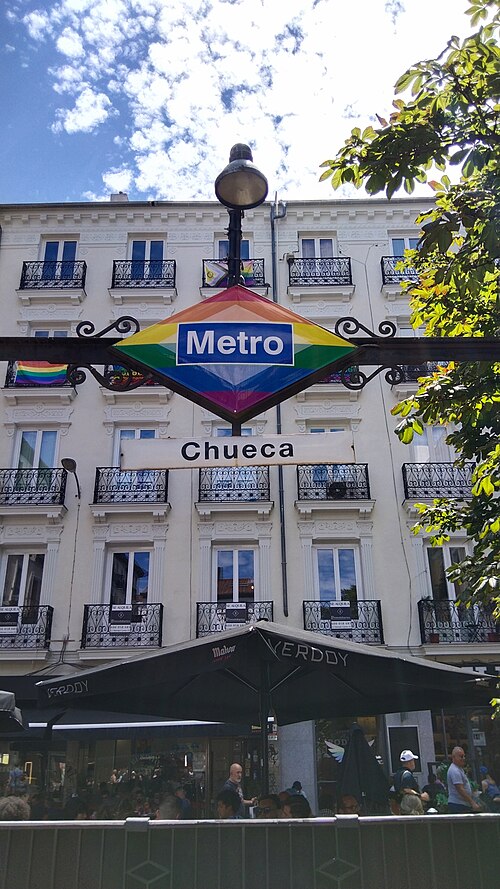
Plaza de Chueca
Plaza de Chueca is a public square in the Chueca neighbourhood of central Madrid, Spain. The area is widely recognised as the heart of Madrid's LGBTQ+ community and a centre of social life, dining, and nightlife.
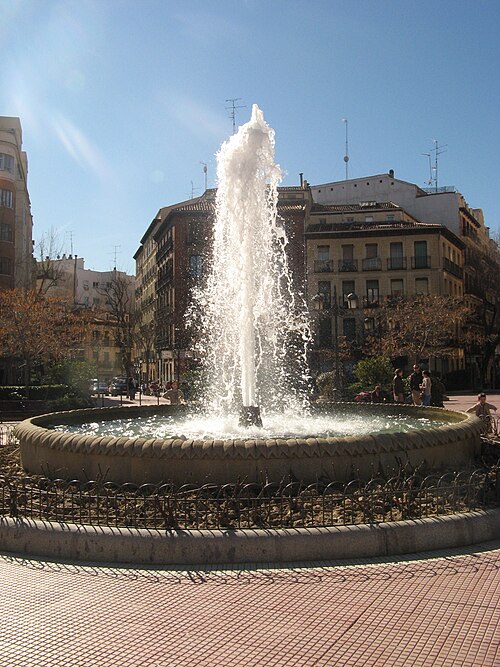
Plaza de Olavide
Plaza de Olavide is a public square in Madrid, Spain. It functions as an urban open space within the city fabric, serving local residents and visitors as a gathering place.
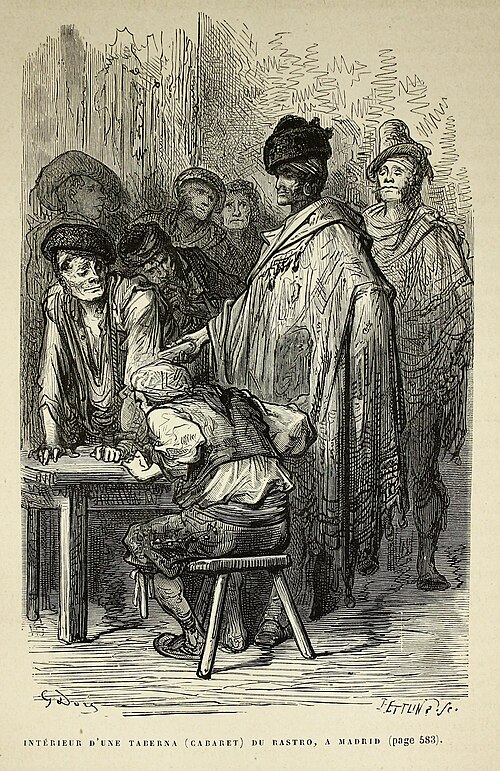
El Rastro is a sprawling open-air flea market in Madrid, widely regarded as the largest and most famous of its kind in Spain.
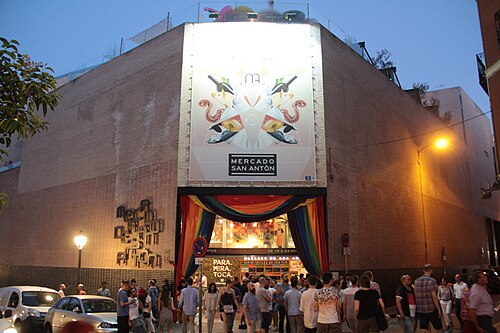
Mercado de San Antón is a market hall in Madrid, Spain. It operates as a commercial space for food vendors and dining. The structure serves the Chueca neighborhood, an area known for its cultural activity.
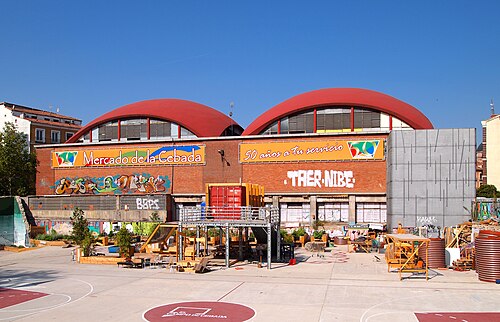
Mercado de la Cebada is a historic public market in Madrid, Spain. Located in the La Latina neighbourhood, it has served as a commercial hub for local residents since the nineteenth century.
Puerta del Sol is the practical centre for orientation. Westward lie Plaza Mayor, the Austrias quarter and the Royal Palace; eastward, Gran Vía leads toward Cibeles while the Paseo del Arte runs south past the major museums and Retiro. La Latina and Lavapiés sit south of the old core, with Malasaña and Chueca to the north. Salamanca lies east of Retiro, and the Castellana axis continues north toward the business district and the Bernabéu. Casa de Campo and Madrid Río are separate green corridors west of the centre.
Checked 2026-08-26
Walk between the Austrias quarter, Sol, Gran Vía and the Paseo del Arte, then use public transport for longer links. Madrid's official tourism service lists metro, city buses and Cercanías suburban trains among the ways to move around the capital. Cercanías also connects Madrid with towns in the region, including El Escorial and Aranjuez. Consult the current official maps and service information before travel because routes, works and ticket conditions can change.
Checked 2026-08-26
A fixed stay length is not recorded. Plan the Austrias and Sol core, the Paseo del Arte and Retiro, then add neighbourhood time or a regional excursion according to your priorities.
Use Puerta del Sol as the central reference. Plaza Mayor, the Austrias quarter and the Royal Palace extend west, while Gran Vía and the museum axis extend east.
Walk within the central neighbourhoods and use the metro for longer connections. The official network reaches the major museums, shopping streets, traditional quarters and northern visitor areas.
They cluster along the Paseo del Arte east of the historic core and close to Retiro. Treat this as one walking district rather than crossing the city between individual museum visits.
No. It lies north along the Castellana axis in a separate modern district. Metro is the practical connection from Sol, Gran Vía or the museum area.