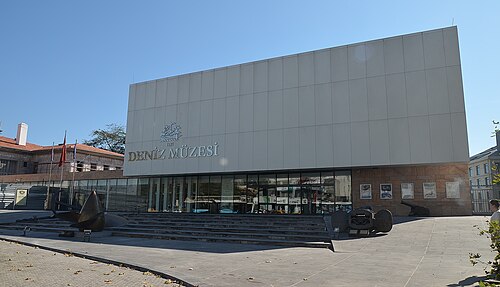
Istanbul Naval Museum
Deniz Müzesi
The Istanbul Naval Museum was founded in 1897 by Bozcaadali Hasan Husnu Pasha, then Ottoman Minister of the Navy, which makes it the first military museum established in Turkey.
- Must see
- Museum
- Istanbul
Country guide
Türkiye is 783,562 km² across 81 provinces, most of it Anatolia in West Asia with East Thrace on the European side of the straits. It has three coasts to choose...
Photograph · Benh LIEU SONG · CC BY-SA 4.0
Reviewed by Elena Voss · Roavina Travel Editor
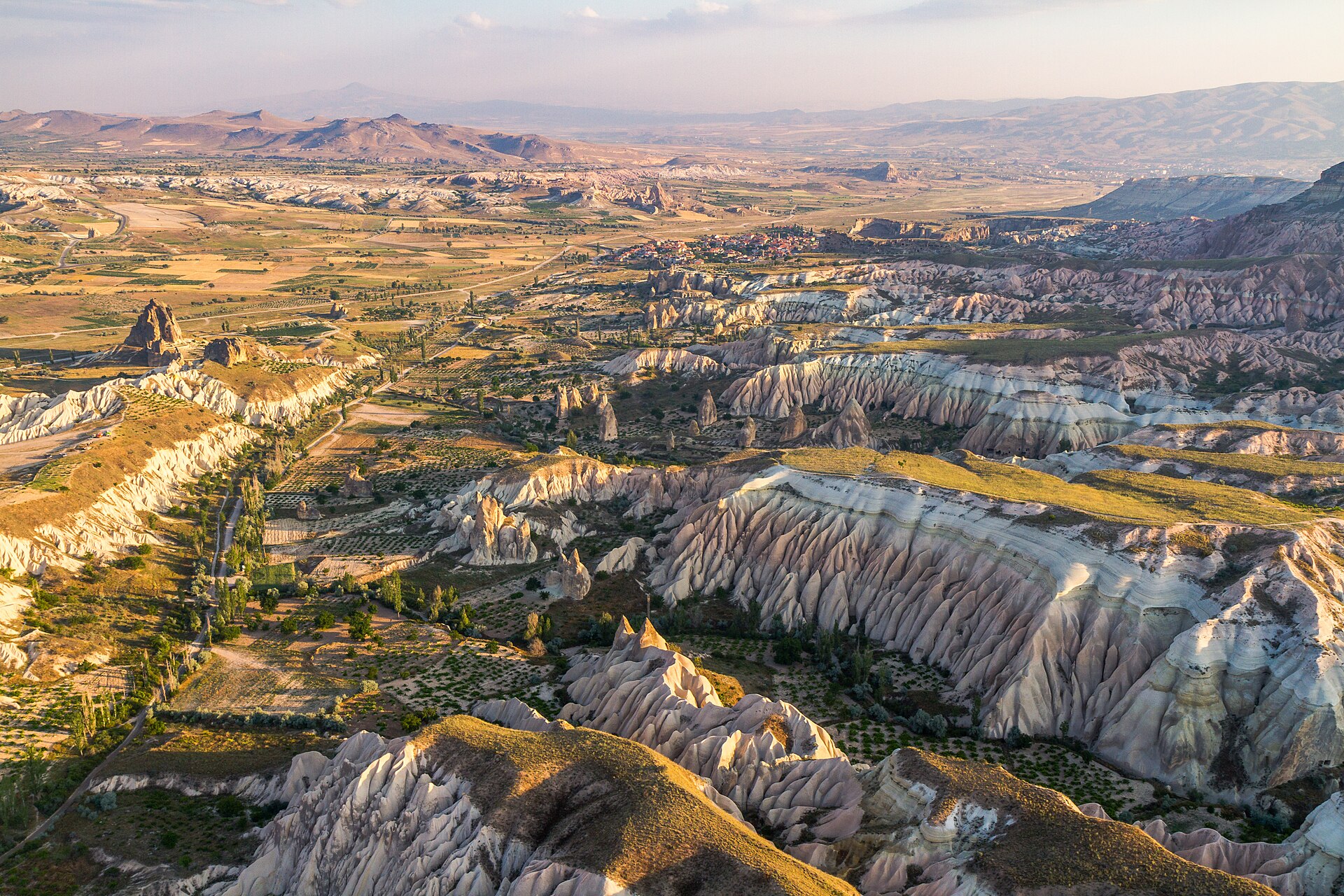
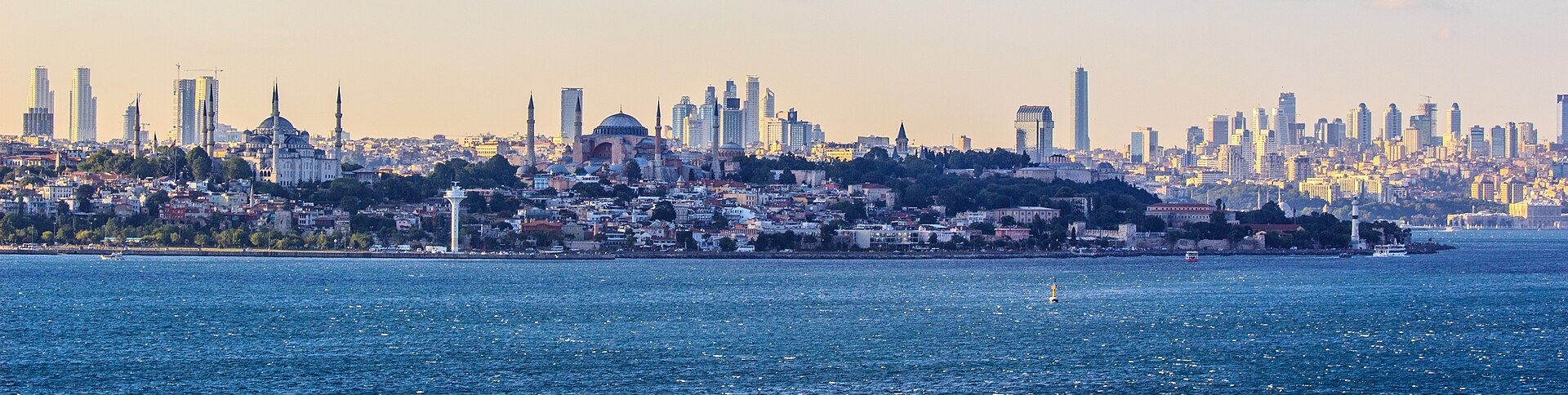
Türkiye is 783,562 km² across 81 provinces, most of it Anatolia in West Asia with East Thrace on the European side of the straits. It has three coasts to choose between — the Black Sea to the north, the Aegean to the west, the Mediterranean to the south — and an interior plateau that behaves like a different country in winter. Istanbul is the largest city and the economic centre, Ankara the capital and the second-largest, and the December 2025 population of 86,092,168 is weighted heavily to the west. A first trip is usually Istanbul and one coast; the plateau is the second trip.
Checked 2026-08-25
Every city catalogued in this country so far, ranked by how much there is to see.
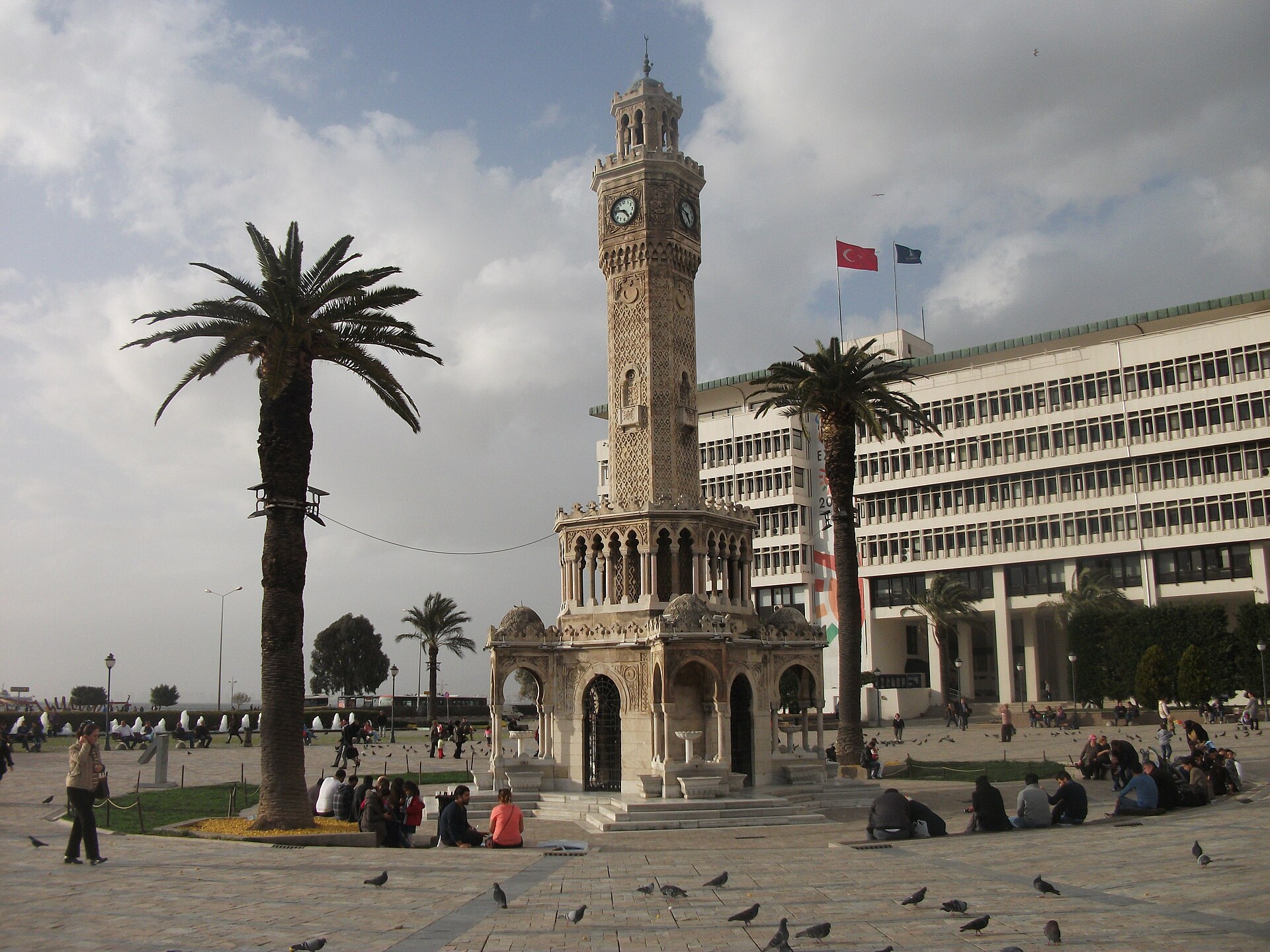
Photograph · Ben Morlok · CC BY-SA 2.0
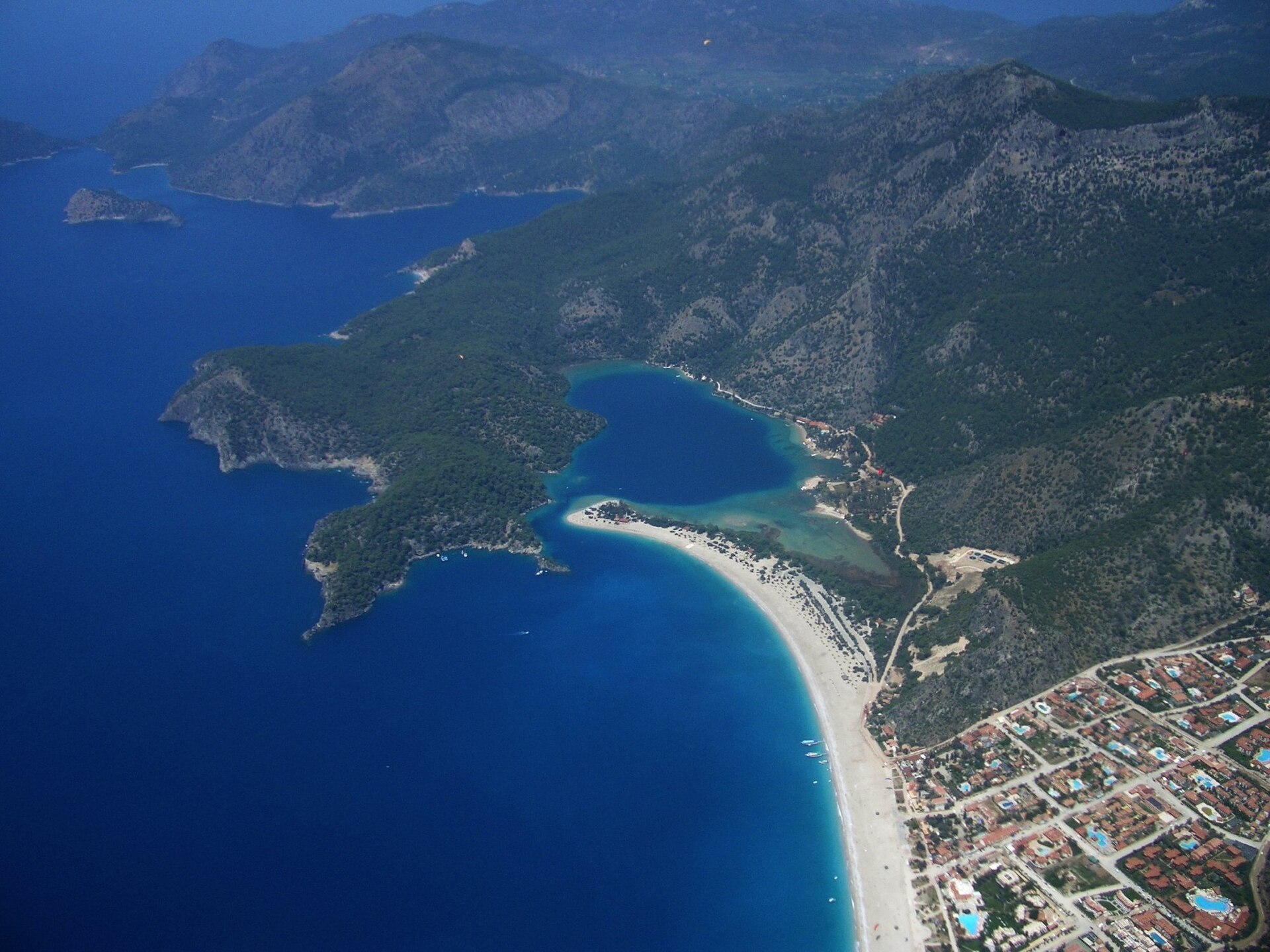
Photograph · Diego Delso · CC BY-SA 4.0
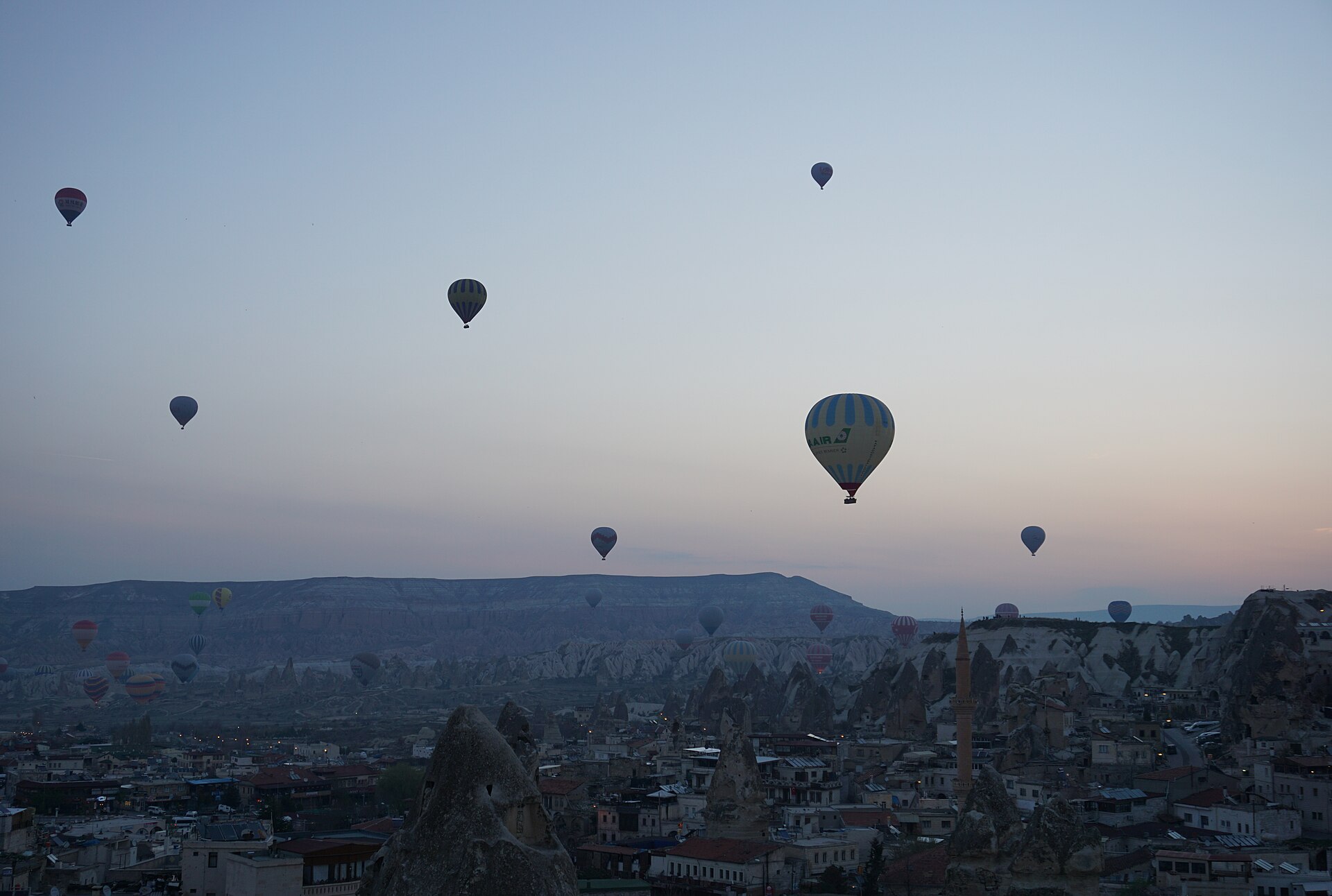
Photograph · REHBER0770 · CC BY-SA 4.0
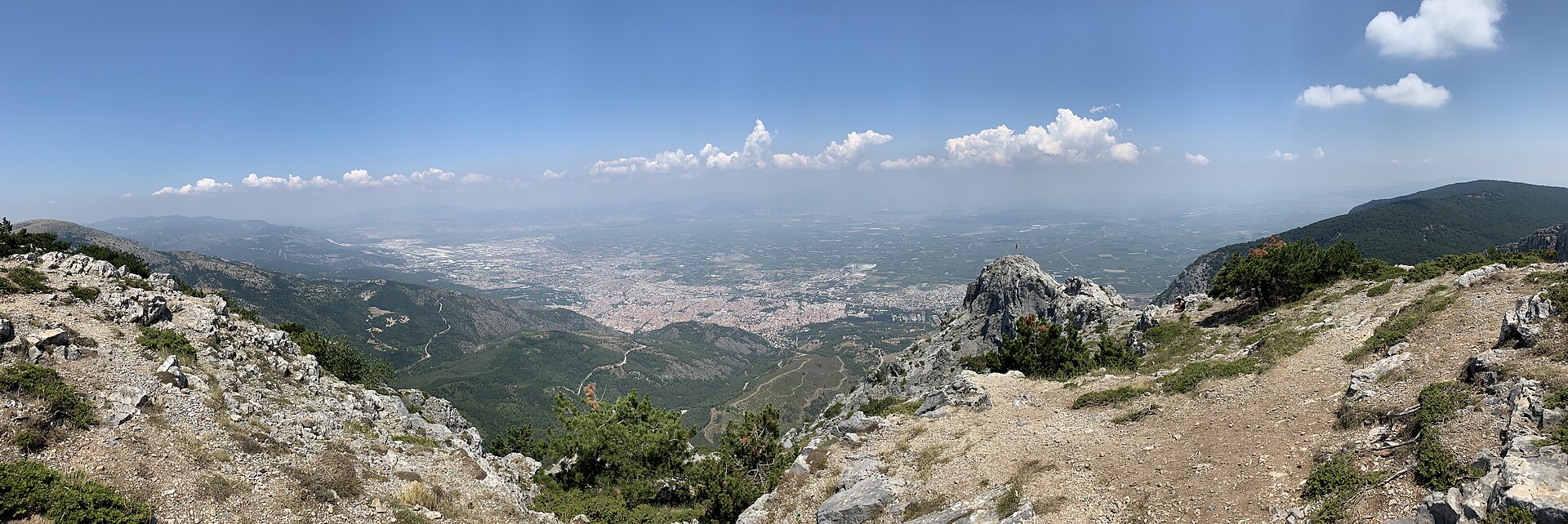
Photograph · Anonymous · CC0
Photograph · Dan Taylor · CC BY 2.0
Photograph · Dogaaunlu · CC BY-SA 4.0
Photograph · Egemenakgul · CC BY-SA 4.0
Ranked by importance — sitelinks, pageviews and heritage status, not editor preference.
738 places match
Category
Typical visit duration
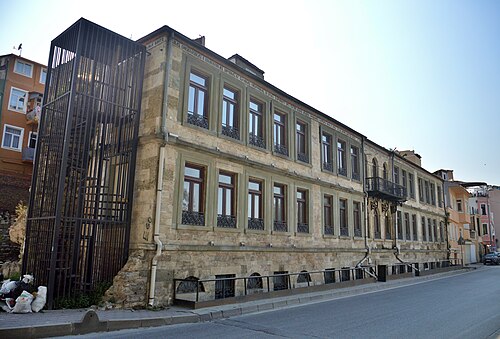
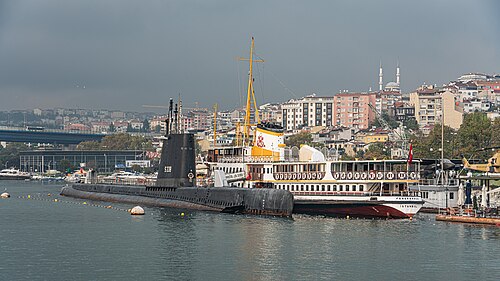
Deniz Müzesi
The Istanbul Naval Museum was founded in 1897 by Bozcaadali Hasan Husnu Pasha, then Ottoman Minister of the Navy, which makes it the first military museum established in Turkey.
Yıldız Parkı
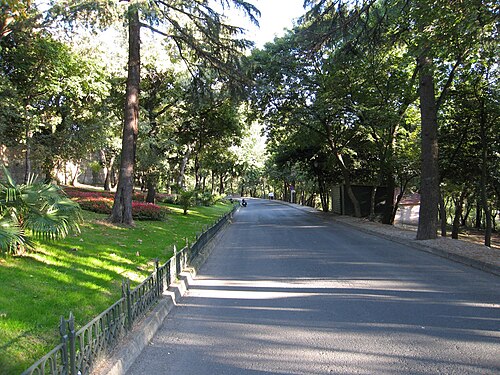
Yıldız Park is a wooded hillside of 368,751 square metres — roughly thirty-seven hectares — climbing from the Beşiktaş shoreline to the ridge behind it.
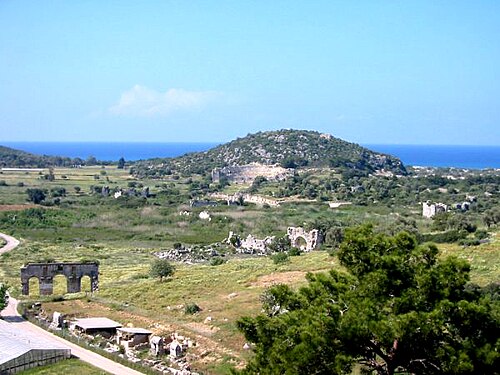
Patara is the excavated remains of the harbour city that served as the capital of the Lycian League, spread across a sandy plain behind the beach at Gelemiş, in the Kaş district of Antalya province.
Arkadyos Sütunu
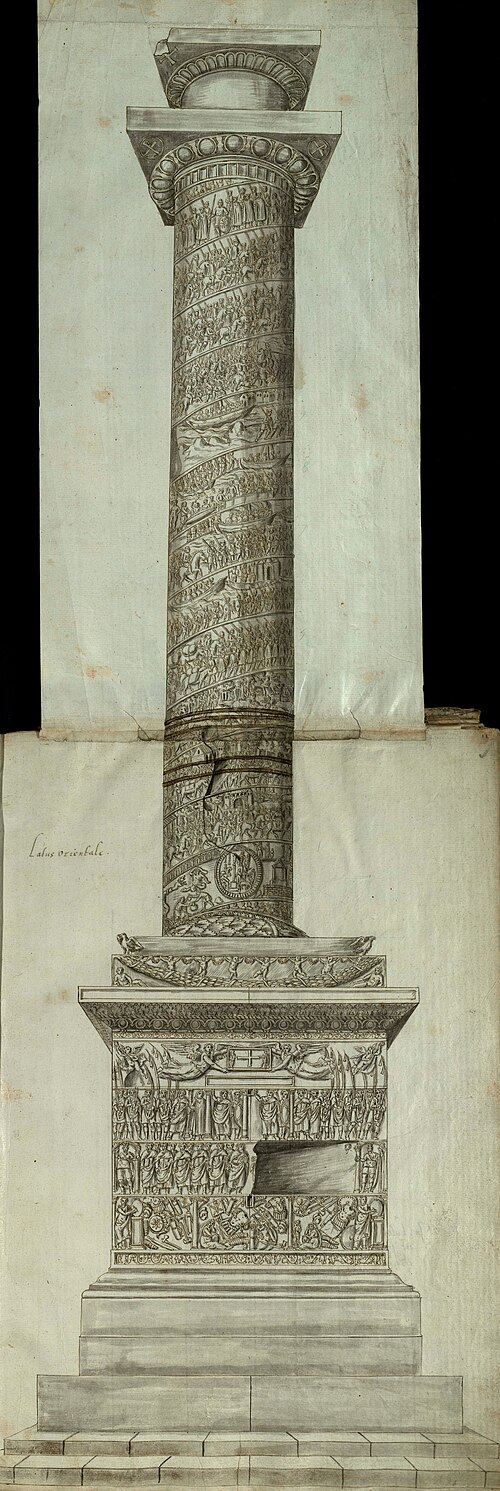
The Column of Arcadius is one of Constantinople's lost monuments, and what is left of it is the reason to come: a stump of imperial propaganda wedged between apartment blocks in Fatih.
Taksim Gezi Parkı
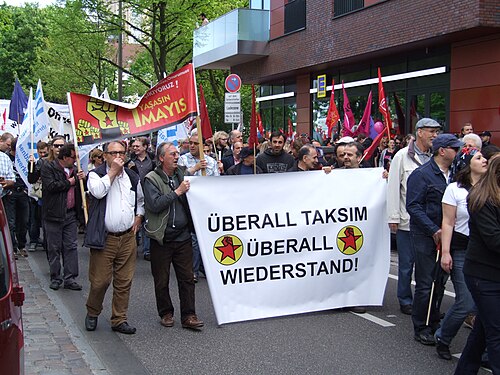
Gezi Park is a terraced park of four hectares — 9.88 acres — occupying the ground immediately north of Taksim Square in Beyoğlu.
Sabancı Üniversitesi Sakıp Sabancı Müzesi
This is a museum that used to be somebody's house, and the house has an unusually crowded guest list. From 1848 to 1884 the Emirgan mansion passed through a succession of high-ranking pasha families and Egyptian khedives.
Celsus Kütüphanesi
The Library of Celsus is a defining monument of Ephesus, near modern Selçuk in İzmir Province.
Yeni Valide Camii
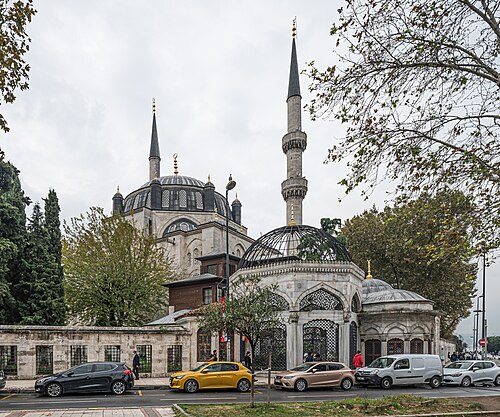
Step off the ferry at Üsküdar and this is the complex immediately in front of you, hard against the square rather than set back from it.
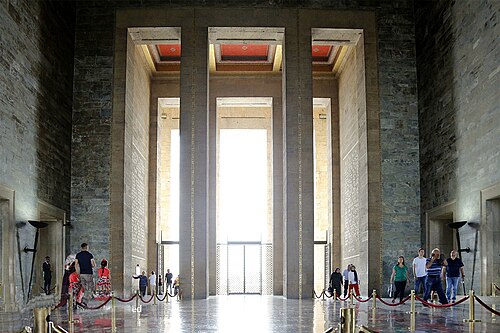
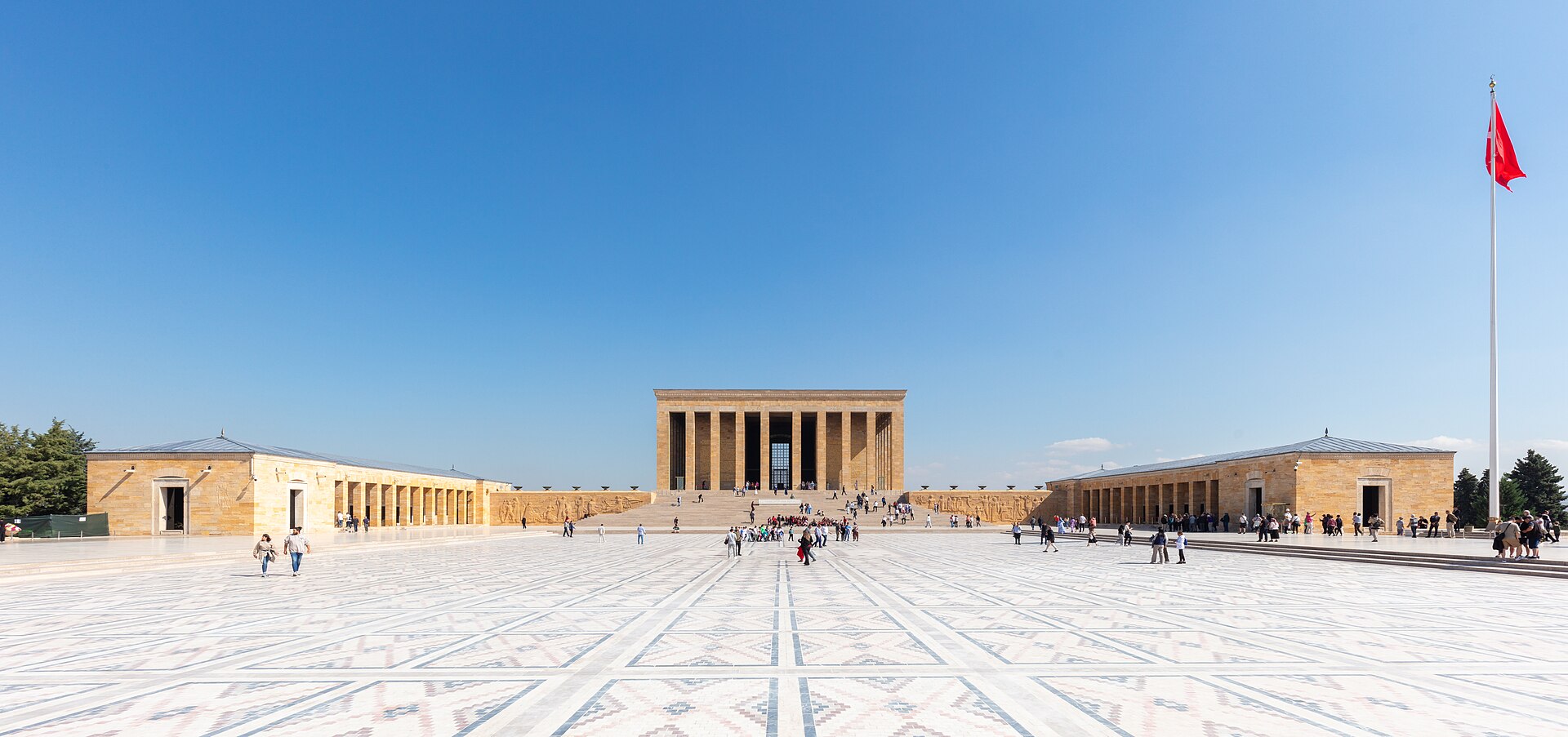
Anıtkabir is the mausoleum complex of Mustafa Kemal Atatürk on Ankara’s Anıttepe hill. It is a national memorial and museum, with monumental architecture, landscaped grounds and galleries about the Turkish War of Independence and the founding period of the Republic.
500. Yıl Vakfı Türk Musevileri Müzesi
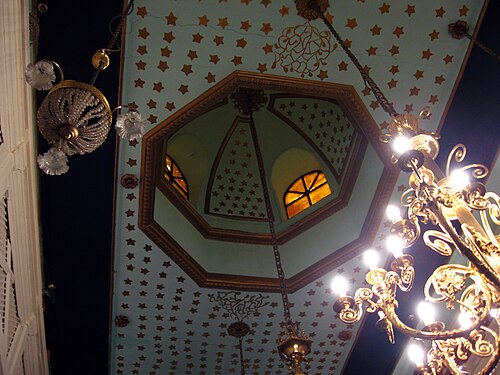
The Quincentennial Foundation Museum of Turkish Jews tells the story of a community that has been in this city far longer than most of the monuments around it.
Yoros Kalesi
Yoros Castle stands on the headland where the Bosphorus opens into the Black Sea, which is the whole explanation for it.
Atatürk Kültür Merkezi
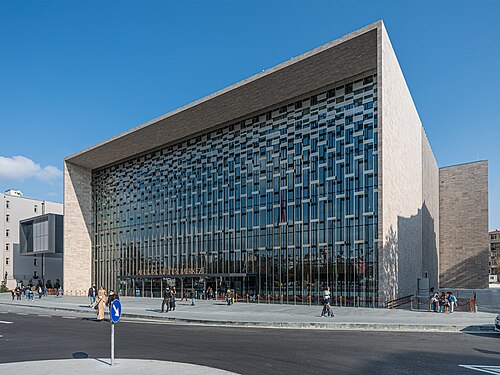
The Ataturk Cultural Center closes the eastern side of Taksim Square, and it is the second building of that name to do so.
Ihlamur Kasrı (Merasim Köşkü)
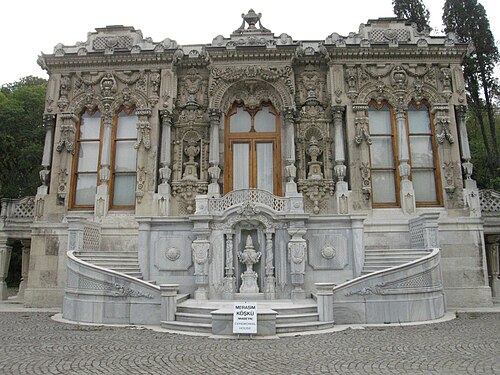
Ihlamur is not a palace in the sense that Dolmabahçe is a palace.
Haseki Hürrem Hamamı
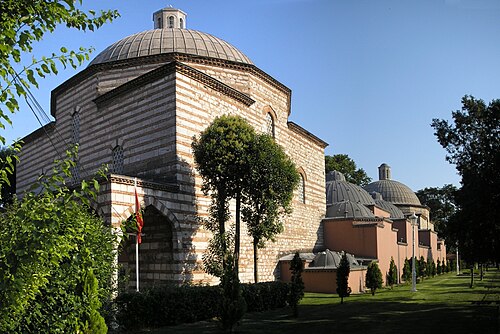
The Haseki Hürrem Sultan Hamam is a twin bathhouse commissioned by Hürrem Sultan, wife of Suleiman the Magnificent, and designed by the imperial architect Mimar Sinan, built starting in 1556 between the Hagia Sophia and the Blue Mosque.
Termessos
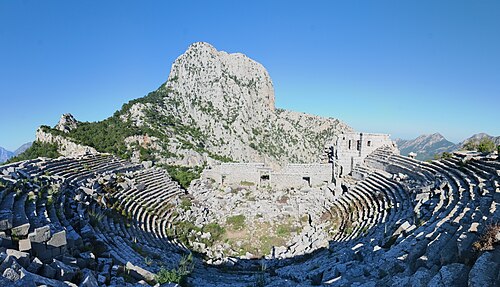
Termessos is a Pisidian city on a natural platform about a thousand metres up the south-western flank of Güllük Dağı, the ancient Mount Solymos, in the Taurus range north-west of Antalya.
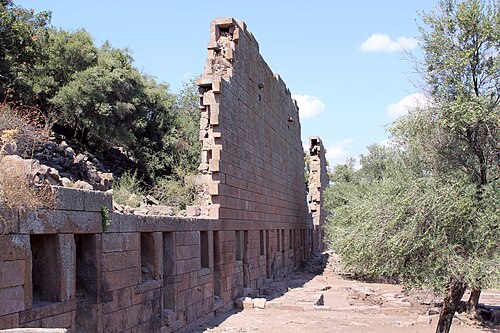
Aigai is an ancient Greek city on top of Mount Gün, in the Yunt range north of Manisa, near the village of Yuntdağı Köseler. It is the most substantial classical site in Manisa province and almost nobody goes.
Kayaköy Harabeleri
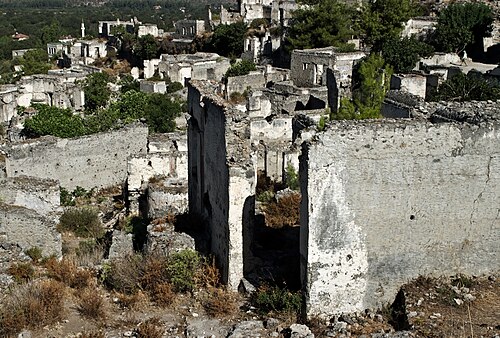
Kayaköy is an abandoned settlement on a steep hillside about 8 km south of Fethiye in Muğla Province. Roofless stone houses and communal buildings preserve the outline of a former town rather than a single monument.
Eksarhhane
Eksarhhane is a historic building in the Fener district that housed the seat of the Bulgarian Exarchate, the autocephalous Bulgarian Orthodox church established in 1870 and centred in Istanbul until the Ottoman Empire's Bulgarian population and administration shifted after the…
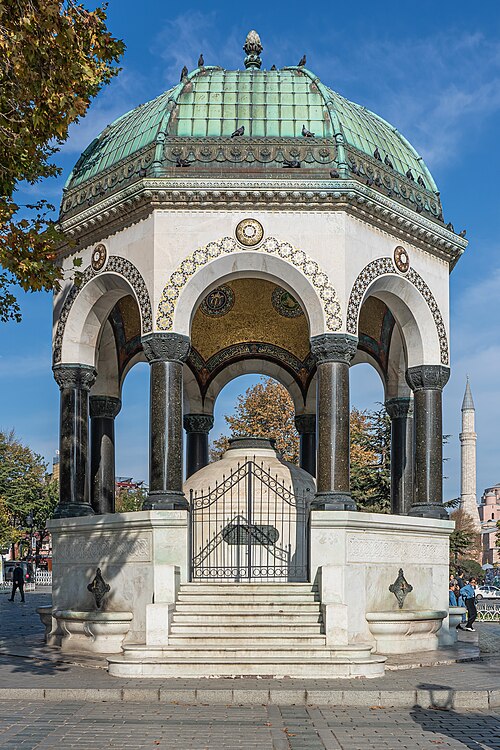
Alman Çeşmesi
The German Fountain is an octagonal, neo-Byzantine gazebo fountain standing in Sultanahmet Square, a gift from German Emperor Wilhelm II to Sultan Abdul Hamid II to mark the Kaiser's 1898 state visit to Istanbul.
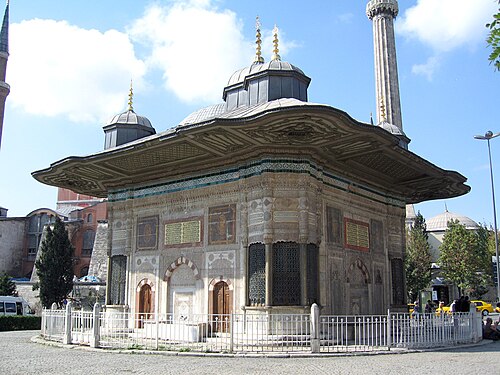
III. Ahmet Çeşmesi
The Fountain of Ahmed III stands just outside the Imperial Gate of Topkapı Palace, built in 1728 by Sultan Ahmed III during the Tulip Period, the era of Ottoman architecture known for its ornate, floral Baroque-influenced style.
Milas is the modern town built around ancient Mylasa, a principal Carian centre with at least 5,000 years of history.
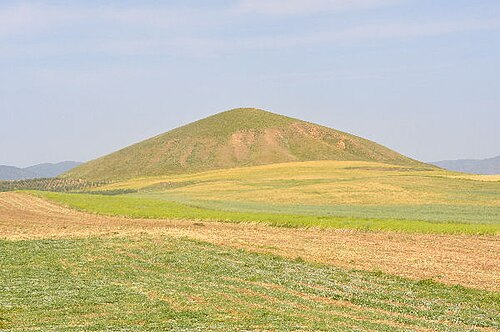
Bin Tepe is the royal burial ground of ancient Lydia, a field of more than a hundred earthen tumuli spread across a low limestone ridge on the southern shore of Marmara Gölü, several kilometres north of Sardis across the Gediz…
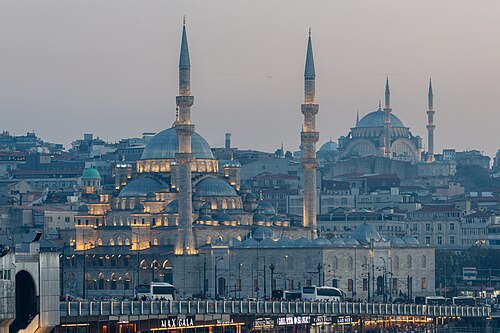
Yeni Camii
The New Mosque at Eminönü took sixty-six years to build, most of them spent as a ruin. Safiye Sultan — wife of Murad III and later Valide Sultan — ordered it in 1597.
Rahmi M. Koç Müzesi
Istanbul's museum of industry, transport and communication sits on the northern shore of the Golden Horn at Hasköy, well upstream of the tourist city and reached by water more pleasantly than by road.
İstanbul Havacılık Müzesi
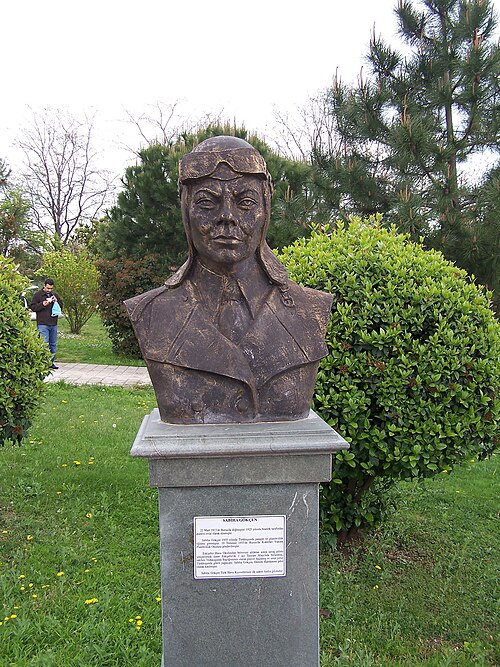
The Istanbul Aviation Museum is operated by the Turkish Air Force Academy in Yeşilköy, on the grounds of Istanbul's former main airport, and covers the history of Turkish military and civil aviation from the Ottoman era onward.
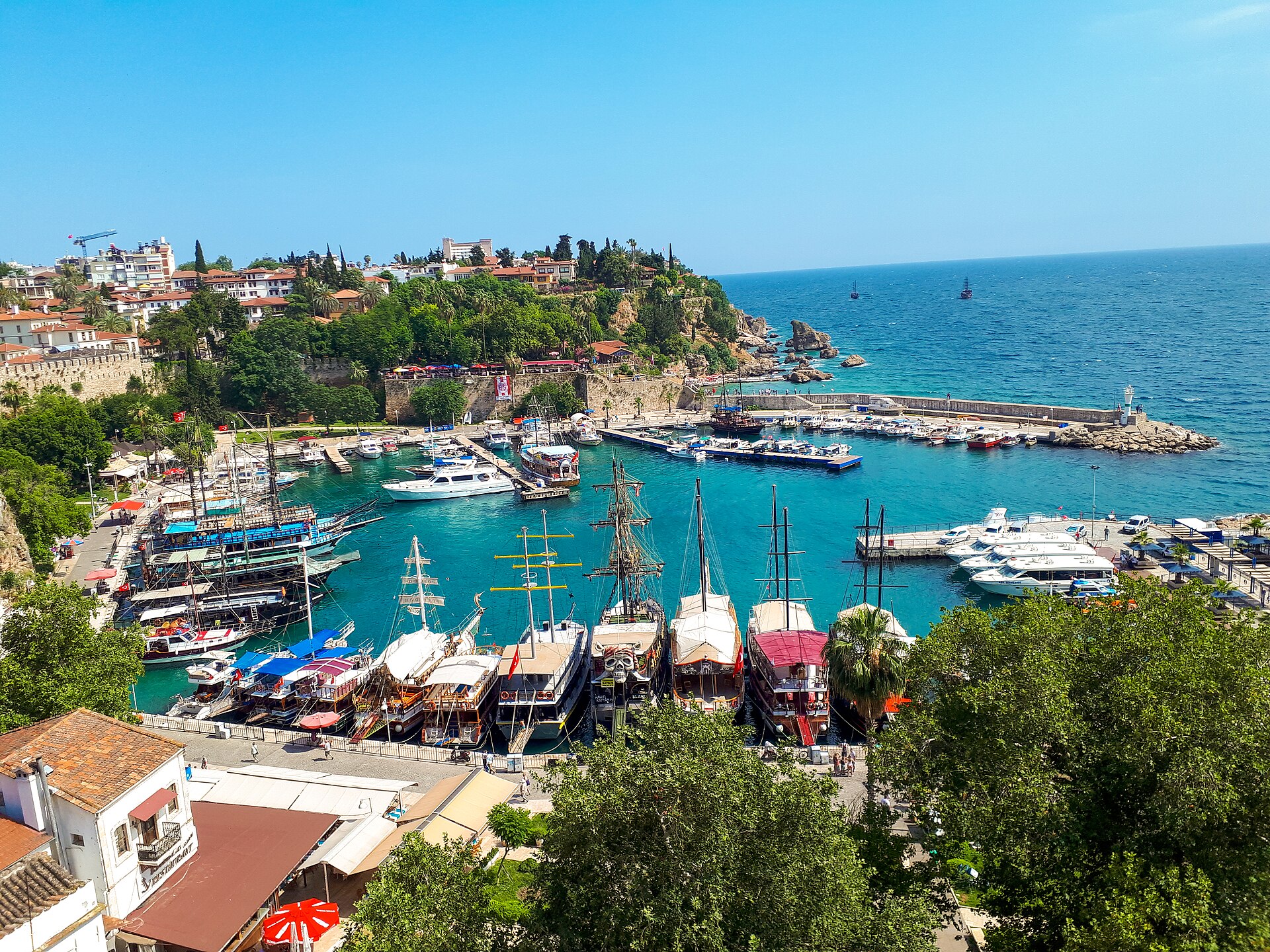
Ten to fourteen days allows about four days in İstanbul and at least three around Antalya when coastal archaeology is included. Cappadocia needs its own regional stay, and a one-way coastal route is more workable than returning to the same city each night.
Türkiye's visa position varies by passport and purpose. Verify the rule through the Ministry of Foreign Affairs and, when eligible, use only the official e-Visa service rather than an intermediary.
İstanbul's two airports and Antalya are the principal gateways for this itinerary. Domestic flights cover long cross-country legs, coaches serve many city pairs, and high-speed rail is most useful on the İstanbul-Ankara axis rather than as a universal substitute.
April to May and September to October are broad choices for combining İstanbul with the Mediterranean coast. Cappadocia nights, inland heat, and Antalya's coastal conditions differ, so confirm weather for each overnight base.
Türkiye uses the Turkish lira (TRY). Keep lira available for smaller transport and market transactions even when cards are accepted, and review the displayed amount in TRY before agreeing to any card conversion.
Dial 112 for emergencies in Türkiye. Electricity is 230 V through Type C and F sockets; tap-water safety is not recorded here, so obtain current local advice at each stop.