David Livingstone Centre
David Livingstone Museum
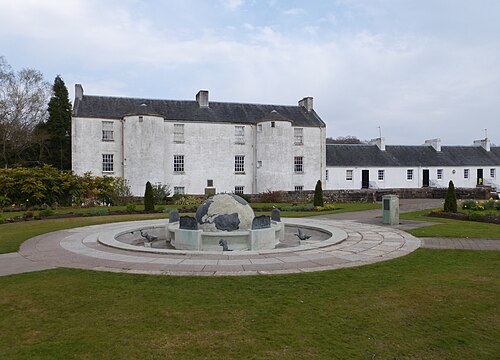
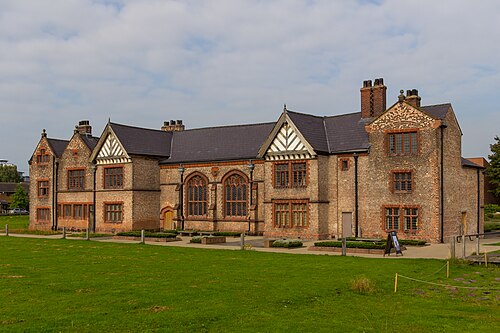
The David Livingstone Centre, also known as the David Livingstone Museum, is a heritage attraction in Blantyre, about eleven kilometres south-east of Glasgow city centre.
- High
- Museum
- Glasgow
Country guide
The United Kingdom is 244,376 km² holding 69,281,437 people, and it is four countries rather than one: England, Scotland, Wales and Northern Ireland, with Londo...
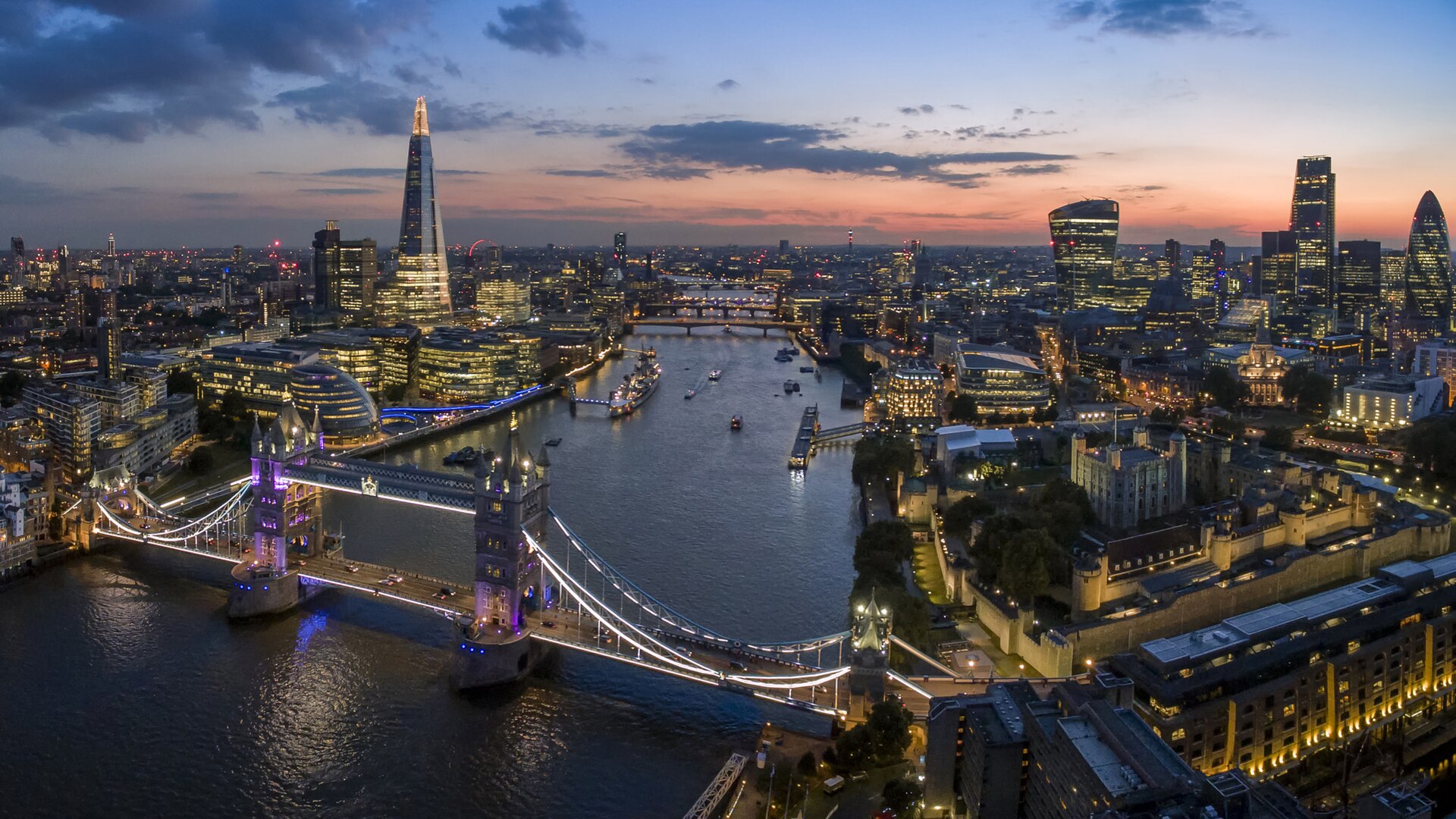
Photograph · Colin · CC BY-SA 4.0
Reviewed by Elena Voss · Roavina Travel Editor
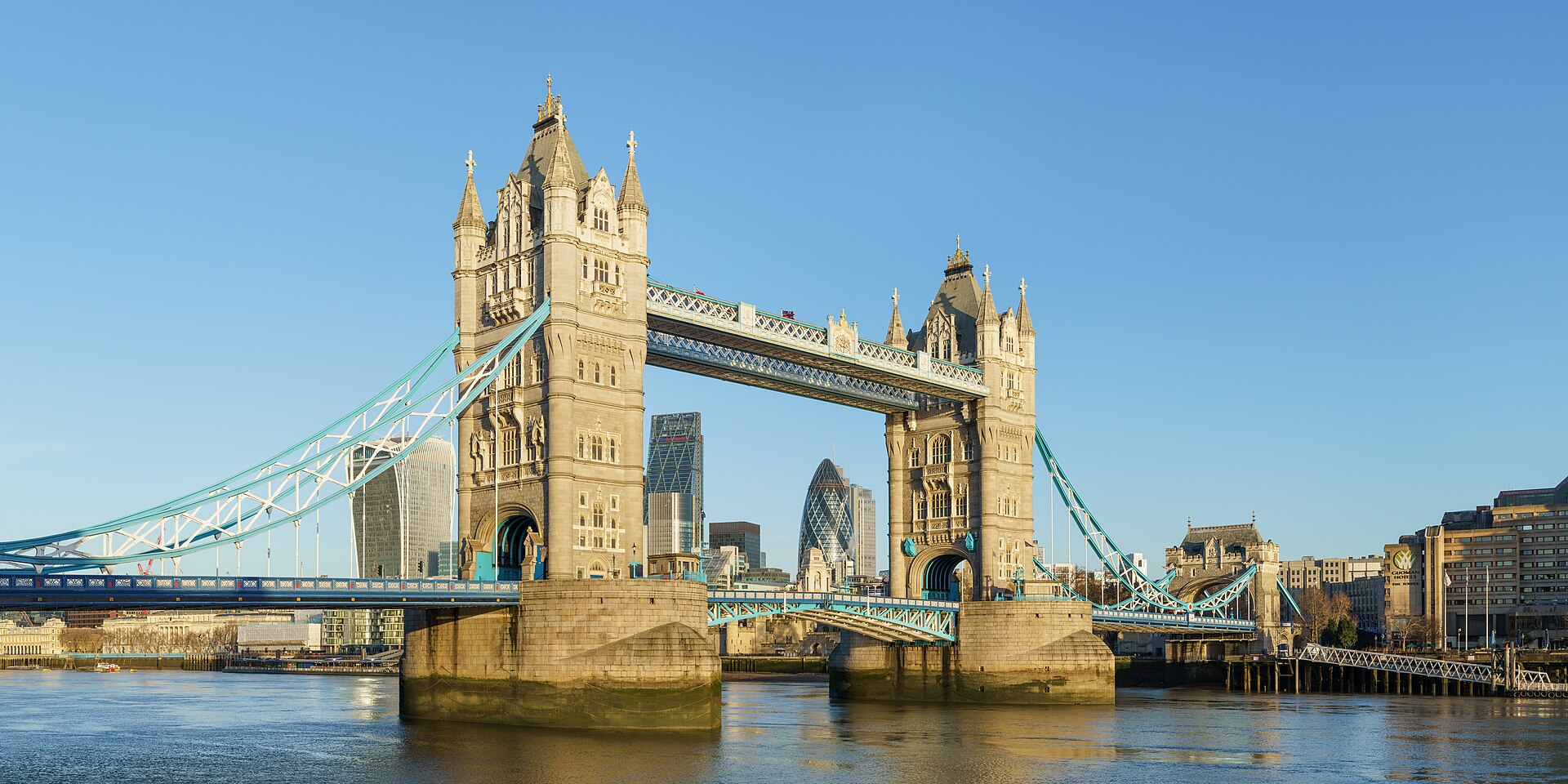
The United Kingdom is 244,376 km² holding 69,281,437 people, and it is four countries rather than one: England, Scotland, Wales and Northern Ireland, with London, Edinburgh, Cardiff and Belfast as their capitals. Three of the four run parliaments of their own over devolved matters, and the law splits three ways — England and Wales, Scotland, Northern Ireland. A visitor meets that in small practical things rather than at a border. London alone holds about 9.1 million of the total, which is why so many trips never leave it, and why the ones that do feel like arriving somewhere else.
Checked 2026-08-25
Every city catalogued in this country so far, ranked by how much there is to see.
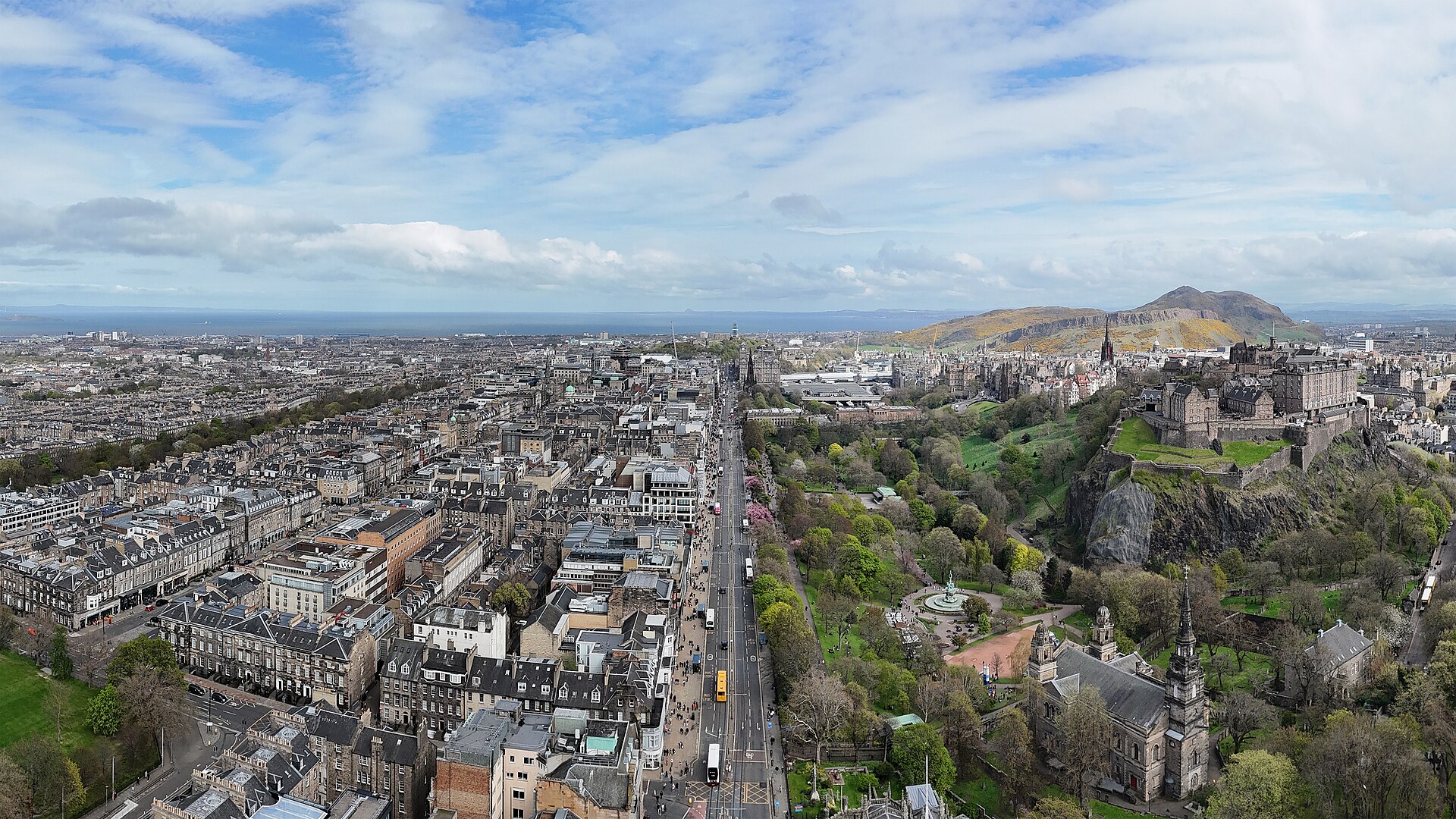
Photograph · Ilya Grigorik · CC BY-SA 3.0
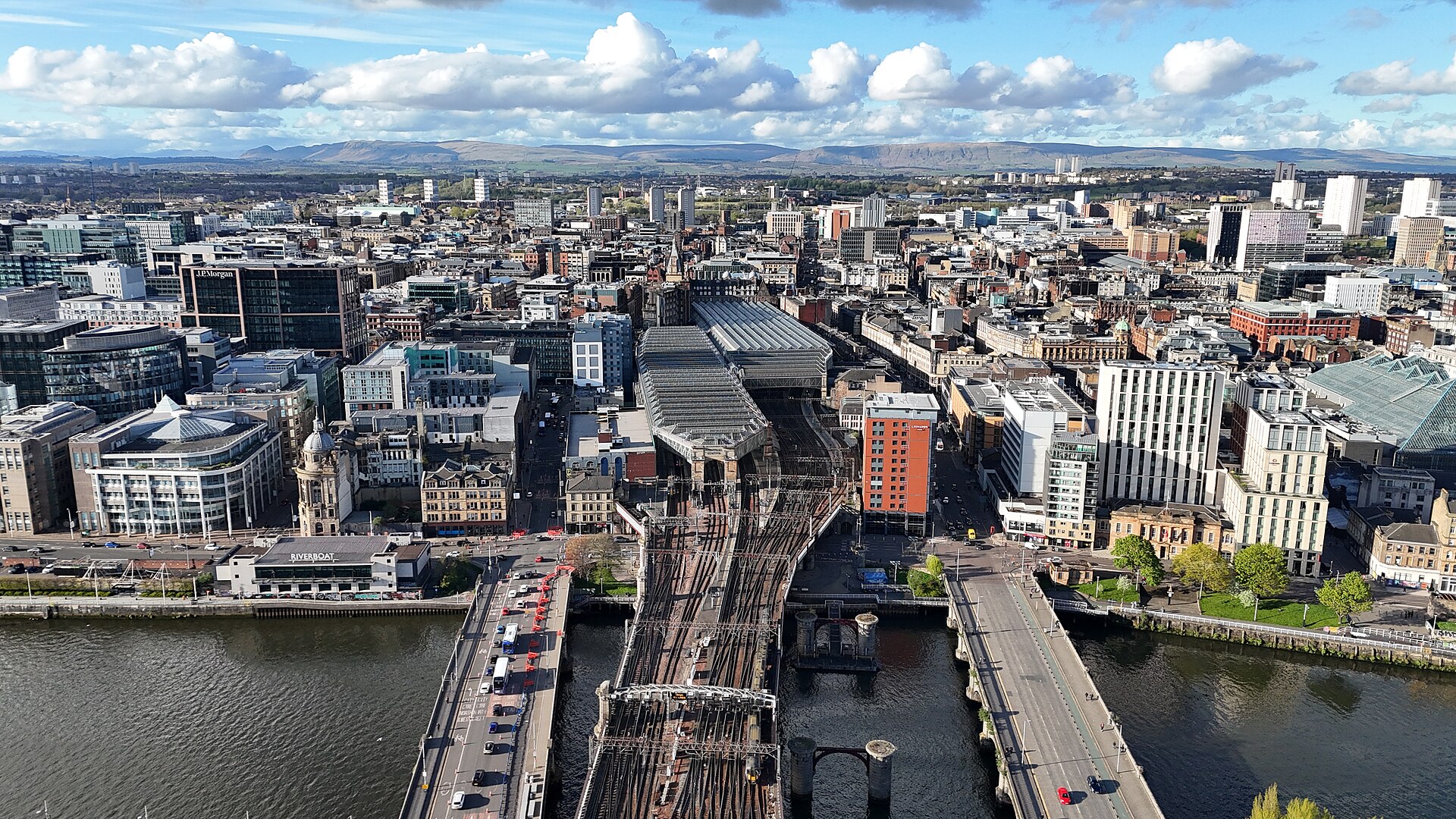
Photograph · 瑞丽江的河水 · CC BY-SA 4.0
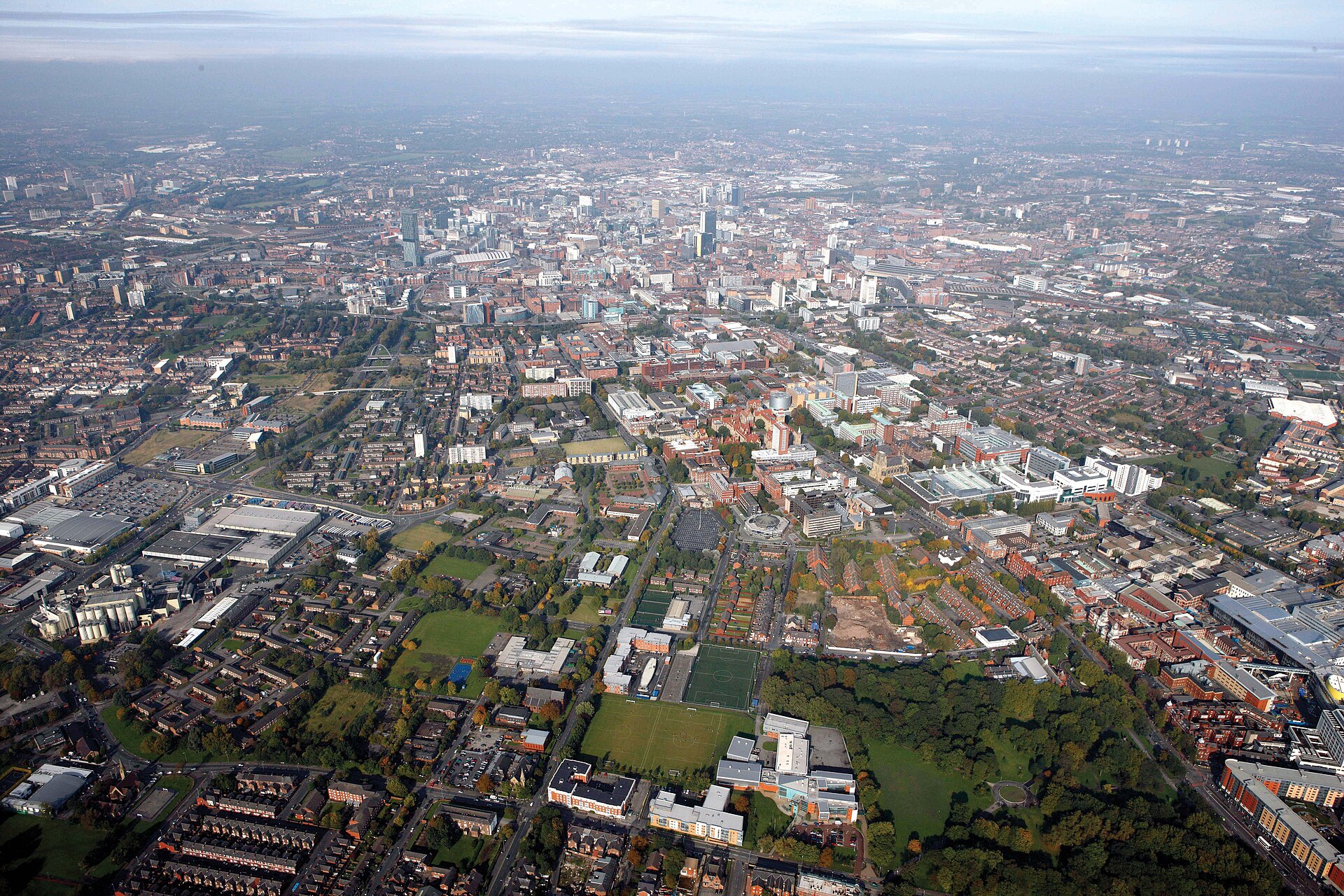
Photograph · Daniel Nisbet from Manchester, United Kingdom · CC BY 2.0
Ranked by importance — sitelinks, pageviews and heritage status, not editor preference.
430 places match
Category
Typical visit duration
Interests
David Livingstone Museum
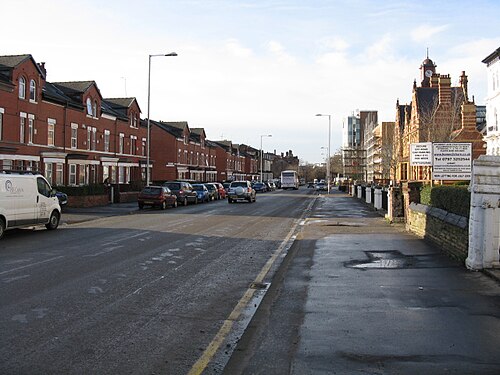
The David Livingstone Centre, also known as the David Livingstone Museum, is a heritage attraction in Blantyre, about eleven kilometres south-east of Glasgow city centre.
Trinity House
Trinity House of Leith is a historic maritime building in Edinburgh's port district of Leith. The structure served as the headquarters for the Incorporation of Masters and Mariners, a guild governing seafaring activities.
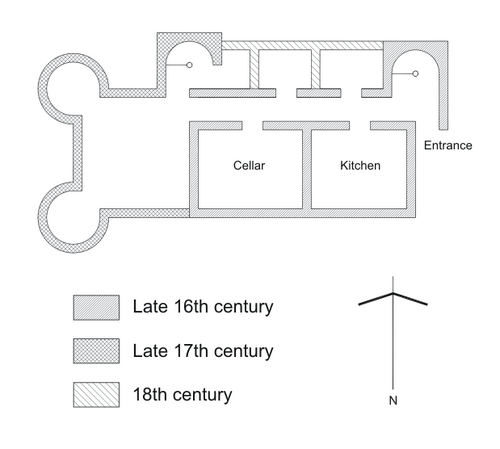
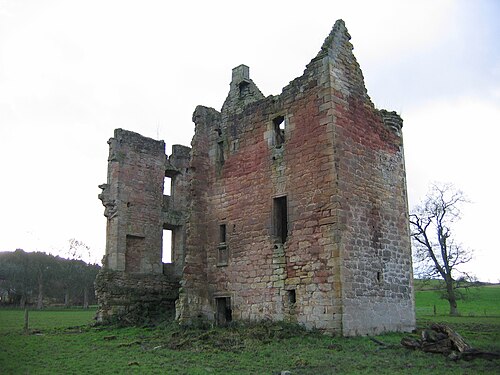
Bedlay Castle is a late-sixteenth-century tower house near Glasgow, in North Lanarkshire. Built for the Boyll or Boyd family, it represents Scottish Renaissance domestic architecture and the way landowning families combined residence with a defensive form.
Cathcart Castle is a historic castle site in Glasgow’s Cathcart area, offering a quieter encounter with the city’s medieval past. It belongs to Glasgow’s wider historical landscape rather than its central landmark circuit.
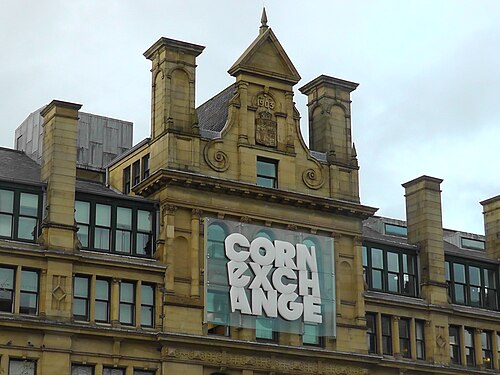
Corn Exchange is a historic Manchester city-centre building that has moved from agricultural commerce to food, drink and retail.
Cramond Roman Fort and Civil Settlement
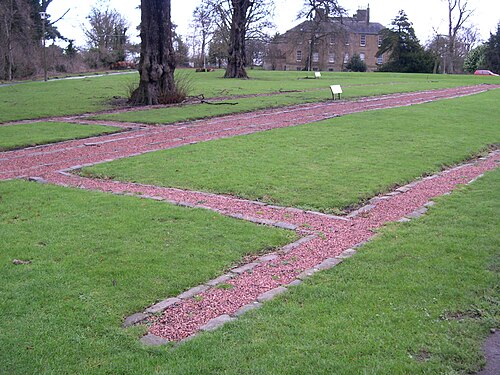
Cramond Roman Fort and Civil Settlement is an archaeological site located in the Cramond area of Edinburgh, Scotland.
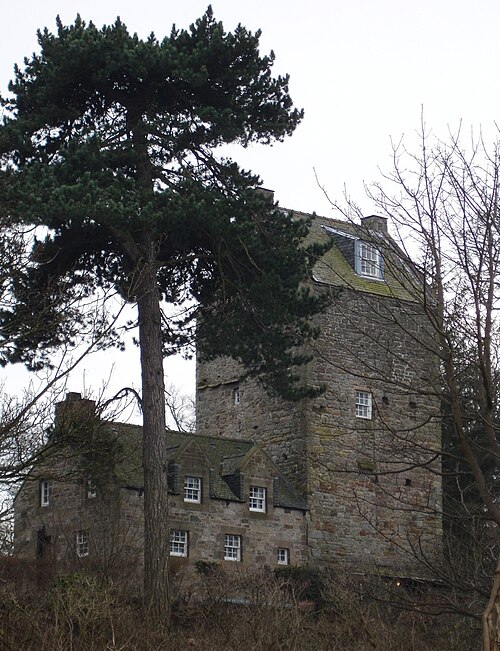
Cramond Tower is a historic tower house in Cramond, northwest Edinburgh. The building belongs to the area’s medieval heritage and reflects the Scottish tower-house tradition, where homes combined domestic life with defensive features.
Gilbertfield Castle is a historic tower house in the Glasgow area and a surviving expression of Scotland's fortified residential architecture. Its stone tower form connects the place with the tradition of defensive homes built for local nobility or landowners.
Haggs Castle is a historic tower house in Glasgow, Scotland. It represents the Scottish tradition of fortified residences that combined domestic life with defensive features.
Victoria Baths is a heritage swimming pool and Turkish bath complex in Manchester, England. Built in the Edwardian era, it served as a public bathhouse for many decades before closure.
Festival Theatre
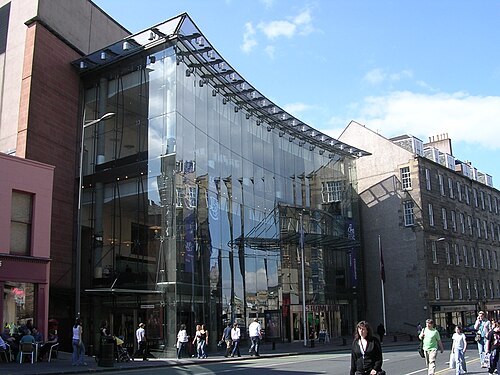
Edinburgh Festival Theatre is a major performing arts venue in Edinburgh, Scotland. It stands as one of the city's principal theatres, hosting a diverse programme of opera, ballet, musical theatre, and drama.
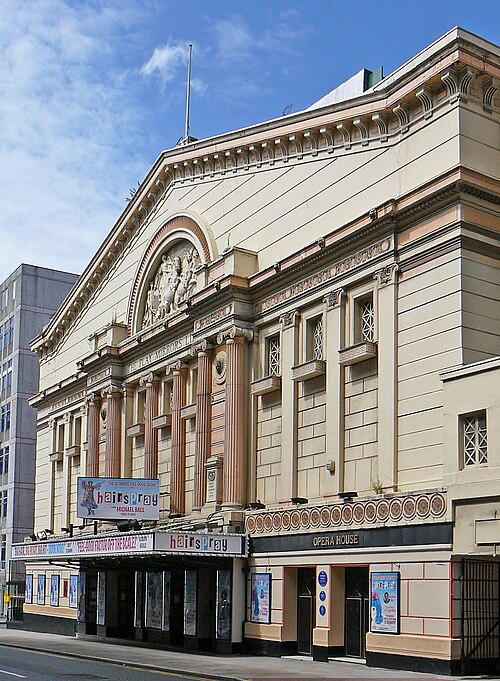
Manchester Opera House is a large touring theatre on Quay Street in Manchester city centre. It operates as a receiving house for major touring productions rather than as a theatre with a permanent resident company.
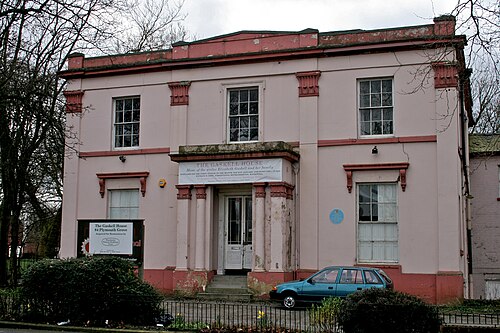
Elizabeth Gaskell's House is a literary heritage house museum in Manchester. It was the home of the Victorian novelist Elizabeth Gaskell, author of Cranford, North and South, and Wives and Daughters.
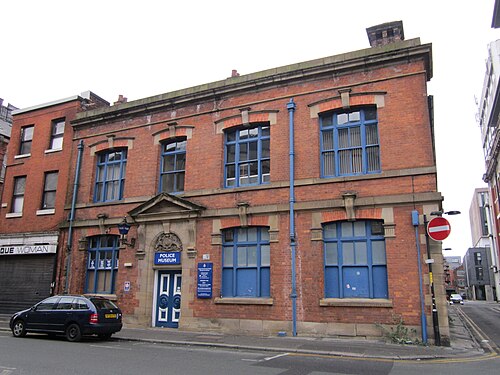
Greater Manchester Police Museum & Archives
Greater Manchester Police Museum and Archives occupies a former police station in Manchester’s Northern Quarter.
Blackford Hill is an elevated open space in southern Edinburgh, Scotland. It forms part of the city's broader parkland and offers elevated terrain above the surrounding urban area.
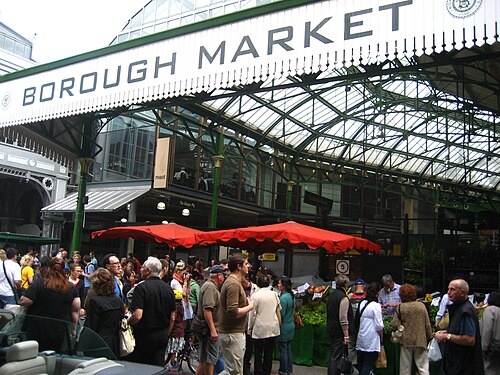
Borough Market is a historic food market in Southwark, central London. It occupies a site near London Bridge that has hosted trading activity for many centuries.
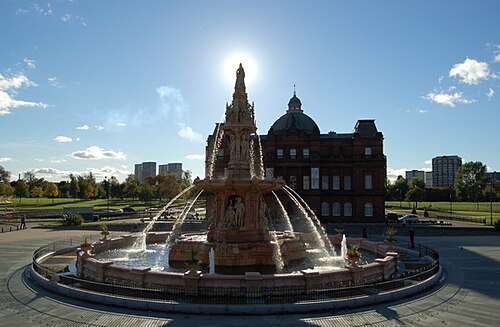
Glasgow Green is a historic public park situated on the north bank of the River Clyde in the east end of Glasgow. Established in the fifteenth century, it ranks among the oldest public spaces in Britain.
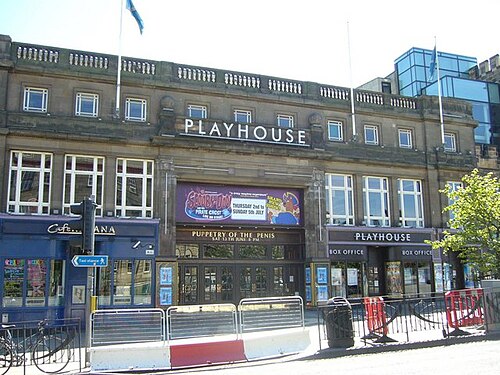
Edinburgh Playhouse is one of Edinburgh’s major live-performance venues and one of the United Kingdom’s largest working theatres by audience capacity.
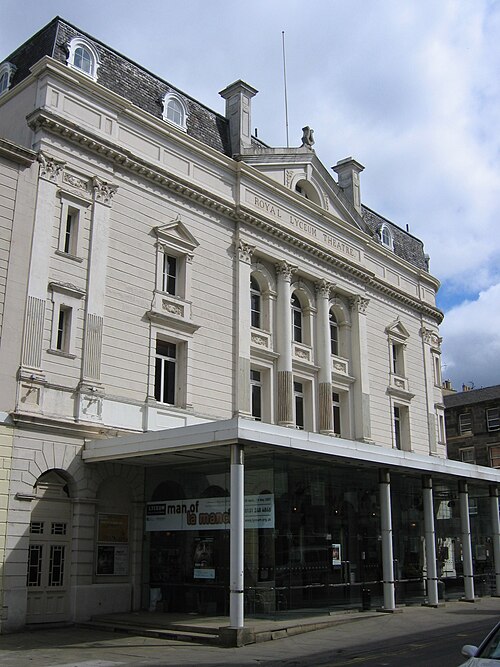
The Royal Lyceum Theatre is a producing theatre in central Edinburgh, established in 1883. It is one of Scotland’s important theatrical venues, presenting its own productions alongside visiting work.
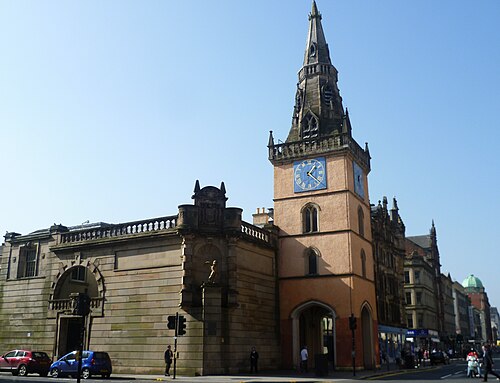
The Tron Theatre is a performing arts venue located in Glasgow's Merchant City area. It occupies a distinctive building with a notable architectural presence in the city centre.
St Mary's Episcopal Cathedral
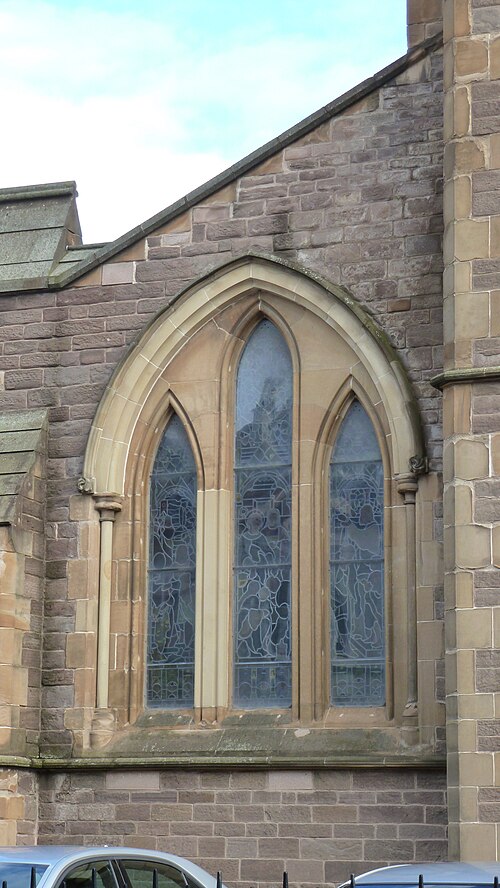
St Mary’s Cathedral is a Gothic Revival cathedral in Glasgow’s West End and the cathedral church of the Diocese of Glasgow and Galloway within the Scottish Episcopal Church.
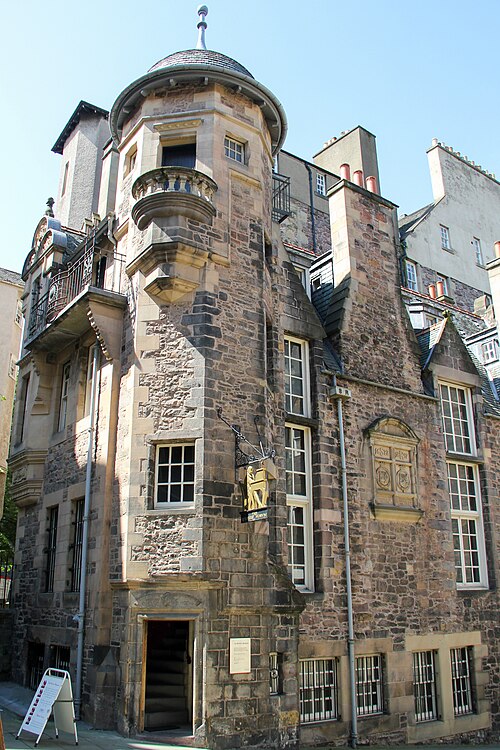
The Writers' Museum is a literary museum in Edinburgh dedicated to Scottish writers. It celebrates the lives and works of Robert Burns, Sir Walter Scott, and Robert Louis Stevenson.
Ordsall Hall is a historic Tudor manor house located in Salford, Greater Manchester, near the city centre. The building dates back to the 15th century with later additions, making it one of the oldest surviving structures in the area.
Staircase House is a historic timber-framed building in Stockport, Greater Manchester. Its distinctive staircase gives the house its name and provides the clearest focus for understanding the property.
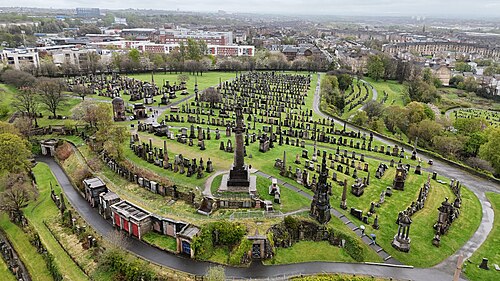
The Glasgow Necropolis is a Victorian cemetery of 37 acres, roughly 15 hectares, on the hill immediately east of Glasgow Cathedral, and it works as a piece of designed landscape rather than as a churchyard.
Ten to fourteen days can cover four or five days in London, two in Manchester, and two or three each in Edinburgh and Glasgow. The Highlands, Lake District, or Welsh national parks need dedicated nights and should not be squeezed into London day trips.
UK document rules depend on nationality and trip purpose, and many visitors now need an Electronic Travel Authorisation before boarding. Check the linked UK government visa service for both visa and ETA status shortly before travel.
Intercity rail is the practical spine between London, Manchester, Edinburgh, and Glasgow, with advance fares usually distinct from flexible tickets. Each city runs its own local fare system, so London's contactless cap is not a nationwide travel pass.
May to June and September are useful planning windows for this route, but conditions vary between southern England and Scotland. Festival dates in Edinburgh and rural transport in national parks can matter more than the national seasonal label.
The United Kingdom uses pound sterling (GBP). Contactless payment is widespread in major cities, but keep another payment method for rural services or terminals that do not share London's payment arrangements.
Use 999 or 112 for emergencies in the United Kingdom. Type G sockets supply 230 V, and mains tap water is recorded as safe; save rail disruption information as well when the itinerary depends on several city-to-city journeys.