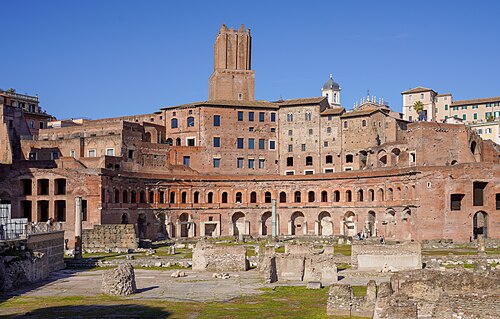
A photograph of Rome

City guide · Italy

Places to visit in Rome, Italy — page 2

Rome is a broad historic city whose central archaeological, papal and baroque districts are close enough to walk but too dense to compress into one route. The C...

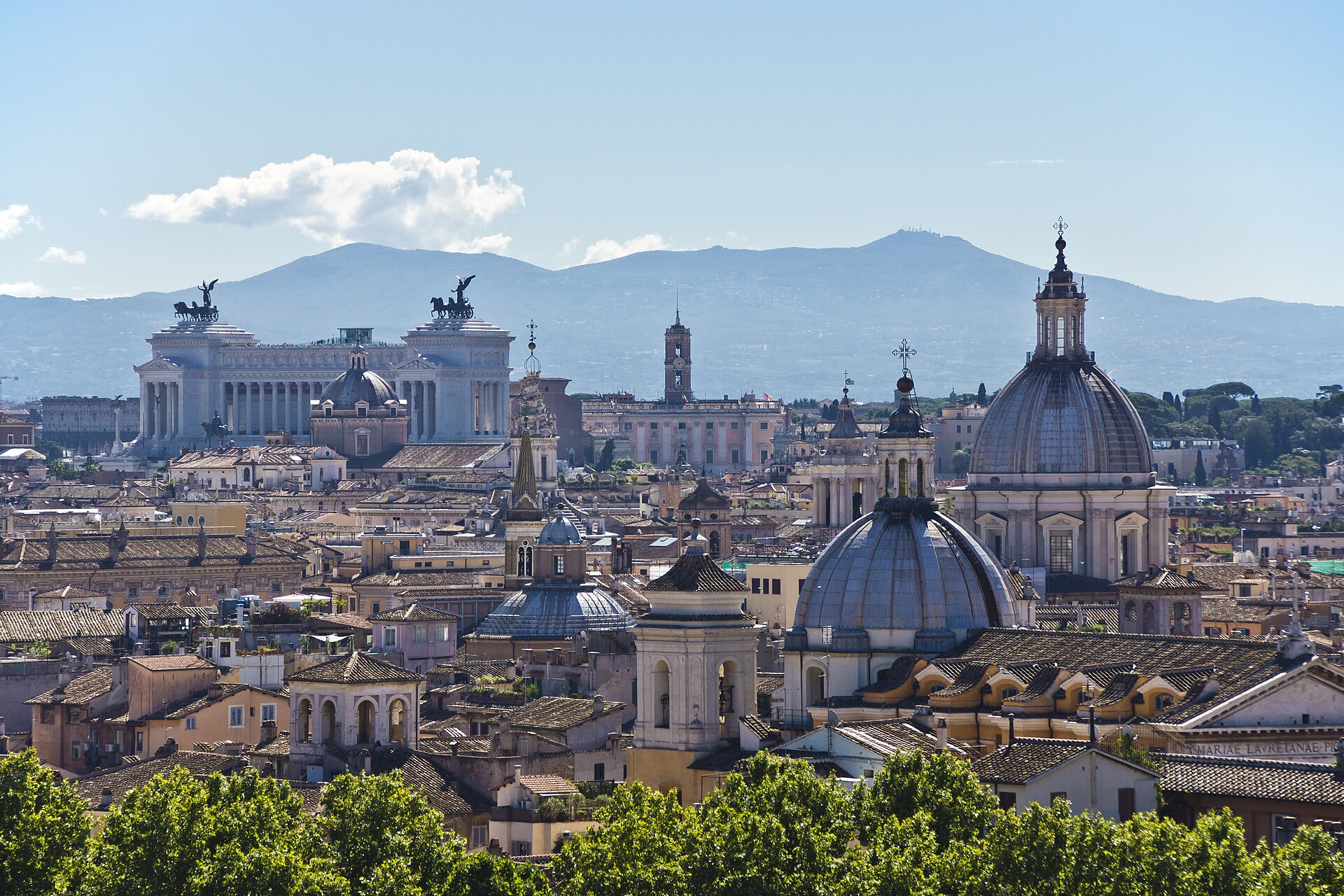
Photograph · Bert Kaufmann from Roermond, Netherlands · CC BY-SA 2.0

11,533 Places
Suggested stay
4–5 days
Getting around
Walking, metro, tram and bus

Turn this list into a plan

Set your days, your pace and the hours you actually want to be out. The planner works around closing days and travel time, and leaves room to eat.

Plan Rome

Editorial responsibility: Elena Voss · Roavina Travel Editor

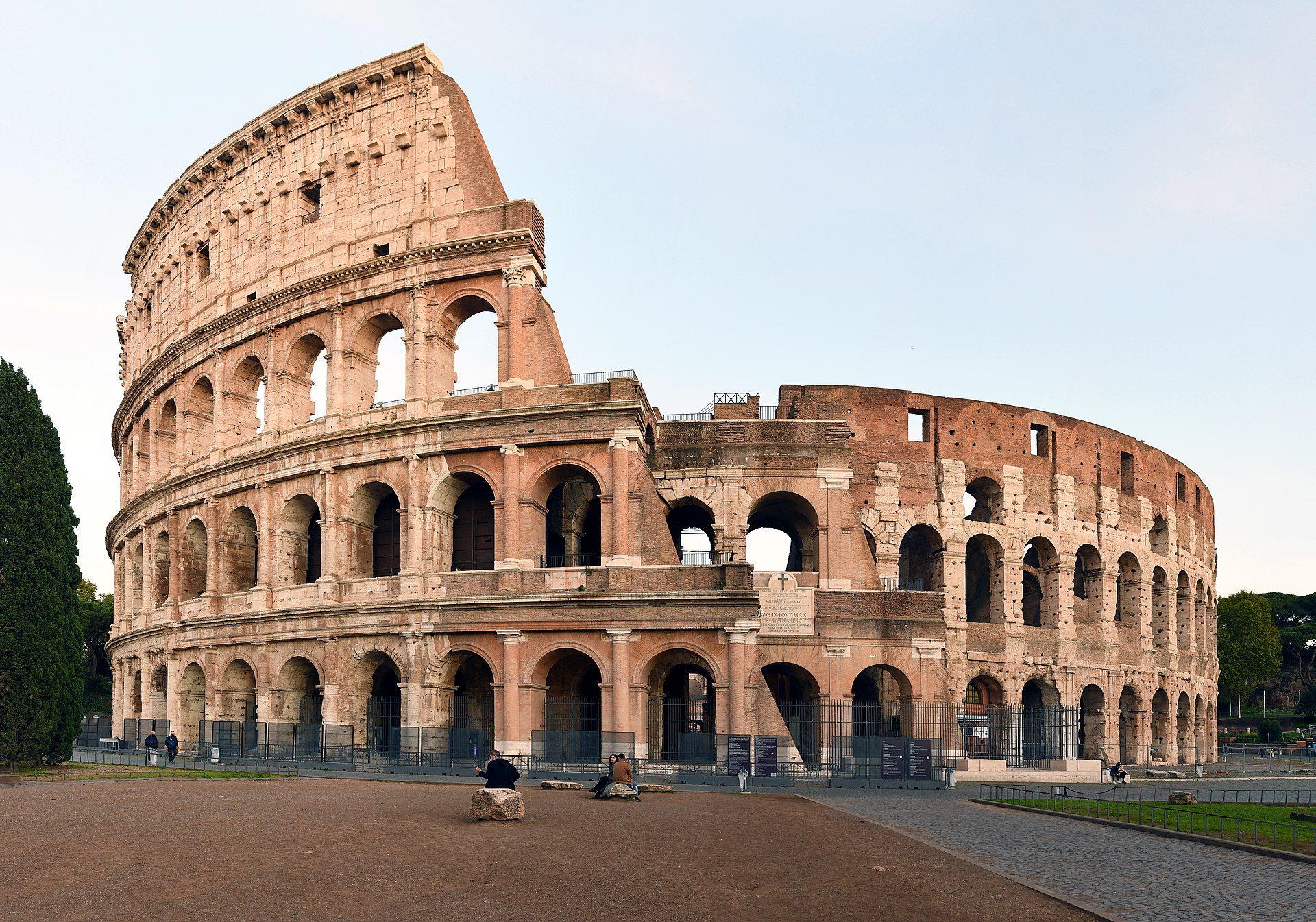
Rome is a broad historic city whose central archaeological, papal and baroque districts are close enough to walk but too dense to compress into one route. The Colosseum and forums, the Pantheon-Navona core, Vatican-Prati and Trastevere form separate clusters. Public transport handles longer links, yet much of a visit still happens on foot over uneven surfaces. Plan fewer major interiors per day and keep each route on one side of the Tiber where possible.

Checked 2026-08-26

Practical information

Language spoken
Italian
National practical orientation; regional and minority languages may also be used
Dialling code
+39
International calling code; local area and mobile prefixes still apply
Currency
Euro (EUR)
Use the official local currency; card acceptance varies by place
Emergency number
112
Use only for an emergency; tourist assistance may use a separate number
Plug type
Type C, F and L · 230 V
Check that chargers support the recorded voltage before using an adapter
Tap water
Not recorded
No verified nationwide visitor statement was recorded

Planning a visit

November · November brings Rome a 15.9°C mean high and its wettest normal month at 115.4 mm over 9.7 days.

  1. January: viable with meaningful trade-offs
  2. February: viable with meaningful trade-offs
  3. March: good time to visit
  4. April: good time to visit
  5. May: best time to visit
  6. June: best time to visit
  7. July: good time to visit
  8. August: good time to visit
  9. September: best time to visit
  10. October: good time to visit
  11. November: viable with meaningful trade-offs — current month
  12. December: viable with meaningful trade-offs

Sources

Top things to see

Ranked by importance — sitelinks, pageviews and heritage status, not editor preference.

  1. Trajan's Market Trajan's Market
    26 45 min

    Trajan's Market

    Mercati di Traiano

    Trajan's Market, known locally as Mercati di Traiano, constitutes an extensive complex of ruins in Rome traditionally associated with commercial and administrative functions. The structure forms part of the broader Forum of Trajan archaeological zone.

    • Must see
    • Historic site
  2. Fori Imperiali Fori Imperiali
    27 2 hours

    Fori Imperiali

    The Imperial Fora are several ancient civic squares beside Rome's Via dei Fori Imperiali, not a single building or the same ticket as the Colosseum.

    • Must see
    • Activity
  3. Catacomb of Callixtus Catacomb of Callixtus
    28 45 min

    Catacomb of Callixtus

    Catacombe di San Callisto

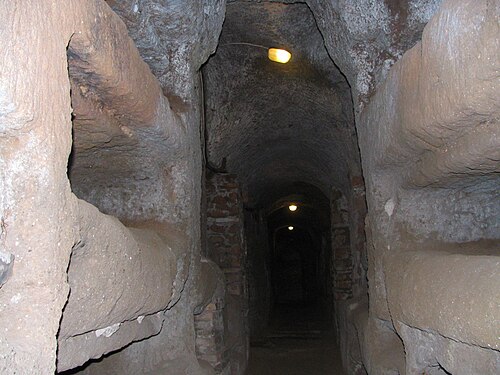
    The Catacomb of Callixtus, locally known as Catacombe di San Callisto, constitutes one of Rome's most significant early Christian burial complexes.

    • Must see
    • Historic site
  4. Catacombs of San Sebastiano Catacombs of San Sebastiano
    29 45 min

    Catacombs of San Sebastiano

    Catacombe di San Sebastiano

    The Catacombs of San Sebastiano are an ancient underground cemetery complex beside the Appian Way. The site takes its name from Saint Sebastian, the Christian martyr traditionally associated with burial here.

    • Must see
    • Historic site
  5. Appian Way Appian Way
    31 45 min

    Appian Way

    Via Appia Antica

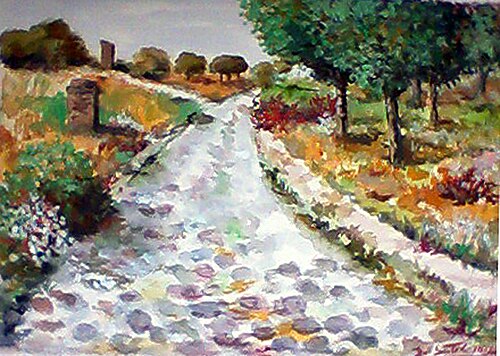
    The Appian Way, or Via Appia Antica, is one of ancient Rome’s oldest roads. Construction began in 312 BCE, creating a military and commercial route from Rome toward Brindisi in southeastern Italy.

    • Must see
    • Historic site
  6. Basilica of Saint Paul outside the Walls Basilica of Saint Paul outside the Walls
    32 30 min

    Basilica of Saint Paul outside the Walls

    Basilica di San Paolo fuori le mura

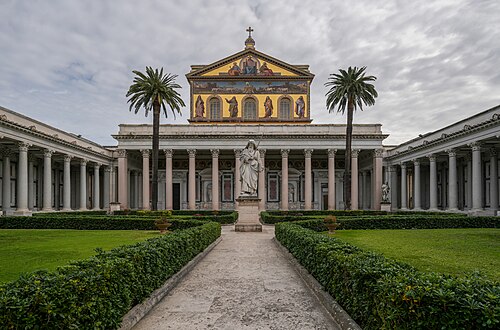
    The Basilica of Saint Paul Outside the Walls is one of Rome’s four major papal basilicas.

    • Must see
    • Place of worship
  7. San Pietro in Vincoli San Pietro in Vincoli
    33 30 min

    San Pietro in Vincoli

    Basilica di San Pietro in Vincoli

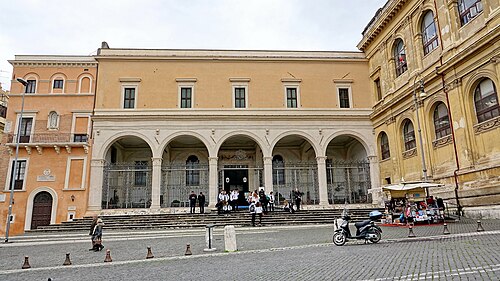
    San Pietro in Vincoli is a basilica in Rome, officially named Basilica di San Pietro in Vincoli. The church stands on the Oppian Hill near the Colosseum.

    • High
    • Place of worship
  8. Baths of Caracalla Baths of Caracalla
    34 45 min

    Baths of Caracalla

    Terme di Caracalla

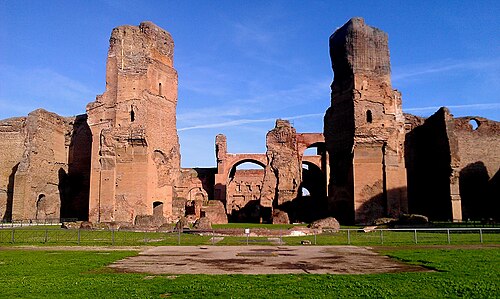
    The Baths of Caracalla, known locally as Terme di Caracalla, constitute one of Rome's most substantial surviving ancient bath complexes.

    • Must see
    • Historic site
  9. Four Rivers Fountain Four Rivers Fountain
    35 45 min

    Four Rivers Fountain

    Fontana dei Quattro Fiumi

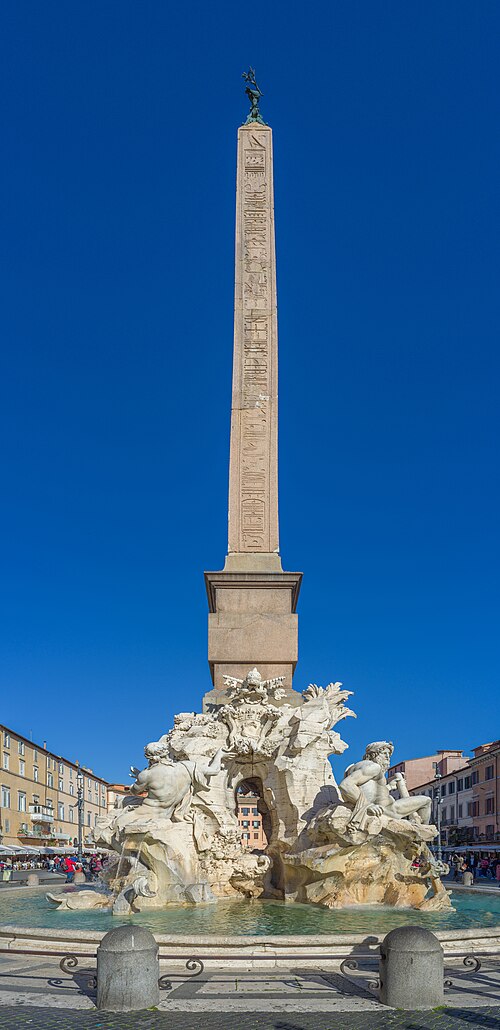
    The Fontana dei Quattro Fiumi is a Baroque masterpiece designed by Gian Lorenzo Bernini and completed in 1651. It occupies the center of Piazza Navona, one of Rome's most celebrated public squares.

    • Notable
    • Historic site
  10. Museo di Roma Museo di Roma
    37 1 hr 30 min

    Museo di Roma

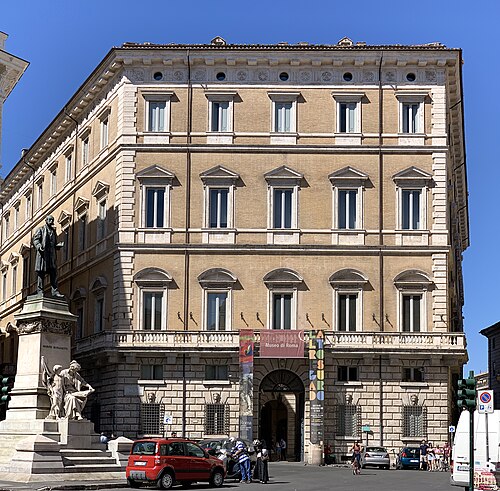
    The Museo di Roma is a museum dedicated to the history and culture of Rome. Located in the city center, it occupies a historic building that contributes to its significance as a cultural institution.

    • Must see
    • Museum
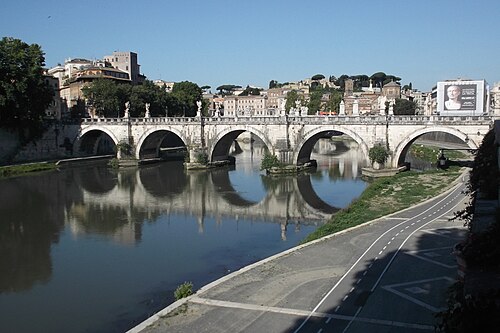
  11. Ponte Sant'Angelo Ponte Sant'Angelo
    38 45 min

    Ponte Sant'Angelo

    Ponte Sant'Angelo is a historic bridge spanning the Tiber River in Rome, connecting the city centre to the Castel Sant'Angelo.

    • Notable
    • Historic site
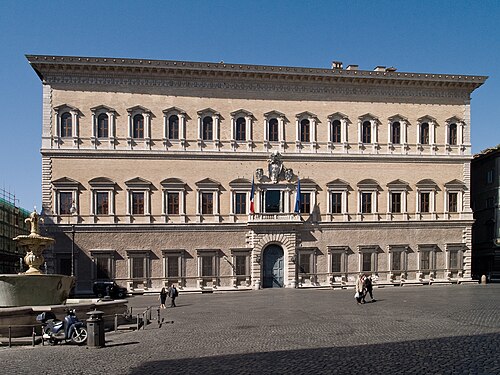
  12. Palazzo Farnese Palazzo Farnese
    39 45 min

    Palazzo Farnese

    Palazzo Farnese is a monumental High Renaissance palace on Piazza Farnese in Rome’s historic centre. The Farnese family commissioned the building, and Antonio da Sangallo the Younger began its design before Michelangelo contributed important later elements.

    • Notable
    • Historic site
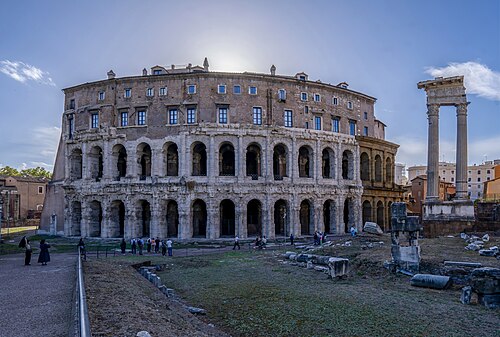
  13. Theatre of Marcellus Theatre of Marcellus
    40 45 min

    Theatre of Marcellus

    Teatro di Marcello

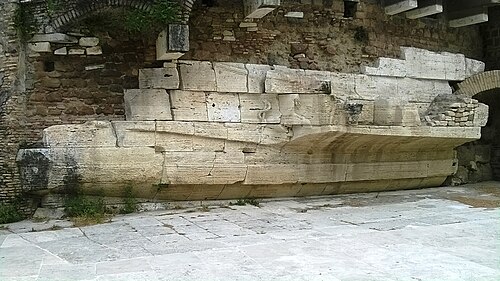
    The Theatre of Marcellus is an ancient open-air theatre in Rome, Italy. Its local name is Teatro di Marcello. Construction began under Julius Caesar and was completed by Augustus in 13 BC, dedicated to his nephew Marcus Claudius Marcellus.

    • Must see
    • Historic site
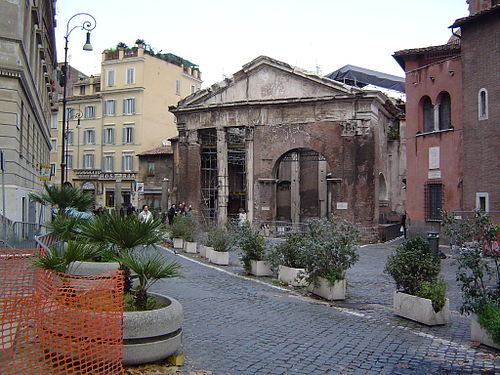
  14. Porticus Octaviae Porticus Octaviae
    41 45 min

    Porticus Octaviae

    Portico d'Ottavia

    The Porticus Octaviae, known locally as Portico d'Ottavia, is an ancient Roman portico in the heart of Rome's Jewish Ghetto.

    • Must see
    • Historic site
  15. Tiber Island Tiber Island
    43 20 min

    Tiber Island

    Isola Tiberina

    Isola Tiberina is the only island in the Tiber River within Rome's historic centre.

    • Must see
    • Viewpoint
  16. Orange Garden Orange Garden
    44 1 hour

    Orange Garden

    Giardino degli Aranci

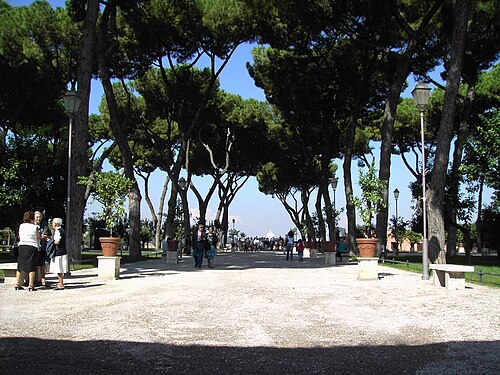
    The Orange Garden, or Giardino degli Aranci, is a compact public park on Rome’s Aventine Hill. Its elevated terrace opens across the city toward the dome of Saint Peter’s Basilica, making it one of Rome’s most rewarding short viewpoints.

    • High
    • Nature site
  17. Basilica of Saint Sabina Basilica of Saint Sabina
    45 30 min

    Basilica of Saint Sabina

    Basilica di Santa Sabina all'Aventino

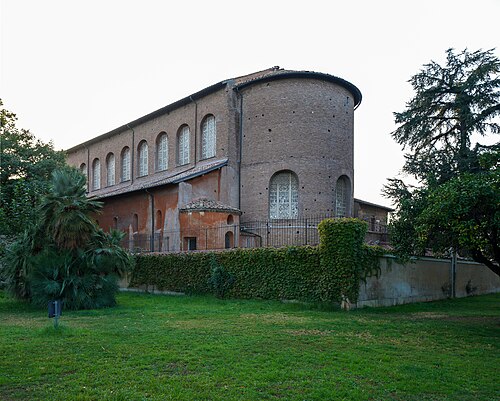
    Basilica of Saint Sabina stands on Rome’s Aventine Hill and was built between 422 and 432 CE. It is one of the city’s best-preserved early Christian basilicas, retaining much of its fifth-century structure.

    • High
    • Place of worship
  18. Aventine Keyhole Aventine Keyhole
    46 45 min

    Aventine Keyhole

    San Pietro dal Buco della serratura

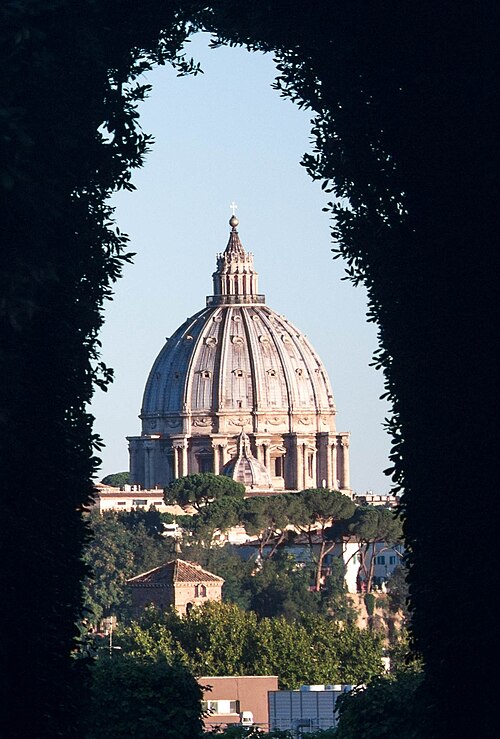
    The Aventine Keyhole is a peephole in the green door of the Priory of the Knights of Malta on Rome’s Aventine Hill.

    • High
    • Historic site
  19. Pyramid of Cestius Pyramid of Cestius
    48 45 min

    Pyramid of Cestius

    Piramide di Caio Cestio

    The Pyramid of Cestius is an ancient Roman pyramid in Rome, Italy. Built as a tomb for Gaius Cestius, a Roman magistrate, it dates to approximately 18–12 BCE.

    • Must see
    • Historic site

Source: OpenStreetMap contributors, Wikidata ·

How the city is laid out

The historic centre lies east of the Tiber around the Pantheon, Piazza Navona, Campo de' Fiori and the Trevi-Spanish Steps axis. Southeast, the Colosseum, Roman Forum, Palatine, Aventine and Baths of Caracalla form the main archaeological corridor. Across the river, Vatican City and Prati sit north of Trastevere and the Janiculum. Termini, Monti and Esquilino form the transport-facing eastern centre, while the Appian Way, EUR and Ostia Antica are separate outings beyond the core. The official tourism map treats these as distinct visitor zones for good reason.

Checked 2026-08-26

Getting around

Walk within the historic centre and use metro, tram or bus for the longer jumps. Rome's official tourism service notes that the public network connects the principal visitor sites, while the Metrebus system provides the common ticket framework. Metro coverage is useful for Termini, the Colosseum, the Vatican side and selected outer districts, but many central sights sit between stations. Buses fill those gaps and are vulnerable to road traffic. For the Appian Way or Ostia Antica, plan the complete outward and return connection before leaving the centre.

Checked 2026-08-26

More city guides

Common questions

How many days does Rome need?

Suggested stay for a first visit: 4–5 days. Three days can cover the ancient core, the baroque centre and the Vatican side, while extra time allows the Appian Way, Ostia Antica or less compressed museum visits.

When is the best time to visit Rome?

April through May and September through October generally offer more comfortable walking weather than midsummer. Rome remains busy in these periods, but lower heat matters because the historic centre is best explored on foot.

Is Rome easy to explore on foot?

The central clusters are walkable, but the whole city is not. Use walking for the Pantheon-Navona area, the forums or Trastevere, then use public transport between those zones rather than linking every district on foot.

Which Rome sights should be grouped together?

Keep the Colosseum, Forum and Palatine together; pair the Pantheon with Piazza Navona and Campo de' Fiori; and give the Vatican-Prati side its own day. Trastevere works naturally after a central river crossing.

Do visitors need a car in Rome?

No. Walking and the public transport network cover the principal visitor areas, while a car adds parking and restricted-access complications in the historic centre. Outer trips are generally better planned by rail, metro or bus.