Piazza Navona
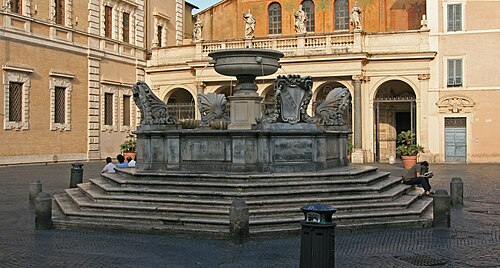
Piazza Navona is a long oval-ended square in the historic centre of Rome, and its shape is not a design decision of the Baroque period but the footprint of a Roman building.
- Must see
- Historic monument
City guide · Italy
Rome is a broad historic city whose central archaeological, papal and baroque districts are close enough to walk but too dense to compress into one route. The C...
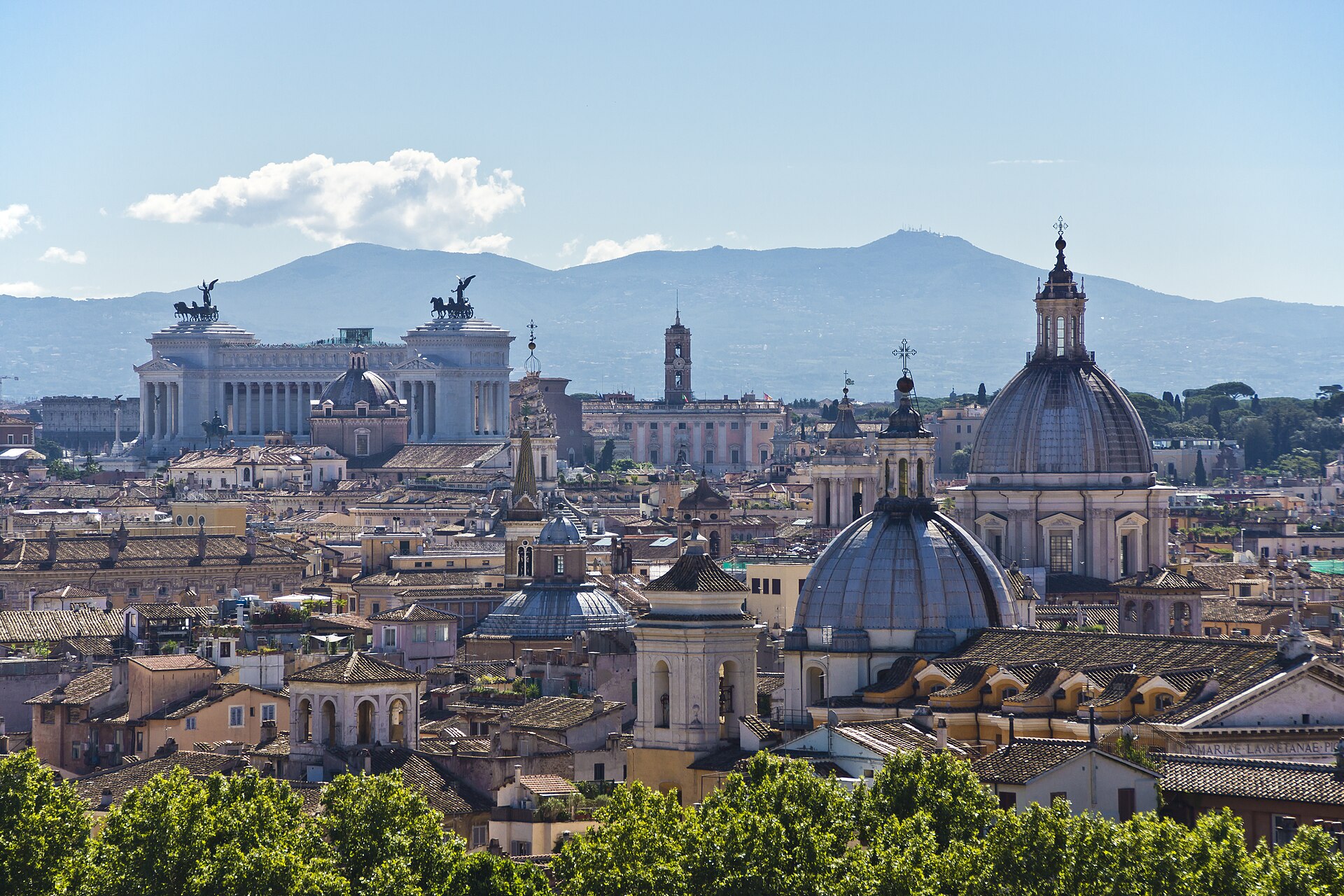
Photograph · Bert Kaufmann from Roermond, Netherlands · CC BY-SA 2.0
Set your days, your pace and the hours you actually want to be out. The planner works around closing days and travel time, and leaves room to eat.
Reviewed by Elena Voss · Roavina Travel Editor
Rome is a broad historic city whose central archaeological, papal and baroque districts are close enough to walk but too dense to compress into one route. The Colosseum and forums, the Pantheon-Navona core, Vatican-Prati and Trastevere form separate clusters. Public transport handles longer links, yet much of a visit still happens on foot over uneven surfaces. Plan fewer major interiors per day and keep each route on one side of the Tiber where possible.
Checked 2026-08-26
September · September cools Rome to a 26.5°C mean high, though normal rainfall rises to 73.3 mm.
Ranked by importance — sitelinks, pageviews and heritage status, not editor preference.
102 places match
Category
Typical visit duration
Interests
Piazza Navona is a long oval-ended square in the historic centre of Rome, and its shape is not a design decision of the Baroque period but the footprint of a Roman building.
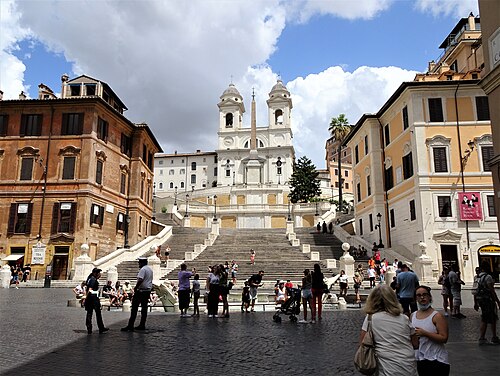
Scalinata della Trinità dei Monti
The Spanish Steps are the staircase that carries Piazza di Spagna up the slope of the Pincio hill to the church of Santissima Trinità dei Monti standing above it.
Castel Sant’Angelo
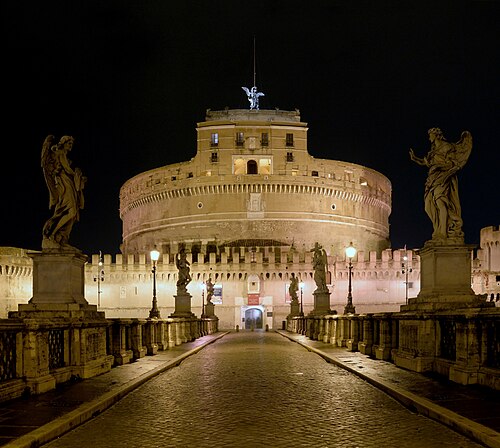
Castel Sant'Angelo is a single drum of brick and travertine on the right bank of the Tiber, and it has been four different buildings without ever being rebuilt.
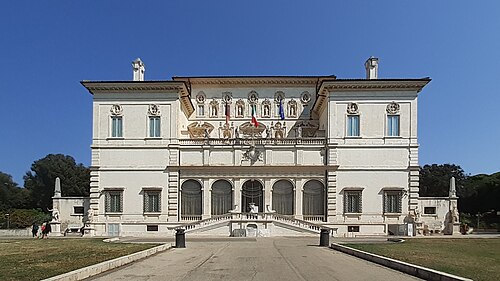
The Galleria Borghese is a state museum of the Italian Ministry of Culture, housed in the villa that Cardinal Scipione Borghese built for himself in the park now called Villa Borghese.
Musei Capitolini
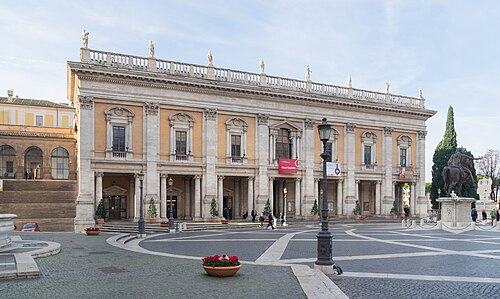
The Capitoline Museums occupy the two palaces that face each other across Michelangelo's piazza on the Capitoline Hill, at Piazza del Campidoglio 1.
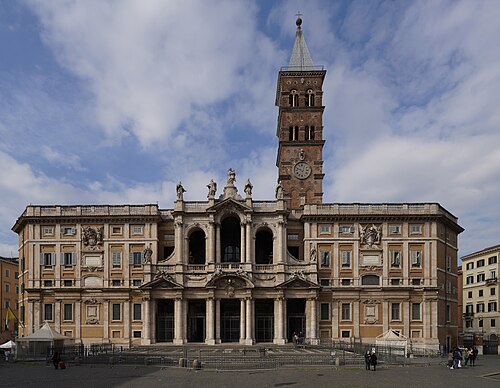
The Basilica of Saint Mary Major, or Basilica di Santa Maria Maggiore, is one of Rome’s four major basilicas and the city’s largest Marian church.
Basilica di San Giovanni in Laterano
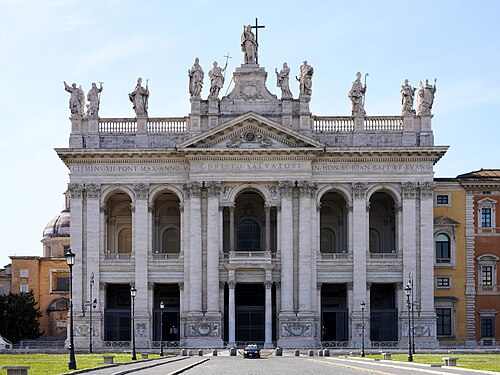
The Archbasilica of St. John Lateran is the cathedral church of Rome and the official ecclesiastical seat of the Pope.
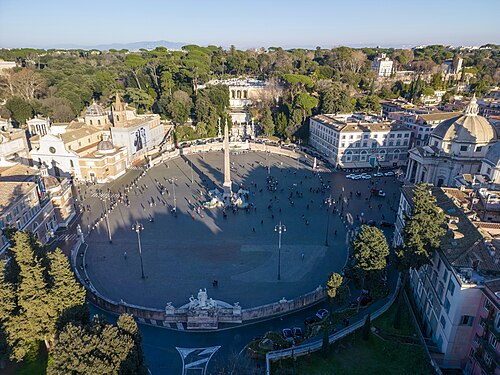
Piazza del Popolo is a large urban square in Rome, Italy. Its name derives from the poplar trees that once grew in the area, though some sources associate it with the Latin word populus meaning people.
Villa Borghese
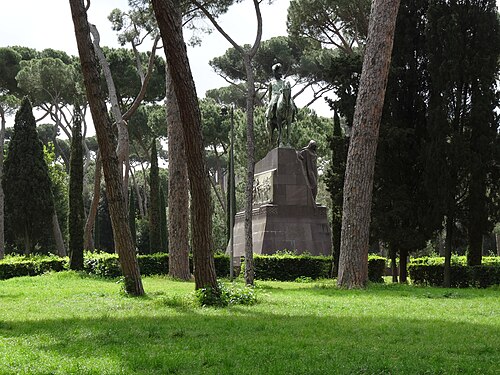
Villa Borghese is a large public park in central Rome, Italy. It covers substantial ground on the Pincian Hill and surrounding area, making it one of the city's most significant green spaces.
Terme di Caracalla
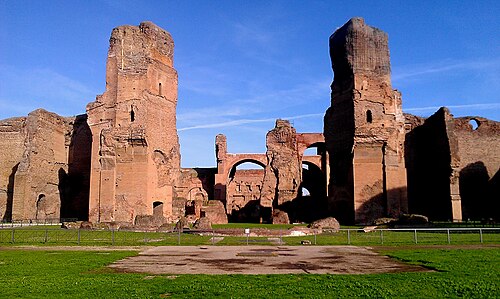
The Baths of Caracalla, known locally as Terme di Caracalla, constitute one of Rome's most substantial surviving ancient bath complexes.
Via Appia Antica
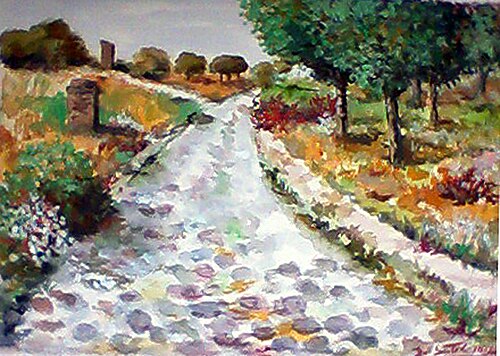
The Appian Way, or Via Appia Antica, is one of ancient Rome’s oldest roads. Construction began in 312 BCE, creating a military and commercial route from Rome toward Brindisi in southeastern Italy.
Circo Massimo
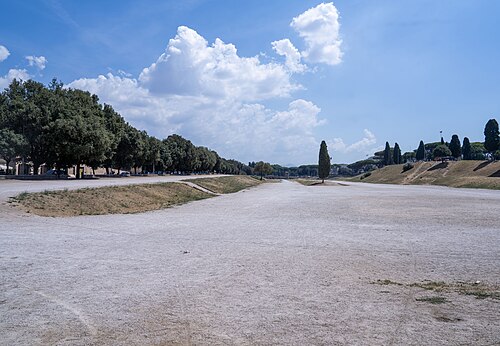
Circus Maximus, known locally as Circo Massimo, is an ancient Roman chariot racing stadium and mass entertainment venue situated in the valley between the Aventine and Palatine hills in Rome.
Mercati di Traiano
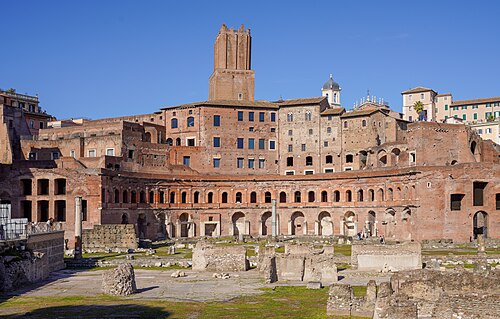
Trajan's Market, known locally as Mercati di Traiano, constitutes an extensive complex of ruins in Rome traditionally associated with commercial and administrative functions. The structure forms part of the broader Forum of Trajan archaeological zone.
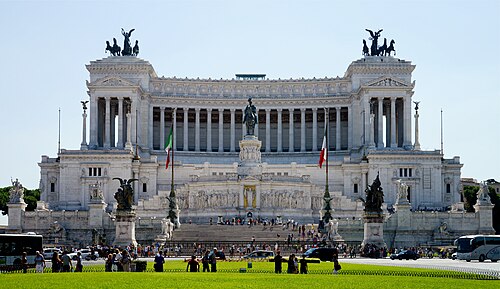
The Altare della Patria, formally known as the Monumento Nazionale a Vittorio Emanuele II, is a prominent national monument in central Rome.
Catacombe di San Callisto
The Catacomb of Callixtus, locally known as Catacombe di San Callisto, constitutes one of Rome's most significant early Christian burial complexes.
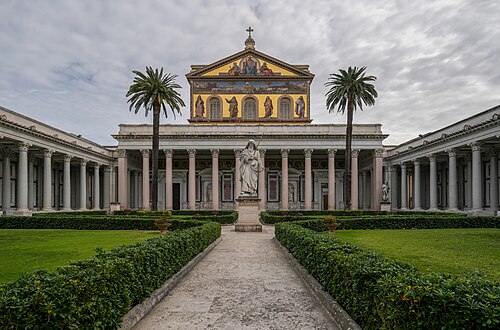
Basilica di San Paolo fuori le mura
The Basilica of Saint Paul Outside the Walls is one of Rome’s four major papal basilicas.
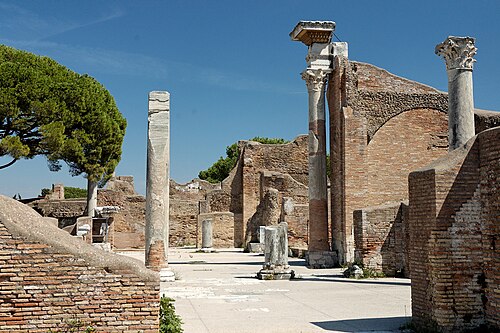
Ostia Antica
Ostia Antica is a large archaeological site located near Rome, preserving the remains of the ancient port city of Ostia.
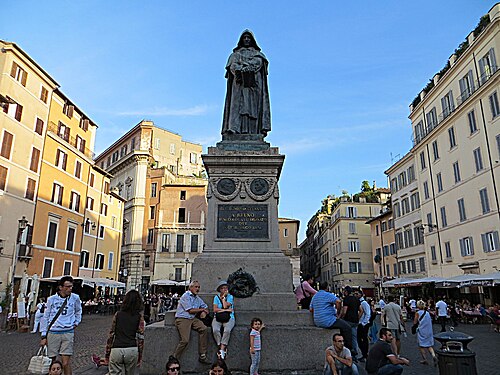
Campo de' Fiori is a rectangular public square in central Rome, south of Piazza Navona. Its name translates to Field of Flowers, reflecting its medieval origins as a meadow before urban development.
Trastevere is a historic district on the west bank of the Tiber River in Rome, Italy. Its name derives from the Latin trans Tiberim, meaning beyond the Tiber.
Palatino
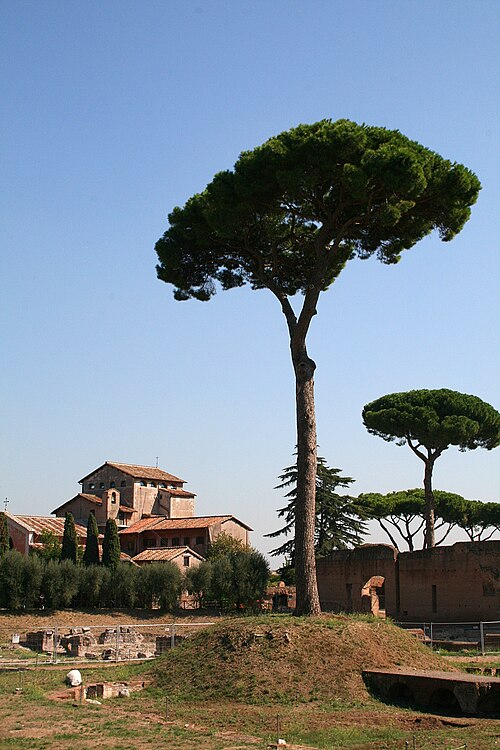
Palatino is one of Rome's seven hills and the centremost of the famous trio that includes Capitoline and Aventine. Archaeological evidence indicates human settlement here dating to approximately the tenth century BCE.
Cappella Sistina
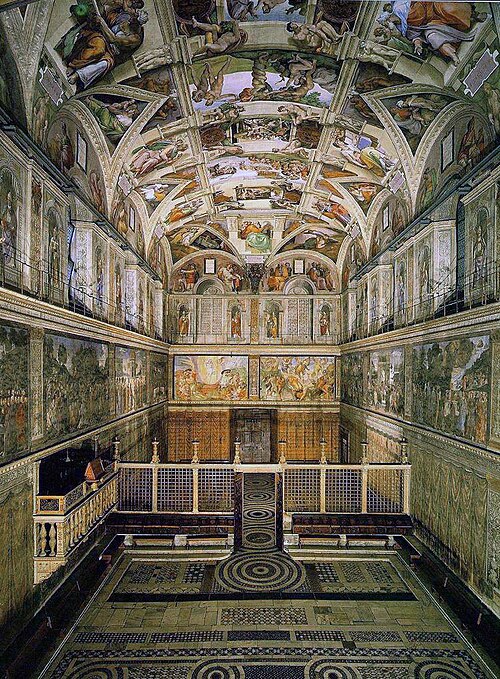
The Sistine Chapel, known locally as Cappella Sistina, is a chapel in the Apostolic Palace within Vatican City. It serves as the site of the Papal conclave, where new popes are elected.
The Imperial Fora constitute a sequence of monumental public squares constructed in Rome across several centuries of antiquity. These fora were commissioned by successive emperors as extensions to the original Roman Forum, serving administrative, religious, and commercial functions.
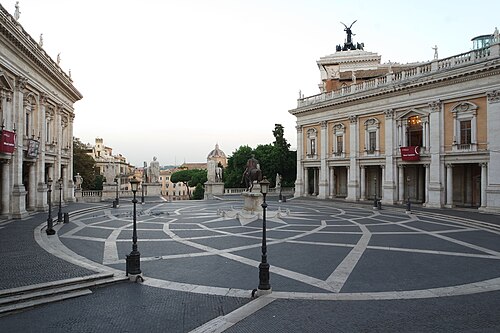
Piazza del Campidoglio is a public square atop the Capitoline Hill in Rome, Italy. Designed by Michelangelo in the 16th century, it represents one of the most significant examples of Renaissance urban planning.
The Bocca della Verità is a large ancient marble mask set into the wall of the portico of the church of Santa Maria in Cosmedin in Rome.
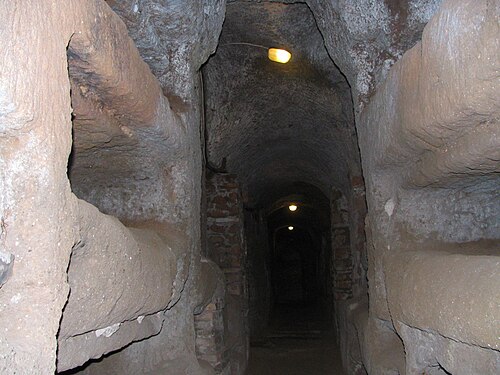
Catacombe di San Sebastiano
The Catacombs of San Sebastiano are an ancient underground cemetery complex beside the Appian Way. The site takes its name from Saint Sebastian, the Christian martyr traditionally associated with burial here.
The historic centre lies east of the Tiber around the Pantheon, Piazza Navona, Campo de' Fiori and the Trevi-Spanish Steps axis. Southeast, the Colosseum, Roman Forum, Palatine, Aventine and Baths of Caracalla form the main archaeological corridor. Across the river, Vatican City and Prati sit north of Trastevere and the Janiculum. Termini, Monti and Esquilino form the transport-facing eastern centre, while the Appian Way, EUR and Ostia Antica are separate outings beyond the core. The official tourism map treats these as distinct visitor zones for good reason.
Checked 2026-08-26
Walk within the historic centre and use metro, tram or bus for the longer jumps. Rome's official tourism service notes that the public network connects the principal visitor sites, while the Metrebus system provides the common ticket framework. Metro coverage is useful for Termini, the Colosseum, the Vatican side and selected outer districts, but many central sights sit between stations. Buses fill those gaps and are vulnerable to road traffic. For the Appian Way or Ostia Antica, plan the complete outward and return connection before leaving the centre.
Checked 2026-08-26
Four to five days suit a first visit. Three days can cover the ancient core, the baroque centre and the Vatican side, while extra time allows the Appian Way, Ostia Antica or less compressed museum visits.
April through May and September through October generally offer more comfortable walking weather than midsummer. Rome remains busy in these periods, but lower heat matters because the historic centre is best explored on foot.
The central clusters are walkable, but the whole city is not. Use walking for the Pantheon-Navona area, the forums or Trastevere, then use public transport between those zones rather than linking every district on foot.
Keep the Colosseum, Forum and Palatine together; pair the Pantheon with Piazza Navona and Campo de' Fiori; and give the Vatican-Prati side its own day. Trastevere works naturally after a central river crossing.
No. Walking and the public transport network cover the principal visitor areas, while a car adds parking and restricted-access complications in the historic centre. Outer trips are generally better planned by rail, metro or bus.