Bridge of Sighs
Ponte dei Sospiri
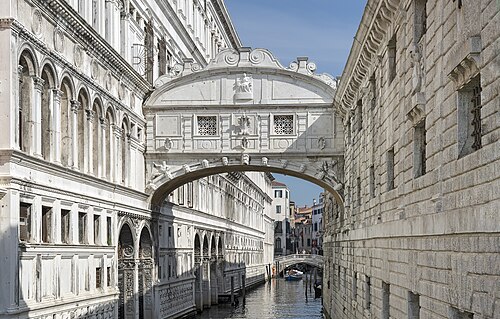
The Bridge of Sighs, or Ponte dei Sospiri, is an enclosed limestone bridge in Venice’s San Marco district. It crosses the Rio di Palazzo and links the Doge’s Palace with the New Prison.
- Must see
- Historic monument
City guide · Italy
Venice's historic centre occupies islands linked by bridges, with no road traffic inside the core. San Marco holds the best-known monuments, San Polo and Santa...
Photograph · Martin Falbisoner · CC BY-SA 4.0
Set your days, your pace and the hours you actually want to be out. The planner works around closing days and travel time, and leaves room to eat.
Reviewed by Elena Voss · Roavina Travel Editor
Venice's historic centre occupies islands linked by bridges, with no road traffic inside the core. San Marco holds the best-known monuments, San Polo and Santa Croce sit across the Grand Canal, and Cannaregio, Castello and Dorsoduro form distinct walking districts. Murano, Burano, Torcello and the Lido require water transport and should be planned as separate lagoon journeys.
Checked 2026-08-26
September · September in Venice has mean high 23.5°C, mean low 14.3°C, rainfall 72.0 mm, 5.9 rain days. Mild temperatures make Venice's canalside walking routes more comfortable. September supports a full day of outdoor stops in Venice.
Ranked by importance — sitelinks, pageviews and heritage status, not editor preference.
37 places match
Category
Typical visit duration
Interests
Ponte dei Sospiri
The Bridge of Sighs, or Ponte dei Sospiri, is an enclosed limestone bridge in Venice’s San Marco district. It crosses the Rio di Palazzo and links the Doge’s Palace with the New Prison.
Giardini Reali di Venezia
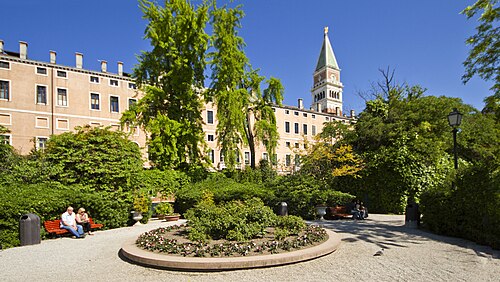
Giardini Reali is a historic formal garden beside Piazza San Marco, where a small landscaped space interrupts Venice’s dense stone-and-water cityscape. Its position near the Royal Palace area makes it an easy addition to a walk through San Marco.
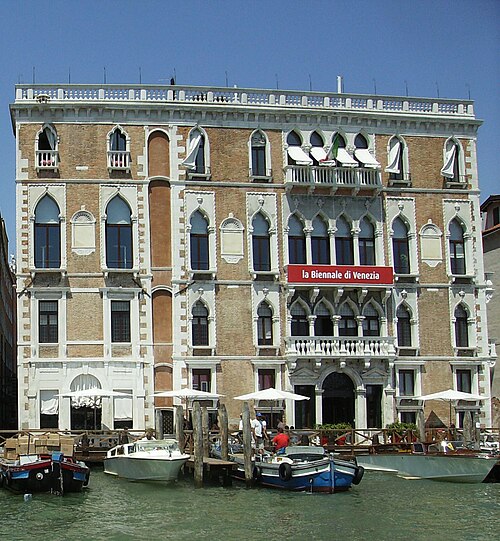
Palazzo Giustiniani
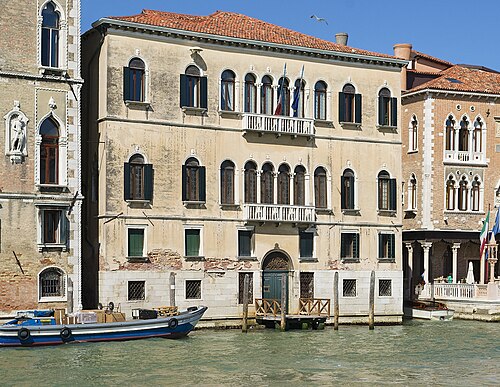
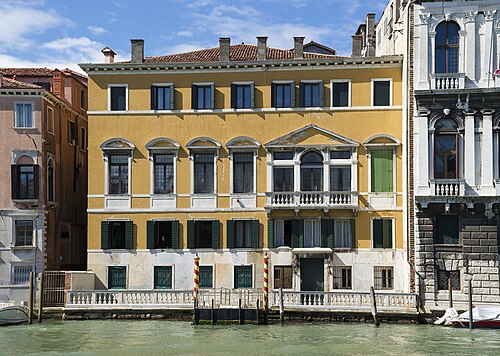
Ca’ Giustinian is a historic Venetian palazzo in the San Marco district, associated with the city’s tradition of grand residences along the Grand Canal.
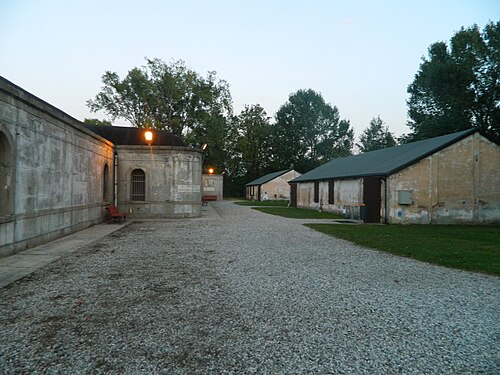
Forte Mezzacapo
Fort Mezzacapo, or Forte Mezzacapo, is a historic military fortification connected with Venice’s wider defensive landscape. It represents the strategic architecture used to protect the lagoon and surrounding territory.
Forte Sirtori
Fort Sirtori is a military fortification in Venice’s wider defensive landscape, shaped by the need to protect approaches to the lagoon and its settlements.
Forte Batteria Treporti
Fort Treporti, also known as Forte Batteria Treporti, is a historic military fortification in the Venetian lagoon area. It belongs to the defensive landscape that protected Venice and its maritime approaches.
Forte Tron
Fort Tron is a Venetian military fortification and a quieter historical counterpoint to the city's churches, palaces, and canals. Known locally as Forte Tron, it represents the defensive side of Venice's past and the strategic importance of the lagoon.
Forte Manin
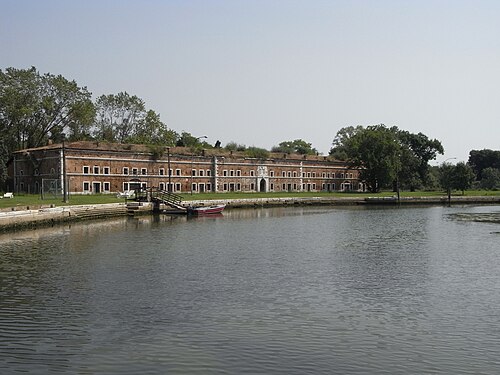
Forte Marghera, known locally as Forte Manin, is a historic fortification situated in the lagoon area near Venice. Built as part of the defensive system protecting the Venetian Republic, it represents significant military architecture from the period.
Vittorio Emanuele II
The Monument to Victor Emmanuel II is an outdoor civic memorial honoring the first king of unified Italy. In Venice, it connects the city's streetscape with the nineteenth-century Risorgimento and the political transformation that followed Italian unification.
Palazzo Erizzo
Palazzo Erizzo a San Martino is a historic Venetian palace in Dorsoduro, identified with the Church of San Martino. It belongs to the architectural world of Venetian noble residences, where grand buildings shaped the city's canals, campos, and streets.
Palazzo Moro
Palazzo Moro a San Barnaba is a historic Venetian palace located in the Dorsoduro district, overlooking the Rio di San Barnaba canal.
Torre dell'orologio
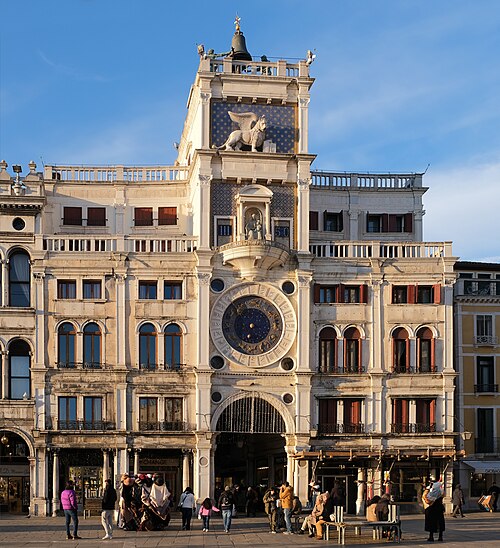
St Mark's Clocktower, or Torre dell'Orologio, is a Renaissance landmark on the north side of Piazza San Marco. Its astronomical clock displays the hours, moon phases and zodiac signs, while two bronze figures strike the bell above.
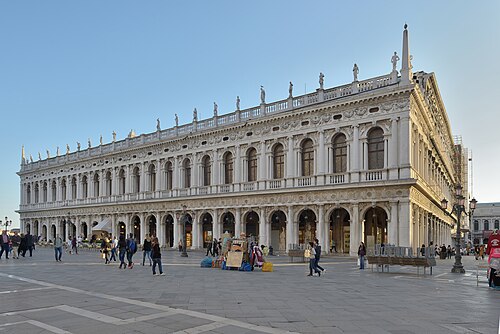
The Biblioteca Nazionale Marciana is a historic library in Venice, Italy, located in the Piazzetta San Marco near the Doge's Palace. Founded in the 16th century, it houses one of Italy's most important collections of classical manuscripts and texts.
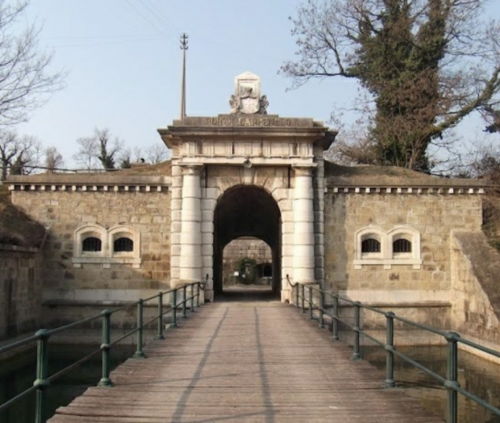
Forte Bazzera is a historic military fortification in the mainland part of Venice's municipal territory. It offers a different perspective on Venice from the lagoon palaces, bridges, and churches of the historic centre.
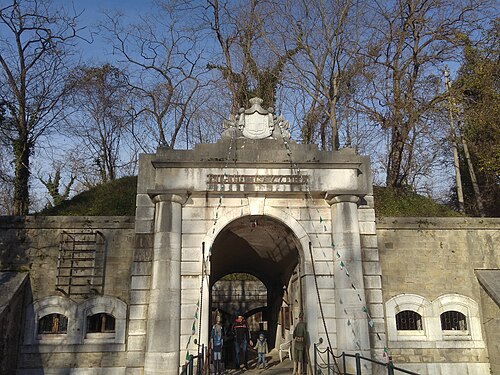
Forte Carpenedo is a military fortification located in the mainland district of Mestre, part of the Venice municipality. It belongs to the system of forts built during the Austrian domination of the Veneto region in the nineteenth century.
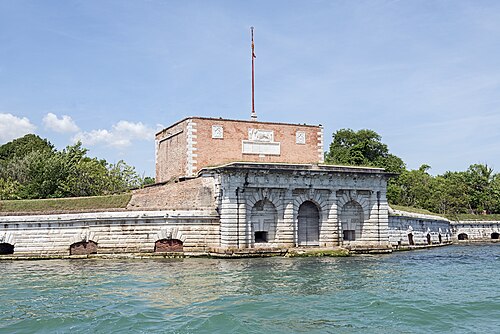
Forte di Sant'Andrea is a historic military fortification located on the island of Sant'Andrea in the Venetian Lagoon. Built in the 16th century, it formed part of Venice's defensive system protecting the city from maritime threats approaching from the northeast.
Forte Gazzera is a historic military fortification located in the mainland district of Mestre, part of the municipality of Venice.
Forte Malamocco is a historic fortification on the Lido of Venice, near Malamocco, one of the island's oldest settlements. It belongs to the defensive landscape that protected the lagoon entrance and maritime approaches to Venice.
Forte Rossarol is a military fortification in the Venetian lagoon defensive landscape. Its importance comes from the network of forts that protected Venice and the approaches to its waters, linking the structure to the city's broader military history.
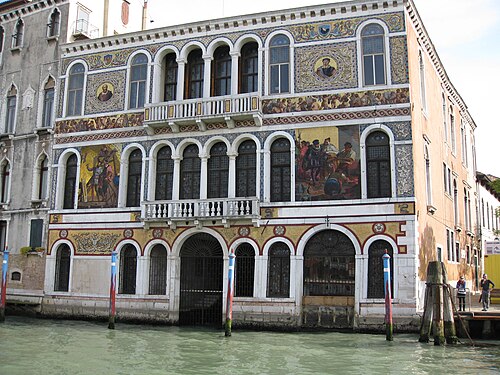
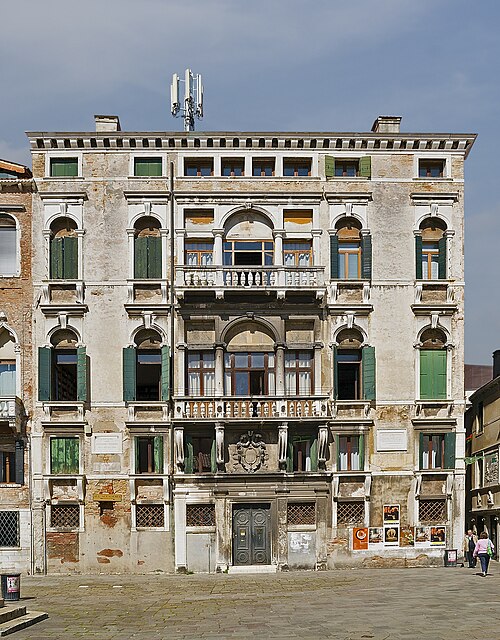
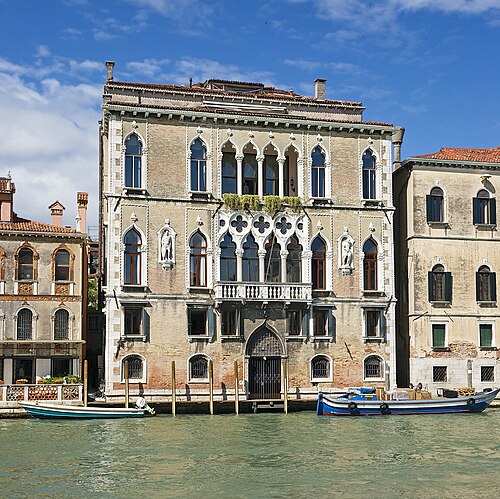
Palazzo Barbarigo is a historic palace on Venice's Grand Canal, associated with the Barbarigo family and the city's patrician residential tradition. Its facade combines Venetian Gothic character with later Renaissance changes, showing how noble houses evolved over time.
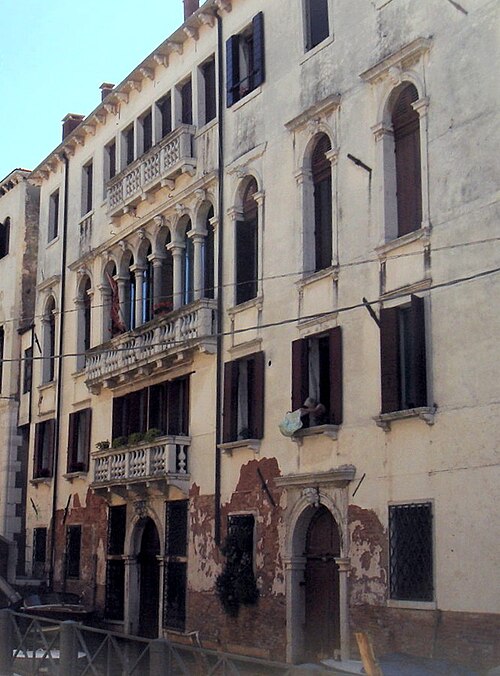
Palazzo Bellavite is a historic palace in Venice’s San Marco district. It belongs to the architectural landscape of central Venice, where noble residences, churches, bridges, and narrow streets form a continuous historic setting.
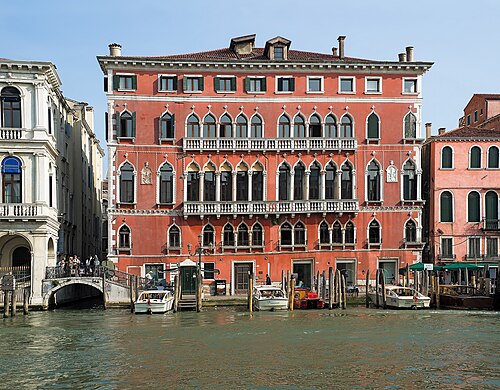
Palazzo Bembo is a historic palace on Venice’s Grand Canal, near the Rialto Bridge. Its Venetian Gothic character, together with later Renaissance elements, makes it a strong example of the layered palazzo facades lining the city’s principal waterway.
Palazzo delle Prigioni stands beside the Doge's Palace on Venice's waterfront, connected by the famous Bridge of Sighs. This former prison building served the Venetian Republic from the 16th century onward.
Palazzo Loredan dell'Ambasciatore is a historic Venetian palace located in the Dorsoduro district, overlooking the Grand Canal. It belongs to the Loredan family, one of Venice's most ancient and distinguished patrician houses.
Palazzo Mocenigo Gambara is a historic palace in Venice’s Dorsoduro district, linked with the Mocenigo family, one of the city’s prominent patrician houses. Its significance lies in the combination of noble-family history and Venetian palace architecture.
The Grand Canal curves through the historic centre and separates San Marco and Castello from San Polo, Santa Croce and Dorsoduro. Cannaregio stretches north toward the rail station, while Castello extends east beyond the busiest visitor streets. Piazzale Roma is the road and bus terminus; Santa Lucia is the rail arrival point. Lagoon islands are not extensions of a central walk and need dedicated vaporetto time.
Checked 2026-08-26
Walk within the historic centre and use ACTV water buses for longer canal journeys and lagoon islands. Venezia Unica lists vaporetti, buses, trams, the People Mover and ferry boats within the city transport system, while Alilaguna provides separate water connections to Marco Polo Airport. Routes can be indirect, so group island visits and confirm the current timetable before relying on a transfer.
Checked 2026-08-26
A fixed duration is not recorded. Plan the historic centre first, then reserve separate time for Murano, Burano, Torcello or the Lido if those islands matter to the visit.
Most of the historic centre is explored on foot across bridges and narrow lanes. Water buses are useful for longer canal trips, step-free alternatives and journeys to lagoon islands.
A vaporetto is a public water bus. ACTV routes connect stops in the historic centre with the Lido and lagoon islands as part of Venice's public transport network.
No. They are separate lagoon islands reached by water transport. Combine island stops deliberately and allow for waiting and transfer time between routes.
Venezia Unica identifies Alilaguna as the water connection between Marco Polo Airport and Venice. ACTV city transport and airport services are separate products, so check the correct operator before purchase.