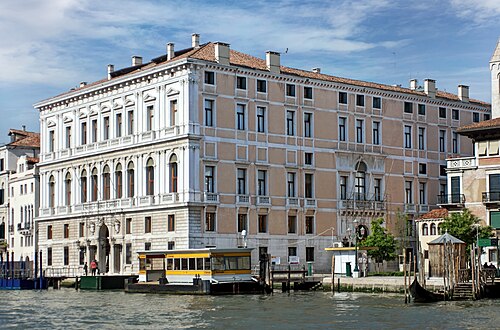
Palazzo Grassi
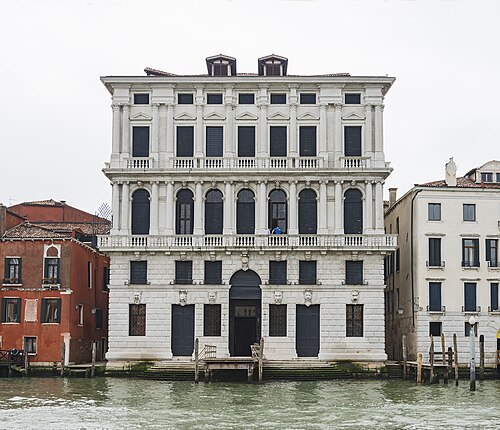
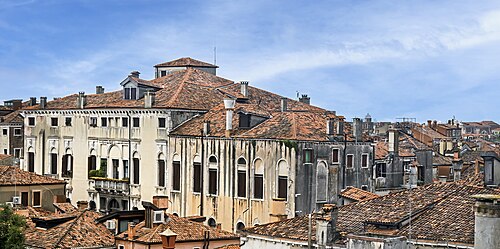
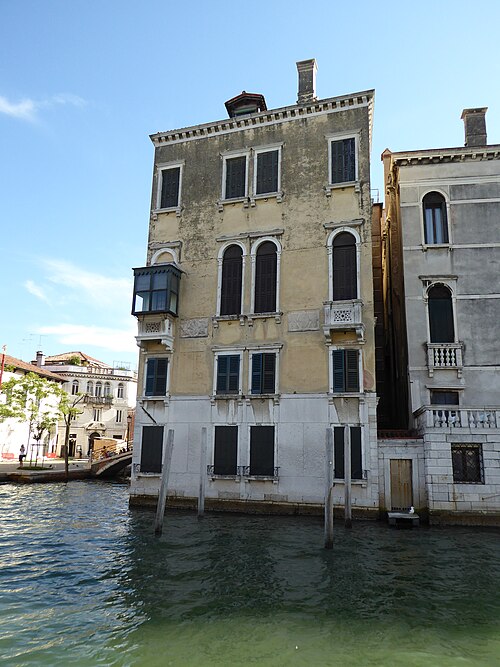
Palazzo Grassi is an eighteenth-century palace on Venice’s Grand Canal. Built for the Grassi family, it now operates as a contemporary art museum and exhibition venue.
- Must see
- Museum
City guide · Italy
Venice's historic centre occupies islands linked by bridges, with no road traffic inside the core. San Marco holds the best-known monuments, San Polo and Santa...
Photograph · Martin Falbisoner · CC BY-SA 4.0
Set your days, your pace and the hours you actually want to be out. The planner works around closing days and travel time, and leaves room to eat.
Reviewed by Elena Voss · Roavina Travel Editor
Venice's historic centre occupies islands linked by bridges, with no road traffic inside the core. San Marco holds the best-known monuments, San Polo and Santa Croce sit across the Grand Canal, and Cannaregio, Castello and Dorsoduro form distinct walking districts. Murano, Burano, Torcello and the Lido require water transport and should be planned as separate lagoon journeys.
Checked 2026-08-26
September · September in Venice has mean high 23.5°C, mean low 14.3°C, rainfall 72.0 mm, 5.9 rain days. Mild temperatures make Venice's canalside walking routes more comfortable. September supports a full day of outdoor stops in Venice.
Ranked by importance — sitelinks, pageviews and heritage status, not editor preference.
32 places match
Category
Typical visit duration
Interests
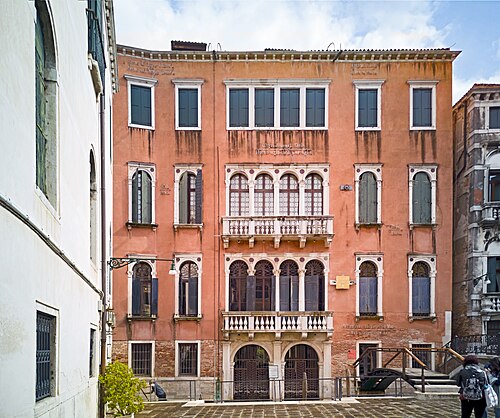
Palazzo Grassi is an eighteenth-century palace on Venice’s Grand Canal. Built for the Grassi family, it now operates as a contemporary art museum and exhibition venue.
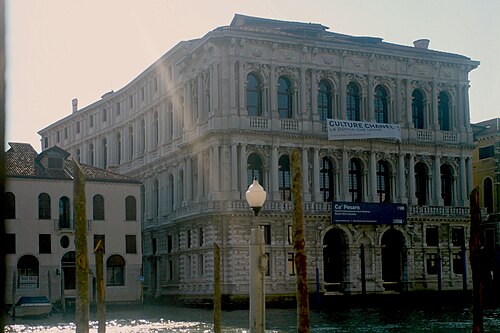
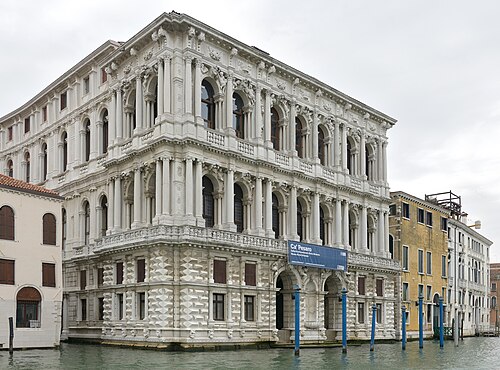
Ca' Pesaro is a Baroque palazzo situated on the Grand Canal in Venice's Santa Croce district. Constructed for the noble Pesaro family, the building was designed by architect Baldassare Longhena, with completion by Antonio Gaspari after Longhena's death.
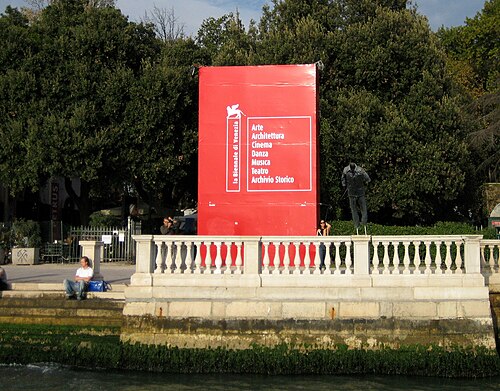
Giardini della Biennale is a historic park complex in the Castello district of Venice, Italy.
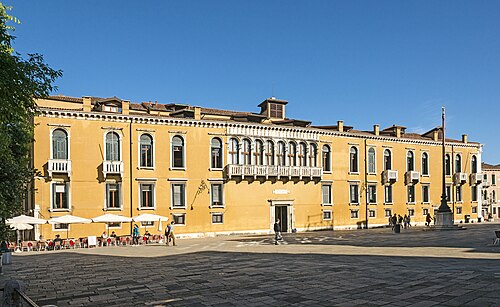
Fondazione Querini Stampalia is a cultural institution in Venice, Italy, combining a historic house museum, art gallery, library, and architectural garden. It occupies a palazzo in the Castello district, near Santa Maria Formosa.
Museo Ebraico
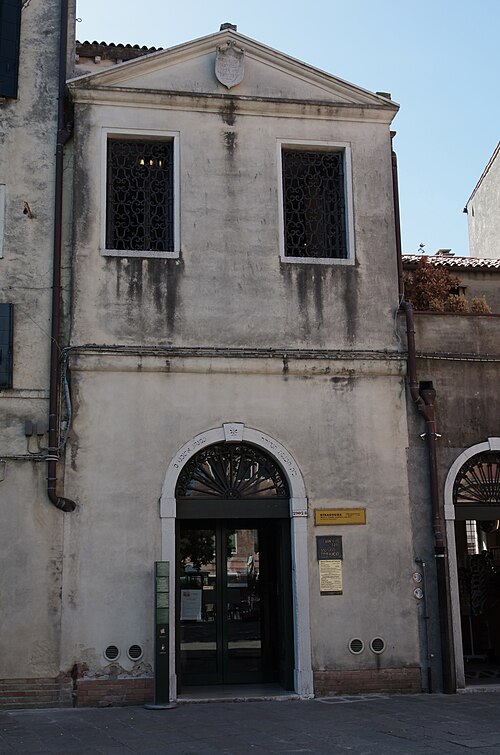
The Museo Ebraico di Venezia sits in the historic Venetian Ghetto in Cannaregio, a district established in 1516 and among Europe’s oldest segregated Jewish quarters.
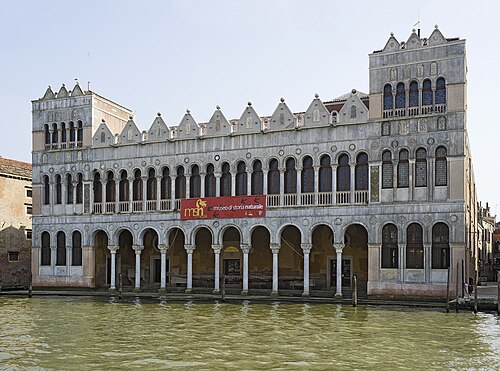
Museo di Storia Naturale di Venezia occupies the historic Fondaco dei Turchi beside the Grand Canal. The building gives the visit an architectural setting as distinctive as the collections inside, with Venetian-Byzantine details and a canal-side position.
Museo Storico Navale is Venice’s naval history museum in the Castello district, close to the Venetian Arsenal. The museum explores the maritime power that shaped Venice, from the era of the Venetian Republic to the modern Italian Navy.
Fondazione Prada’s Venice venue occupies Ca’ Corner della Regina in the Santa Croce district, overlooking the Grand Canal. The operator dates the present palace to 1723–1728 and identifies Domenico Rossi as its architect for the Corner family of San Cassiano.
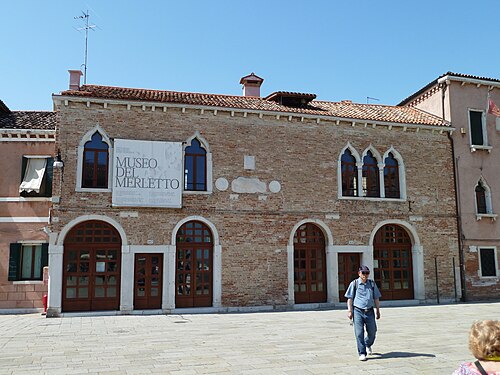
Museo del Merletto di Burano
The Lace Museum stands on Piazza Galuppi, the single square of Burano, in the historic palace of the Podestà of Torcello.
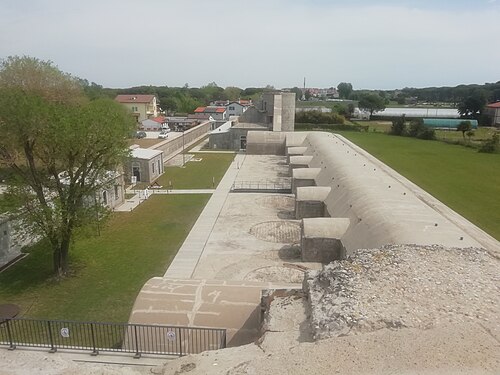
Batteria Vettor Pisani
Batteria Pisani, also known as Batteria Vettor Pisani, is a military heritage site connected with Venice’s lagoon defenses. Its name links the place with the Venetian admiral Vettor Pisani and the city’s maritime history.
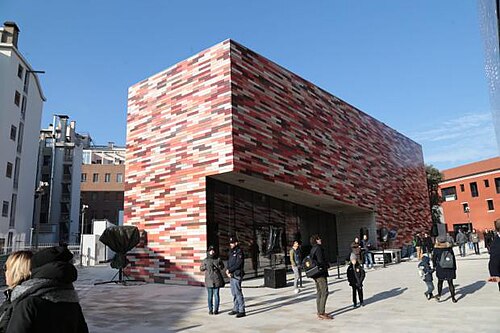
M9 Museo 900
M9 Museum, known locally as M9 Museo 900, is a cultural institution in Venice dedicated to twentieth-century Italian history. The museum occupies a significant position within the city's museum landscape, offering visitors an exploration of recent historical narratives.
Museo Casa Andrich
Museo Andrich, also known as Museo Casa Andrich, is a small house museum in Venice. Its identity is tied to an intimate domestic setting rather than the scale of the city’s major public museums.
Museo archeologico nazionale di Venezia
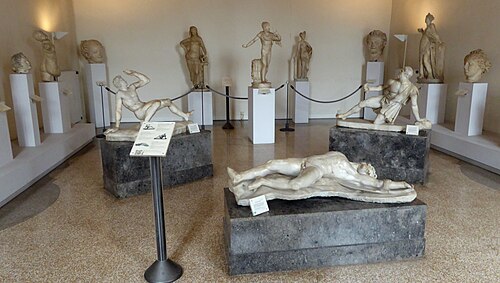
The Museo Archeologico Nazionale di Venezia is a national archaeological museum housed within the Procuratie Nuove in Piazza San Marco. It holds collections of Greek and Roman antiquities, sculptures, bronzes, gems, and coins.
Palazzo Mocenigo
Museo di Palazzo Mocenigo is a museum in a historic Venetian palace beside the Grand Canal. It introduces visitors to the world of Venetian dress, textiles, fragrance and aristocratic domestic life.
Museo Diocesano
Museo diocesano d'arte sacra Sant'Apollonia is a sacred-art museum near San Marco, housed in the former Benedictine convent of Sant’Apollonia. Its works came from churches within the Venetian diocese and represent centuries of religious painting, sculpture and decorative art.
Museo di Torcello
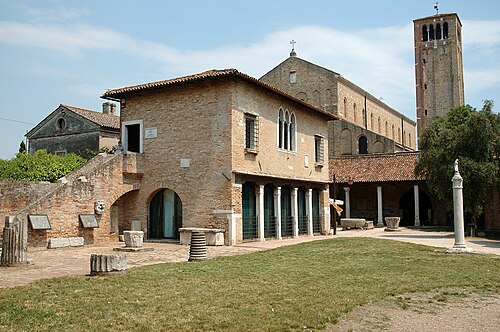
Museo provinciale di Torcello is the museum of Torcello, an island in the northern Venetian Lagoon.
Museo di icone
The Museum of Icons, also known locally as Museo di icone, is devoted to Eastern Christian religious art. Its collection centers on icons painted on wooden panels within Byzantine and post-Byzantine traditions.
Museo d'Arte Orientale
The Museum of Oriental Art, locally known as Museo d'Arte Orientale, is a museum in Venice dedicated to Asian artistic traditions.
Museo Archeologico Nazionale di Altino is an archaeological museum located in the Veneto region near Venice. The institution preserves and exhibits artifacts from the ancient Roman settlement of Altinum, a significant city that predates Venice itself.
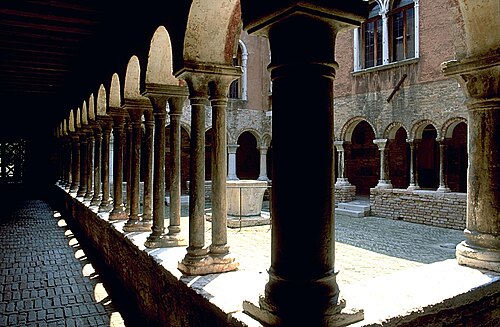
Oratorio dei Crociferi is a small Venetian oratory in Cannaregio, associated with the Crociferi religious order. It belongs to the quieter, more intimate layer of Venice’s ecclesiastical heritage, away from the scale of the city’s celebrated basilicas.
Palazzo Grimani di Santa Maria Formosa is a Renaissance palace in Venice's Castello district. The building belonged to the Grimani family, prominent Venetian patricians who later became cardinals and doges.
Palazzo Loredan Cini stands as a historic palace in Venice, positioned along the Grand Canal in the San Marco district. The building represents Venetian Gothic architecture with its characteristic waterfront facade.
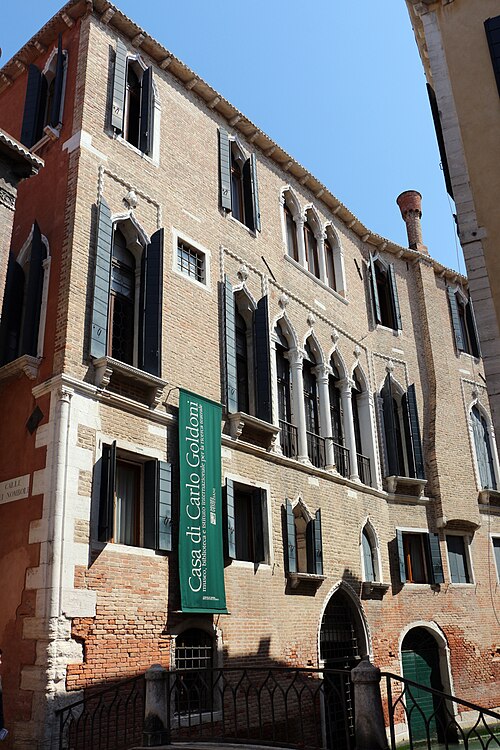
Casa di Carlo Goldoni
Casa di Carlo Goldoni is a museum dedicated to the life and work of Carlo Goldoni, the celebrated 18th-century Venetian playwright.
Istituto Veneto di Scienze Lettere ed Arti
The Istituto Veneto di Scienze, Lettere ed Arti is a historic learned institution in Venice, founded in 1838 and housed in the Palazzo Cavalli Franchetti on the Grand Canal.
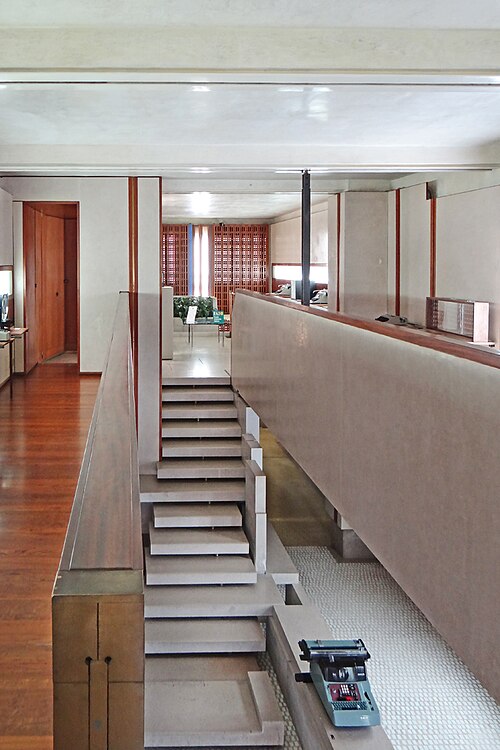
Negozio Olivetti
The Olivetti Exhibition Centre, known locally as Negozio Olivetti, is a historic showroom located in Venice, Italy. It was originally designed as a retail space for the Olivetti typewriter company, showcasing the firm's commitment to modernist design and corporate architecture.
The Grand Canal curves through the historic centre and separates San Marco and Castello from San Polo, Santa Croce and Dorsoduro. Cannaregio stretches north toward the rail station, while Castello extends east beyond the busiest visitor streets. Piazzale Roma is the road and bus terminus; Santa Lucia is the rail arrival point. Lagoon islands are not extensions of a central walk and need dedicated vaporetto time.
Checked 2026-08-26
Walk within the historic centre and use ACTV water buses for longer canal journeys and lagoon islands. Venezia Unica lists vaporetti, buses, trams, the People Mover and ferry boats within the city transport system, while Alilaguna provides separate water connections to Marco Polo Airport. Routes can be indirect, so group island visits and confirm the current timetable before relying on a transfer.
Checked 2026-08-26
A fixed duration is not recorded. Plan the historic centre first, then reserve separate time for Murano, Burano, Torcello or the Lido if those islands matter to the visit.
Most of the historic centre is explored on foot across bridges and narrow lanes. Water buses are useful for longer canal trips, step-free alternatives and journeys to lagoon islands.
A vaporetto is a public water bus. ACTV routes connect stops in the historic centre with the Lido and lagoon islands as part of Venice's public transport network.
No. They are separate lagoon islands reached by water transport. Combine island stops deliberately and allow for waiting and transfer time between routes.
Venezia Unica identifies Alilaguna as the water connection between Marco Polo Airport and Venice. ACTV city transport and airport services are separate products, so check the correct operator before purchase.