Fushimi Inari-taisha
伏見稲荷大社
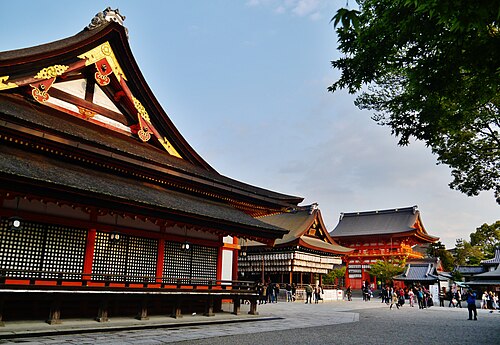
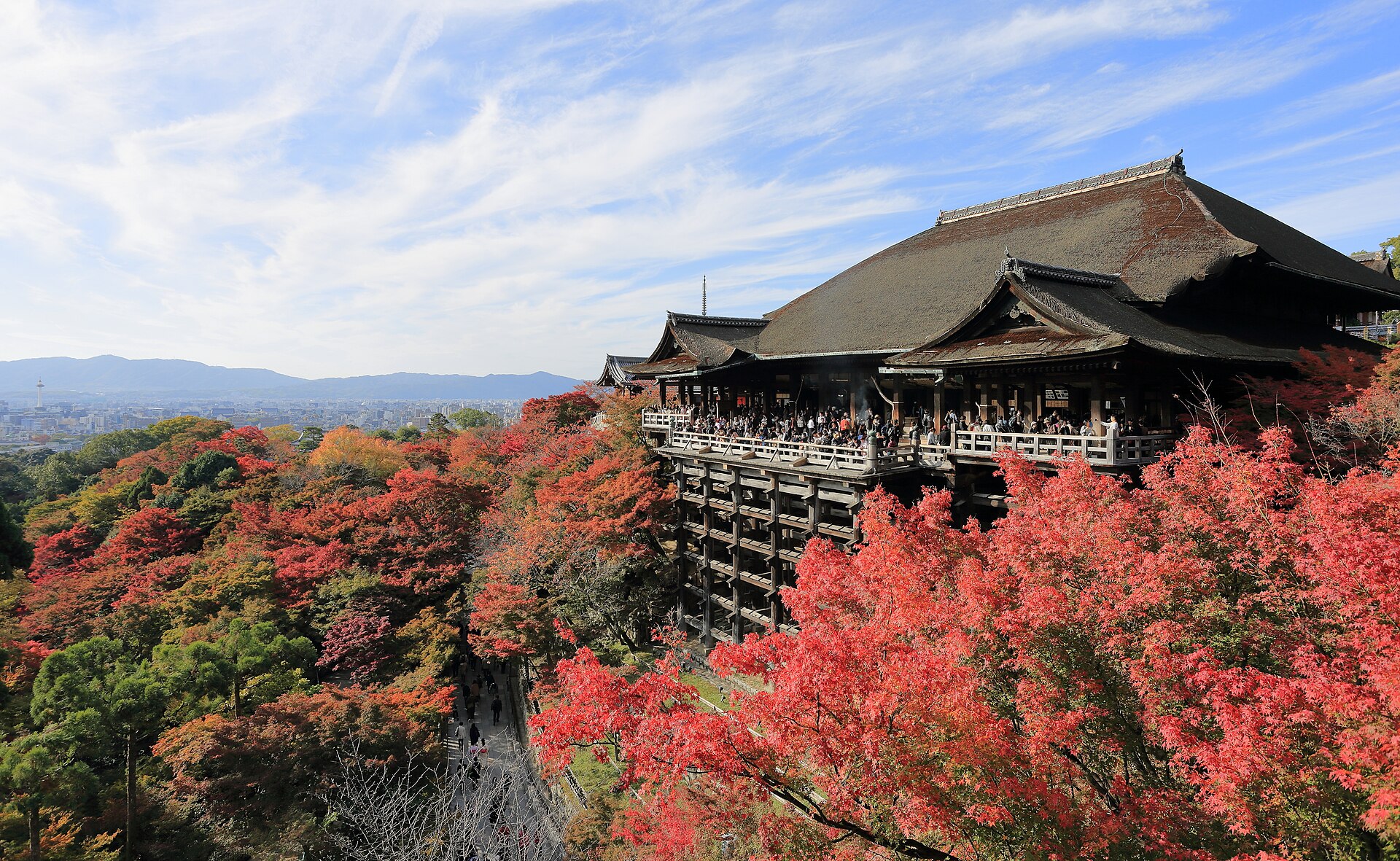
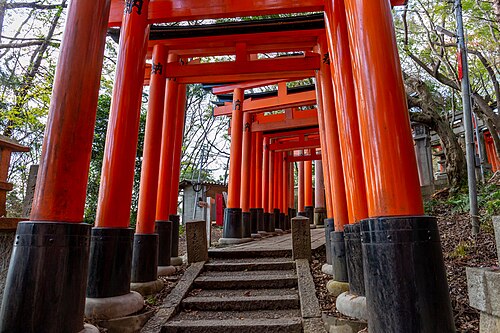
Fushimi Inari Taisha is a Shinto shrine located in Fushimi Ward, Kyoto. It serves as the head shrine of approximately 30,000 Inari shrines across Japan.
- Must see
- Place of worship
- Kyoto
Country guide
Around three quarters of Japan is mountain and forest, which pushes almost everyone onto the eastern coastal plains and makes the country far narrower in practi...
Photograph · Midori · CC BY 3.0
Reviewed by Elena Voss · Roavina Travel Editor
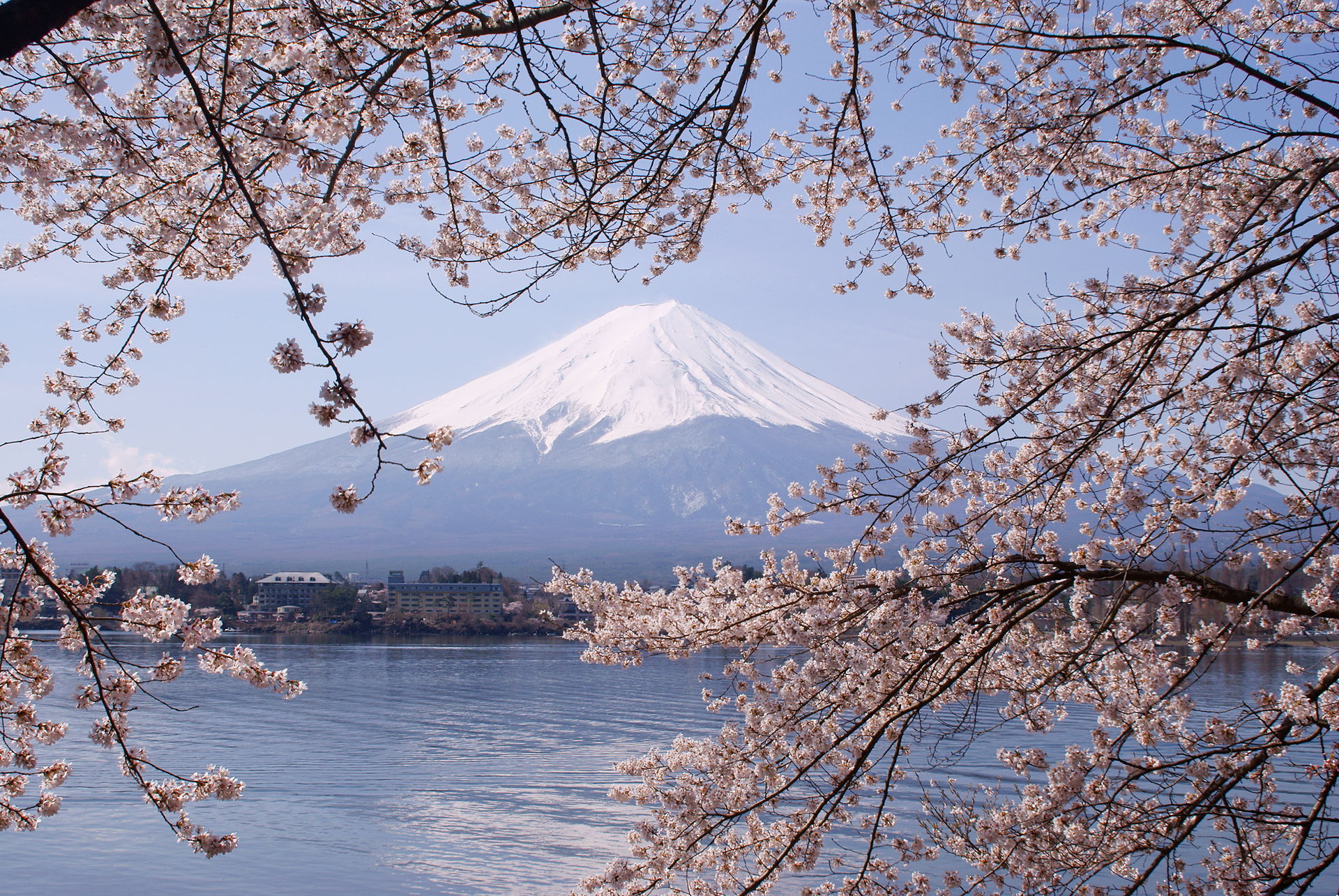
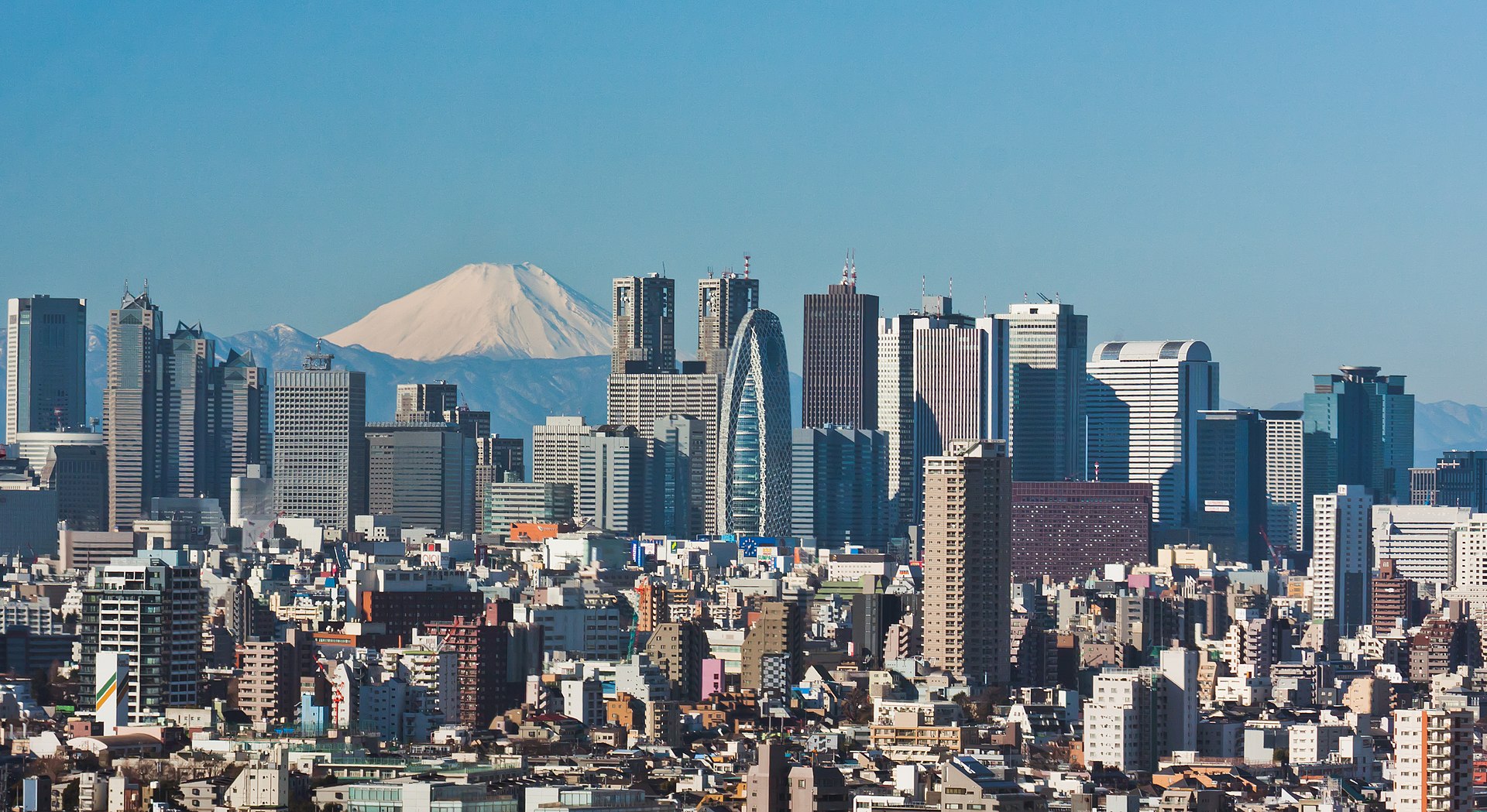
Around three quarters of Japan is mountain and forest, which pushes almost everyone onto the eastern coastal plains and makes the country far narrower in practice than 377,975 km2 suggests. Forty-seven prefectures, eight traditional regions and more than 14,000 smaller islands, and yet a first visit usually runs along a single rail corridor with Tokyo at one end and Kyoto and Osaka at the other. Tokyo is the capital and largest city of a country of almost 123 million people. Hokkaido in the north and Okinawa in the south are different climates rather than day trips, and both need their own week.
Checked 2026-08-25
Every city catalogued in this country so far, ranked by how much there is to see.
Photograph · Morio · CC BY-SA 3.0
Photograph · Martin Falbisoner · CC BY-SA 4.0
Ranked by importance — sitelinks, pageviews and heritage status, not editor preference.
52 places match
Category
Typical visit duration
Interests
伏見稲荷大社
Fushimi Inari Taisha is a Shinto shrine located in Fushimi Ward, Kyoto. It serves as the head shrine of approximately 30,000 Inari shrines across Japan.
東福寺
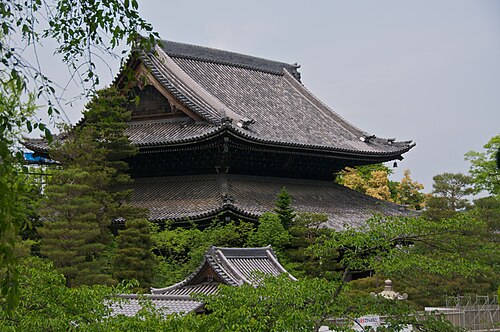
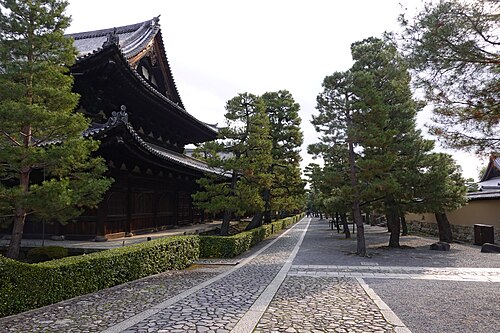
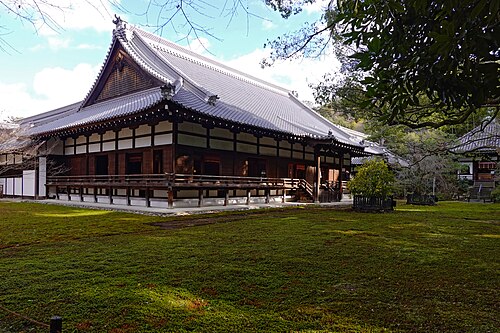
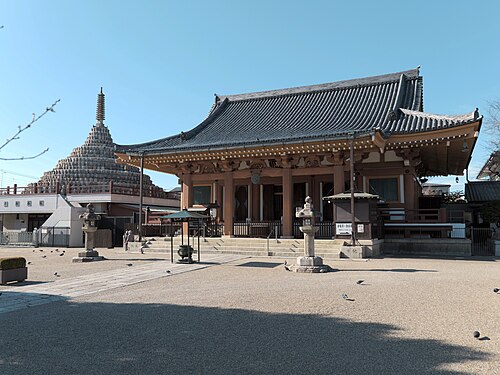
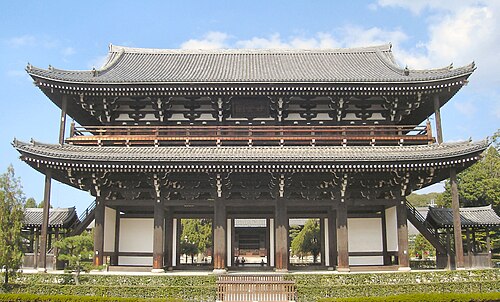
Tofuku-ji is a Rinzai Zen Buddhist temple in southeastern Kyoto. Founded in 1236 by the statesman Kujo Michiie, it took its name from combining characters from Todai-ji and Kofuku-ji in Nara.
八坂神社
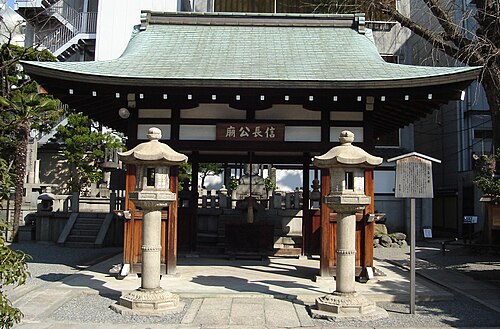
Yasaka Shrine is a Shinto shrine located in Kyoto, Japan. It is also known as Gion Shrine. The shrine stands at the eastern end of Shijo-dori, a major thoroughfare in the city.
知恩院
Chion-in is a Jodo-shu Buddhist temple in Kyoto, Japan. It serves as the headquarters of the Jodo-shu sect founded by Honen. The temple complex occupies a significant site on the slopes of Higashiyama.
北野天満宮
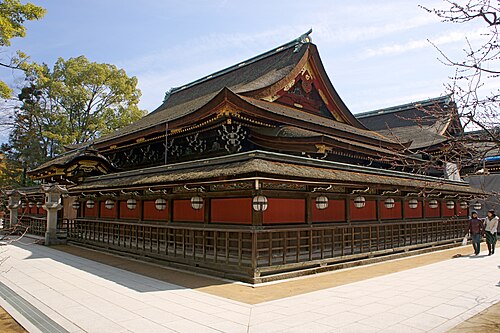
Kitano Tenmangu is a Shinto shrine in Kyoto, Japan, dedicated to Sugawara no Michizane, a scholar and politician of the Heian period who was later deified as Tenjin, the god of learning.
高台寺
Kodaiji Temple is a Zen Buddhist temple in Kyoto's Higashiyama district. It was established in 1606 by Kita-no-Mandokoro, also known as Nene, in memory of her husband Toyotomi Hideyoshi, the prominent unifier of Japan.
東本願寺
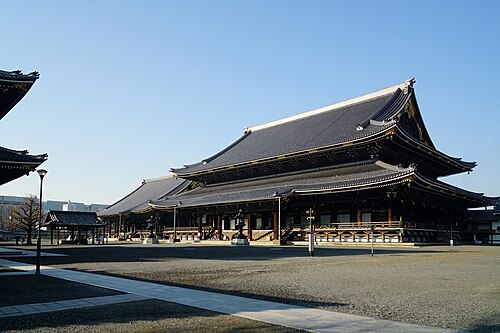
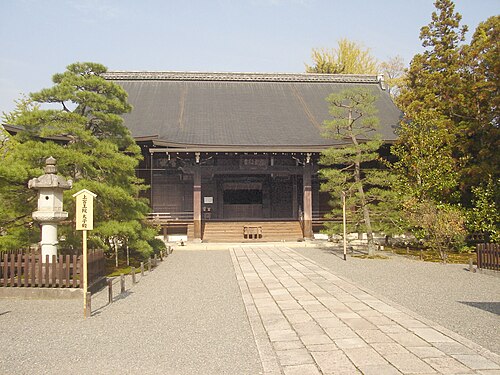
Higashi Hongan-ji is a Jodo Shinshu Buddhist temple in Kyoto, serving as the headquarters of the Otani-ha branch. Founded in 1602 by Shogun Tokugawa Ieyasu, it was established to reduce the political influence of the original Hongan-ji faction.
根津神社
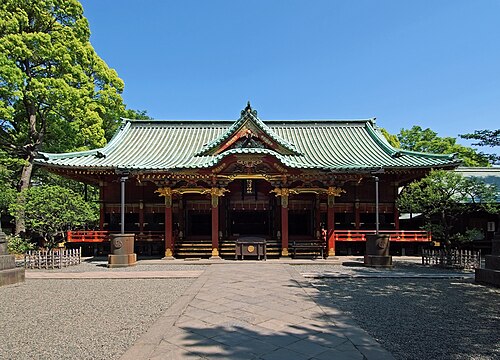
Nezu Shrine is a historic Shinto shrine in Tokyo’s Bunkyo ward and one of the city’s oldest surviving places of worship. The shrine is especially known for its azalea plantings, traditional architecture, ponds, stone lanterns and vermilion torii gates.
南禅寺
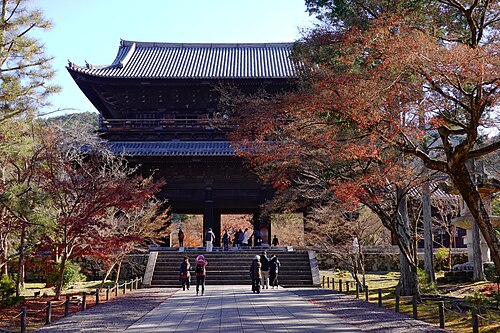
Nanzen-ji is a Zen Buddhist temple in eastern Kyoto, Japan. It stands as one of the most significant temples in the city's extensive religious landscape.
建仁寺
Kennin-ji is a historic Zen Buddhist temple located in the Higashiyama district of Kyoto, Japan. It stands as the oldest Zen temple in the city, having been founded in the early Kamakura period.
大徳寺
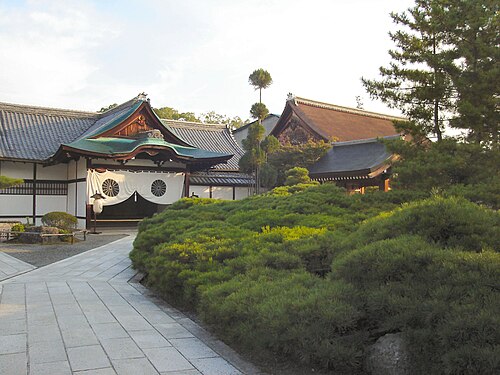
Daitoku-ji is a major Zen Buddhist temple complex in northern Kyoto, Japan. Founded in the fourteenth century, it belongs to the Rinzai school of Japanese Zen Buddhism.
本能寺
Honno-ji is a temple of the Nichiren Buddhist sect located in central Kyoto.
金龍山 浅草寺
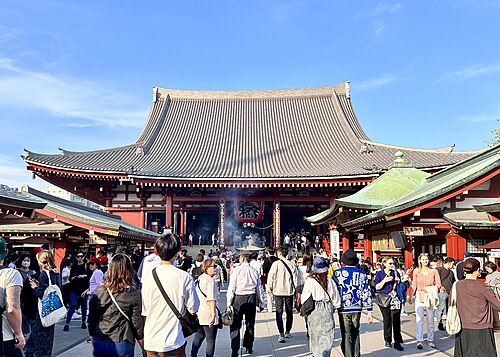
Sensō-ji is a historic Buddhist temple located in the Asakusa district of Tokyo. It is widely recognized as the city's oldest temple, with origins traditionally traced to the seventh century.
大覚寺
Daikaku-ji is a Shingon Buddhist temple located in the Ukyo ward of Kyoto, Japan. The temple was originally constructed in the early ninth century as a detached palace for Emperor Saga before being converted into a religious institution.
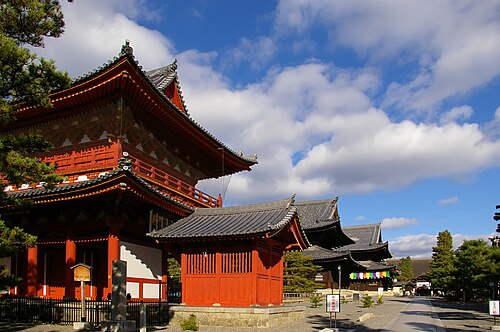
妙心寺
Myoshin-ji is a major Zen Buddhist temple complex in western Kyoto. It serves as the head temple of the associated branch of Rinzai Zen Buddhism.
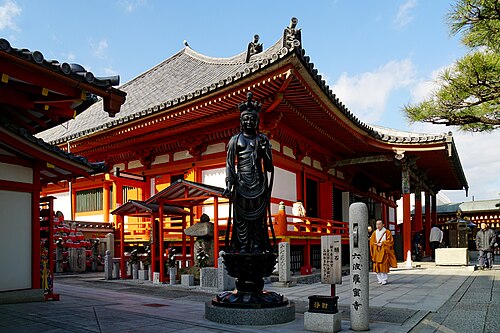
六波羅蜜寺
Rokuharamitsu-ji is a historic Shingon Buddhist temple in Kyoto’s Higashiyama district. Its identity is rooted in religious practice and the long history of this eastern part of the city, where temples and traditional neighbourhoods stand close together.
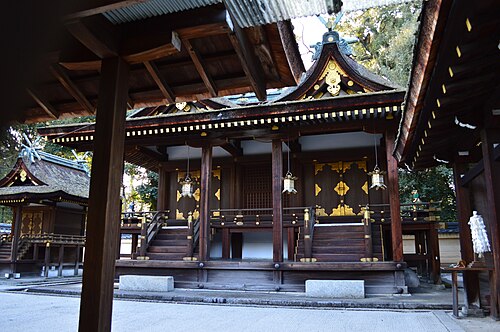
平野神社
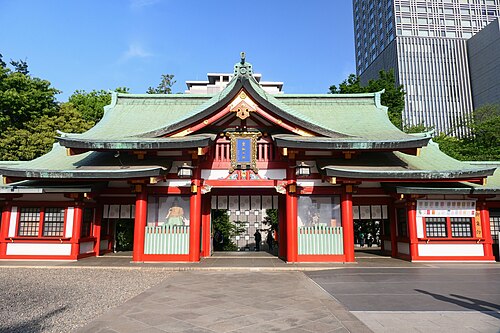
Hirano Shrine is a Shinto shrine in Kyoto, Japan. It holds historical significance as an ancient religious site with traditional architectural elements characteristic of Japanese shrine design.
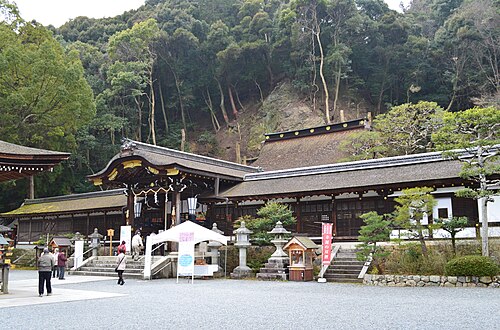
松尾大社
Matsunoo Taisha is an ancient Shinto shrine in western Kyoto, near the Arashiyama area. Its origins predate the establishment of Heian-kyo, and its history is closely connected with the Hata clan, an important force in the early development of Kyoto.
青蓮院
Shoren-in is a Buddhist temple in Kyoto’s Higashiyama district and belongs to the Tendai sect.
愛宕念仏寺
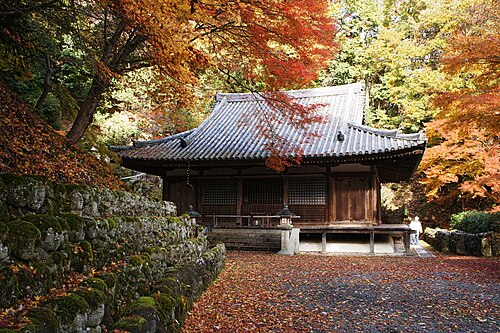
Otagi Nenbutsu-ji is a Buddhist temple located in the Arashiyama district of western Kyoto. The temple sits in the foothills of Mount Ogura and is known for its collection of rakan statues, the disciples of Buddha.
泉涌寺
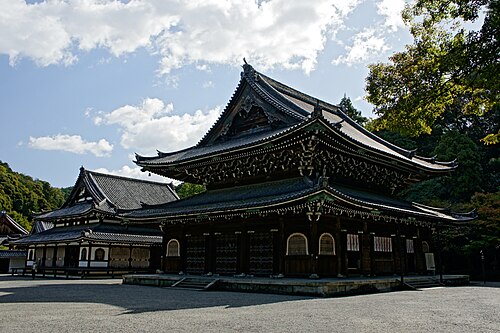
Sennyu-ji is a Shingon Buddhist temple in Kyoto’s eastern Higashiyama area, known for its long connection with the imperial household.
曼殊院
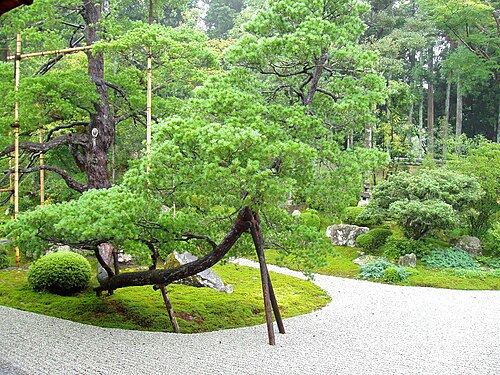
Manshu-in is a Tendai Buddhist sub-temple in northeastern Kyoto, valued for its quiet setting, traditional architecture, and dry landscape garden.
壬生寺
Mibu-dera is a Buddhist temple in central Kyoto and the headquarters of the Yōgyō school, a branch of the Risshū tradition.
日枝神社
Hie Shrine is a Shinto shrine located in the Nagatacho district of central Tokyo, near the National Diet Building.
広隆寺
Koryu-ji is a Buddhist temple in Kyoto’s Ukyo Ward and a fitting stop for travellers interested in the city’s long religious and artistic tradition.
Ten to fourteen days supports four or five days in Tokyo, three or four in Kyoto, and two or three in Osaka. Add Nara or Himeji only after those bases have enough time, and avoid turning every rail stop into a hotel change.
Japan's visa exemption or visa requirement depends on passport and travel purpose. Confirm the current rule through Japan's Ministry of Foreign Affairs or the embassy responsible for the traveller's residence.
The Tokaido Shinkansen links Tokyo, Kyoto, and Osaka, while local rail and buses cover city travel. An IC card simplifies many local journeys but does not replace every reserved long-distance ticket, and luggage forwarding can reduce friction between bases.
March to May and October to November are broad options for the main-island route, with blossom and autumn periods creating concentrated demand. Confirm regional weather and reservations for the exact cities rather than assuming one national season behaves uniformly.
Japan uses the yen (JPY). Electronic payment is common but not universal, so carry some yen for smaller businesses, ticket machines, or rural transport without assuming that one stored-value card works for every purchase.
Japan's emergency numbers are 110 for police and 119 for fire or ambulance. Type A sockets operate at 100 V, which is lower than in the other wave-A countries, and mains tap water is recorded as safe.