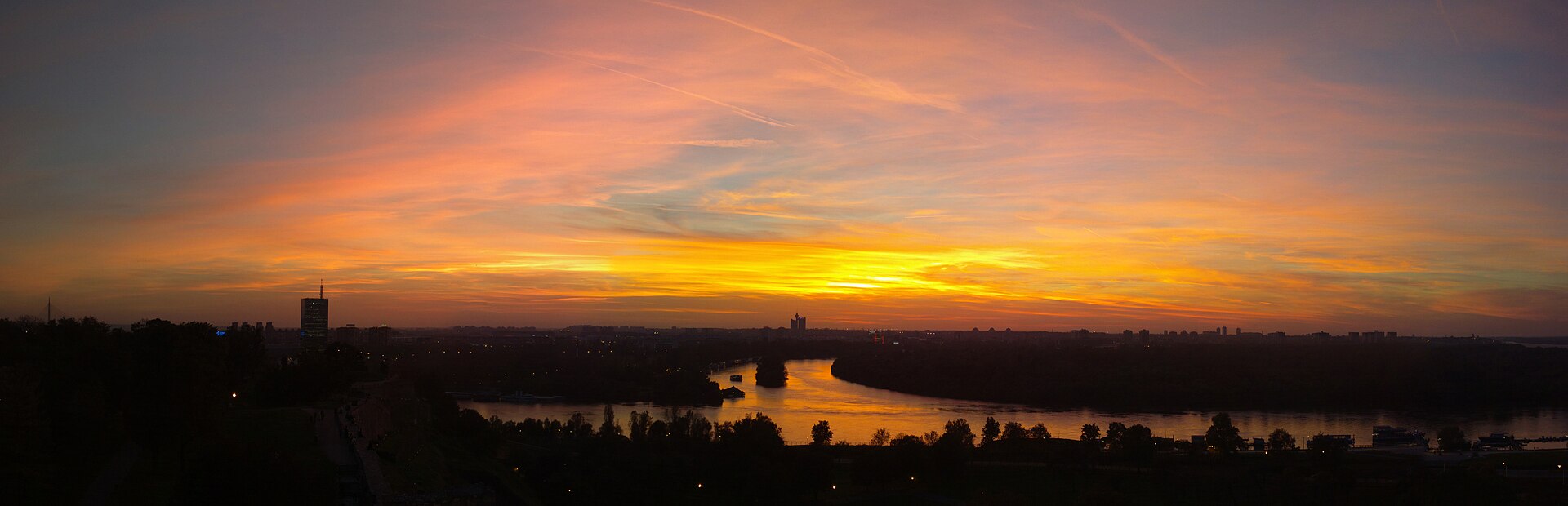
A photograph of Belgrade

City guide · Serbia

Theme: History in Belgrade, Serbia — page 4

Belgrade is 389.12 km² holding 1,197,714 people, and it stands on the point where the Sava runs into the Danube. That confluence is why the city exists and why...

Photograph · Vladimir Nolic · CC BY-SA 4.0

1,817 Places
10 Districts
Suggested stay
2–3 days
Getting around
Tram, bus and on foot

Turn this list into a plan

Set your days, your pace and the hours you actually want to be out. The planner works around closing days and travel time, and leaves room to eat.

Plan Belgrade

Reviewed by Elena Voss · Roavina Travel Editor

Belgrade is 389.12 km² holding 1,197,714 people, and it stands on the point where the Sava runs into the Danube.

That confluence is why the city exists and why it has been fought over so relentlessly: it has been battled over in 115 wars and razed 44 times. The name Beograd means white city.

The administrative area holds 1,682,720 people across 3,234.96 km² in 17 municipalities. The part a visitor uses is a fraction of that — the old town on the ridge above the rivers, and the streets running down from it.

Checked 2026-08-23

Practical information

Language spoken
Serbian
Written in both Cyrillic and Latin; English is understood in tourist districts
Dialling code
+381 11
Belgrade landlines; drop the leading 0 of 011 when calling from abroad
Currency
Serbian dinar (RSD)
Euros are not accepted; cards are widely taken in Belgrade
Emergency number
112
One number across the country; 194 reaches an ambulance directly
Plug type
Type C and F · 230 V
Standard European two-pin
Tap water
Not recorded
No verified national source in the dataset

Planning a visit

September · September moderates to a 23.9°C mean high in Belgrade with 204 sunshine hours and 55.3 mm of rain.

  1. January: viable with meaningful trade-offs
  2. February: viable with meaningful trade-offs
  3. March: good time to visit
  4. April: best time to visit
  5. May: best time to visit
  6. June: good time to visit
  7. July: viable with meaningful trade-offs
  8. August: viable with meaningful trade-offs
  9. September: best time to visit — current month
  10. October: best time to visit
  11. November: good time to visit
  12. December: viable with meaningful trade-offs

Sources

Top things to see

Ranked by importance — sitelinks, pageviews and heritage status, not editor preference.

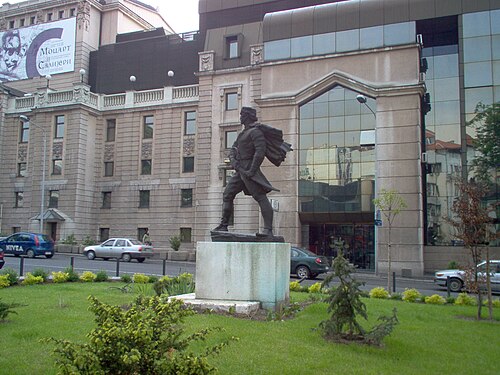
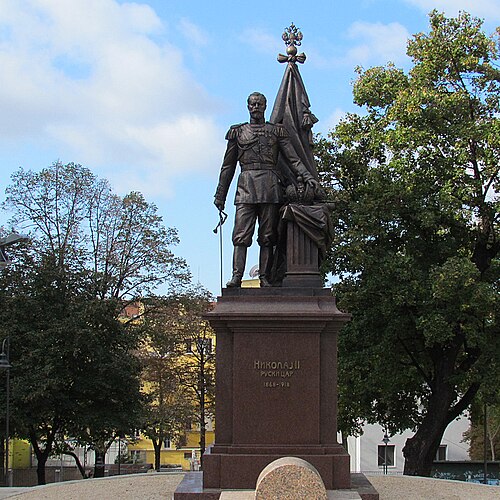
  1. Nicholas II of Russia in sculpture Nicholas II of Russia in sculpture
    57 45 min

    Nicholas II of Russia in sculpture

    Споменик цару Николају II

    Nicholas II of Russia in sculpture is a bronze memorial to the last Russian emperor in Aleksandrov Park, central Belgrade.

    • Notable
    • Historic monument
    • Stari Grad
  2. Monument to Archibald Reiss Monument to Archibald Reiss
    58 45 min

    Monument to Archibald Reiss

    Споменик Арчибалду Рајсу

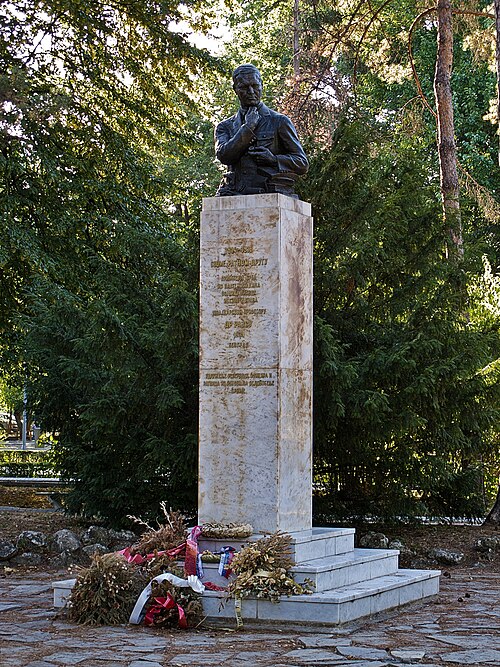
    The Monument to Archibald Reiss is a 1931 memorial in Belgrade’s Topčider Park, erected two years after the Swiss forensic scientist died.

    • Notable
    • Historic monument
    • Savski Venac
  3. Monument to Josif Pančić Monument to Josif Pančić
    59 45 min

    Monument to Josif Pančić

    Споменик Јосифу Панчићу

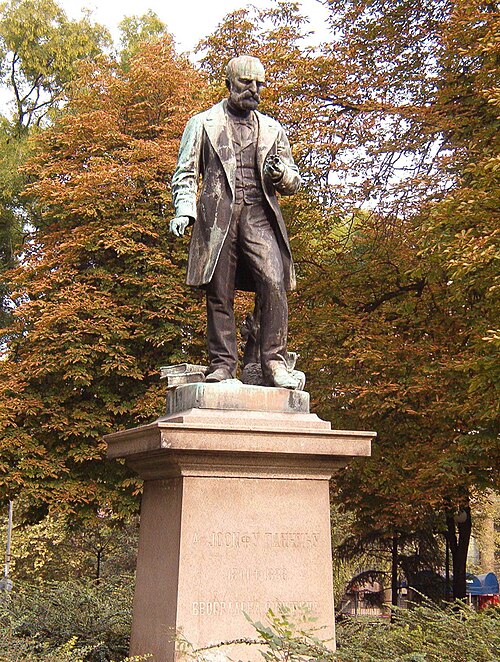
    The Monument to Josif Pančić is a bronze memorial in Academic Park, beside Studentski Trg in central Belgrade. Created by sculptor Đorđe Jovanović and erected in 1897, it presents Pančić standing with a magnifying glass and a branch.

    • Notable
    • Historic monument
    • Stari Grad
  4. birthplace of Stepa Stepanović birthplace of Stepa Stepanović
    60 45 min

    birthplace of Stepa Stepanović

    Кућа војводе Степе Степановића

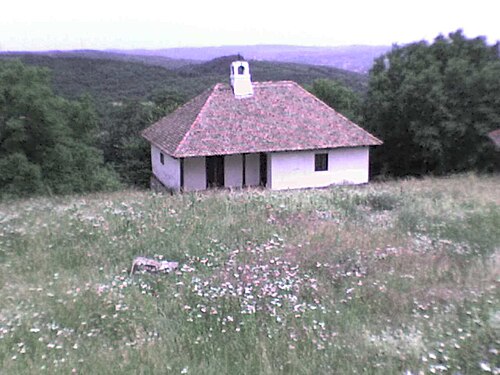
    The birthplace of Stepa Stepanović is a modest memorial house in Kumodraž, at Vrčinska Street in southern Belgrade. Built in the middle of the 19th century, it preserves the domestic setting associated with the Serbian military commander’s early life.

    • Notable
    • Historic monument
    • Voždovac
  5. Menorah in Flames Menorah in Flames
    61 45 min

    Menorah in Flames

    Менора у пламену

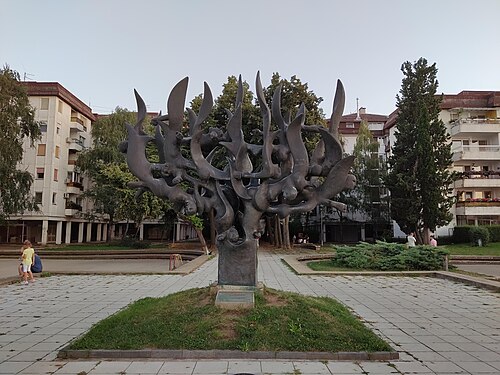
    Menorah in Flames is a bronze Holocaust memorial on Belgrade’s Danube riverbank in Dorćol. Created by Yugoslav sculptor and Holocaust survivor Nandor Glid, it was unveiled on 21 October 1990.

    • Notable
    • Historic monument
    • Stari Grad
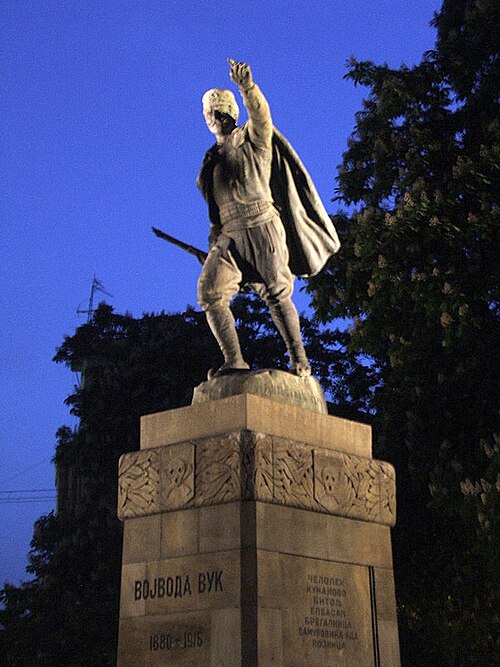
  6. Monument to Vojvoda Vuk Monument to Vojvoda Vuk
    62 45 min

    Monument to Vojvoda Vuk

    Споменик војводи Вуку

    Monument to Vojvoda Vuk is a 1936 sculpture by Đorđe Jovanović honouring Vojin Popović, the Serbian military commander known as Vojvoda Vuk. It stands in Park Vojvode Vuka, a compact public space between Ulica carice Milice and Topličin venac.

    • Notable
    • Historic monument
    • Stari Grad
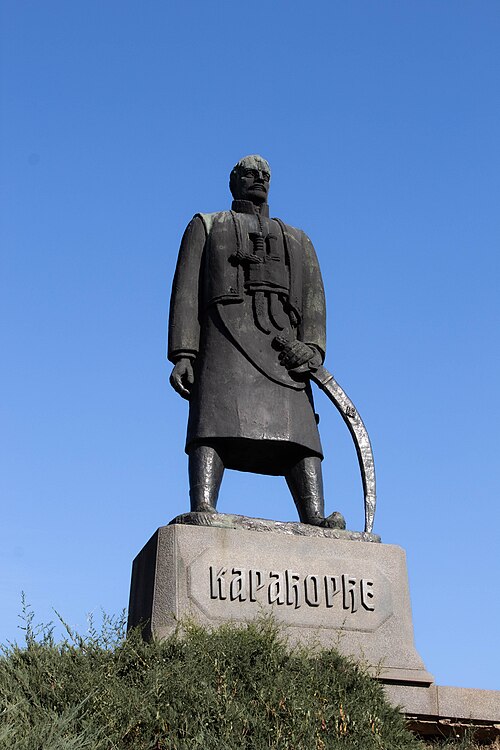
  7. Karađorđe Monument Karađorđe Monument
    63 45 min

    Karađorđe Monument

    Споменик Карађорђу

    Karađorđe Monument is a 1979 memorial to Karađorđe Petrović, leader of the First Serbian Uprising. It stands on Belgrade’s Svetosavski Plateau, beside Karađorđev Park and near the Church of Saint Sava and the National Library of Serbia.

    • Notable
    • Historic monument
    • Vračar
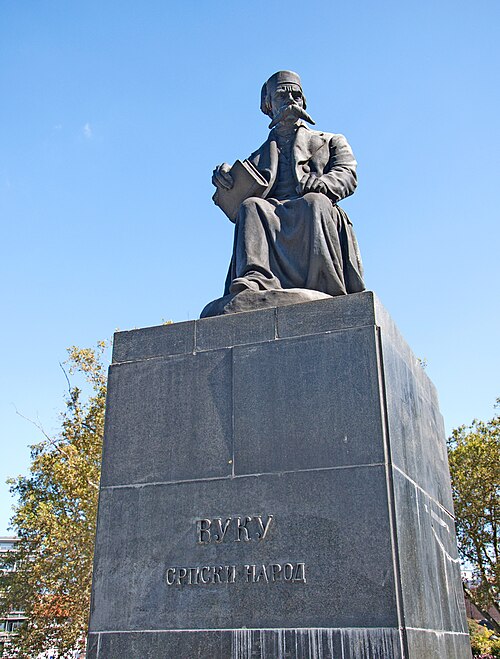
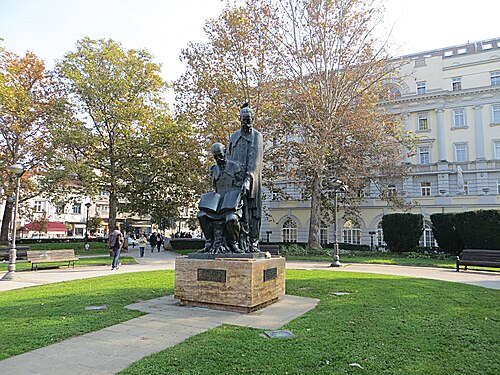
  8. Monument to Vuk Karadžić Monument to Vuk Karadžić
    64 45 min

    Monument to Vuk Karadžić

    Споменик Вуку Караџићу

    The Monument to Vuk Karadžić is a seated bronze memorial in Ćirilo i Metodije Park, at the meeting point of Ruzveltova, Bulevar kralja Aleksandra and Kraljice Marije.

    • Notable
    • Historic monument
    • Zvezdara
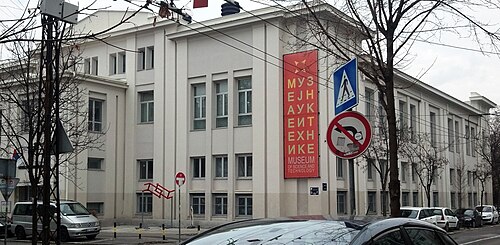
  9. Museum of Science and Technology Belgrade Museum of Science and Technology Belgrade
    65 1 hr 30 min

    Museum of Science and Technology Belgrade

    Музеј науке и технике

    The Museum of Science and Technology Belgrade is a specialist museum at Skenderbegova 51, devoted to the material history of science, technology and everyday technical life.

    • Notable
    • Museum
    • Stari Grad
  10. Memorial Museum Jovan Cvijić Memorial Museum Jovan Cvijić
    66 1 hr 30 min

    Memorial Museum Jovan Cvijić

    Музеј Јована Цвијића

    Memorial Museum Jovan Cvijić occupies the Belgrade house where the geographer Jovan Cvijić lived and worked. At Jelene Ćetković 5 in Kopitareva gradina, the address identifies a personal domestic setting rather than a purpose-built museum complex.

    • Notable
    • Museum
    • Stari Grad
  11. Museum of Illusions Museum of Illusions
    67 1 hr 30 min

    Museum of Illusions

    Музеј илузија

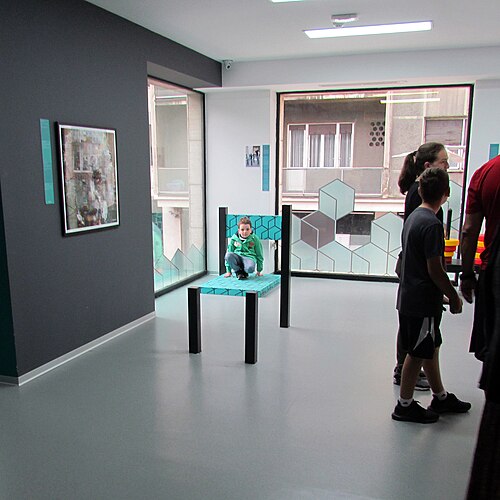
    Museum of Illusions is an interactive attraction at Nušićeva 11 in central Belgrade, built around visual perception, balance and the ways the brain interprets space.

    • Notable
    • Museum
    • Stari Grad
  12. Museum of Chocolate Belgrade Museum of Chocolate Belgrade
    68 1 hr 30 min

    Museum of Chocolate Belgrade

    Музеј чоколаде

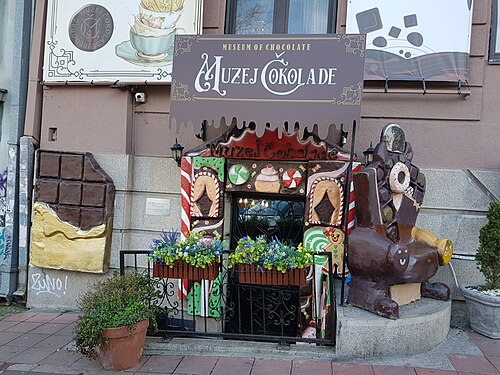
    Museum of Chocolate Belgrade is a themed museum devoted to the history, production and enjoyment of chocolate.

    • Notable
    • Museum
    • Stari Grad
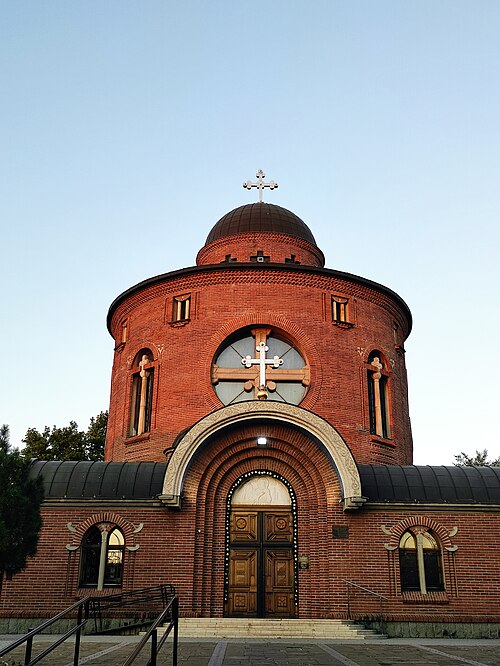
  13. Church of St. Basil of Ostrog Church of St. Basil of Ostrog
    70 30 min

    Church of St. Basil of Ostrog

    Црква Светог Василија Острошког

    • High
    • Place of worship
    • New Belgrade
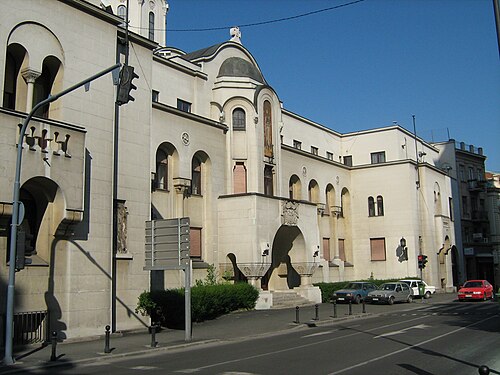
  14. Building of the Patriarchate Building of the Patriarchate
    71 30 min

    Building of the Patriarchate

    Патријаршија Српске православне цркве

    • High
    • Place of worship
    • Stari Grad
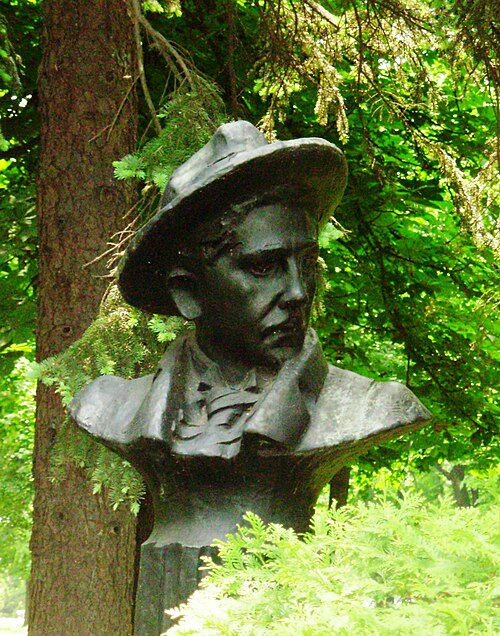
  15. Bust of Radoje Domanović Bust of Radoje Domanović
    72 45 min

    Bust of Radoje Domanović

    Биста Радоја Домановића

    • High
    • Historic monument
    • Stari Grad
  16. Obelisk of the Non-Aligned Countries Obelisk of the Non-Aligned Countries
    75 45 min

    Obelisk of the Non-Aligned Countries

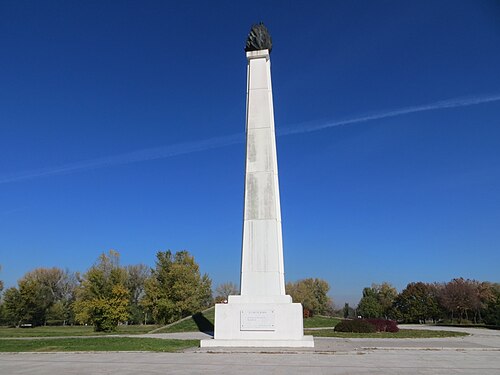
    Обелиск подигнут у спомен прве конференције Покрета несврстаних земаља 1961. у Београду

    • High
    • Historic monument
    • Stari Grad
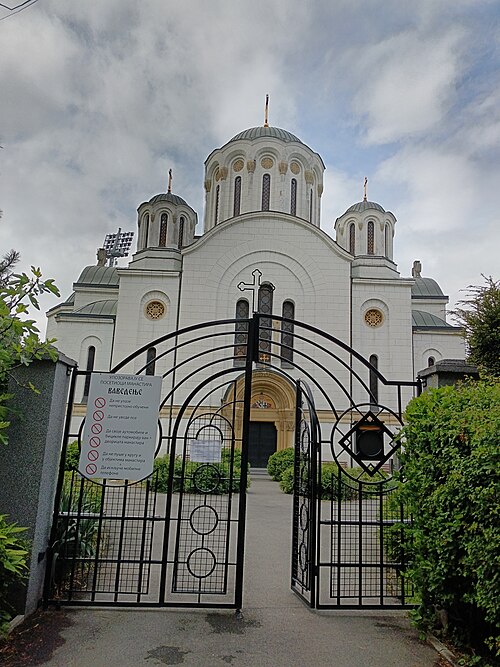
  17. Vavedenje Monastery Vavedenje Monastery
    76 30 min

    Vavedenje Monastery

    Манастир Ваведења пресвете Богородице

    • High
    • Place of worship
    • Savski Venac
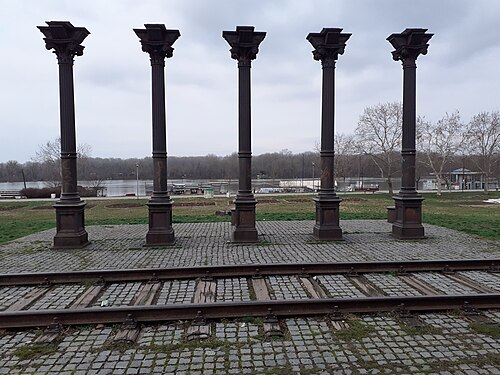
  18. Monument Railway Station (Zemun) Monument Railway Station (Zemun)
    78 45 min

    Monument Railway Station (Zemun)

    Споменик старој железничкој станици Земун

    • High
    • Historic monument
    • Zemun
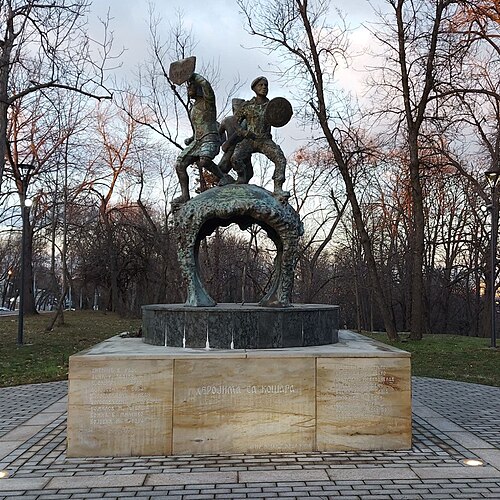
  19. Spomenik herojima sa Košara Spomenik herojima sa Košara
    80 45 min

    Spomenik herojima sa Košara

    Споменик херојима са Кошара

    • High
    • Historic monument
    • Savski Venac

Source: OpenStreetMap contributors, Wikidata ·

Where to base yourself

District boundaries come from OSM administrative relations, so a district page holds exactly the places inside it — plus, for the islands and the coast, the nearest district by proximity.

How the city is laid out

Two Belgrades, split by the Sava.

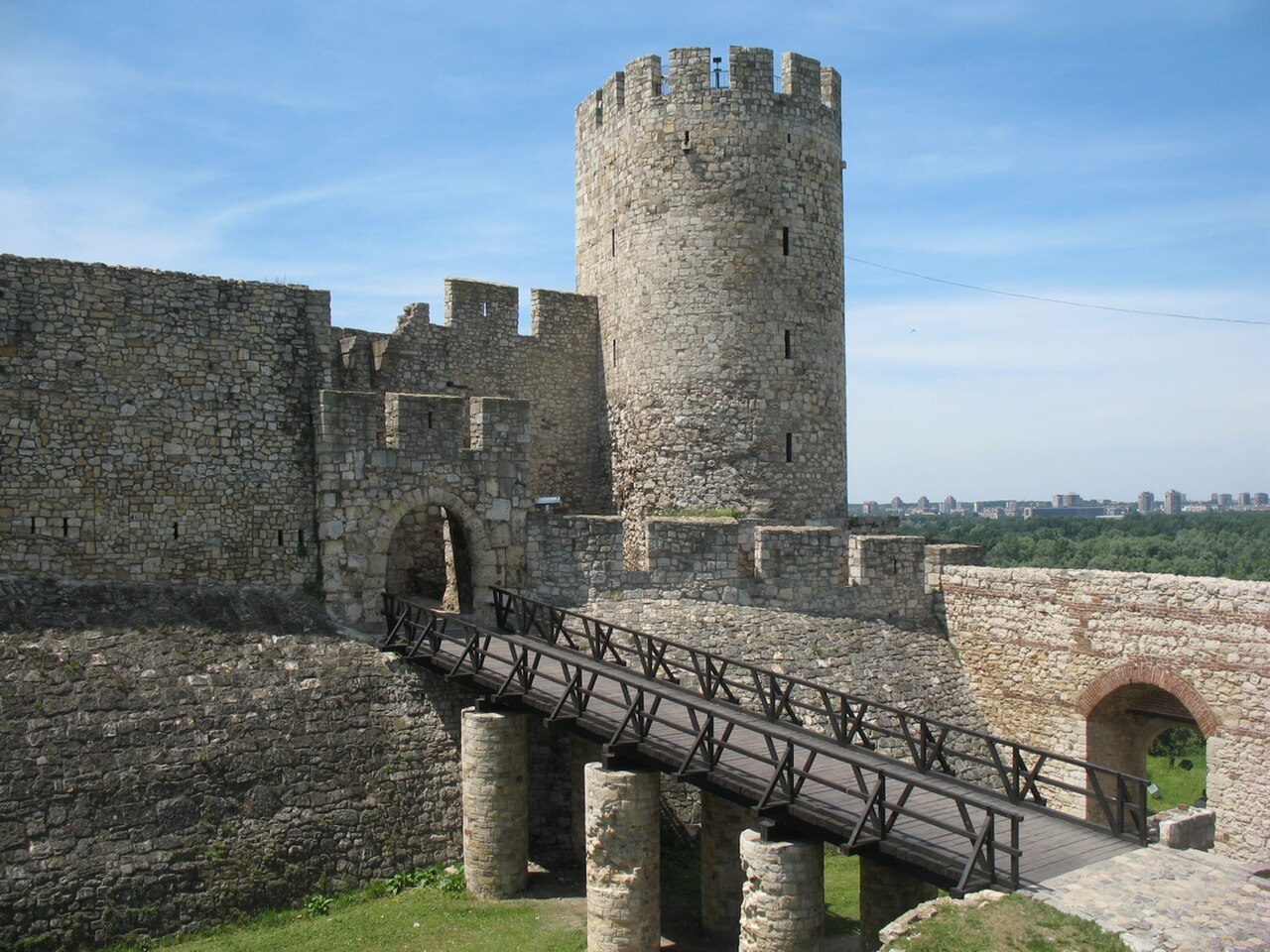
Old Belgrade sits on the ridge on the right bank, above the confluence. The fortress is at the point; Stari Grad, the old town, runs back from it; Vračar rises behind that with the Church of Saint Sava on top; Dorćol drops north towards the Danube and Savamala south towards the Sava.

New Belgrade is on the left bank of the Sava, built from 1948 onward on empty ground to demonstrate that Yugoslavia was at the forefront of progress. It is towers and boulevards on a grid and it is a different city.

Zemun, further up the Danube on the left bank, was a separate town under Austria-Hungary until the twentieth century and still reads as one — low houses, a hill with a tower, and the border of an empire running through it.

Checked 2026-08-23

Getting around

Trams, buses, trolleybuses and walking. There is no metro.

A metro has been discussed for decades and is not in operation; anyone reading about the Belgrade metro is reading about a construction programme, not a way to get across the city today.

The old town is compact and the walk from the fortress to the Church of Saint Sava takes about half an hour, all of it through the parts a visitor came for. New Belgrade and Zemun need transport.

Taxis are cheap by western European standards and are the usual way across the river at night.

Checked 2026-08-23

More city guides

Common questions

How many days does Belgrade need?

Two to three. Two cover the fortress, Kalemegdan, the old town and the Church of Saint Sava. A third adds Zemun on the Danube and a look at New Belgrade.

Is there a metro?

No. Belgrade runs trams, buses and trolleybuses, and a metro has been discussed for decades without entering service. The old town is walkable and taxis are cheap.

What does Beograd mean?

White city. The name is literal.

Why is the city so scarred?

It stands where the Sava meets the Danube, which made it the frontier between empires. It has been fought over in 115 wars and razed 44 times.

What is the difference between Old and New Belgrade?

The Sava. Old Belgrade is the ridge above the confluence with the fortress at its point. New Belgrade is on the left bank, built from 1948 on empty ground as a demonstration of Yugoslav modernity.

Which districts should I stay in?

Stari Grad for the old town, Vračar behind it for a quieter residential base, Dorćol towards the Danube and Savamala on the Sava for the nightlife. Zemun is a separate town in feel and is further out.