
76
45 min
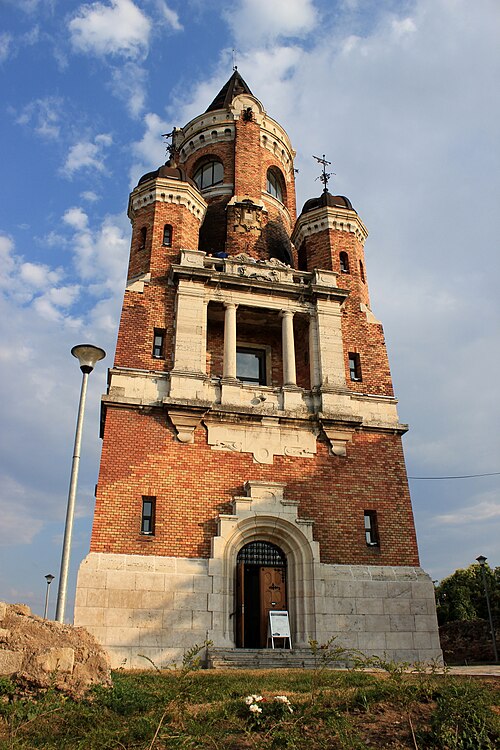
Zemun Fortress
Земунска тврђава
Zemun Fortress is an outdoor heritage remnant on Gardoš Hill in the historic centre of Zemun, within Belgrade.
- High
- Historic site
- Zemun
City guide · Serbia
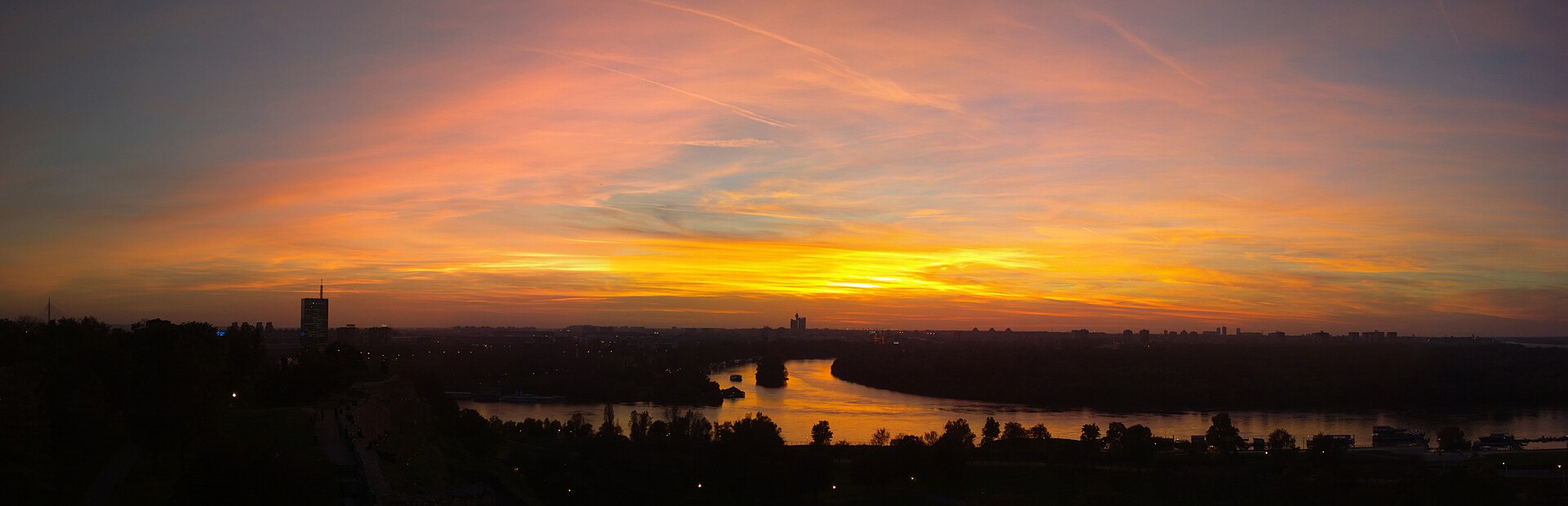
Belgrade is 389.12 km² holding 1,197,714 people, and it stands on the point where the Sava runs into the Danube. That confluence is why the city exists and why...
Photograph · Vladimir Nolic · CC BY-SA 4.0
Set your days, your pace and the hours you actually want to be out. The planner works around closing days and travel time, and leaves room to eat.
Editorial responsibility: Elena Voss · Roavina Travel Editor
Belgrade is 389.12 km² holding 1,197,714 people, and it stands on the point where the Sava runs into the Danube.
That confluence is why the city exists and why it has been fought over so relentlessly: it has been battled over in 115 wars and razed 44 times. The name Beograd means white city.
The administrative area holds 1,682,720 people across 3,234.96 km² in 17 municipalities. The part a visitor uses is a fraction of that — the old town on the ridge above the rivers, and the streets running down from it.
Checked 2026-08-23
November · November averages 11.2°C by day in Belgrade, with five frost days and three days of snow cover.
Ranked by importance — sitelinks, pageviews and heritage status, not editor preference.
151 places match
Category
Typical visit duration
Good for
Земунска тврђава
Zemun Fortress is an outdoor heritage remnant on Gardoš Hill in the historic centre of Zemun, within Belgrade.
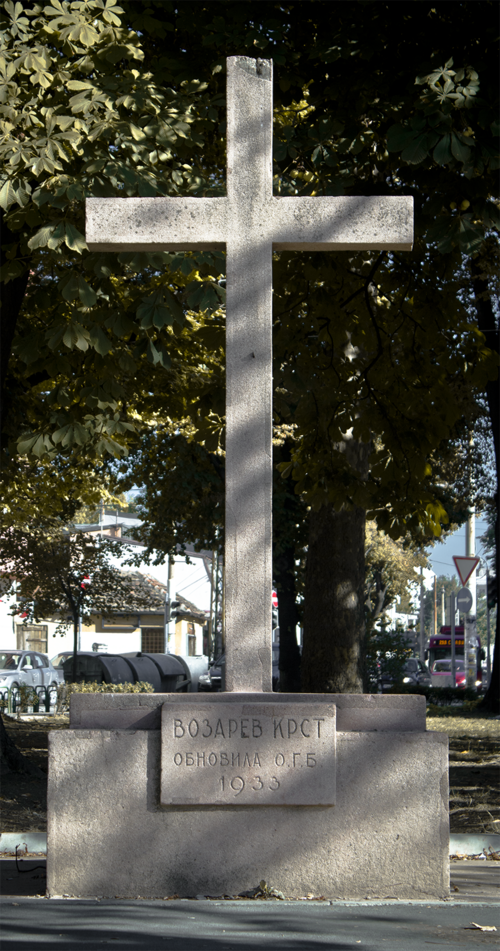
Возарев крст
Vozarev Cross is a compact red artificial-stone monument set in a small urban park at the junction of Mileševska Street and Vojvode Šupljikca Street in Belgrade’s Vračar area.
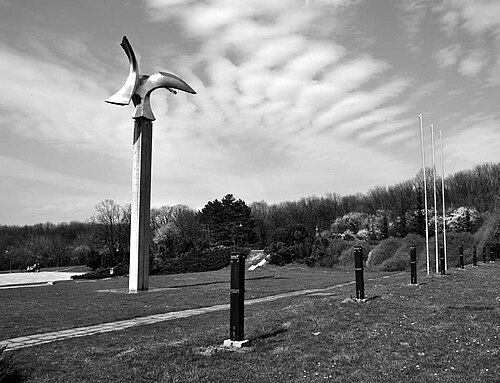
Спомен-парк Јајинци
Memorial Park Jajinci is a wartime remembrance site in Belgrade’s Voždovac municipality, on the grounds of a former military shooting range. During the Second World War, civilians and other victims were killed here.
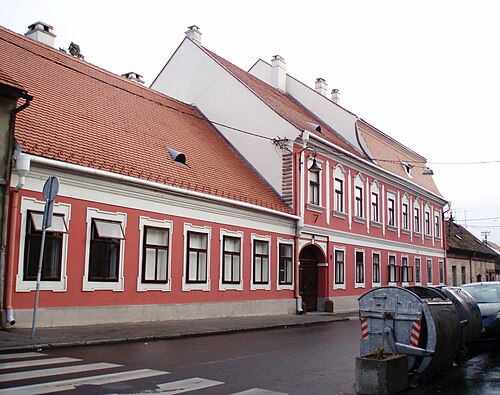
Кућа породице Карамата
Karamata Family House is a protected historic residence at Karamatina 17 in Old Zemun, Belgrade, rather than a purpose-built museum. The oldest part dates from 1763, and the complex was enlarged and unified in stages through 1827.
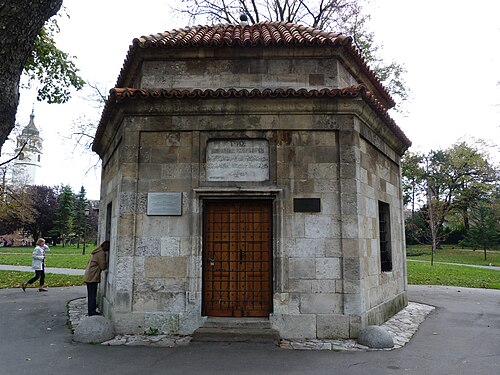
Дамад Али-пашино турбе
Damat Ali-Paša's Turbeh is a compact hexagonal Ottoman mausoleum in the Upper Town of Belgrade Fortress, near the remains of the former Sultan Suleiman Mosque.
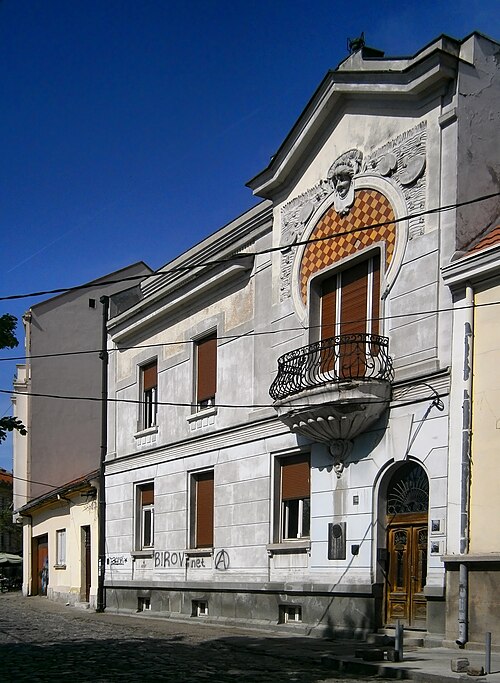
Дом Мике Аласа
Mika Alas's House is a protected historic residence at 22 Kosančićev Venac in Belgrade’s Stari Grad municipality. Built in 1910, it was designed by architect Petar Bajalović for Mihailo Petrović, the mathematician and scientist known as Mika Alas.
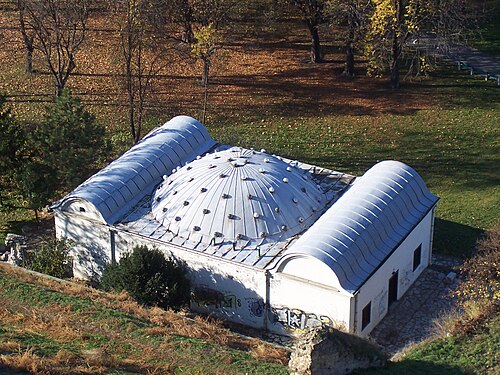
Београдски планетаријум
Belgrade Planetarium is a compact astronomy venue inside the Lower Town of Belgrade Fortress, near the Eastern Gate complex. Its defining feature is an 8-metre projection screen used for presentations about the sky and celestial objects.
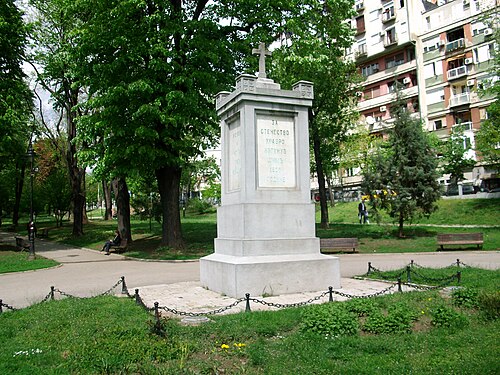
Споменик погинулим устаницима 1806. године
The Monument to the Insurgents is a memorial in Karađorđev Park, in Belgrade’s Vračar municipality. It commemorates insurgents who died during the fighting to liberate Belgrade from the Ottomans in 1806.
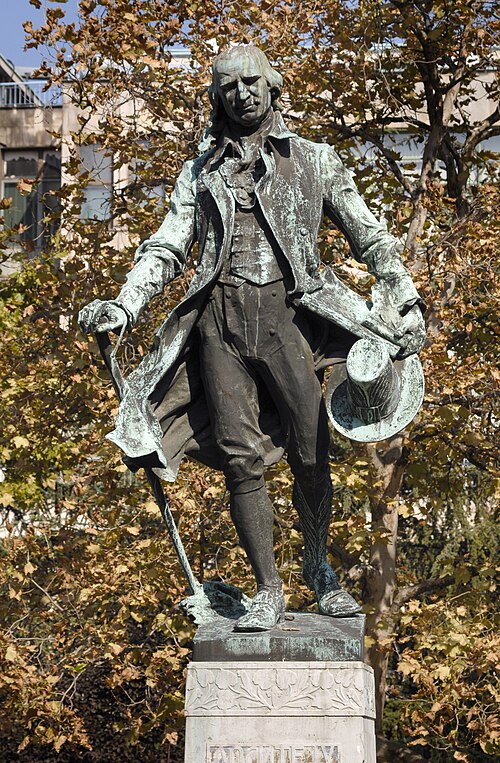
Споменик Доситеју Обрадовићу
The Monument to Dositej Obradović is a bronze memorial in Academic Park, also called Studentski Park, at Studentski trg in central Belgrade. It honours Dositej Obradović, the Serbian Enlightenment writer and educator whose work shaped literary and educational culture.
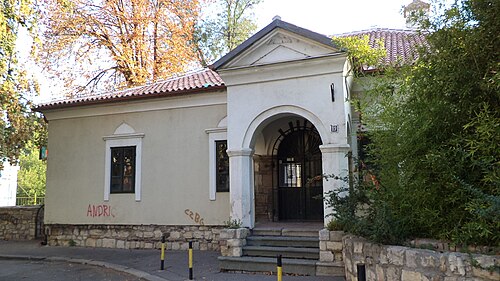
Музеј позоришне уметности
The Museum of Theatrical Arts of Serbia is a specialist Belgrade institution that preserves the country’s theatre memory through objects, images, documents, and recorded material.
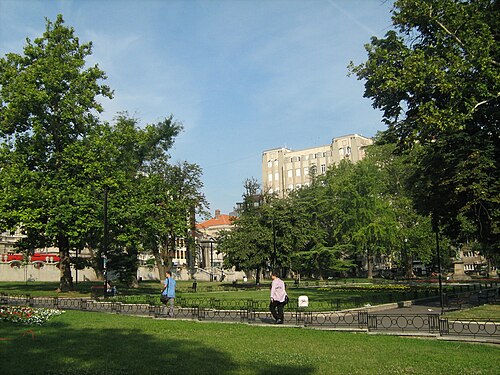
Академски парк
Academy Park, also called Akademski Park, Studentski Park and Univerzitetski Park, is a compact historic green space on Studentski trg in Belgrade’s old city centre.
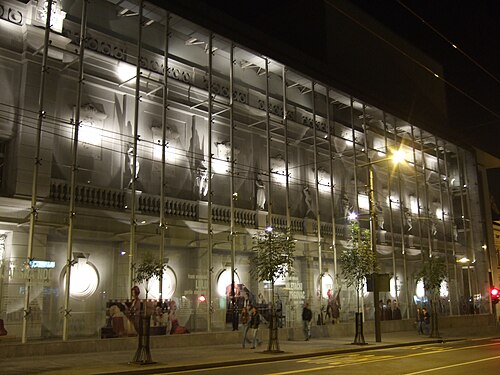
Југословенско драмско позориште
Yugoslav Drama Theatre, known locally as Jugoslovensko dramsko pozorište, is a Belgrade institution founded in 1947.
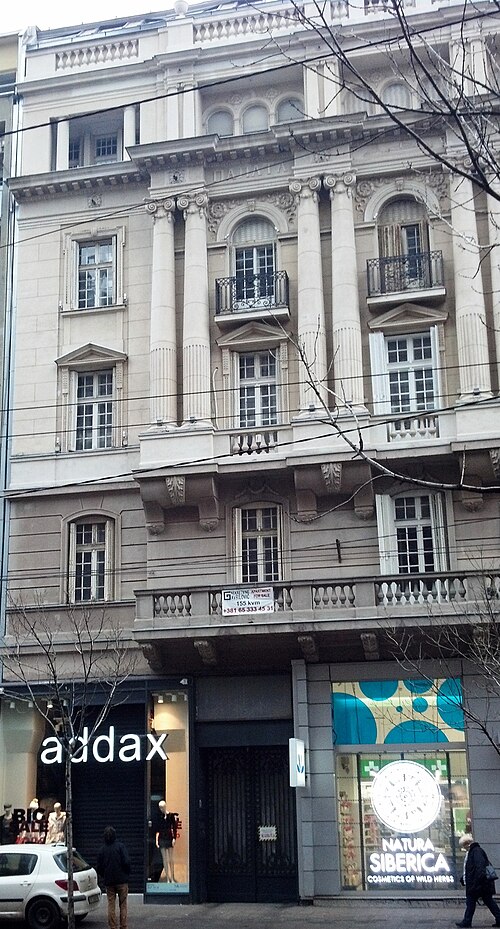
Музеј Паје Јовановића
The Museum of Paja Jovanović is a compact Belgrade collection devoted to the Serbian painter Paja Jovanović.
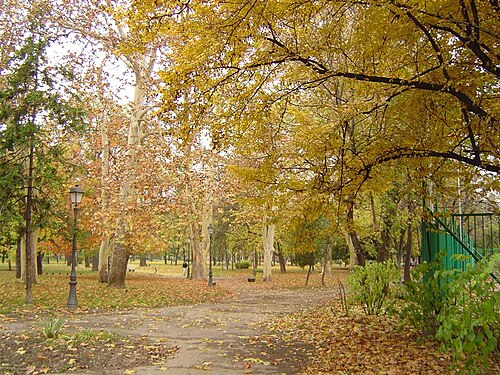
Градски парк
City Park in Zemun is a 7.72-hectare urban green space at the edge of Zemun’s old core, in Belgrade’s Donji Grad area.
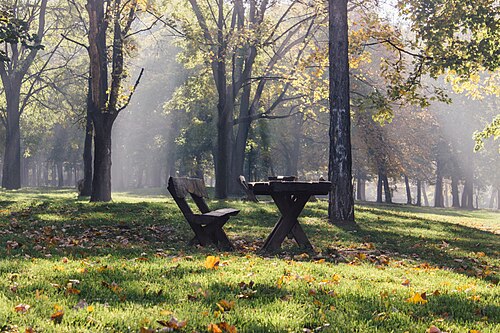
Звездарска шума
Zvezdara Forest is a protected urban woodland on the wooded part of Veliki Vračar, in eastern Belgrade’s Zvezdara municipality. Its protected area covers 80 hectares, 57 ares and 87 square metres, and its legal designation is natural monument.
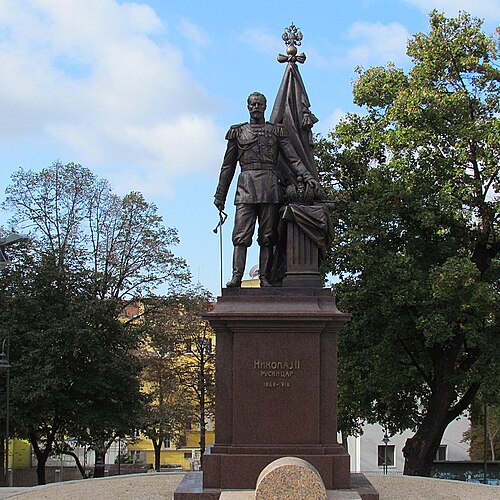
Споменик цару Николају II
Nicholas II of Russia in sculpture is a bronze memorial to the last Russian emperor in Aleksandrov Park, central Belgrade.
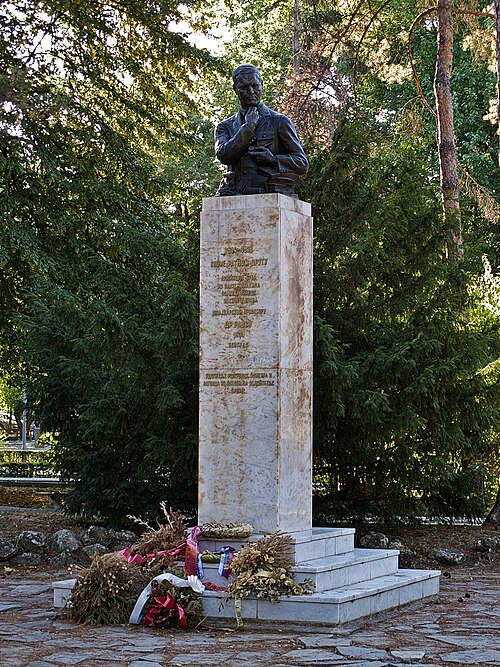
Споменик Арчибалду Рајсу
The Monument to Archibald Reiss is a 1931 memorial in Belgrade’s Topčider Park, erected two years after the Swiss forensic scientist died.
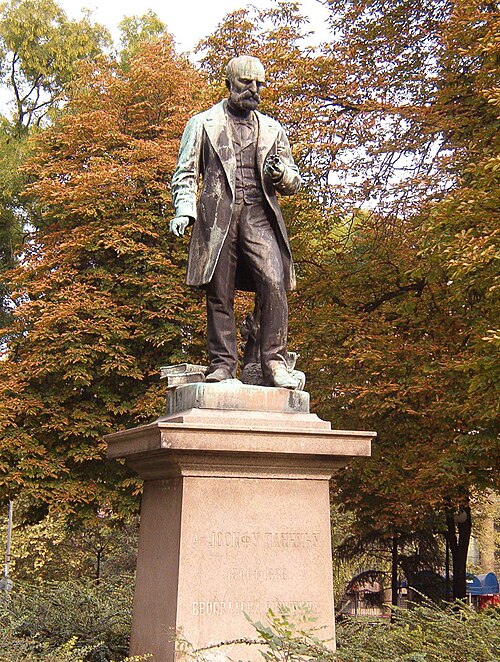
Споменик Јосифу Панчићу
The Monument to Josif Pančić is a bronze memorial in Academic Park, beside Studentski Trg in central Belgrade. Created by sculptor Đorđe Jovanović and erected in 1897, it presents Pančić standing with a magnifying glass and a branch.
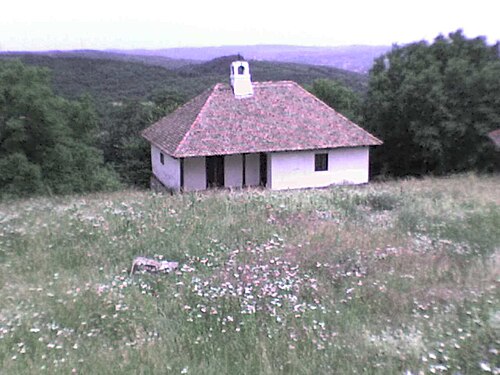
Кућа војводе Степе Степановића
The birthplace of Stepa Stepanović is a modest memorial house in Kumodraž, at Vrčinska Street in southern Belgrade. Built in the middle of the 19th century, it preserves the domestic setting associated with the Serbian military commander’s early life.
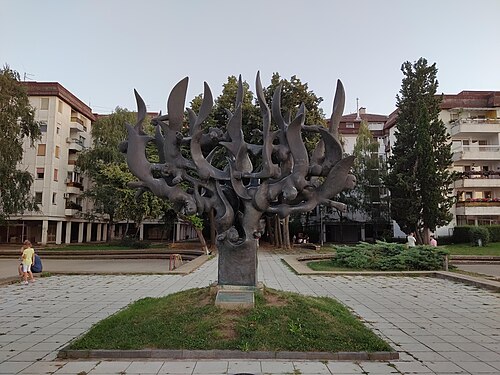
Менора у пламену
Menorah in Flames is a bronze Holocaust memorial on Belgrade’s Danube riverbank in Dorćol. Created by Yugoslav sculptor and Holocaust survivor Nandor Glid, it was unveiled on 21 October 1990.
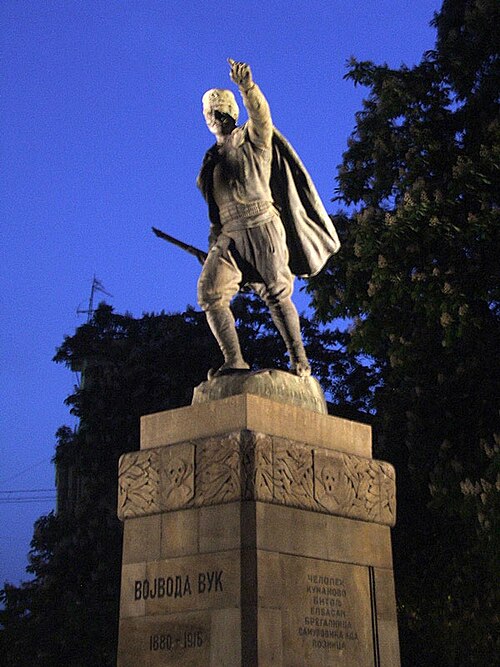
Споменик војводи Вуку
Monument to Vojvoda Vuk is a 1936 sculpture by Đorđe Jovanović honouring Vojin Popović, the Serbian military commander known as Vojvoda Vuk. It stands in Park Vojvode Vuka, a compact public space between Ulica carice Milice and Topličin venac.
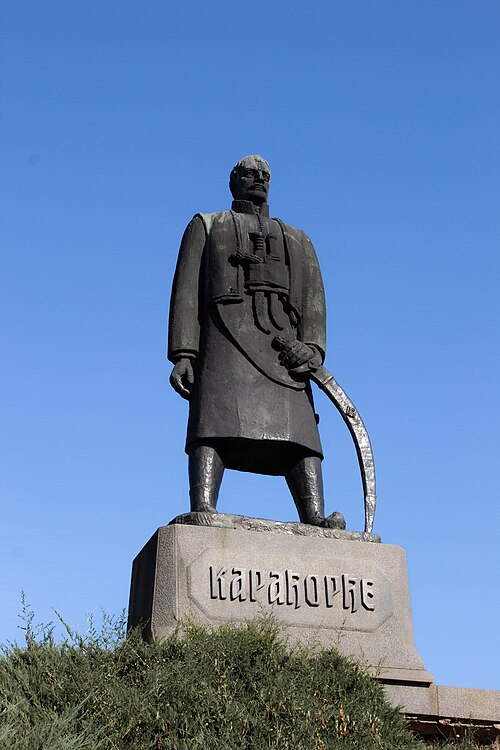
Споменик Карађорђу
Karađorđe Monument is a 1979 memorial to Karađorđe Petrović, leader of the First Serbian Uprising. It stands on Belgrade’s Svetosavski Plateau, beside Karađorđev Park and near the Church of Saint Sava and the National Library of Serbia.
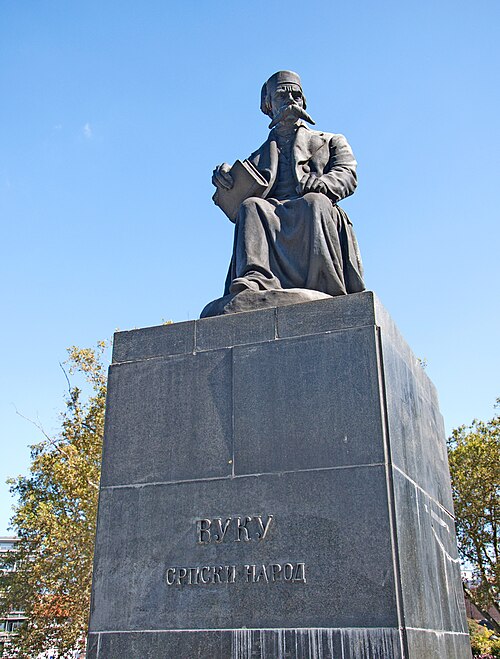
Споменик Вуку Караџићу
The Monument to Vuk Karadžić is a seated bronze memorial in Ćirilo i Metodije Park, at the meeting point of Ruzveltova, Bulevar kralja Aleksandra and Kraljice Marije.
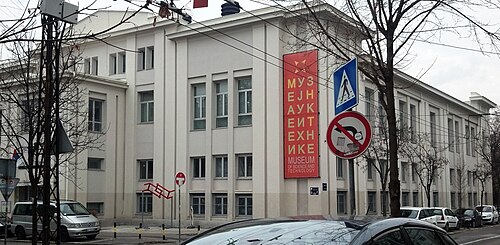
Музеј науке и технике
The Museum of Science and Technology Belgrade is a specialist museum at Skenderbegova 51, devoted to the material history of science, technology and everyday technical life.
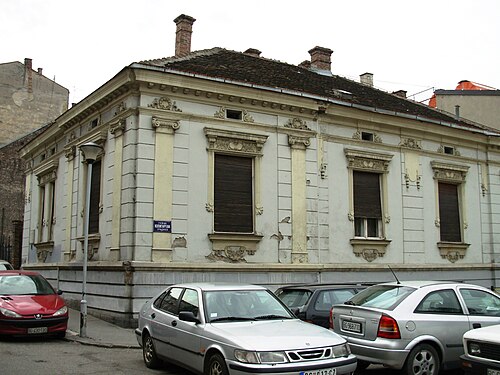
Музеј Јована Цвијића
Memorial Museum Jovan Cvijić occupies the Belgrade house where the geographer Jovan Cvijić lived and worked. At Jelene Ćetković 5 in Kopitareva gradina, the address identifies a personal domestic setting rather than a purpose-built museum complex.
District boundaries come from OSM administrative relations, so a district page holds exactly the places inside it — plus, for the islands and the coast, the nearest district by proximity.
Two Belgrades, split by the Sava.
Old Belgrade sits on the ridge on the right bank, above the confluence. The fortress is at the point; Stari Grad, the old town, runs back from it; Vračar rises behind that with the Church of Saint Sava on top; Dorćol drops north towards the Danube and Savamala south towards the Sava.
New Belgrade is on the left bank of the Sava, built from 1948 onward on empty ground to demonstrate that Yugoslavia was at the forefront of progress. It is towers and boulevards on a grid and it is a different city.
Zemun, further up the Danube on the left bank, was a separate town under Austria-Hungary until the twentieth century and still reads as one — low houses, a hill with a tower, and the border of an empire running through it.
Checked 2026-08-23
Trams, buses, trolleybuses and walking. There is no metro.
A metro has been discussed for decades and is not in operation; anyone reading about the Belgrade metro is reading about a construction programme, not a way to get across the city today.
The old town is compact and the walk from the fortress to the Church of Saint Sava takes about half an hour, all of it through the parts a visitor came for. New Belgrade and Zemun need transport.
Taxis are cheap by western European standards and are the usual way across the river at night.
Checked 2026-08-23
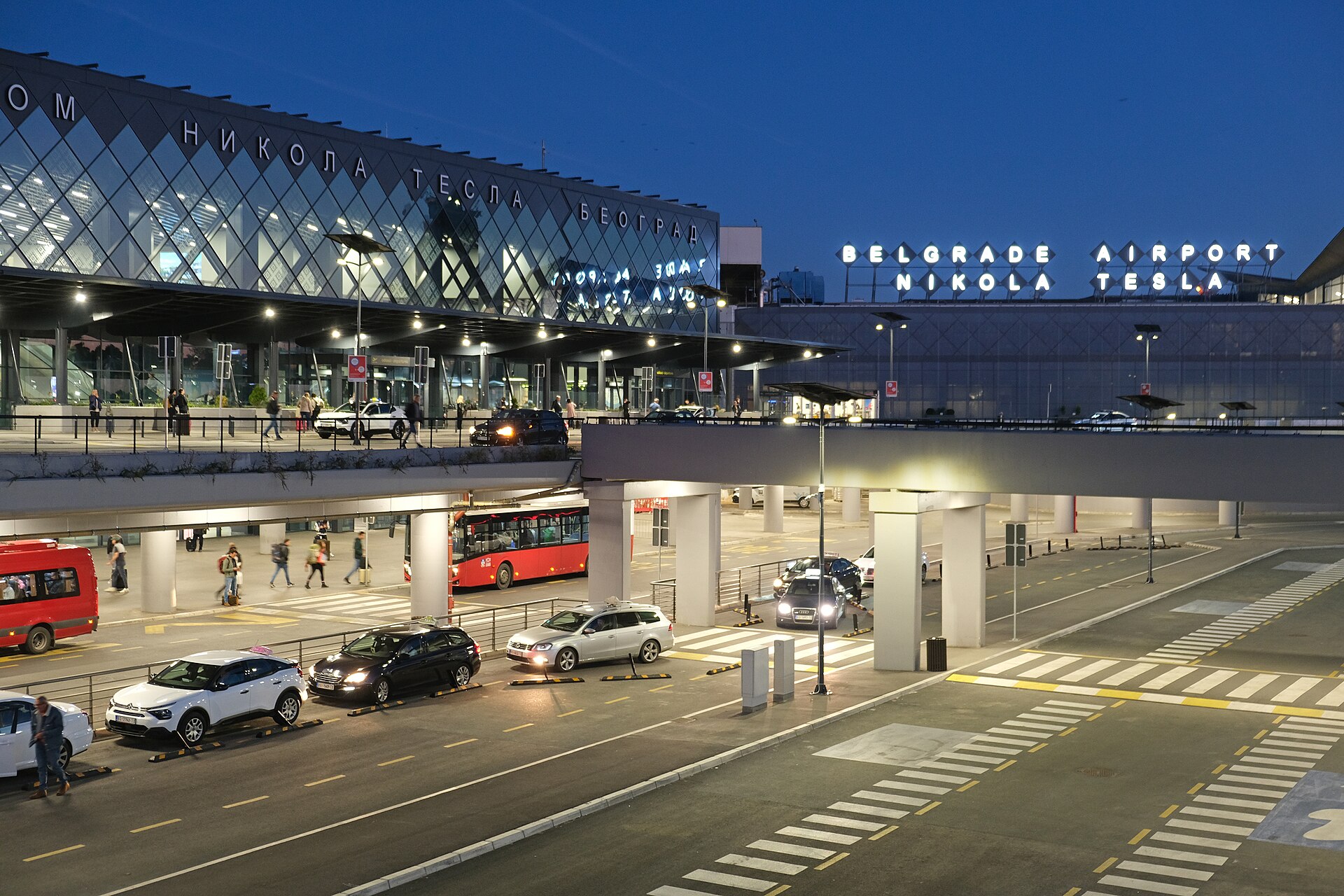
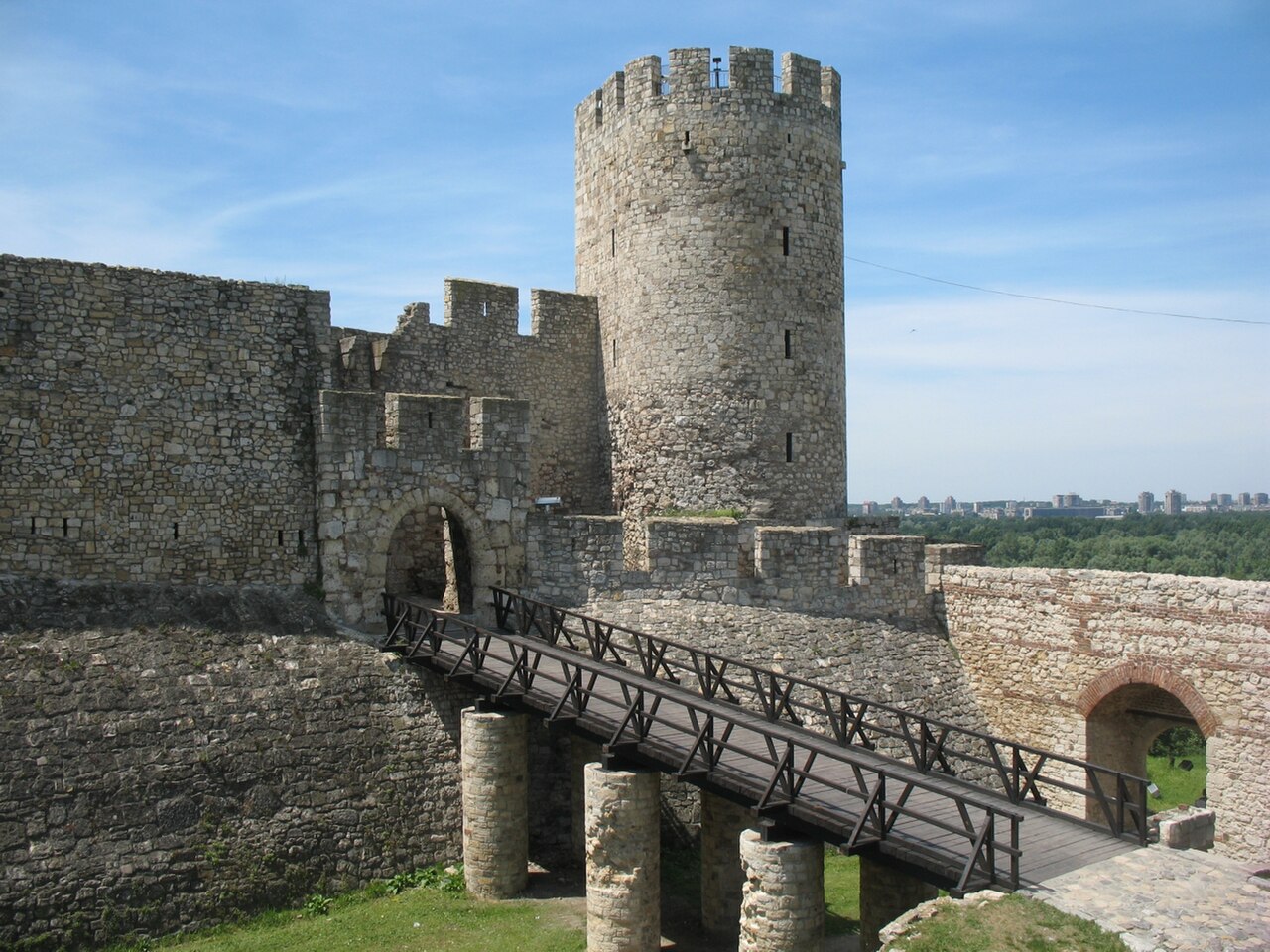
Suggested stay for a first visit: 2–3 days. Two cover the fortress, Kalemegdan, the old town and the Church of Saint Sava. A third adds Zemun on the Danube and a look at New Belgrade.
No. Belgrade runs trams, buses and trolleybuses, and a metro has been discussed for decades without entering service. The old town is walkable and taxis are cheap.
White city. The name is literal.
It stands where the Sava meets the Danube, which made it the frontier between empires. It has been fought over in 115 wars and razed 44 times.
The Sava. Old Belgrade is the ridge above the confluence with the fortress at its point. New Belgrade is on the left bank, built from 1948 on empty ground as a demonstration of Yugoslav modernity.
Stari Grad for the old town, Vračar behind it for a quieter residential base, Dorćol towards the Danube and Savamala on the Sava for the nightlife. Zemun is a separate town in feel and is further out.


