Guozijian
国子监
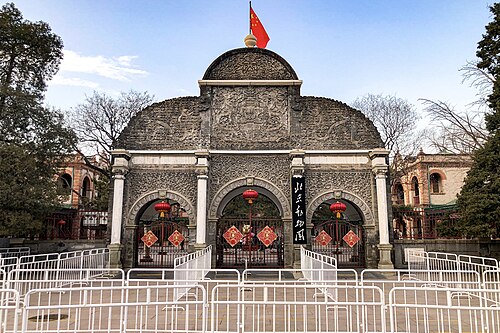
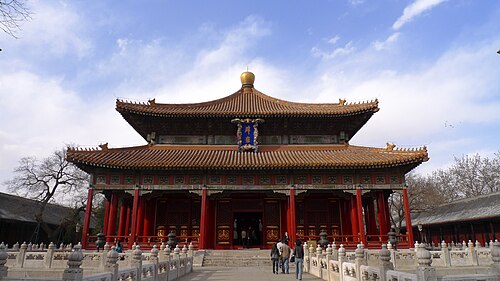
The Imperial College, or Guozijian, was the highest state educational institution and education administration of the Yuan, Ming and Qing dynasties.
- Must see
- Historic monument
- Beijing
Country guide
China covers 9.6 million km², third largest of any country, and holds more than 1.4 billion people — about 17 per cent of everyone alive. It is divided into 33...
Photograph · Severin.stalder · CC BY-SA 3.0
Reviewed by Elena Voss · Roavina Travel Editor
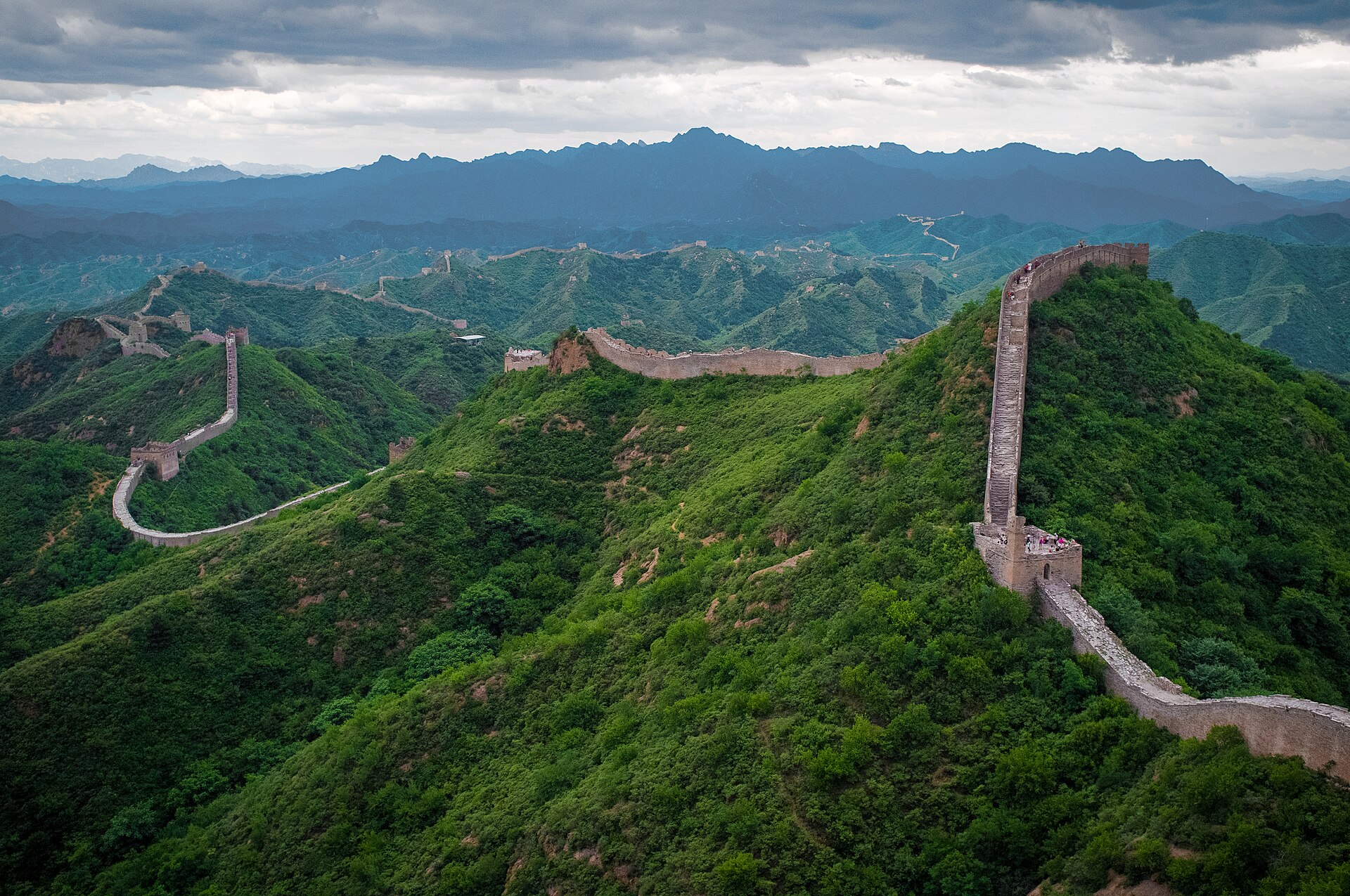
China covers 9.6 million km², third largest of any country, and holds more than 1.4 billion people — about 17 per cent of everyone alive. It is divided into 33 province-level divisions, two of them special administrative regions.
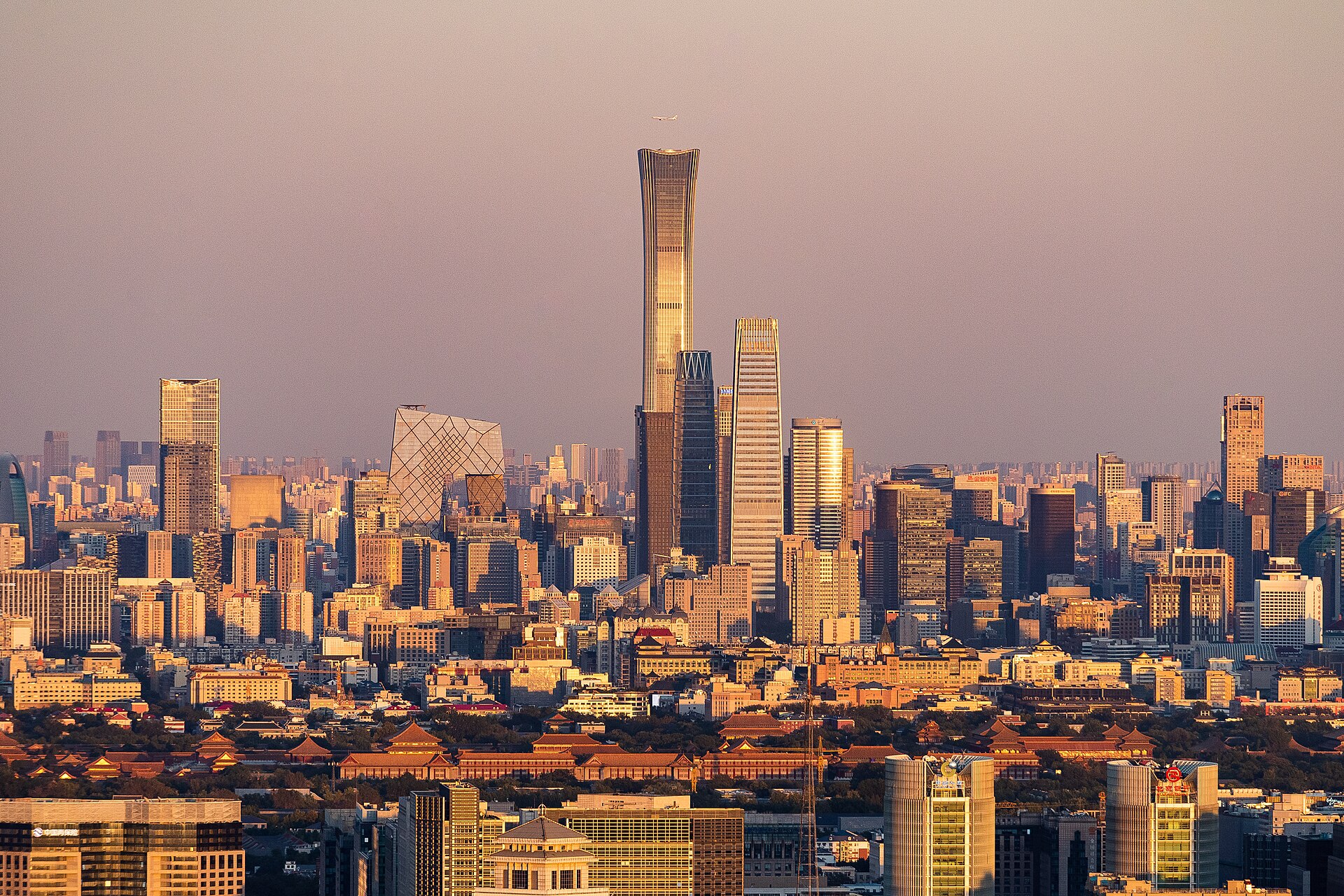
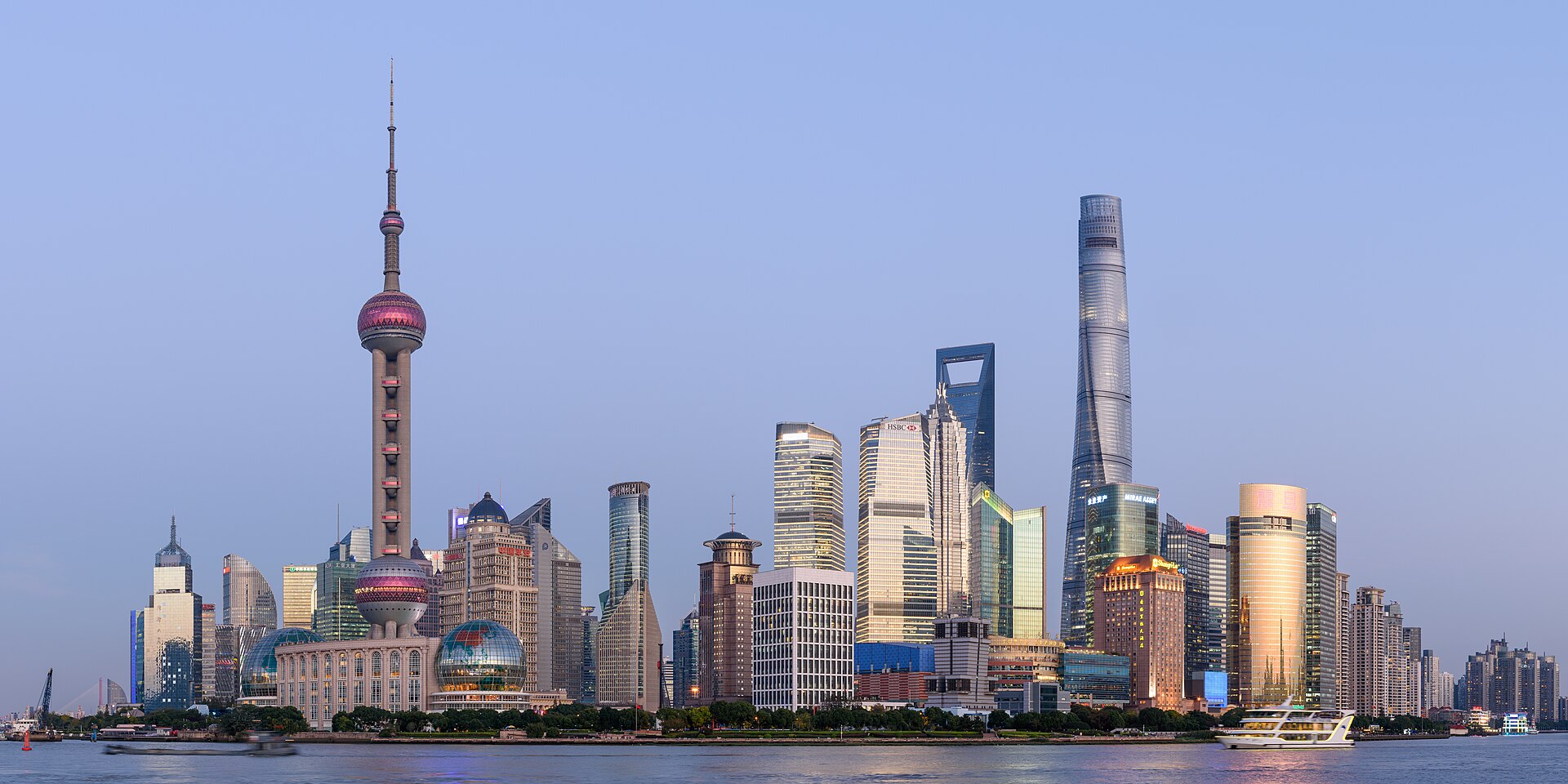
Beijing is the capital; Shanghai is the most populous city by urban area. Between them the land runs from the Central Plain and the Yangtze and Yellow rivers out to desert, plateau, subtropical and temperate forest, and the Himalayas in the southwest. The first decision a visitor makes here is therefore not which sight to see but which climate to travel in.
Checked 2026-08-25
Every city catalogued in this country so far, ranked by how much there is to see.
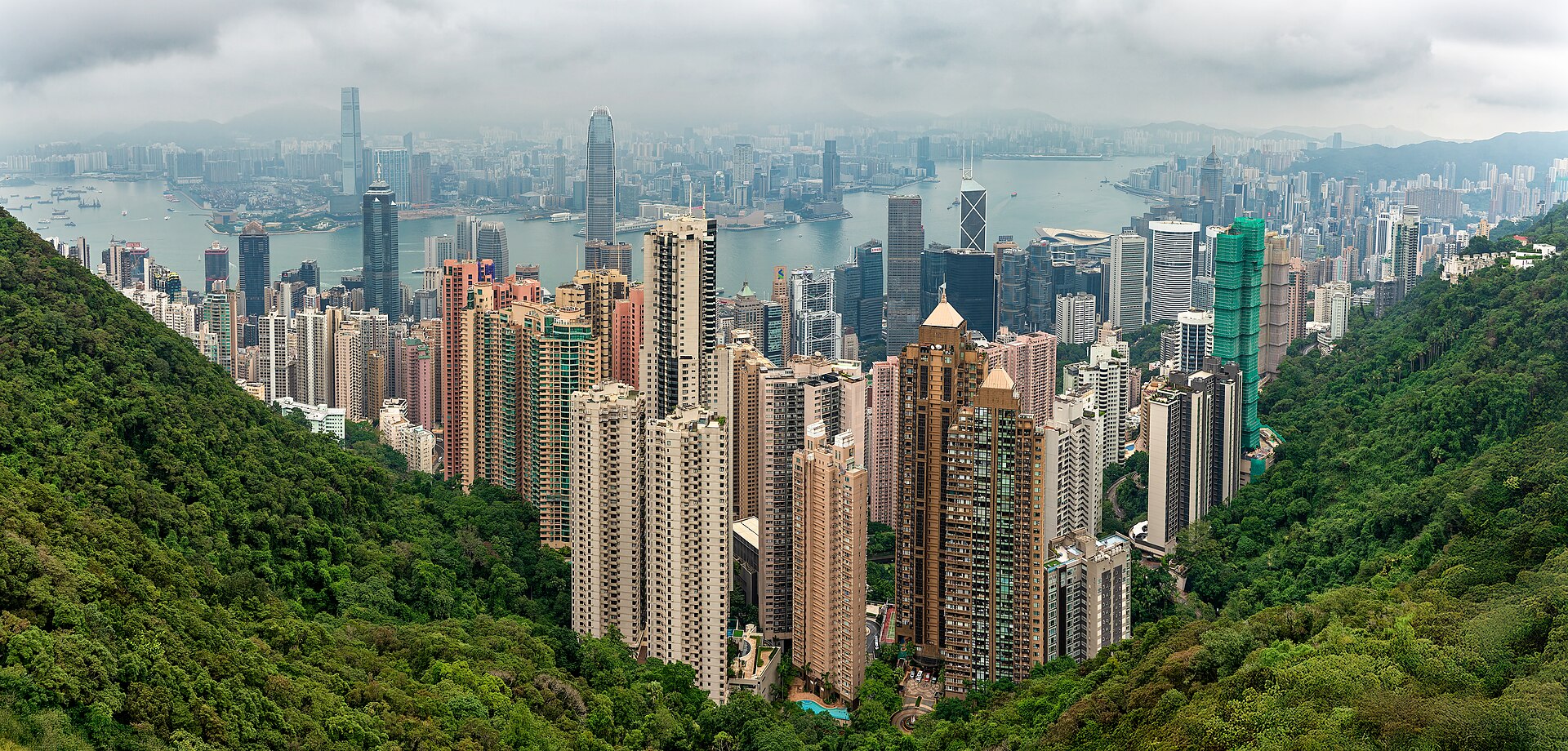
Photograph · N509FZ · CC BY-SA 4.0
Photograph · King of Hearts · CC BY-SA 4.0
Photograph · Mustang Joe · CC0
Photograph · Charlie fong · CC BY-SA 4.0
Photograph · ScareCriterion12 · CC BY-SA 4.0
Photograph · Charlie fong · CC BY-SA 4.0
Seasonal closures come from recorded opening hours.
Ranked by importance — sitelinks, pageviews and heritage status, not editor preference.
417 places match
Category
Typical visit duration
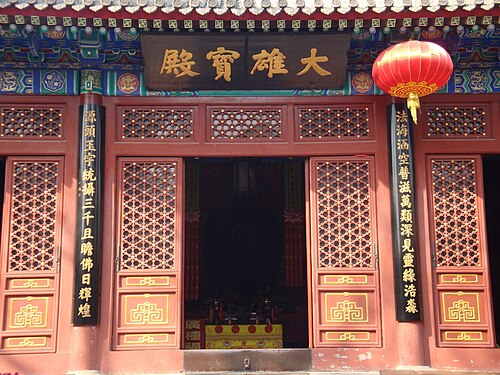
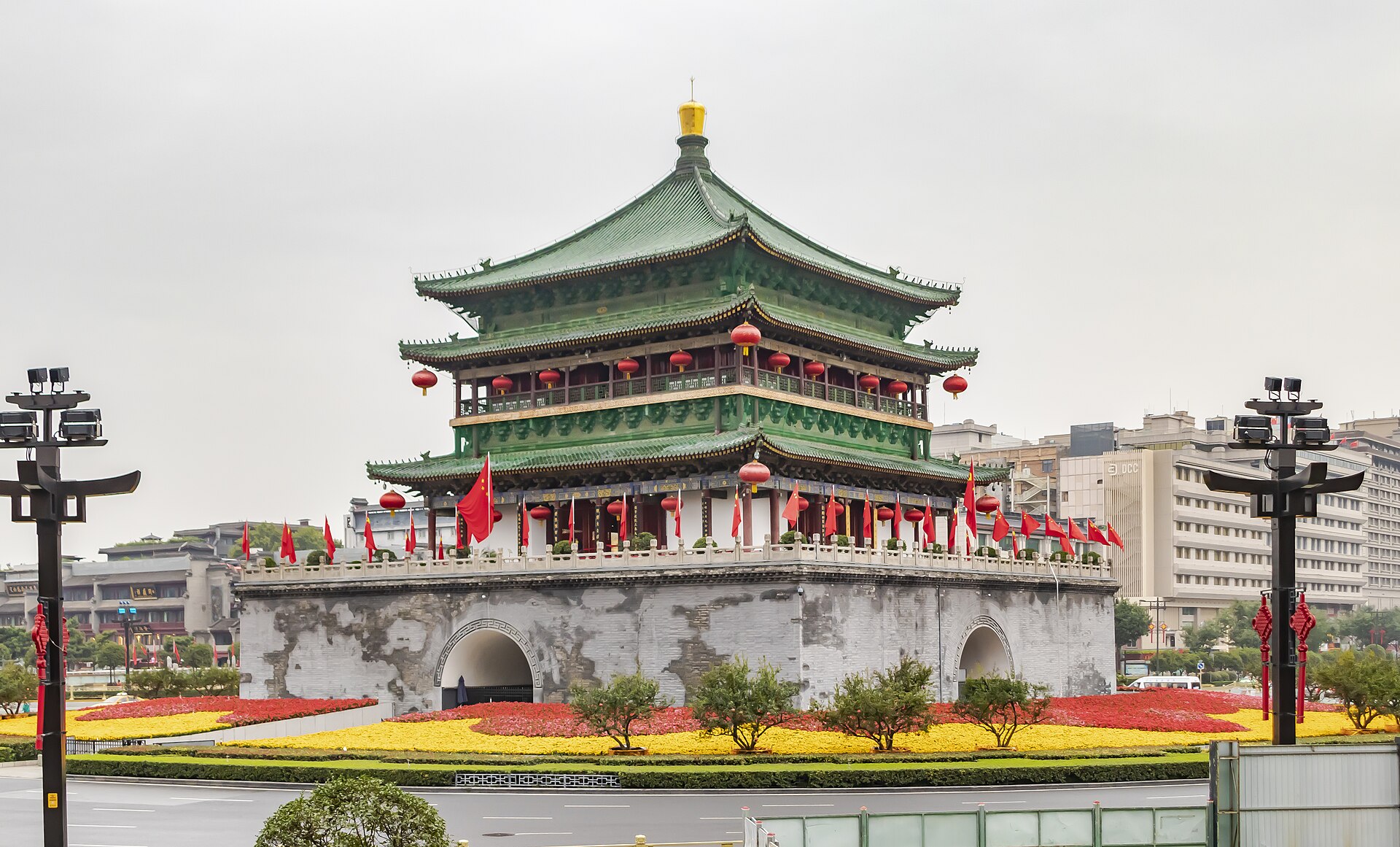
国子监
The Imperial College, or Guozijian, was the highest state educational institution and education administration of the Yuan, Ming and Qing dynasties.
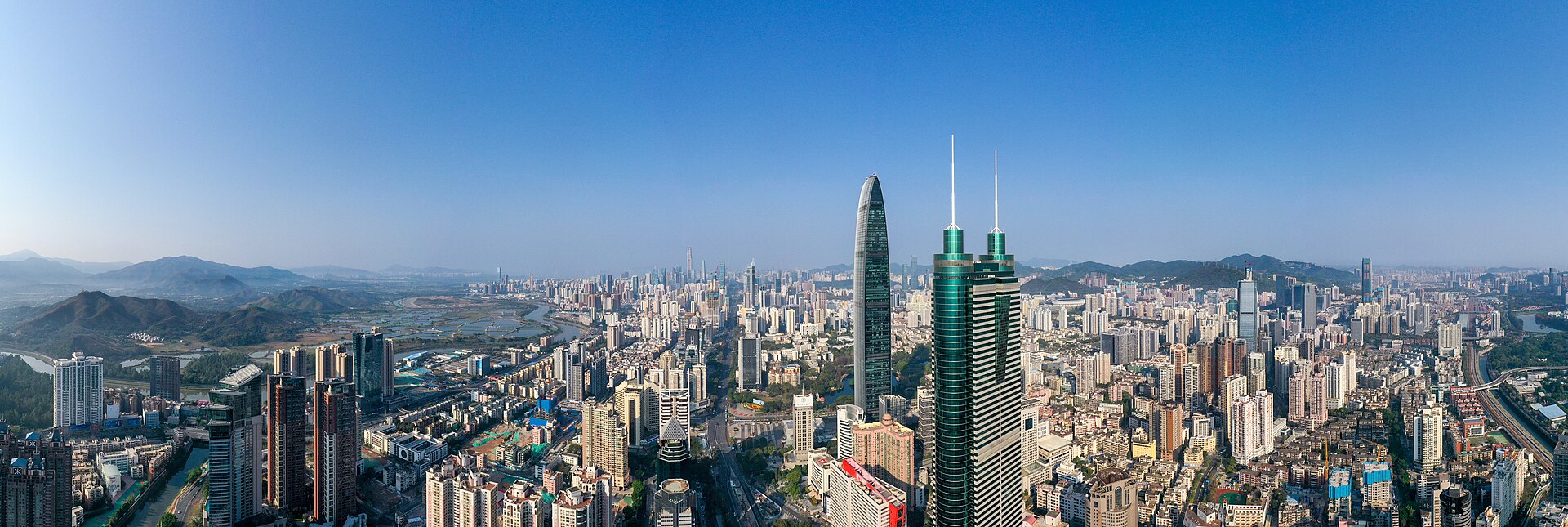
京基100
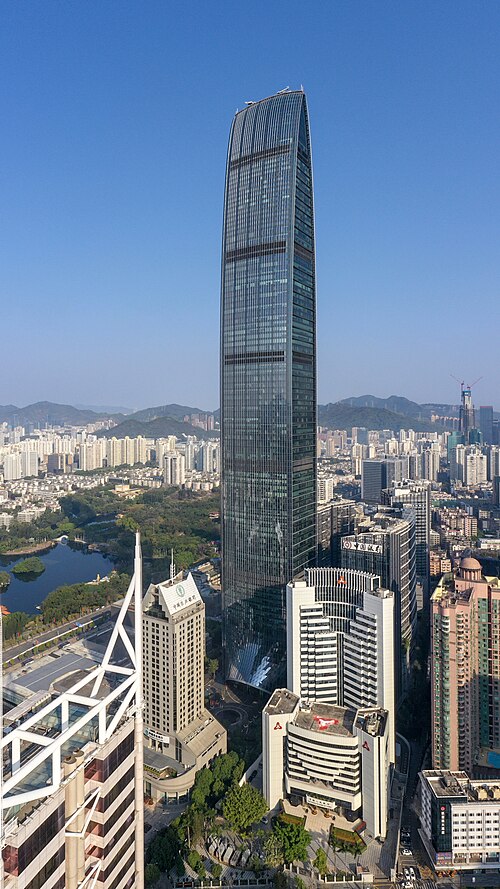
KK100, known locally as 京基100, is a supertall mixed-use tower in Shenzhen's Luohu District. It is one of the city's most recognizable skyline landmarks and contains office space and the St.
車公廟 Che Kung Temple
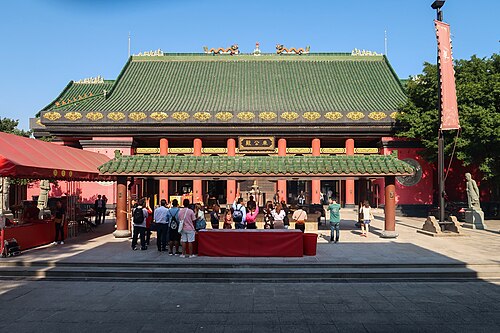
Che Kung Temple is a Taoist temple in Hong Kong dedicated to Che Kung, a military commander from the Song dynasty revered for his supposed ability to suppress rebellions and bring good fortune.
雍和宫
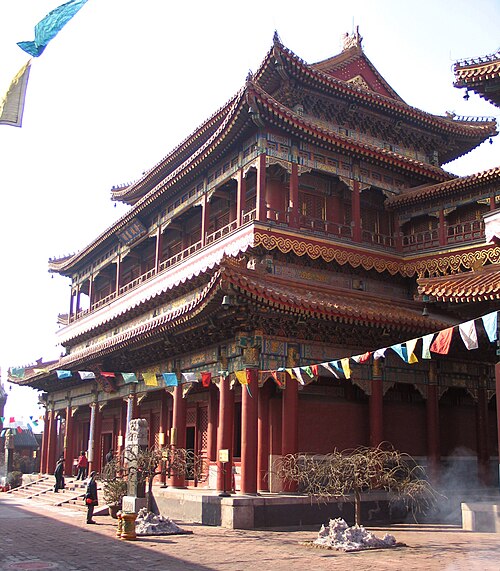
The Lama Temple, known locally as Yonghegong, stands as one of Beijing's most significant Tibetan Buddhist monasteries. Originally constructed in 1694 as an imperial residence, it was converted to a lamasery in 1744.
仁慈堂大樓 Santa Casa da Misericórdia
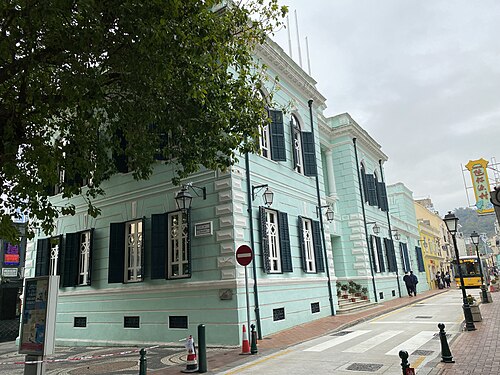
The Holy House of Mercy, or 仁慈堂大樓, is a historic charitable institution beside Senado Square in Macau. Founded in 1569 by Macau's first bishop, it became associated with care for orphans, widows and people in poverty.
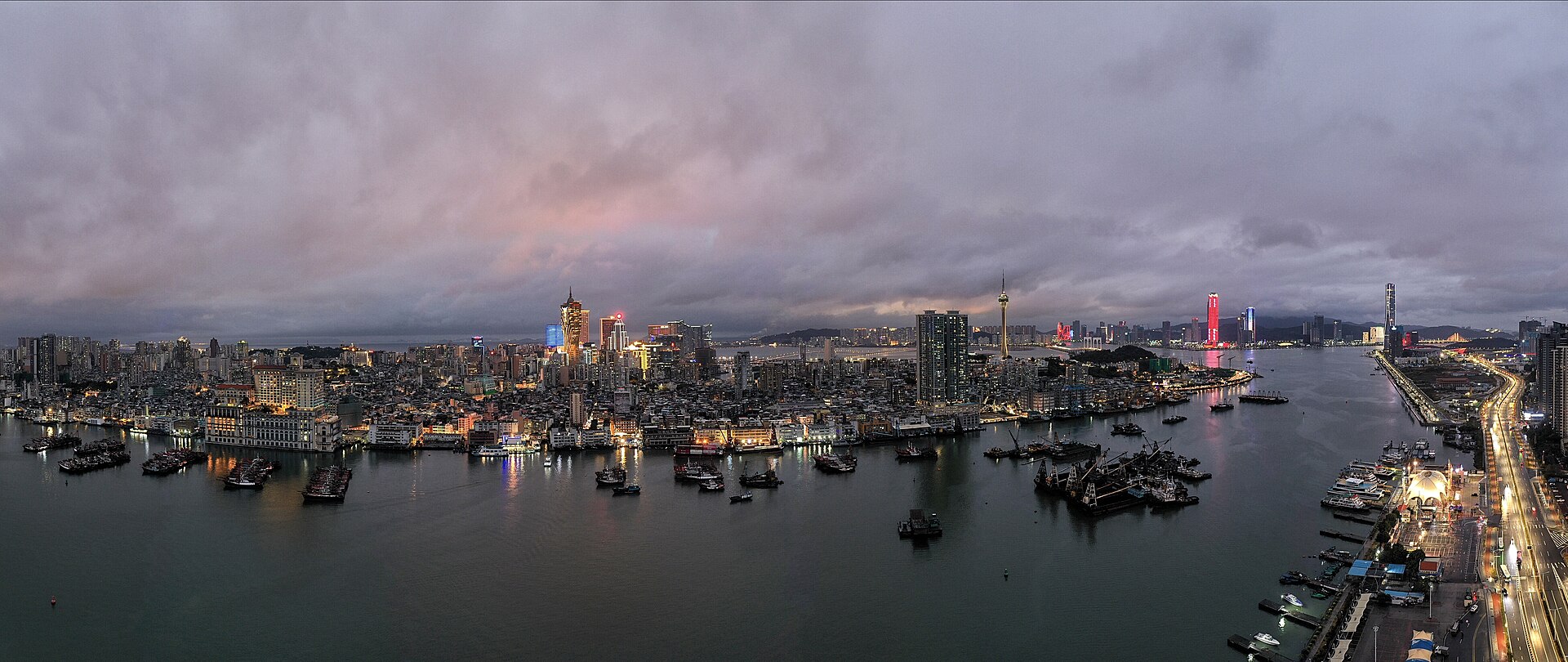
澳門旅遊塔 Macau Tower
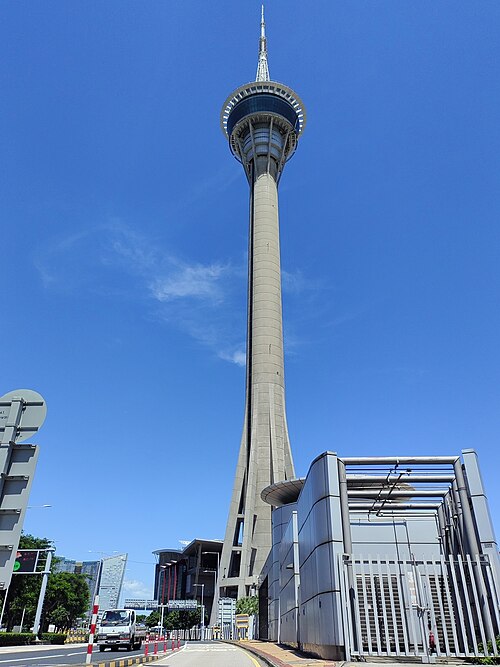
Macau Tower is a prominent waterfront landmark on the Macau peninsula, combining observation, dining, entertainment and telecommunications in one tall structure.
北京牛街礼拜寺
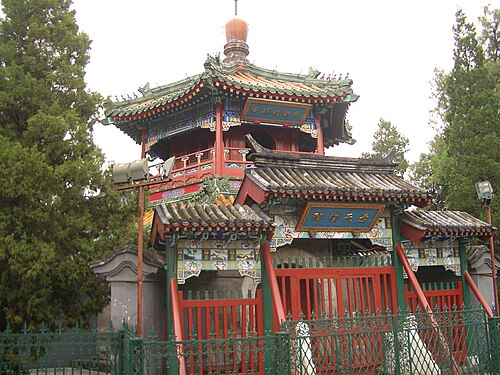
Niujie Mosque, known locally as 牛街礼拜寺, is Beijing's oldest and most important historic mosque. Founded in 996 and rebuilt across later dynasties, it combines Chinese timber halls and courtyard planning with Islamic orientation, Arabic inscriptions and worship functions.
法源寺
Fayuan Temple is one of Beijing's oldest Buddhist establishments, founded in the Tang period and rebuilt repeatedly under later dynasties. The present compound on Fayuansi Back Street consists of four principal courtyards and remains an active place of worship.
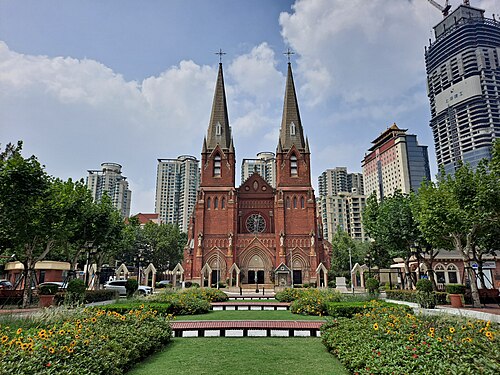
徐家汇圣依纳爵主教座堂
Saint Ignatius Cathedral, known locally as Xujiahui Catholic Church, stands as a prominent Catholic cathedral in Shanghai's Xujiahui district. The cathedral represents one of Shanghai's most recognizable religious landmarks and holds significance in the city's architectural and cultural heritage.
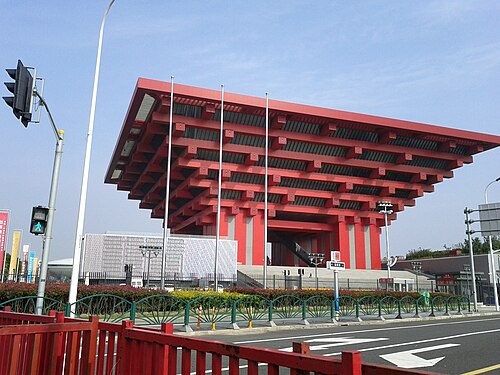
中华艺术宫
China Art Museum, known locally as 中华艺术宫, is a dedicated art-museum stop at 205 Shangnan Road in Shanghai’s Pudong New Area. Its visitor purpose is a focused encounter with Chinese art exhibitions rather than a brief landmark photograph.
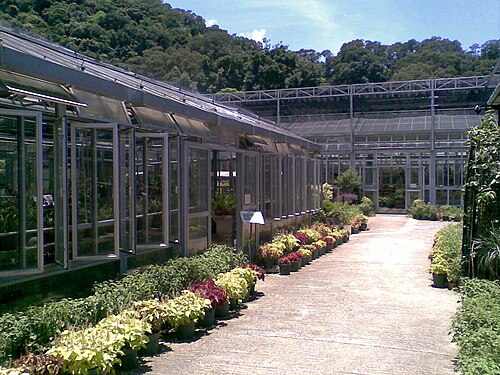
嘉道理農場暨植物園 Kadoorie Farm and Botanic Garden
Kadoorie Farm and Botanic Garden is a conservation and education centre in the New Territories of Hong Kong.
上海科技馆
Shanghai Science and Technology Museum is a major public science museum located in Shanghai, China. Its local name is 上海科技馆. The museum serves as a prominent cultural and educational institution within the city, dedicated to science popularization and technological exhibition.
鄭家大屋 Casa do Mandarim
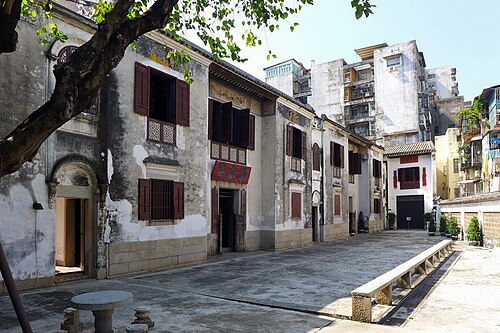
Mandarin’s House, also known as Zheng Guanying’s former residence, is a historic mansion in Macau’s Historic Centre. It was the ancestral home of the Zheng family and is associated with the thinker Zheng Guanying.
盧家大屋 Casa de Lou Kau
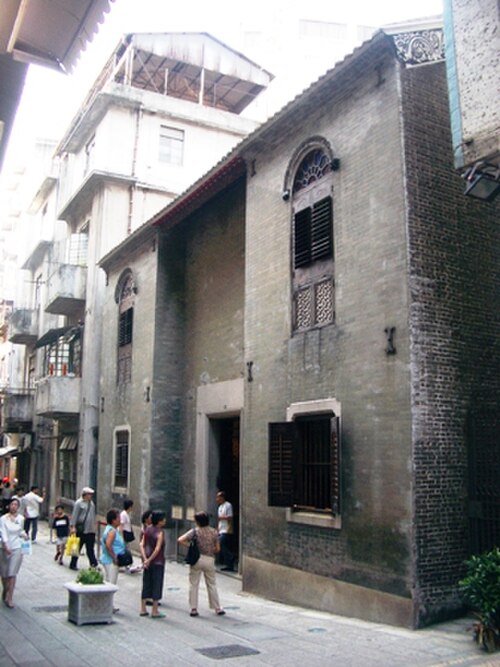
Casa de Lou Kau, locally called 盧家大屋, is a preserved merchant residence in Macau’s Historic Centre.
港務局大樓 Quartel dos Mouros
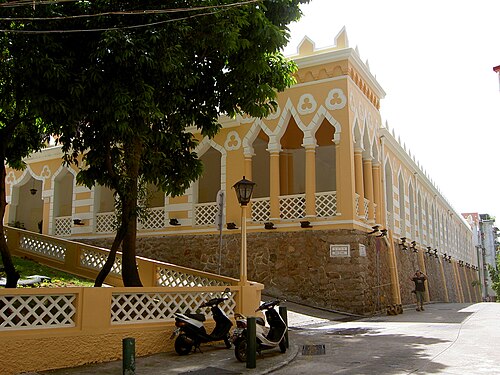
Moorish Barracks, locally known as 港務局大樓, is a historic building in Macau’s Historic Centre. Its design combines Islamic-influenced details with neoclassical elements, reflecting the layered architectural culture created during Portuguese administration.
上海城市规划展示馆
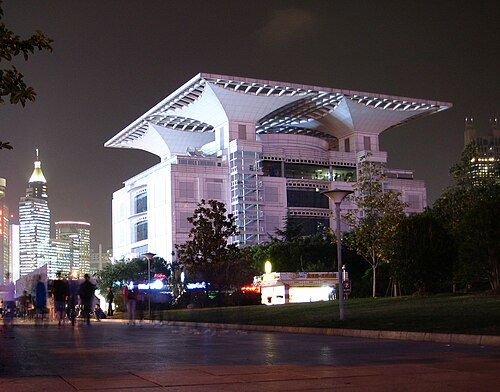
Shanghai Urban Planning Exhibition Center is a civic museum devoted to explaining how Shanghai has developed as a city.
路氹歷史館 Museu da História da Taipa e Coloane
The Museum of Taipa and Coloane History, known locally as 路氹歷史館, is a cultural institution in Macau dedicated to preserving and presenting the historical development of the islands of Taipa and Coloane.
国家大剧院
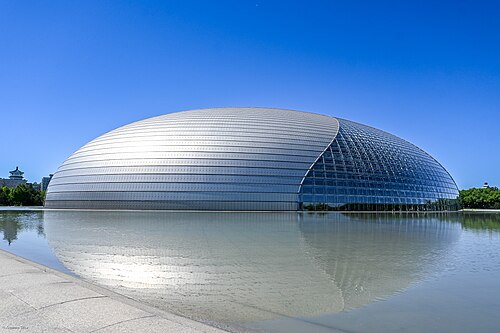
The National Centre for the Performing Arts, known locally as 国家大剧院, is a major performing arts venue in Beijing. Located near Tiananmen Square, this distinctive building features a dome-shaped design that has made it a notable landmark in the capital.
文武廟 Man Mo Temple
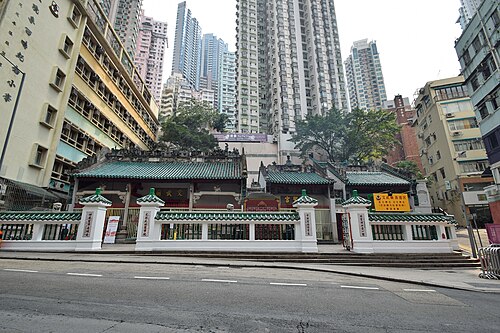
Sheung Wan Man Mo Temple, known locally as 文武廟 Man Mo Temple, is a historic Taoist temple complex situated in the Sheung Wan district of Hong Kong Island.
陕西历史博物馆
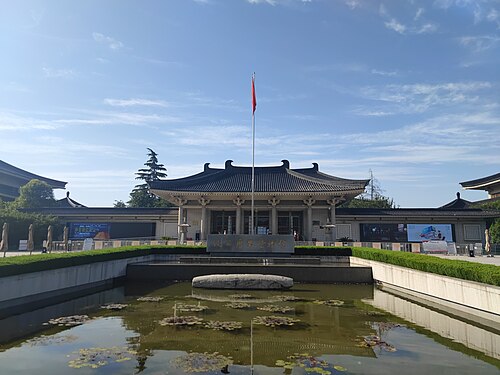
Shaanxi History Museum is a major museum in Xi'an, a city shaped by the history of successive Chinese capitals. Its collections span prehistoric communities, the Zhou, Qin, Han, and Tang dynasties, and archaeological discoveries from Shaanxi.
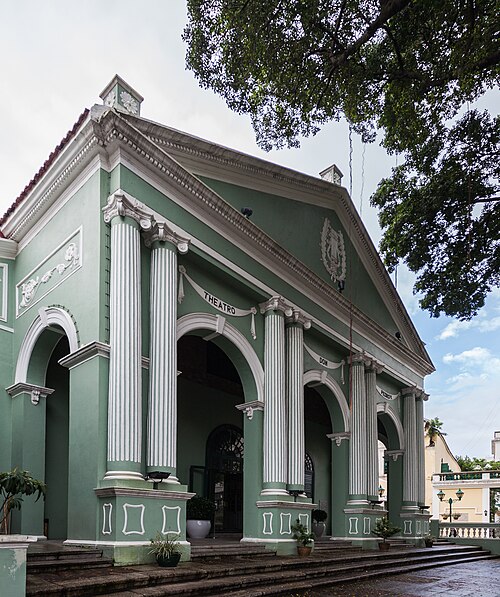
伯多祿五世劇院 Teatro Dom Pedro V
Dom Pedro V Theatre is a historic performing arts venue in Macau's St. Lawrence Parish district, situated on Calçada de S. Lourenço. Built in the mid-19th century during the Portuguese colonial period, it represents one of Asia's earliest Western-style theatres.
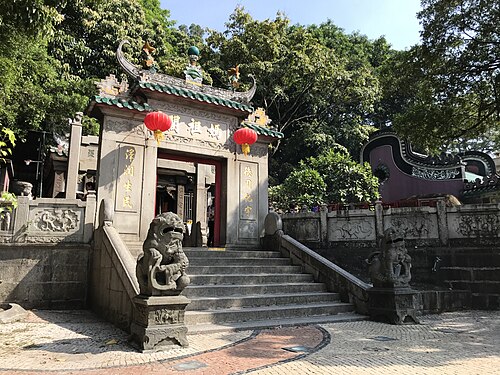
媽閣廟 Templo de A-Ma
A-Ma Temple is a historic Chinese temple complex in Macau dedicated to Mazu, the goddess of seafarers. Its traditions predate Portuguese colonisation and connect the site with Macau's maritime heritage and long-standing local religious life.
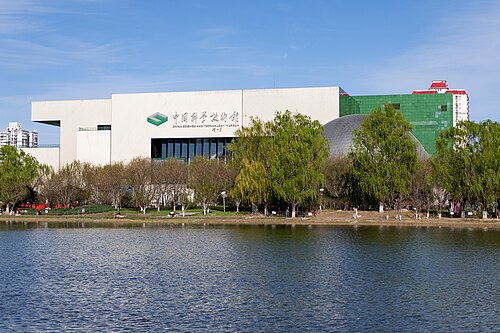
中国科学技术馆
China Science and Technology Museum is Beijing's national-scale institution for public science education, located beside Olympic Green. Its main exhibition programme explains fundamental science, engineering, life, environment and technological development through large interactive galleries rather than a traditional object-only collection.
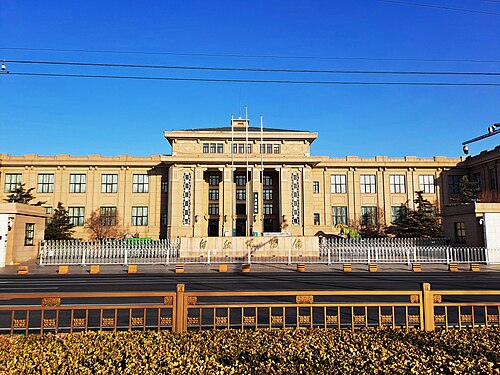
国家自然博物馆
The National Natural History Museum of China is Beijing's principal museum for zoology, palaeontology, botany and human origins. Located at Tianqiao, it combines specimen collections, scientific research and public education, with dinosaur skeletons among its best-known displays.
北京动物园
Beijing Zoo is a zoological park in Beijing, China. Its local name is 北京动物园. The zoo occupies a significant area in the Xicheng District and represents one of the older established zoological institutions in the country.
Twelve to eighteen days can link Beijing, Xi'an, and Shanghai by high-speed rail, with Shenzhen as a southern extension. Hong Kong and Macao need separate border planning and should not be treated as ordinary domestic stops on the same timetable.
Entry rules differ between mainland China, Hong Kong, and Macao, even within one journey. Check the official immigration authority for every border segment and match the permission to the passport, purpose, and exact itinerary.
High-speed rail and domestic flights cover mainland distances, while metros handle most urban journeys. Hong Kong uses Octopus and separate border controls, and Macao has its own formalities, so prepare payment and identity requirements for each jurisdiction.
April to May and September to October are only broad mainland planning windows. Beijing, Shanghai, the south, Hong Kong, and Macao have different heat, rain, and holiday pressures; the least flexible regional leg should set the dates.
Mainland China uses renminbi (CNY), while Hong Kong and Macao use HKD and MOP. Payment systems and card acceptance differ across those jurisdictions, so prepare the appropriate local method before crossing each border.
On the mainland, save 110 for police and 120 for medical help; Hong Kong and Macao use separate emergency systems. Mainland electricity is recorded as 220 V with Type A, C, and I sockets, while tap-water guidance is not recorded.