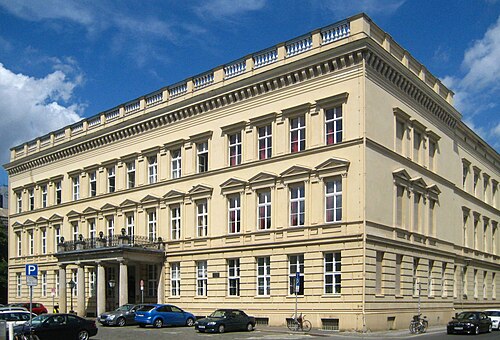
Palais am Festungsgraben
Palais am Festungsgraben is a historic palace building on Unter den Linden in central Berlin. Its name refers to the Festungsgraben, the former moat associated with Berlin’s defensive walls.
- High
- Historic monument
City guide · Germany
Berlin is polycentric and much larger than its central monument cluster suggests. Mitte contains Museum Island, the Brandenburg Gate and the government district...
Photograph · Thomas Wolf, www.foto-tw.de · CC BY-SA 3.0
Set your days, your pace and the hours you actually want to be out. The planner works around closing days and travel time, and leaves room to eat.
Reviewed by Elena Voss · Roavina Travel Editor
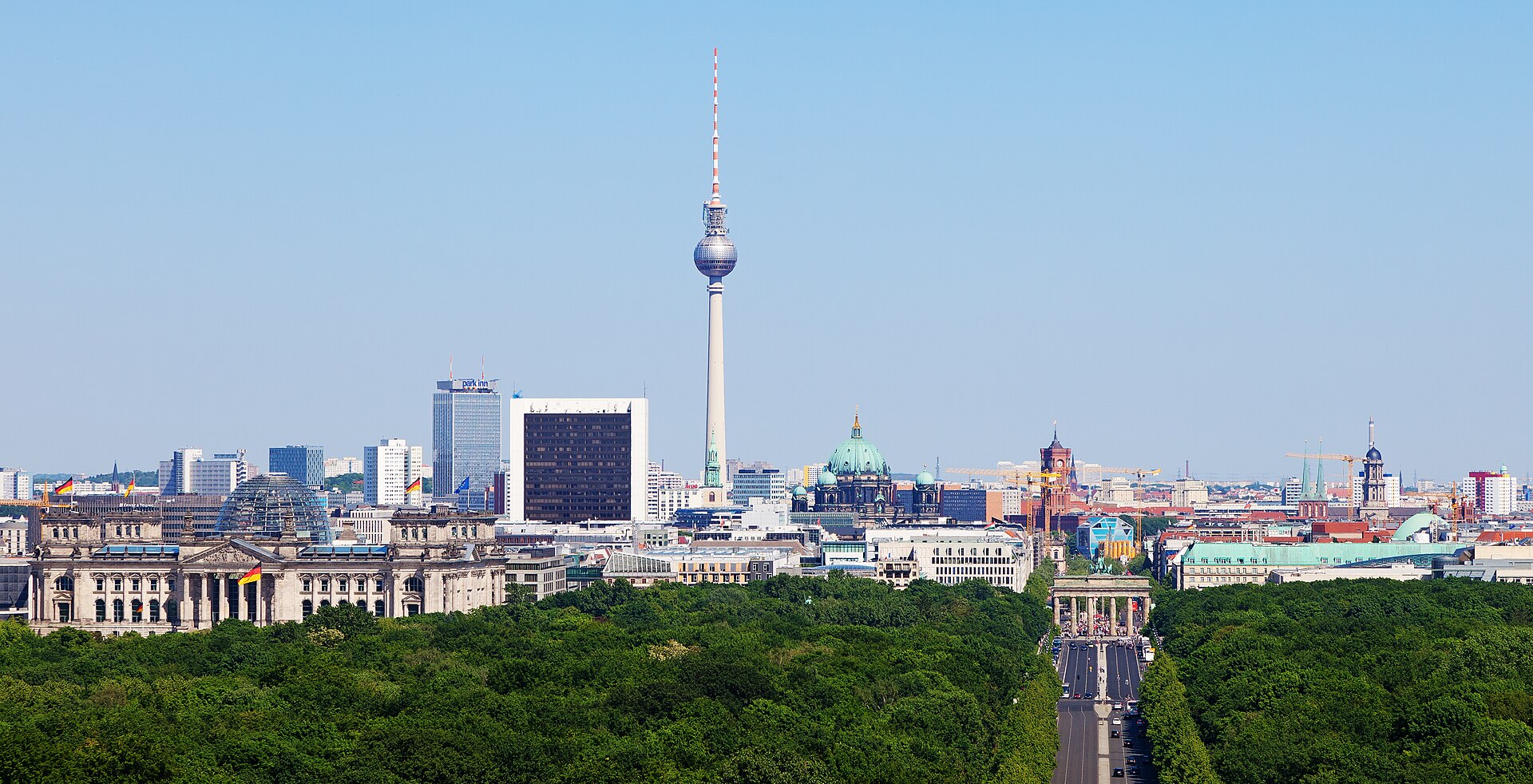
Berlin is polycentric and much larger than its central monument cluster suggests. Mitte contains Museum Island, the Brandenburg Gate and the government district; Charlottenburg forms a western centre around its palace and shopping streets; Kreuzberg, Friedrichshain and Neukolln extend south and east. Major Cold War sites, parks and museums are dispersed, so a useful itinerary follows districts and rail corridors.
Checked 2026-08-26
September · September averages a mild 15°C in Berlin with 46 mm of precipitation and about five daily sunshine hours.
Ranked by importance — sitelinks, pageviews and heritage status, not editor preference.
102 places match
Category
Typical visit duration
Interests
Palais am Festungsgraben is a historic palace building on Unter den Linden in central Berlin. Its name refers to the Festungsgraben, the former moat associated with Berlin’s defensive walls.
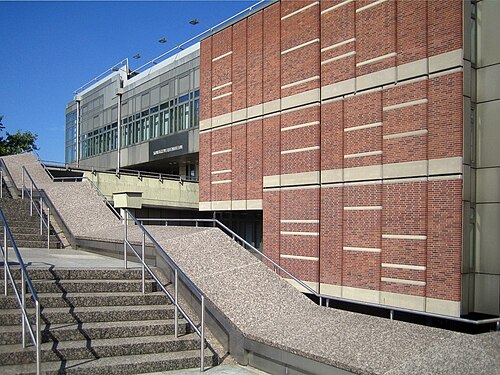
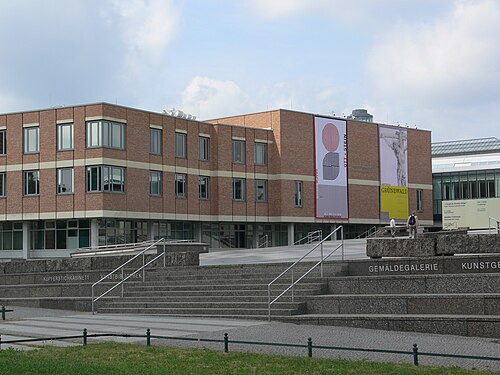
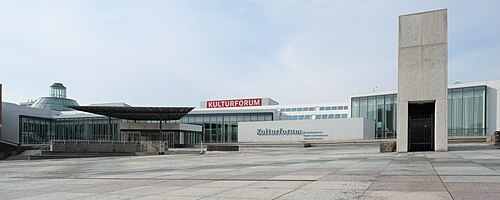
Gemäldegalerie am Kulturforum
The Gemäldegalerie Berlin, locally known as Gemäldegalerie am Kulturforum, is a major art museum in Berlin, Germany.
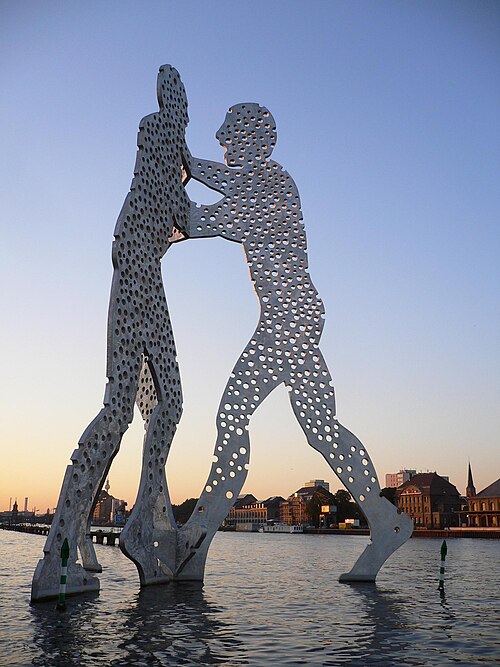
Molecule Man is a monumental aluminium sculpture standing in the Spree between Treptow and Kreuzberg. American artist Jonathan Borofsky created the work, which consists of three intersecting human figures about thirty metres tall.
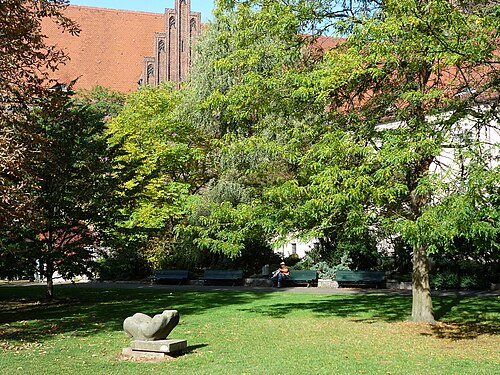
Köllnischer Park is a public green space in Berlin’s Mitte district, close to the Spree and the historic Nikolai quarter. It occupies land associated with the former settlement of Cölln, which later joined Berlin.
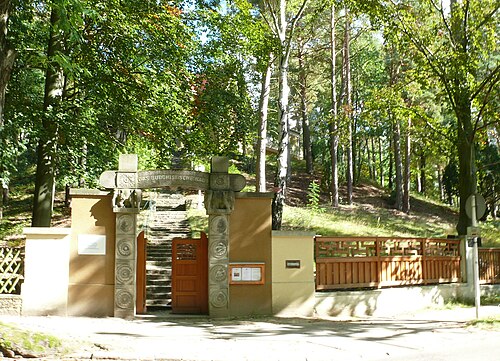
Das Buddhistische Haus is a Buddhist temple complex in Frohnau, northern Berlin. Founded in the early twentieth century, it is regarded as one of Europe’s oldest Buddhist institutions.
Alliierten-Museum
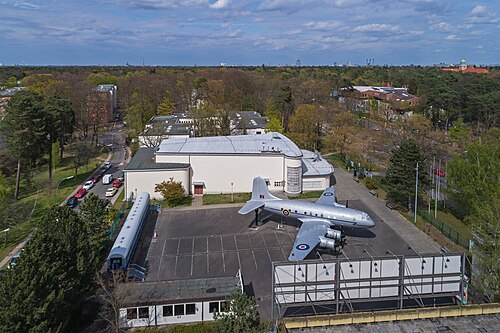
The Allied Museum in Dahlem presents the history of the Western powers in Berlin from 1945 to 1994.
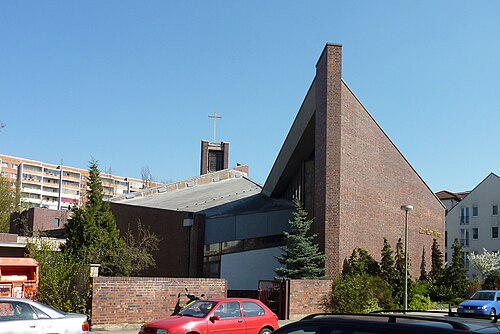
Zum Guten Hirten
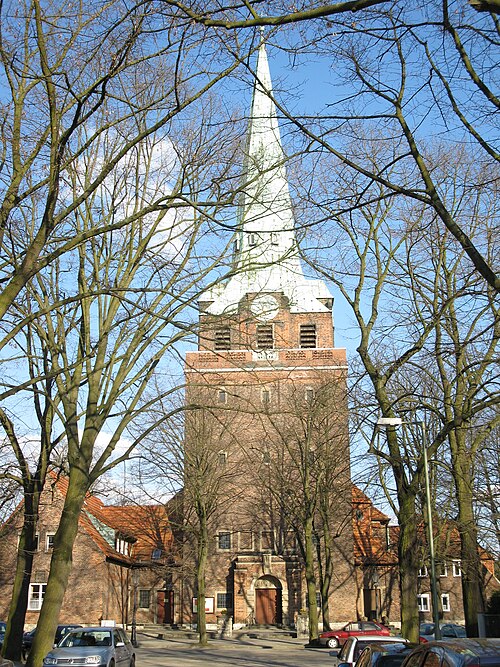
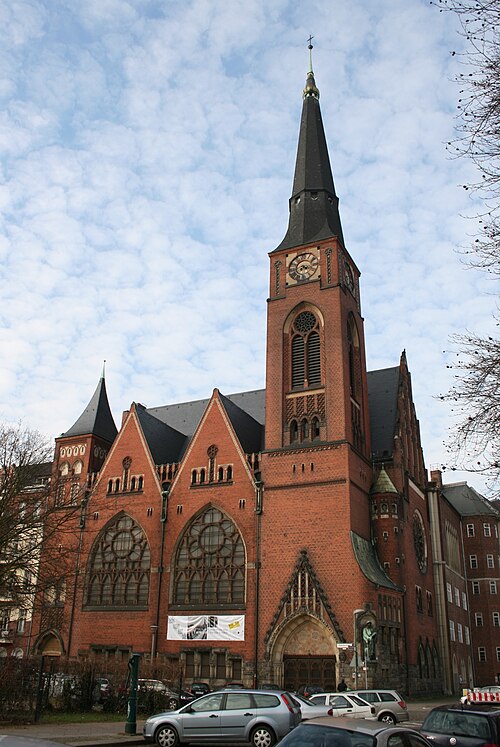
Kirche Zum Guten Hirten, or Church of the Good Shepherd, is a church in Berlin.
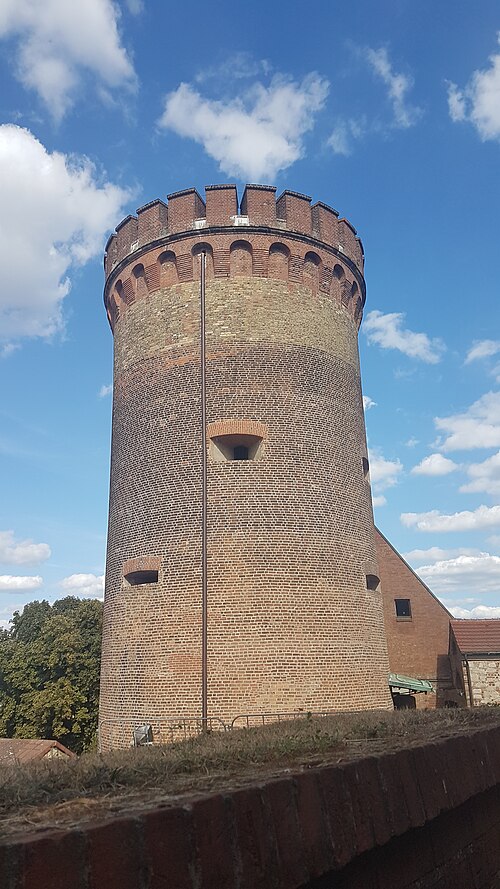
Juliusturm is a historic tower within the Zitadelle Spandau, Berlin’s major fortress complex in the Spandau district. The citadel is one of Europe’s best-preserved Renaissance fortresses, while the tower represents an older medieval element incorporated into the later defensive works.
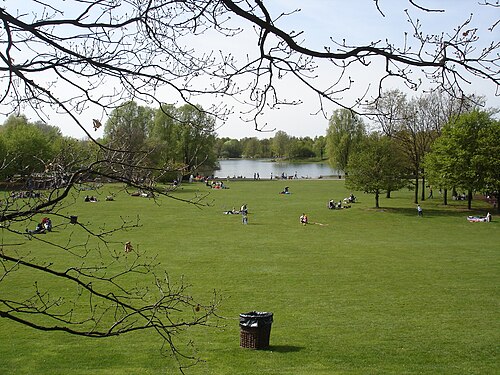
Britzer Garten is a large landscaped park in Berlin’s Britz district, created for the 1985 Federal Garden Show and preserved as a major green space.
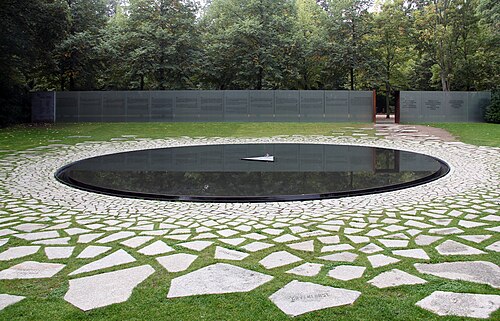
Denkmal für die im Nationalsozialismus ermordeten Sinti und Roma Europas
The Memorial to the Sinti and Roma victims of National Socialism is a Berlin monument dedicated to European Sinti and Roma murdered under Nazi rule.
Gedenkstätte Berlin-Hohenschönhausen
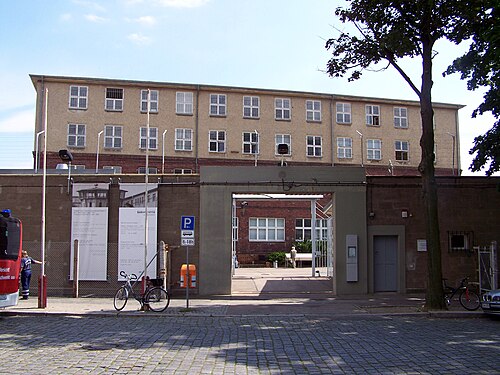
The Berlin-Hohenschönhausen Memorial is a museum and memorial site located in the Lichtenberg district of Berlin. It occupies the grounds of a former Soviet and later Stasi remand prison that operated during the German Democratic Republic period.
GRIPS Theater
GRIPS-Theater is a Berlin theatre known for contemporary, socially engaged productions with a strong connection to younger audiences.
Kunstgewerbemuseum
Berlin’s Museum of Decorative Arts, the Kunstgewerbemuseum, explores the history of applied art and design through objects made for use, display and ceremony. It forms part of the Staatliche Museen zu Berlin and brings together craftsmanship across several centuries.
Ev. Kirche Zur frohen Botschaft
Kirche Zur Frohen Botschaft is an Evangelical Protestant church serving the Karlshorst community in eastern Berlin.
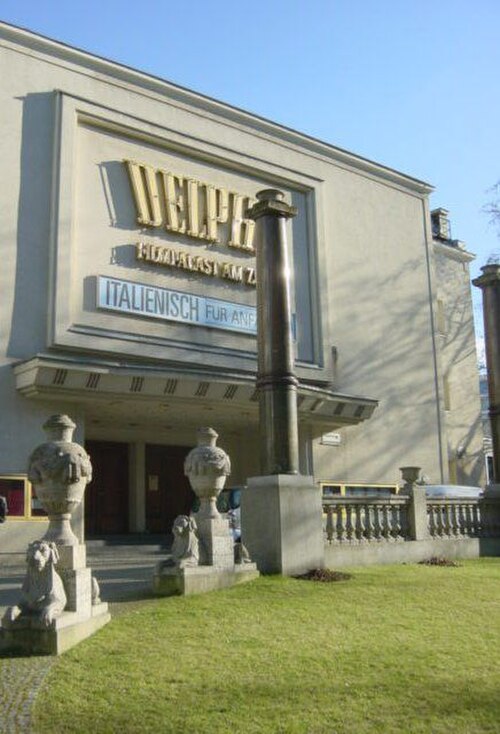
Delphi Filmpalast is a Berlin cinema and a recognised part of the city’s film culture. Its appeal lies in the experience of seeing a carefully selected film in a dedicated cinema setting rather than in a collection of exhibits.
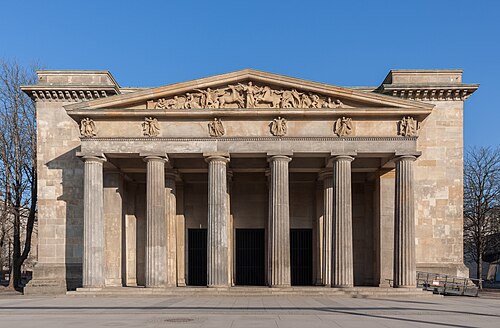
Neue Wache is a neoclassical memorial on Berlin’s Unter den Linden boulevard in the Mitte district. Karl Friedrich Schinkel designed the building, completed in 1818 as a guardhouse for Prussian troops.
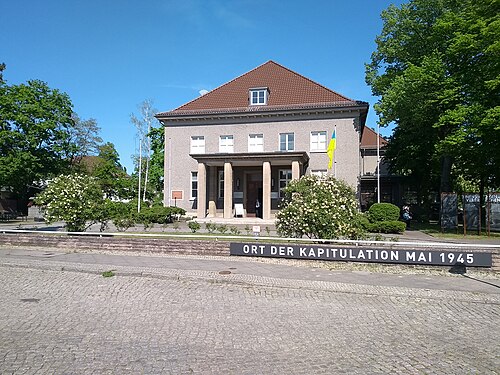
Museum Berlin-Karlshorst is a memorial and historical museum in Berlin’s eastern Karlshorst district. It occupies the building where German armed forces signed the unconditional surrender on 8 May 1945, bringing the Second World War in Europe to its end.
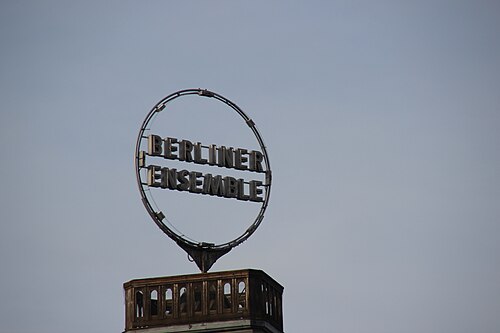
Berliner Ensemble is a theatre company and performance venue on Bertolt-Brecht-Platz in Berlin’s Mitte district. Bertolt Brecht and Helene Weigel founded it in 1949, and the institution remains closely associated with epic theatre, political engagement and Brecht’s ideas about performance.
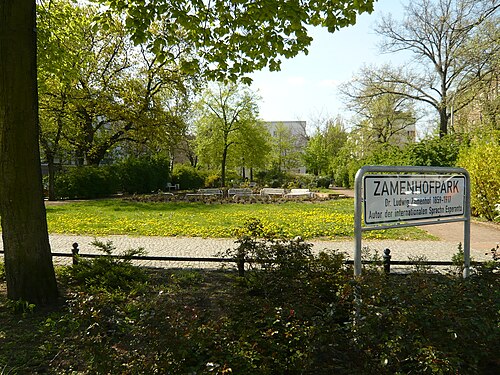
Zamenhofpark is a public green space in Berlin named after L. L. Zamenhof, the creator of Esperanto. The name connects this neighborhood park with the international language movement, while the place itself serves as everyday urban open space.
Kupferstichkabinett
Kupferstichkabinett Berlin is Berlin’s Museum of Prints and Drawings and part of the Staatliche Museen zu Berlin. It is a specialist collection devoted to graphic art on paper, with works spanning multiple centuries and major European artistic traditions.
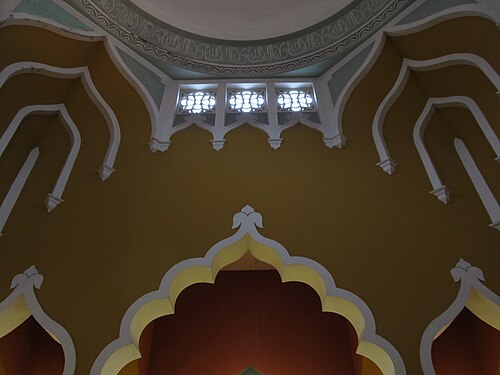
Wilmersdorfer Moschee
Berlin Mosque, also known as Wilmersdorfer Moschee, is an active Islamic place of worship in Berlin’s Wilmersdorf district. It serves a local Muslim community and forms part of the city’s diverse religious landscape.
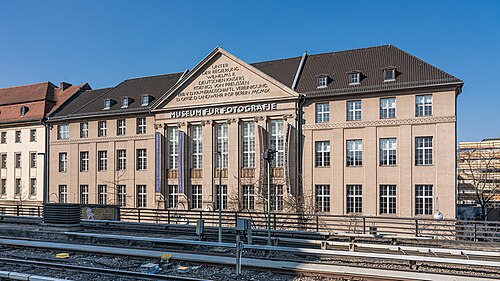
Museum für Fotografie
Museum of Photography, or Museum für Fotografie, is a Berlin museum devoted to photographic art, history, and preservation. It belongs among the city’s visual-arts destinations because photography is treated as both an artistic medium and a record of changing societies.
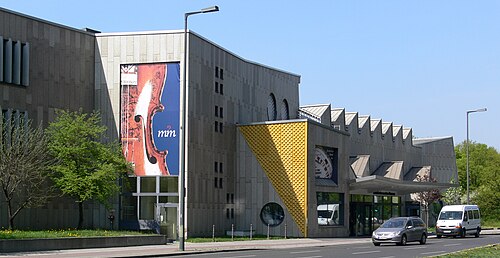
Musikinstrumenten-Museum
Berlin Musical Instrument Museum, known locally as Musikinstrumenten-Museum, is a specialist Berlin museum devoted to musical instruments.
Zwingli-Kirche
Zwinglikirche, also called Zwingli-Kirche, is a church in Berlin named after Huldrych Zwingli, the Swiss Reformation leader. It is a place of worship within Berlin’s varied religious architecture.
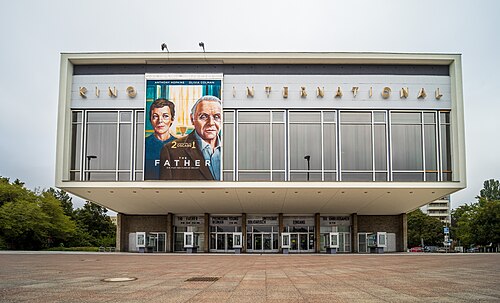
Kino International is a historic cinema located in Berlin, Germany. It stands as a notable example of East German architectural heritage from the GDR period.
Mitte is the main first-visit anchor, stretching from Alexanderplatz and Museum Island west toward Unter den Linden, Brandenburg Gate and Tiergarten. Kreuzberg lies south, Friedrichshain east, and Charlottenburg forms a separate western centre. The S-Bahn Ring is a useful boundary for the inner city, but important sites also sit beyond it. Avoid combining opposite outer districts in the same half-day.
Checked 2026-08-26
Use S-Bahn and U-Bahn trains for long movements, with trams and buses filling gaps between rail corridors. Berlin uses fare zones A, B and C; the airport and nearby Potsdam are in zone C. Tickets are valid across participating modes within the purchased zones, but paper or app tickets must meet the stated activation rules. Walk once you reach a district cluster.
Checked 2026-08-26
A fixed duration is not recorded. Plan by district: Mitte, a western cluster, an eastern or southern neighbourhood, and any specialised museum or outer site that matters to you.
Mitte contains many headline sights, but Berlin is polycentric. Charlottenburg, Kreuzberg, Friedrichshain and outer memorial or palace sites require separate rail journeys.
Use S-Bahn and U-Bahn for cross-city travel, then trams, buses or walking within districts. One zonal ticket can cover participating modes for the chosen validity area.
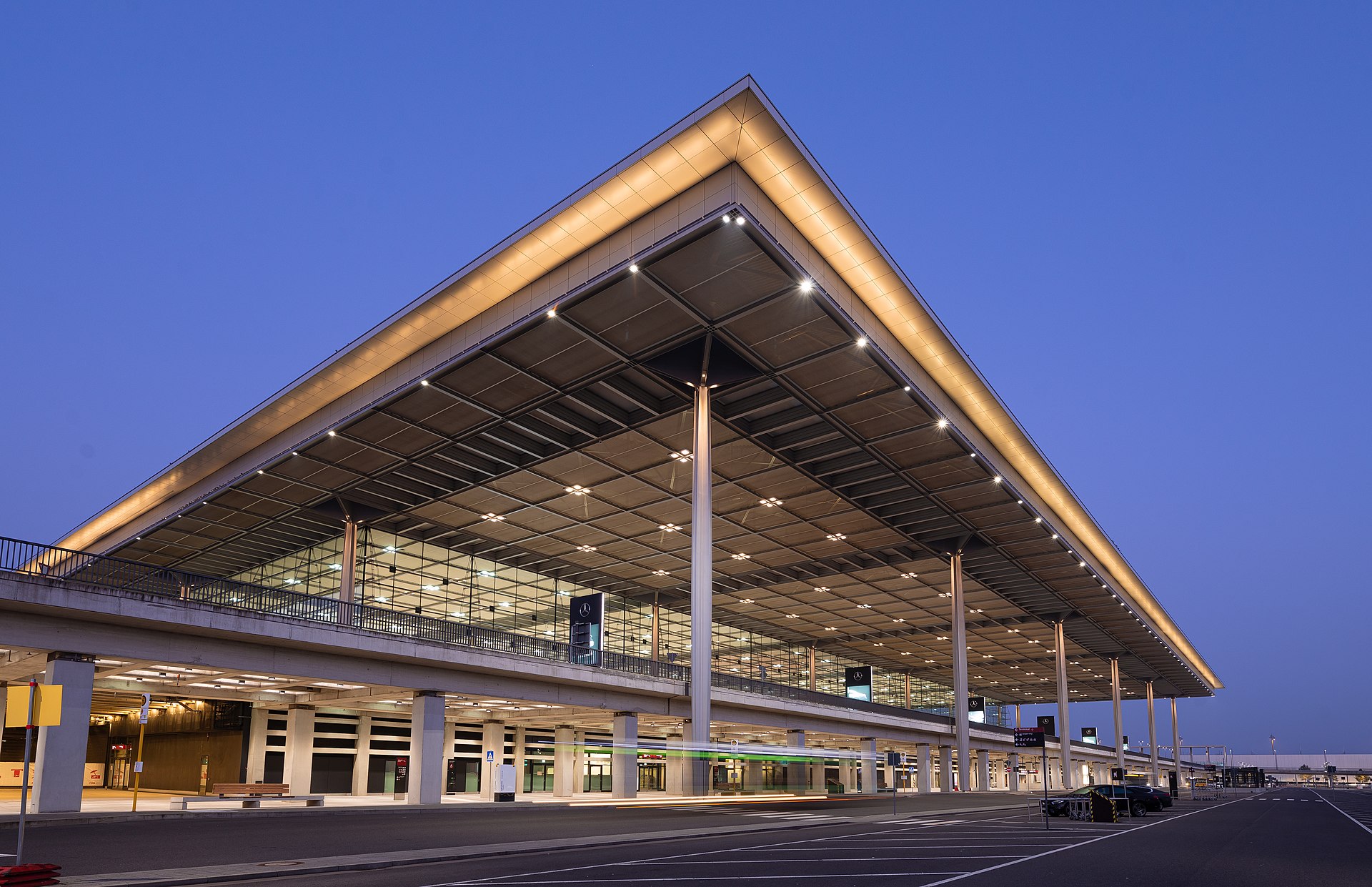
Berlin Brandenburg Airport is in zone C. A journey between the airport and the central city therefore needs a ticket whose zones include C as well as the destination area.
Treat Potsdam as a separate excursion. It lies outside Berlin's central districts and in fare zone C, so it needs dedicated travel time and the correct ticket coverage.