

32
1 hr 30 min
Vasari Corridor
Corridoio Vasariano
The Vasari Corridor is an elevated enclosed passageway in Florence, Italy. Giorgio Vasari designed it in 1565 for Cosimo I de' Medici.
- Must see
- Museum
City guide · Italy
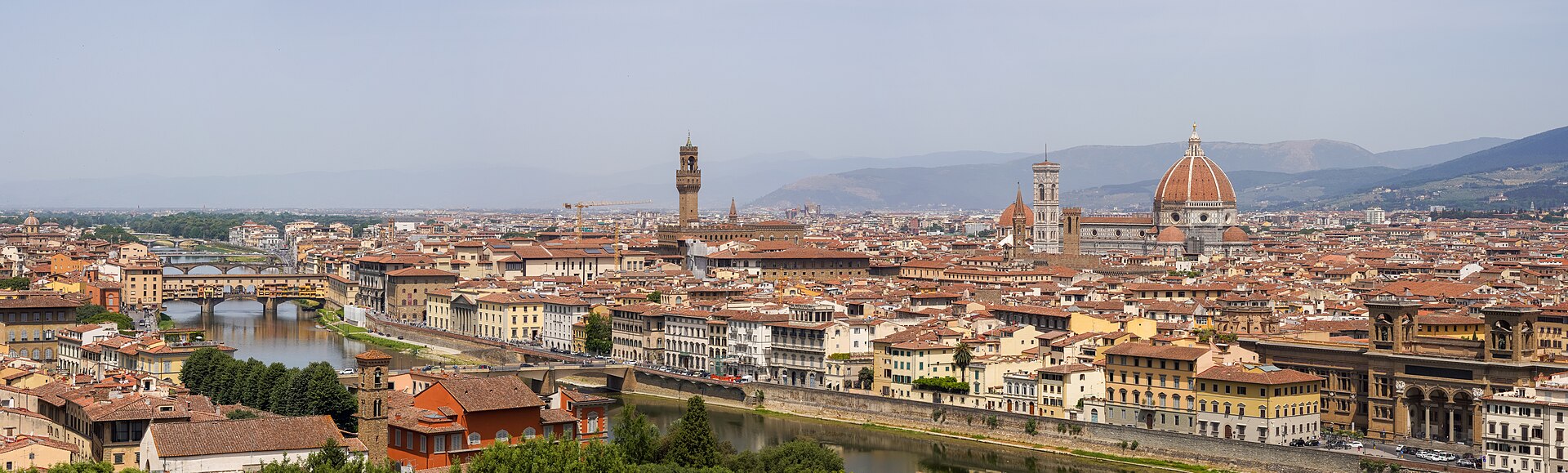
Florence has a compact, largely pedestrian historic centre on both sides of the Arno. The Duomo, Piazza della Signoria, Uffizi and Santa Croce form the main nor...
Photograph · Wikibusters · CC BY-SA 4.0
Set your days, your pace and the hours you actually want to be out. The planner works around closing days and travel time, and leaves room to eat.
Reviewed by Elena Voss · Roavina Travel Editor
Florence has a compact, largely pedestrian historic centre on both sides of the Arno. The Duomo, Piazza della Signoria, Uffizi and Santa Croce form the main north-bank cluster; the Oltrarno begins across the river around Santo Spirito and Palazzo Pitti. Santa Maria Novella station lies northwest of the centre, while hilltop viewpoints and Fiesole require a separate climb or transport leg.
Checked 2026-08-26
September · September balances a 26.7°C mean high and 14.4°C mean low in Florence with 79.6 mm of normal rain across 6.2 rain days.
Ranked by importance — sitelinks, pageviews and heritage status, not editor preference.
104 places match
Category
Typical visit duration
Interests
Corridoio Vasariano
The Vasari Corridor is an elevated enclosed passageway in Florence, Italy. Giorgio Vasari designed it in 1565 for Cosimo I de' Medici.
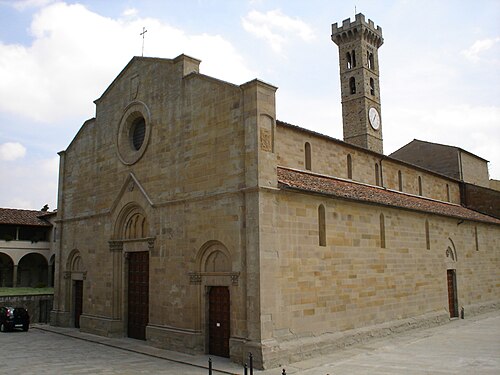
Cattedrale di San Romolo
Fiesole Cathedral, known locally as Cattedrale di San Romolo, stands in the hill town of Fiesole overlooking Florence. This historic cathedral serves as the seat of the Diocese of Fiesole and represents a significant religious landmark in the Tuscany region.

Basilica della Santissima Annunziata
The Basilica della Santissima Annunziata is a major Renaissance church in Florence and the centre of the piazza that bears its name.
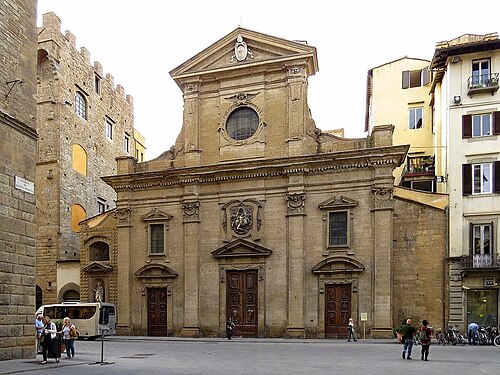
Basilica di Santa Trinita
Basilica di Santa Trinita is a Roman Catholic church in central Florence, near the Arno River and Ponte Santa Trinita. The basilica belongs to the Vallumbrosan Order and combines an important religious function with Gothic architecture and major Florentine art.
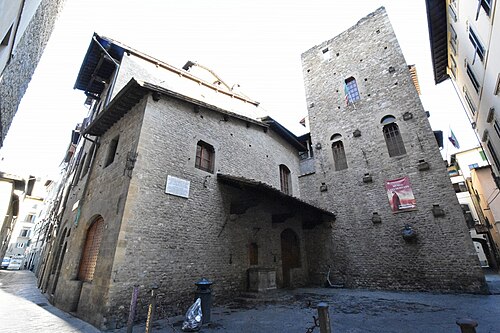
Casa di Dante
The House of Dante, or Casa di Dante, stands in Florence as a museum dedicated to the life and work of Dante Alighieri, the medieval poet whose Divine Comedy shaped Italian literature.
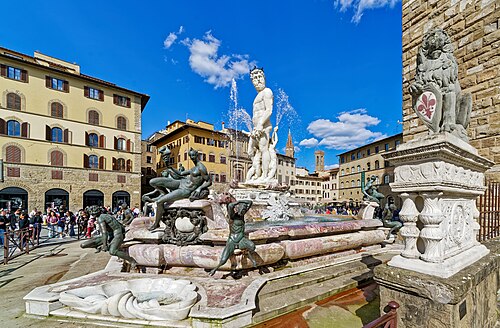
Fontana del Nettuno
The Fountain of Neptune is a monumental fountain located in the Piazza della Signoria, Florence's central civic square.
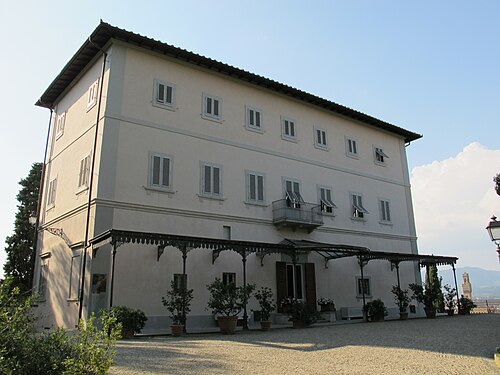
Villa Bardini is a historic villa and garden complex in Florence, situated on a hillside with elevated views across the city. The property encompasses a Baroque villa, extensive terraced gardens, and an orchard.
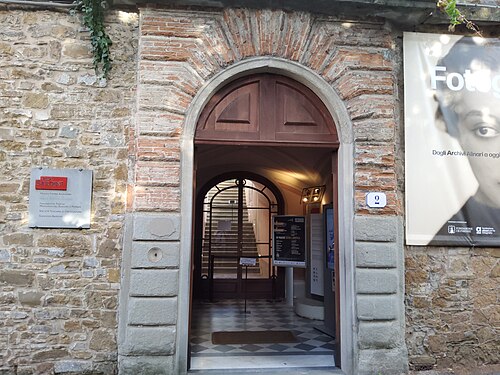
Museo Annigoni
The Annigoni Museum, or Museo Annigoni, is devoted to Pietro Annigoni, the Florence-based Italian painter known especially for highly detailed portraits. The museum presents his commitment to figurative art during a period when modernist approaches were gaining influence.
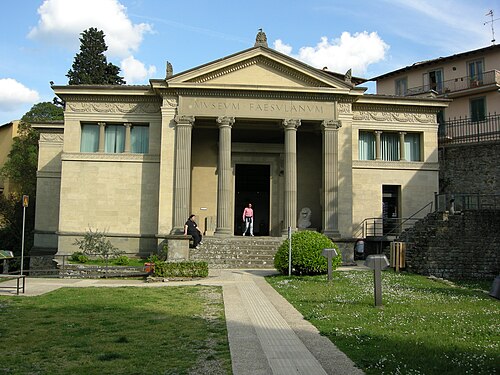
Museo Civico Archeologico
The Archaeological Museum of Fiesole, locally Museo Civico Archeologico, stands in the hill town of Fiesole overlooking Florence. It occupies a purpose-built structure near the ancient Etruscan and Roman archaeological zone.
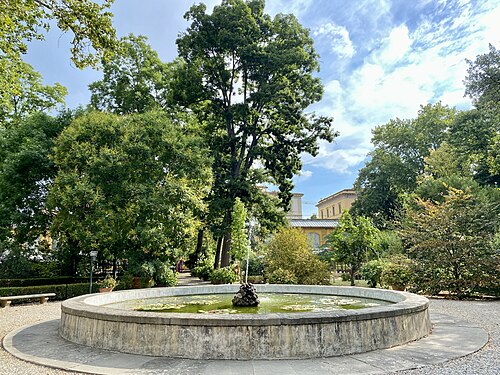
Giardino dei Semplici
The Botanical Garden of Florence, known as Giardino dei Semplici, is a historic garden operated by the University of Florence. Founded in the sixteenth century, it began as a place for cultivating medicinal plants, or semplici.
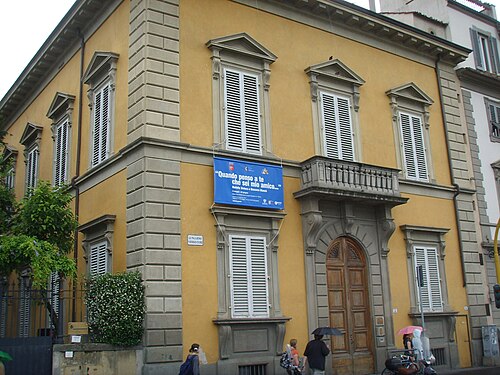
Museo Casa Rodolfo Siviero
Casa museo Rodolfo Siviero is a house museum in Florence devoted to Rodolfo Siviero, the art historian and secret agent known for recovering Italian artworks looted during World War II.
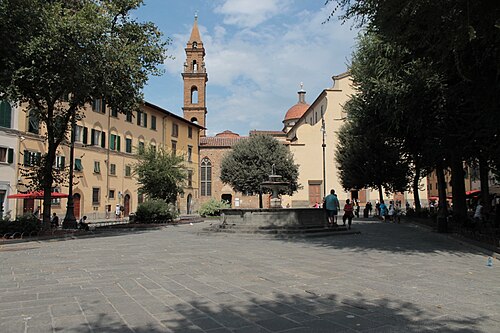
Piazza di Santo Spirito
Piazza Santo Spirito is a lively public square in Florence's Oltrarno district, south of the Arno. The square takes its name from the Basilica di Santo Spirito, the Renaissance church designed by Filippo Brunelleschi on its eastern side.
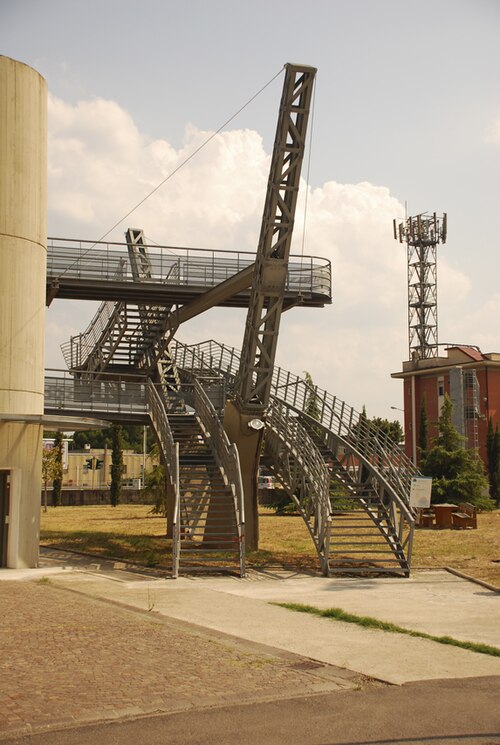
Giardino di Archimede - Un Museo per la Matematica
The Garden of Archimedes, or Giardino di Archimede – Un Museo per la Matematica, is a mathematics museum in Florence. Its purpose is to make mathematical ideas tangible through interactive exhibits and educational displays.
Museo Ebraico di Firenze
The Jewish Museum of Florence, or Museo Ebraico di Firenze, presents the heritage of Florence’s Jewish community. It is associated with the Great Synagogue of Florence and places religious objects, history, and community life within the city’s cultural landscape.
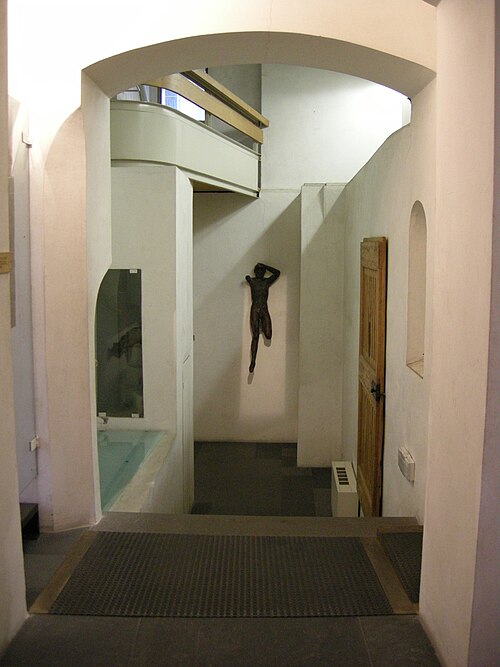
Museo Marino Marini (Chiesa di San Pancrazio)
The Marino Marini Museum occupies the deconsecrated Chiesa di San Pancrazio in central Florence. It is dedicated to the work of Marino Marini, the twentieth-century Italian sculptor and painter.
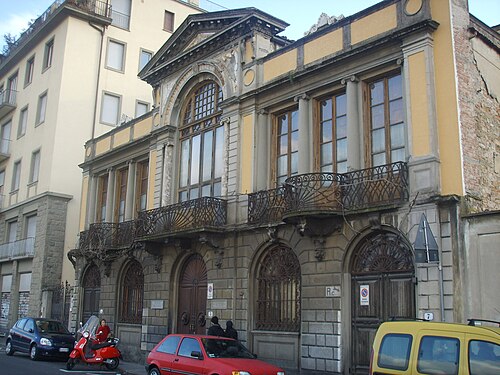
Collezione Luigi Bellini
The Museo Bellini, locally known as Collezione Luigi Bellini, is a museum in Florence housing the private collection of the Bellini family. It displays artworks and antiquities accumulated over generations by this prominent dynasty of Florentine art dealers and collectors.
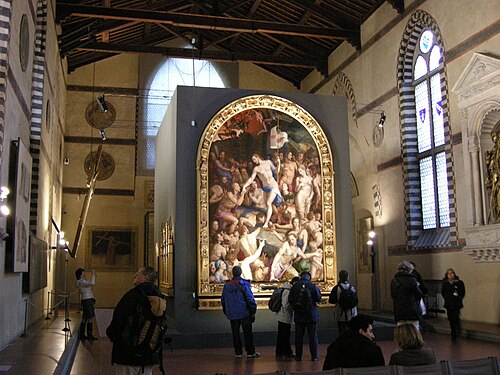
Museo dell' Opera di Santa Croce
The Museo dell'Opera di Santa Croce is a museum complex integrated with the Basilica of Santa Croce in Florence. It occupies former monastic spaces including the refectory and other areas adjacent to the famous Franciscan church.

Museo della Misericordia
The Museo della Misericordia is a museum in Florence dedicated to the history of the Venerabile Arciconfraternita della Misericordia, one of the oldest charitable institutions in the city.
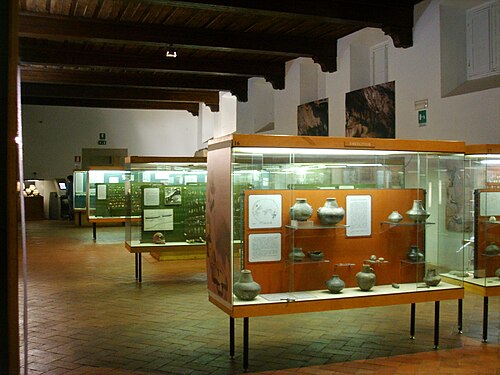
Museo fiorentino di preistoria "Paolo Graziosi"
The Museo Fiorentino di Preistoria is a Florence museum dedicated to prehistoric studies. Named after Paolo Graziosi, a significant figure in Italian prehistoric archaeology, it preserves and presents materials related to early human history.
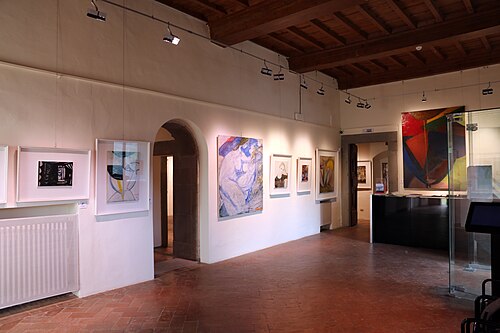
Museo della Fondazione Primo Conti
Museo Primo Conti, also known as Museo della Fondazione Primo Conti, is a specialized Florence museum devoted to the Italian painter Primo Conti.
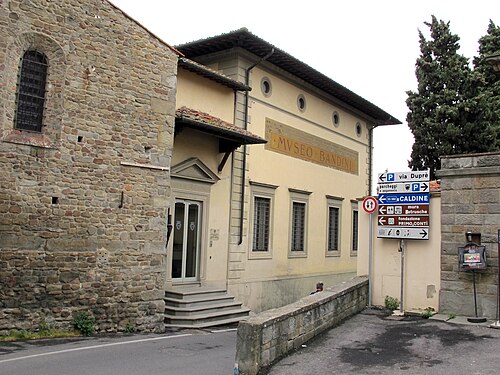
Museo Bandini
Museum Bandini, also known as Museo Bandini, is a Florence museum included within the city's wider cultural landscape. Its local name is useful when reading Italian directions or referring to the museum in the city.
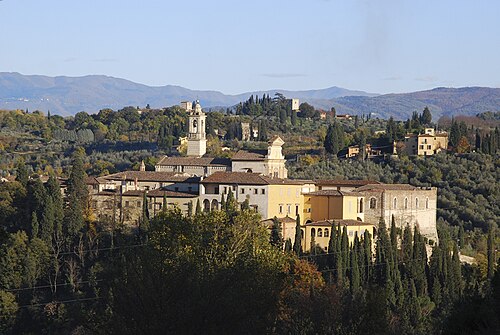
Certosa del Galluzzo
Florence Charterhouse, or Certosa del Galluzzo, is a Carthusian monastery on a hillside south of central Florence. Niccolò Acciaiuoli founded the complex in 1341.
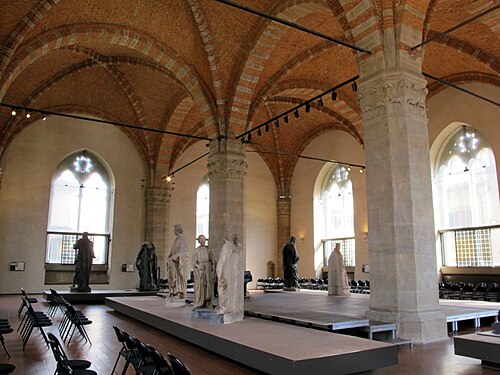
Museo di Orsanmichele
The Museum of Orsanmichele occupies a distinctive building in Florence's historic centre, originally constructed as a grain market in the late thirteenth century before conversion to a church.
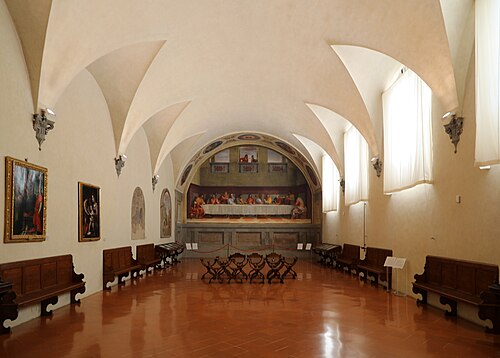
Cenacolo Andrea del Sarto
The Museum of the Last Supper of Andrea del Sarto, also called Cenacolo Andrea del Sarto, presents Andrea del Sarto’s Last Supper fresco in Florence.
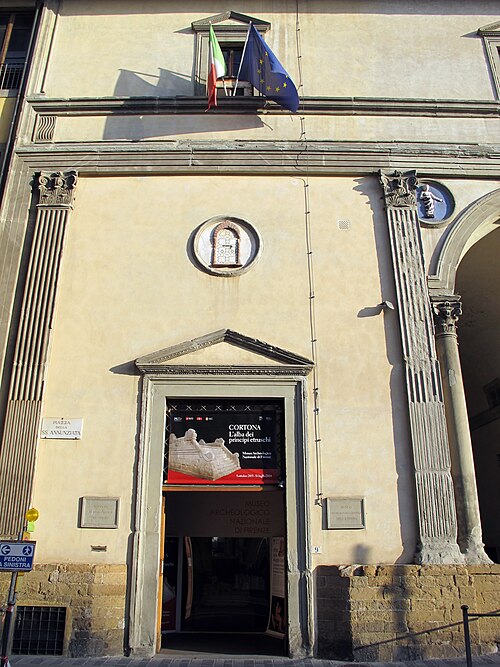
Museo Archeologico Nazionale di Firenze
The National Archaeological Museum of Florence, locally known as Museo Archeologico Nazionale di Firenze, stands as one of Italy's principal archaeological institutions. Housed in the Palazzo della Crocetta, the museum preserves extensive collections spanning Etruscan, Roman, Greek, and Egyptian civilizations.
The cathedral is the clearest central landmark. Piazza della Signoria and the Uffizi lie south toward the Arno, Santa Croce lies east, and Santa Maria Novella lies west near the main station. Cross Ponte Vecchio for the Oltrarno, Palazzo Pitti and the Boboli Gardens. Piazzale Michelangelo sits above the river and should be treated as a separate uphill destination rather than part of a flat centre walk.
Checked 2026-08-26
Walk for most journeys inside the historic centre. Visit Tuscany describes Florence as relatively small and largely pedestrianised, with buses and trams serving places beyond the walking core. The tram also connects selected outer districts and the airport corridor. Restricted traffic zones make driving impractical for many visitors, so use public transport for outlying stops and keep central days on foot.
Checked 2026-08-26
A fixed duration is not recorded. Plan by clusters: the cathedral and civic centre, Santa Croce, Santa Maria Novella, the Oltrarno and any hilltop or day-trip destination.
Yes. The historic centre is compact and largely pedestrianised. Most major central sights can be linked on foot, while outer districts and uphill destinations may need transport.
The Oltrarno contains Palazzo Pitti, the Boboli Gardens and Santo Spirito. Reach it across the central bridges and treat it as a separate neighbourhood cluster.
Yes. Florence uses buses and a tram network for journeys outside the pedestrian core, including selected outer districts and the airport corridor.
Public transport and walking are usually more practical. The historic centre has restricted traffic areas, narrow streets and a layout designed for short pedestrian journeys.