76
45 min
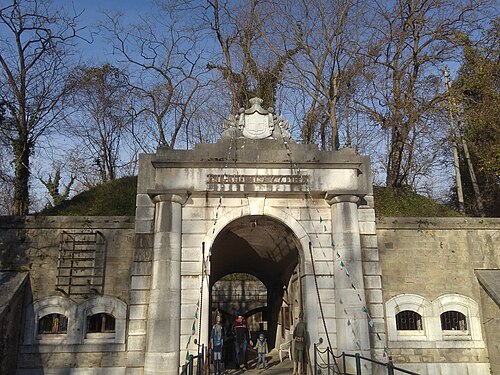
Forte Gazzera
Forte Gazzera is a historic military fortification located in the mainland district of Mestre, part of the municipality of Venice.
- High
- Historic site

City guide · Italy
Venice's historic centre occupies islands linked by bridges, with no road traffic inside the core. San Marco holds the best-known monuments, San Polo and Santa...
Photograph · Martin Falbisoner · CC BY-SA 4.0
Set your days, your pace and the hours you actually want to be out. The planner works around closing days and travel time, and leaves room to eat.
Editorial responsibility: Elena Voss · Roavina Travel Editor
Venice's historic centre occupies islands linked by bridges, with no road traffic inside the core. San Marco holds the best-known monuments, San Polo and Santa Croce sit across the Grand Canal, and Cannaregio, Castello and Dorsoduro form distinct walking districts. Murano, Burano, Torcello and the Lido require water transport and should be planned as separate lagoon journeys.
Checked 2026-08-26
November · November in Venice is NEUTRAL: Venezia Unica identifies autumn and winter as the period when acqua alta can flood parts of the city. MOSE keeps streets dry during sustained high tides, so the evidence supports tide-aware planning rather than a severe access-loss rating.
Ranked by importance — sitelinks, pageviews and heritage status, not editor preference.
104 places match
Category
Typical visit duration
Good for
Interests
Forte Gazzera is a historic military fortification located in the mainland district of Mestre, part of the municipality of Venice.
Forte Malamocco is a historic fortification on the Lido of Venice, near Malamocco, one of the island's oldest settlements. It belongs to the defensive landscape that protected the lagoon entrance and maritime approaches to Venice.
Forte Rossarol is a military fortification in the Venetian lagoon defensive landscape. Its importance comes from the network of forts that protected Venice and the approaches to its waters, linking the structure to the city's broader military history.
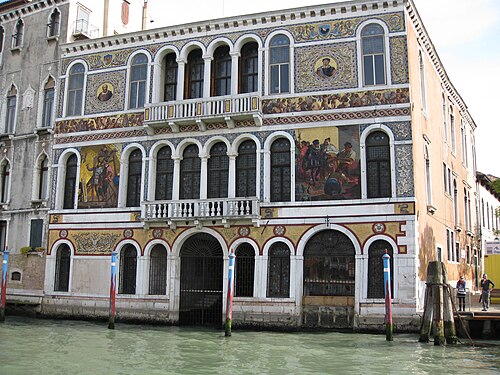
Palazzo Barbarigo is a historic palace on Venice's Grand Canal, associated with the Barbarigo family and the city's patrician residential tradition. Its facade combines Venetian Gothic character with later Renaissance changes, showing how noble houses evolved over time.
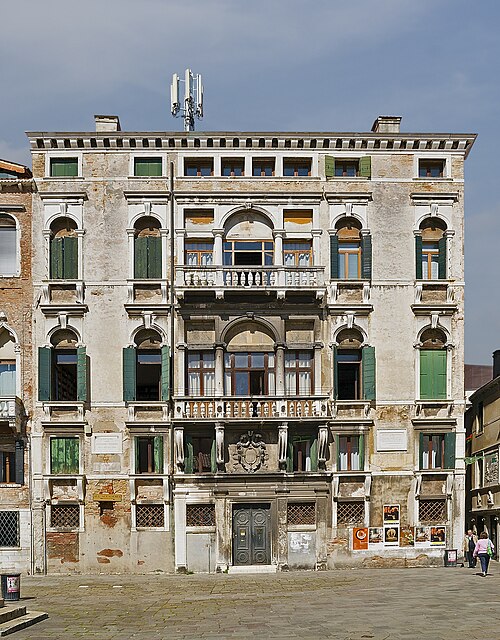
Palazzo Bellavite is a historic palace in Venice’s San Marco district. It belongs to the architectural landscape of central Venice, where noble residences, churches, bridges, and narrow streets form a continuous historic setting.
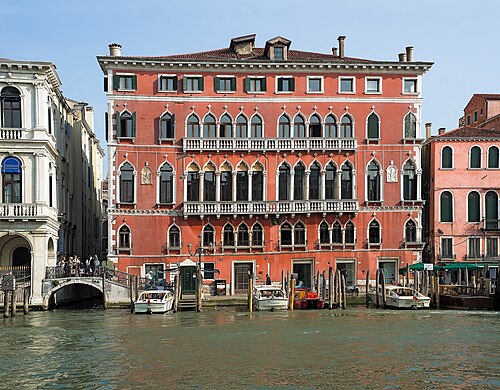
Palazzo Bembo is a historic palace on Venice’s Grand Canal, near the Rialto Bridge. Its Venetian Gothic character, together with later Renaissance elements, makes it a strong example of the layered palazzo facades lining the city’s principal waterway.
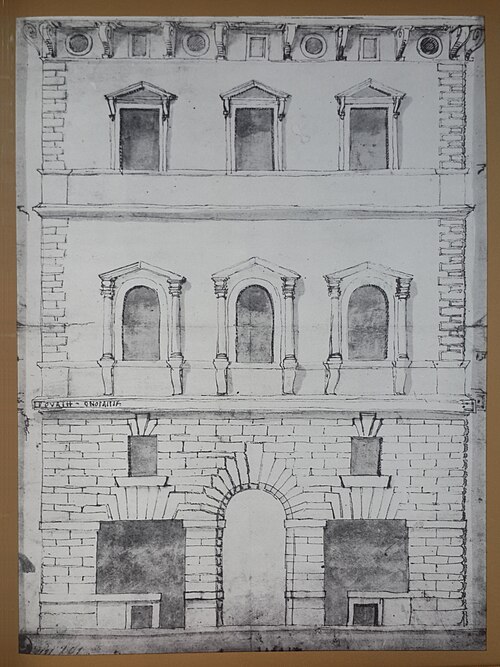
Palazzo delle Prigioni stands beside the Doge's Palace on Venice's waterfront, connected by the famous Bridge of Sighs. This former prison building served the Venetian Republic from the 16th century onward.
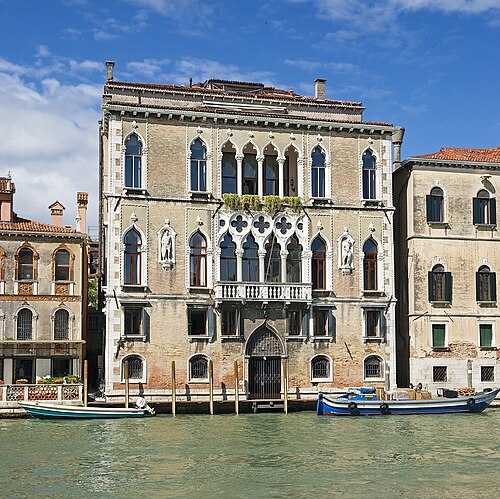
Palazzo Loredan dell'Ambasciatore is a historic Venetian palace located in the Dorsoduro district, overlooking the Grand Canal. It belongs to the Loredan family, one of Venice's most ancient and distinguished patrician houses.
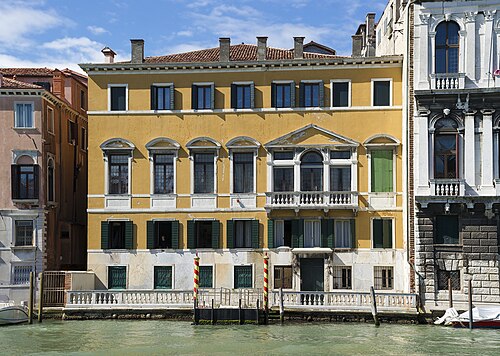
Palazzo Mocenigo Gambara is a historic palace in Venice’s Dorsoduro district, linked with the Mocenigo family, one of the city’s prominent patrician houses. Its significance lies in the combination of noble-family history and Venetian palace architecture.
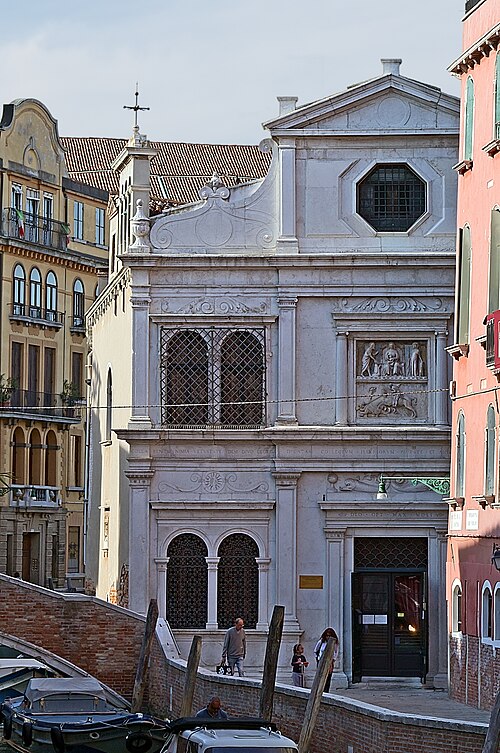
The Scuola di San Giorgio degli Schiavoni is a historic confraternity building in Venice, Italy. Founded in the 15th century, it served as the headquarters for the Dalmatian Schiavoni community resident in Venice.
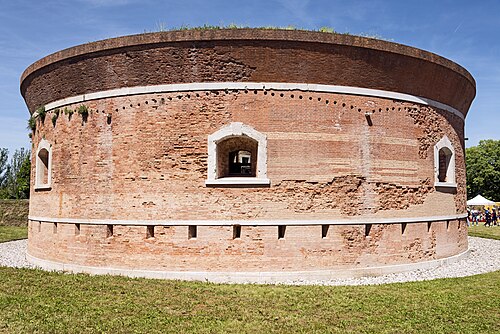
Torre Massimiliana is a compact fortified tower standing in the Venetian lagoon, away from the dense streets and monumental interiors of Venice’s historic centre.
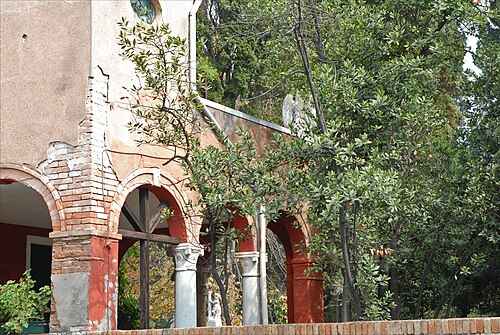
Giardino Eden Hundertwasser
The Garden of Eden, also known locally as Giardino Eden Hundertwasser, is a Venice garden associated with the artistic vision of Friedensreich Hundertwasser.
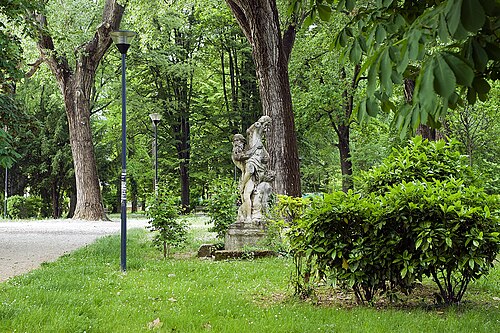
Parco Andrea Zanzotto
Parco di Villa Querini is a public park in Mestre, the mainland district of Venice. The park occupies grounds associated with Villa Querini and is also known locally as Parco Andrea Zanzotto.
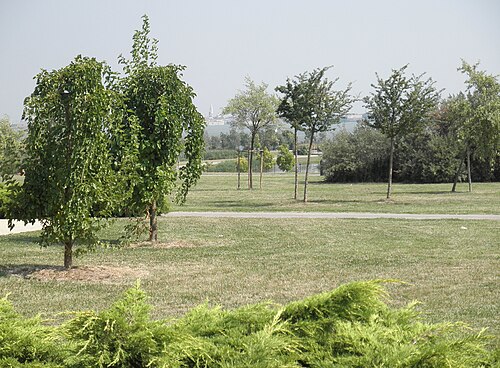
Parco San Giuliano
San Giuliano Park is a large public green space on the mainland side of the Venice lagoon.
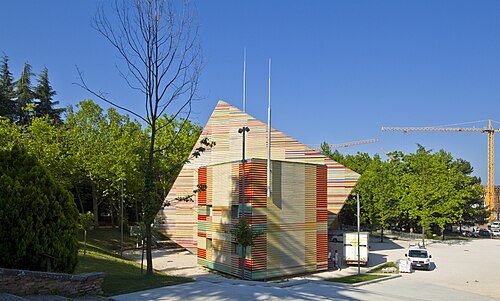
Teatro del Parco
Biblioteca Carpenedo Bissuola, locally known as Teatro del Parco, is a cultural venue in Venice's mainland district of Mestre.
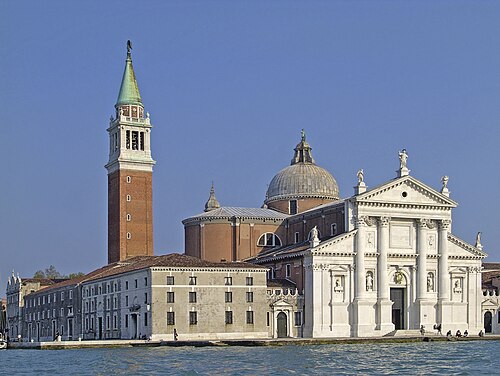
Campanile di San Giorgio Maggiore
The Campanile di San Giorgio Maggiore is the freestanding bell tower of San Giorgio Maggiore church, located on the island of San Giorgio Maggiore across the Bacino di San Marco from central Venice.

Teatrino di Palazzo Grassi
Teatrino di Palazzo Grassi is the small theatre attached to Palazzo Grassi, the contemporary art museum on Venice’s Grand Canal. The venue belongs to the Pinault Collection’s cultural complex and continues the Venetian tradition of palace performance spaces.

Teatro stabile del Veneto Carlo Goldoni
Teatro Goldoni, formally Teatro Stabile del Veneto Carlo Goldoni, is a historic performing-arts venue in Venice. Named for the Venetian playwright Carlo Goldoni, it continues the city's long tradition of theatre and live performance.
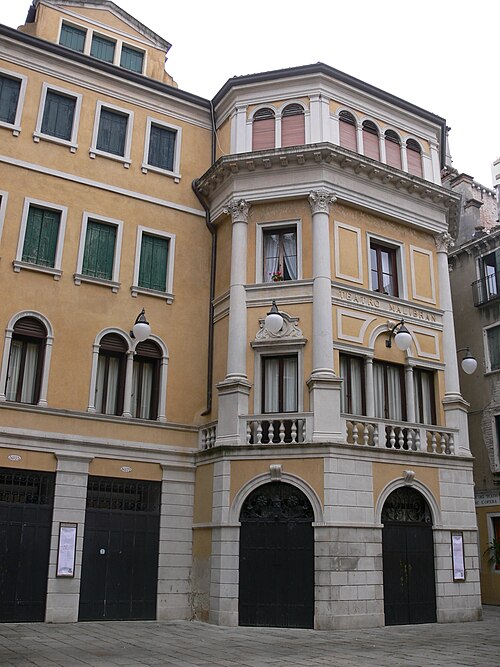
Malibran
Teatro Malibran is a historic opera house in Venice, Italy, situated in the Cannaregio district. Originally opened as Teatro San Giovanni Grisostomo in 1678, it was later renamed in honour of the celebrated Spanish mezzo-soprano Maria Malibran.
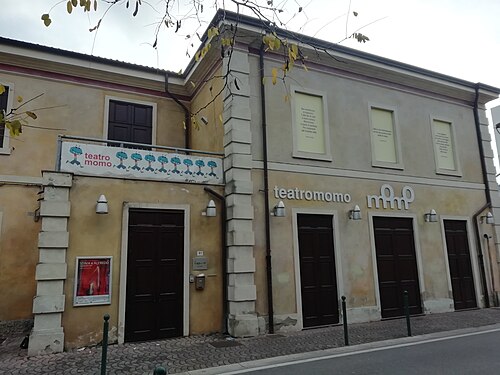
Teatro Arnaldo Momo
Teatro Arnaldo Momo, commonly called Teatro Momo, is a theatre venue in Venice. The name honours Arnaldo Momo and places the venue within Venice’s performing-arts landscape.
Teatro alle Tese is a theatrical venue located in Venice, Italy. The name reflects its architectural origins connected to the historic Arsenale complex, where 'tese' refers to the long workshop buildings once used for shipbuilding and maritime production.
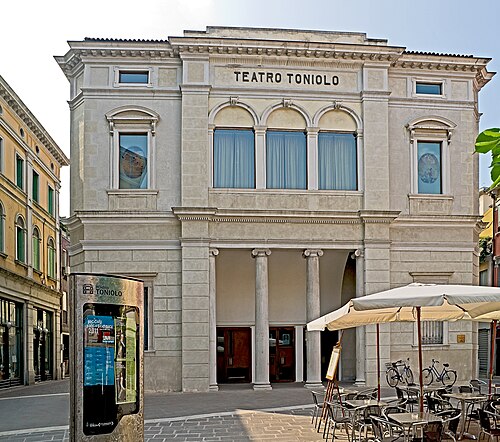
Teatro Toniolo is a historic theatre in Venice, Italy, serving as a significant cultural venue within the city's performing arts landscape.

Teatro Verde is a theatre in Venice, Italy, known by the name “Green Theatre.” The venue belongs to Venice’s broader performing-arts landscape, a cultural tradition associated with opera, drama and music.
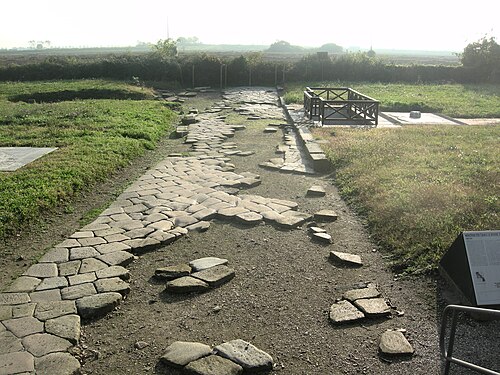
Altino
Altinum, also called Altino, is an ancient Roman settlement on the Venetian mainland near Venice. It was once a significant port city whose commercial and strategic importance connected it with Adriatic trade.
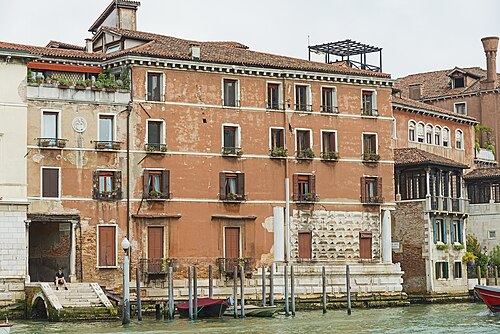
Ca' del Duca
Ca' del Duca is a historic palace in Venice, located in the San Marco district near the Grand Canal. The building represents Venetian Gothic architecture and holds significance in the city's noble residential heritage.
The Grand Canal curves through the historic centre and separates San Marco and Castello from San Polo, Santa Croce and Dorsoduro. Cannaregio stretches north toward the rail station, while Castello extends east beyond the busiest visitor streets. Piazzale Roma is the road and bus terminus; Santa Lucia is the rail arrival point. Lagoon islands are not extensions of a central walk and need dedicated vaporetto time.
Checked 2026-08-26
Walk within the historic centre and use ACTV water buses for longer canal journeys and lagoon islands. Venezia Unica lists vaporetti, buses, trams, the People Mover and ferry boats within the city transport system, while Alilaguna provides separate water connections to Marco Polo Airport. Routes can be indirect, so group island visits and confirm the current timetable before relying on a transfer.
Checked 2026-08-26
Suggested stay for a first visit: 2–3 days. Plan the historic centre first, then reserve separate time for Murano, Burano, Torcello or the Lido if those islands matter to the visit.
Most of the historic centre is explored on foot across bridges and narrow lanes. Water buses are useful for longer canal trips, step-free alternatives and journeys to lagoon islands.
A vaporetto is a public water bus. ACTV routes connect stops in the historic centre with the Lido and lagoon islands as part of Venice's public transport network.
No. They are separate lagoon islands reached by water transport. Combine island stops deliberately and allow for waiting and transfer time between routes.
Venezia Unica identifies Alilaguna as the water connection between Marco Polo Airport and Venice. ACTV city transport and airport services are separate products, so check the correct operator before purchase.