Osaka Castle
大阪城
Osaka Castle is a historic fortress in Chūō-ku, Osaka, Japan. The present structure is a concrete reconstruction dating from 1931, with extensive modern renovations.
- Must see
- Historic monument
City guide · Japan
Osaka is a large but legible city whose visitor areas follow several rail hubs. Kita centres on Osaka and Umeda stations, Minami gathers around Namba, Shinsaiba...
Photograph · Martin Falbisoner · CC BY-SA 4.0
Set your days, your pace and the hours you actually want to be out. The planner works around closing days and travel time, and leaves room to eat.
Reviewed by Elena Voss · Roavina Travel Editor
Osaka is a large but legible city whose visitor areas follow several rail hubs. Kita centres on Osaka and Umeda stations, Minami gathers around Namba, Shinsaibashi and Dotonbori, and Tennoji anchors the southern core. Osaka Castle lies east of the centre, while the bay area contains major family attractions. Plan each area as a separate walking cluster connected by rail.
Checked 2026-08-26
September · September remains hot and wet in Osaka at 29.5°C by day, 21.9°C at night and 152.8 mm rain.
Ranked by importance — sitelinks, pageviews and heritage status, not editor preference.
86 places match
Category
Typical visit duration
Interests
大阪城
Osaka Castle is a historic fortress in Chūō-ku, Osaka, Japan. The present structure is a concrete reconstruction dating from 1931, with extensive modern renovations.
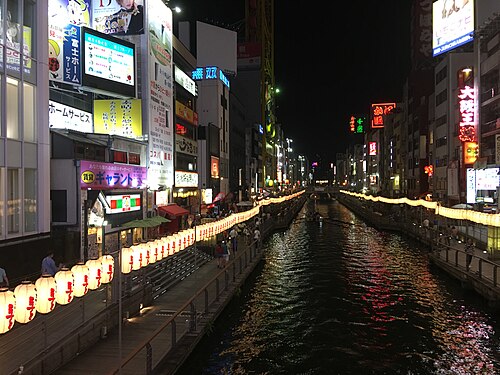
Dotonbori is a principal entertainment and dining district in Osaka's Chuo Ward, centred on a canal of the same name. The area traces its origins to the early 17th century when merchant Yasui Doton initiated canal construction.
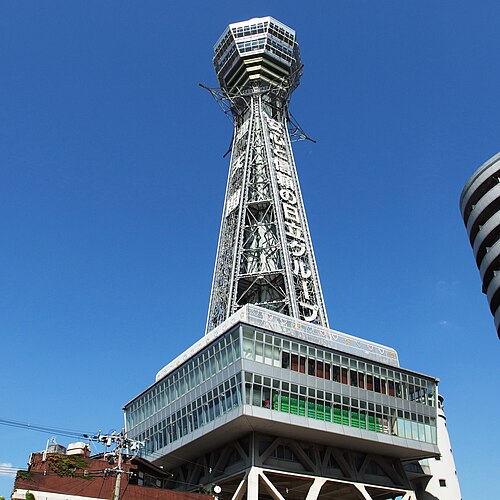
通天閣
Tsutenkaku is an observation tower in Shinsekai, in Osaka's Naniwa ward, and it is the second tower to stand on the spot.
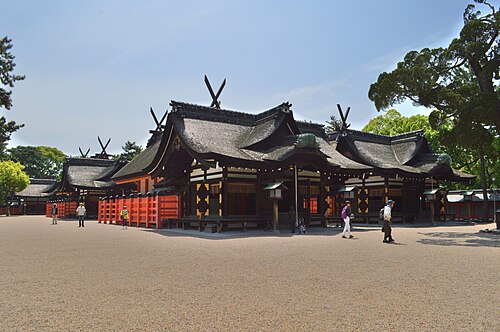
住吉大社
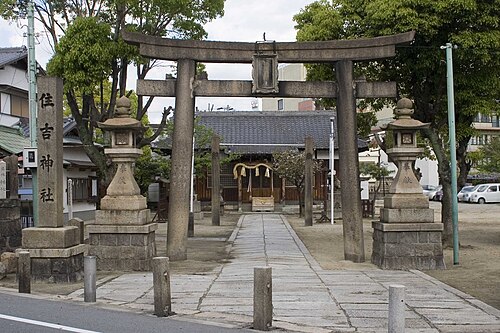
Sumiyoshi Taisha is a major Shinto shrine in Osaka, known in Japanese as 住吉大社. It is one of Japan's oldest shrines and serves as the head shrine of approximately 2,300 Sumiyoshi shrines nationwide.
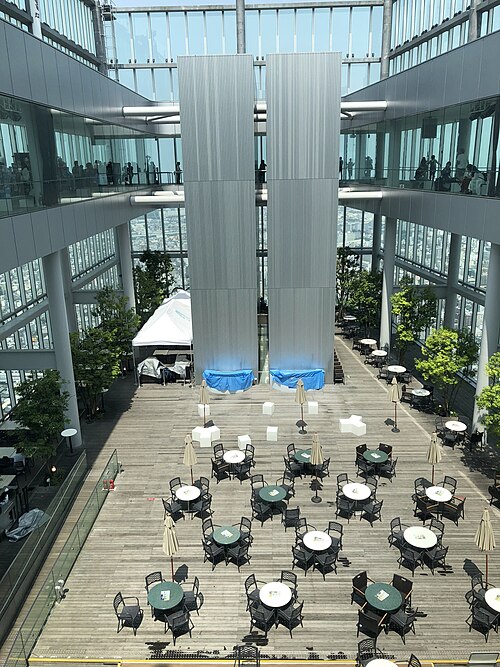
ハルカス300
Harukas 300 is an observation deck located at the summit of Abeno Harukas, a prominent skyscraper in Osaka. The facility occupies the building's top three floors, offering visitors elevated views across the Kansai region.
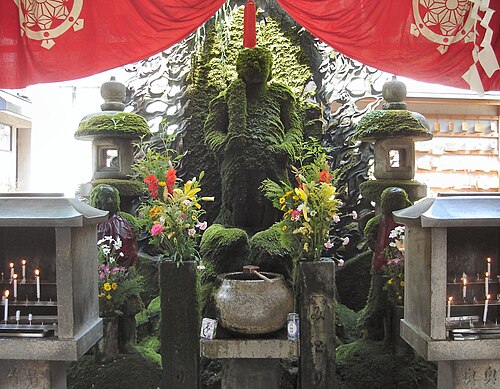
法善寺
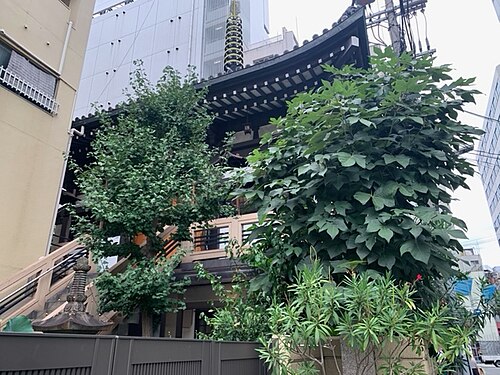
Hozenji Temple is a compact Buddhist temple located in Osaka's Namba district, immediately adjacent to the famous Dotonbori entertainment area. The temple is best known for its moss-covered statue of Fudō Myōō, a wrathful deity in Japanese Buddhism.
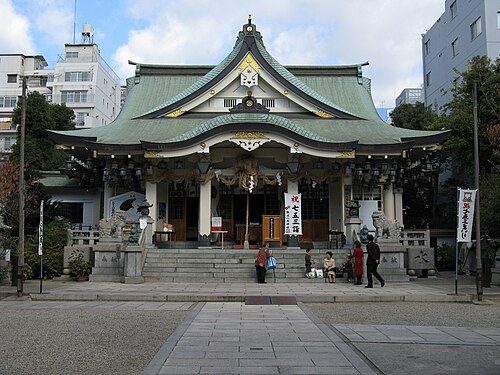
大阪天満宮
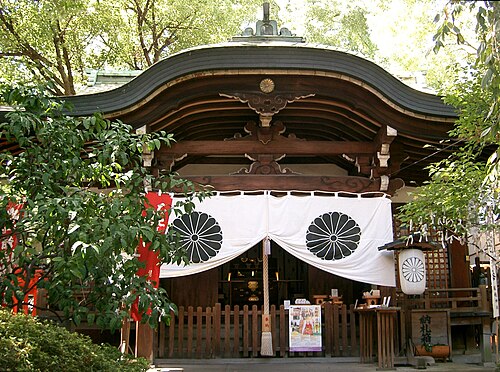
Osaka Tenmangu Shrine is a Shinto shrine in Osaka, Japan. It ranks among the city's principal historic shrines and serves as the focus of the Tenjin Matsuri, one of Japan's major summer festivals.
天保山大観覧車
Tempozan Ferris Wheel is a panoramic observation wheel situated in Osaka's bay area, within the Tempozan Harbor Village district.
難波八坂神社
Namba Yasaka Shrine is a Shinto shrine located in the Namba district of Osaka, Japan. It is notable for its distinctive lion-head stage, which serves as the shrine's most recognizable feature.
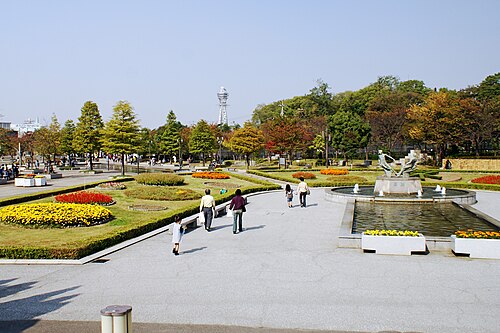
天王寺公園
Tennōji Park is a public park in Osaka, Japan, bearing the local name 天王寺公園. It occupies a position within the urban fabric of the city, situated in proximity to Tennōji Station and the broader Tennōji area.
ABCホール
Asahi Broadcasting Group Holdings is a media facility associated with Asahi Broadcasting Corporation in Osaka. The organisation operates within the Kansai media landscape and connects television and radio broadcasting with wider media activities.
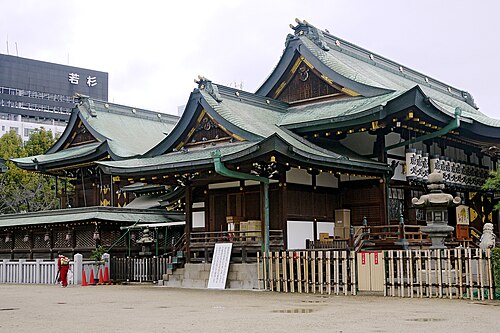
中島惣社
Nakajima-so Shrine, known locally as 中島惣社, is a Shinto place of worship in Osaka. The shrine is identified on OpenStreetMap as way/273392714, giving visitors a precise identity for distinguishing it from other religious sites in the city.
京善寺
Kyōzen-ji Temple, written locally as 京善寺, is a Buddhist temple in Osaka. It forms part of the city’s religious and cultural landscape, where places of worship stand alongside dense modern development.
伊居太神社
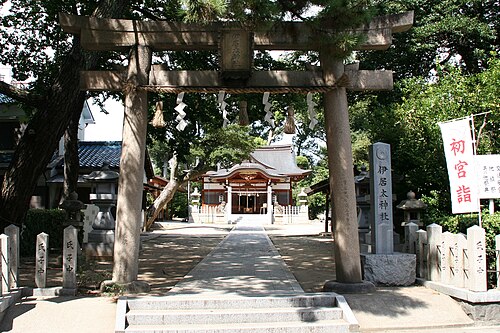
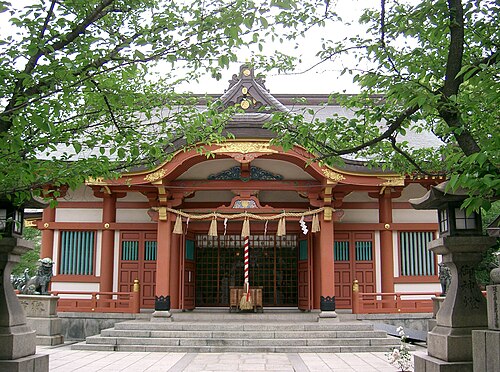
Ikota Shrine, known locally as 伊居太神社, is a Shinto place of worship within Osaka’s urban fabric. Its character comes from being a functioning neighbourhood shrine, where the approach, sacred threshold, trees, worship area and surrounding residential setting shape the visit.
佐太天神宮
Sata-tenjingu, written as 佐太天神宮, is a Shinto shrine in Osaka. The name identifies it as a Tenjin shrine, a tradition connected with the worship of Sugawara no Michizane, the scholar who became a revered kami.
Kōmyō-ji is a Buddhist temple in Osaka, identified locally by the name 光明寺. It is an active religious place within the city, offering travelers a chance to encounter a quieter side of Osaka beyond its commercial districts.
八幡神社
Hachiman Shrine is a Shinto shrine in Osaka, known locally as 八幡神社. It is dedicated to Hachiman, a deity traditionally associated with warriors and protection.
Endonji is a neighborhood commercial area in Osaka, known by the Japanese name 円頓寺. Its character comes from everyday urban life: local shops, food businesses, residents, and streets designed for regular community use.
南城内緑地
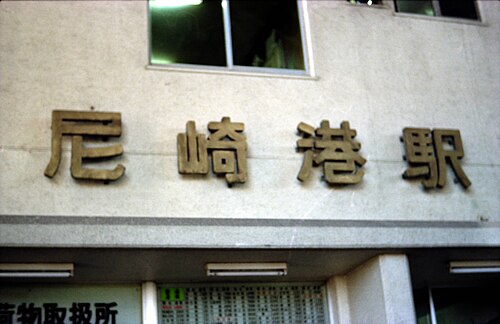
Amagasakikō Station is a railway station in Amagasaki, Hyōgo Prefecture, within the wider Osaka metropolitan area. Its principal role is transport: passengers use it to move through a dense corridor linking residential, industrial, and urban districts.
Suita City Cultural Hall Meishiya Theater is a municipal performing-arts venue in Suita City, Osaka Prefecture. It supports the area’s cultural life through theater, music, dance, and community events.
善覚寺
Zenkaku-ji Temple, 善覚寺, is a named Buddhist temple in Osaka. It is a local religious place within the city, without a documented collection, famous object, major visitor designation, or signature sight to define it as a conventional tourist landmark.
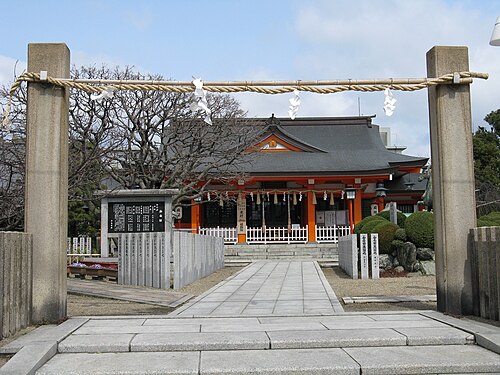
土佐稲荷神社
Tosa Inari Shrine is a Shinto place of worship in Osaka, known locally as 土佐稲荷神社. The shrine belongs to the Inari tradition, whose central figure is associated with rice, fertility, prosperity, and worldly success.
堀越神社
Horikoshi Shrine, written 堀越神社 in Japanese, is a Shinto place of worship in Osaka’s dense urban landscape.
多米神社
Tameno Shrine, known locally as 多米神社, is a Shinto shrine in Osaka. It represents the kind of neighborhood religious site that sits alongside ordinary homes, roads, and local businesses rather than inside a purpose-built tourist complex.
大宮
Oomiya is a residential and commercial neighborhood in Higashiyodogawa-ku, Osaka. It offers a view of everyday city life rather than a concentrated landmark district.
Kita is the northern commercial and transport centre around Umeda. Minami is the southern entertainment and shopping centre around Namba and Shinsaibashi, with Dotonbori between them. Tennoji and Shinsekai extend the sightseeing axis farther south. Osaka Castle forms its own eastern cluster, and the waterfront attractions sit west around the bay. The Osaka Loop Line and subway connect these distinct zones.
Checked 2026-08-26
Use Osaka Metro for travel between Kita, Minami and the central sightseeing districts, then walk within each cluster. The Osaka Loop Line connects major rail interchanges and provides transfers to private and regional railways. Buses cover gaps in the rail network, while water buses offer selected river journeys. Check the official route information for the destination rather than assuming every attraction is on one line.
Checked 2026-08-26
A fixed duration is not recorded. Allocate time by cluster: Kita, Minami, Osaka Castle, Tennoji and the bay area each work best as distinct blocks.
Kita is the northern centre around Osaka and Umeda stations. Minami is the southern centre around Namba, Shinsaibashi and Dotonbori, with a stronger concentration of nightlife and shopping.
Use the subway for most visitor journeys and walk within each district. The Osaka Loop Line is useful for transfers between major rail hubs and onward regional services.
No. Osaka Castle forms an eastern sightseeing cluster, while Dotonbori is in Minami. Treat them as separate stops linked by metro rather than one continuous walk.
Yes. The bay attractions sit west of the central districts and are best grouped together, reducing repeated transfers between the waterfront and the Kita-Minami axis.