
07
45 min
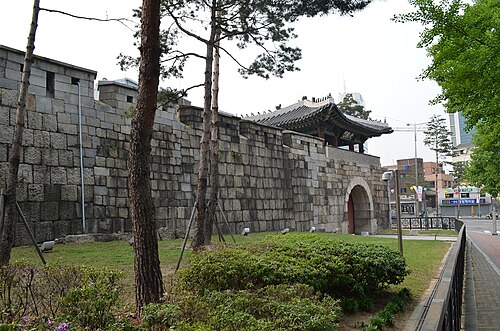
Seoul City Wall
서울한양도성
The Seoul City Wall, known locally as 서울한양도성, is a historic fortification that originally enclosed the capital of the Joseon dynasty.
- Must see
- Historic monument
City guide · South Korea
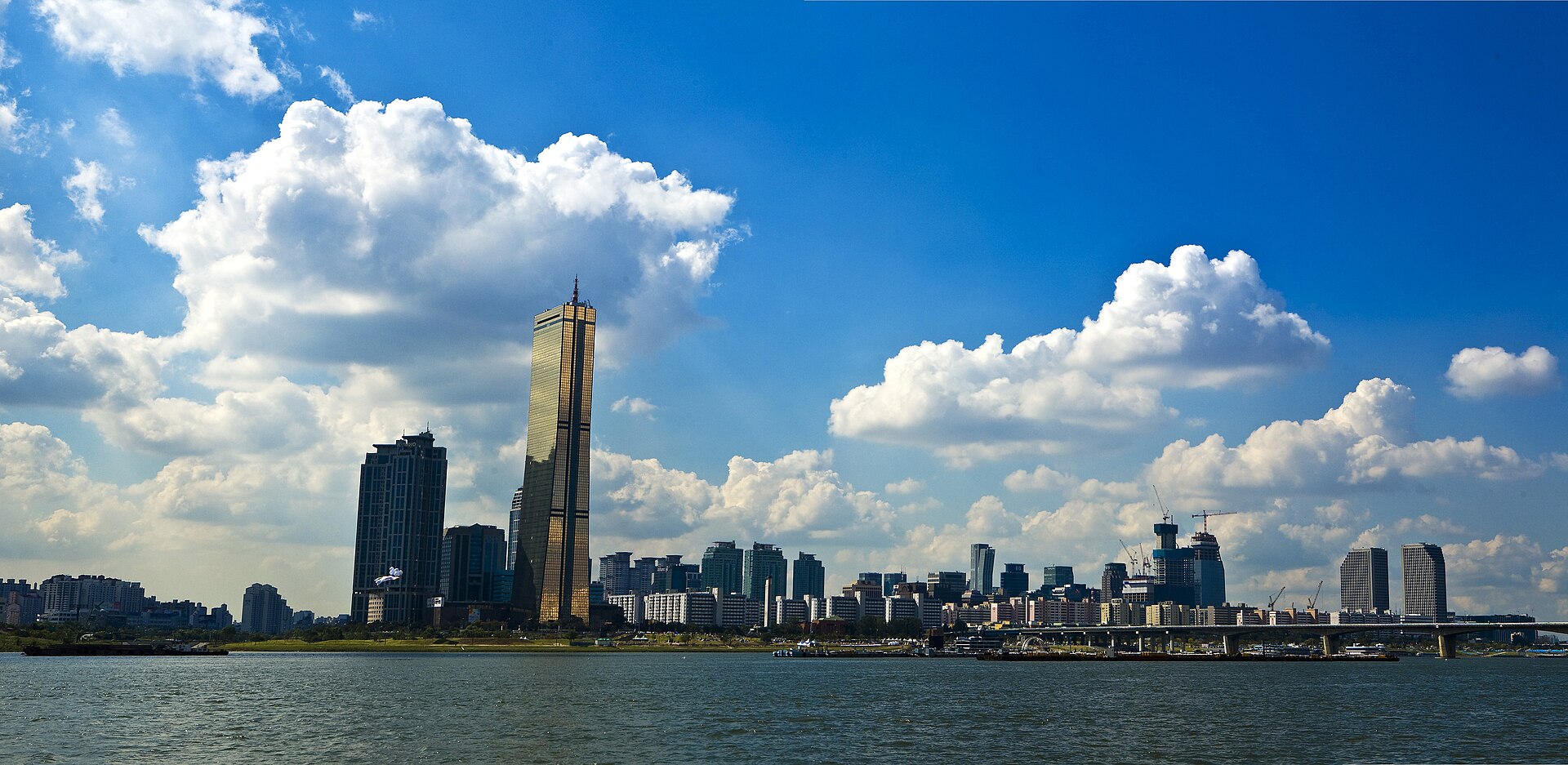
Seoul is South Korea's capital, spread across both banks of the Han River. The historic palace city lies north of the river around Jongno, Gwanghwamun and Namsa...
Photograph · USAGI_POST · CC0
Set your days, your pace and the hours you actually want to be out. The planner works around closing days and travel time, and leaves room to eat.
Reviewed by Elena Voss · Roavina Travel Editor
Seoul is South Korea's capital, spread across both banks of the Han River. The historic palace city lies north of the river around Jongno, Gwanghwamun and Namsan, while later commercial and residential centres extend south into Gangnam and east and west along the metropolitan rail corridors. The city is best approached as linked districts rather than one continuous centre: royal palaces and traditional neighbourhoods, central markets and museums, riverside areas, university quarters, and the newer southern business districts each form practical sightseeing clusters.
Checked 2026-08-26
September · September cools Seoul to a 26.2°C mean high, while rainfall falls to 141.5 mm over 9.1 days.
Ranked by importance — sitelinks, pageviews and heritage status, not editor preference.
28 places match
Category
Typical visit duration
Interests
서울한양도성
The Seoul City Wall, known locally as 서울한양도성, is a historic fortification that originally enclosed the capital of the Joseon dynasty.
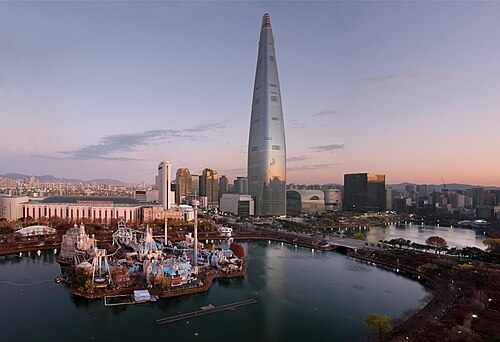
롯데월드타워
Lotte World Tower is a supertall skyscraper in Seoul, South Korea, bearing the local name 롯데월드타워. It stands as a landmark in the Songpa District and serves multiple functions including commercial, retail, and observation purposes.
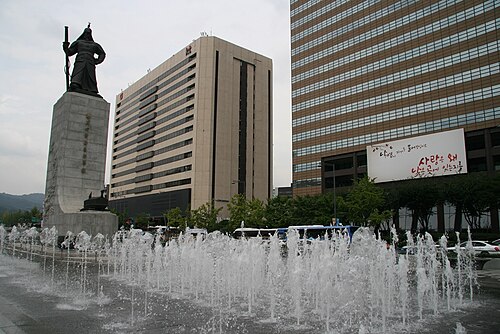
광화문광장
Gwanghwamun Plaza is a major public open space in central Seoul, South Korea. The plaza sits in front of Gwanghwamun, the main gate of Gyeongbokgung Palace, the largest of the Five Grand Palaces built during the Joseon Dynasty.
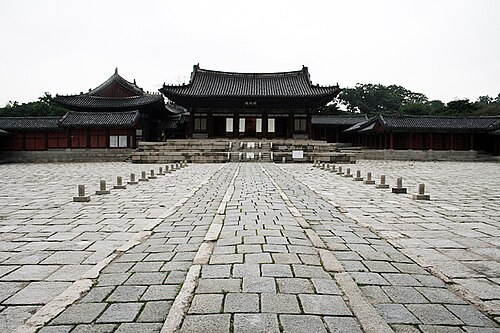
창경궁
Changgyeonggung is a Joseon dynasty palace located in Seoul, South Korea. Its local name is 창경궁. The palace was originally built in the 15th century and served as a royal residence.
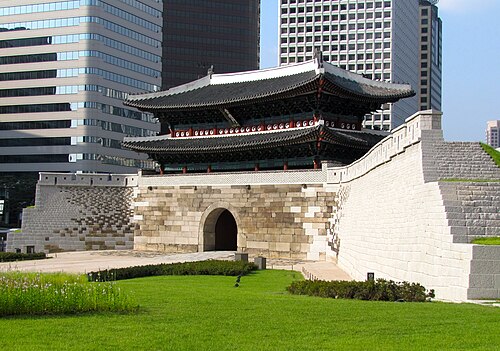
숭례문
Namdaemun, officially named Sungnyemun, is a historic gate located in Seoul, South Korea. Its local name is 숭례문. The structure is designated as National Treasure No.
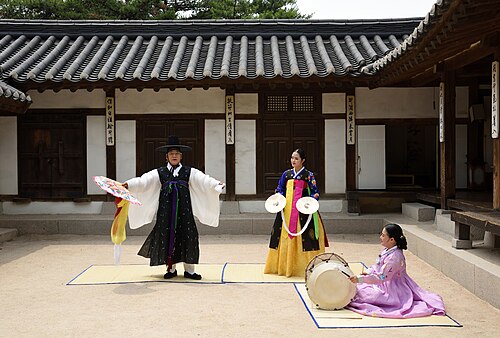
남산골한옥마을
Namsangol Hanok Village is a cultural heritage site in Seoul preserving traditional Korean hanok houses. Located at the northern base of Namsan Mountain, the village was established to showcase restored Joseon-period residences relocated from various parts of the city.
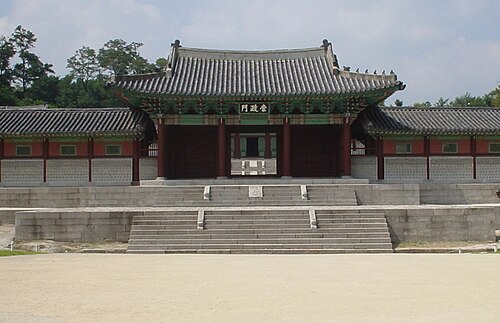
경희궁
Gyeonghuigung is a former royal palace in central Seoul, known locally as 경희궁. It was one of the Five Grand Palaces of the Joseon Dynasty and served as a secondary royal residence.
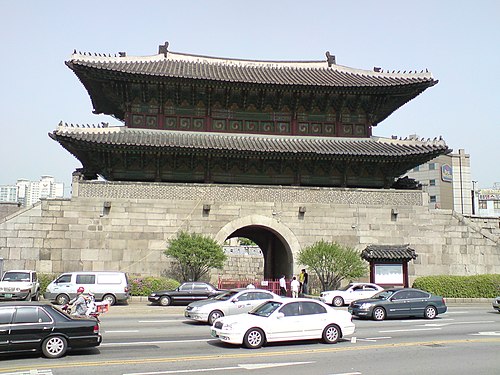
흥인지문
Heunginjimun, known locally as 흥인지문, is one of the Eight Gates of Seoul in the Fortress Wall of Seoul, South Korea. It is commonly referred to as Dongdaemun, meaning Great East Gate.

동묘
Dongmyo, written in Korean as 동묘, is a historic place within Seoul’s older cultural landscape. The site suits travellers who want to encounter heritage as part of the living city rather than only through a large museum or palace complex.
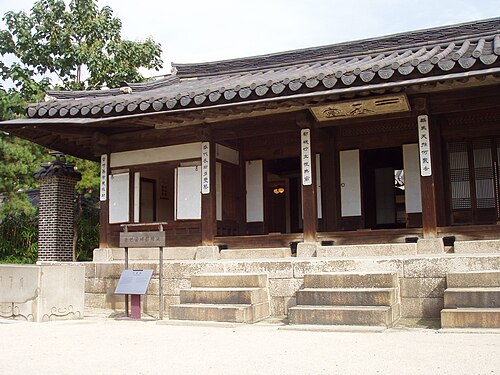
운현궁
Unhyeongung is a historic royal residence in Seoul, known locally as 운현궁. It was associated with Heungseon Daewongun, the powerful nineteenth-century regent of the Joseon Dynasty.
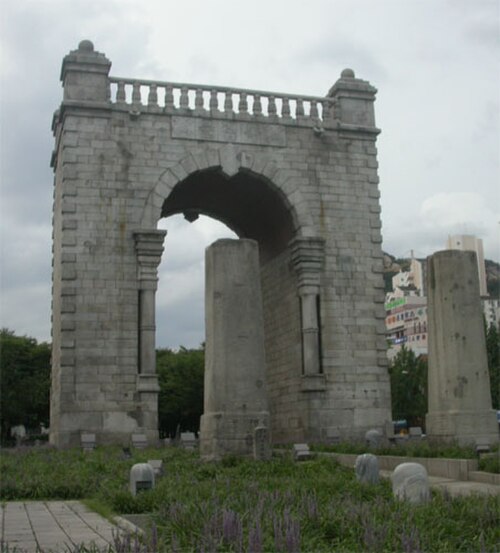
독립문
Independence Gate, known locally as 독립문, is a historic stone monument in Seoul’s Seodaemun district. Built to commemorate Korea’s aspiration for independence from foreign influence, it stands as a symbol of national sovereignty and modern Korean history.
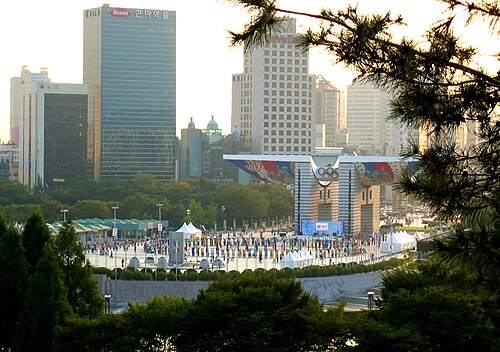
올림픽공원 세계평화의문
World Peace Gate is the principal ceremonial gateway to Seoul Olympic Park. Built for the 1988 Summer Olympics, it stands as a monumental symbol of harmony through sport and international cooperation.
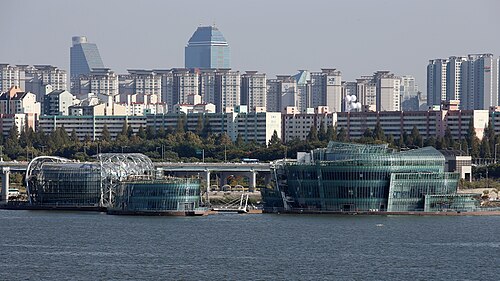
세빛섬
Some Sevit, known locally as 세빛섬, comprises three artificial islands situated on the Han River in Seoul, South Korea. The complex was developed as a distinctive riverside landmark and cultural venue.
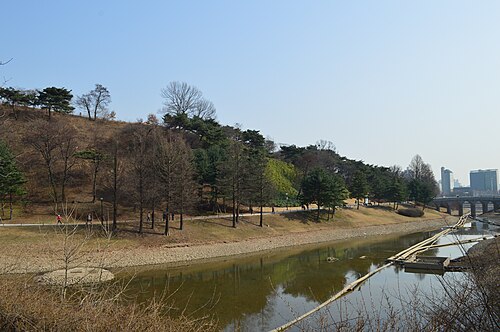
몽촌토성
Mongchontoseong is an earthen fortress site in Seoul’s Songpa-gu district, within Olympic Park. Its broad ramparts represent Baekje-period defensive architecture and create a striking contrast with the modern city around them.
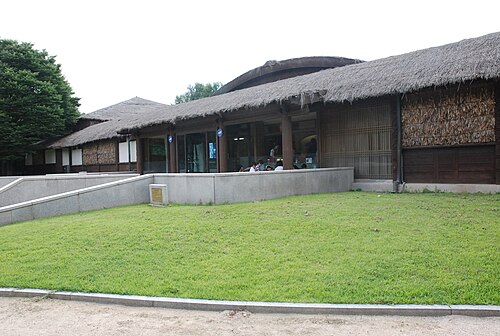
서울 암사동 유적
Amsa-dong Prehistoric Site is an archaeological place in eastern Seoul preserving evidence of Neolithic settlement beside the Han River. The site connects the modern capital with early human occupation of the Korean peninsula.
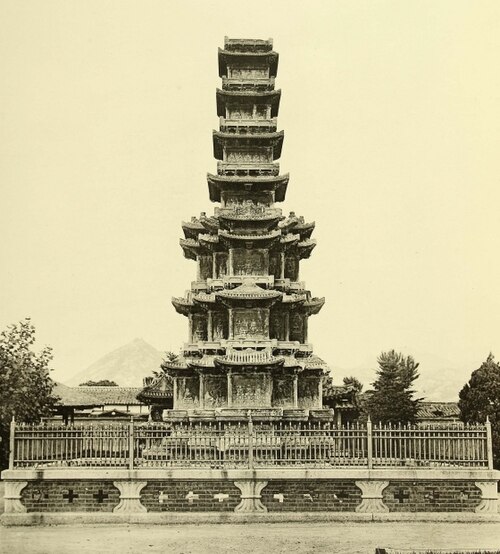
서울원각사지십층석탑
Wongaksa Pagoda, known locally as Seoul Wongaksaji Sipcheungseoktap, stands as a significant stone pagoda in Seoul, South Korea. The structure represents a notable example of Joseon-era Buddhist architecture, originally associated with Wongaksa Temple.
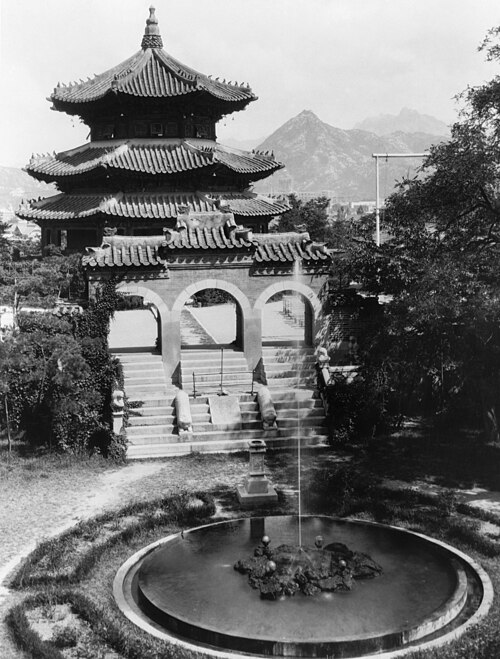
환구단
Hwangudan, also called the Altar of Heaven, is a compact historic monument in central Seoul. Its round altar tradition reflects royal rituals dedicated to Heaven, while the surviving complex is closely connected with the Korean Empire period.
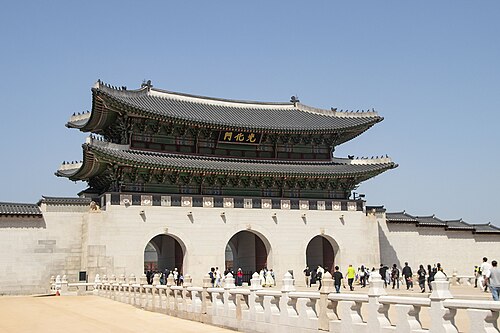
광화문
Gwanghwamun is the principal gate of Gyeongbokgung Palace and one of central Seoul’s defining landmarks. It stands at the northern end of Sejong-daero, facing the broad public space of Gwanghwamun Plaza.
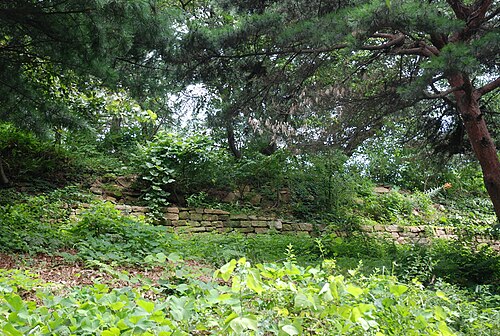
아차산성
Achasanseong is a historic mountain fortress on Achasan Mountain in Seoul. Its defensive position links the site’s cultural interest with the surrounding terrain: the mountain itself forms part of the experience, not merely the setting.
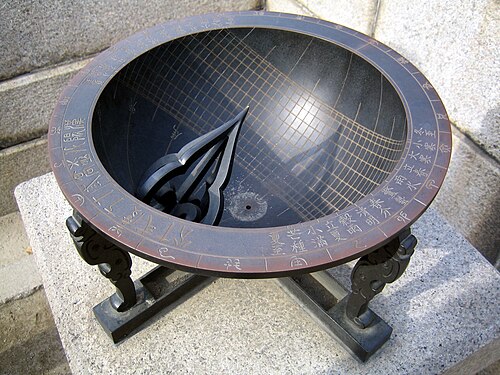
앙부일구
Angbu-ilgu is a Korean sundial in Seoul, written 앙부일구 in Korean. Its urn-shaped form belongs to Korea’s traditional science of measuring solar time. The instrument connects visitors with Joseon-era astronomical knowledge and public timekeeping.
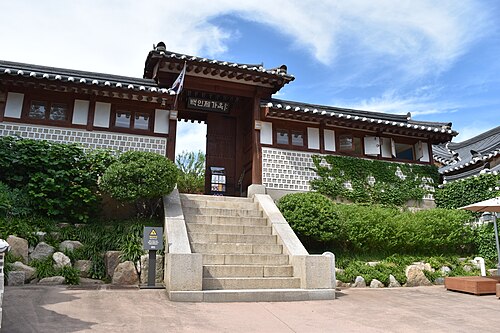
가회동백인제가옥
Baek Inje House is a traditional Korean residence in Gahoe-dong, within Seoul’s Bukchon Hanok Village and Jongno-gu. The house carries the name of Baek Inje and presents domestic architecture rather than a palace, fortress or modern gallery.
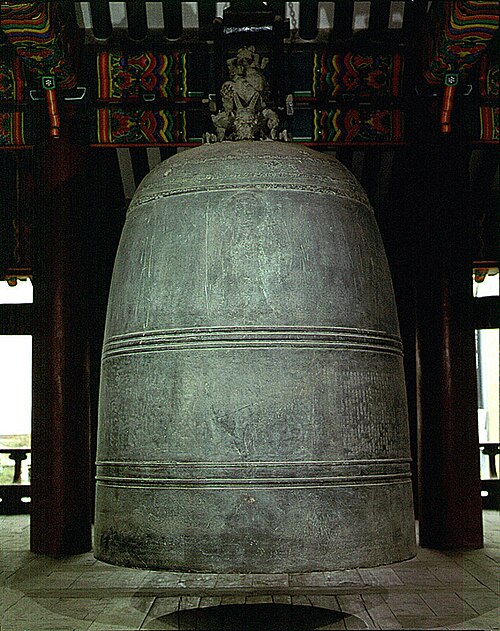
옛 보신각 동종
The Bronze Bell of Bosingak Pavilion, locally known as 옛 보신각 동종, is a historic bell associated with the Bosingak Pavilion in Seoul, South Korea.
The Han River is the clearest dividing line. North of it, the palace-and-Namsan core includes Gwanghwamun, Jongno, Bukchon, Insadong, Dongdaemun and Myeongdong. Westward, Hongdae and the university districts form another cluster; Yeouido occupies an island in the river. South of the Han, Gangnam, Apgujeong and Samseong are modern commercial areas with their own attractions. Seoul's official visitor maps divide suggested routes into the downtown palace and Namsan area, Apgujeong, Gangnam and Samseong, which is a useful way to avoid repeated cross-city travel.
Checked 2026-08-26
Use the subway as the default between districts and walk within each cluster. Stations and lines are colour-coded, exits are numbered, and major information appears in Korean and English. A Tmoney transport card can be used across the network; single-journey passes are also available from station machines. Buses reach areas beyond convenient rail stops, but the official visitor guide notes that they can be harder for first-time visitors despite colour-coded route types. Check the official transport page for current operating information before travel.
Checked 2026-08-26
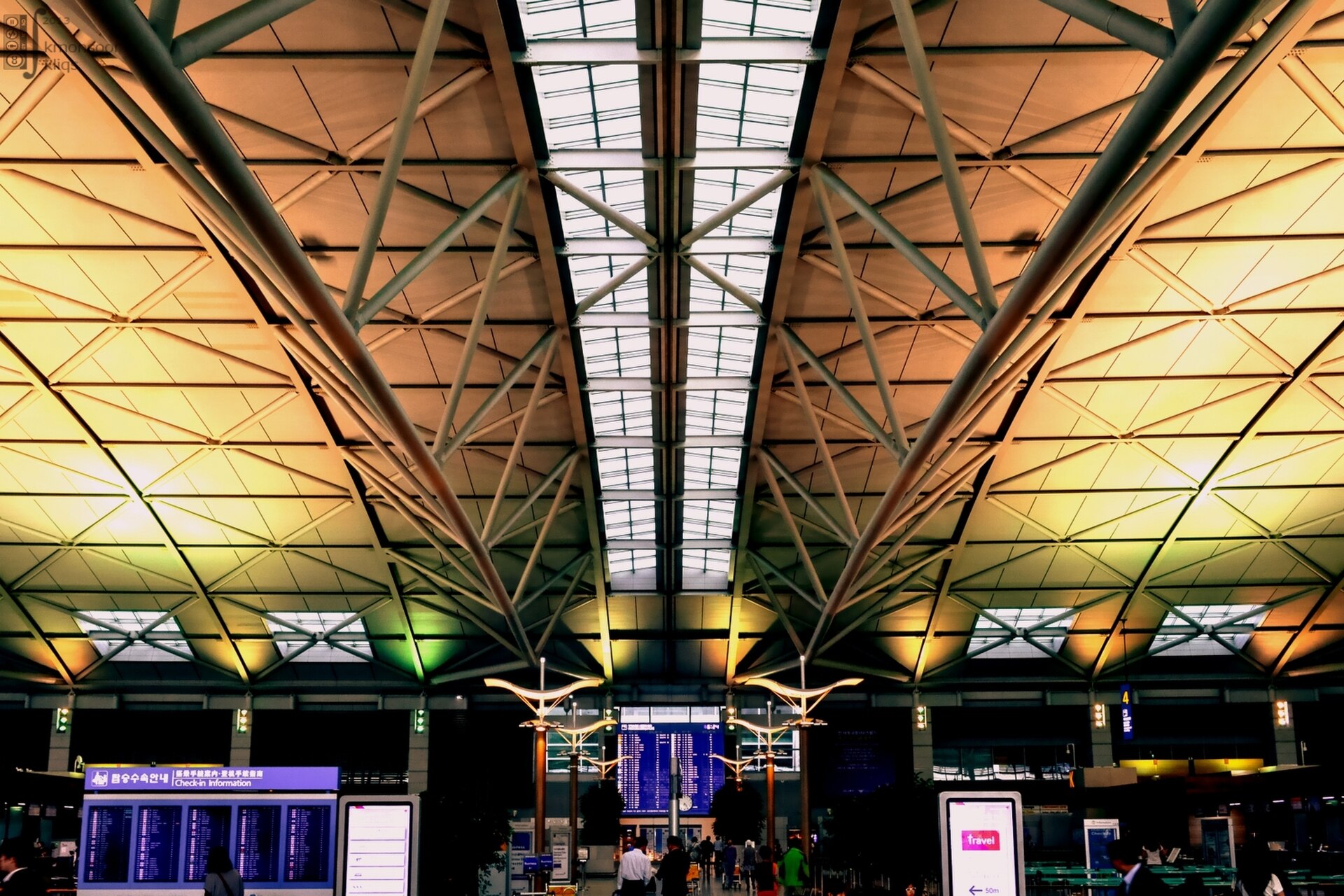
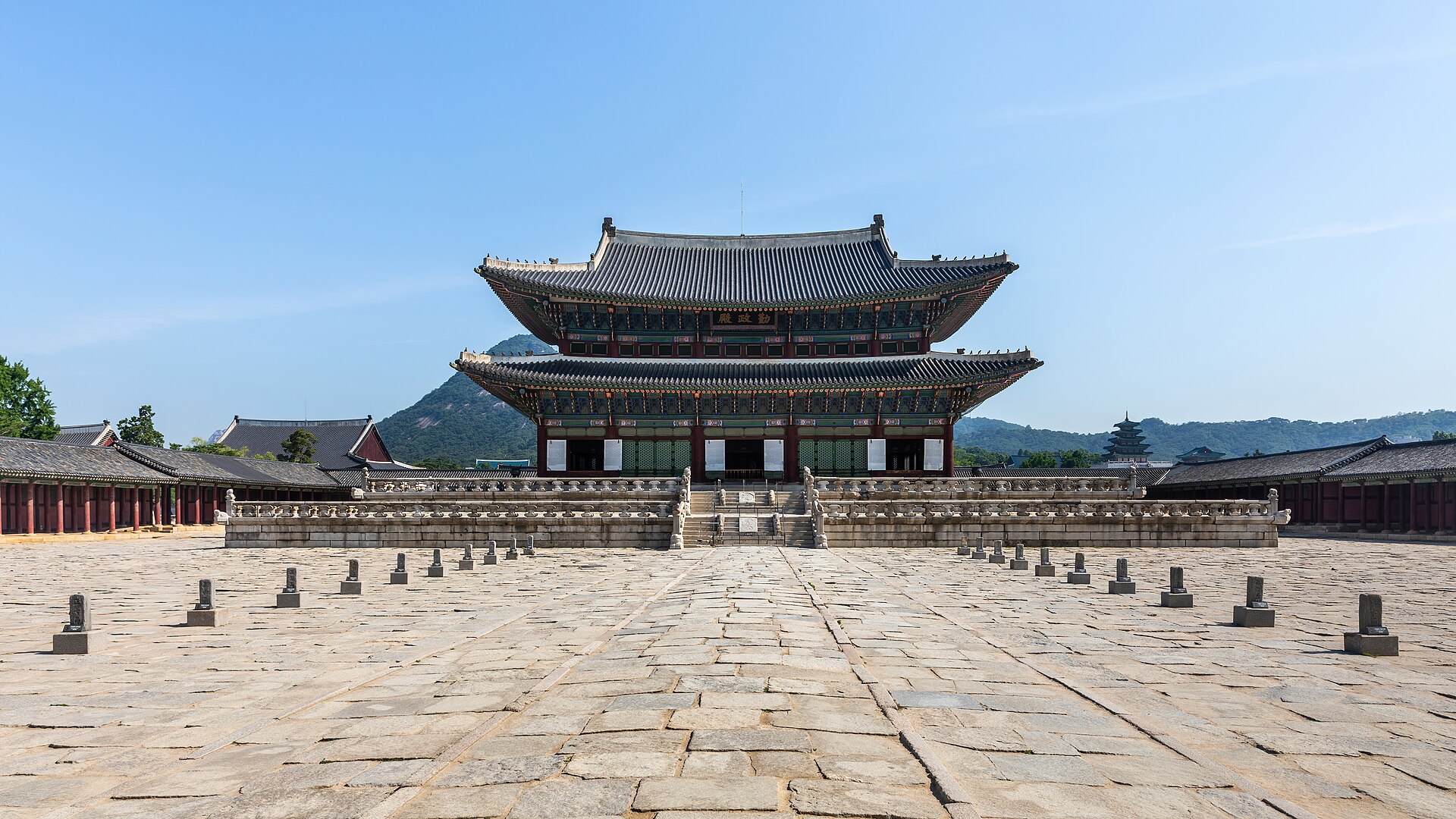
A fixed stay length is not recorded. Allocate time by district: the palace core, central markets and museums, a western neighbourhood such as Hongdae, and the southern districts if they match your interests.
The Han River. The older palace city and Namsan are north of it, while Gangnam, Apgujeong and Samseong form major visitor clusters on the south side.
Yes. Lines are colour-coded, station exits are numbered, and major signs use Korean and English. The official tourism guide recommends the subway as one of the most efficient ways to cross the city.
Use the subway for most cross-city journeys. Buses are useful for areas between stations, but route information can be less intuitive for a first visit even though services are colour-coded.
No. They sit in different city clusters on opposite sides of the Han River. Use the subway between them and reserve walking for the sights within each district.

