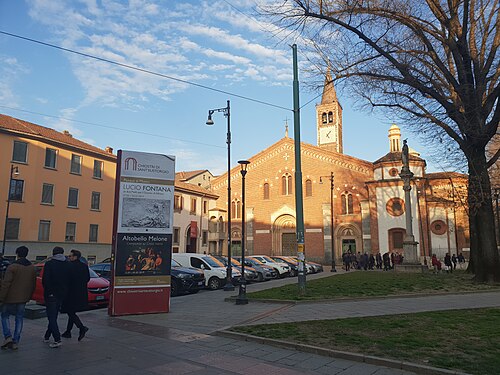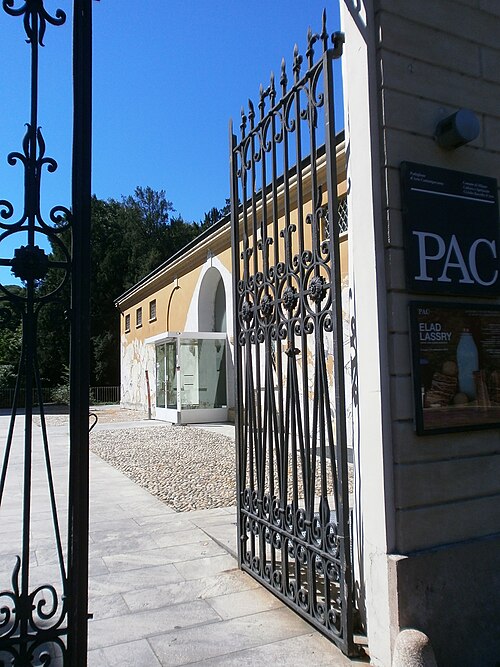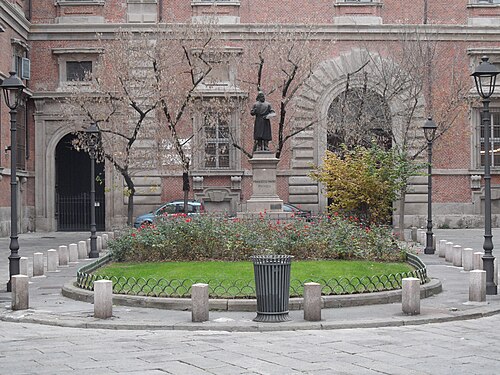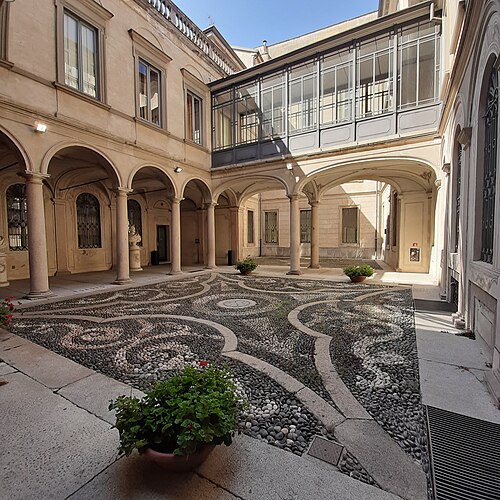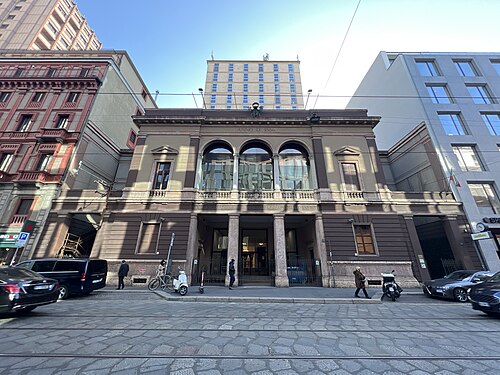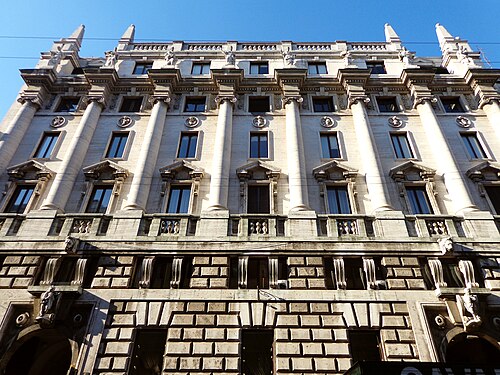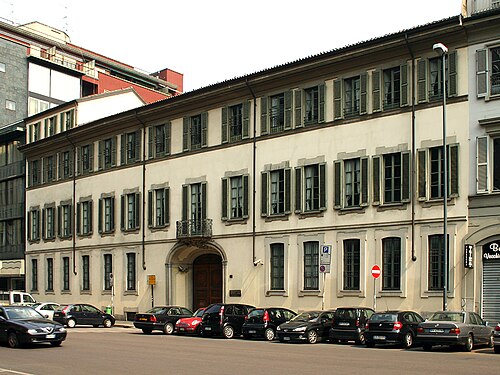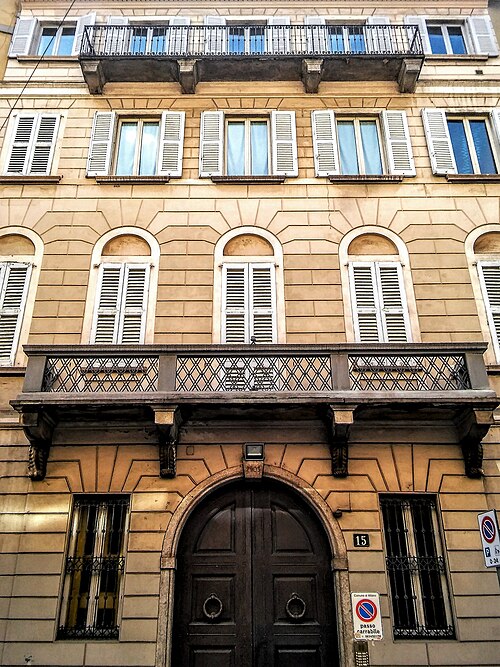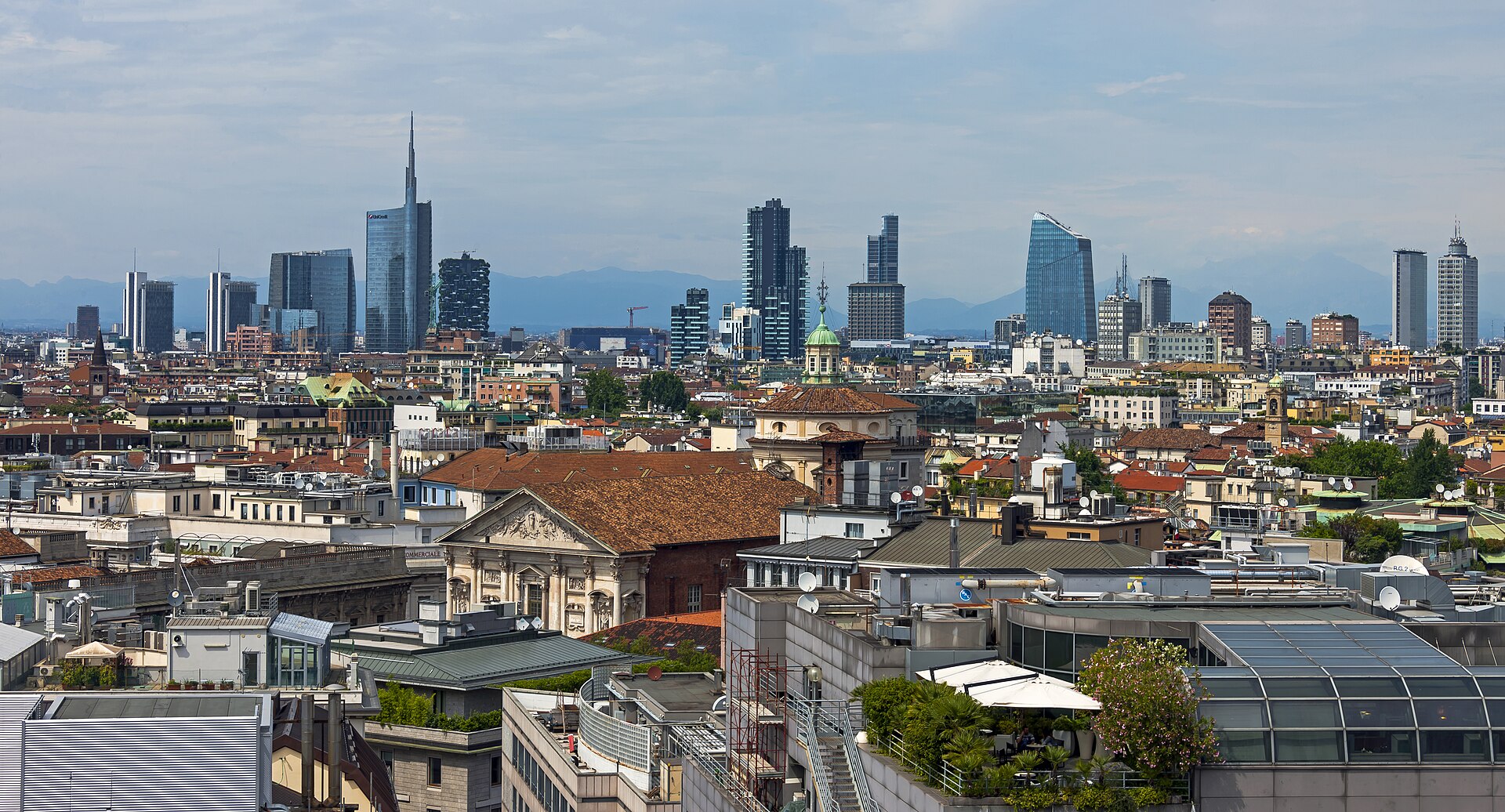
A photograph of Milan

City guide · Italy

Places to visit in Milan, Italy — page 4

Milan is organised around a compact historic centre, with the Duomo, Galleria Vittorio Emanuele II and La Scala close enough to combine on foot. Brera lies imme...

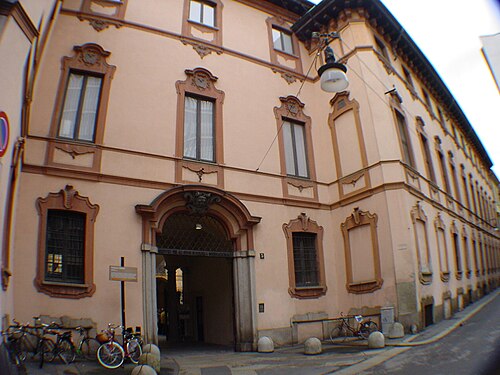
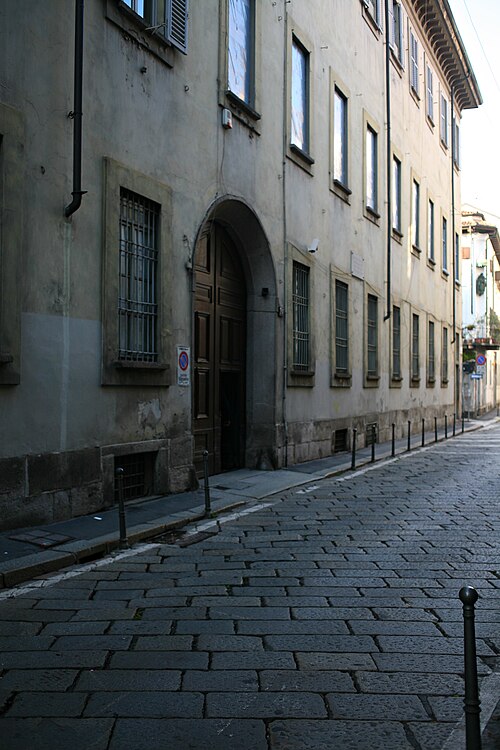
Photograph · Daniel Case · CC BY-SA 3.0

3,152 Places
Suggested stay
2–3 days
Getting around
Walk, metro, tram and bus

Turn this list into a plan

Set your days, your pace and the hours you actually want to be out. The planner works around closing days and travel time, and leaves room to eat.

Plan Milan

Editorial responsibility: Elena Voss · Roavina Travel Editor

Milan is organised around a compact historic centre, with the Duomo, Galleria Vittorio Emanuele II and La Scala close enough to combine on foot. Brera lies immediately north, the Navigli canals sit to the southwest, and the modern Porta Nuova district rises around Garibaldi station. Longer journeys connect the centre with Santa Maria delle Grazie, San Siro and outer design districts.

Checked 2026-08-26

Practical information

Language spoken
Italian
National practical orientation; regional and minority languages may also be used
Dialling code
+39
International calling code; local area and mobile prefixes still apply
Currency
Euro (EUR)
Use the official local currency; card acceptance varies by place
Emergency number
112
Use only for an emergency; tourist assistance may use a separate number
Plug type
Type C, F and L · 230 V
Check that chargers support the recorded voltage before using an adapter
Tap water
Not recorded
No verified nationwide visitor statement was recorded

Planning a visit

November · November is cool and damp in Milan, with a 10.7°C mean high and 76.7 mm of rain.

  1. January: viable with meaningful trade-offs
  2. February: viable with meaningful trade-offs
  3. March: good time to visit
  4. April: best time to visit
  5. May: best time to visit
  6. June: good time to visit
  7. July: viable with meaningful trade-offs
  8. August: viable with meaningful trade-offs
  9. September: good time to visit
  10. October: viable with meaningful trade-offs
  11. November: viable with meaningful trade-offs — current month
  12. December: viable with meaningful trade-offs

Sources

Top things to see

Ranked by importance — sitelinks, pageviews and heritage status, not editor preference.

  1. Museo Mangini Bonomi Museo Mangini Bonomi
    76 1 hr 30 min

    Museo Mangini Bonomi

    Museo Mangini Bonomi is a museum in Milan and a suitable stop for travelers exploring the city’s heritage beyond its best-known landmarks. The museum belongs to Milan’s cultural landscape and offers a more focused setting than the city’s largest institutions.

    • High
    • Museum
  2. Museo Mondo Milan Museo Mondo Milan
    77 1 hr 30 min

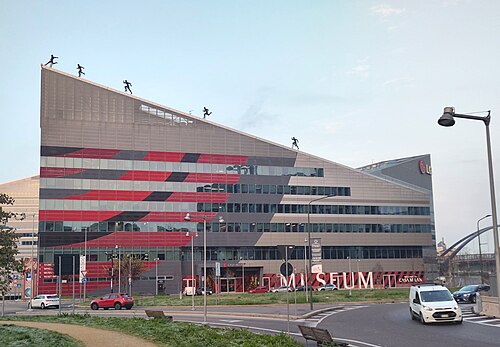
    Museo Mondo Milan

    Museo Mondo Milan is a museum dedicated to the history and culture of AC Milan, one of Italy's most storied football clubs.

    • High
    • Museum
  3. Museo Zambon Museo Zambon
    78 1 hr 30 min

    Museo Zambon

    Zambon

    Museo Zambon is a museum in Milan, identified by the local name Zambon. It belongs to the city’s broad cultural landscape and offers travelers another named destination to consider beyond Milan’s most famous museums.

    • High
    • Museum
  4. Museo d'Arte Antica Museo d'Arte Antica
    79 1 hr 30 min

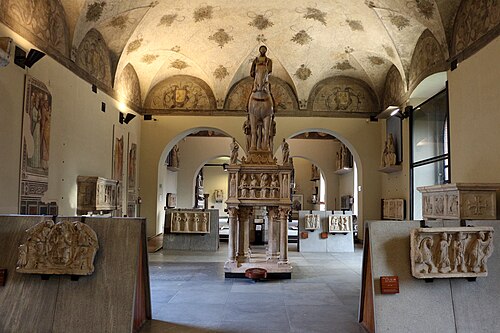
    Museo d'Arte Antica

    Museo d'Arte Antica is a museum in Milan dedicated to ancient and medieval art. It forms part of the Sforza Castle complex, one of the city's most significant historical monuments.

    • High
    • Museum
  5. Museo d'Arte e Scienza Museo d'Arte e Scienza
    80 1 hr 30 min

    Museo d'Arte e Scienza

    Museo d'arte e scienza

    Museo d'Arte e Scienza is a Milan museum whose name brings together two ways of looking at the world: artistic expression and scientific understanding.

    • High
    • Museum
  6. Museum of Pots in History
    81 1 hr 30 min

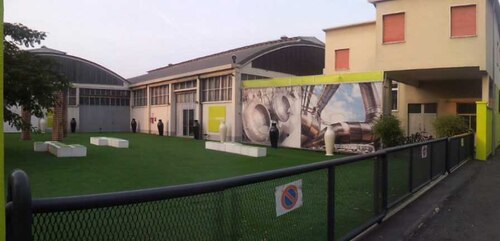
    Museum of Pots in History

    Museo delle pentole nella storia

    The Museo delle pentole nella storia is a museum in Milan dedicated to pots and cookware throughout history. Its Italian name translates to Museum of Pots in History.

    • High
    • Museum
  7. Museo di Sant'Eustorgio Museo di Sant'Eustorgio
    82 1 hr 30 min

    Museo di Sant'Eustorgio

    Museo della basilica di Sant'Eustorgio

    Museo di Sant'Eustorgio is housed within the Basilica di Sant'Eustorgio, one of Milan's important historic religious complexes.

    • High
    • Museum
  8. Padiglione d'Arte Contemporanea Padiglione d'Arte Contemporanea
    83 1 hr 30 min

    Padiglione d'Arte Contemporanea

    Padiglione d'Arte Contemporanea is a contemporary art exhibition space in Milan, Italy. Known locally by the same name, it serves as a venue for modern and contemporary artistic presentations.

    • High
    • Museum
  9. Palazzo Citterio Palazzo Citterio
    84 1 hr 30 min

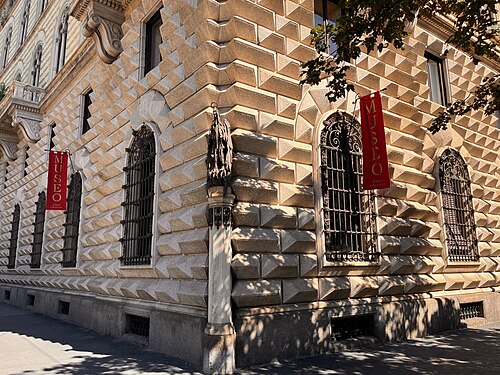
    Palazzo Citterio

    Palazzo Citterio - Grande Brera

    Palazzo Citterio is a historic palace in Milan's Brera district, also associated with the name Palazzo Citterio - Grande Brera. Its importance lies in its place within one of the city's strongest concentrations of art, architecture, and cultural institutions.

    • High
    • Museum
  10. Palazzo Morando Palazzo Morando
    85 1 hr 30 min

    Palazzo Morando

    Palazzo Morando - Costume Moda Immagine

    Palazzo Morando is a historic palace in Milan housing a costume and fashion museum.

    • High
    • Museum
  11. Pinacoteca del Castello Sforzesco Pinacoteca del Castello Sforzesco
    86 1 hr 30 min

    Pinacoteca del Castello Sforzesco

    Pinacoteca del Castello Sforzesco is the art gallery housed within Milan's historic Castello Sforzesco, a fifteenth-century fortress built by Francesco Sforza, Duke of Milan.

    • High
    • Museum
  12. Society for Fine Arts and Permanent Exhibition Society for Fine Arts and Permanent Exhibition
    87 1 hr 30 min

    Society for Fine Arts and Permanent Exhibition

    Museo della Permanente

    The Society for Fine Arts and Permanent Exhibition, known locally as Museo della Permanente, is a Milan cultural institution devoted to visual art.

    • High
    • Museum
  13. Ambrosiana Palace Ambrosiana Palace
    88 45 min

    Ambrosiana Palace

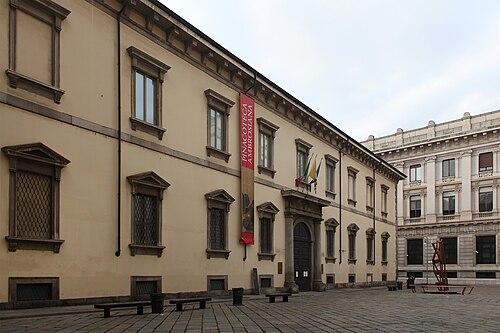
    Palazzo dell'Ambrosiana

    Palazzo dell'Ambrosiana is a historic palace in Milan, Italy, associated with the Biblioteca Ambrosiana, one of Europe's oldest and most significant cultural institutions.

    • High
    • Historic site
  14. Ancient Roman imperial palace of Milan Ancient Roman imperial palace of Milan
    89 45 min

    Ancient Roman imperial palace of Milan

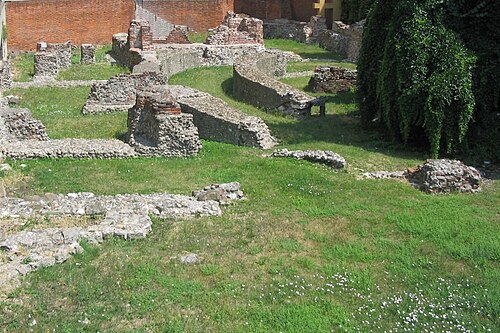
    Villa Imperiale

    The Ancient Roman imperial palace of Milan, known locally as Villa Imperiale, stands as a significant archaeological remnant of Milan's Roman past.

    • High
    • Historic site
  15. Belgioioso Palace Belgioioso Palace
    90 45 min

    Belgioioso Palace

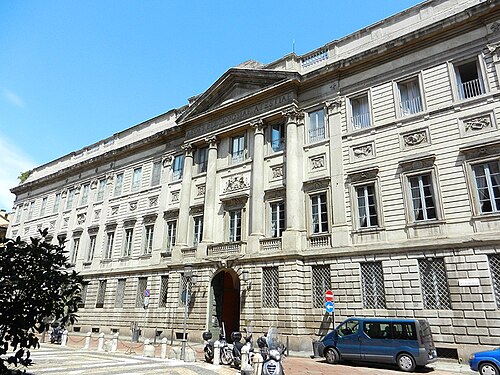
    Palazzo Belgioioso

    Palazzo Belgioioso stands as a distinguished neoclassical palace in central Milan, constructed in the late eighteenth century to designs by Giuseppe Piermarini. The building exemplifies the refined architectural transition from Baroque grandeur to Enlightenment restraint.

    • High
    • Historic site
  16. Bona of Savoy's Tower Bona of Savoy's Tower
    91 45 min

    Bona of Savoy's Tower

    Torre di Bona

    Bona of Savoy’s Tower, known in Italian as Torre di Bona, is a historic tower in Milan associated with Bona of Savoy, a fifteenth-century duchess.

    • High
    • Historic site
  17. Chiaravalle Abbey Chiaravalle Abbey
    92 45 min

    Chiaravalle Abbey

    Abbazia di Chiaravalle

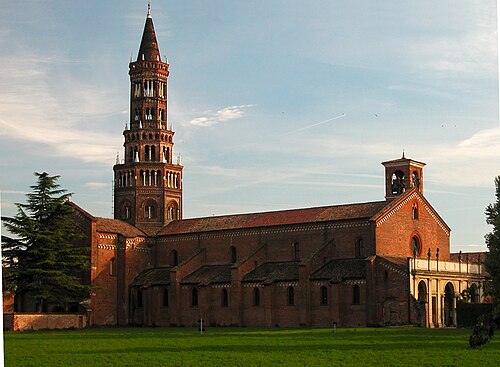
    Chiaravalle Abbey, known locally as Abbazia di Chiaravalle, is a Cistercian monastery located in the southern periphery of Milan. Founded in 1135, it represents an important example of Lombard Gothic and Romanesque architecture.

    • High
    • Historic site
  18. Clerici Palace Clerici Palace
    93 45 min

    Clerici Palace

    Palazzo Clerici

    Clerici Palace is a Milanese aristocratic residence associated with the Clerici family, set within the city’s historic centre.

    • High
    • Historic site
  19. Cornaggia Palace Cornaggia Palace
    94 45 min

    Cornaggia Palace

    Palazzo Cornaggia

    Cornaggia Palace is a named historic building in Milan and a specific architectural destination within the city’s dense urban fabric.

    • Notable
    • Historic site
  20. Crespi Palace Crespi Palace
    95 45 min

    Crespi Palace

    Palazzo Crespi

    Palazzo Crespi is a historic palace in Milan, situated in the city's central area.

    • Notable
    • Historic site
  21. Cusini Palace Cusini Palace
    96 45 min

    Cusini Palace

    Palazzo Cusini

    Cusini Palace, also known as Palazzo Cusini, is a historic palace in central Milan. It belongs to the city’s architectural heritage and forms part of the continuous streetscape that makes central Milan rewarding to explore on foot.

    • Notable
    • Historic site
  22. Litta Cusini Modignani Palace Litta Cusini Modignani Palace
    97 45 min

    Litta Cusini Modignani Palace

    Palazzo Litta Cusini Modignani

    Litta Cusini Modignani Palace is a historic aristocratic palace in Milan. Its name connects the building with the Litta, Cusini, and Modignani families and places it within the city’s tradition of noble urban residences.

    • Notable
    • Historic site
  23. Lurani Cernuschi Palace
    98 45 min

    Lurani Cernuschi Palace

    Palazzo Lurani Cernuschi

    Lurani Cernuschi Palace, or Palazzo Lurani Cernuschi, is a historic palace in Milan. It represents the city’s noble residential architecture and belongs to the layered urban environment that makes Milan interesting beyond its headline attractions.

    • Notable
    • Historic site
  24. Mapelli Palace Mapelli Palace
    99 45 min

    Mapelli Palace

    Palazzo Mapelli

    Mapelli Palace, or Palazzo Mapelli, is a historic palace in Milan.

    • Notable
    • Historic site
  25. Rasini Tower Rasini Tower
    100 45 min

    Rasini Tower

    Palazzo e Torre Rasini

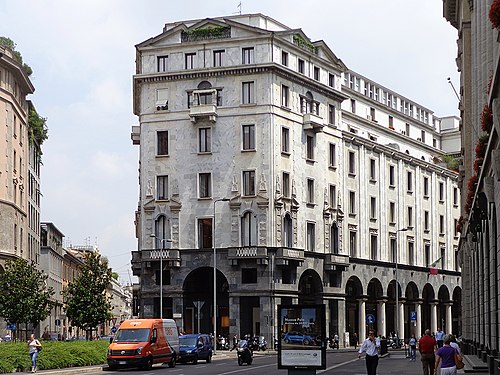
    Palazzo e Torre Rasini stands as a notable architectural presence in Milan. This tower and palace complex represents an element of the city's built heritage, contributing to the urban fabric of Italy's second-largest city.

    • Notable
    • Historic site

Source: OpenStreetMap contributors, Wikidata ·

How the city is laid out

Use the Duomo as the central reference point. The fashion quadrilateral and Brera are north of it, Castello Sforzesco and Parco Sempione are west, and the Navigli and Porta Ticinese districts are south and southwest. Milano Centrale is northeast of the old centre, while Porta Garibaldi serves the Porta Nuova business district. Grouping sights by these zones avoids repeated cross-city travel.

Checked 2026-08-26

Getting around

Walk inside the historic centre and use ATM metro, tram and bus services for longer moves. Milan has five metro lines, while surface routes connect neighbourhoods beyond the rail corridors. Contactless bank cards and mobile devices can be used on ATM services, and the system calculates the applicable fare. Check the operator map before travelling to outer sites or changing fare zones.

Checked 2026-08-26

More city guides

Common questions

How many days should I spend in Milan?

Suggested stay for a first visit: 2–3 days. Build the visit around the historic centre, Brera and the castle, then add Navigli, Porta Nuova or an outer attraction as time allows.

Can I explore central Milan on foot?

Yes. The Duomo, Galleria Vittorio Emanuele II, La Scala, Brera and Castello Sforzesco form a practical walking core, although the metro is useful for crossing between wider districts.

What public transport serves Milan?

ATM operates the city's metro, tram, bus and trolleybus network. Use rail for cross-city movement and surface services where the metro does not directly reach the destination.

Can I pay contactless on Milan public transport?

Yes. ATM accepts supported contactless cards and mobile devices on its services and calculates the applicable fare, provided the same payment method is used throughout the journey.

Which Milan areas should be planned separately?

Treat Navigli, Porta Nuova, San Siro and other outer districts as separate clusters. They sit beyond the compact Duomo-Brera-castle core and usually require a dedicated transit leg.