Museo di Roma
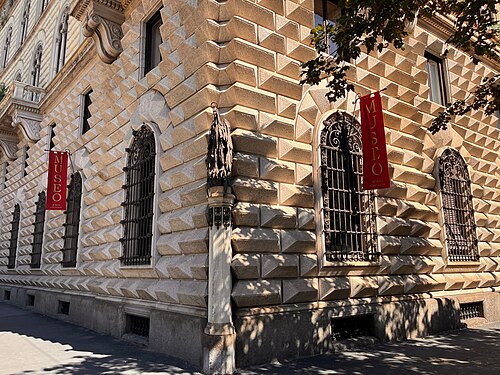
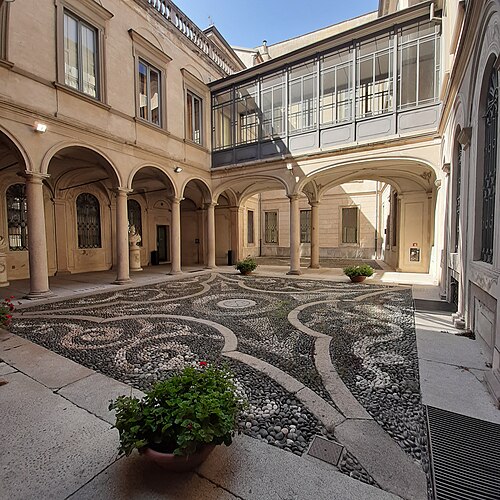
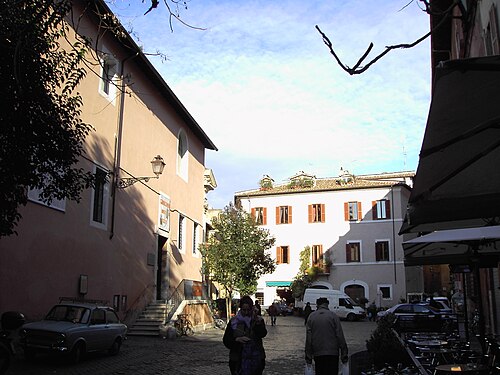
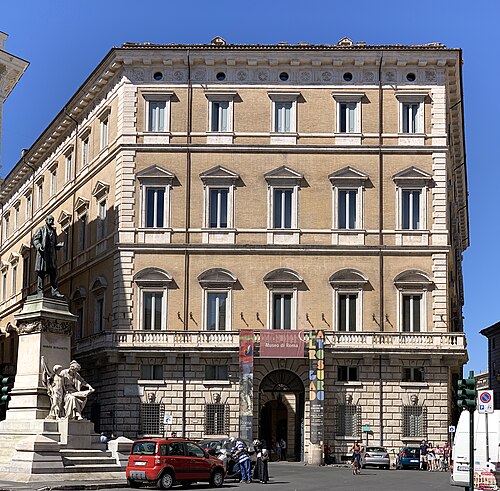
The Museo di Roma is a museum dedicated to the history and culture of Rome. Located in the city center, it occupies a historic building that contributes to its significance as a cultural institution.
- High
- Museum
- Rome
Country guide
Italy holds 62 World Heritage Sites, more than any other country, spread across 301,340 km2 of land that runs from the Alps down into the middle of the Mediterr...
Photograph · Timothy A. Gonsalves · CC BY-SA 4.0
Reviewed by Elena Voss · Roavina Travel Editor
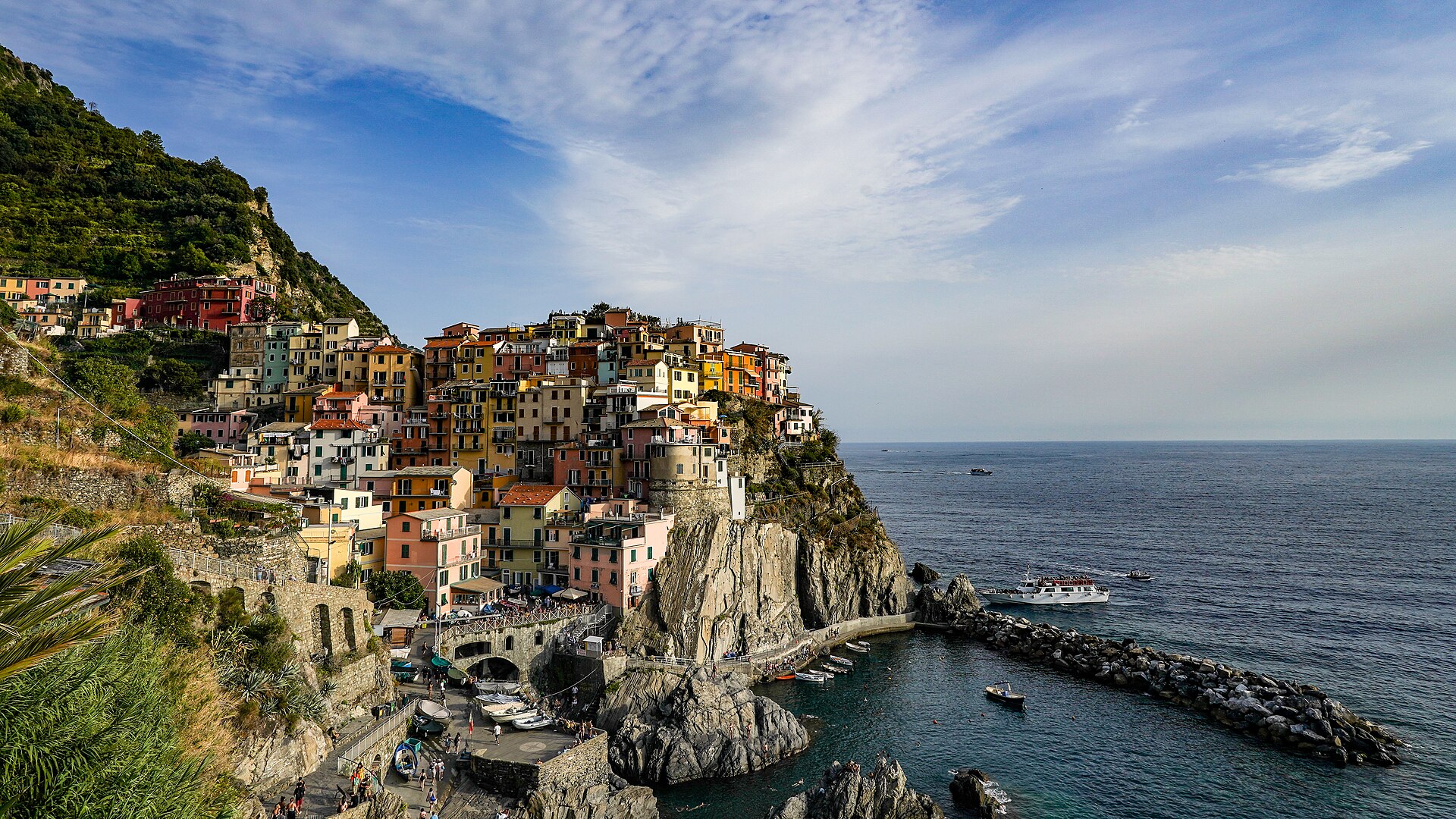
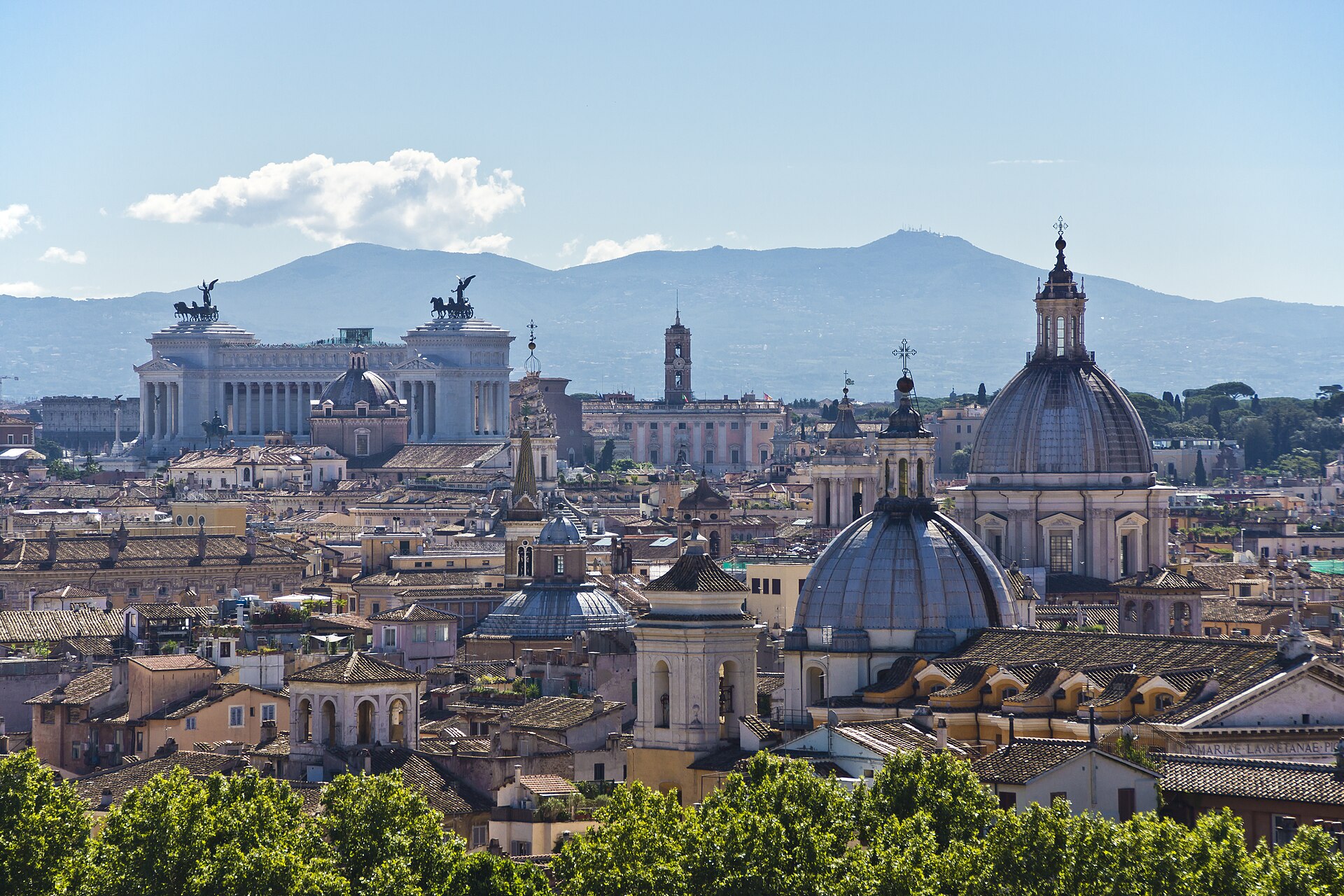
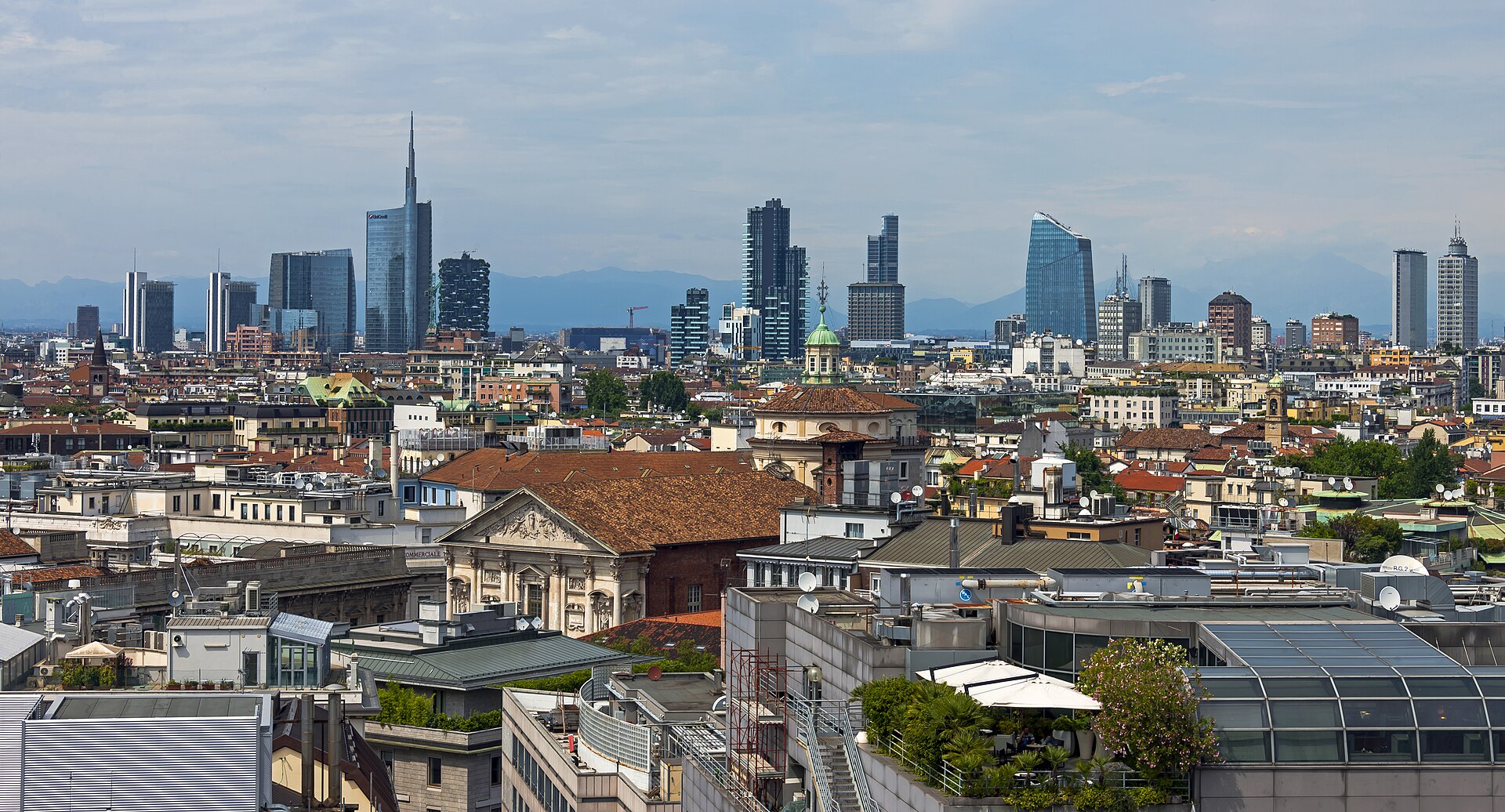
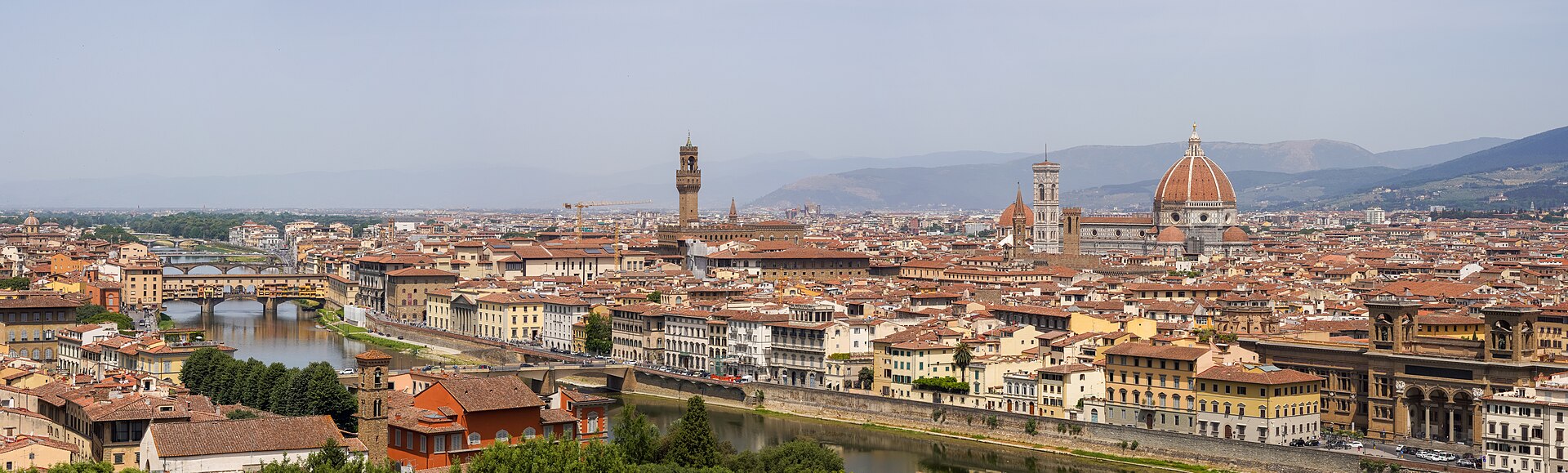
Italy holds 62 World Heritage Sites, more than any other country, spread across 301,340 km2 of land that runs from the Alps down into the middle of the Mediterranean. The distances between its cities are short and the differences between them are not: Venice has no roads, Naples sits under a volcano on a bay, Florence fits inside a walkable Renaissance grid, and Milan keeps its art indoors and works for a living. Rome is the capital and the obvious first trip; the argument is always about what comes second. Nearly 800 islands hang off the coast, and Sicily and Sardinia are each large enough to be a trip of their own.
Checked 2026-08-25
Every city catalogued in this country so far, ranked by how much there is to see.
Photograph · Bert Kaufmann from Roermond, Netherlands · CC BY-SA 2.0
Photograph · Daniel Case · CC BY-SA 3.0
Photograph · Wikibusters · CC BY-SA 4.0
Photograph · Martin Falbisoner · CC BY-SA 4.0
Ranked by importance — sitelinks, pageviews and heritage status, not editor preference.
161 places match
Category
Typical visit duration
Interests
The Museo di Roma is a museum dedicated to the history and culture of Rome. Located in the city center, it occupies a historic building that contributes to its significance as a cultural institution.
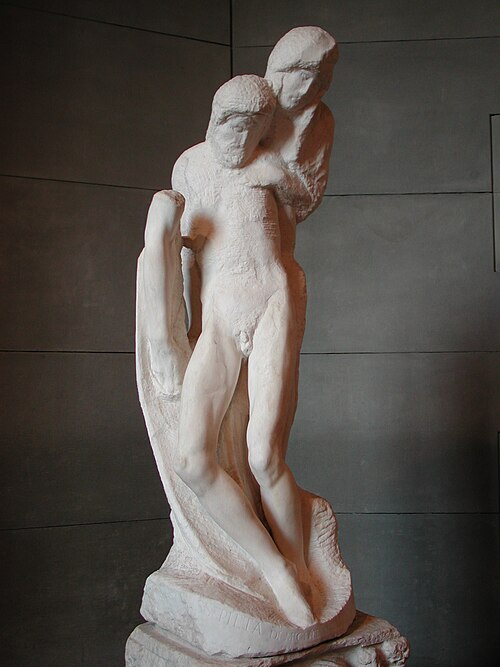
Museo Pietà Rondanini
The Rondanini Pietà is a late unfinished marble sculpture by Michelangelo Buonarroti, housed in the Sforza Castle complex in Milan. The work depicts the Virgin Mary supporting the body of Christ after the Crucifixion.
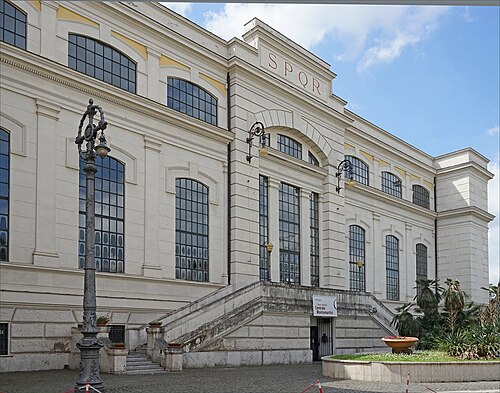
Centrale Montemartini is a museum in Rome housed in a former thermoelectric power plant. The industrial building, with its preserved machinery and turbines, serves as an exhibition space for classical sculpture from the Capitoline Museums collection.
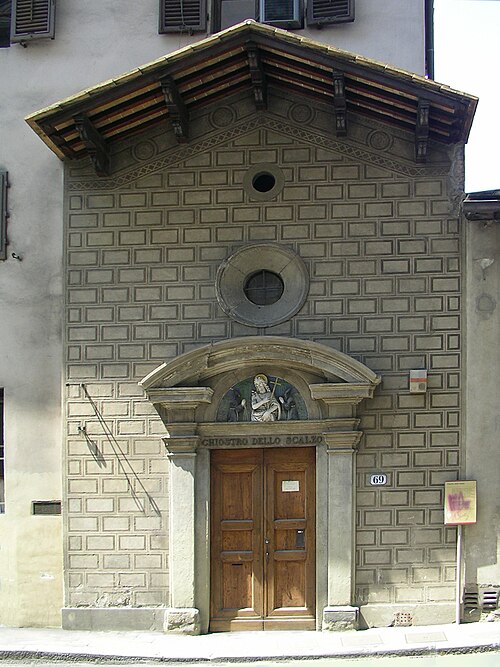
Chiostro dello Scalzo
The Cloister of the Scalzo, or Chiostro dello Scalzo, is a Renaissance cloister in Florence known for Andrea del Sarto’s fresco cycle.
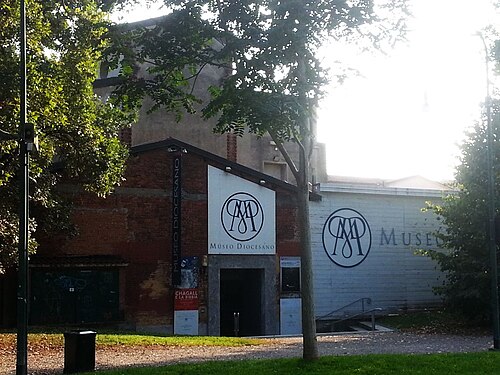
Museo Diocesano di Milano
The Diocesan Museum of Milan is an ecclesiastical museum operated by the Archdiocese of Milan. It occupies a historic site near the Basilica of Sant'Eustorgio in the Portinari Chapel area.
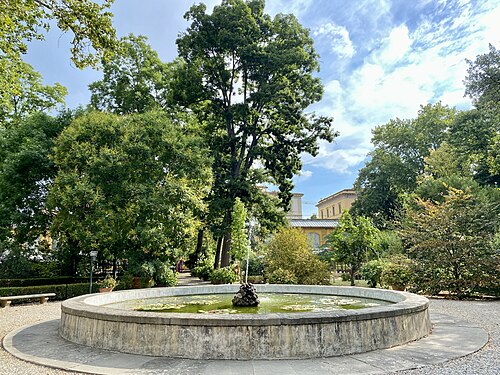
Giardino dei Semplici
The Botanical Garden of Florence, known as Giardino dei Semplici, is a historic garden operated by the University of Florence. Founded in the sixteenth century, it began as a place for cultivating medicinal plants, or semplici.
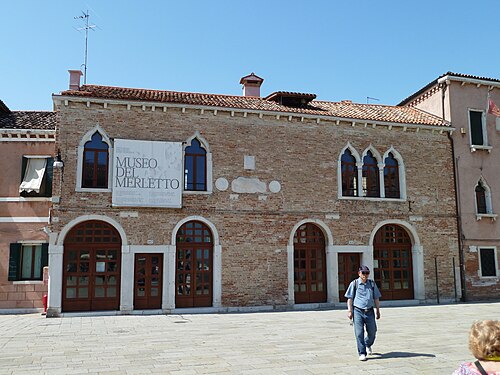
Museo del Merletto di Burano
The Lace Museum stands on Piazza Galuppi, the single square of Burano, in the historic palace of the Podestà of Torcello.
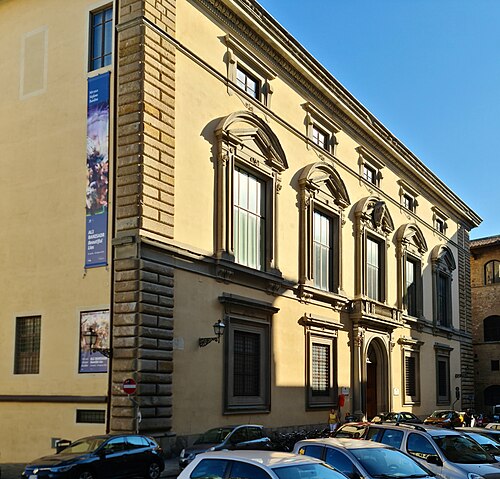
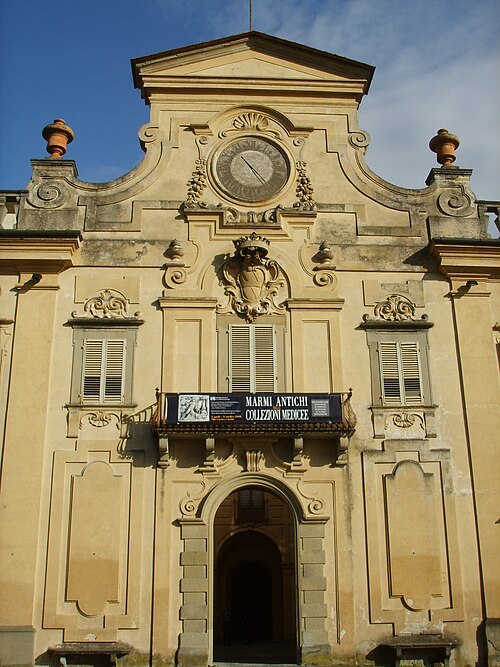
Museo Stefano Bardini
Museo Bardini, locally known as Museo Stefano Bardini, is a museum in Florence housed in a historic building that once belonged to the antiquarian and collector Stefano Bardini.
Museo d'arte e scienza
Museo d'Arte e Scienza is a Milan museum whose name brings together two ways of looking at the world: artistic expression and scientific understanding.
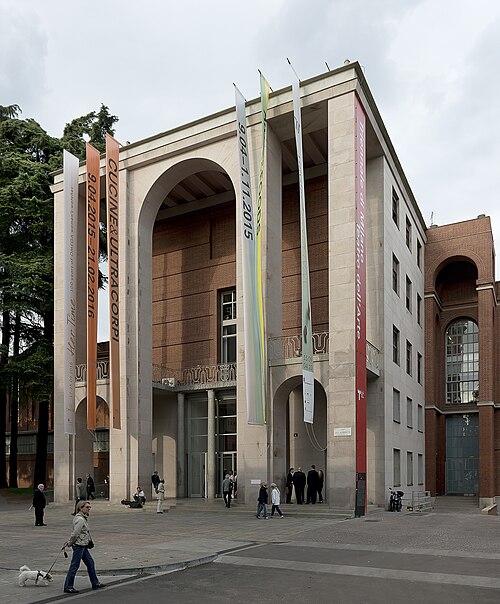
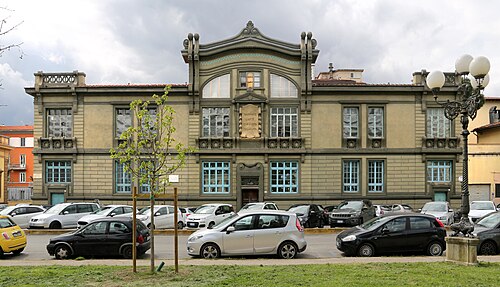
Triennale Design Museum
Palazzo dell'Arte Bernocchi, locally known as Triennale Design Museum, stands as a significant cultural institution in Milan dedicated to Italian design excellence. Housed within a distinctive architectural setting, the museum occupies a prominent position in the city's cultural landscape.
Palazzo Morando - Costume Moda Immagine
Palazzo Morando is a historic palace in Milan housing a costume and fashion museum.
Museo Egizio
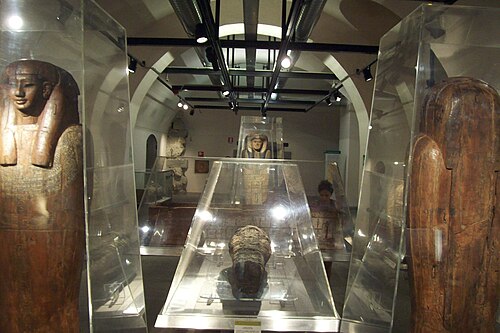
The Egyptian Museum of Milan, known locally as Museo Egizio, is a museum dedicated to Egyptian antiquities and archaeology. It adds an Egyptology-focused stop to Milan’s better-known art, design, and fashion itinerary.
Museo Storico Navale is Venice’s naval history museum in the Castello district, close to the Venetian Arsenal. The museum explores the maritime power that shaped Venice, from the era of the Venetian Republic to the modern Italian Navy.
Museo delle Arti Decorative
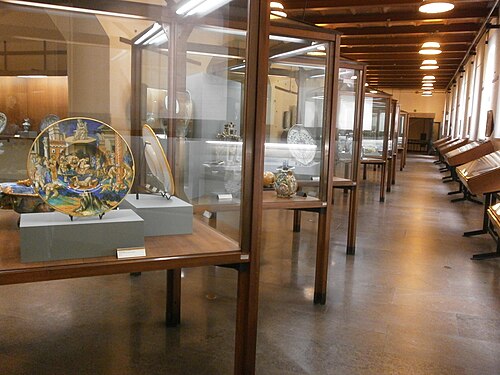
The Applied Arts Collection of Milan, known locally as the Museo delle Arti Decorative, is a museum dedicated to decorative and applied arts within the city.
Palazzo Mocenigo
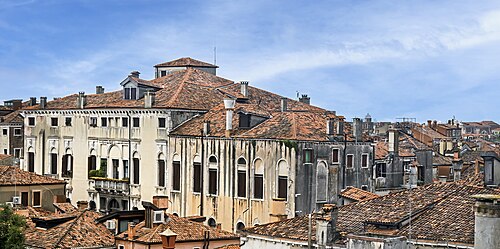
Museo di Palazzo Mocenigo is a museum in a historic Venetian palace beside the Grand Canal. It introduces visitors to the world of Venetian dress, textiles, fragrance and aristocratic domestic life.
Museo di Roma in Trastevere
Museo di Roma in Trastevere occupies a converted historic complex in one of Rome's most characterful quarters. The institution forms part of the broader network of civic museums documenting the capital's social and cultural evolution.
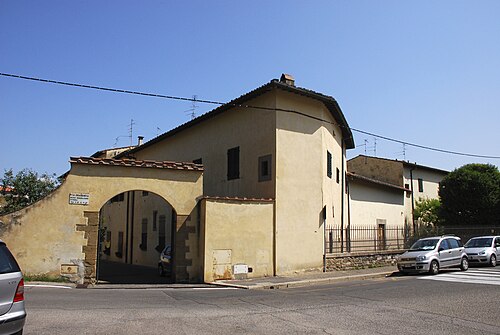
Villa Pandolfini Carducci
Villa Carducci di Legnaia, also known as Villa Pandolfini Carducci, is a historic villa in Florence's Legnaia neighbourhood. It represents the country-house tradition of wealthy Florentine families and reflects the transition between the historic city and its former rural edges.
Pinacoteca del Castello Sforzesco is the art gallery housed within Milan's historic Castello Sforzesco, a fifteenth-century fortress built by Francesco Sforza, Duke of Milan.
Casa-museo Boschi Di Stefano is a house museum in Milan preserving the former residence of collectors Antonio Boschi and Marieda Di Stefano. The couple amassed a significant collection of twentieth-century Italian art, which they donated to the city.
Galleria Rinaldo Carnielo
The Galleria Rinaldo Carnielo is a museum in Florence dedicated to the works of Rinaldo Carnielo, an Italian sculptor active in the late 19th and early 20th centuries.
Museo delle Civiltà is a museum complex in Rome’s EUR district devoted to cultures and civilizations from around the world. Its collections bring together ethnographic, anthropological, archaeological and artistic material formerly held by different institutions.
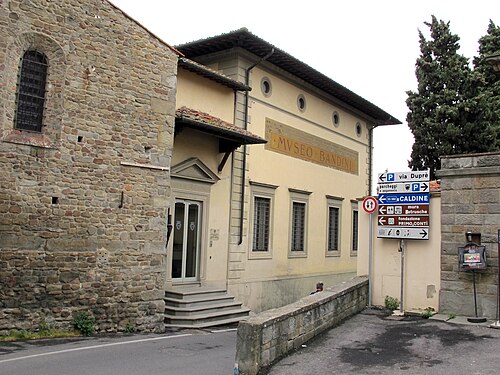
Museo Bandini
Museum Bandini, also known as Museo Bandini, is a Florence museum included within the city's wider cultural landscape. Its local name is useful when reading Italian directions or referring to the museum in the city.
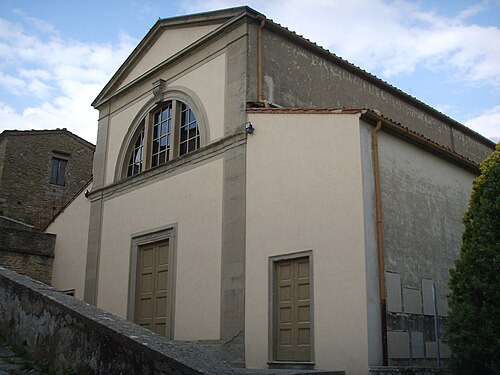
Basilica di Sant'Alessandro
Sant'Alessandro is a basilica in Florence, Tuscany, and forms part of the city's long religious and architectural tradition. Its setting makes it a useful stop for travellers who want to see a quieter sacred landmark alongside Florence's better-known Renaissance monuments.
Villa Corsini
Villa Corsini in Castello is a historic villa in Florence’s Castello area.
Galleria d'Arte Sacra dei Contemporanei is a Milanese gallery devoted to contemporary sacred art. It brings religious themes into conversation with modern artistic practice, offering a focused alternative to the city’s better-known Renaissance, Baroque and modern-art collections.
Ten to fourteen days can combine Milan, Venice, Florence, and Rome by high-speed train. Give Venice more than a transfer night and Rome several separate sightseeing days; rural Tuscany needs different transport planning from the rail-linked cities.
Italy is in the Schengen Area, but visa and passport requirements vary by nationality and route. Use Italy's official visa portal to confirm the applicable rule before travel rather than relying on another Schengen trip.
High-speed trains connect Milan, Venice, Florence, and Rome, with regional rail and coaches serving smaller places. Drivers must check ZTL restrictions before entering historic centres because access controls are local and can generate fines.
April to June and September to October broadly suit the north-to-Rome rail route. Lagoon conditions in Venice, summer heat in Rome, and seasonal rural services in Tuscany should be checked independently.
Italy uses the euro (EUR). Carry a modest cash reserve for small purchases while using cards where accepted, and verify the euro amount at the terminal instead of accepting an unexamined conversion.
Italy routes emergency calls through 112. Travellers encounter a 230 V supply and Type C, F, or L receptacles. No tap-water assessment is recorded for Italy; obtain current local advice at the destination.