
.jpg)


107
45 min
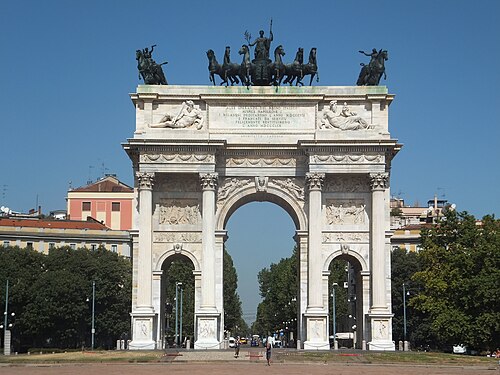
Arch of Peace
Arco della Pace
The Arco della Pace is a neoclassical triumphal arch in Milan, standing at the edge of Parco Sempione near the historic centre.
- High
- Historic monument
- Milan
Country guide
Italy holds 62 World Heritage Sites, more than any other country, spread across 301,340 km2 of land that runs from the Alps down into the middle of the Mediterr...
Photograph · Timothy A. Gonsalves · CC BY-SA 4.0
Reviewed by Elena Voss · Roavina Travel Editor
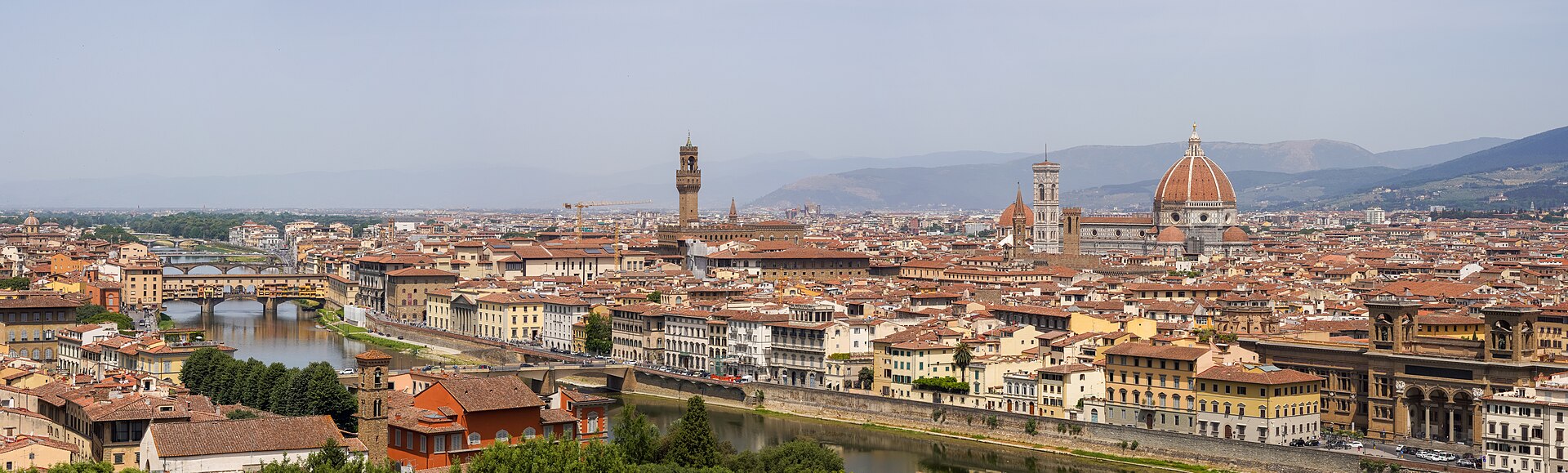
Italy holds 62 World Heritage Sites, more than any other country, spread across 301,340 km2 of land that runs from the Alps down into the middle of the Mediterranean. The distances between its cities are short and the differences between them are not: Venice has no roads, Naples sits under a volcano on a bay, Florence fits inside a walkable Renaissance grid, and Milan keeps its art indoors and works for a living. Rome is the capital and the obvious first trip; the argument is always about what comes second. Nearly 800 islands hang off the coast, and Sicily and Sardinia are each large enough to be a trip of their own.
Checked 2026-08-25
Every city catalogued in this country so far, ranked by how much there is to see.
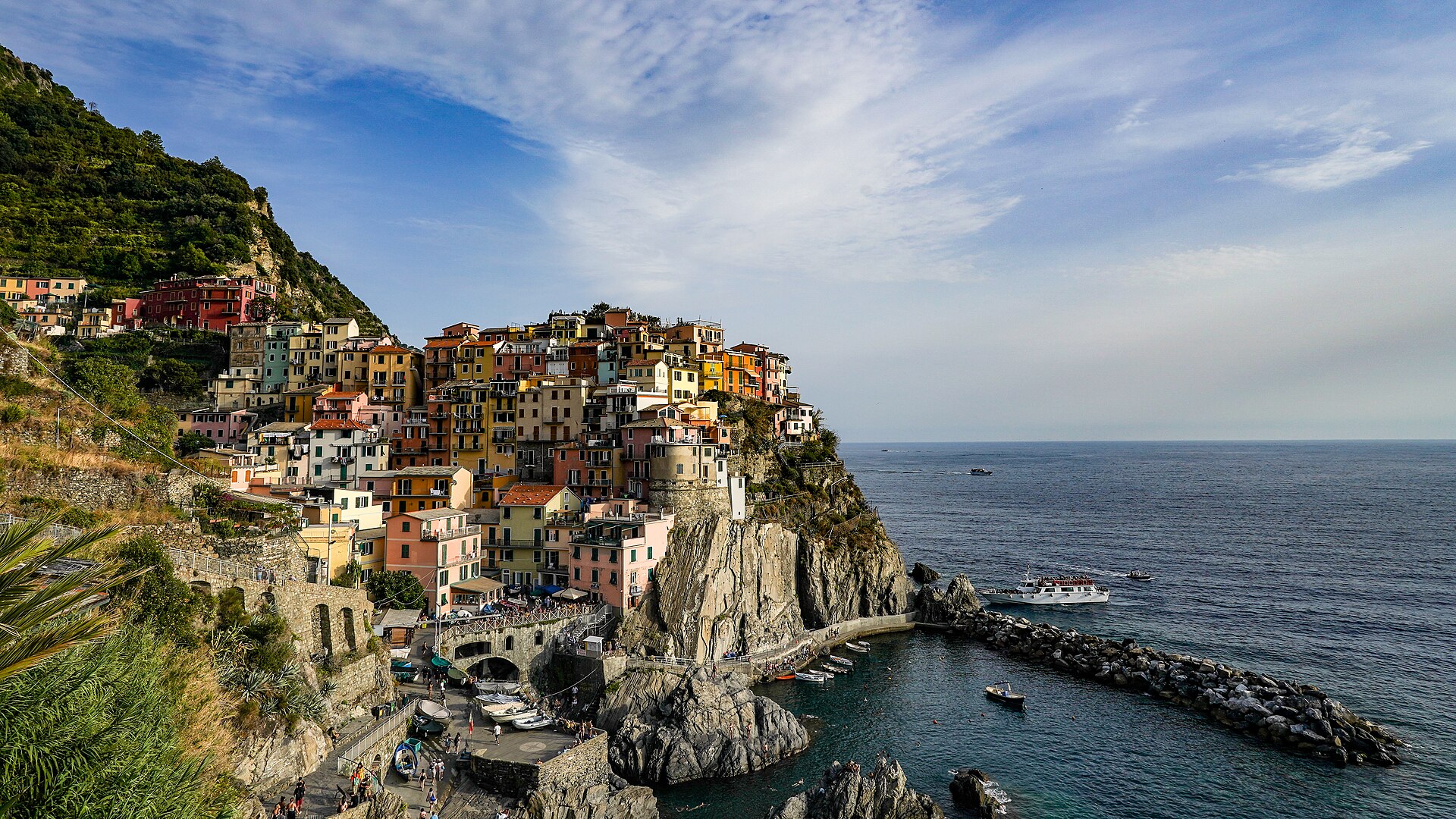
Photograph · Bert Kaufmann from Roermond, Netherlands · CC BY-SA 2.0
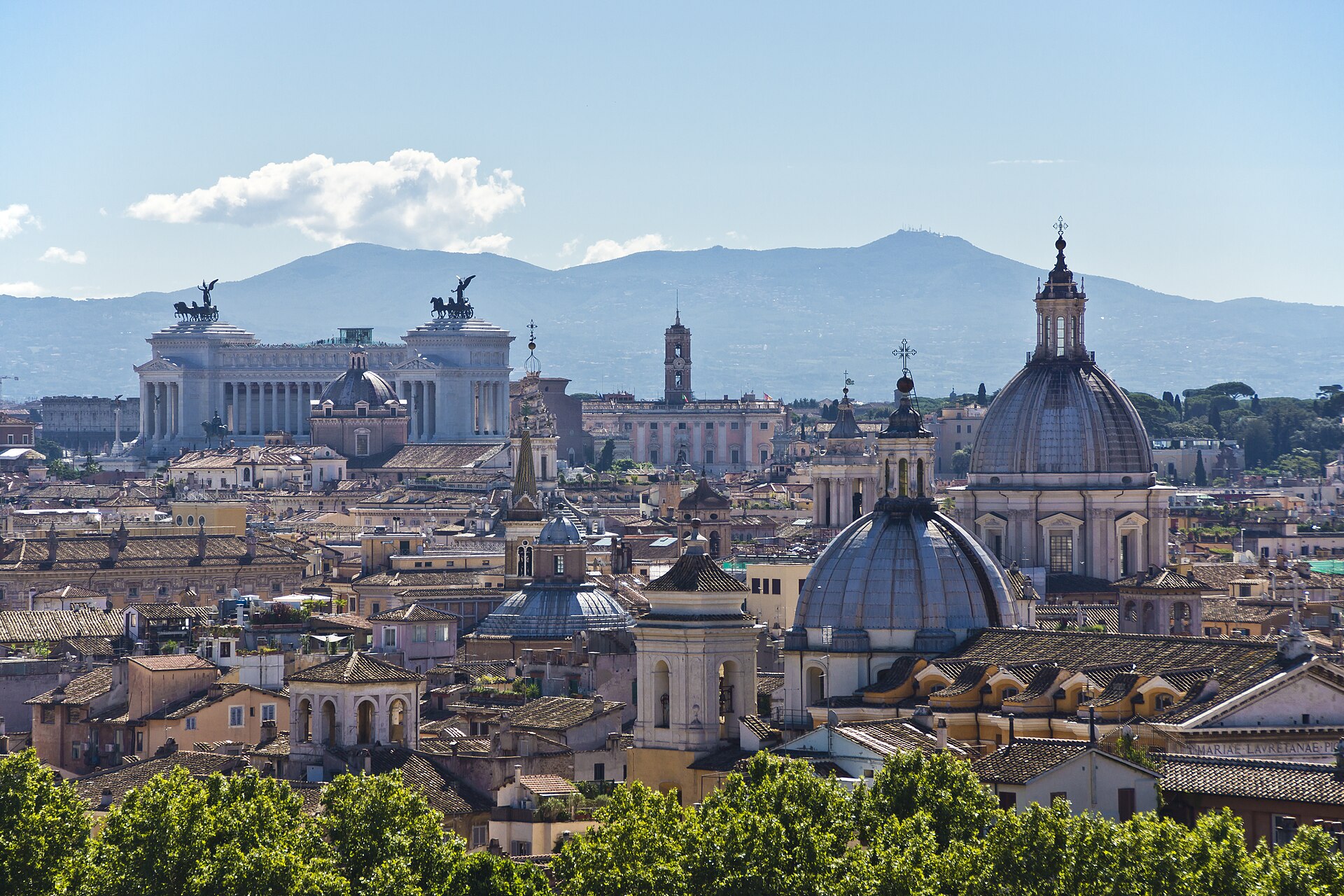
Photograph · Daniel Case · CC BY-SA 3.0
Photograph · Wikibusters · CC BY-SA 4.0

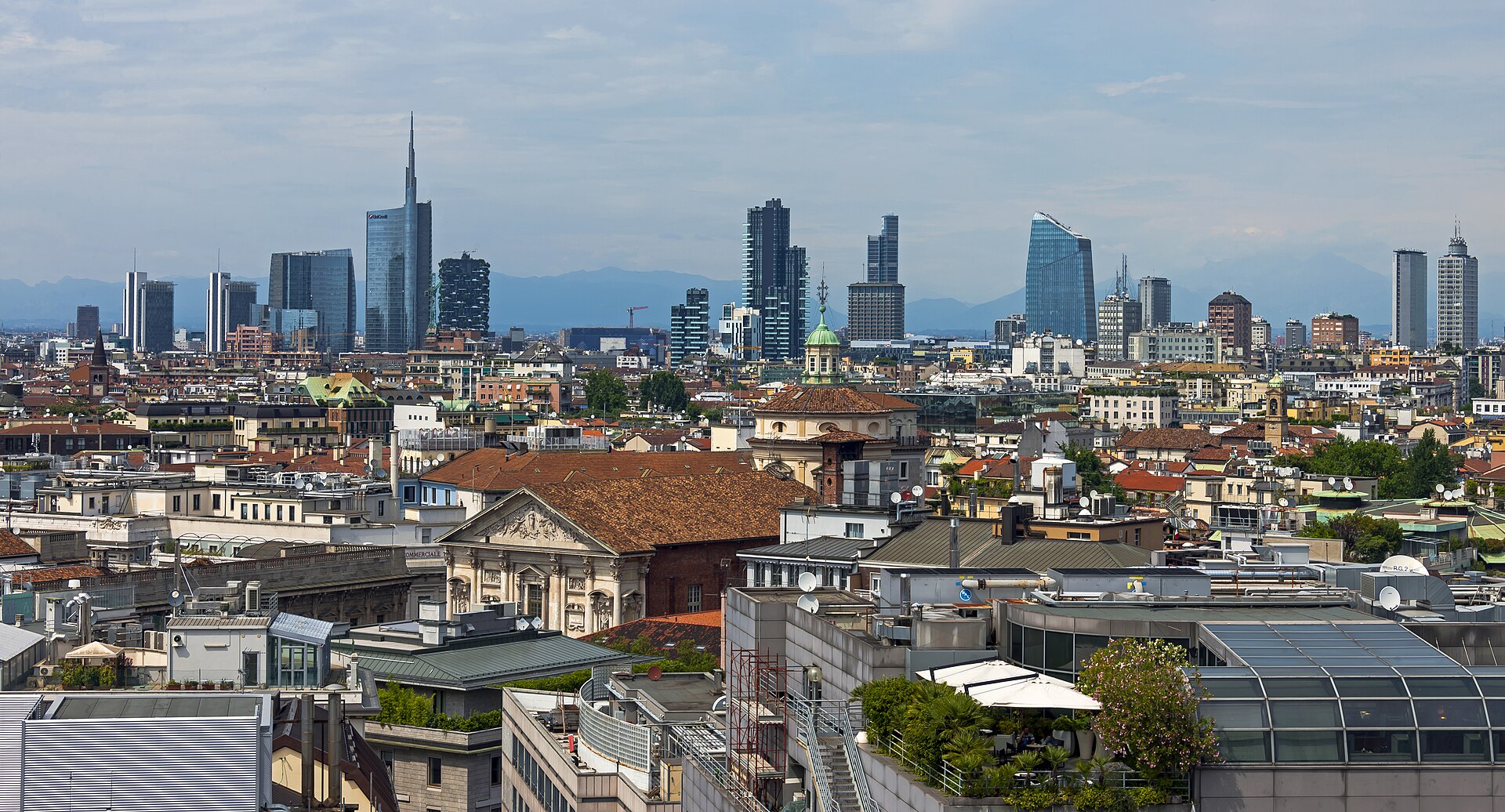
Photograph · Martin Falbisoner · CC BY-SA 4.0
Ranked by importance — sitelinks, pageviews and heritage status, not editor preference.
226 places match
Category
Typical visit duration
Interests
Arco della Pace
The Arco della Pace is a neoclassical triumphal arch in Milan, standing at the edge of Parco Sempione near the historic centre.
Certosa del Galluzzo
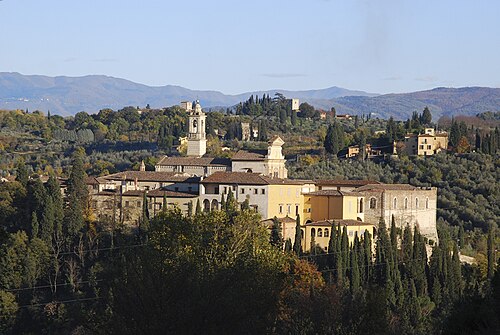
Florence Charterhouse, or Certosa del Galluzzo, is a Carthusian monastery on a hillside south of central Florence. Niccolò Acciaiuoli founded the complex in 1341.
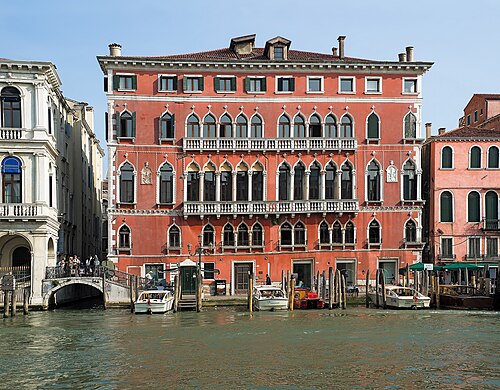
Palazzo Bembo is a historic palace on Venice’s Grand Canal, near the Rialto Bridge. Its Venetian Gothic character, together with later Renaissance elements, makes it a strong example of the layered palazzo facades lining the city’s principal waterway.
Castello di Macconago
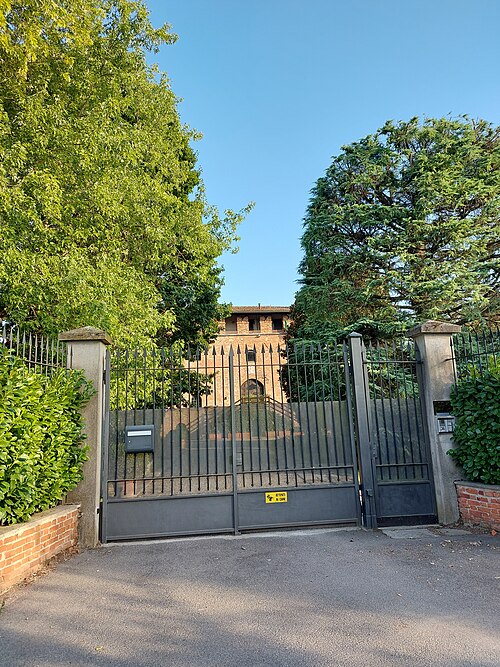
Castle of Macconago, also known locally as Castello di Macconago, is a historic castle in the Milan area. Its fortified character connects the site with Lombardy’s tradition of defensive buildings and noble residences.
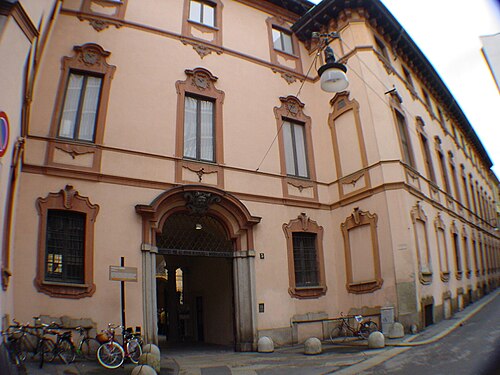
Palazzo Clerici
Clerici Palace is a Milanese aristocratic residence associated with the Clerici family, set within the city’s historic centre.
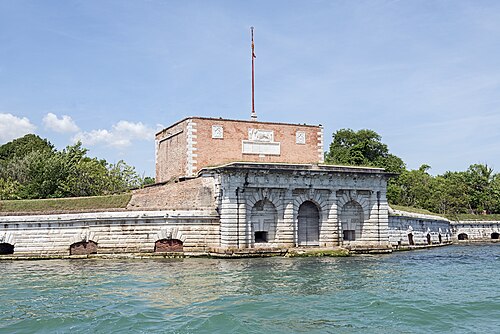
Forte di Sant'Andrea is a historic military fortification located on the island of Sant'Andrea in the Venetian Lagoon. Built in the 16th century, it formed part of Venice's defensive system protecting the city from maritime threats approaching from the northeast.

Palazzo e Torre Rasini
Palazzo e Torre Rasini stands as a notable architectural presence in Milan. This tower and palace complex represents an element of the city's built heritage, contributing to the urban fabric of Italy's second-largest city.
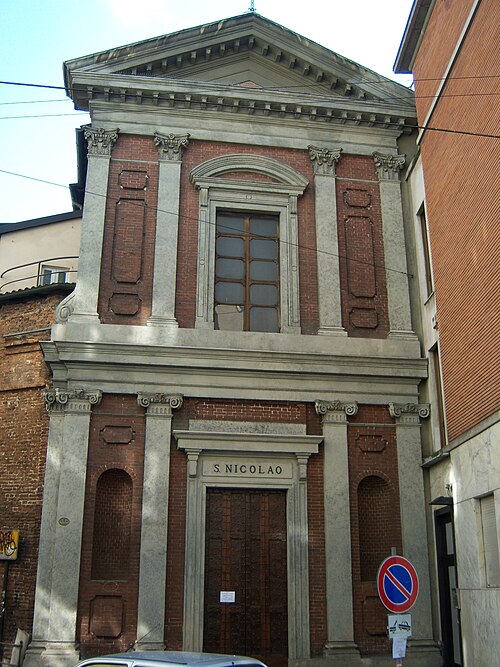
Chiesa di San Nicolao
San Nicolao Church, or Chiesa di San Nicolao, is a historic religious building in Milan. It belongs to the city’s broad ecclesiastical heritage and offers a quieter alternative to the major cathedral and basilica circuit.
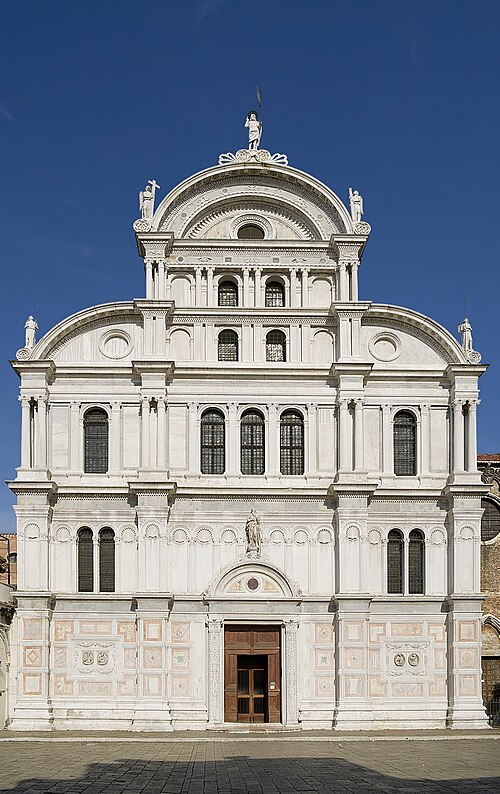
Chiesa di San Zaccaria
San Zaccaria, also called Chiesa di San Zaccaria, is a historic church near Venice’s waterfront, east of Piazza San Marco. It stands in the Castello sestiere and reflects a transition between Gothic and Renaissance architecture.

Chiesa di San Bernardino alle Ossa
San Bernardino alle Ossa is a historic church in central Milan, Italy. Its local name is Chiesa di San Bernardino alle Ossa.
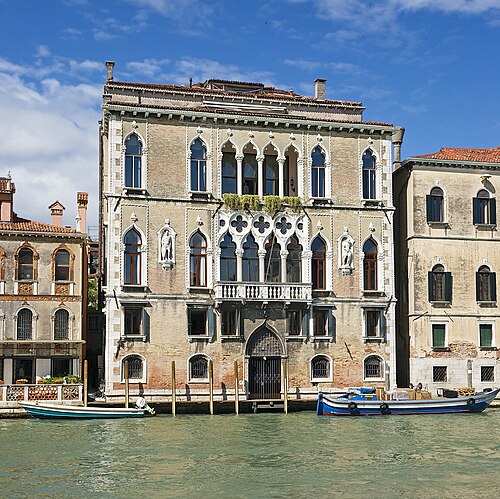
Palazzo Loredan dell'Ambasciatore is a historic Venetian palace located in the Dorsoduro district, overlooking the Grand Canal. It belongs to the Loredan family, one of Venice's most ancient and distinguished patrician houses.
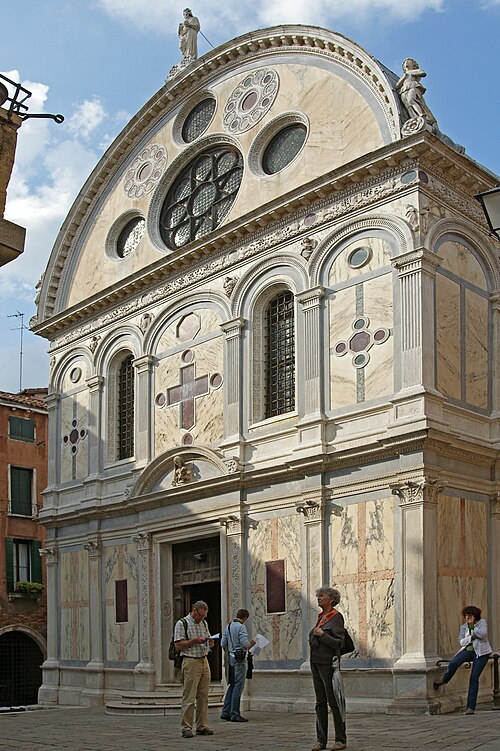
Chiesa di Santa Maria dei Miracoli
Santa Maria dei Miracoli is a Renaissance church in Venice, locally known as Chiesa di Santa Maria dei Miracoli. It was built between 1481 and 1489 to house a miraculous icon of the Virgin Mary.

Punta della Dogana is the triangular tip between Venice’s Grand Canal and Giudecca Canal.
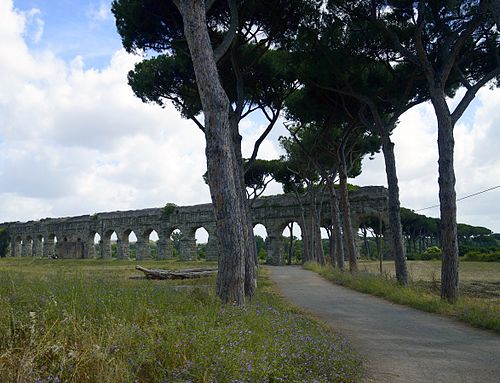
Parco degli Acquedotti is a public park in Rome's southeastern periphery, named for the ancient Roman aqueducts that traverse its terrain.
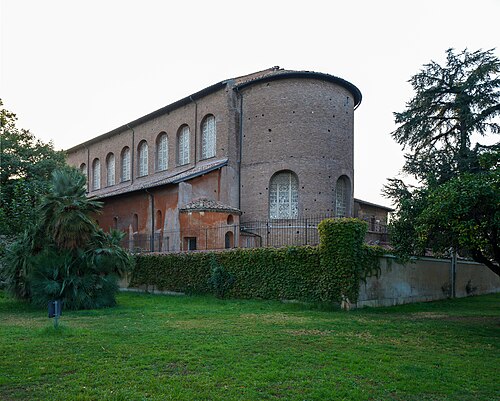
Basilica di Santa Sabina all'Aventino
Basilica of Saint Sabina stands on Rome’s Aventine Hill and was built between 422 and 432 CE. It is one of the city’s best-preserved early Christian basilicas, retaining much of its fifth-century structure.
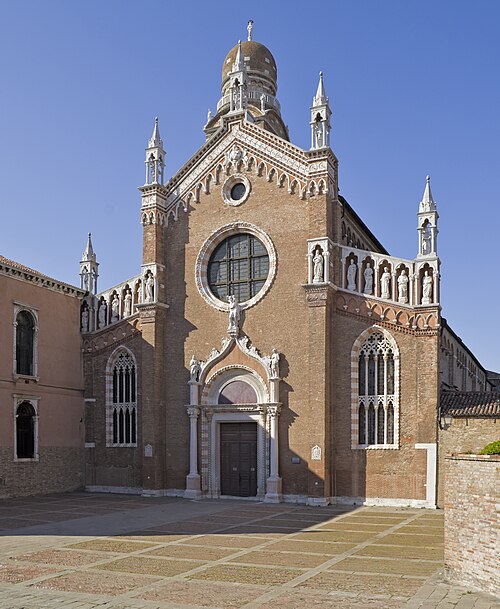
Madonna dell'Orto is a Gothic church in Venice's Cannaregio district. Founded in the mid-14th century by the now-defunct Humiliati order, it later became a parish church.
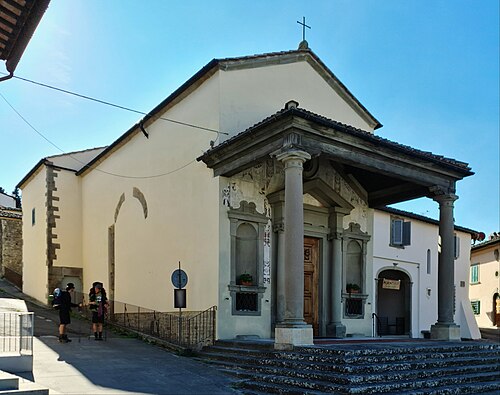
Santa Maria Primerana
Santa Maria Primerana is a historic church in Florence and one of the many sacred buildings that give the city its exceptional concentration of heritage.
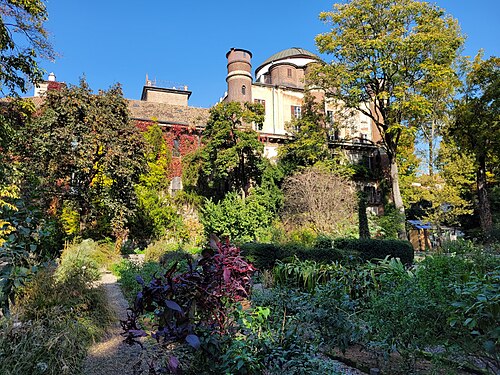
Orto Botanico di Brera is a historic botanical garden in Milan’s Brera district. Founded in 1774 under Maria Theresa of Austria, it was created as an academic setting for cultivating medicinal plants and supporting pharmaceutical education.
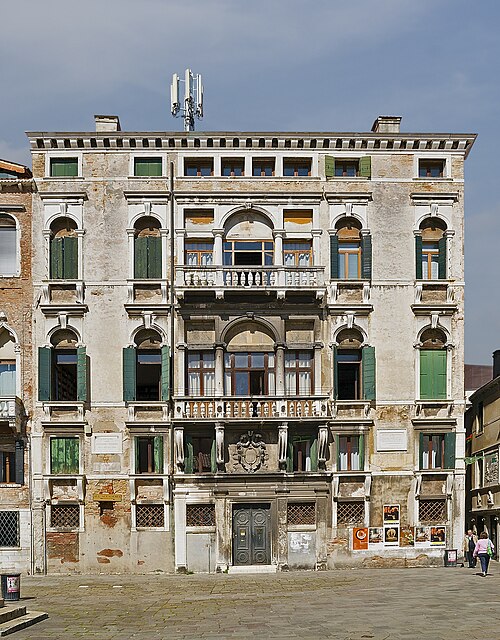
Palazzo Bellavite is a historic palace in Venice’s San Marco district. It belongs to the architectural landscape of central Venice, where noble residences, churches, bridges, and narrow streets form a continuous historic setting.
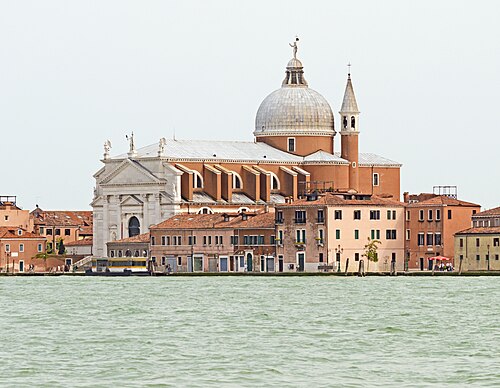
Chiesa del Redentore
Il Redentore, locally known as Chiesa del Redentore, stands as a significant church on the Giudecca island in Venice.
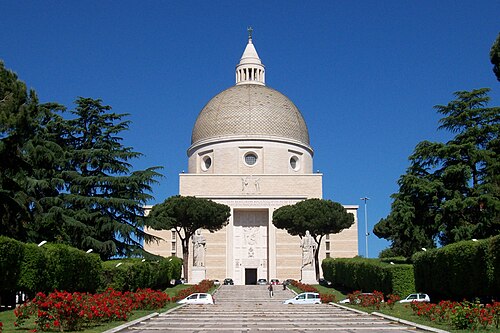
Basilica parrocchiale dei Santi Pietro e Paolo
The Basilica of Saints Peter and Paul is a Catholic church in Rome’s EUR district, dedicated jointly to the two apostles. Its twentieth-century modernist character sets it apart from the Baroque and Renaissance churches concentrated in the historic centre.
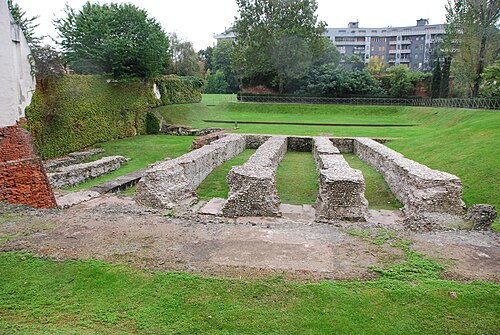
Anfiteatro Romano
The Anfiteatro Romano is Milan's ancient Roman amphitheatre, located in the city centre near Piazza dell'Amphiteatro. This archaeological site represents one of the most significant remnants of Mediolanum, the Roman settlement that preceded modern Milan.

Palazzo Corsini al Parione
Palazzo Corsini al Parione is a historic palace in central Florence’s Parione district.
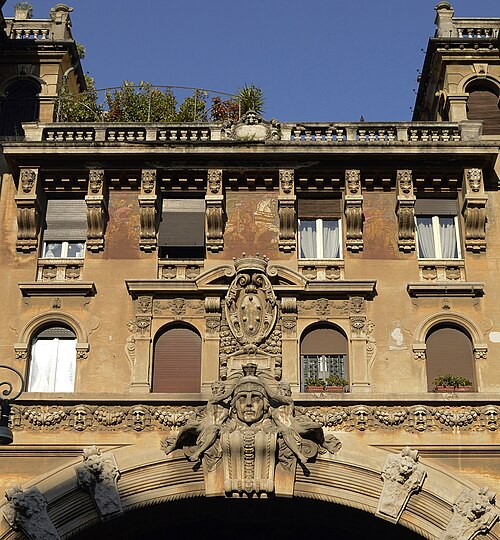
Quartiere Coppedè is an architectural enclave in Rome's Trieste district, conceived by Florentine architect Gino Coppedè between 1913 and 1927. The quarter spans roughly one block and represents a distinctive fusion of Art Nouveau, medieval, Baroque, and ancient Greek influences.
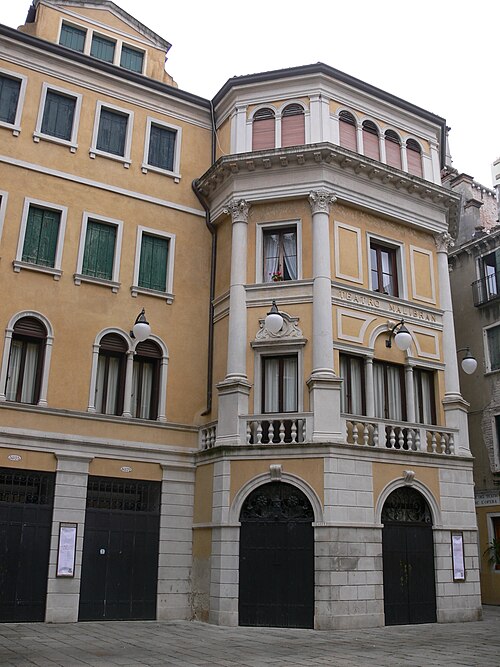
Malibran
Teatro Malibran is a historic opera house in Venice, Italy, situated in the Cannaregio district. Originally opened as Teatro San Giovanni Grisostomo in 1678, it was later renamed in honour of the celebrated Spanish mezzo-soprano Maria Malibran.
Ten to fourteen days can combine Milan, Venice, Florence, and Rome by high-speed train. Give Venice more than a transfer night and Rome several separate sightseeing days; rural Tuscany needs different transport planning from the rail-linked cities.
Italy is in the Schengen Area, but visa and passport requirements vary by nationality and route. Use Italy's official visa portal to confirm the applicable rule before travel rather than relying on another Schengen trip.
High-speed trains connect Milan, Venice, Florence, and Rome, with regional rail and coaches serving smaller places. Drivers must check ZTL restrictions before entering historic centres because access controls are local and can generate fines.
April to June and September to October broadly suit the north-to-Rome rail route. Lagoon conditions in Venice, summer heat in Rome, and seasonal rural services in Tuscany should be checked independently.
Italy uses the euro (EUR). Carry a modest cash reserve for small purchases while using cards where accepted, and verify the euro amount at the terminal instead of accepting an unexamined conversion.
Italy routes emergency calls through 112. Travellers encounter a 230 V supply and Type C, F, or L receptacles. No tap-water assessment is recorded for Italy; obtain current local advice at the destination.